


Conversion rate optimization helps B2B companies generate more qualified leads from the traffic they’re already paying for by improving how visitors move through the buying journey. While traffic is important, revenue comes from qualified leads. When your website converts only a small percentage of visitors, every acquisition dollar has to work harder to generate pipeline.
This guide gives you a tactical, data-driven framework for finding where your funnel leaks and how to fix it, so the traffic you’re already paying for turns into revenue.
What is Conversion Rate Optimization?
Conversion rate optimization (CRO) is the process of improving a website so a higher percentage of visitors complete valuable actions, such as booking a demo, requesting a quote, or submitting a qualified lead form.
Defining CRO through an ROI Lens
CRO is more than a website design initiative. It’s a revenue optimization strategy that improves the return on your existing marketing investment. If your site converts 2% of visitors today and you get that to 4%, you’ve doubled your output from the same traffic and ad spend. According to Ruler Analytics, conversion rates vary significantly across industries and traffic sources, making your own historical performance a more meaningful benchmark than industry averages. That’s not a marginal improvement. That’s your existing budget working twice as hard.
Why is Conversion Rate Optimization Important?
Conversion rate optimization is important because it helps businesses generate more qualified leads without increasing marketing spend.
Every visitor who leaves without converting is a wasted acquisition cost you already paid. Improving conversion rates turns more of your existing traffic into qualified leads and customers, which means more revenue without spending more on marketing. Most teams chase more traffic first, but fixing conversion first is almost always cheaper.
B2B vs. B2C Realities
B2B conversion is different from B2C conversion, and treating them the same is where most CRO advice fails. A B2C purchase can happen on impulse, in one visit, by one person. A B2B purchase involves a long sales cycle, multiple stakeholders, and a lead qualification process before anyone signs anything.
According to Gartner’s research on the B2B buying journey, 99% of B2B purchases are driven by organizational changes. In practice, that means a B2B site can’t be optimized the way a B2C storefront is, since the buyer isn’t one person acting alone. Your CRO strategy has to optimize to get the right person to take the right next step, not just getting anyone to click a button.
Why CRO Dictates Your B2B Marketing ROI
Because CRO improves the efficiency of your existing marketing investment, it directly affects customer acquisition costs, sales pipeline growth, and overall marketing ROI.
The Unique Challenges of B2B Funnels
B2B funnels are long, and every extra step is a place someone can drop off before reaching your sales team. A confusing pricing page, a long form, or a case study that doesn’t speak to the visitor’s industry can make people leave right away. The first step is identifying where buyers actually leave your funnel, not where you assume they do.
Most teams guess at their drop-off points, and that guess is usually wrong somewhere. A form that seems fine to your internal team might be the exact step where a hesitant buyer decides it’s too much, too soon.
Quality Over Volume
Doubling your conversion rate is almost always more cost-effective than doubling your traffic. Traffic growth usually means spending more on ads, content production, or outbound. Conversion growth means getting more out of what you’re already paying for. One of those requires a new budget. The other requires better execution on the budget you have.
The Revenue Impact
Every improvement to your conversion path drops your customer acquisition cost, since you spend the same amount to generate more qualified leads. That lower CAC compounds across every campaign running through that same funnel, not just the one you optimized.
The Architecture of a Data-First B2B CRO Strategy
A data-first CRO strategy starts with clear outcome modeling, narrows in on your actual ideal customer, then maps the funnel to how that buyer evaluates a purchase.
Hard Metrics & KPI Modeling
Before making changes, model both conservative and aggressive improvement scenarios to understand their potential business impact. A conservative model might assume a modest lift in conversion rate. An aggressive model might assume you fix every major friction point you’ve identified. Modeling conservative and aggressive improvement scenarios gives leadership realistic expectations and provides measurable success targets for future optimization.
This modeling also helps you communicate CRO in terms that matter to leadership. The leadership doesn’t care that the homepage changed. They care that CAC decreased or pipeline increased.
Isolating Your Ideal Customer Profile (ICP)
Your website should attract and convert buyers who match your ideal customer profile, not simply generate more traffic that never becomes revenue. Gartner’s research confirms that 75% of B2B buyers now prefer a rep-free experience. In practice, that makes attracting the right self-directed researcher more important than attracting a high volume of the wrong visitors. Your site needs to convert high-intent buyers who match your ideal customer profile, not random traffic that inflates your numbers without turning into revenue. That means testing and optimizing for your ICP, not a generic visitor persona.
Most teams miss this when they view results. A test can lift your overall conversion rate by pulling in more low-fit visitors. That looks like a win on a dashboard. But it can actually make your pipeline worse, since your sales team now spends more time disqualifying leads that never should have converted.
Deep-Funnel Mapping
Map your site experience to how B2B buyers evaluate software or services: awareness, evaluation, internal alignment, vendor comparison, and purchasing. Most B2B sites are built around the research stage and ignore the rest, which leaves the comparison and buy-in stages, the ones closest to an actual deal, badly underserved.
High-Impact Tactics for B2B Conversion Optimization
The highest-impact CRO tactics for B2B fall into four areas: site infrastructure, form design, messaging alignment, and trust signals.
1) Website & Landing Page Infrastructure
Build interfaces that balance credibility with ease of use. A page can look polished and still lose visitors if navigation is confusing or load times are slow. Every additional second of page load time, and every unclear next step, increases the likelihood that a visitor leaves before converting.
2) Form Optimization for High-Quality Leads
Cut unnecessary fields. Every additional field on a form can make someone leave it before submitting, but you still need enough firmographic data to qualify the lead once it comes in. HubSpot’s guidance on form conversion states that form length should depend on how many leads a team needs to sift through: more fields tend to produce fewer submissions, but the leads that do come through are often better qualified. The goal is asking for what you need to qualify someone, not everything you might want to know.
3) Content & Messaging Alignment
Generic messaging gets ignored in a crowded market. Data-driven personalization and specific positioning work better than broad claims in your category. A message built for a specific buyer’s situation converts better than one written for everyone. If your messaging could be copied onto a competitor’s website without anyone noticing, it isn’t clearly communicating your unique value proposition.
4) High-Value Trust Signals
Transparent pricing, verified performance data, and detailed technical validation build more trust than vague claims about quality or service. Based on research by Salesforce, 84% of customers say the experience a company provides is as important as its actual products or services. A page that hides basic information behind a form is already delivering a worse experience before the sales conversation starts.
A B2B buyer evaluating a significant purchase wants proof, not adjectives, and the sites that provide it convert measurably better than the ones that don’t. Hiding pricing behind a “contact us” form when your competitors publish theirs openly signals something, even if that’s not the intention, and buyers this far into a research process usually read that signal correctly.
Moving from Guesswork to Precision: Data & Analytics
Precision in CRO comes from custom behavioral tracking specific to your funnel, not from applying generic best practices that were built for a different business entirely.
The Danger of “Best Practices”
Generic UX advice fails because it wasn’t built around your buyers or your funnel. A tactic that worked for a different industry can hurt your conversion rate just as easily as help it. Behavioral tracking built around your specific visitors shows you what’s actually happening, not what a generic guide says should happen.
Essential Tracking Infrastructure
Track pipeline impact, not just surface-level clicks. Form submissions should be connected to CRM and revenue data so marketing teams can measure qualified opportunities rather than conversions alone. Tracking revenue outcomes instead of surface-level metrics shows which optimization efforts actually generate pipeline.
Without that connection, a test can look successful on the surface while quietly hurting the pipeline. Nobody notices until months later, when someone checks whether those extra form fills turned into anything.
The Tech Stack
Centralizing marketing data across a modern platform makes all of this possible at scale. Without a connected stack, tracking pipeline impact instead of surface clicks stays a manual, occasional project instead of something you can act on in real time.
When to Partner with a Fractional Marketing Team
Partnering with a fractional marketing team makes sense when your internal setup can identify problems faster than it can fix them.
Signs You Need External CRO Expertise
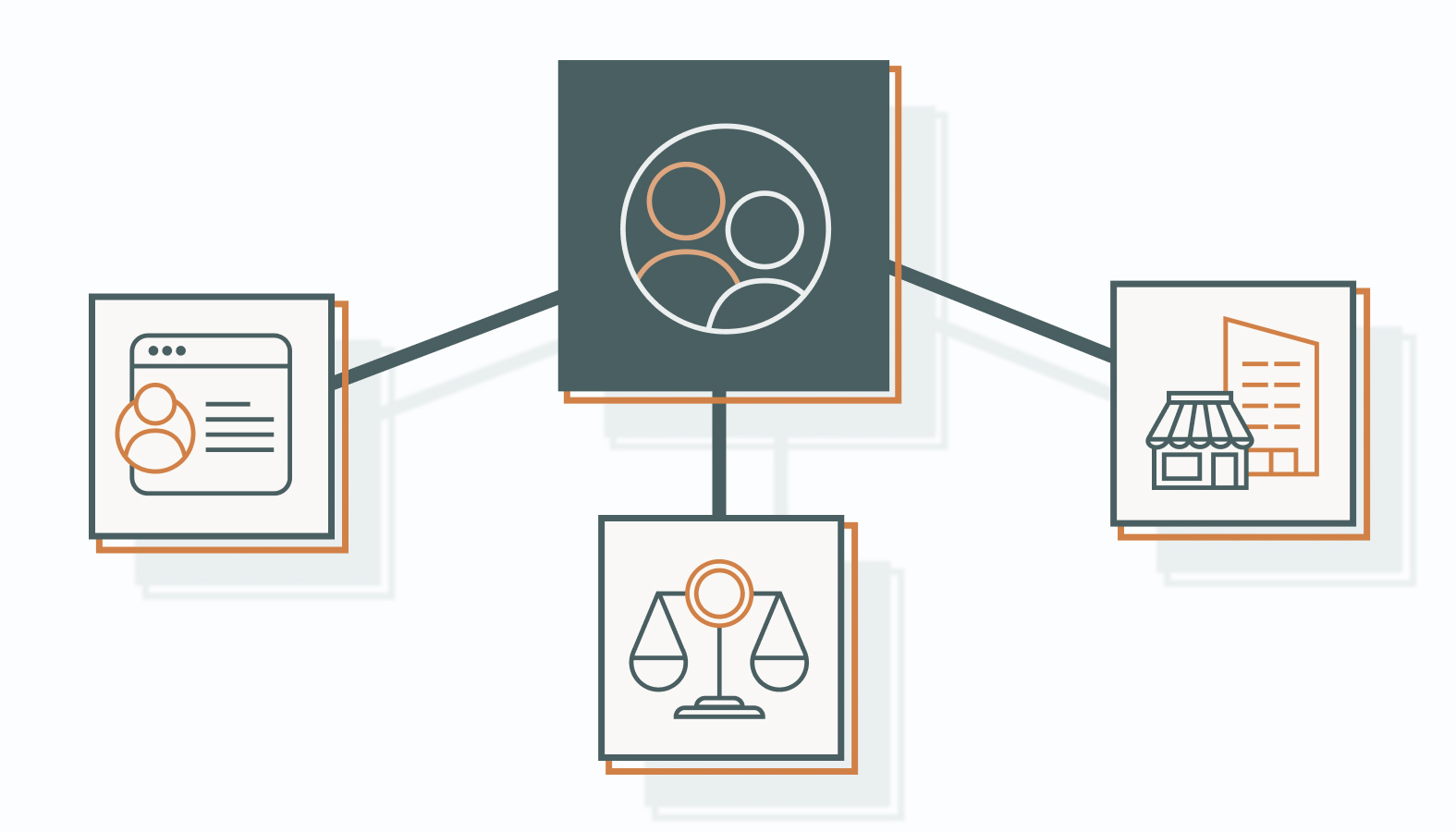
Consider outside expertise when ad spend increases without pipeline growth, reporting becomes inconsistent across teams, or internal resources can’t keep pace with optimization efforts.
If your team already knows the forms are too long and the demo page underperforms, but nothing’s changed in months, that’s not a knowledge problem. That’s a capacity problem, and it needs a different solution than another internal meeting about priorities.
The Outsourcing Trap vs. Strategic Leadership
Not every outside option solves the actual problem. A narrow conversion rate optimization agency that only adjusts button colors and page layouts fixes symptoms, not the funnel. What actually moves the pipeline is a fractional marketing team that builds full-funnel systems: connecting site experience, lead qualification, and sales handoff into one coordinated strategy instead of testing surface-level elements in isolation.
The difference shows up in what gets tested. Some conversion rate optimization agencies focus primarily on page-level experiments, while broader fractional marketing teams address the entire lead generation and sales funnel. A full-funnel team asks why your best-fit leads drop off between the demo request and the sales call, then fixes that handoff instead of polishing a page nobody was leaving from.
The Agency Advantage
Fractional executive oversight moves faster than most internal teams can. It brings the experience to prioritize the highest-impact fixes first, and the authority to push cross-channel updates without waiting months of internal approval.
Pitfalls That Kill B2B Conversions
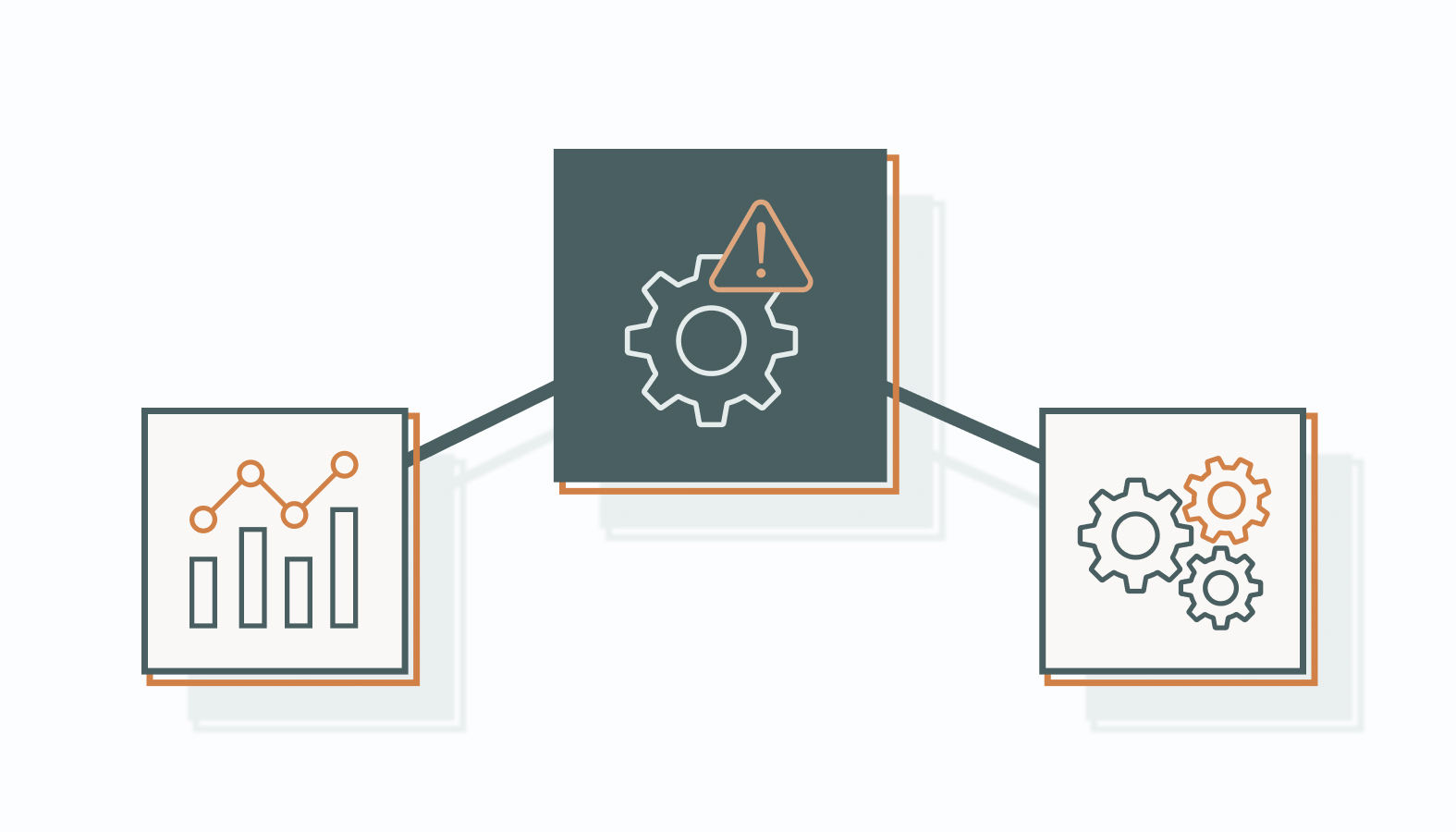
The two most common ways B2B conversion efforts fail: optimizing for the wrong metric, and ignoring technical friction that never shows up in a strategy meeting.
The Vanity Metric Trap
Scaling lead volume without scaling lead quality just hands your SDRs a list of contacts they can’t close. A campaign that doubles form fills but sends unqualified leads to your sales isn’t a win. It’s extra work: now sales has to sort through more contacts to find the few actually worth their time. Conversion rate goes up on a slide, while real pipeline stays flat or gets worse, since sales is now spending hours on leads that never convert.
Ignoring Technical Friction
Site speed, broken responsive layouts on mobile, and clunky integrations between your CRM and your forms all quietly drain conversion rate without showing up in a messaging review. Google recommends optimizing Core Web Vitals and mobile usability because they contribute to overall page experience and user satisfaction. In practice, a slow or broken page can cost you twice: it can hurt your search visibility, and it can lose visitors who arrive before they reach your messaging.
A form that fails silently on a specific browser or a CRM sync that drops firmographic data halfway through can cost more pipeline than a weak headline would. It rarely gets flagged until someone goes looking specifically for it.
Your Conversion Rates Are Your Revenue Ceiling
CRO isn’t a one-time project you check off a list. It’s a continuous, data-backed practice, since your buyers, your competitors, and your funnel keep changing after the first round of fixes. A funnel that converts well this quarter can quietly stop working in the next quarter if nobody monitors what is shifting.
Start with what you can act on this week: review your current funnel for the exact points where visitors drop off, check whether your data reporting is accurate, and review where visitors leave your funnel, verify your tracking accuracy, and prioritize fixing the highest-friction steps in the buying journey.
If you’re evaluating whether a conversion rate optimization agency or fractional marketing team is the right fit, schedule a candid conversation with one of our experts to identify opportunities for improving qualified lead generation.