


Your pipeline can look active and still feel uncertain. The issue often traces back to what happens when early interest moves faster than shared understanding. That moment, where attention starts to matter, but intent isn’t obvious yet, is where many teams lose traction.
When the role of marketing qualified lead isn’t clearly defined, handoffs blur, follow-ups stall, and promising momentum fades without warning.
This piece examines how that middle stage shapes performance across the funnel, where breakdowns typically occur, and why clarity at this point changes everything downstream.
Getting this part right improves flow and sharpens every decision that follows.
Let’s begin by clearing up what truly makes a lead “qualified.”
Marketing-Qualified Lead (MQL) 101
When a lead is qualified, expectations rise on both sides of the funnel. A marketing-qualified lead might show interest and move past casual browsing, but hasn’t reached a buying conversation yet. At this stage, context matters more than sheer numbers.
MQLs help teams apply judgment to engagement. Marketing looks for patterns that signal sustained interest, while sales gains clearer insight into why a lead is being passed along. That shared view reduces false starts and keeps outreach focused on leads that are useful.
When teams agree on what an MQL represents, follow-ups feel timely, and pipeline movement becomes easier to explain.
Clarity turns activity into progress, and it sets the stage for smarter scoring and cleaner handoffs in the sections ahead.
Defining MQLs Clearly
- A Marketing-Qualified Lead (MQL) shows strong interest in your product or service.
- They demonstrate behaviors that suggest future buying intent.
- Engaging with your website is a common MQL indicator.
- Downloading resources reflects active evaluation.
- Subscribing to newsletters indicates ongoing consideration.
The Role of MQLs in Sales Funnels
- MQLs connect marketing activity to sales execution.
- They are vetted by marketing as ready for the next sales step.
- Sales teams focus on leads with the highest conversion potential.
- This structure improves coordination between departments.
Advantages of Prioritizing MQLs
- Focusing on MQLs improves conversion performance.
- Concentrating on interested leads directs effort where it counts.
- This targeted approach saves time.
- Marketing spend becomes more accountable.
Marketing-Qualified Leads (MQLs) are the bridge between casual interest and sales-ready conversations. Clearly defining and prioritizing them helps marketing and sales teams focus on prospects that justify attention, reducing inefficiencies and improving conversion efficiency.
By applying context and shared judgment, teams turn engagement into measurable progress.
MQL vs. SQL vs. PQL: Knowing the Difference

Qualified leads have distinct roles at different points in the funnel, and recognizing those differences keeps teams moving as they should. MQLs, SQLs, and PQLs each signal progress, yet they do so in their own way and on their own timeline.
When teams understand what each stage represents, decisions feel more intentional, and momentum is easier to maintain:
Marketing-Qualified Leads
- MQLs are prospects showing interest through specific actions like downloading a white paper or signing up for a webinar.
- Behaviors indicate readiness to learn more about your offerings.
- MQLs are identified through content engagement, social media interactions, and email click-throughs.
Sales-Qualified Leads
- Sales-Qualified Leads (SQLs) have moved beyond interest and are ready for direct sales engagement.
- SQLs show clear purchase intent, often through inquiries or demo requests.
- They differ from MQLs by demonstrating readiness to buy.
- The transition from MQL to SQL involves further qualification through direct communication.
Product-Qualified Leads
- Product-Qualified Leads (PQLs) have experienced your product firsthand.
- They often engage through free trials or freemium models.
- PQLs are especially relevant for product-led or product-focused businesses.
- Direct product usage drives conversion intent.
- In product-centric scenarios, PQLs may be more applicable than MQLs or SQLs.
Being knowledgeable about the distinctions between MQLs, SQLs, and PQLs allows teams to act with clarity and precision at every stage of the funnel.
By knowing which type of lead requires marketing nurturing, sales outreach, or product engagement, organizations can optimize resource allocation.
Criteria for Identifying MQLs
Identifying marketing-qualified leads (MQLs) means recognizing signals that stack. The right criteria help teams separate genuine momentum from overwhelming noise, so energy is spent on leads that are moving somewhere.
Strong MQL criteria balance behavior, consistency, and relevance. One action alone isn’t enough. What matters is how interactions connect over time and whether they align with the problem your solution is built to solve.

Key indicators often include:
Demographic Criteria
- Key factors include age, location, job title, and industry.
- These attributes help determine fit with your target audience.
- Demographic alignment increases relevance for your product or service.
- For example, tech companies may prioritize IT roles in specific geographic markets.
Behavioral Criteria
- Website visits, content downloads, and email interactions signal MQL intent.
- Webinar registrations and product information requests show genuine interest.
- These actions reflect active engagement with your brand.
- Behavioral signals indicate consideration of a potential purchase.
Engagement Metrics
- Engagement metrics help identify Marketing-Qualified Leads.
- Website visit frequency and email open rates indicate interest.
- Page views and time spent on key pages reflect content engagement.
- High engagement levels signal a greater probability of conversion.
Combining demographic, behavioral, and engagement criteria leads teams to identify MQLs with confidence and focus on leads that matter. Strong, layered signals increase meaningful pipeline movement.
Clear criteria turn scattered activity into actionable insights, setting the stage for effective nurturing and scoring downstream.
How to Set Up an MQL Lead Scoring System
An effective MQL lead scoring system turns raw engagement into a signal. It gives marketing a clear framework for prioritization and gives sales confidence that the leads handed off are worth their time. When it’s done right, scoring makes intent visible before a conversation ever starts.
At its core, MQL scoring translates real-world behavior and fits into a shared language that both teams can act on. The goal isn’t to chase every interaction, but to identify patterns that suggest a lead is moving closer to a buying mindset.

To build a system that actually works, focus on three foundational components:
1) Implicit vs. Explicit Scoring
- Implicit scoring measures behavioral signals like site visits and email interactions.
- Frequent actions, such as pricing page visits, earn higher implicit scores.
- Explicit scoring evaluates declared details like job title and industry.
- Implicit scoring reveals engagement and active interest.
- Explicit scoring confirms fit with your target profile.
- Using both creates a more complete view of lead quality.
2) Determine Your Threshold
- Setting the right threshold is essential for identifying MQLs.
- The threshold defines when a lead is ready to be passed to sales.
- Proper thresholds ensure only high-potential leads advance.
- This approach improves sales team focus and efficiency.
- Thresholds should be reviewed and adjusted based on performance data.
3) Use Negative Scoring Strategically
- Negative scoring deducts points for signals tied to low conversion likelihood.
- Actions like email unsubscribes can trigger negative scoring.
- Mismatched attributes, such as non-target job titles, reduce lead scores.
- This approach filters out low-potential prospects.
- Marketing and sales teams can focus on higher-quality leads.
A well-designed MQL lead scoring system transforms scattered engagement into an organized insight to ensure marketing and sales align on lead quality.
By balancing implicit and explicit signals, setting thresholds, and applying negative scoring strategically, teams can prioritize high-potential leads, improve conversion efficiency, and maintain momentum across the funnel.
Strategies for Nurturing MQLs

Nurturing MQLs is where interest turns into intent. At this stage, leads already recognize the problem and see your brand as relevant. What they need now is direction.
Strong nurturing builds trust, reinforces momentum, and helps prospects self-select into the next conversation when the timing is right.
The most effective strategies focus on progression. Every point should answer one question for the lead: “Is this worth going deeper?”
Content Marketing: Education that builds intent
- Content marketing engages and converts MQLs through valuable, relevant information.
- Blog posts, eBooks, and how-to guides educate leads on your offerings.
- Educational content addresses MQL needs and interests.
- Interactive formats like quizzes and webinars drive deeper engagement.
Email Marketing: Timely, personalized lead engagement
- Email marketing nurtures MQLs through consistent communication.
- Personalized campaigns with targeted content keep MQLs engaged.
- Audience segmentation improves message relevance.
- Compelling subject lines increase open rates.
- Regular follow-ups with valuable content boost conversion potential.
Lead Scoring: Identifying sales-ready signals
- Continuous lead scoring focuses marketing on the most promising MQLs.
- Scores are updated regularly based on new interactions and behaviors.
- Analyzing conversion data helps refine scoring accuracy.
- Adjusting criteria over time improves lead targeting.
- Sales team feedback ensures alignment with real conversion patterns.
Effective MQL nurturing turns interest into intent by combining valuable content, targeted communication, and continuous scoring.
By engaging leads strategically and monitoring their behaviors, teams can guide prospects toward the next stage of the funnel. Strong nurturing builds trust and maximizes the chance of timely conversions.
Essential MQL Metrics to Track
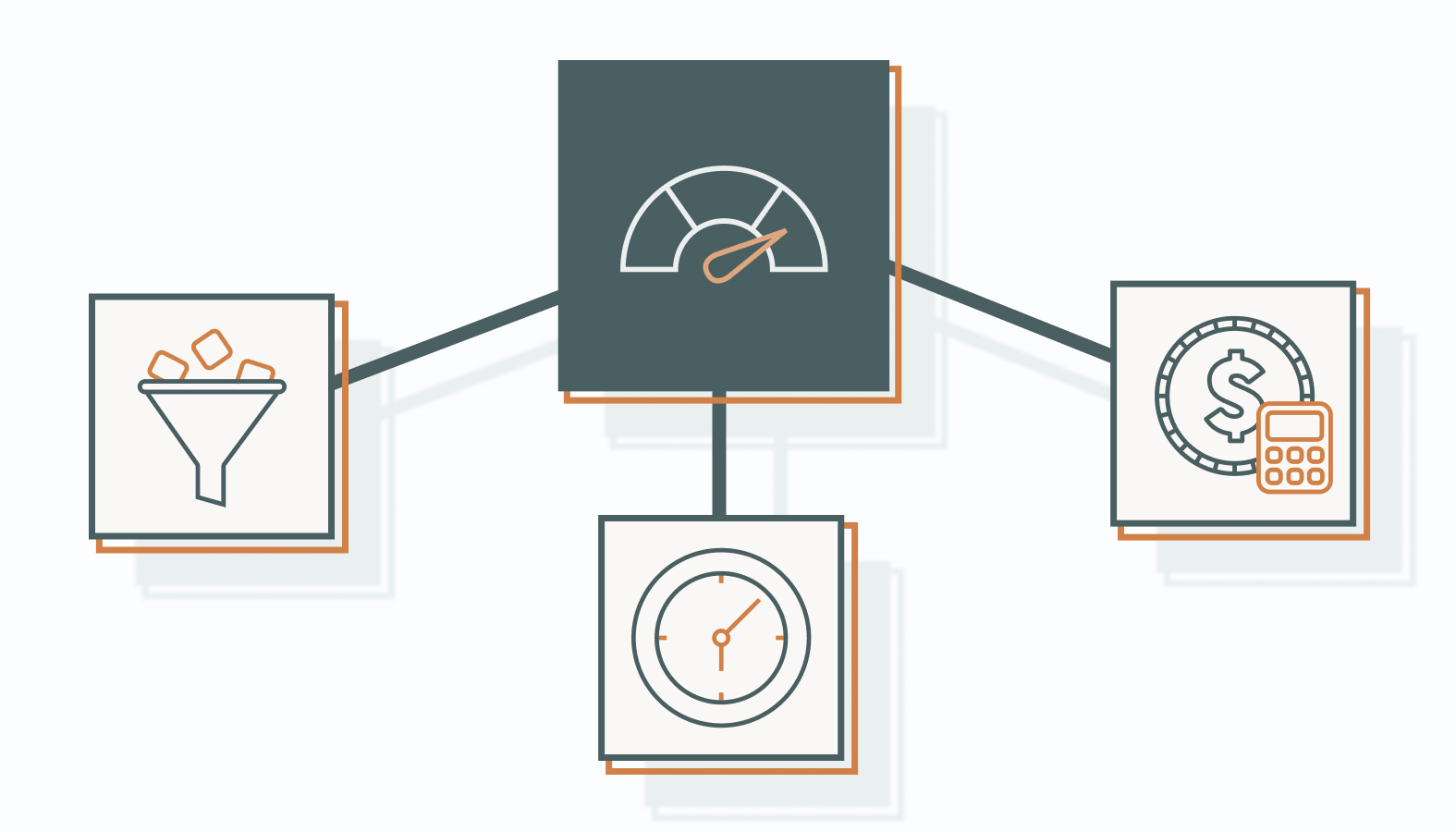
If MQLs are the engine of your pipeline, metrics are the diagnostics. You don’t track them for charts because you track them to understand where momentum builds, where it stalls, and where teams lose signal.
The right metrics turn lead activity into foresight, helping marketing and sales adjust before revenue takes the hit. The goal is to focus on metrics that explain movement more than volume.
1) MQL-to-SQL Conversion Rate
- Measures how effectively MQLs become Sales-Qualified Leads (SQLs).
- Tracking this rate shows where leads get stuck in the funnel.
- Helps refine marketing strategies for better results.
- Seamless communication between marketing and sales improves conversion.
- Regularly reviewing and adjusting lead scoring ensures alignment with outcomes.
2) Average Time in Stage
- Tracks how long an MQL stays in a specific sales funnel stage.
- Prolonged durations can reveal inefficiencies or engagement gaps.
- Targeted content improves lead nurturing and reduces time in the stage.
- Streamlined follow-up processes keep leads moving efficiently.
- Timely handoffs between teams maintain momentum.
3) Cost Per MQL (CPMQL)
- Calculated by dividing total marketing spend by the number of MQLs generated.
- Evaluates the efficiency of marketing efforts.
- Optimizing spend targets for higher-quality leads.
- Leveraging cost-effective channels reduces overall costs.
- Refining content attracts more qualified prospects.
Tracking the right MQL metrics reveals how leads actually move more than how many exist.
By focusing on conversion efficiency, velocity, and cost, teams gain early visibility into friction points and opportunities to improve. These insights enable smarter adjustments that protect pipeline health before performance declines.
From Data to Decisions: The Next Era of MQLs
Marketing-Qualified Leads drive your growth and fuel results. The way we define, score, and act on them is evolving faster than ever.
By 2026, AI-driven intent data will make lead signals sharper, timing more precise, and predictions more reliable.
Forward-thinking teams will use these insights to:
- Spot high-potential leads before competitors even know they exist
- Tailor outreach with accuracy, instead of relying solely on interest
- Optimize marketing spend by focusing on quality over volume
The future favors teams that move beyond activity and chase impact.
With smarter MQL strategies, your pipeline will consistently drive revenue, reduce waste, and turn leads into loyal customers.
Move Leads from Interest to Revenue
Stop letting promising leads slip through. Having a clear MQL strategy, precise scoring, and smart nurturing, you can turn interest into revenue faster and smarter.
Don’t just track leads. Own them, guide them, and convert them with confidence. Schedule a candid conversation with one of our experts, and let’s build a pipeline that performs.