


Most B2B companies assume bigger is better, like more customers, more leads, more markets, but that approach often backfires. Narrowing the ideal customer profile ICP gives a more disciplined path forward.
It clarifies which customers truly drive growth and loyalty, so your messaging, product, and sales efforts hit harder and waste less time.
This guide will show how focusing on the right audience can streamline operations, sharpen your brand positioning, and guide smarter decisions across marketing, sales, and product.
Let’s start by looking at why less can be more in B2B.
Why Less is More in B2B
Once you commit to focus, the benefits can show up fast. Narrowing your audience gives teams clearer signals on what to say, what to build, and who to prioritize. Decisions get easier because they’re grounded in a specific customer, instead of a vague market.
A tighter focus helps B2B teams:
- Clarify messaging so marketing speaks directly to real problems
- Improve sales efficiency by spending time on prospects who are more likely to buy and stick around
- Guide product direction toward features that solve meaningful needs
- Strengthen positioning by becoming well-known for something specific
Over time, this clarity compounds. Conversion rates rise, sales cycles shorten, and the brand feels more relevant to the people it’s built for. Focus stops being restrictive and starts to pay off.
Successful Companies with a Narrow Focus
Some of today’s most successful companies didn’t start by trying to serve everyone. They began by serving one specific group so well. A narrow focus gave them precision, speed, and a deeper understanding of their customers.
Take Slack, for example. In its early days, Slack wasn’t built for every business under the sun. It was designed specifically for small tech teams that needed a better way to communicate and collaborate.
By giving its full attention to that audience, Slack could listen closely, solve real pain points, and refine its product around how those teams actually worked.
That focus paid off. As Slack earned trust and traction, it eventually expanded into larger organizations and new industries without losing the simplicity and usability that made it successful in the first place.
The lesson here is that starting small doesn’t limit growth. It often creates the foundation that makes growth possible.
Unexpected Costs of a Wide Customer Base
Expanding too broadly often introduces operational complexity. A wide customer base demands more tools, processes, and specialized support, which increases costs and strains internal teams. Customer service becomes harder to scale, brand messaging loses focus, and resources are spread thin.
Over time, these inefficiencies drive higher overhead and slower execution.
Sales Slowdown
Targeting too many customer types can stall the sales process. Sales teams struggle to prioritize leads, spending time on prospects that don’t align with them.
This factor clutters the pipeline, lengthens sales cycles, and reduces close rates. Focusing on core customer segments helps sales teams move faster, qualify better, and use their time more effectively.
-
Falling Into “Feature Creep”
Feature creep happens when products are overloaded with unnecessary features to please a broad audience. This idea inflates development costs, slows innovation, and weakens the product’s core value.
Prioritizing features that align with the ideal customer profile keeps development focused while ensuring the product delivers meaningful, differentiated value.
-
Risk of High Churn
A mismatched customer base often leads to higher churn. Customers who don’t strongly align with a company’s core offering are less likely to stay engaged long-term.
Refining the customer profile helps attract and retain the right customers, improving retention and creating more stable, predictable revenue over time.
The Difference Between TAM and ICP

When companies talk about growth, two terms come up a lot: Total Addressable Market (TAM) and Ideal Customer Profile (ICP). They sound similar, but they serve different purposes, so mixing them up can lead to unfocused strategies and wasted effort.
TAM represents the total revenue opportunity available if everyone in the market used your product or service. It answers the question, “How big could this get in theory?”
It is useful for understanding long-term potential and for high-level planning, especially when pitching to investors or evaluating market size.
Total Addressable Market (TAM):
- Define the Market: Identify the broadest scope of potential customers for your product or service.
- Calculate the Market Size: Use industry reports, research, and data analysis to estimate the total revenue potential.
- Assess Reachability: Consider barriers like geographic restrictions or regulatory issues that might limit access to the TAM.
ICP, on the other hand, centers on reality and focus. Your Ideal Customer Profile describes the type of customer who gets the most value from what you offer. In return, it delivers the most value to your business.
ICP includes factors like company size, industry, needs, budget, and buying behavior, answering a more practical question: “Who should we actually be targeting right now?”
Ideal Customer Profile (ICP):
- Analyze Current Customers: Identify common traits among your most successful customers.
- Define Key Characteristics: Focus on demographics, firmographics, behavior, and needs.
- Align with Business Goals: Supports your strategic objectives and resource capabilities.
Understanding the difference between TAM and ICP helps businesses make smarter decisions. It guides where to invest time and money, shapes marketing messages that resonate, and ensures sales teams are spending their energy on leads that convert.
In short, TAM shows what’s possible, while ICP shows what’s profitable.
For real-world applications, a case study of a SaaS company initially targeted a broad TAM of small to medium-sized businesses. Analyzing their existing customer base, they identified a more specific ICP focusing on tech startups needing scalable solutions.
This shift allowed them to streamline marketing efforts, resulting in a 30% increase in conversion rates.
By properly differentiating TAM and ICP, businesses can create more focused and effective strategies to ensure resources are directed towards the bigger opportunities.
Steps to Define Your Ideal Customer Profile
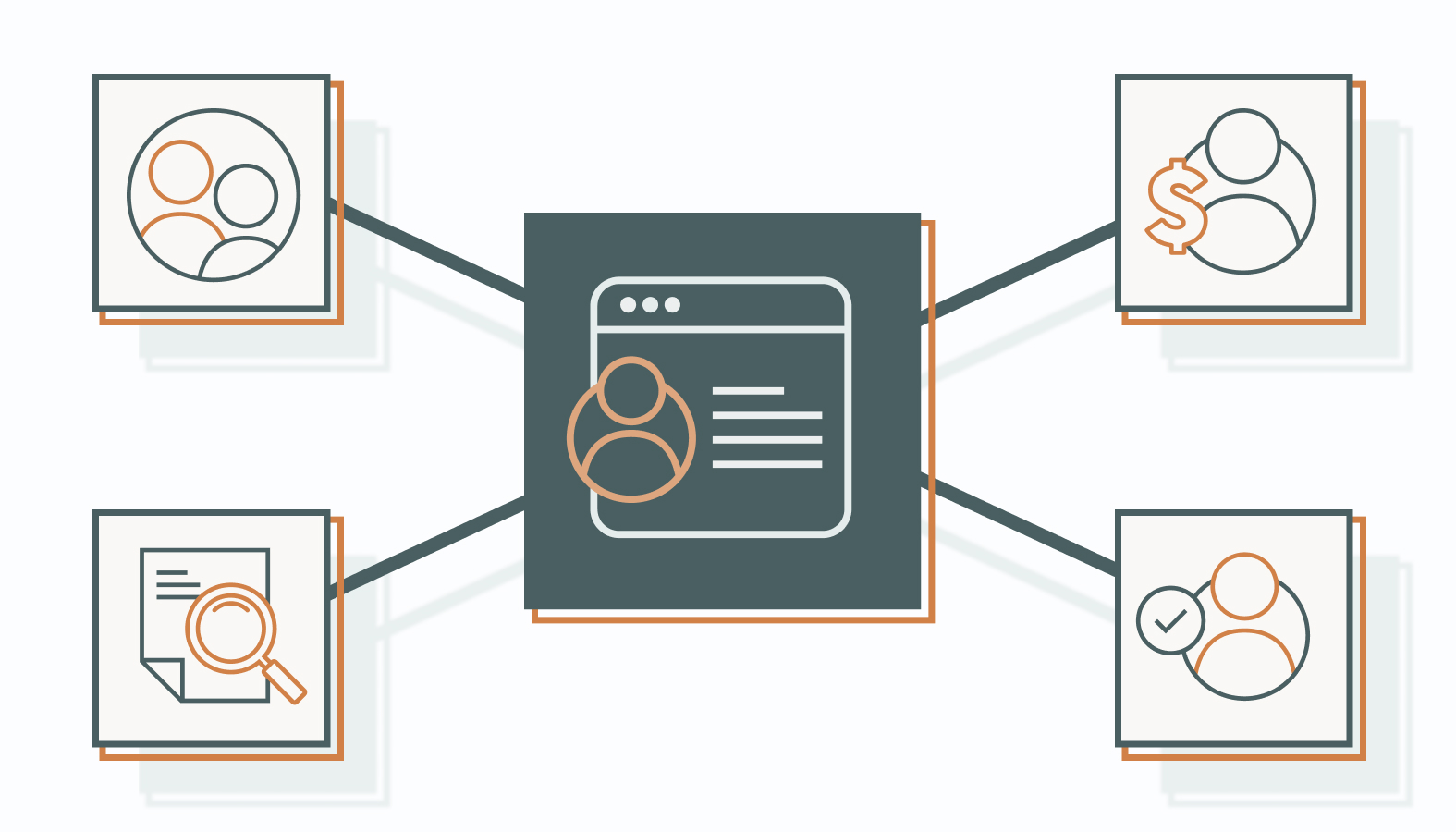
A well-defined Ideal Customer Profile (ICP) is one of the most powerful tools for driving sustainable business growth. It helps teams stop chasing every possible lead and start focusing on the customers who are most likely to succeed with their product and stay for the long term.
When your ICP is clear, marketing becomes more targeted, sales conversations feel more relevant, and customer satisfaction eventually improves.
Creating an accurate ICP doesn’t have to be complicated. It’s about understanding who gets the most value from what you offer and why.
The following steps will help you identify, refine, and document your ideal customers so your teams can revolve around the same goals and priorities.
1) Creating a Customer Dataset
Start by gathering and organizing customer data from across your business. This action can include firmographic details, usage patterns, purchase history, and feedback from existing customers.
A clean and structured dataset gives you a reliable foundation for understanding who your customers are and how they interact with your product or service.
- Data Collection: Utilize CRM systems, surveys, and social media analytics to collect demographic, behavioral, and purchase data.
- Tools and Methods: Employ tools like Google Analytics, Salesforce, and customer feedback platforms to gather insights.
- Organization: Structure data in a way that highlights key trends and patterns, making it easier to analyze and interpret.
2) Collaborating with Key Stakeholders
Defining an ICP should involve teams from sales, marketing, customer success, and product to ensure you get a balanced perspective.
Each team brings valuable insights into customer needs, challenges, and behaviors, helping create a more accurate and realistic profile.
- Cross-Departmental Collaboration: Engage sales, marketing, customer service, and product teams to gather diverse perspectives.
- Effective Collaboration Tips: Schedule regular meetings, use collaboration tools like Slack or Microsoft Teams, and create shared documents for transparency.
3) Finding Common Traits in Your Data
Once your data is in place, look for patterns among your best-performing customers. These might include industry type, company size, growth stage, or shared pain points.
Identifying these common traits helps you understand what makes certain customers a strong fit and why they succeed with your solution.
- Techniques: Use segmentation analysis to categorize customers based on behavior, demographics, or buying patterns.
- Refinement: Continuously refine the ICP by incorporating new data and feedback to ensure it remains relevant and accurate.
4) Crafting Detailed Buyer Personas
When you turn data into relatable profiles, you can create marketing messages that feel more personal and relatable.
Additionally, clear personas help align campaigns, content, and sales conversations around the needs and motivations of real people more than the abstract segments.
- Role of Personas: They help tailor messaging and strategies to meet specific customer needs and preferences.
- Creating Personas: Develop detailed profiles that include demographics, goals, challenges, and preferences. Use storytelling to bring these personas to life, ensuring they resonate with your business objectives.
By following these steps, businesses can build a strong, actionable ICP that drives targeted marketing, better customer experiences, and long-term, sustainable growth.
Applying Your ICP Throughout Your Business

When your Ideal Customer Profile is shared across teams, it becomes easier to work smarter and stay aligned. A consistent ICP helps guide decisions, streamline day-to-day operations, and keep everyone focused on the customers.
This action drives stronger, more efficient performance across the business.
1) Sales Alignment & Strategy
Aligning sales strategies with the ICP leads to more targeted and successful outcomes.
- Consistent Messaging: Ensure sales teams understand the ICP, enabling them to tailor their approach to resonate with ideal customers.
- Strategies for Alignment: Regular training sessions and collaborative workshops can help maintain a unified message.
Redefining Territories and Accounts
- Restructuring Strategies: Align sales territories with the ICP by focusing on regions with a higher concentration of ideal customers.
- Impact on Performance: Account reassignment can lead to increased sales efficiency and better resource allocation.
Updating Sales Scripts
- Resonating with the ICP: Update scripts to reflect the language, needs, and pain points of your ideal customers.
- Personalized Communication: Personalization fosters stronger connections and improves conversion rates.
2) Marketing & Content Strategy
Aligning marketing strategies with the ICP can definitely improve ROI.
- Appealing Content Themes: Focus on creating content that addresses the specific interests and challenges of your ideal customers.
Benefits of Hyper-Personalization
- Enhancing Engagement: Hyper-personalization uses data-driven insights to deliver tailored experiences, increasing customer loyalty.
- Successful Campaigns: Examples include Netflix’s personalized recommendations and Amazon’s customized shopping experiences.
Using High-Intent Keywords
- Attracting the Right Audience: Identify keywords that reflect strong purchase intent to draw in ideal customers.
- Effective Research Tools: Utilize tools like Google Keyword Planner and SEMrush to find and analyze high-intent keywords.
3) Improving Product Development
Understanding the ICP guides product development decisions, ensuring alignment with customer needs.
- Incorporating Feedback: Use customer feedback to refine product features, ensuring they meet the expectations and requirements of your ideal customers.
- Development Strategies: Regularly update product roadmaps based on ICP insights to stay relevant and competitive.
By applying ICP insights across sales, marketing, and product development, businesses can create a cohesive strategy to enhance customer satisfaction and growth.
Advanced Tactics: Testing and Iterating Your ICP
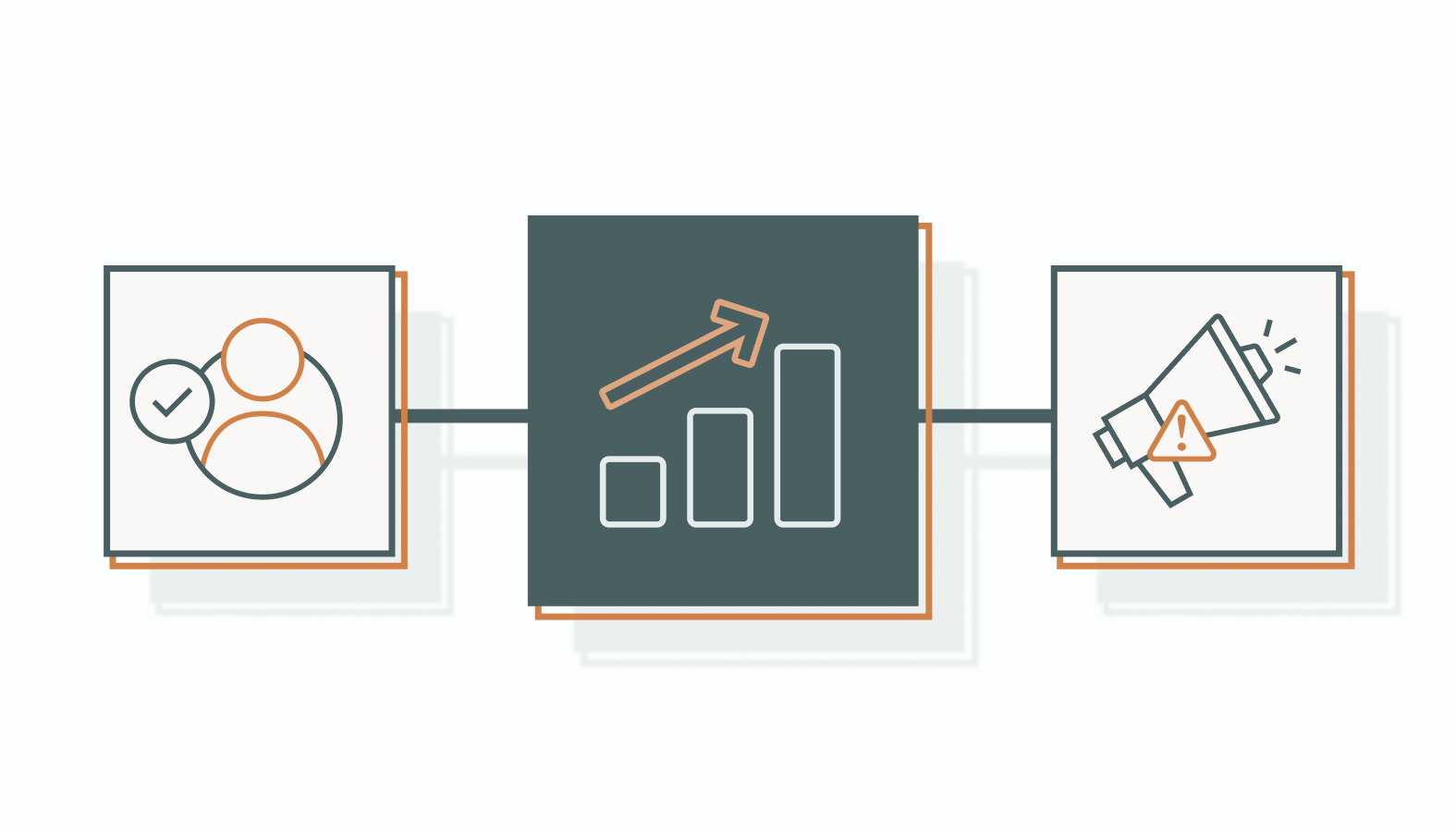
A strong ICP is a living system. Markets shift, products evolve, and customer expectations change faster than most strategy decks get updated. The companies that stay ahead treat their ICP as something to be tested, adjusted, and sharpened over time.
Testing and iteration of ICP helps pay attention to signals and make deliberate refinements before small misalignments turn into expensive mistakes.
1) Signs Your ICP is Too Narrow
Sometimes, an ICP can be overly restrictive, excluding potential customers.
- Warning Signs: Low lead volume, stagnant growth, and limited market reach.
- Broadening Strategies: Consider adjacent customer segments and analyze market trends to expand your ICP without losing focus on core strengths.
Low Lead Volume vs. High Quality
- Trade-offs: Balancing lead quantity and quality is important. While high-quality leads are more likely to convert, a too-narrow focus can limit lead volume.
- Balancing Efforts: Use data analytics to identify patterns and adjust your targeting to optimize both lead quality and quantity.
The Sequential Expansion Strategy
- Controlled Expansion: Gradually test new customer segments by expanding your ICP in steps.
- Testing Steps: Begin with market research, pilot new segments, and analyze results before fully committing to the expansion.
2) Critical Mistakes to Avoid
Avoiding common pitfalls in ICP development can save time and resources.
- Common Pitfalls: Inflexibility, ignoring market changes, and failing to align with business goals are typical mistakes.
The “Sell to Everyone” Fallacy
- Dangers: Trying to please everyone dilutes your brand and weakens targeting efforts.
- Maintaining Focus: Stick to your core customer base while remaining open to strategic expansion.
The “One-Person” ICP
- Risks: An overly narrow ICP can miss broader opportunities and lead to tunnel vision.
- Ensuring Representation: Regularly review and update your ICP to ensure it includes a diverse range of customer characteristics.
By adopting these advanced tactics, businesses can refine their ICP to capture market opportunities better and drive consistent, scalable growth.
The Competitive Advantage of Focus
Clarity beats chaos. Companies that focus on the right customers act strategically. By honing in on your Ideal Customer Profile (ICP), you unlock:
- Sharper decision-making: Marketing, sales, and product efforts all target the customers who drive value.
- Stronger brand image: You stand out as the solution for your target audience.
- Sustainable growth: Fewer missteps, lower churn, and predictable revenue streams.
- Operational efficiency: Teams spend more time executing with impact.
Focus shouldn’t be a limitation but a strength. Continuously refining your ICP ensures your strategy adapts with the market, your teams operate with confidence, and your brand stands out where it counts.
Treat it as your competitive advantage, and watch clarity, relevance, and growth build over time.
Leverage Your Ideal Customer Profile for Success
Ready to turn your Ideal Customer Profile into real-world results with sharper decisions, faster growth, and stronger engagement? Let’s discuss how to focus your strategy for maximum impact. Schedule a candid conversation with one of our experts » and start seeing the difference today.