


Email segmentation best practices shift measurement beyond open rates and focus on how precisely each message reaches the right person, account, and buying stage. This shift separates email programs that drive qualified pipelines from those that produce engagement metrics with limited business impact.
Generic messages underperform in B2B because purchasing decisions involve multiple stakeholders with different priorities and information needs. Enterprise sales cycles are already long. A confusing marketing email only slows them. Every dollar spent producing a generic send is a dollar that could have funded a message built for someone actually ready to move.
This guide explores email segmentation best practices that support a data-driven email marketing strategy, helping B2B organizations improve engagement, lead quality, and pipeline performance.
What is Email Segmentation?
Email segmentation is the process of dividing an email list into smaller groups based on firmographic, demographic, behavioral, or engagement data so each audience receives more relevant messaging.
Common email segmentation criteria include job function, industry, company size, buying stage, engagement history, and past purchasing behavior.
The division should be deliberate. A list split at random isn’t segmentation. It’s just smaller lists.
Segmentation matters because relevance drives the metrics that move revenue. Research from Mailchimp analyzing more than 11,000 campaigns found that segmented sends generated 100.95% higher click rates than non-segmented campaigns sent to the same audiences. A message built for a reader’s specific role gets opened, read, and acted on more than one written for everyone. Personalization isn’t extra layered on top of a campaign. Once you segment properly, personalization becomes the default, since you’re writing to a defined group instead of guessing who’s reading.
This is also where most B2B teams get stuck early. Segmentation sounds simple in theory, but building it correctly means having clean, current data behind every criterion you’re segmenting by. Outdated job titles, duplicate records, and incomplete firmographic data reduce segmentation accuracy and campaign performance.
Beyond the Basics: Why Email Segmentation Dictates B2B ROI
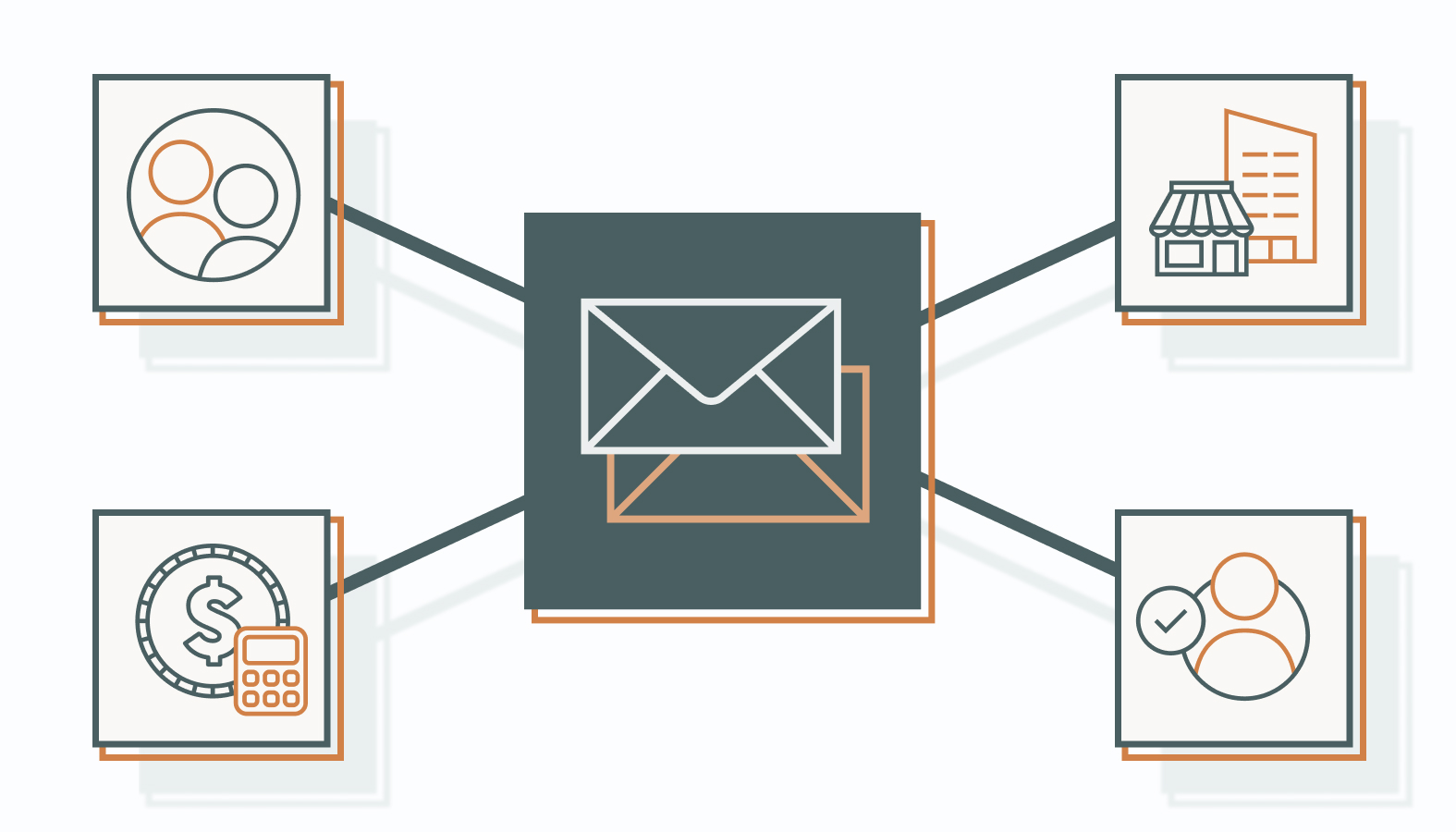
Email segmentation dictates B2B ROI because it determines whether your messages reach people close to a buying decision to move the pipeline, not just people who open an email.
Most explanations of segmentation stop at engagement. Higher open rates, better click-throughs, cleaner list health. Those matter, but they’re not the point in a B2B context. The real question is whether segmentation reaches the right stakeholders within high-value accounts at the appropriate stage of the buying process.
That requires looking past individual behavior and into account-level data. Whether one contact opens your emails is just part of it. Salesforce’s research found that 84% of customers say the experience a company provides is as important as its actual products or services. In practice, that means the account behind a contact matters as much as that contact’s individual engagement, since a good experience for one person can’t offset a company that was never going to buy.
Firmographic data tells you whether that contact is worth prioritizing:
- Company size
- Industry
- Revenue band
- Fit with your ideal customer profile
B2B segmentation that ignores firmographics is optimizing engagement for accounts that were never going to buy.
Think about what that looks like in practice. A contact at a fifteen-person company can open every email you send, click every link, and still never turn into a deal, because their company doesn’t have the budget or scale to become a customer. Meanwhile, a quieter contact at a thousand-person enterprise account, who opens less often but fits your ideal customer profile precisely, might represent the actual revenue opportunity sitting in your list. Behavioral data alone can’t tell the difference between those two contacts. Firmographic data can.
This is where a dedicated B2B email marketing agency can add value by identifying segments that drive revenue rather than engagement alone. Finding the accounts that generate engagement but not pipeline, the segments with real revenue behind average open rates, takes someone who treats the data as the source of truth, not a report checked once a month. That’s a different discipline than running campaigns, and it’s usually the difference between a segmentation program that looks fine and one that actually works.
Core Email Segmentation Best Practices for Data-First Marketing
The core email segmentation best practices for a data-first B2B marketing start with clean data, extend into B2B-specific criteria, and end with personalization built on actual behavior.
Clean Data In, Revenue Out (List Hygiene)
Before you split a list, audit where the data came from. Intent data tools, CRM integrations, and old list imports all carry different levels of accuracy. Stale or duplicate records don’t just clutter a database. They actively distort segmentation, since a contact with outdated job title data gets sorted into the wrong committee role before you’ve sent a single email. Clean data isn’t a one-time project. It’s the maintenance layer that keeps every segment built on top of it accurate.
Run this audit on a schedule, not just once at the start of a new segmentation project. Regular data audits help maintain accurate contact records as organizations, job roles, and engagement levels change over time. A segmentation model that worked six months ago can become ineffective today if nobody’s rechecked the data behind it.
B2B-Specific Criteria That Matter
Generic segmentation criteria, like general industry or geography, aren’t specific enough for complex B2B sales. Segment by buying committee role instead: a CFO evaluating cost and risk needs a different message than the end-user who’ll actually use the product daily. Segment by company scale, since a message built for an enterprise account rarely fits a mid-market buyer’s budget reality. Segment by tier-1 account priority, so your highest-value accounts get messaging built around what it takes to close them, not the same sequence every other account receives.
These three criteria work together rather than independently. A single tier-1 enterprise account might need three separate tracks at once: one for the CFO focused on cost, one for the technical evaluator focused on implementation, and one for the end-user focused on daily usability. Treating that account as one segment removes the detail that makes segmentation useful.
Personalization Driven by Behavioral Intent
Effective personalization relies on behavioral signals rather than simple merge fields. It’s a template with a variable:
- which content asset someone downloaded
- which webinar they attended
- which pricing page they viewed twice.
That behavior tells you far more about where a contact is in their decision than their name will. Segments around it send messages that match what the contact showed interest in.
This is where segmentation stops being list management and starts becoming a real sales signal. A contact who downloads a pricing comparison and then revisits it a week later is behaving very differently from the one who opened a single blog post and never returned. Sending both the same next email wastes the signal that behavioral segmentation was built to catch.
Advanced Email Segmentation Strategies: Integrating Automation and Deliverability
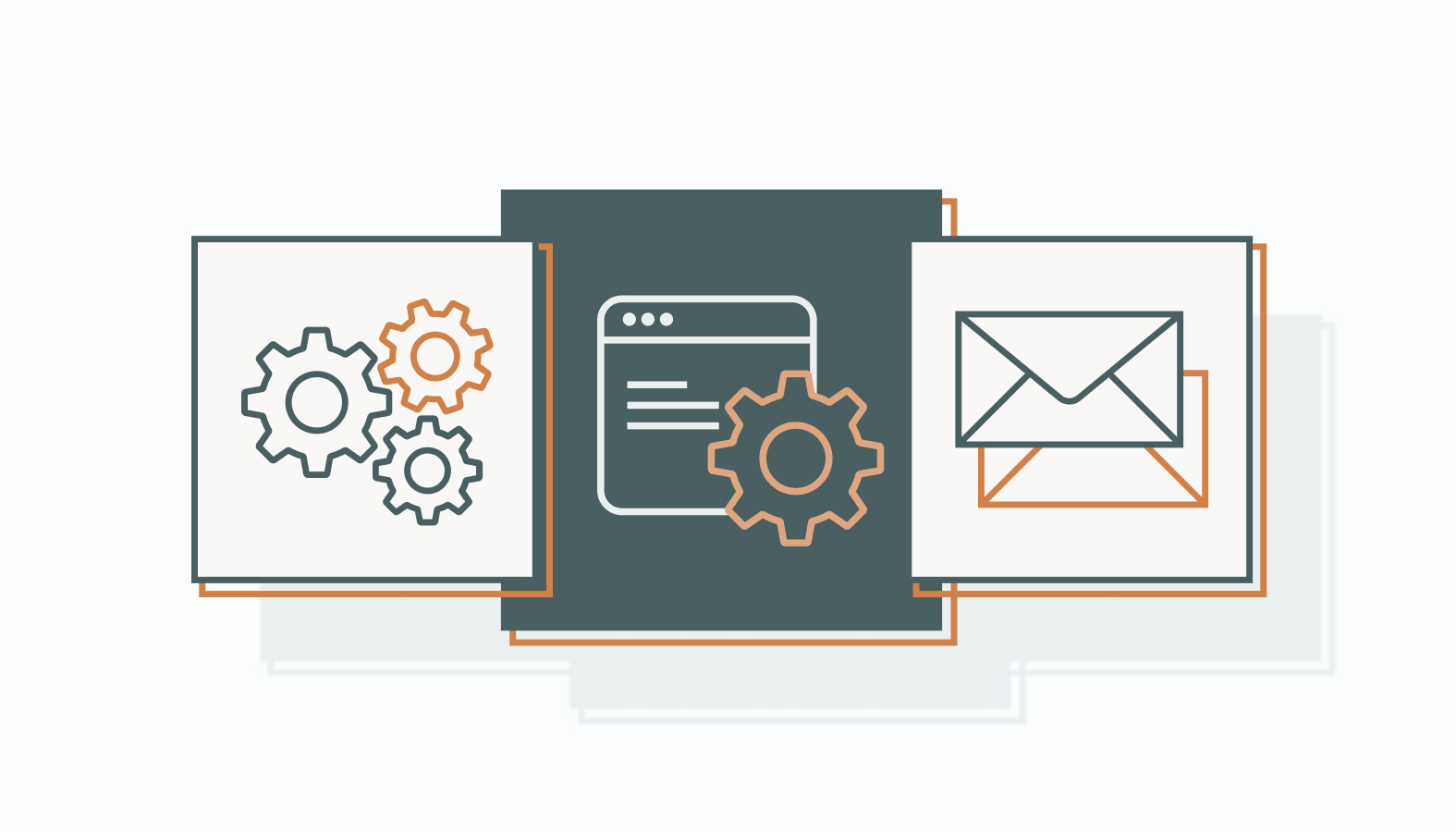
Advanced segmentation strategies move leads between segments automatically as their behavior changes, and keep the sending domain those segments rely on in good standing.
Dynamic Segmentation & Triggered Workflows
Static segments go stale when a contact’s situation changes. A modern email marketing strategy uses live CRM fields to move leads between segments automatically. When a contact moves from marketing-qualified to sales-qualified, they land in a new messaging track the moment that status changes, not weeks later when someone updates a list manually.
Strict Suppression and Deliverability Tactics
Every segment you build depends on your ability to reach an inbox, and that depends on domain health. According to Google’s Gmail sender guidelines, senders should keep spam complaint rates below 0.1%, and never let them reach 0.3% or higher, or messages start getting rate-limited or blocked outright. Move addresses that haven’t opened anything in months into a separate, lower-frequency flow instead of continuing to send to them. Inbox providers watch engagement closely. A list full of unengaged contacts drags deliverability for every segment on that domain, including the ones converting.
This doesn’t mean deleting those contacts outright. It means sending them fewer emails, testing if they can re-engage, or confirming the contact should be removed, so most of your sending volume goes to addresses that are opening and clicking.
Common Pitfalls to Avoid in Executive Campaigns
The two most common pitfalls in executive-level segmentation: segments cut so small they lose statistical meaning, and systems that don’t connect.
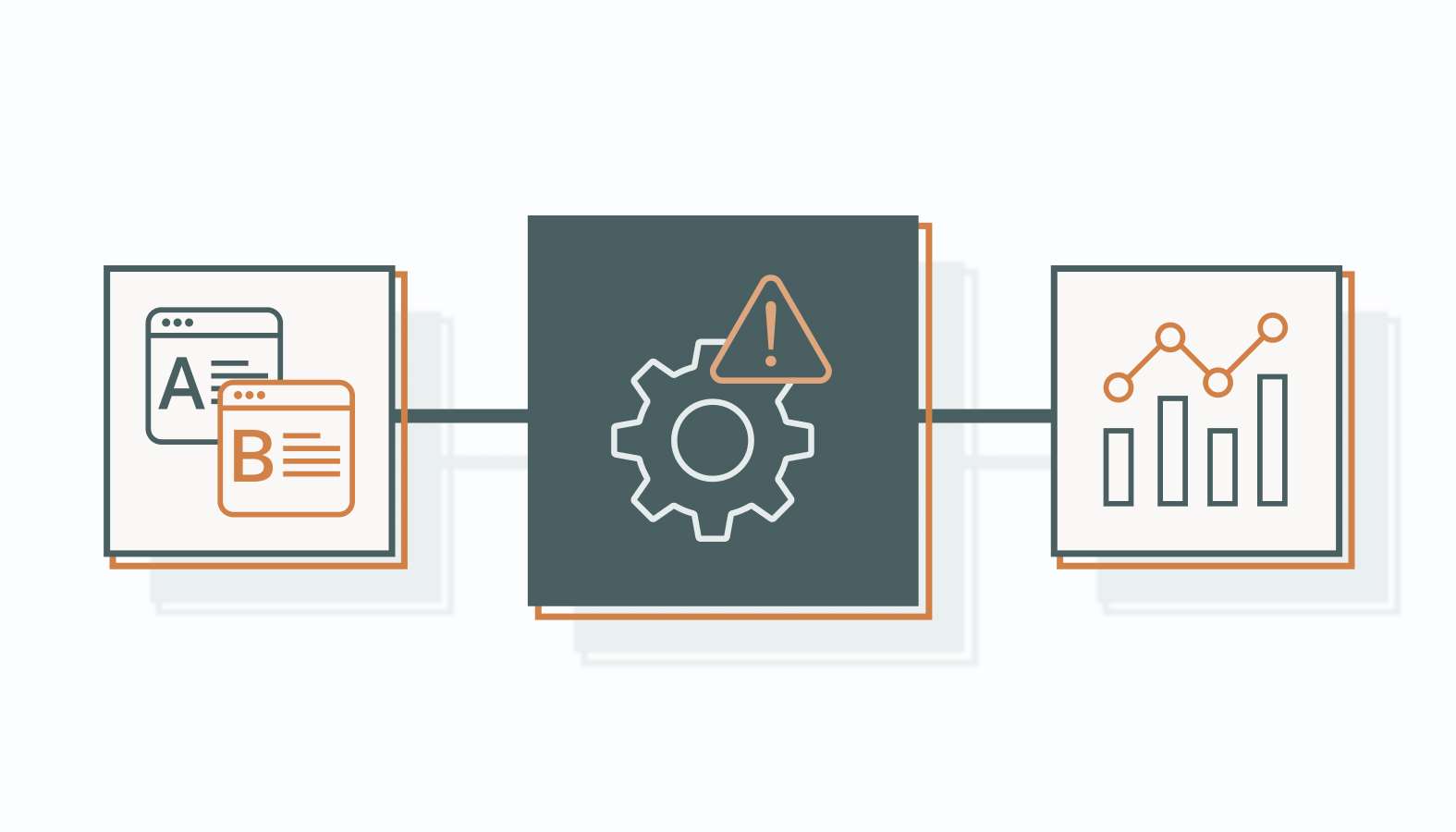
Over-Segmentation
There’s a point where segmentation stops adding precision and starts destroying your ability to learn from the results. Optimizely’s guidance on experiment sample sizes confirms that reaching statistical significance depends on having enough visitors or contacts in each variation. A segment cut down to twelve contacts can’t produce a statistically meaningful A/B test result, no matter how precisely targeted that segment is. Segment closely enough, but keep each group large enough for its results to mean something.
Watch for the warning sign specifically: if you find yourself building a segment for a single company or many contacts, you’ve likely crossed from segmentation into account-based marketing. This is a different discipline with different tools and expectations. Trying to run true ABM through a segmentation framework built for larger groups usually produces disappointing results on both sides.
Siloed Data Stacks
Segmentation inside a marketing automation platform that doesn’t sync with the sales CRM creates a gap the sales team sees immediately. A prospect gets segmented correctly, gets the right message, and engages with it. But sales never sees any of it because the two systems don’t share data. A perfect segmentation strategy can still fail the business if the systems underneath it don’t connect. The working rep of that account has no idea the prospect already showed buying intent through email.
Executing Your Strategy: Build vs. Outsource
Whether to build segmentation in-house or bring in outside help comes down to one question: does your team have time to maintain a system this detailed alongside everything else they’re doing?
The Internal Bottleneck
In-house marketing teams rarely lack the knowledge to build advanced lifecycle segments. The challenge is often operational capacity rather than expertise. Between campaign production and everything else, detailed segmentation that actually shifts pipeline usually gets pushed to next quarter, and next quarter after that.
The cost of that delay compounds quietly. HubSpot’s account of its data-driven optimization process states that treating existing data as the basis for ongoing refinement, rather than a one-time report, more than doubled the monthly leads generated from the assets it revisited. Every month spent running generic sends instead of segmented ones is a month of budget spent at a lower return. That gap rarely shows up as a single dramatic loss. It shows up as a slow drag on pipeline quality until someone compares what a properly segmented program could have produced over the same stretch.
The Fractional Solution
Bringing in a fractional email marketing team solves the bandwidth problem without the cost of a full internal build-out. Fractional specialists can provide advanced segmentation expertise without the cost of building a dedicated internal team.
For most B2B teams, that’s the difference between segmentation that exists on a strategy slide and segmentation that’s truly running.
The Bottom Line: Data Tells the Whole Story
Real segmentation removes the guesswork that generic email blasts run on. When you build lists around actual buying committee roles, firmographic fit, and behavioral intent, instead of broad categories, every message you send has a purpose. That’s the whole difference between an email program that produces vanity metrics and one that produces a pipeline.
Data tells the story, and most B2B teams already have more of it than they’re using. The gap usually isn’t a lack of data. It’s a lack of the time and structure needed to turn that data into segments that change what gets sent and to whom. If your current segmentation still runs on job title alone, or your marketing and sales platforms still don’t connect, that’s exactly where the gap is.
Ready to improve campaign relevance and pipeline performance through smarter email segmentation? Schedule a candid conversation with one of our experts » Bring your current list structure, and we’ll show you where your revenue is hiding.