


Businesses nowadays collect a lot of customer data, yet many still struggle to turn that information into stronger customer relationships. Meanwhile, customer expectations continue to rise. Slow responses, disconnected communication, and generic outreach are easier to notice and to walk away from. Consequently, crm and customer retention have become closely tied to larger conversations around customer experience, operational efficiency, and long-term business performance.
The challenge for many companies is not access to data. It’s knowing how to use that data consistently across sales, marketing, and support without fragmented customer experiences.
This guide explores how CRM systems influence retention, where businesses usually lose momentum with customers, and which retention practices have the biggest long-term impact.
The Economics of Retention vs. Acquisition
Retention affects revenue more than many businesses realize. Acquisition often gets a larger share of the budget and attention. Retention, on the other hand, has a direct impact on profitability, customer lifetime value, and long-term growth.
Research from Harvard Business Review found that acquiring a new customer can cost 5 to 25 times more than retaining an existing one. Findings from Bain & Company also show that even small improvements in retention rates can boost profits over time.
Despite these studies, many businesses still allocate the majority of their marketing budget and attention toward acquisition rather than retention.
Customer churn creates costs beyond lost sales, including:
- More spending to replace lost customers
- Lower repeat purchase revenue
- Reduced referrals and word-of-mouth growth
- More pressure on sales and marketing teams
- Unresolved customer experience issues that continue driving churn
Existing customers, on the contrary, are more likely to buy again, spend more per purchase, respond to upsells, and refer others. The numbers reflect this clearly:
- Existing customer purchase probability: 60–70%
- New prospect purchase probability: 5–20%
- Loyal customers can spend up to 67% more than the new ones
These figures explain why CRM systems are becoming more closely tied to retention strategy and long-term revenue planning.
When businesses treat retention as a growth lever more than a support function, the financial impact becomes hard to ignore.
The Roles of CRM in the Retention Lifecycle
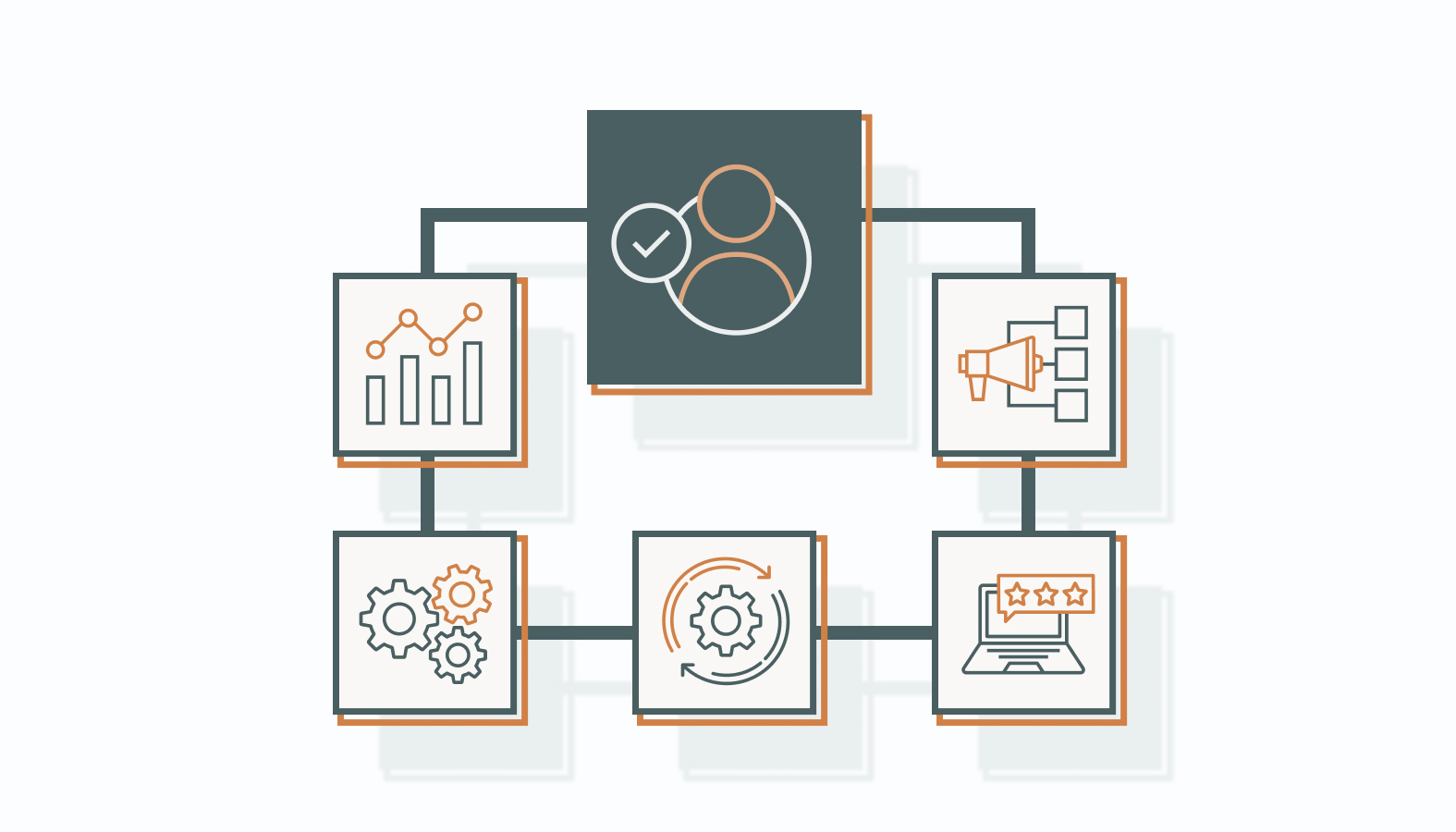
A CRM system centralizes everything a business knows about its customers, turning scattered data into actionable insight. The best CRM tools automate engagement, flag at-risk customers, and ensure no one falls behind.
Here’s how CRM supports retention at every stage:
Centralizing Customer Data for Deeper Insights
A CRM pulls information from emails, purchase history, support tickets, website visits, and social interactions into one unified profile.
This gives you complete information, not just what customers bought, but how they engage, what they ask, and what matters to them. With that foundation, communication becomes personal, relevant, and timely rather than generic and reactive.
Without centralized data, teams operate in silos. Sales doesn’t know what support was resolved last time. Marketing was clueless about who had just renewed.
A CRM closes those gaps and gives every department a shared view of the customer.
Automating Personalized Engagement
Manual outreach doesn’t scale so much. CRM automation allows you to set up workflows triggered by customer behavior or their key milestones:
- Birthday or anniversary emails
- Re-engagement offers for inactive customers
- Thank-you messages after support interactions or major purchases
- Onboarding sequences for new sign-ups
These touchpoints improve loyalty and keep your brand present without requiring constant manual effort. Automation should feel personal, which is only possible when it’s built on accurate and up-to-date customer data.
Predicting and Preventing Churn
By tracking patterns like declining engagement, increased support tickets, or missed renewals, CRMs can flag at-risk customers right away.
Automated alerts or workflows can then trigger proactive outreach, such as special offers, check-in calls, or tailored content, before a customer disengages entirely. This system shifts retention from reactive to proactive, which is where the real gains begin.
Enhancing Customer Support
CRMs streamline support by centralizing ticket tracking, customer history, and past interactions in one place.
Support teams always have the context needed to resolve issues faster and more consistently. Customers who receive quick, informed help are more likely to stay and recommend the business to others.
Enabling Targeted Marketing and Segmentation
CRMs make it easy to segment your audience by purchase behavior, lifecycle stage, or engagement history. With these segments, you can:
- Send tailored offers to high-value customers
- Deliver relevant content based on customer interests
- Run win-back campaigns for disengaged contacts
Plain messaging only wastes budget, and it fades trust. On the other hand, segmented and relevant communication does the opposite.
Key CRM Strategies to Maximize Customer Loyalty
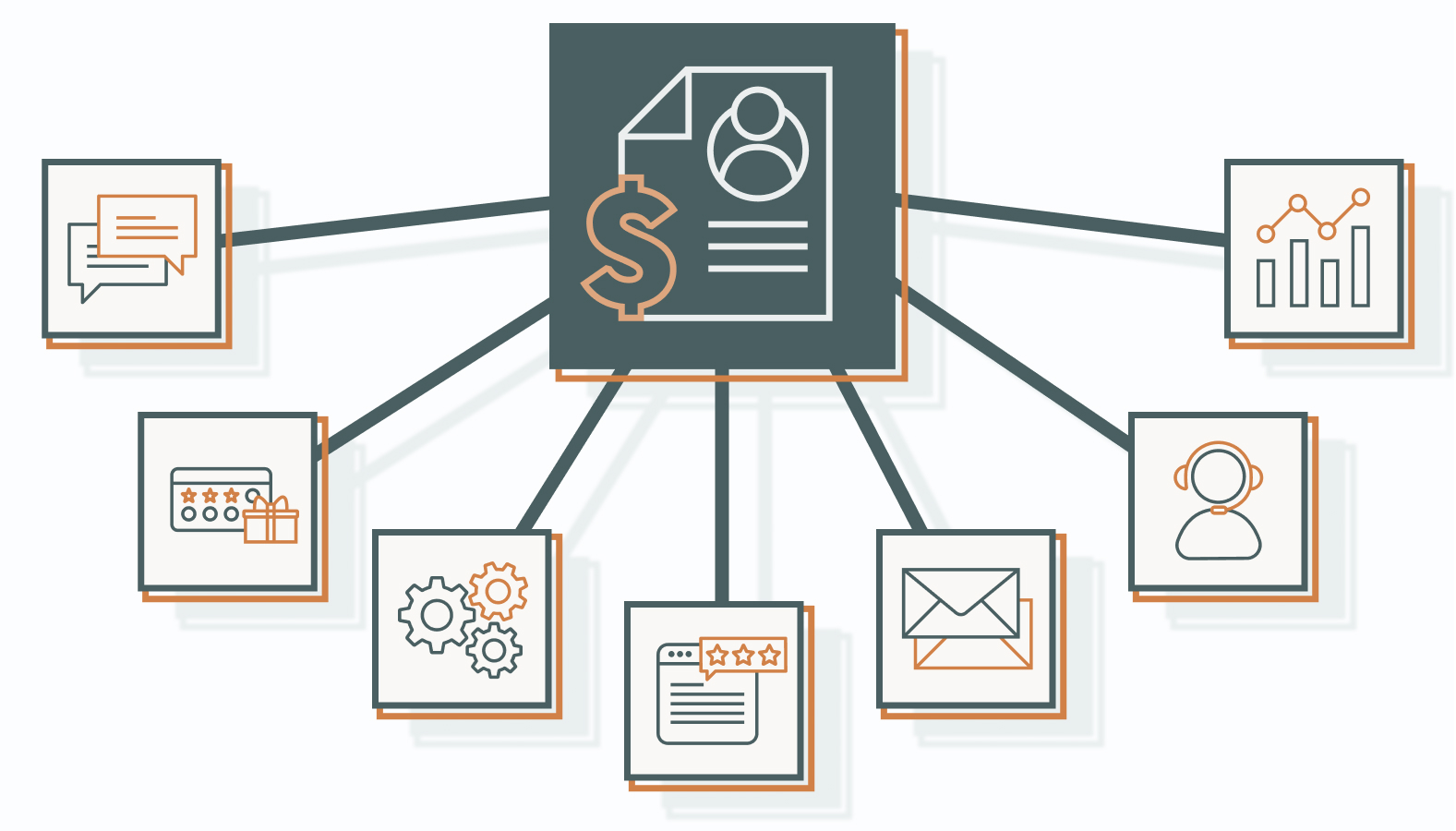
Loyalty is built through consistent, intentional action. Listed below are the core CRM-driven strategies that convert occasional buyers into long-term customers.
1) Segmentation and Targeted Communication
Effective retention starts with smart segmentation, grouping customers by behavior, value, or lifecycle stage. CRM filters let you identify VIPs, new sign-ups, or at-risk customers, and craft messages suited to each group.
Send exclusive previews to top customers, onboarding tips to newcomers, and win-back offers to those who have become inactive. When communication feels relevant, engagement follows.
2) Loyalty Programs and Reward Systems
A well-structured loyalty program, managed through your CRM, can turn occasional buyers into brand advocates. Use CRM data to track purchase frequency, reward milestones, and personalize incentives, whether early access, discounts, or simple recognition.
Customers stay not just for perks, but because they feel consistently resonated with and valued.
3) Automating Follow-Ups and Check-Ins
Set up automated messages for key milestones, like post-purchase check-ins, renewal reminders, or re-engagement notes after a period of inactivity. Consistent, timely follow-up keeps your brand present without being intrusive, and ensures no customer is forgotten.
Even a simple “How’s everything going?” message, sent at the right moment, can prevent a quiet disengagement from turning into a lost account.
4) Monitoring Customer Satisfaction and Feedback
Use your CRM to collect and track feedback through surveys, support interactions, and reviews. Analyze trends to spot recurring issues or opportunities to improve.
If multiple customers flag the same problem, that’s a signal, more than a noise. When you act on feedback visibly and proactively, customers appreciate it, and trust deepens over time.
5) Personalized Email and SMS Campaigns
Use CRM data to send tailored emails and SMS messages that reference customer names, interests, or purchase history. A/B test subject lines, offers, and send times to improve performance over time.
The more relevant your outreach is, the higher your open rates, click-through rates, and retention numbers will be.
6) Proactive Customer Support and Issue Resolution
Don’t wait for customers to escalate issues. Use your CRM to track open interactions and resolve problems immediately.
When every team member has access to the full customer history, responses become faster and more informed, which builds the kind of trust that keeps customers around for a long time.
7) Data-Driven Retention Insights
Regularly analyze retention data within your CRM to spot the trends and identify at-risk segments. Build dashboards that track key metrics like churn rate, repeat purchase rate, and average customer lifespan.
These insights allow you to act responsively and continuously refine your approach accordingly, rather than waiting until problems have already surfaced.
Implementing a Customer Retention Strategy with CRM
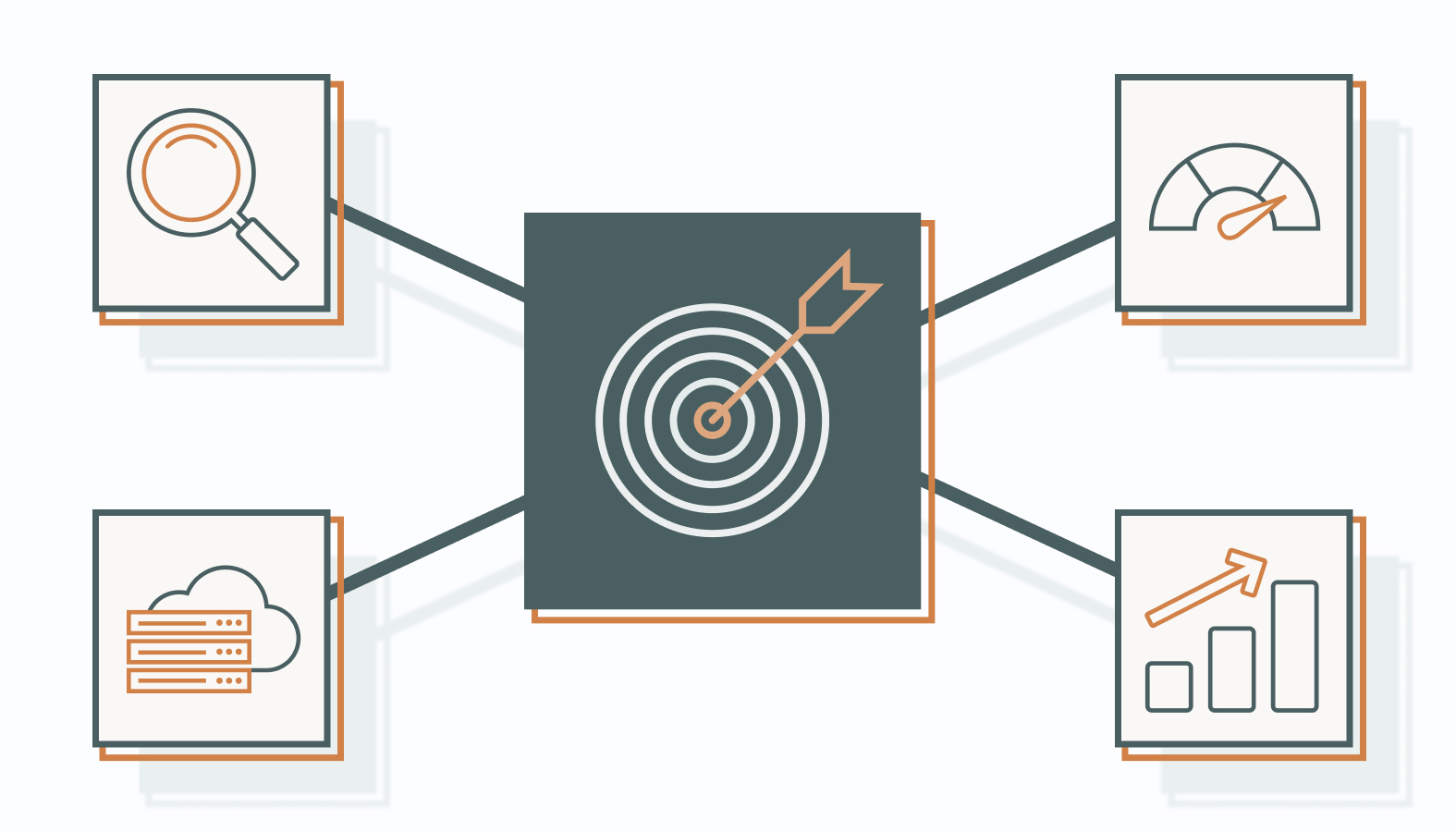
Retention strategies become more effective when businesses create repeatable and reliable processes around customer data, communication, and reporting.
Audit Your Current Data Hygiene
Clean data is the foundation of every CRM initiative. Review your customer database for outdated contacts, duplicates, and incomplete records. Set up automated routines to flag inconsistencies and schedule regular maintenance at a minimum, quarterly.
Inaccurate data leads to misdirected campaigns, missed follow-ups, and unreliable analytics. The cleaner your data is, the more effective every retention effort becomes.
Integrate Your Tech Stack
Your CRM shouldn’t operate in isolation. Integrating it with your marketing, support, and sales tools creates a seamless information flow and a complete view of each customer.
- CRM + Support Desk: Every service interaction is tracked alongside purchase history, giving your team full context to resolve issues faster and spot broader retention risks right away.
- CRM + Marketing Automation: Syncing these tools lets you trigger personalized campaigns based on CRM data, automate follow-ups, and ensure every touchpoint is relevant and timed correctly.
Establish Retention KPIs
Define clear, measurable KPIs for retention, such as:
- Churn rate
- Repeat purchase rate
- Customer lifetime value
- Net Promoter Score (NPS)
Use your CRM’s dashboard features to track these in real time and set automated alerts for negative trends before they become larger problems. Reviewing these metrics regularly, instead of just quarterly, keeps your team focused and responsive.
Build a Retention-First Culture
Train everyone from sales to support on CRM best practices and why retention matters to the business. Make retention metrics visible across departments.
Celebrate wins, share success stories, and treat customer loyalty as a shared responsibility, more than just a job for the marketing team.
Avoid Common CRM Retention Mistakes
Even strong CRM systems can become ineffective when businesses rely too heavily on automation or fail to act on customer data.
The “Set It and Forget It” Trap
Automation is useful, but it requires ongoing attention and keen eyes. Customer behavior evolves, and workflows that were once effective can become irrelevant.
Schedule regular audits quarterly at a minimum of your automation rules, email templates, and engagement triggers. Gather feedback from your team and customers to spot gaps.
Treat your CRM processes as systems that need continuous refinement, instead of a one-time setup.
Data Overload without Actionable Insight
CRMs can collect huge amounts of data, but tracking everything without a clear plan produces noise instead of clarity. Focusing on the wrong metrics too many at once leads to analysis paralysis, where no meaningful action gets taken.
Identify the metrics that directly affect retention, build dashboards around those metrics, and for every data point you track, ask, What will I do if this one changes?
The goal is to have the right data and to use it to make smarter decisions for your customers.
Turning Retention Into a Consistent Growth Strategy
Strong customer retention doesn’t just come from one campaign, one automation, or one department. It actually stems from consistent communication, accurate customer data, responsive support, and a clear understanding of customer behavior over time.
CRM systems help bring those pieces together by giving teams better visibility into what the customers need, where engagement drops, and which interactions lead to long-term loyalty.
Businesses that continuously improve retention usually focus on the fundamentals first. They clean up customer data, pay attention to feedback, personalize communication, and respond to issues before frustration builds.
Over time, those small operational improvements result in stronger customer relationships, more repeat business, and reliable long-term revenue.
Retention works best when it is treated as a part of daily business operations, instead of just a metric reviewed at the end of the quarter.
Improve Customer Retention with Smarter CRM Strategy
Every business collects customer data, but only a few use it in a way that improves loyalty, reduces churn, and strengthens customer relationships over time.
If you’re evaluating your current CRM strategy, refining retention workflows, or trying to create a more connected customer experience, we’re happy to share practical insight tailored to your business. Schedule a candid conversation with one of our experts.»
Frequently Asked Questions
Let’s talk about some of the most common questions about CRM and customer retention. Sometimes, the right answer is the one that’s practical, actionable, and easier to implement.
1) What features matter most in a CRM for retention?
For most businesses, the most useful retention-focused CRM features include:
- Customer segmentation
- Automated follow-ups
- Email and SMS personalization
- Task management
- Feedback collection
- Reporting dashboards
Many smaller businesses begin with simpler platforms such as HubSpot Starter, Zoho CRM, or Mailchimp CRM before moving to more advanced systems.
2) How often should CRM data be cleaned?
Most businesses should review CRM data at least quarterly. Faster-growing businesses may even need regular monthly reviews.
Maintenance should include:
- Updating customer information
- Removing duplicate records
- Correcting incomplete entries
- Archiving inactive contacts
Cleaner data improves personalization, reporting accuracy, and campaign performance.
3) What advanced CRM features should I consider as I scale?
As businesses grow, they often need more advanced CRM capabilities, including:
- Custom reporting
- Industry-specific templates
- Mobile access
- Marketing automation integrations
- Advanced analytics
- Multi-channel communication tracking
The best CRM should fit existing workflows while supporting long-term growth.