


Partnerships can expand market reach quickly, but they can also create more complexity along with it. A channel management strategy often determines whether partner ecosystems stay coordinated as they grow or become harder to manage as time goes on.
Many businesses focus heavily on recruiting partners, yet far fewer pay enough attention to how to retain those partners and how they operate daily once the program starts expanding.
Communication gaps, unclear expectations, overlapping responsibilities, and inconsistent execution tend to surface gradually, especially across larger partner networks.
The operational side of channel management is usually what separates stable programs from those that constantly react to problems only when they have already appeared.
The sections ahead show the areas that most often influence long-term partner performance, operational visibility, and overall channel scalability.
Why Channel Management Matters to Your Business
Channel programs can bring new revenue opportunities, but they also introduce operational complexity. As partner networks grow, maintaining consistency across communication, sales processes, customer experience, and accountability gets even more difficult.
Territory disputes, inconsistent messaging, reporting gaps, and uneven partner performance can all slow momentum quickly.
A strong channel management approach gives teams clearer expectations, better performance visibility, and consistency across the partner experience. Strong programs tend to produce:
- Better visibility into partner performance and pipeline health
- Faster onboarding and partner ramp-up times
- Clearer ownership across leads, accounts, and territories
- More consistent customer experiences across regions and partner types
- Stronger partner engagement and long-term retention
Consider a SaaS company working with value-added resellers (VARs) across multiple regions.
Without standardized onboarding, shared reporting, and clear communication processes, operations mess up quickly as the network grows.
Consistency doesn’t happen by default. It requires intentional structure.
When partners compete for the same opportunities without clear rules, friction rises fast. Defining territories, aligning incentives, maintaining consistent communication, and providing shared resources reduce conflict and improve coordination across the partner ecosystem.
The stronger the operational alignment, the easier it is to scale without unnecessary friction.
How to Overcome the Biggest Channel Management Challenges
Every channel leader meets challenges. What separates high-performing programs is how proactively those challenges are addressed before they become systemic problems.
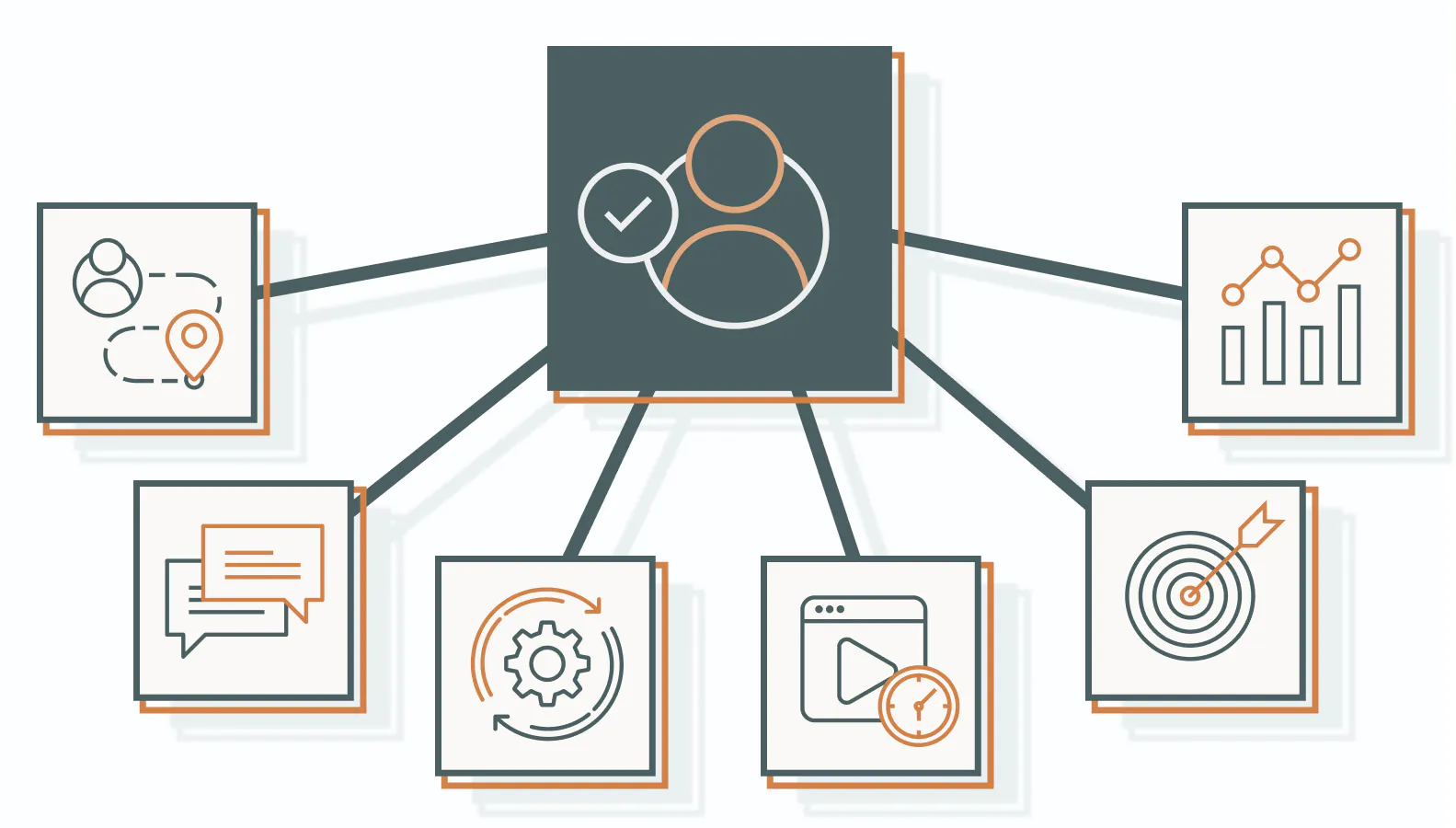
Align Partner and Company Goals
Successful channel programs are built on shared objectives. When your partners’ goals align with your company’s goals, everyone goes in the same direction.
- Co-create business plans with joint KPIs and milestones that map to targets.
- Communicate the “why” behind your goals, as partners commit more fully when they understand the bigger picture.
- Offer tiered incentives so both sides benefit when shared milestones are achieved.
- Be transparent about expectations and follow through on commitments consistently. Trust is the foundation of any strong channel relationship.
Treating your partners as true collaborators leads to a culture of trust and mutual success that’s hard for competitors to replicate.
Build Consistent, Transparent Communication
Clear and regular communication keeps partners informed and empowered to act without unnecessary back-and-forth.
- Use a partner portal or PRM (Partner Relationship Management) system as a main source of updates, resources, and documentation.
- Set a regular cadence: monthly check-ins, quarterly business reviews, and ad hoc touchpoints when market conditions shift.
- Make two-way dialogue easy: partners should be able to surface challenges, ask questions, and share feedback without friction.
- Leverage tools like Slack, Microsoft Teams, or dedicated PRM platforms to effectively streamline day-to-day communication.
Eliminate unwanted surprises, reduce confusion, and have everyone working from the same information.
Create Effective Feedback Loops
Feedback is a practical and necessary tool for continuous improvement. Two-way feedback ensures both your company and your partners can learn, adapt, and course-correct together.
- Schedule regular feedback sessions quarterly at a minimum, and monthly if possible. Don’t wait for annual reviews.
- Use short surveys or NPS (Net Promoter Score) to identify partner sentiment and pain points fast.
- Act on feedback visibly. Nothing builds loyalty faster than showing partners that their input leads to real improvements.
- Share what you’re hearing across the partner ecosystem so improvements benefit everyone, instead of just individual relationships.
When feedback is genuinely valued and actively acted upon, partners become more engaged and invested in the program’s success.
Empower Partners with Ongoing Training and Support
Equip your partners so that they become more confident and effective in the field.
- Offer on-demand, self-paced training modules covering products, sales tactics, competitive positioning, and market updates.
- Host live workshops and webinars for real-time learning and open Q&A.
- Provide certification programs that recognize expertise and incentivize continuous development.
- Keep sales playbooks, FAQs, and marketing assets accessible in one centralized resource hub.
Training is not a one-time event. Markets shift, products evolve, and partners need updated knowledge to stay competitive. Ongoing education keeps your channel sharp.
Resolve Channel Conflicts Proactively
Channel conflict is normal. The key is addressing it before it damages relationships. Common sources include territory overlap, pricing discrepancies, and lead ownership disputes.
- Document clear rules of engagement, like who owns what, under what conditions, and how exceptions should be handled.
- Set up escalation paths so partners are aware of issues before they spiral into larger disputes.
- Foster a culture where concerns are raised early and handled constructively rather than avoided.
- Review and refine conflict resolution processes as your program evolves and new friction points emerge.
A proactive approach keeps relationships intact and lowers disruption to ongoing sales activity.
Track the Right Performance Metrics
Manage what you measure. Key metrics to monitor:
- Revenue generated per partner
- Pipeline growth and conversion rates
- Partner engagement and activity levels
- Training completion and certification rates
- Customer satisfaction scores
Use these metrics in regular performance reviews to celebrate wins, identify underperformance, and build co-created improvement plans with partners who are falling behind.
5 Building Blocks of a High-Performing Channel Program
High-performing channel programs usually rely on a few core operational areas, such as partner selection, onboarding, incentives, co-marketing, and continuous learning.

1) Choosing the Right Partners
Not because it seems like a potential partner means you’re a good fit together, and that’s fine. High-performing channel programs are selective, focusing on quality over quantity.
When evaluating partners, assess strategic alignment with your vision and long-term goals, market coverage in target regions or verticals, capability to deliver results (sales force, technical expertise, infrastructure), and cultural fit with your brand.
Use a structured evaluation process (scorecards or weighted criteria) to assess candidates objectively and consistently. A strong fit at the start prevents larger frustrations later.
2) Onboard Partners Quickly and Efficiently
First impressions can shape the entire partnership. A simpler and direct-to-the-point onboarding process gets partners informed, aligned, and productive as fast as possible.
- Centralize all training materials, sales tools, and documentation in one portal.
- Use automated onboarding checklists and workflows to guide partners step by step without requiring constant manual oversight.
- Set clear goals, KPIs, and key contacts from day one so partners know what success truly is and who to call when they need help.
- Schedule kickoff meetings, Q&A sessions, and regular check-ins throughout the first 90 days to catch issues early and reinforce engagement.
When onboarding is efficient and well-structured, partners ramp up faster and start delivering value sooner.
3) Design Incentives That Motivate Performance
Incentives drive partner behavior, so structure them to the right behavior. Programs work differently. Tailor your approach to what motivates your specific partner types. Consider a mix of:
- Financial rewards: commissions, bonuses, or tiered payouts for hitting sales targets
- Non-financial perks: exclusive training access, priority marketing support, or public recognition programs
- Performance-based rewards: top-performer status, accelerators for new logo wins, or bonuses tied to customer satisfaction scores
Keep incentives transparent, attainable, and clearly connected to the outcomes that you want, whether that’s new customer acquisition, upselling, or deeper product adoption.
4) Co-Marketing Best Practices
Joint marketing extends your reach and drives results neither side could achieve working alone. When it’s done right, it strengthens the partnership itself by creating shared wins.
- Collaborate on messaging, targeting, and creative assets before any campaign launches.
- Provide customizable templates, case studies, and digital assets that partners can use independently without needing to come back to you for every piece.
- Host co-branded webinars, workshops, or product demos to reach wider audiences under both brands.
- Set up clear processes for tracking and attributing leads generated through joint efforts. Avoid ambiguity because it creates conflict fast.
For example, a cybersecurity vendor might team up with a regional MSP to run a co-branded webinar series targeting mid-market companies. This drives a new pipeline for both parties while reinforcing their joint market presence.
5) Keeping Partners Engaged with Continuous Learning
Markets evolve, products change, and new competitors emerge. Continuous learning keeps partnerships tight and ready to compete.
- Use short, focused microlearning modules that fit into busy schedules rather than lengthy training sessions that partners deprioritize.
- Gamify the experience with leaderboards, badges, and certifications to create healthy competition and recognition.
- Update content regularly as products, pricing, regulations, or market conditions shift.
- Create peer learning opportunities where partners share success stories, objection-handling tactics, and best practices with each other.
When learning is ongoing, partners stay engaged, confident, and loyal, so your channel stays far ahead of the competition.
Maximize Results from Your Channel Partnerships
Strong channel programs should have continuous improvement. Markets change, partner expectations shift, and operational gaps become more visible as programs scale.
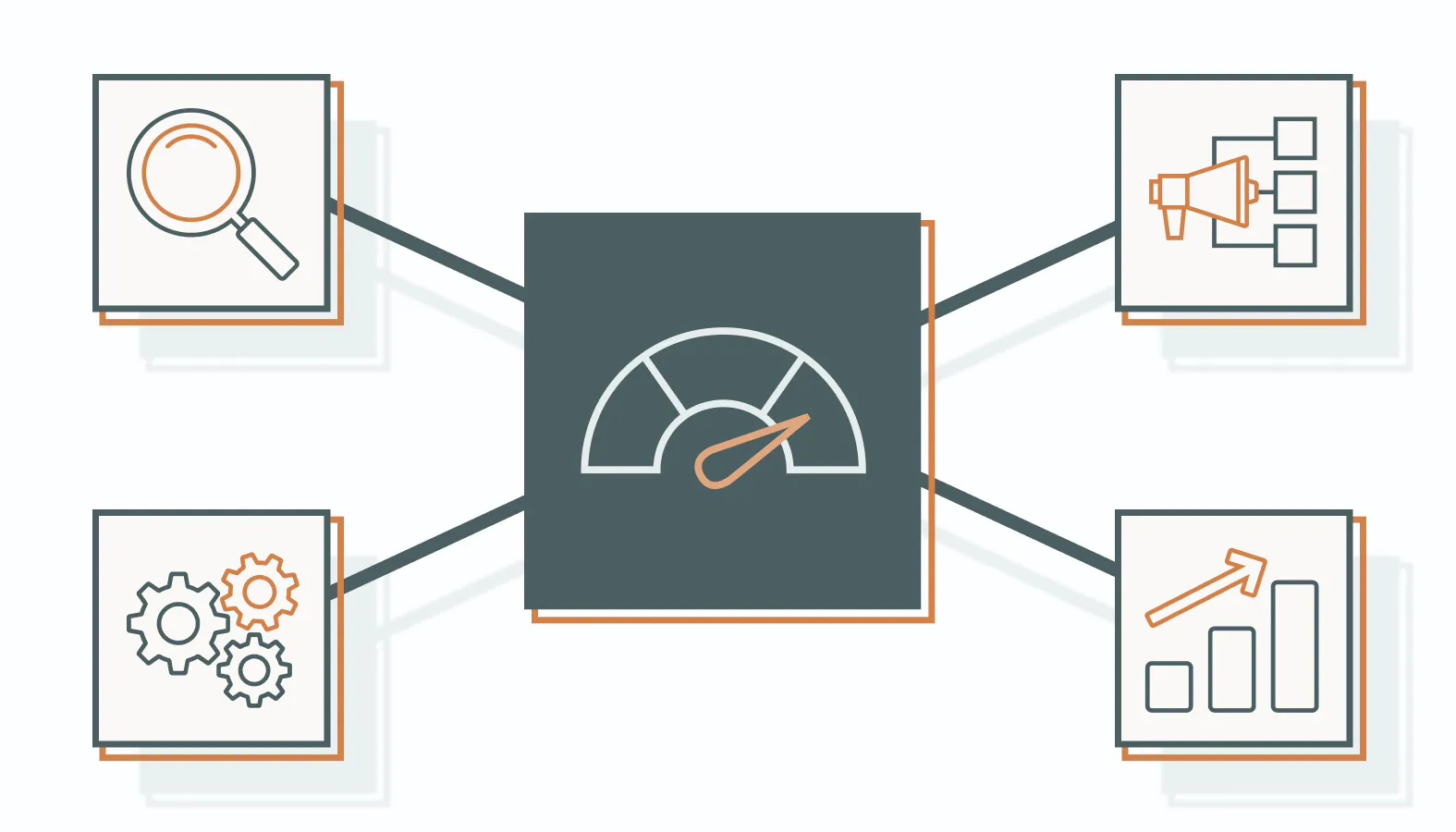
Measure The Right KPIs
Consistently track:
- Partner-sourced revenue: total sales generated through channel partners
- Pipeline velocity: how quickly deals move from lead to close within the channel
- Partner engagement rate: participation in training, events, and co-marketing activities
- Deal registration and win rates: volume of registered deals and the percentage that convert
- Customer retention and satisfaction: renewal rates and NPS scores for partner-acquired customers
- Time-to-productivity: how fast new partners increase to full performance
Use these in quarterly reviews to guide decisions, identify top performers, and spot where additional support or intervention is needed.
Manage Channel Disputes
Disputes can slow growth and damage trust across the partnership ecosystem.
Businesses can reduce disputes by:
- Defining ownership rules clearly
- Documenting territory structures
- Responding to issues early
- Maintaining consistent communication
Clear processes reduce confusion and make conflict resolution easier when problems occur.
Automate Channel Operations
Manual processes create constrictions for your team and friction for your partners. Automation frees up time for strategic work and reduces the administrative burden on both sides.
Key benefits include: faster, more consistent onboarding, streamlined deal registration with fewer approval delays. You’ll have real-time performance dashboards that surface issues before they escalate, and automated communications that keep partners informed without requiring constant manual effort.
Popular platforms include Salesforce PRM, Impartner, and Allbound, all of which integrate with common CRM and marketing automation systems.
Adjust Your Strategy as Markets Shift
Channel strategies should change as customer expectations, market conditions, and partner needs shift. Businesses should regularly:
- Review market trends
- Collect partner feedback
- Test new approaches gradually
- Refine processes based on performance data
Programs that adapt more quickly maintain stronger partner engagement and operational consistency.
Preparing Your Channel Strategy for What’s Next
Future-ready channel programs establish stronger operational visibility, faster communication, and better adaptability.
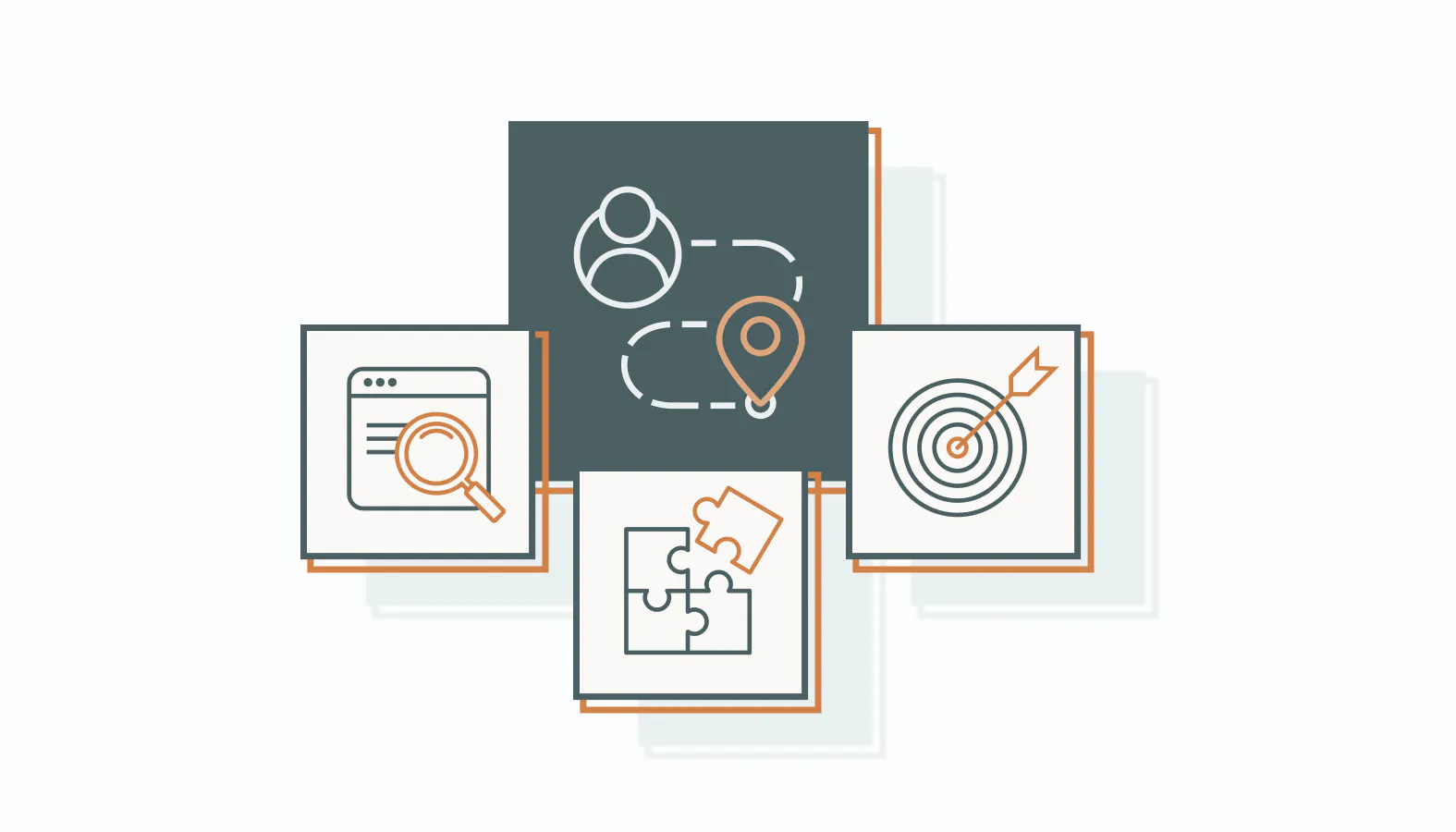
1) Leveraging Digital Tools
The right digital platforms improve efficiency, partner satisfaction, and program visibility.
When evaluating solutions, you must look for:
- Centralized partner portals that consolidate training, resources, deal registration, and support in one place
- Analytics dashboards that surface real-time performance data and emerging trends
- Automated workflows for onboarding, communications, and reporting so nothing is overlooked
- Collaboration tools that enable real-time communication and knowledge sharing across the partner ecosystem
Prioritize scalability, integration with your existing tech stack, and ease of use for both your internal team and your partners.
Don’t chase trends, but instead, choose tools that solve real problems in your current program.
2) Building More Agile Channel Program
Agile channel programs can respond faster to market changes and even to operational issues.
A more flexible approach may include:
- Faster decision-making processes
- Shorter feedback cycles
- Pilot testing before full rollouts
- Flexible partner agreements
Operational flexibility helps businesses adapt without creating unnecessary disruption across the partner ecosystem.
3) Integrating ESG and Sustainability into Channel Initiatives
ESG (Environmental, Social, Governance) is increasingly defining partner and buyer decisions. Partners want to work with companies that resonate with them and reflect their values.
B2B buyers are factoring sustainability into purchasing decisions. And regulatory requirements around ESG are expanding in many global markets.
To incorporate ESG into your channel strategy, define and communicate clear sustainability goals, factor ESG criteria into partner evaluation and onboarding, offer ESG-focused training resources, and share progress milestones across the partner ecosystem.
ESG as a part of your program builds trust with partners and differentiates your channel in the market.
Building a Channel Program That Can Scale
Scalable channel programs depend on strong operational alignment, consistent communication, and ongoing partner support.
Businesses that refine processes early are often better equipped to grow partner ecosystems without creating unnecessary complexity.
Let’s Strengthen Your Channel Strategy
As channel programs grow, operational gaps become harder to spot internally.
An outside perspective can help improve visibility, streamline workflows, and strengthen partner alignment.
Schedule a candid conversation with one of our experts ».
Channel Management FAQs
Here are clear, actionable answers to the most common queries:
1) How do I choose the best channel management software?
Start by defining your goals and biggest pain points. Then evaluate platforms against must-have features, like a strong partner portal, automation capabilities, customizable workflows, strong analytics, CRM integration, and reliable security.
Request demos, talk to current users, and factor in the total cost of ownership, not just license fees, before making a decision.
2) How can I align partner goals with my company’s objectives?
Co-create business plans with joint KPIs, communicate your strategic vision clearly, design incentives around shared objectives, and hold regular business reviews to assess alignment and course-correct early.
Keep performance data and expectations visible and accessible at all times.
3) What is a PRM tool, and do I need one?
A PRM (Partner Relationship Management) tool centralizes partner onboarding, deal registration, training tracking, communications, and performance reporting in one platform.
If you’re managing many partners or want to scale without adding headcount, consider a PRM.
Signs you need one: partners are missing key updates, onboarding is slow or inconsistent, channel performance is hard to measure, or manual management consumes too much of your team’s time.