


Reaching customers is easy. Reaching them in the right way, through the right mix of channels, at the right moment, is where most companies lose momentum. Marketing channel management gives you the structure to keep every route to market working in sync rather than competing for attention.
Most organizations know this matters, but they’re held back by fragmented processes, limited bandwidth, and tech that can’t keep up.
This guide will break down the systems, challenges, and practical tactics that separate disciplined channel operations from chaotic ones. Let’s get into the frameworks that make channel management a strategic advantage.
Essentials of Marketing Channel Management
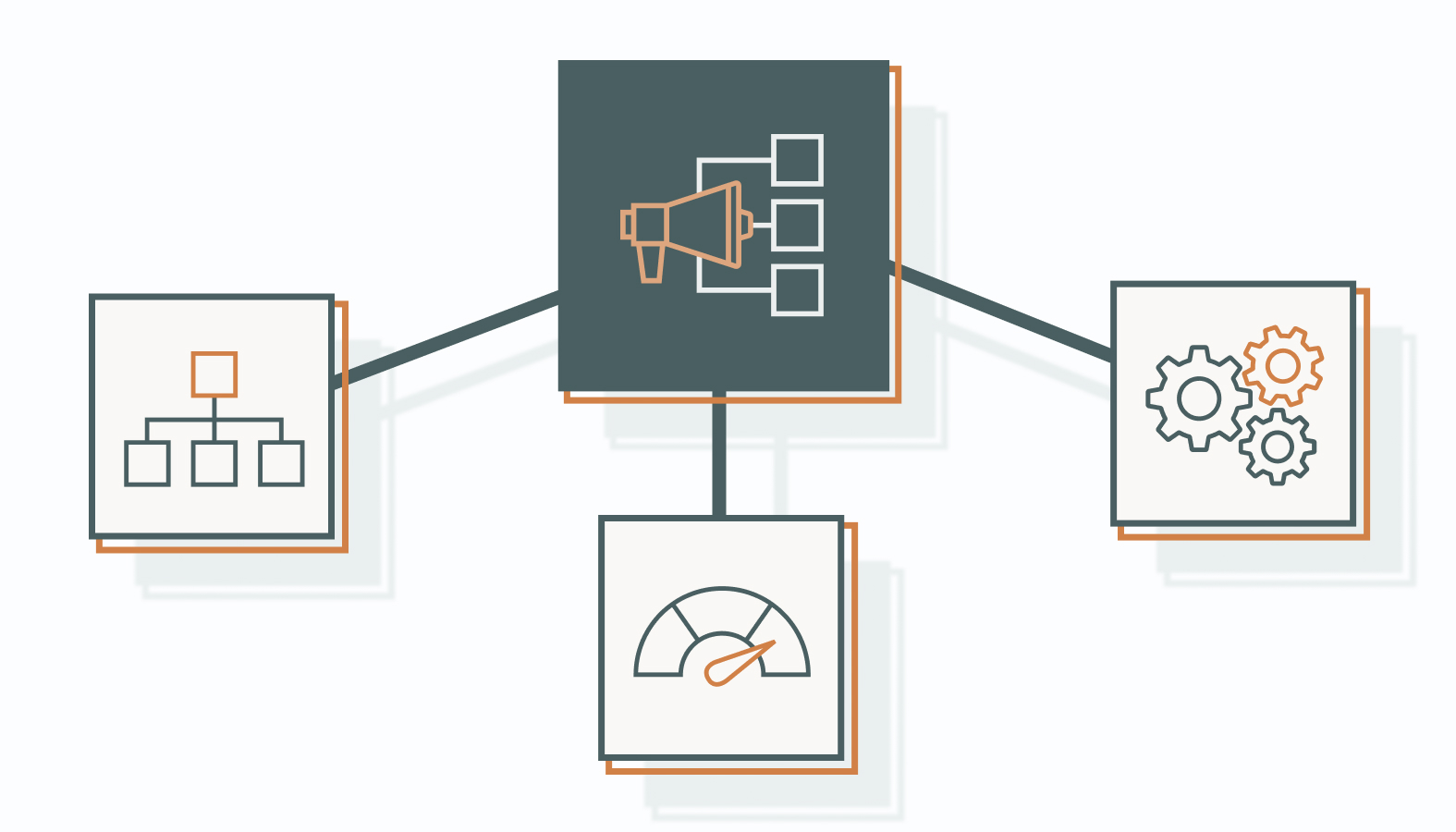
Marketing channels shape how your product actually reaches the people who want it. They’re the pathways that turn strategy into revenue and intention into outcomes.
Understanding these pathways gives you a clearer view of how value moves through your business and where you can amplify it.
What are Marketing Channels?
A marketing channel is a network of partners that work together to deliver a product or service to the end user.
These partners can take many forms. Some companies rely on direct channels such as branded stores, e-commerce platforms, or inside sales teams. Others depend on indirect networks like distributors, retailers, or third-party marketplaces.
Each path influences how fast you reach customers, how much control you keep, and how efficiently you operate. Strong channel strategy starts with understanding these dynamics, not guessing your way through them.
Core Elements of Channel Management
Effective channel management is built on several essential components that keep everything moving smoothly:
- Channel Design: Your channel mix determines the routes your business uses to engage buyers and convert demand into revenue. This is where you architect a system that matches customer behavior with commercial goals.
- Relationship Management: Every channel partner is part of your ecosystem. Strong collaboration creates alignment, momentum, and fewer late-night calls about things going off the rails.
- Performance Monitoring: Tracking performance isn’t just checking boxes. It’s how you spot friction, uncover opportunities, and adjust before minor issues turn into fiscal migraines.
When these elements work together, your channels become strategic assets that strengthen operational efficiency, improve customer reach, and support long-term growth.
Integration with Business Strategy
Channel management gains real power when it syncs with your broader business strategy. It brings coherence to the way you sell, serve, and scale.
When leadership decisions and channel decisions point in the same direction, teams execute faster, messaging stays consistent, and growth becomes more predictable.
This alignment helps companies build a competitive advantage by ensuring their channel footprint supports expansion, retention, and market positioning.
The Role of Marketing Channel Management
When channel management is dialed in, it moves from being an operational chore to a strategic engine. Its impact shows up in three places that matter most.
1) Driving Revenue Without Driving Yourself Crazy
Channel management unlocks revenue by making each route to the customer more productive.
Whether a company expands its partner network, invests in digital channels, or strengthens its sales infrastructure, optimizing the channel mix creates measurable lift.
The smart move is building systems that scale without adding chaos.
2) Making Customer Engagement Feel Effortless
When channels work together, customers experience your brand the way you intended.
Smooth transitions, consistent information, and accessible support create interactions that feel intuitive rather than forced.
This harmony earns trust and makes customers more likely to stay with you over the long haul.
3) Opening Doors to New Markets (Without Breaking Them)
Channels also open new geographic and vertical markets. Strong partnerships help companies address local expectations, navigate regulatory landscapes, and speak to customers in ways that resonate.
Expansion always comes with complexity, but a disciplined channel plan keeps you grounded while you grow.
Through thoughtful design and ongoing optimization, marketing channel management becomes a strategic engine, one that expands reach, sharpens execution, and keeps your business moving forward with purpose.
Exploring the Different Types of Marketing Channels
Every company has a vision for how customers should experience its product.
Marketing channels are the routes that bring that vision to life. Each type of channel offers its own strengths, quirks, and strategic advantages.
Understanding them helps you position your brand where it can move fastest and gain the most traction.
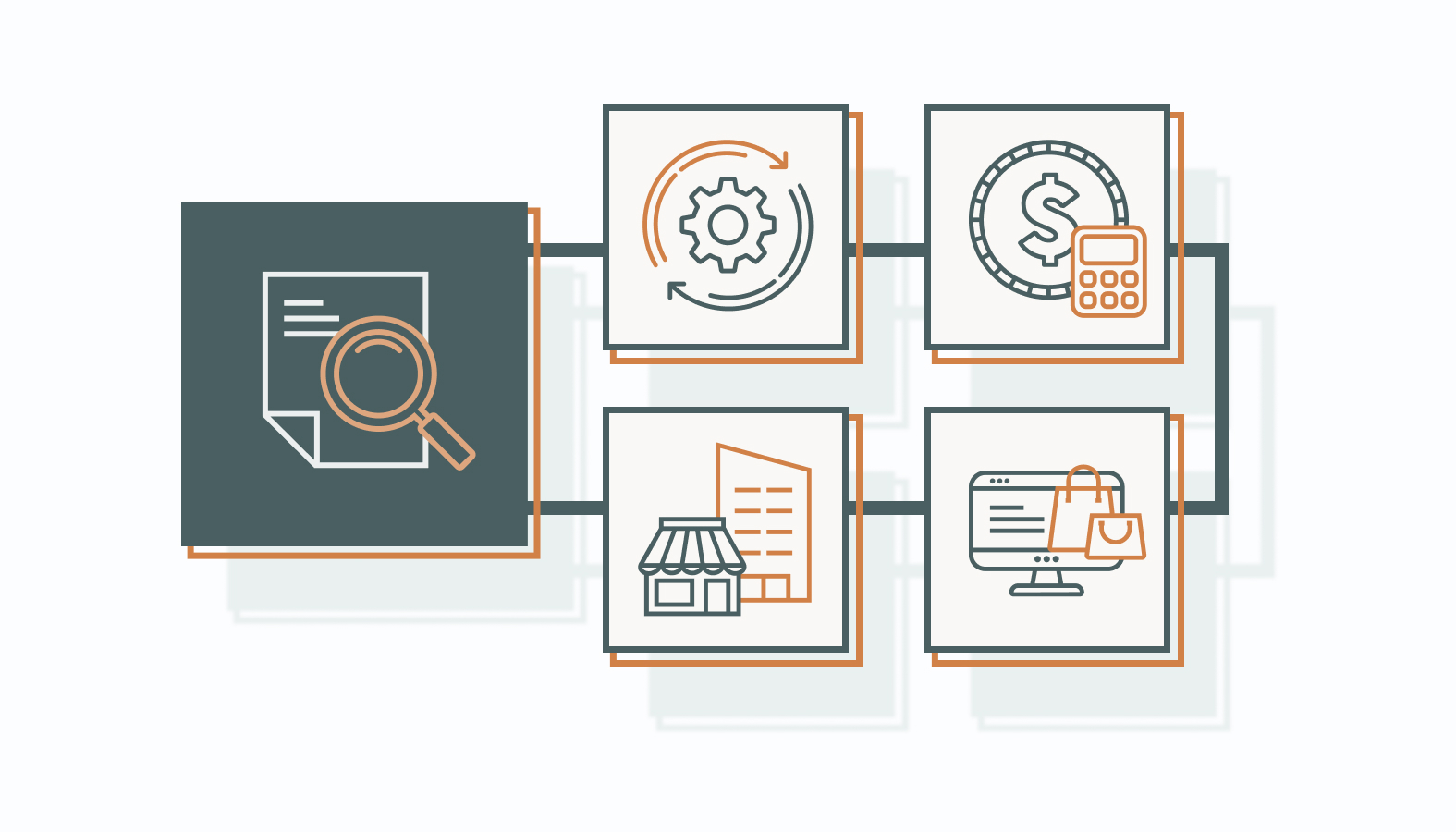
1) Direct Channels: The Hands-On Approach
Direct channels give you the driver’s seat. No intermediaries, no diluted messaging – just a straight line between your business and your buyer.
- What Defines Direct Channels: These include your owned stores, e-commerce platforms, field sales teams, or representatives who engage customers directly. They’re built for clarity and control.
- Why They Matter: Direct channels let you manage pricing, messaging, and customer data without playing telephone with third parties. You can tailor the experience in real time and develop relationships that aren’t filtered through layers of distribution.
- Where They Shine: Industries that depend on high-touch interactions – real estate, cosmetics, technology – lean on direct channels because personal expertise and trust fuel conversions.
2) Indirect Sales Channels: Strength in Numbers
Indirect channels are the power move when you want to reach, scale, and distribute speed. You’re tapping into an ecosystem that already has access to markets you don’t have to build from scratch.
- The Role of Intermediaries: Wholesalers, distributors, and retailers extend your footprint. They handle logistics, inventory, and local market penetration so you can focus on innovation and demand generation.
- Strategic Advantages: You gain immediate access to established customer bases and distribution networks without investing heavily in infrastructure. It’s a multiplier effect for companies that want to expand smartly.
- The Trade-Offs: With reach comes less direct control. You rely on partners to uphold your brand standards, pricing discipline, and customer experience. Misalignment here can create friction, which is why strong partner management is non-negotiable.
3) Online Channels: Your Always-On Growth Engine
Digital channels operate on their own clock, and thankfully, it’s 24/7. They’ve become essential for companies that want to stay visible, competitive, and accessible at all times.
Why Online Channels Are Critical: From branded websites to social commerce and marketplaces, online channels offer unmatched scale and efficiency. They shorten the distance between discovery and purchase and give customers the power to act instantly.
How to Get the Most Out of Them: Optimization is the name of the game. SEO keeps you findable, targeted advertising puts you in front of the right audiences, and content builds credibility at scale. Strong analytics tie everything together so you understand behavior patterns and refine your approach before momentum is lost.
4) Hybrid Channels: Because Your Customers Don’t Live in One Lane
Hybrid channels allow you to blend approaches so you can meet customers wherever they prefer to buy, not where you wish they did.
- The Core Idea: You combine direct and indirect routes. You could sell through your own site while also working with national retailers, or run a field sales team that partners with regional distributors. The point is flexibility.
- Making Hybrid Work: Consistency is the challenge and the advantage. When your messaging, pricing, and experience align across every touchpoint, customers move between channels without feeling like they’re entering a different universe. That cohesion creates confidence and keeps the brand intact while your reach expands.
By understanding how each channel works and where it delivers the most value, companies can build a mix that matches customer behavior, strengthens execution, and accelerates growth.
How to Build an Effective Channel Management Strategy
A strong channel strategy doesn’t appear out of thin air. It’s engineered, built from deliberate choices, sharp market awareness, and the discipline to orchestrate many moving parts without letting the system wobble.

Phase 1: Designing a Channel Architecture Built for Real-World Pressure
At its core, a channel architecture determines how your product travels, who carries the baton at each stage, and how much velocity you can sustain as demand grows.
Well-designed structures don’t just handle complexity; they absorb it, keep operations smooth, and give every team a clear path forward.
How to Build a Structure That Can Take the Heat:
Getting from concept to execution requires actionable steps. Think of these as the controls, levers, and safeguards that keep the channel engine humming even under pressure:
- Identify target markets with precision: Understanding where demand originates, how buyers gather information, and what influences their decisions gives you the foundation for a system that’s rooted in real behavior rather than assumptions.
- Select channels based on performance potential: Every channel has a role, but not every channel earns a seat at the table. Prioritize routes that strengthen access, improve efficiency, or deepen engagement with the audiences that matter most.
- Define partner and internal roles clearly: Ambiguity is where channels fall apart. Teams need to know exactly where their responsibility starts and ends so handoffs work, expectations stay aligned, and partners know how to operate inside your ecosystem.
- Integrate the right technology: Good tools eliminate guesswork. From partner portals to automated workflows and shared performance dashboards, technology amplifies coordination and keeps everyone working from the same playbook.
A channel architecture that syncs with your business goals doesn’t just support growth; it accelerates it. It brings discipline to expansion, unity to cross-functional execution, and structure to initiatives that would otherwise create drag.
Phase 2: Customizing Your Approach for Each Industry
A universal channel strategy is a myth. Every industry runs on its own rules, pressures, and customer expectations. Companies that ignore these nuances end up forcing their model into markets that don’t bend. Companies that pay attention build strategies that move cleanly, adapt quickly, and stand out in environments where most competitors settle for the default.
How Industry Dynamics Influence Channel Choices
Customer buying habits, regulatory requirements, product complexity, market maturity, and competitive density all shape which channels will actually work.
Once you understand these dynamics, the strategy stops being generic and starts becoming surgical.
What Tailored Strategies Look Like in Practice
- Retail: Modern retail thrives on fluid movement between digital and physical touchpoints. That means building a channel mix where stores, online platforms, and fulfillment methods all work in concert. The result is a shopping experience that feels connected, whether customers browse on a phone, buy online, or pick up in person.
- Technology: Tech buyers want speed, transparency, and direct access to expertise. Direct sales, guided demos, and strong online pathways give you the ability to respond quickly, gather high-quality data, and refine your messaging based on what resonates in real time.
- Healthcare: This sector demands precision and compliance. A balanced mix of direct relationships, specialized distributors, and regulated intermediaries helps organizations reach providers and patients while respecting the guardrails that define the industry.
When companies design channel strategies that reflect the reality of their industry (not an idealized version of it), they gain traction faster, reduce operational strain, and build credibility where it counts most.
Using Technology to Supercharge Channel Management
Using the right channel management tools streamlines operations, enhances communication, and gives teams the insight to make smarter, faster decisions. Think of it as giving your channel strategy a jet engine instead of a bicycle chain.
Assess Your Technology Needs
Before adopting new tools, you need a clear picture of what your business requires.
- Define Business Goals: Clarify what success looks like – whether it’s faster partner onboarding, higher sales velocity, or better market coverage.
- Evaluate Current Processes: Map existing workflows to spot bottlenecks, inefficiencies, and blind spots.
- Determine Required Features: List must-haves, from CRM integration to real-time analytics dashboards.
- Test and Compare: Use decision matrices or trial versions to see which platforms genuinely move the needle.
Ensure Compatibility Before Integration
Even the flashiest software is useless if it doesn’t play nice with your current systems.
Before rolling out new software, review your existing systems to understand how they interact, then consult IT experts to anticipate challenges and uncover hidden dependencies. Test new solutions thoroughly in pilot programs or sandbox environments to catch issues early.
When done right, seamless integration keeps data flowing, teams aligned, and operations running smoothly.
Harness Metrics and Analytics to Drive Decisions
Data isn’t just numbers on a spreadsheet; it’s the fuel that powers smart channel strategies. Proper analytics reveal patterns, pinpoint opportunities, and surface risks before they become crises, so master these metrics to track:
- Sales Volume and Growth: Monitor performance across each channel to identify winners and laggards.
- Customer Engagement Rates: Measure how well each channel captures attention and drives action.
- Channel Profitability: Evaluate ROI to ensure resources are deployed efficiently.
When used correctly, analytics turns channel management into a precision instrument. You can fine-tune strategies, optimize resource allocation, and ultimately, outperform competitors who are still flying blind.
Expanding and Optimizing Your Marketing Channels
Sustained growth doesn’t happen by standing still. It requires pushing the boundaries of your reach while fine-tuning the channels you already have. This is where digital savvy meets strategic precision: scaling smartly, engaging audiences meaningfully, and ensuring every touchpoint amplifies your brand.
Growing Your Online Presence With Surgical Precision
In a digital-first world, visibility is currency, but it’s precision that turns attention into revenue. Businesses need to be deliberate about where and how they show up. Effective strategies include:
- SEO and Content Mastery: Elevate your search rankings and create content that educates, engages, and converts.
- Social Media Strategy: Go beyond posting; craft campaigns that resonate with target audiences on Instagram, LinkedIn, and emerging platforms.
- E-commerce Excellence: Streamline user journeys, reduce friction, and make purchasing seamless to capture every opportunity.
Challenges will appear, and the savvy business doesn’t flinch:
- Crowded Digital Space: Differentiate through sharp messaging and unique value propositions that cut through the noise.
- Tech Integration: Every new tool must play nice with your existing stack, or you’re trading growth for headaches.
- Customer Intelligence: Leverage data analytics to deliver targeted, personalized experiences that make interactions feel effortless.
Creating a Brand Experience People Actually Remember
Optimization goes beyond clicks or conversions; it’s about leaving an imprint. The goal is a brand experience that feels intuitive, memorable, and downright irresistible. Key tactics include:
- Consistent Brand Identity: Every touchpoint – online or offline – should feel unmistakably “you.”
- Personalized Interactions: Use insights to tailor messaging, anticipate needs, and turn routine transactions into meaningful connections.
- Responsive Support: Fast, effective, human-centered service turns customers into advocates and keeps them coming back.
The payoff? A brand that doesn’t just sell but resonates. Emotional connections, reinforced by storytelling and clear values, make your channels work harder.
Optimized channels drive engagement, fuel loyalty, and create growth that isn’t just short-term – it’s engineered for the long game.
Challenges You’ll Face in Marketing Channel Management (and How to Outsmart Them)
Even the most sophisticated channel strategy hits turbulence. Managing multiple routes to market comes with real-world challenges that can stall growth, erode efficiency, or spark internal conflicts.
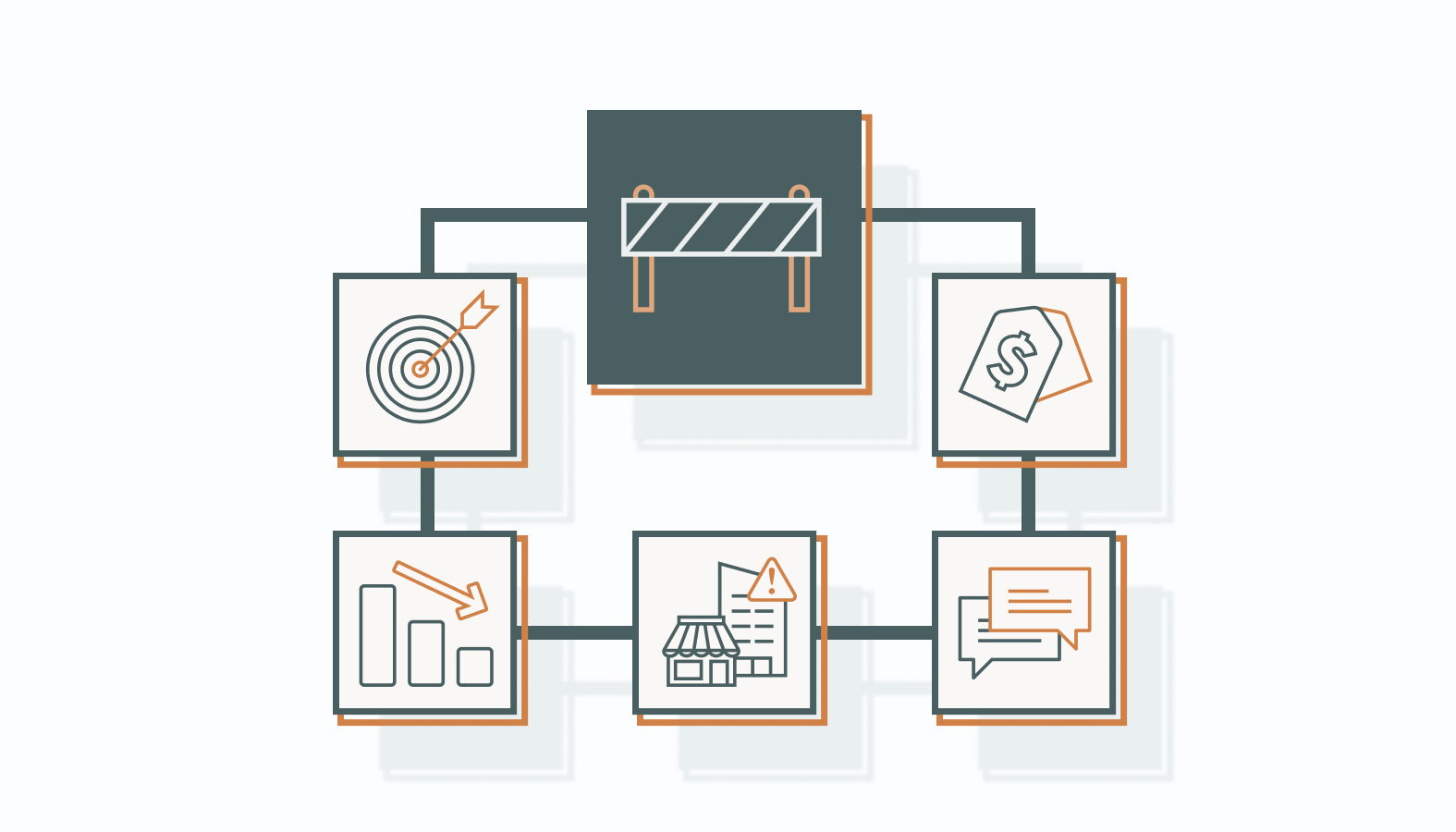
The smart approach is to anticipate the friction points, implement guardrails, and keep your channels operating like a precision instrument.
1) Pricing Discrepancies: When Numbers Start a Fight
Pricing isn’t just a number; it’s the lifeblood of channel harmony. Inconsistent or poorly structured pricing can create unnecessary conflict between partners, undermine collaboration, and dilute brand value.
Solutions include:
- Consistent Pricing Policies: Maintain clear, transparent pricing across channels to prevent undercutting.
- Value-Driven Strategies: Shift conversations from price to value, so partners compete on expertise, service, and outcomes.
- Incentive Alignment: Design tiered pricing and reward programs that reinforce collaboration and tie channel performance to overall business goals.
Once pricing is under control, the next friction point usually shows up where most teams least expect it: communication.
2) Miscommunication: When Messages Get Lost in the Noise
Channels are ecosystems, and ecosystems fail when communication breaks down. Misaligned messaging or opaque processes erode trust and create inefficiencies. Mitigation strategies:
- Frequent Check-Ins: Regular updates and meetings keep partners informed and aligned.
- Collaboration Tools: Digital platforms enable real-time information sharing, reducing delays and misunderstandings.
- Actionable Feedback Loops: Gather, analyze, and act on partner input, showing responsiveness strengthens engagement and loyalty.
Even with clear communication across your ecosystem, things can still unravel inside your own walls.
3) Internal Misalignment: The Silent Channel Killer
Even with perfect external coordination, internal discord can sabotage channel effectiveness. Conflicting departmental priorities or unclear responsibilities generate wasted effort and missed opportunities.
Combat this with:
- Cross-Functional Alignment: Hold regular meetings that bring sales, marketing, and operations onto the same page.
- Unified Objectives: Translate overarching business goals into clear departmental targets to prevent siloed efforts.
And while you work to get your house in order, the outside world doesn’t take a coffee break.
4) Competitive Pressure: When the Market Doesn’t Sit Still
Channels are living systems. They face constant pressure from competitors, shifting market trends, and evolving customer expectations.
Staying ahead requires vigilance:
- Market Intelligence: Continuously monitor competitor moves and emerging trends to anticipate disruption.
- Innovation Investments: Adopt new approaches, technologies, and channel strategies that keep your organization one step ahead.
All of this would be easier with unlimited budgets and an army of specialists. Reality offers neither.
5) Resource Constraints: Doing More With What You’ve Got
Budgets are finite, teams are lean, and ambition is limitless. Limited resources demand focus, prioritization, and ingenuity:
- Targeted Allocation: Direct investment toward high-impact channels that deliver measurable returns.
- Operational Efficiency: Streamline workflows, automate repetitive tasks, and eliminate friction to maximize output.
- Smart Scaling: Expand selectively, ensuring every new channel or initiative earns its place at the table.
Mastering these challenges doesn’t require luck. It demands strategy, clarity, and relentless attention to detail.
Companies that anticipate conflicts, streamline communication, align internal teams, and focus resources with precision don’t just survive. They outmaneuver competitors and turn channel complexity into a competitive advantage.
Smart Practices for Stronger Channel Management
Best practices are where strategy stops being theoretical and starts performing. Think of this as tightening the bolts on the machine so every channel runs cleaner, faster, and with fewer “why is this happening?” moments.
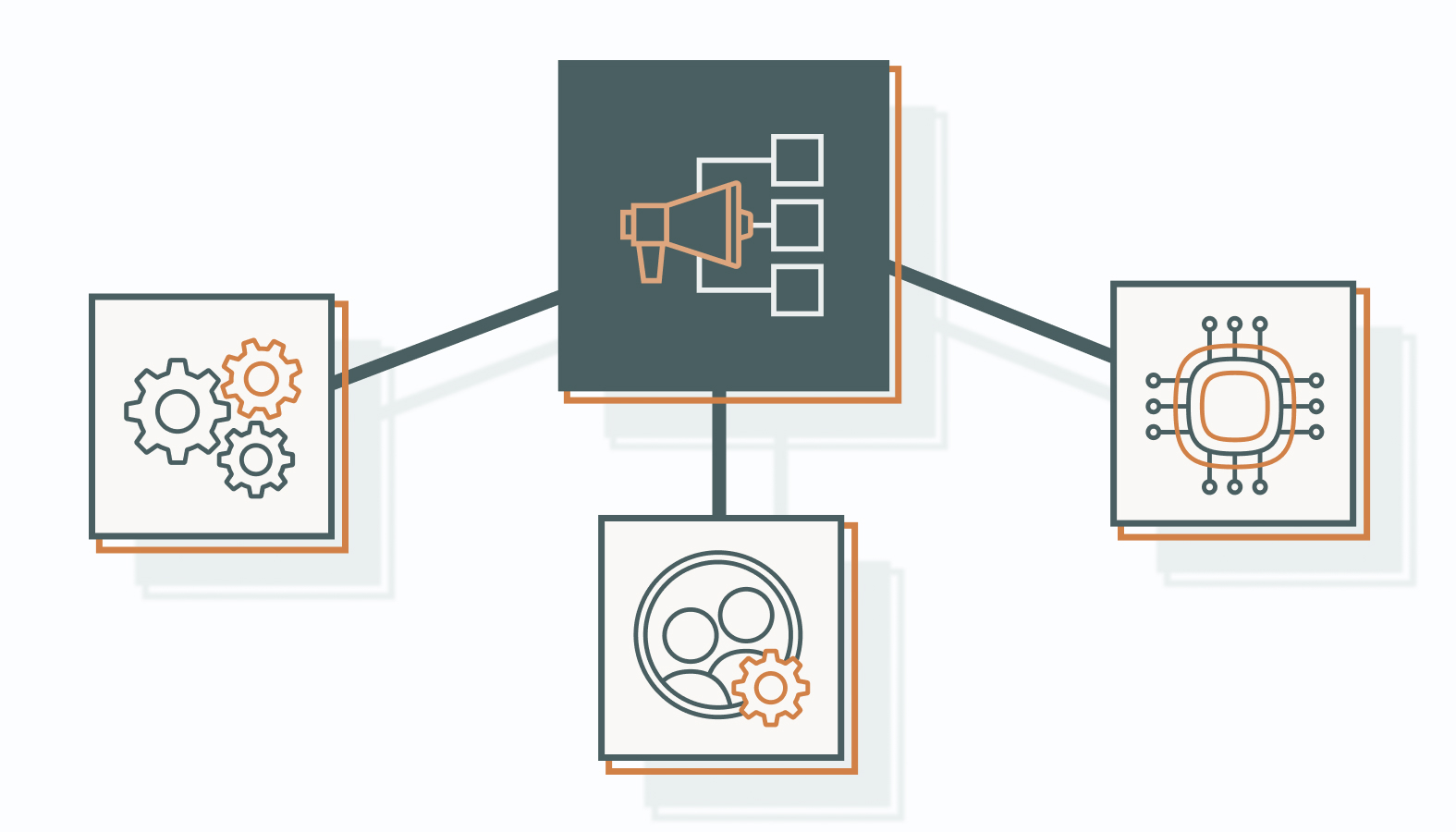
Streamlining Operations So Everything Runs Cleaner
If your operations feel clunky, your channels will too. Efficiency isn’t glamorous, but it is the difference between a system that hums and a system that stalls.
Here are practical ways to boost efficiency:
- Process Mapping: Trace every workflow from start to finish and remove the friction points that slow teams down.
- Automation Tools: Offload repetitive tasks to technology so your people can focus on decisions that actually move revenue.
Once the foundation is steady, the next advantage comes from how well your teams work together.
Boosting Collaboration Across Teams
Strong channels don’t operate in silos; they gain power when everyone pulls in the same direction.
A connected organization executes faster, solves problems earlier, and keeps partners confident that they’re working with grown-ups.
Here are two ways to get teams rowing in the same direction:
- Integrated Platforms: Use collaboration tools that centralize discussions, files, and updates so no one is chasing information across five platforms.
- Interdepartmental Workshops: Bring teams together to share expertise, align priorities, and build the kind of internal chemistry that produces better outcomes.
With alignment in place, it’s time to look ahead.
Using Emerging Tech to Level Up
Technology isn’t the finish line. It’s the accelerant. The right tools give your channel ecosystem sharper visibility, smarter automation, and insights your competitors can’t see coming.
Here’s how to roll out new tech without the headaches:
- Pilot Programs: Test innovations on a limited scale to confirm real-world impact before committing company-wide.
- Training: Equip every team with the knowledge to use new tools confidently so you don’t end up with expensive software gathering dust.
By reinforcing operations, strengthening collaboration, and upgrading your tech stack, you build a channel system that performs under pressure and adapts as the market shifts. It’s how you stay fast, aligned, and ready for whatever comes next.
The Strategic Edge of Modern Channel Management
Strong channel management is more than operational hygiene. It is a competitive weapon that improves efficiency, sharpens customer reach, and ensures every route to market supports the broader strategy.
When channels reinforce each other instead of working at cross-purposes, momentum increases and friction fades. The result is a customer experience that feels intentional from first touch to final purchase.
What High-Performing Organizations Understand
The companies that win treat channels like an interconnected system, not a loose mix of tactics. They build structures that support:
- Coordinated execution so every partner and internal team move in the same direction.
- Technology-enabled visibility for better forecasting and faster decisions.
- Flexible channel mixes that adjust as markets, customers, and competitors shift.
Do this well and you build a growth engine that is resilient, scalable, and significantly more predictable.
The Real Takeaway
Channel management is not an afterthought. It is one of the highest-leverage decisions a business can make because it determines how efficiently value travels from strategy to revenue.
Maximizing Your Marketing Channel Potential
If you want clarity on how these strategies apply to your business, let’s talk.
Schedule a candid conversation with one of our experts. We’ll walk through your current channel landscape, highlight where momentum is leaking, and identify opportunities to accelerate growth. No pressure. No long sales pitch. Only a strategic discussion about what will actually move the needle for your organization.