


Creating content is not the most difficult part. The real challenge is getting that content seen in a continuously increasing, crowded digital environment. A content distribution strategy is important for businesses investing in blogs, videos, podcasts, social media, and other forms of content.
While some organizations consistently generate traffic, engagement, and leads from their efforts, others struggle to gain visibility despite publishing regularly.
The difference is rarely about producing more content. It often comes down to how content is promoted, where it appears, and how effectively it reaches the people it was made for.
This guide explores the key concepts, channels, tactics, and considerations involved in turning content into a measurable business asset.
What Is a Content Distribution Strategy?
A content distribution strategy is a structured plan for delivering content to the target audience through the right channels at the right moment. It defines how content will be promoted after it is published, including where it will appear, who it is intended to reach, and how performance will be measured.
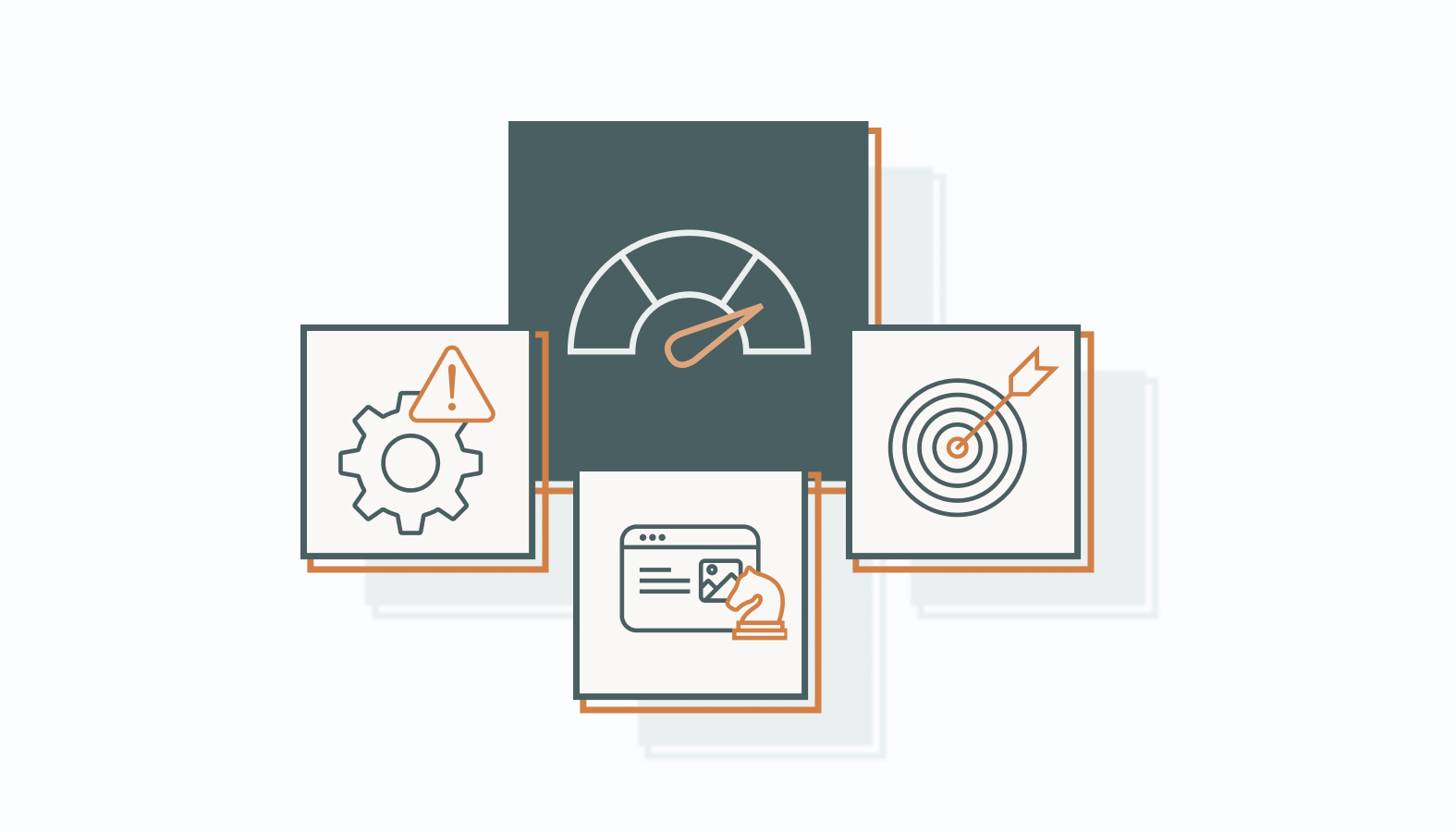
Most content distribution strategies are built around five core elements:
- Audience: The people you want to reach.
- Channels: Where content will be distributed, such as in forms of email, social media, search, or partner platforms.
- Content Mapping: Matching content formats to the channels where they perform best.
- Timing: Determining when and how content should be distributed.
- Measurement: Tracking performance to see what’s working and where adjustments are to be made.
The goal is to get more value from every piece of content by making distribution a planned process rather than a single-time promotional activity.
Why You Need a Content Distribution Strategy
Great content is just half of what’s truly needed, while the other half is to make sure it gets seen. The stakes are real: 58% of B2B marketers rate their content strategy as only moderately effective, according to the Content Marketing Institute’s annual survey.
A well-defined content distribution strategy amplifies visibility, boosts engagement, and maximizes ROI. Without one, results will be unsure.
Risks of Skipping It:
- Wasted resources: Time and budget spent creating content that never reaches the right people
- Low visibility: Even strong content gets forgotten immediately without active promotion
- Inconsistent results: Random distribution makes it impossible to repeat what works
Benefits of a Strategic Approach:
- Increased reach: Your content lands in front of the right people, in the right places
- Higher engagement: Clicks, shares, and comments rise when content meets audiences where they already are
- Better ROI: Every asset gets more directional, stretching your marketing budget further
- Consistent growth: A repeatable, effective system builds momentum over time
HubSpot can be a solid example. By repurposing blog posts into videos, distributing across multiple channels, and using email to nurture leads, they built a steady pipeline of qualified prospects through disciplined content marketing distribution.
Aligning Distribution with Business Goals:
A content distribution strategy should support your broader business objectives directly:
- Lead generation: Prioritize channels where target buyers research solutions, and gate high-value assets to capture contact info
- Brand awareness: Focus on earned and shared media to expand reach in new markets
- Sales enablement: Distribute case studies and testimonials through sales teams and nurture sequences
When the distribution system aligns with business goals, content stops being a cost center and actually starts being a reliable growth driver.
Which Content Types Should You Distribute?
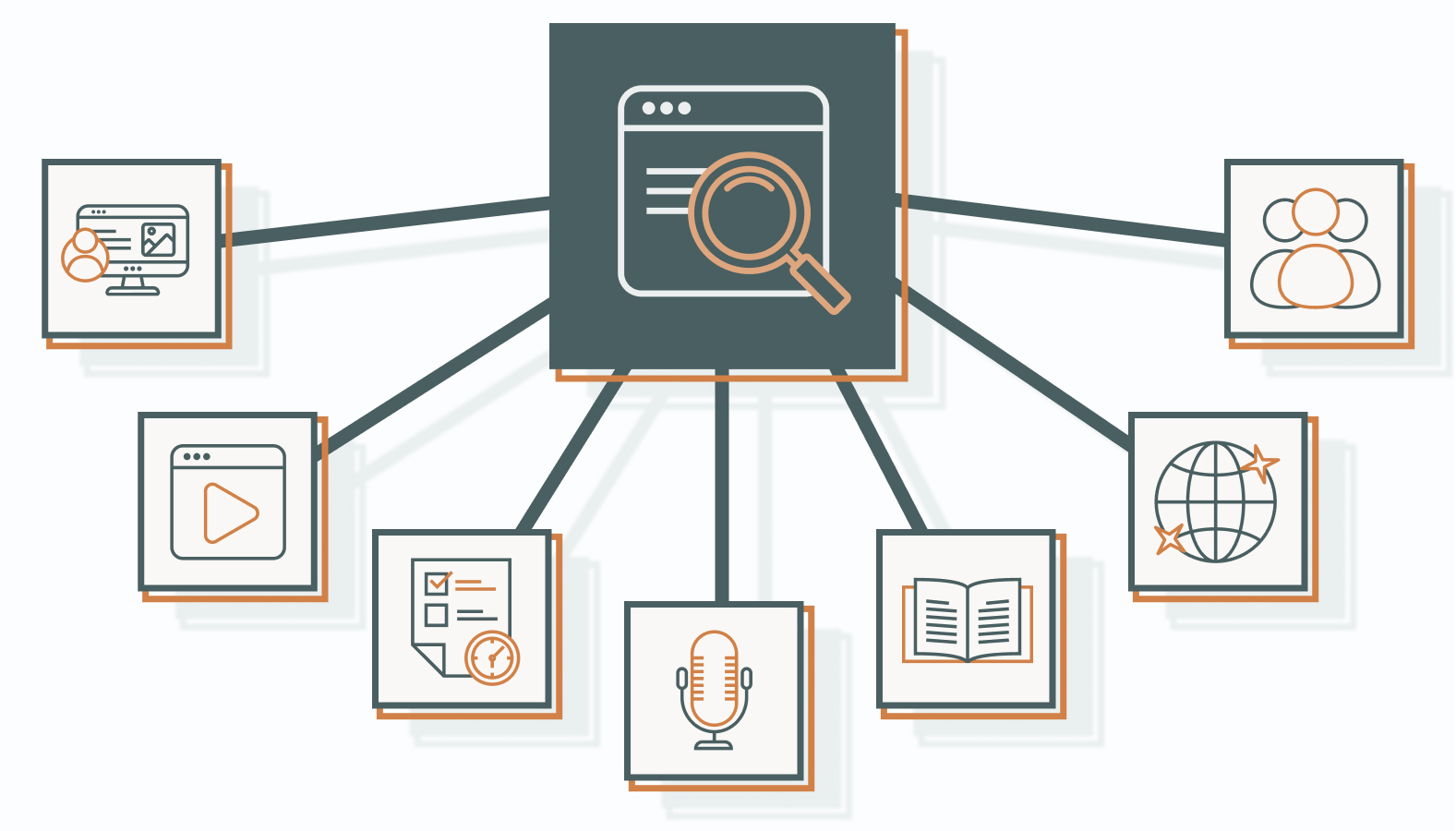
A comprehensive content distribution strategy uses a combination of formats, with each one serving different purposes:
1) Blog Posts and Articles
They drive organic traffic through targeted keywords and build authority over time. Focus on solving real audience problems, use a clear structure, and make sharing easy.
2) Videos and Webinars
Treat these as engagement magnets. Keep videos concise, add captions for silent viewing, and repurpose webinars into clips, blog posts, or infographics.
3) Infographics
They simplify complex data into shareable visuals, boost social engagement, and attract backlinks. Stick to one core idea per graphic and always include a CTA.
4) Podcasts
They reach audiences during commutes and downtime, building closer connections. Submit to major directories, collaborate with guests, and repurpose episodes into show notes and social clips.
5) Long-Form Content (ebooks, whitepapers)
These formats position your brand as an authority and drive lead generation. Gate behind landing pages, promote via email and social, and break into useful pieces for wider reach.
6) Social Media Content
They amplify reach and spark conversations. Tailor content to each platform’s strengths, use hashtags and trends, and schedule for optimal engagement times.
7) User-Generated Content (UGC)
This one turns customers into advocates. Run contests, feature customer stories, and engage contributors to promote brand loyalty.
Strategically selecting and distributing the right mix of content types, you’ll ensure your message resonates, your reach expands, and your content marketing distribution delivers real results.
Content Distribution Channels Explained
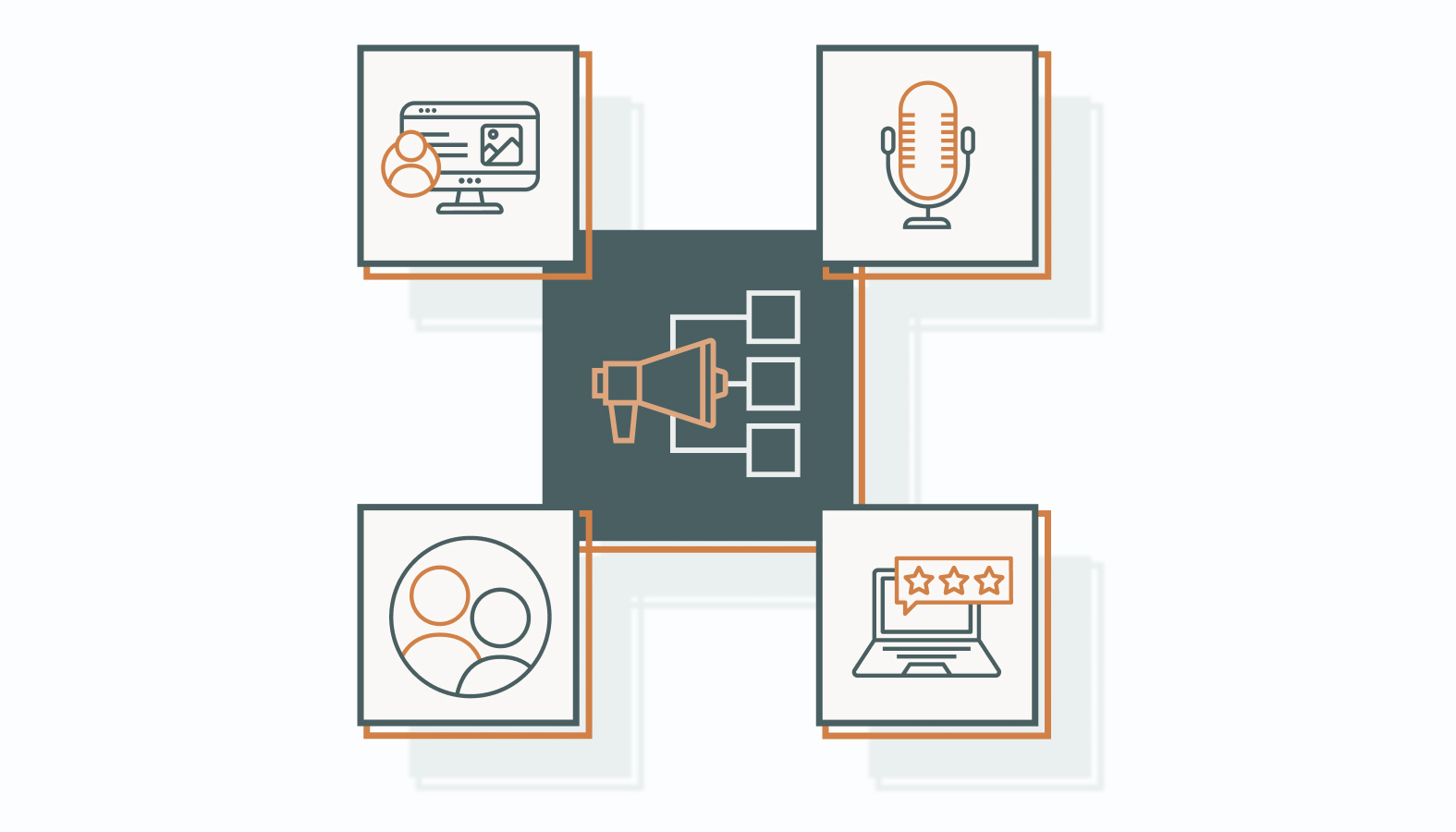
Choosing the right channels often leads to a successful content distribution strategy.
There are four main types of distribution channels:
Owned Media
Your website, blog, email newsletters, and app. This is your home base. You are the one controlling the messaging, with no algorithmic interference, and you have direct access to your audience. Keep content fresh, build segmented email lists, optimize for SEO, and use clear CTAs.
Earned Media
Exposure through third-party sources, such as press coverage, guest posts, influencer mentions, and organic backlinks. This builds credibility and expands reach at no direct cost. Pitch story ideas to relevant journalists, create data-driven content others want to reference, and grow genuine relationships with industry voices.
Paid Media
Social ads, sponsored content, display ads, and paid influencer collaborations. The numbers back it up: 72% of the most successful companies use paid channels for content distribution, according to Semrush data.
Paid content marketing distribution speeds up and boosts visibility instantly, especially for high-stakes content. Start with small tests, use retargeting to re-engage warm audiences, and integrate paid campaigns with organic efforts.
Shared Media
Amplification through social interactions, like shares, comments, and co-created content. Leverage word-of-mouth and network effects by creating visually appealing or highly practical content, running polls and challenges, and actively participating in conversations.
Understanding and strategically leveraging each of these distribution channels, your content doesn’t just get published for the sake of publishing. It gets seen, shared, and acted upon.
Step-by-Step: Build a Content Distribution Strategy
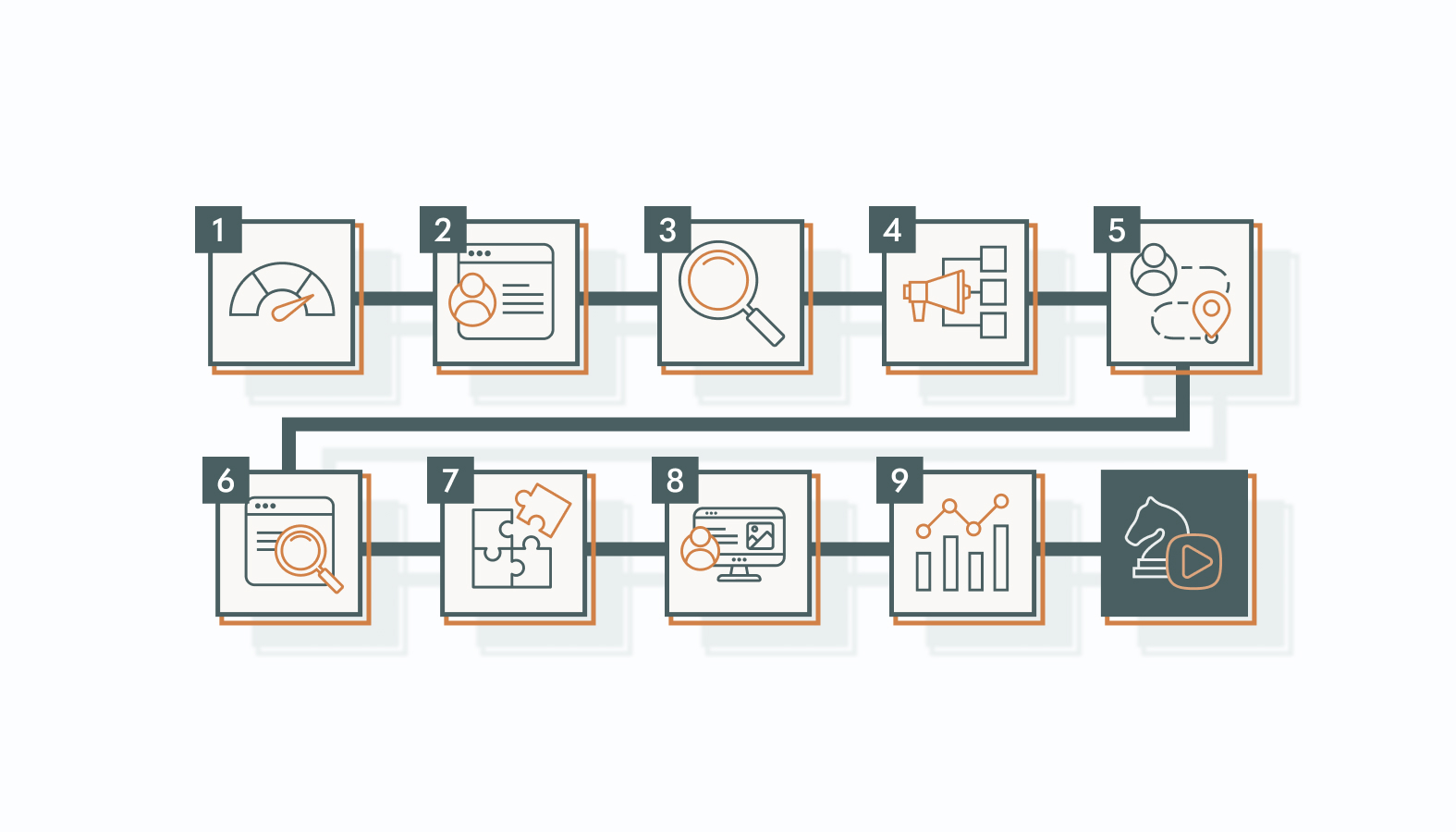
1) Define Your Goals and KPIs
Every effective content distribution strategy should start with clear objectives. Relevant KPIs include website traffic from distributed content, engagement rates, lead generation, social reach, backlinks, and conversion rates.
2) Find and Understand Your Audience
You can’t distribute effectively without knowing who you’re reaching, what they’re looking for, and what they care about. Use Google Analytics, social insights, audience surveys, and tools like SparkToro or BuzzSumo to understand where your audience spends time and what drives action.
3) Audit Your Existing Content and Channels
Catalog your existing assets and their performance. Identify underutilized channels, outdated content, and top-performing pieces worth doubling down on.
4) Select the Right Channels
Channel selection is one of the most consequential decisions within any content distribution strategy.
Every channel is different for every brand. Evaluate where your audience is most active, which channels align with your goals, and what resources you have. Focus on two to three high-impact channels rather than spreading thin.
5) Map Content Formats to Channels
Match content to where it performs best. Blog posts for SEO and email, short-form videos for Instagram or TikTok, webinars and long-form guides for LinkedIn and gated landing pages, infographics for Pinterest and industry publications.
6. Develop a Content Repurposing Plan
Repurposing extends the life of every asset. Identify the main content (a comprehensive guide, a webinar), then break it into smaller pieces tailored for each channel and audience.
7. Build a Distribution Calendar
Consistency is always important. A calendar keeps your team aligned, prevents content pile-ups, and ensures you’re hitting key dates. Tools like Airtable, Asana, or CoSchedule work well for this.
8. Execute and Promote
Publishing is the starting line. Schedule and automate posts where possible, leverage team members and partners for amplification, engage with your audience, and use paid promotion to boost high-value content.
9. Measure, Analyze, and Optimize
Track KPIs regularly, test new channels and formats, double down on what delivers, and retire what doesn’t. Continuous improvement separates a living content distribution strategy from an outdated one.
Advanced Tactics for Content Distribution
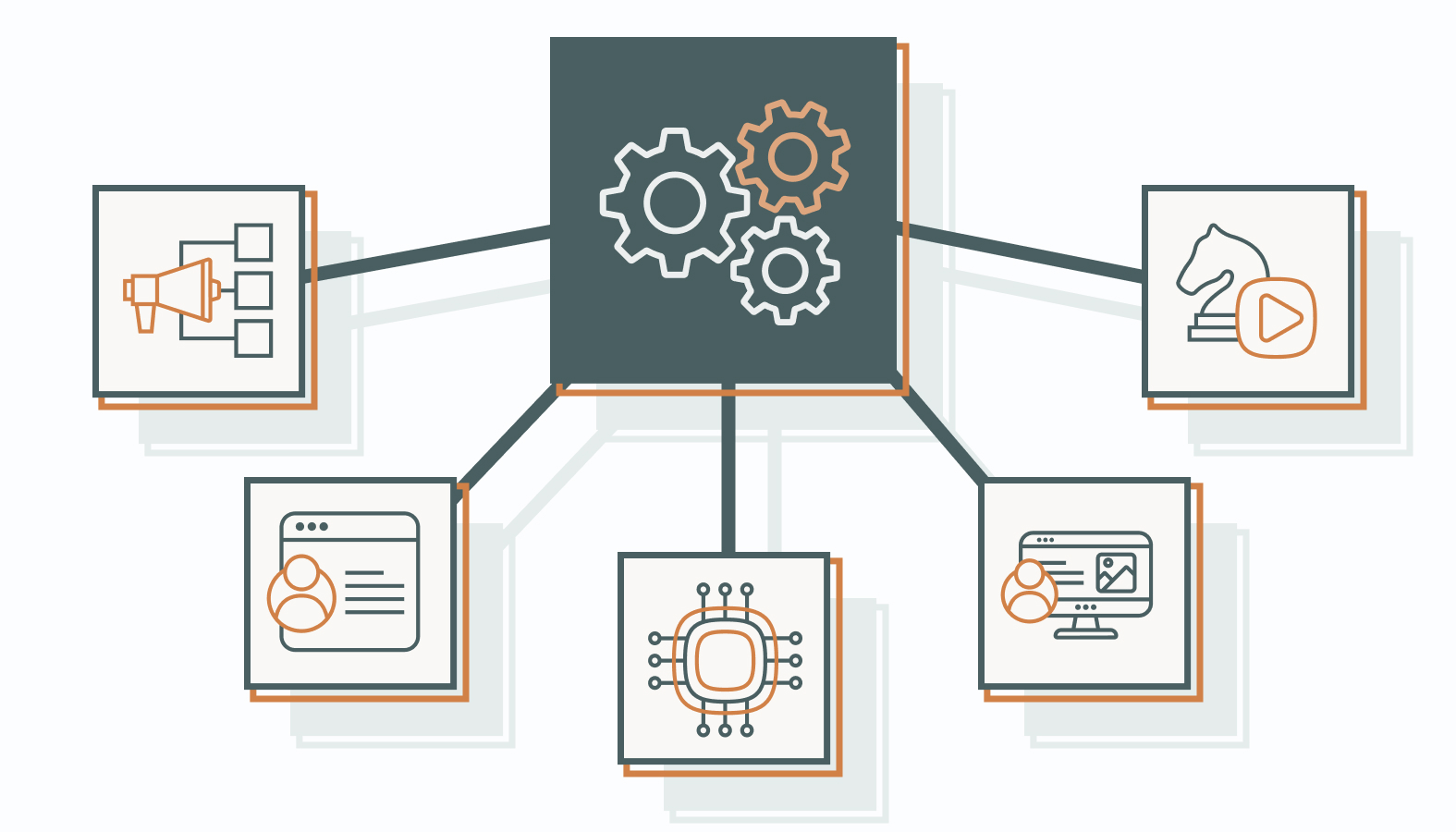
Once the foundation is solid, these tactics can be a powerful extension of your content distribution strategy:
Content Syndication: Publish on third-party platforms (Medium, industry publications, LinkedIn) to reach new audiences and build backlinks. Use canonical tags to avoid SEO penalties and track referral traffic.
Influencer and Partner Amplification: Co-create content, run social takeovers, or leverage affiliate programs. Start by engaging with their content authentically before pitching collaboration.
Automation Tools: Tools like Buffer, Hootsuite, Mailchimp, and Missinglettr reduce manual effort while boosting consistency. Set up workflows to auto-share new content and regularly audit automations for relevance.
Advanced Repurposing: A single research report can be a way to press releases, LinkedIn posts, infographics, and email series. Podcast episodes become transcripts, quote cards, and blog posts. Build repurposing into your content workflow from the start.
Content Lifecycle Management: Content is not “one and done.” Regularly audit your library, refresh high-potential assets with new data, and re-promote timely content during relevant campaigns.
Layering these advanced tactics into your foundation, you’ll extend your content’s reach and create a distribution strategy that’s truly built to scale.
Common Content Distribution Mistakes to Avoid
Ignoring analytics
You’re not doing it right when you’re not tracking. Set up UTM parameters, use platform-specific insights, and act on what the data tells you instead of just collecting it.
Spreading resources literally everywhere
Trying to be everywhere makes you generic, which can lead to mediocrity on every channel. Master two or three platforms before expanding.
Skipping repurposing
Creating from scratch every time is inefficient. Build repurposing into your workflow and schedule re-promotions in your content calendar.
Sending inconsistent messages
Mixed messaging lowers trust. Develop brand guidelines covering tone, style, and messaging pillars, and brief everyone who creates or distributes content on those standards.
Proactively addressing these common pitfalls can help build a content marketing distribution engine that’s active, effective, consistent, and built for long-term success.
Frequently Asked Questions
1) What’s the difference between a content distribution strategy and content marketing distribution?
A content distribution strategy is a comprehensive plan, such as defining goals, channels, formats, and timing. Content marketing distribution, on the other hand, refers to the active execution of that plan: the specific tactics and channels used to get content in front of your audience.
2) How many channels should my content distribution strategy cover?
Start with two to three channels where your audience is most active. A focused content distribution strategy consistently executed on fewer channels can outperform scattered efforts across many platforms.
3) How often should I revisit my content distribution strategy?
Review it quarterly at a minimum. Markets, platforms, and audience behaviors shift from time to time. Your content marketing distribution approach should shift with them.
4) What’s the fastest way to improve content marketing distribution results?
Audit your current channels, identify your top-performing content, and repurpose it across underutilized platforms. Most of the time, better content marketing distribution doesn’t require more content, but actually requires getting more from what you already have.
5) Do small businesses need a formal content distribution strategy?
Yes. Even a simple, documented content distribution strategy outperforms ad hoc promotion, as it brings consistency, clarity, and a solid foundation you can build on as your business grows
Converting Strategy into Sustainable Results
A successful content distribution strategy is built on more than choosing channels and publishing content. It requires a clear understanding of your audience, consistent execution, ongoing measurement, and the ability to adapt as platforms and behaviors change with time and trends.
The brands that generate the strongest results are often the ones that consistently refine their approach rather than relying on assumptions or one-time, generic efforts.
Whether you’re distributing blog posts, videos, podcasts, or long-form resources, place valuable content where it can create the greatest impact.
Combining the right content formats, distribution channels, performance data, and repurposing strategies, content distribution strategy into a system that’s more efficient, scalable, and aligned with business objectives.
The most effective approach is to treat distribution as a process of continuous improvement, such as testing, learning, and optimizing over time.
If you’re looking for practical guidance to improve your content distribution efforts, we’re happy to share insights tailored to your goals. Schedule a candid conversation with one of our experts. » Take the next step toward building a distribution system that delivers measurable results.