


B2B Customer Segmentation isn’t just another marketing exercise – it’s the difference between shouting into the void and speaking directly to the buyers who matter most. In a world where industries shift overnight, buying committees grow more complex, and tech stacks evolve faster than your messaging can keep up, segmentation gives you the clarity and control you’ve been missing.
A strong segmentation strategy transforms guesswork into precision. It tells your teams who to pursue, what to say, and how to win – consistently. In this guide, you’ll learn how B2B segmentation really works today, how it differs from B2C, and how to apply modern data without losing the timeless fundamentals that drive revenue.
Let’s get into it – so your best customers become easier not just to find, but to close.
What is B2B Customer Segmentation?
In the vibrant arena of B2B marketing, customer segmentation is your ace in the hole. It involves dividing the business landscape into distinct groups, each with unique traits and needs. This isn’t merely a tactic; it’s a precise tool for crafting strategies and offerings that consistently hit the mark.
The brilliance of B2B customer segmentation lies in its ability to maximize your resources. By focusing on segments with the greatest potential, you fine-tune your investment and craft messages and products that resonate with pinpoint precision.
Segmentation elevates your marketing from the mundane to the exceptional, enabling personal and meaningful client engagement. It’s about building connections that fuel growth and loyalty, ensuring your business is not only seen but also remembered.
Key Differences Between B2B and B2C Segmentation
Grasping the nuances between B2B and B2C segmentation is vital for crafting impactful marketing strategies. While both aim to group customers meaningfully, their criteria and outcomes are distinct.
Fundamental Differences
- Decision-Making Process: B2B involves multiple stakeholders, making decisions complex and lengthy. In B2C, decisions are often individual or within small groups, based on personal preferences and emotions.
- Customer Relationships: B2B thrives on long-term partnerships built on trust and understanding. B2C focuses on short-term satisfaction and brand loyalty.
- Purchase Motivation: B2B buys are driven by business needs, efficiency, and ROI. B2C decisions are swayed by desires, trends, and emotional influences.
- Market Size and Structure: B2B markets are smaller, targeting niche segments. B2C markets are broader, appealing to a wide consumer base.
- Product Complexity: B2B products and services are complex and customizable. B2C offerings are generally standardized for mass appeal.
Importance in Strategic Planning
These differences are crucial in shaping strategic plans, influencing market research, product development, and customer engagement. In B2B, understanding complex decision-making and nurturing long-term relationships is key. Tailored messages addressing business challenges enhance campaign effectiveness and conversion rates.
For B2C, aligning with consumer emotions and trends drives immediate engagement and sales. Strategies must remain agile to adapt to shifting consumer behaviors.
By recognizing these differences, businesses can craft targeted strategies that resonate with their audiences, leading to better outcomes and a competitive edge.
Core Methods for B2B Segmentation
In B2B marketing, segmentation is your go-to strategy for pinpointing and targeting specific groups within the market.
By leveraging diverse segmentation techniques, businesses can fine-tune their strategies to serve client needs better, boost marketing efficiency, and drive growth.
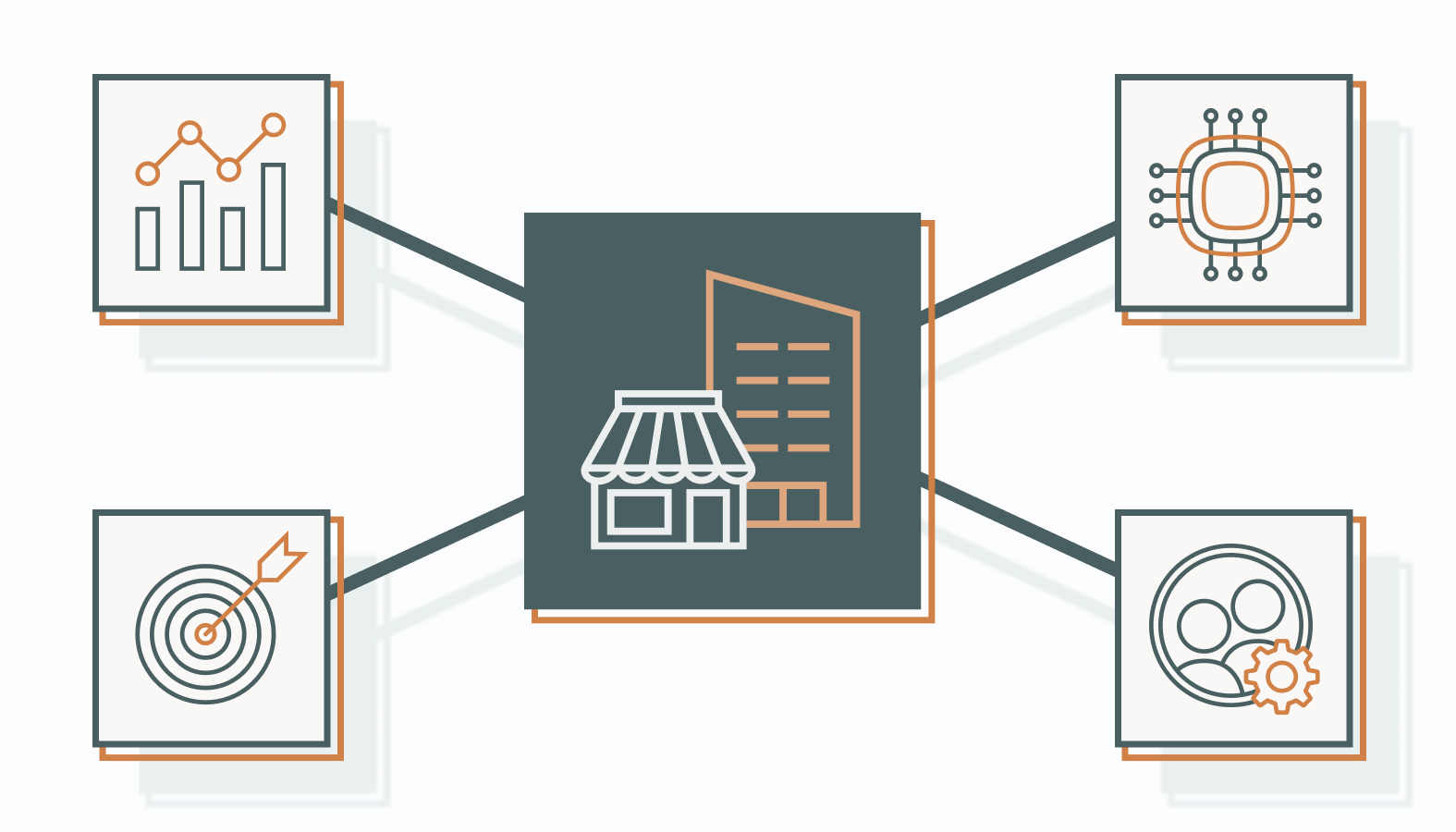
Firmographic Insights
Firmographic segmentation classifies businesses by shared traits like industry, size, revenue, and location. This helps marketers identify which companies will benefit most from their products or services.
By homing in on these criteria, companies can craft personalized marketing messages that resonate with each segment’s unique challenges and needs.
Technographic Analysis
Technographic segmentation digs into the technology stack used by potential clients. This is vital for companies offering tech-related products, as it allows them to tailor offerings based on clients’ existing tech infrastructure.
Analyzing technographic data helps marketers position their solutions effectively, addressing specific technological needs.
Needs-Based Targeting
Needs-based segmentation focuses on pinpointing and understanding the distinct needs and challenges of different businesses.
This method aligns marketing efforts with each client’s unique requirements, ensuring a compelling and clear value proposition.
By honing in on client needs, companies can deliver highly relevant solutions, boosting satisfaction and loyalty.
Behavioral and Intent Analysis
Behavioral segmentation analyzes client actions and behaviors, like purchase patterns and content engagement. This method offers insights into customer preferences and buying cycles.
By incorporating intent data, businesses can grasp the motivations behind these behaviors, allowing them to anticipate needs and tailor strategies accordingly. This boosts marketing effectiveness and strengthens client relationships.
These core segmentation methods empower B2B marketers to develop targeted and effective strategies, aligning efforts with the specific preferences and requirements of their audience.
From Theory to Practice: Applying Segmentation to the Marketing Mix
Segmentation only creates value when it moves from spreadsheets into real decisions. The real advantage shows up when those insights shape your product roadmap, messaging, channels, pricing, and even sales motions.
Below is how to apply your segmentation work across the four P’s so your strategy becomes intentional instead of reactive.
Product and Service Alignment (The Offering)
Segment Input: Needs-Based and Technographic data
Strategic Action: Use segment insights to shape what you build and prioritize.
For example:
- Align product features with the specific needs of each segment.
- Simplify solutions for segments using legacy systems or with limited IT support.
- Offer deeper customization, integrations, or advanced capabilities for enterprise buyers.
- Guide product roadmap decisions based on segment-level adoption patterns and pain points.
Segmentation keeps you from building one-size-fits-none solutions and ensures product resources flow to the right opportunities.
Targeted Communication (The Message)
Segment Input: Firmographic and Behavioral/Intent data
Strategic Action: Craft messaging that reflects the realities of each segment:
- Use firmographic cues – industry, size, role – to adjust language, pain points, and value props.
- Create messaging tracks for segments with different priorities (efficiency vs. compliance, cost savings vs. innovation).
- Use behavioral and intent signals to time outreach and tailor narrative emphasis.
- Respond to high-intent signals with competitor-aware messaging, case studies, or direct sales follow-up.
This creates communication that feels timely, relevant, and worth responding to.
Channel and Distribution Strategy (The Place)
Segment Input: Firmographic (location, size) and Behavioral (content habits, buying patterns) data.
Strategic Action: Direct your marketing efforts toward channels that actually influence each segment:
- Enterprise buyers: analyst research, executive briefings, industry conferences.
- Mid-market buyers: webinars, LinkedIn ads, comparison guides, industry newsletters.
- Small teams: product review sites, marketplaces, community recommendations.
- Geography-based segments: regional events, localized content, territory-based outreach.
Segmentation prevents wasted spend by guiding you toward the channels where buying decisions actually happen.
Pricing and Value (The Cost)
Segment Input: Firmographic (size, revenue, budget) and Needs-Based data
Strategic Action:
Price based on urgency, complexity, and perceived value:
- Identify segments willing to pay more due to compliance needs, risk exposure, or mission-critical workflows.
- Offer lighter tiers or usage-based pricing for cost-sensitive or early-adoption segments.
- Build pricing packages that reflect segment differences – Basic, Pro, Enterprise – with clear value paths.
- Customize ROI narratives for each segment to support sales conversations.
Segmentation ensures your pricing is logical, competitive, and aligned with the value different segments expect.
By applying segmentation directly to the marketing mix, you stop treating it as a research exercise and start using it to shape decisions across product, messaging, channels, and pricing. This is where segmentation starts delivering consistent, measurable impact.
Executing B2B Segmentation Strategies

B2B segmentation requires more than just data collection; it demands strategic execution to refine marketing precision and enhance outcomes.
Assessing the Total Addressable Market (TAM)
Grasping your Total Addressable Market (TAM) is essential for understanding the revenue potential within a segment. TAM provides a detailed view of market size and helps identify opportunities.
Use a combination of top-down and bottom-up approaches for accurate market assessment. Analyze industry reports and data for the top-down method, while the bottom-up approach leverages insights from existing sales and customer data, creating a comprehensive market picture.
Crafting a Target Account List (TAL)
Developing a Target Account List (TAL) involves identifying businesses within a segment most likely to convert and deliver value. Begin by defining criteria like industry, company size, and revenue potential.
Concentrating marketing efforts on these high-priority accounts optimizes resource allocation and increases engagement success. A well-crafted TAL ensures marketing and sales teams are aligned, working towards shared goals to boost efficiency.
Strategic Segment Prioritization
Strategic segment prioritization is vital for maximizing marketing impact. Evaluate segments based on market potential, alignment with business objectives, and competitive positioning.
Determining segment importance allows for effective resource allocation and strategy tailoring to capture the most promising opportunities. Prioritization focuses efforts where they yield significant returns, driving growth and competitive advantage.
Executing these steps in B2B segmentation strategies enables companies to target marketing efforts with precision, improving engagement and success rates.
Advantages of Effective B2B Segmentation
Effective B2B segmentation unlocks a treasure trove of benefits, enhancing marketing and sales efforts. By pinpointing specific market segments, businesses boost efficiency, deepen customer relationships, and fuel revenue growth.
1) Boosting Marketing Efficiency
Segmentation sharpens marketing resource allocation, enabling businesses to focus on the most promising segments. This targeted approach minimizes waste and amplifies campaign effectiveness.
For instance, a company might direct its advertising budget towards industries with the highest conversion potential, achieving better ROI and reducing spend on less lucrative markets.
2) Strengthening Customer Relationships
Segmentation allows companies to customize interactions to suit each segment’s unique needs, boosting customer engagement. Personalized communications and solutions cultivate trust and loyalty, forging stronger relationships.
Over time, these tailored interactions enhance customer satisfaction and retention, creating a solid foundation for long-term success.
3) Driving Sales and Revenue Growth
Segmentation directly impacts sales performance by focusing efforts on high-value segments with the greatest potential for growth.
By understanding the specific needs and challenges of these segments, businesses can offer tailored solutions that resonate with their audience.
For instance, a tech company that segments its market based on technology adoption can craft targeted messages that appeal to early adopters, thus accelerating sales and boosting revenue.
Effective B2B segmentation empowers businesses to channel their resources more strategically, resulting in improved marketing outcomes and sustained growth.
Addressing Challenges in B2B Segmentation
While B2B segmentation is a powerhouse tool, it comes with hurdles that can affect marketing success. Tackling these challenges is crucial to maximizing the effectiveness of your segmentation strategies.
Identifying Common Segmentation Pitfalls
Misalignment with Business Objectives
Segmentation can sometimes stray from business goals, leading to inefficiencies. This happens when segmentation criteria don’t align with strategic priorities.
To maintain alignment, regularly review segmentation strategies alongside business objectives. Engaging cross-functional teams in planning ensures that segmentation supports the company’s vision.
Inadequate Data Utilization
Ineffective data usage can derail segmentation efforts, leading to inaccurate targeting and missed opportunities. This often occurs when relying on outdated or incomplete data.
- Optimize data utilization by implementing robust management practices.
- Conduct regular data audits.
- Invest in analytics tools.
- Ensure data is accurate and timely.
High-quality data enhances segmentation precision and effectiveness.
Solutions to Segmentation Challenges
Implementing Effective Data Strategies
Developing strong data strategies is key to overcoming segmentation obstacles. Set up systems to efficiently collect, analyze, and interpret data.
Investing in advanced analytics and machine learning provides deeper insights into customer behavior and preferences.
Better data handling leads to precise segmentation, enhancing marketing efforts and campaign performance.
Aligning Segmentation with Business Goals
Aligning segmentation with business objectives ensures marketing strategies contribute to success. Regular alignment meetings and strategy reviews help maintain focus on key goals.
By setting clear guidelines and fostering communication between departments, businesses can ensure segmentation efforts are strategically aligned, driving better outcomes and supporting growth.
Addressing these challenges refines segmentation strategies, boosting their impact and contributing to sustained success.
Emerging Trends in B2B Segmentation
B2B segmentation is in a state of rapid evolution, fueled by tech advancements and shifting market dynamics. Staying ahead of these trends is key to maintaining a competitive edge.
Leveraging Data-Driven Approaches
Data-driven segmentation is becoming a powerhouse, with companies using advanced analytics to dive deeper into customer behavior and preferences.
Machine learning and AI are transforming the analysis of large datasets, allowing for precise and dynamic segmentation. These tools boost targeting accuracy, predict customer needs, and enable real-time strategy adjustments, enhancing engagement and marketing outcomes.
Enhancing Personalization and Customer Experience
The push towards personalized marketing is growing, with businesses crafting tailored experiences for clients. Segmentation is vital here, offering insights into specific client needs and preferences.
By customizing content and solutions, companies elevate the customer experience, fostering stronger relationships and boosting loyalty. Personalization meets and exceeds customer expectations, driving engagement and satisfaction, and paving the way for long-term success.
Embracing these trends positions businesses to meet the demands of a dynamic market, ensuring relevance and growth.
Scaling Segmentation: Governance, Metrics, and Model Maintenance
Segmentation isn’t a one-and-done project – it’s a living system that needs structure, accountability, and regular refinement. Mature teams treat segmentation like a strategic asset, not a spreadsheet. That’s why governance, metrics, and maintenance matter just as much as the initial model.
Establishing Segmentation Governance
The Mandate: Designate a Segmentation Owner – usually a Strategy, RevOps, or Marketing Operations leader – who maintains the model’s accuracy and ensures teams follow it.
Strategic Actions:
- Align definitions of a “target segment” across Marketing, Sales, and Product.
- Document each segment’s criteria to avoid misinterpretation or drift.
- Hold formal quarterly alignment sessions so everyone stays updated on segment focus, performance, and any planned adjustments.
- Ensure Sales doesn’t chase low-fit accounts, Marketing doesn’t prioritize dead segments, and Product doesn’t build features for outdated groups.
A clear governance framework prevents internal friction and keeps the company pulling in the same direction.
Choosing the Right Metrics for Success
Segmentation isn’t proven by click-through rates or impressions. It’s proven by how well it drives financial outcomes at the segment level.
Key Segment Metrics (KSMs) to Track:
- Segment Velocity: Average time for accounts in a segment to move from MQL → Closed-Won.
- Segment Lifetime Value (LTV): Revenue an average customer in that segment generates across their lifecycle.
- Segment ROI: Revenue returned vs. marketing investment for each segment.
- Acquisition Cost by Segment: How much it costs to win a customer in each segment.
- Retention and Expansion Rates: How well each segment renews and grows.
These metrics help you compare segments objectively and decide where to double down – or pull back.
Recognizing and Managing Segment Decay
Segments shift over time, and ignoring that reality is expensive. Industries change, buying committees evolve, and new technologies reshape needs. When this happens, old segments lose accuracy – a phenomenon known as segment decay.
How to Stay Ahead of Decay:
- Run Proactive Audits: Conduct annual or bi-annual audits to test whether your current segment definitions still match real customer behavior.
- Use Machine Learning Re-Clustering: Re-cluster accounts and compare the new groups to your existing segments. Large deviations signal that your segments are outdated.
- Monitor External Forces: Watch for disruptions – new regulations, tech adoption shifts, competitive shakeups – that could reshape your best-fit customers.
- Retire Old Segments: Don’t cling to underperforming or outdated segments simply because they once worked.
- Create Room for Emerging Segments: Be ready to add new groups when you identify fresh patterns in needs, behaviors, or technologies.
Segmentation should evolve along with your market. Keeping it static guarantees misalignment and missed revenue.
Your Segmentation Strategy Should Be a Competitive Advantage, Not a Static Document
When segmentation is done right, it becomes one of the most powerful strategic levers in your entire go-to-market engine. It aligns teams, sharpens positioning, elevates the customer experience, and directs your investment toward the segments that deliver meaningful revenue – not just activity.
Effective B2B segmentation forces clarity. It pushes your organization to choose who you are built for – and just as importantly, who you’re not. It shapes product strategy, strengthens messaging, accelerates sales cycles, and fuels predictable growth.
But the real advantage isn’t in the initial model.
It’s in maintaining it, evolving it, and using it to drive decisions every single quarter. Companies that treat segmentation as a living system – not a one-time workshop – are the ones that scale with intention and outpace competitors who rely on outdated assumptions.
With the right structure, governance, and metrics in place, segmentation becomes more than a strategy. It becomes a growth multiplier.
Embracing Effective B2B Segmentation for Success
If you’re ready to build a segmentation strategy that actually drives revenue – not confusion – our team is here to help. Schedule a candid conversation with one of our experts » and let’s pressure-test your segments, strengthen your go-to-market focus, and uncover the opportunities you may be missing.
No fluff. No sales pitch. Just real insight from people who’ve been doing this for years.