


Content performance rarely breaks overnight. It drifts over time. Rankings move, engagement softens, and pages that once performed start to lose traction. A content optimization strategy plays a quiet but central role in how well your content keeps pace with shifting search behavior and expectations.
Most teams don’t lack ideas, but they lack visibility into what’s happening across their content. Without that, it’s hard to spot what’s holding performance back or where opportunities are slipping through.
In the sections ahead, we’ll look at how content performance changes over time, and what patterns are worth paying attention to as you evaluate your own.
Building a Winning Content Optimization Strategy
A content optimization strategy is a key part of your broader content strategy, guiding how you improve content after it has been published. It helps you decide what to update, what to expand, what to consolidate, and what to remove based on performance, search intent, and business goals.
When used effectively, you can:
- Keep content aligned with what people are searching for
- Improve rankings, traffic quality, and conversion potential
- Find weak pages before they lose more ground
- Make better use of the content you already have
Treating content optimization as a continuous process helps brands build a strong foundation for sustainable growth and authority in their niche.
Content Optimization vs. Standard SEO
Traditional SEO focuses on technical visibility, while content optimization focuses on page quality and usefulness.
- Standard SEO usually covers meta tags, site speed, mobile usability, crawlability, and backlinks.
- Content optimization focuses on matching content to search intent, improving structure, depth, and clarity, updating outdated information, strengthening internal links, and using performance data to guide revisions.
SEO helps search engines access your content, and content optimization helps your content perform once people land on it.
Why “Good” Content is No Longer Enough
Publishing decent content is not enough anymore. Strong competition, higher user expectations, and more advanced search systems have raised the standard.
Content tends to lose traction when it stops matching intent, gets outdated, lacks depth or clarity, and falls behind competing pages.
To stay competitive, content needs regular review and deliberate improvement.
Phase 1: Auditing and Revitalizing Your Content Library
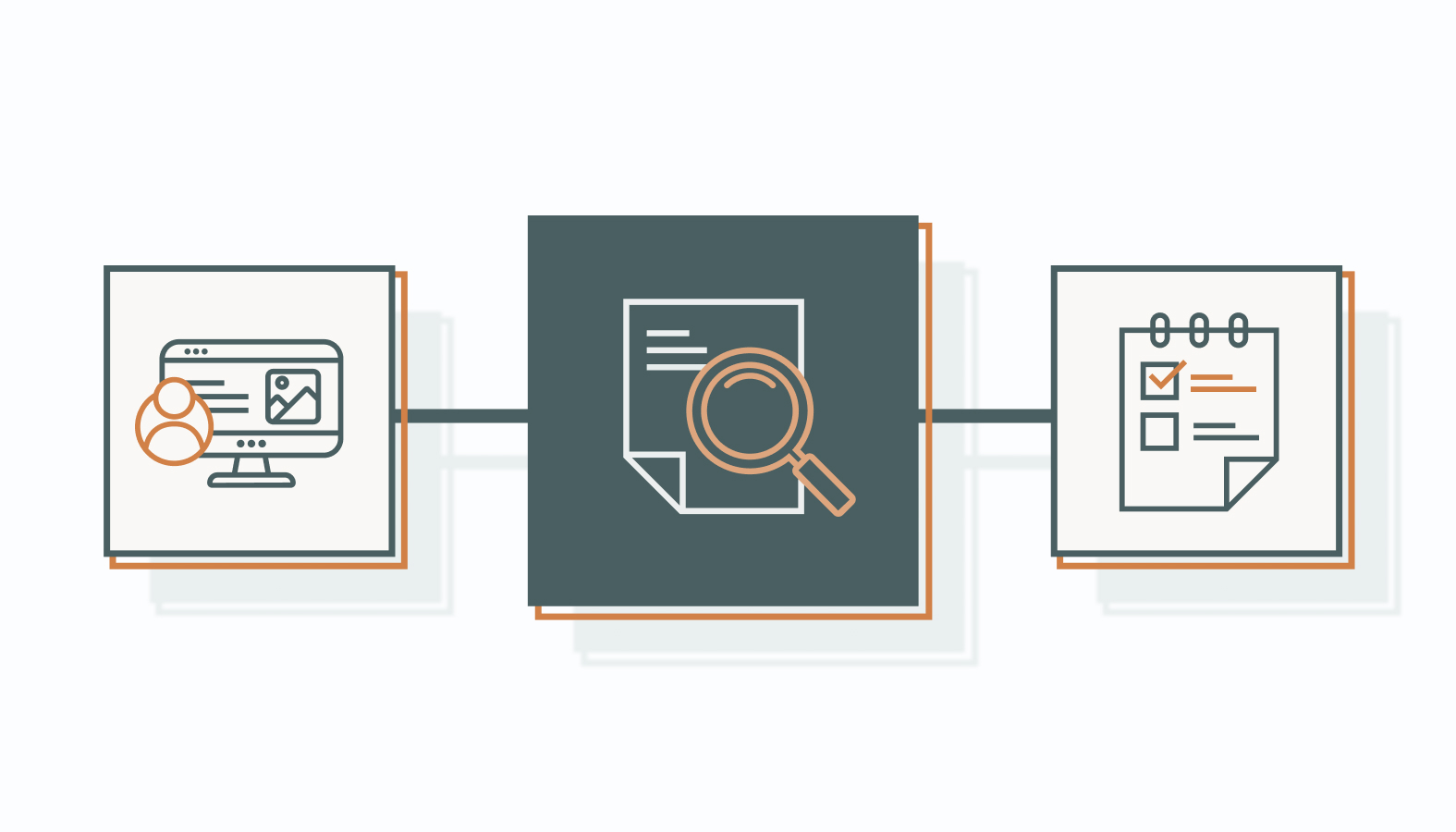
You cannot improve what you haven’t measured. A content audit reveals exactly what holds you back. It’s a proactive way to spot opportunities and fix weak spots. A proper audit results in these outcomes:
- Growth Opportunities: Identifying high-potential pages that need a small push to rank higher.
- Performance Alignment: Ensuring assets match current business goals.
- Weakness Elimination: Removing outdated pages that damage your site’s reputation.
This phase is essential for keeping your content engine running at its peak performance.
Identifying Content Decay
Content decay happens when a page gradually loses traffic or ranking power. This thing happens because information becomes outdated, competitors publish better versions, or search intent shifts. Use Google Search Console or Ahrefs to look for:
- Consistent declines in organic traffic over several months.
- Drops in keyword positions.
- Falling engagement metrics like dwell time.
Catching these signals early allows you to take action before a minor dip becomes a complete loss of visibility.
Sorting and Prioritizing Your Existing Content
Triage your library into three specific categories to focus your energy where it matters most:
Content to Keep
These types of content are your top-performing assets with steady traffic and high conversion rates. Protect them with strategic internal links to newer pages and perform minor refreshes on statistics to keep them up-to-date.
Content to Update
These pages once performed well but have lost ground, or they rank on page two of search results. Refresh facts, improve on-page SEO by adding related terms, and enhance the user experience with better formatting.
Content to Remove or Combine
Pages that are redundant, outdated, or have no traffic drag down your site’s authority. Redirect removed URLs to relevant live pages using 301 redirects. If two articles cover the same topic, merge them into one comprehensive guide.
Approaching your content library with a methodical audit and triage process lets you set the stage for compounding results throughout every phase of your content optimization strategy.
Phase 2: Unlocking Search Intent and Audience Motivation
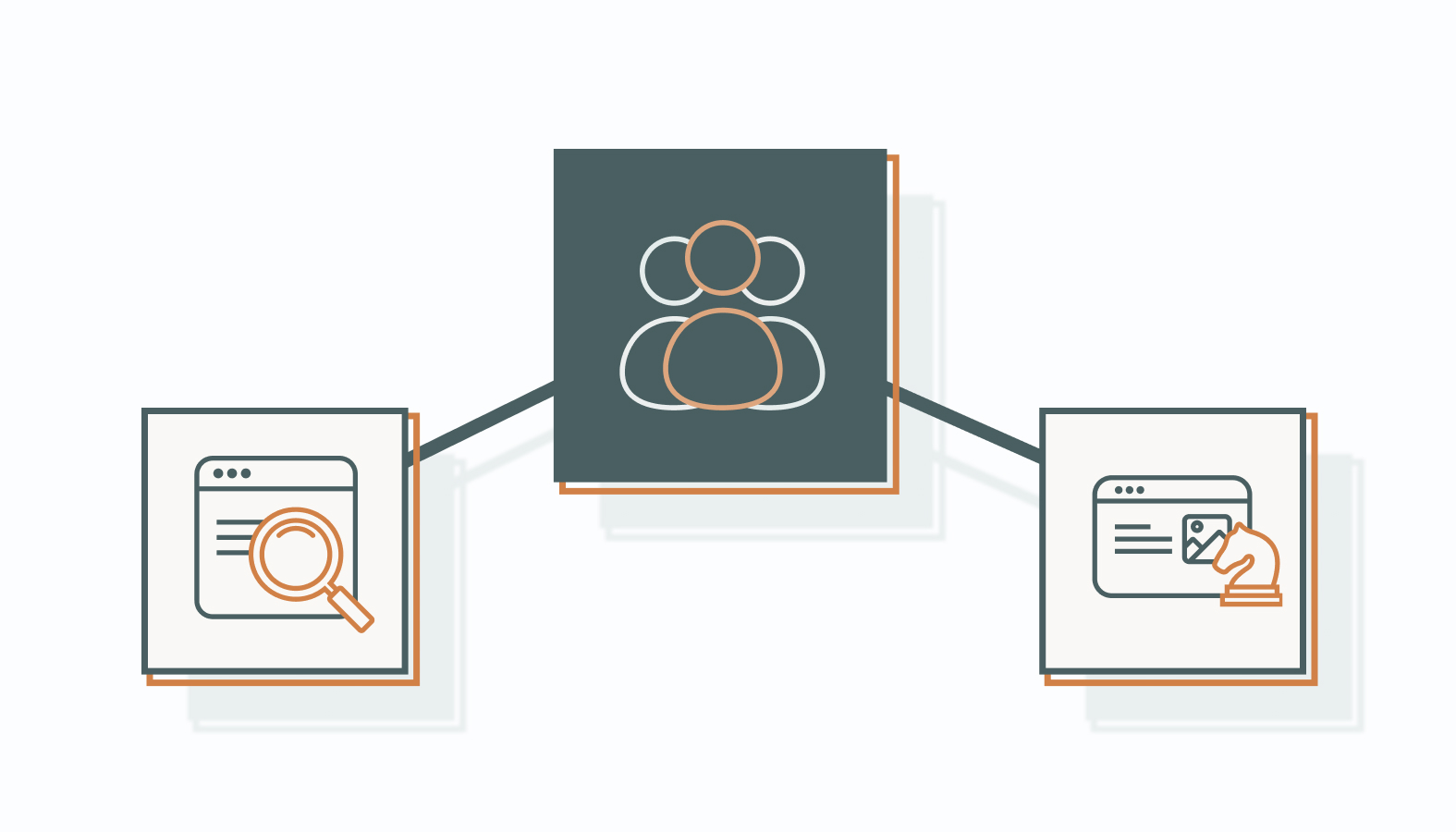
Organic growth only happens when your content satisfies what the user is truly looking for. Nailing search intent earns you engagement and moves users through your funnel.
Pinpointing Complex Search Intent for Better Targeting
Search intent is not always what it seems. A keyword might attract people looking for a definition, a tool, or a step-by-step guide.
To uncover these nuances:
- Review “People Also Ask”: These are the real questions your audience has.
- Analyze the SERP: See what types of pages currently dominate the top results.
- Social Listening: Check threads on Reddit or Quora to see how people describe their problems.
When crafting content, don’t just answer the main question, but also anticipate follow-ups. This holistic approach increases your chances of ranking for broader queries and keeps users engaged.
Closing the SERP Gap to Outperform Competitors
Analyze the top-ranking pages for your target terms. Note their depth, structure, and use of visuals. To outperform them, you must provide more up-to-date information, accurate data, or a better user experience. The goal is to be the most complete resource for that specific query.
Phase 3: Advanced Technical Optimization Tactics
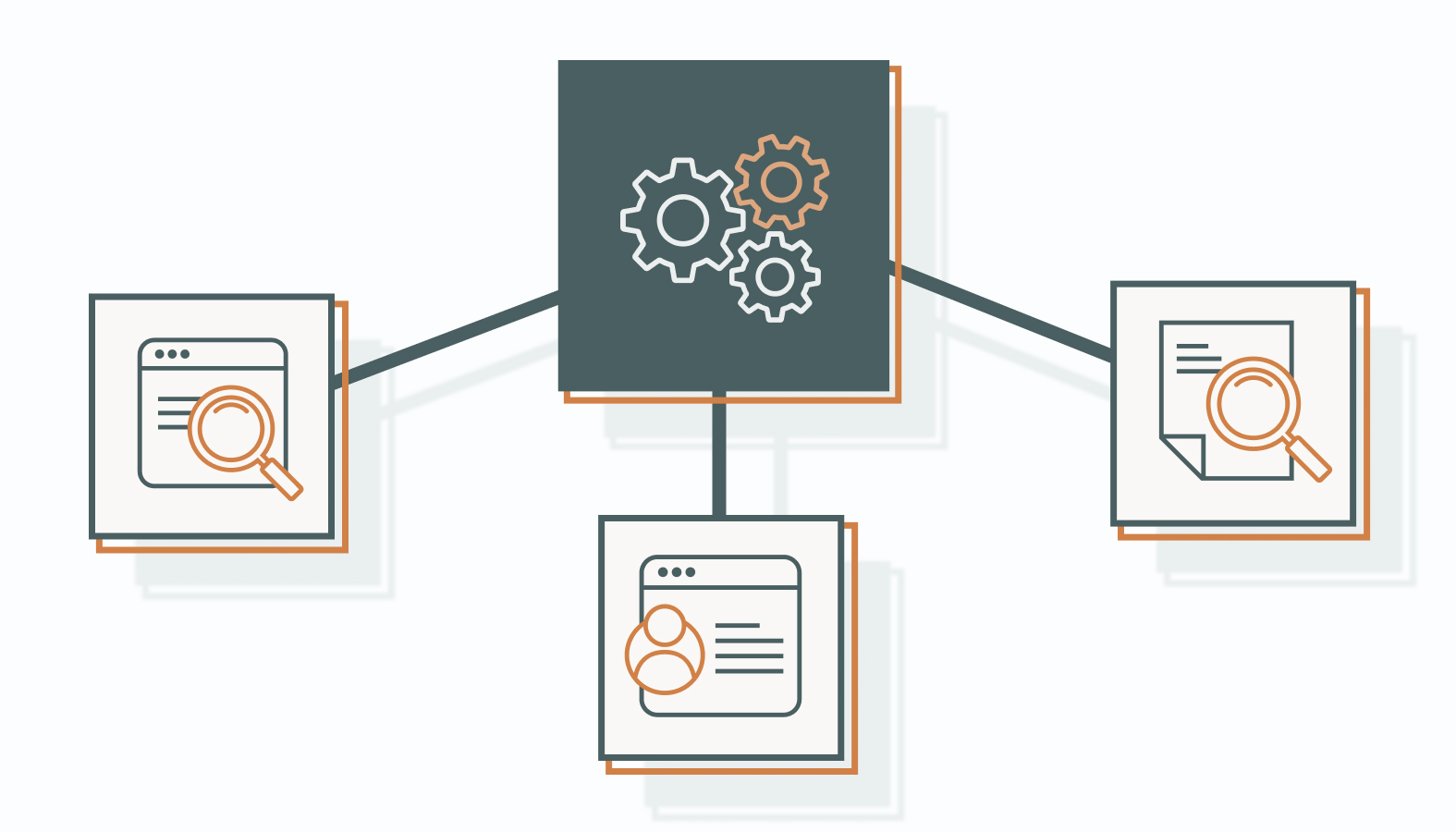
Even strong content still needs a strong technical foundation to perform well over time. For a content optimization strategy to scale, you need more than the basics.
This phase covers three areas that support long-term performance:
Semantic SEO and Entity Optimization
Search engines now understand context and relationships between topics. You must optimize for entities, such as concepts, organizations, or people related to your subject.
- Topic Clusters: Build hubs where a pillar page links to detailed subtopics.
- Structured Data (Schema): Use schema markup to help search engines understand FAQs, products, or articles.
- Contextual Terms: Include synonyms and related phrases that naturally belong to your primary topic.
Optimizing for semantic relevance positions your content as the authoritative answer for both users and algorithms.
On-Page Structural Excellence
A well-organized page helps both users and crawlers. Users and search engines rely on a clear structure to understand and navigate your content.
Best practices include:
- Hierarchy: Use H1 for titles, H2 for major sections, and H3 for subpoints.
- Readability: Use short paragraphs and whitespace to reduce bounce rates.
- Placement: Put the most important information near the top of the page.
Optimizing structure ensures every visitor can find what they need quickly and intuitively.
Internal Link Architecture
Internal links distribute authority and guide users to high-value pages.
Level up your internal link architecture with:
- Audit Links: Find orphaned pages that have no internal links.
- Anchor Text: Use descriptive text that tells the user exactly where the link leads.
- Freshness: When you publish new content, go back to older, relevant posts and add a link to the new piece.
A strong internal link network boosts SEO and enhances user experience, making it easier for visitors and search engines to discover, understand, and trust your expertise.
Phase 4: Enhancing Content with Multimedia and Interactivity
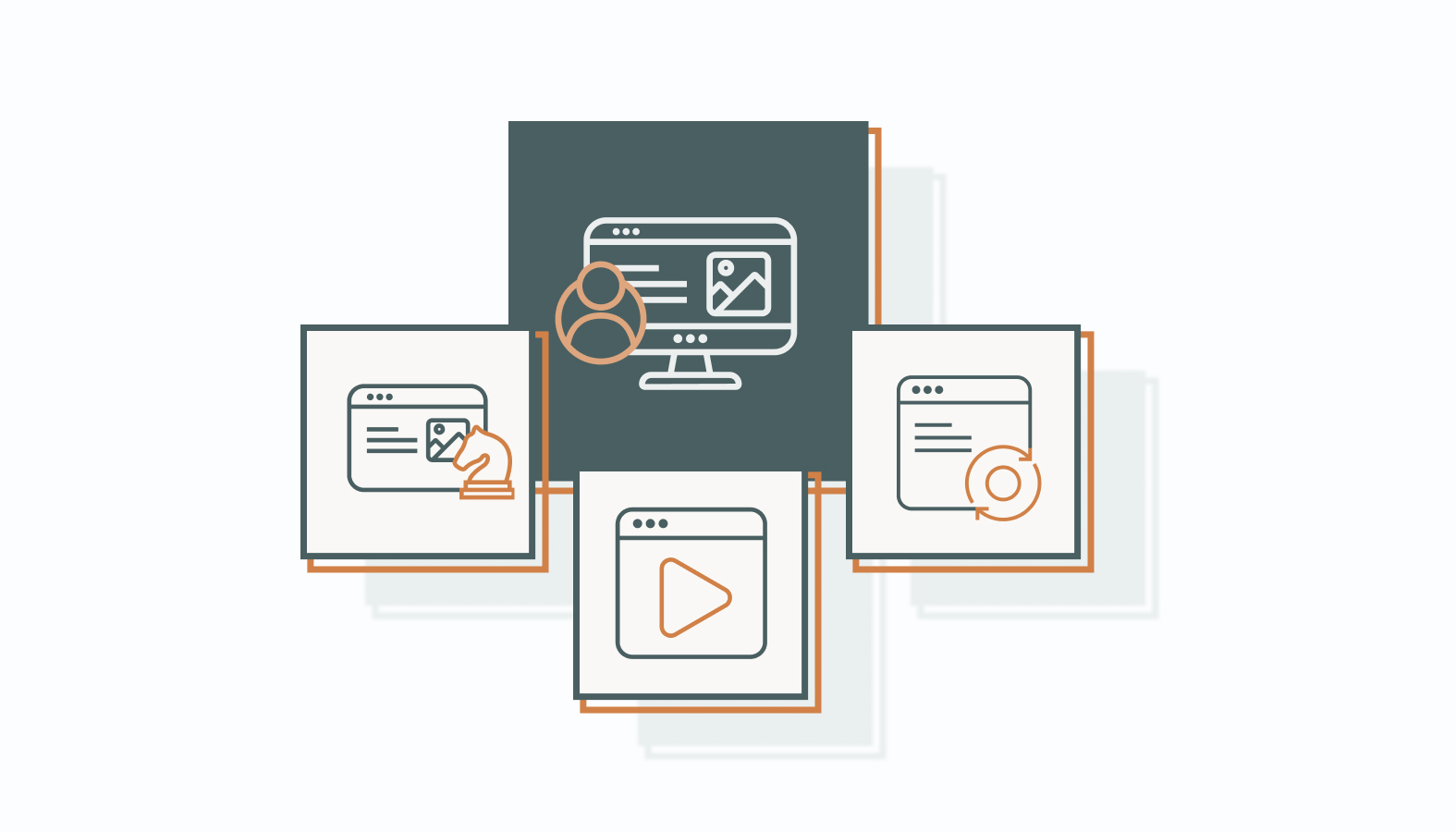
Text alone is rarely enough to keep a modern audience engaged. Multimedia elements improve dwell time and send positive signals to search engines.
Here are the practical ways you can leverage these powerful tools:
Image Optimization
Images should illustrate complex ideas, instead of just filling space.
- Compression: Use tools to reduce file size for faster loading.
- Alt Text: Write descriptive alt text for accessibility and SEO.
- File Names: Use descriptive names like “content-audit-checklist.jpg” instead of generic strings.
Fast-loading and well-tagged images contribute to better UX and improved SEO performance.
Video Integration
Video keeps people’s eyes on your page longer and makes content easier to engage with than text or images alone.
- Smart Embedding: Use reliable platforms like YouTube and place videos above the fold.
- Optimization: Include transcripts and captions to make the video content searchable.
- Engagement: Add clear calls-to-action (CTAs) within or near the video player.
When integrated thoughtfully, videos can make your content more dynamic to keep your visitors engaged and signal to Google that your page deserves a top spot.
Interactive Features
Quizzes, calculators, and polls invite participation. These features provide you with data on audience pain points and keep visitors on your site longer.
Ensure these elements load quickly and work well on mobile devices for a seamless user experience:
- Create tools or quizzes that help or catch the interest of your audience
- Keep them fast and easy to use on any device
- Track how people engage: Look at participation, time on page, and conversions
- Check what’s working through completion rates, shares, and follow-up actions
Interactive content keeps users engaged and gives you useful insight into what they care about.
Weaving multimedia and interactivity into your content optimization strategy helps you create informative and hard-to-ignore pages so that you can win both hearts and rankings.
Phase 5: Choosing the Right Content Optimization Tools
The right toolkit makes your workflow more reliable, efficient, and data-driven.
Research & Intelligence Tools
Great content starts with great research. Here are some powerful tools to hype up your keyword discovery, competitor analysis, and content audit efforts:
- Ahrefs: Strong for backlinks, keyword research, and full site audits
- SEMrush: Great for competitor analysis, keyword tracking, and site health checks
- Google Search Console: Tracks organic performance and flags technical or ranking issues
- SurferSEO: Breaks down top-ranking pages and suggests on-page improvements
- Screaming Frog: Crawls your site to find broken links, duplicates, and structural issues
- BuzzSumo: Helps you find trending topics and see what content gets shared
Each tool serves a useful purpose. Choose based on how you plan to use them.
Real-Time Writing Assistants
AI writing tools help you draft, refine, and improve content as you go. They catch errors, suggest improvements, and keep your writing as clear and as focused as they need to be.
- Grammarly: Improves clarity, tone, and overall readability
- Jasper: Generates drafts, headlines, and copy from prompts
- SurferSEO Content Editor: Guides on-page SEO with keyword and SERP insights
- Hemingway Editor: Flags complex sentences and keeps writing easy to read
Use these tools responsibly within your workflow, whether in Docs, WordPress, or your CMS, to keep quality high while you write.
Free Must-Haves
You don’t need a big budget to optimize your content. Many free tools nowadays are enough, especially when you’re just starting or working with a small team.
- Google Keyword Planner: Basic keyword research and search volume
- Answer the Public: Shows common questions and search topics
- Ubersuggest: Keyword ideas and simple domain insights
- Google Analytics: Tracks user behavior and performance
- Yoast SEO: On-page SEO and readability checks
- Google PageSpeed Insights: Flags speed and performance issues
Free tools can cover the basics. As your needs grow, you can add paid tools for deeper data and more premium features.
The right tools will empower your team to work smarter, so be strategic in what you choose, and continuously experiment as your strategy evolves.
Phase 6: Tracking Progress & Continuous Improvement

Optimization is an ongoing cycle. You must measure your results to know what to do next.
Critical KPIs to Track
Focus on a few metrics that actually show how your content is performing and where you can improve, because not all metrics matter equally. Review them regularly so you can adjust right away and stay on track.
- Rank Position: Shows where your pages appear in search results. Track trends over time to see if you’re gaining or losing visibility.
- Click-Through Rate (CTR): Measures how often people click your page after seeing it. Low CTR usually points to weak titles or descriptions.
- Conversion Rate: Tracks how many visitors take action to signal that your content is not just attracting traffic, but driving results.
Creating a Sustainable Optimization Routine
Optimization works best when it is consistent. Build a simple process, so updates don’t fall behind.
- Schedule regular audits: Review content monthly or quarterly to spot what needs updating or removing.
- Document your process: Use checklists so each update follows a clear, repeatable approach.
- Maintain a content calendar: Plan updates alongside new content to keep momentum steady.
- Assign ownership: Make sure each task has a clear owner, so you can avoid gaps.
- Share results: Report wins and lessons so your team stays aligned and focused.
Track what matters, review it often, and keep improving. When optimization becomes part of your routine, results tend to follow.
Turning Insights into Consistent Results
Content doesn’t improve when you don’t do anything about it, so you have to manage it with intent and clear business goals. Audits, intent alignment, structure, and measurement all work together, and when one slips or succeeds, performance follows.
Strong pages come from consistency, instead of isolated tactics. Clear structure, accurate targeting, and regular updates make your content easier to find, engage with, and convert.
Stay close to your data and act on it. Review, refine, and repeat because small, steady improvements outperform one-time fixes.
Want a Clearer Path Forward?
Schedule a candid conversation with one of our experts.» If you want a sharper view of what’s holding your content back or where you can push further, we can walk through it with you. No pitch, just a straightforward look at your current setup and where it can improve.
Frequently Asked Questions (FAQ)
How long does it take to see results from content optimization?
Typically, you will start to see changes in rankings or traffic within two to twelve weeks. This thing depends on your site’s existing authority, the level of competition, and how quickly search engines re-crawl your updated pages.
Can I optimize content without paid tools?
Yes. You can use Google Search Console and Google Analytics to identify underperforming pages and manually analyze the search results to see what competitors are doing. Paid tools simply save time and provide more granular data.
Does AI-generated content need a different optimization strategy?
AI content requires heavy human oversight. You must fact-check everything, remove repetitive phrasing, and add thoughtful insights or expert opinions that an artificial intelligence cannot provide. Use AI for the first draft, but human expertise is still a must for the final version.