


It’s easy to assume more emails lead to better results, but most teams today know the reality is more complex. A strong ecommerce email marketing strategy depends on how well each message aligns with timing, intent, and customer behavior.
In practice, performance is not always clear. You might see short-term lifts from campaigns, followed by periods of low engagement. Automations build up, segments expand, and over time, it becomes harder to understand what’s truly driving results and what’s not.
This article takes a closer look at how these patterns show up across campaigns, flows, and audience segments, so you can evaluate your strategy as you move through each section.
Why Ecommerce Email Marketing Still Leads
Email remains valuable because it offers ecommerce brands greater control compared to other channels. It allows direct communication with existing customers without too much dependence on social algorithms, third-party audiences, or increasing advertising costs.
It also supports several parts of the customer journey in one place, such as:
- First purchase: welcome emails, first-order offers, and product education
- Revenue recovery: abandoned cart, browse abandonment, and win-back emails
- Retention: post-purchase flows, loyalty updates, and reorder reminders
- Trust: order updates, helpful content, reviews, and customer stories
Litmus’ 2025 State of Email data reports an average return of about $36 for every $1 spent, with many brands seeing higher or lower results depending on execution.
Performance varies based on how well email programs are segmented, automated, and aligned with customer behavior.
Key Benefits of a Strong Ecommerce Email Marketing
A strong ecommerce email marketing strategy leads to sustainable online growth. This section outlines the key advantages of email marketing, including high ROI, strong customer relationships, and scalable personalization.
Focus on the benefits that align with your brand’s current objectives, whether that is maximizing revenue, building loyalty, or scaling marketing efforts efficiently.
Higher ROI and Revenue Growth
Email marketing delivers one of the highest ROIs in digital marketing, averaging about $36 for every $1 spent, with stronger returns from well-optimized programs.
This performance comes from delivering timely, relevant messages to the right audience, often through automation, whether it’s a promotion, product launch, or purchase reminder.
Quick tips to maximize your ROI:
- Segment your audience (VIPs, new subscribers, inactive users)
- A/B test subject lines, content, and calls to action
- Track revenue per campaign alongside opens and clicks
- Automate key flows like abandoned cart and post-purchase emails
When your emails are intentional and well-timed, they move beyond routine sends and become a steady driver of growth and revenue.
Increased Customer Retention and Lifetime Value
While acquiring new customers matters, retention drives long-term profitability, and email provides a consistent, cost-effective way to stay connected beyond the first purchase.
Ongoing communication through relevant content, targeted offers, and timely follow-ups helps strengthen relationships, encourage repeat purchases, and increase customer lifetime value.
How to turn one-time buyers into loyal fans:
- Set up post-purchase follow-ups to thank, educate, and upsell
- Send personalized recommendations based on purchase history
- Recognize milestones like birthdays or anniversaries with offers
- Use loyalty programs and regular updates to keep customers engaged
Strong retention turns one-time buyers into repeat customers and creates more predictable, long-term revenue.
Personalization and Segmentation at Scale
Consumers now expect relevant, tailored content rather than generic messages. Email marketing supports this need for personalization by leveraging extensive customer data.
With modern email platforms, you can automate personalized greetings, product recommendations, and dynamic content blocks that change based on user behavior.
Examples of segmentation that drive results:
- Segment by lifecycle stage: new subscriber, first-time buyer, repeat customer, at-risk of churning.
- Target based on browsing behavior or abandoned products.
- Personalize by geography, preferences, or purchase frequency.
Brands that implement advanced segmentation achieve significant increases in open and conversion rates. These results stem from the effective use of existing customer data.
Win Back Lost Sales with Automation
Abandoned carts and inactive customers are common, but email automation helps recover a meaningful share of that lost revenue.
Flows like cart reminders and win-back campaigns run in the background, prompting customers to return, complete purchases, or re-engage with your brand at the right time.
Best practices for recovery automations include:
- Send the first abandoned cart email within an hour, then follow up with 1–2 reminders
- Include product details, reviews, or limited-time offers to encourage action
- Use win-back sequences for inactive users with simple reminders or incentives
- Test timing, subject lines, and offers to improve performance
When automated correctly, these flows turn missed opportunities into recovered revenue with minimal manual effort.
Brand Building and Trust
Email supports more than sales because it helps build trust and reinforce your brand over time.
Consistent, valuable messages shape how customers see your business and keep you top of their minds, which leads to stronger engagement and loyalty.
Tips for using email to reinforce your brand:
- Keep your voice and visuals consistent
- Share your brand story and values, instead of just promotions
- Use customer content and real experiences
- Focus on delivering value in every email
When your emails are consistent and useful, they strengthen trust and keep customers from coming back for more.
Essential Ecommerce Email Campaigns for Your Brand
Email campaigns serve different roles. Some drive sales, others build loyalty, and they keep your brand top of mind. To get the most from your ecommerce email marketing strategy, focus on the core campaign types that consistently perform.
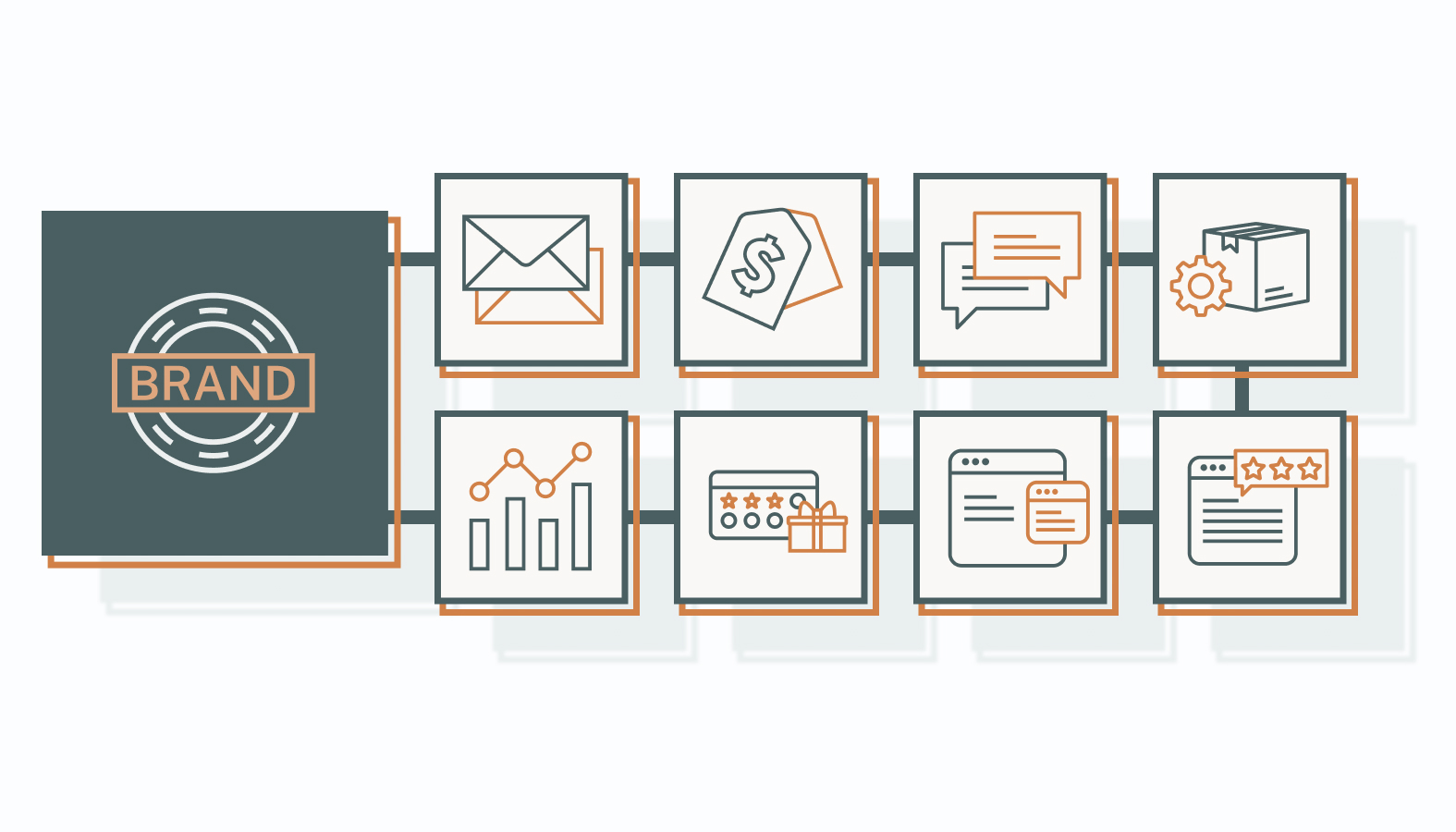
Here are the key campaigns, their purpose, and when to use them so that you can build a balanced, revenue-driven email program:
1) Welcome Emails
A strong welcome email is your digital handshake. It sets the tone for the entire customer relationship. It’s often your highest open-rate email, and for good reason: subscribers are most engaged right after signing up.
What to include for maximum impact:
- Your brand story and value proposition: Why you’re different
- A clear next step: Shop now, explore bestsellers, or claim a first-order discount
- Visually engaging design that matches your brand identity
For high engagement, send an email immediately after signup, while interest is highest, personalize with the subscriber’s name and relevant product suggestions, and consider a multi-part welcome series to nurture new subscribers over several days.
2) Transactional Emails
Transactional emails, such as order confirmations, shipping notifications, and delivery updates, are important touchpoints for building trust and keeping customers informed.
They matter because customers expect instant confirmation and clear updates about their orders, and these emails routinely get sky-high open rates (often above 70%).
Opportunities for enhancement:
- Reinforce your brand with consistent visuals and tone
- Add personalized recommendations or loyalty program reminders
- Include helpful info (return policy, customer support links) to reduce post-purchase anxiety
When used thoughtfully, transactional emails do more than confirm orders. They strengthen trust and create additional opportunities to engage customers after the purchase.
3) Abandoned Cart Emails
Cart abandonment presents a significant challenge for ecommerce stores, but also offers substantial recovery opportunities.
Timely abandoned cart emails can reclaim a considerable portion of lost revenue.
Best practices include:
- Send the first reminder within an hour of abandonment, then follow up with 1–2 additional emails over the next 24–48 hours
- Use persuasive copy, product images, and social proof (reviews or low-stock warnings)
- Sweeten the deal with a limited-time discount or free shipping if appropriate
When they are timed and strategized, abandoned cart emails can turn missed purchases into recovered revenue.
4) Product Recommendation Emails
Personalized product recommendations effectively increase average order value and encourage continued customer engagement.
Get it right by:
- Leveraging browsing and purchase history to serve up relevant suggestions
- Highlighting bestsellers, “frequently bought together,” or new arrivals tailored to each recipient
- Using dynamic content to keep recommendations fresh and timely
When recommendations are relevant and up-to-date, they increase order value and keep customers engaged beyond a single purchase.
5) Re-engagement or Win-back Emails
Subscriber engagement naturally declines over time. Re-engagement campaigns target inactive subscribers, providing an opportunity to restore connection before removing them from your list.
When and how to send them:
- Target subscribers who haven’t opened or clicked in 60–90 days
- Use attention-grabbing subject lines, such as “Is this goodbye?” or “We miss you!”
- Offer a special incentive, showcase new products, or simply ask for feedback on why they’ve disengaged
Win-back emails can revive inactive subscribers and recover value before they’re lost for good.
6) Loyalty and Rewards Emails
For brands with loyalty or rewards programs, email is the most effective channel for encouraging participation and recognizing loyal customers.
Ideas for rewarding and engaging:
- Send points balance updates and reminders to redeem rewards
- Highlight exclusive offers or early access for loyalty members
- Celebrate milestones (VIP status, program anniversaries) with special perks
Loyalty emails can keep members engaged, reinforce value, and encourage repeat purchases.
7) Promotional and Seasonal Emails
Promotional and seasonal campaigns provide opportunities to generate significant sales increases, such as during Black Friday, holiday sales, or flash deals.
To stand out, you can:
- Plan campaigns around key retail holidays and seasonality unique to your brand
- Use bold design, urgency-driven copy, and clear CTAs to cut through inbox noise
- A/B test different offer types and timing to optimize results
Promotional emails can drive strong short-term revenue while keeping your brand relevant during key moments, especially when they’re planned well.
8) Review and Feedback Request Emails
Social proof is highly influential in ecommerce. Post-purchase review requests help collect testimonials and show that customer feedback is valued.
Boost response rates by:
- Sending your request 5–10 days after delivery, when customers have had time to experience the product
- Making it easy: Link directly to the review page, and consider offering a small incentive
- Using positive reviews in future campaigns or on your site to build credibility and trust
Reviewing emails can build credibility, strengthen trust, and influence future purchase decisions.
Mastering these campaign types helps boost a results-driven email program. Test and refine each one to match your audience and your goals.
Current Ecommerce Email Strategy That Works
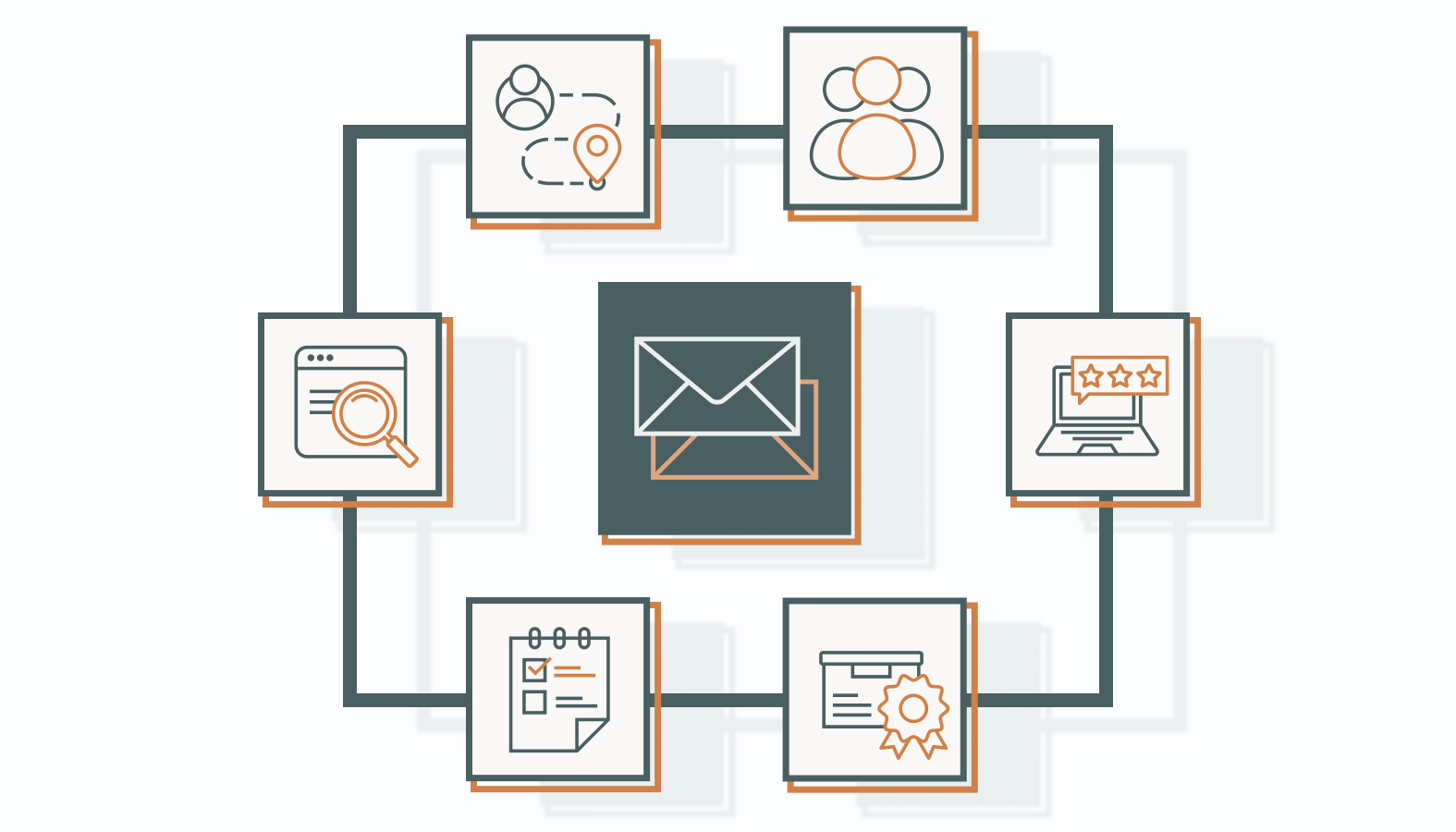
Ecommerce email marketing continues to shift, and the brands seeing results are going beyond the basics. They’re using better personalization, smarter automation, and more engaging formats to stay competitive.
To keep up, your strategy needs to adapt to changing customer behavior.
Here are the trends and tactics to drive results these days:
Customer Activation & Incentives
In a competitive market, activation campaigns move prospects from interest to purchase and encourage repeat action.
Each supports acquisition, conversion, and loyalty.
VIP & Exclusive Access Campaigns
Identify high-value customers by purchase behavior and engagement, then reward them with early access or exclusive offers.
Make them feel distinct by personalization with names and purchase history, offering early access to launches or private sales, and sharing behind-the-scenes or member-only content.
First-Time Purchaser Offers
Target new subscribers with incentives that encourage their first purchase.
Common effective tactics include first-order discounts (e.g., 10–15%), limited-time offers with countdowns, and social proof to build trust.
Referral & “Give-Get” Campaigns
Referrals drive growth by rewarding both sides.
To increase participation, you can use simple, shareable referral links, offer clear, appealing rewards, and send reminders to keep users engaged.
Subscriber-Only and Flash Sale Emails
Exclusive, time-limited offers create urgency and drive quick action.
Maximize impact by highlighting exclusivity in subject lines and copy, using clear deadlines, and sending “last chance” reminders before the offer ends.
Customer Retention and Engagement
Acquiring new customers is only the beginning because long-term success depends on how you enrich these relationships through consistent and meaningful engagement.
Customer retention campaigns keep your brand top-of-mind and encourage repeat purchases through milestone celebrations, post-purchase flows, and timely alerts.
Anniversary, Birthday & Milestone Emails
Recognizing customer anniversaries, birthdays, and purchase milestones helps strengthen loyalty and deepen customer relationships.
Simple gestures like offering a birthday discount or gift, celebrating milestones such as a first anniversary, or rewarding repeat purchases with VIP perks can keep customers engaged and encourage continued loyalty.
Post-Purchase Follow-up Flows
A sale starts the next interaction. Effective post-purchase sequences thank customers, share useful information, and encourage feedback or repeat purchases.
A typical flow includes order confirmation, shipping updates, product tips, relevant recommendations, and a follow-up request for reviews or referrals.
Back-in-Stock & Price Drop Alerts
Back-in-stock and price drop alerts help re-engage interested shoppers and drive quick conversions.
Make them more effective by personalizing based on browsing or wishlist behavior, adding urgency (like limited edition items), and including direct links so customers can complete their purchase right away.
Leverage Social Proof and UGC in Email
Trust is very important in ecommerce because including authentic reviews, ratings, and user-generated content (UGC) in emails enhances credibility and increases customer action.
Use social proof effectively:
- Feature top-rated products with customer quotes or photos
- Highlight recent reviews for popular items
- Encourage customers to share their photos for a chance to be featured in future campaigns
Interactivity and Innovation
Design alone is not enough. Emails need to deliver value and drive engagement. In 2026, interactive and educational content is achieving higher engagement rates.
Interactive & Gamified Emails
Interactive and gamified emails turn passive readers into active participants by adding elements like quizzes, polls, or instant-reveal offers.
You can use AMP for Email or interactive HTML to embed these experiences, run “spin-to-win” promotions, and track engagement to reward participation and refine future campaigns.
Educational & Value-Driven Content
Subscribers expect more than promotions. They value useful and educational content.
Sharing how-tos, tips, trend insights, and relevant industry updates helps position your brand as a trusted resource while keeping your audience engaged.
Technology and Innovation
Technological advancements are transforming email marketing, making it more intelligent, efficient, and integrated.
Multi-Channel Integration (Email + SMS, Social, Push)
Integrating email with SMS, social media, and push notifications creates a seamless omnichannel experience for the modern customer journey.
Best practices include:
- Coordinating messaging and timing across platforms for a consistent brand voice
- Using behavioral triggers to send the right message on the right channel
- Monitoring attribution to understand what’s driving conversions
AI and Machine Learning for Smarter Campaigns
AI is very useful nowadays, even in email marketing. Machine learning enables advanced segmentation, personalized product recommendations, and predictive send times.
Getting started, you can:
- Use AI-driven tools to analyze engagement and automate list cleaning
- Implement dynamic content that adapts to each subscriber’s preferences
- Test predictive subject lines and send times for optimal results
Post-Purchase Follow-up Flows
Post-purchase emails help build loyalty and drive repeat sales. When personalized and timed right, they turn a one-time shopper into a lifelong customer.
Make it effective by:
- Starting with a genuine thank you and helpful info
- Following up with tips, recommendations, and referral asks
- Making it easy to buy again, review, or share
Privacy-First Strategies
As privacy regulations become stricter and consumer expectations increase, respecting data privacy and obtaining consent will be highly appreciated.
How to stay compliant and build trust:
- Always get clear consent before sending marketing emails
- Make it easy for subscribers to manage preferences or unsubscribe
- Regularly audit your data collection and storage practices
- Be transparent about how you use customer data, and deliver genuine value in return
Applying these trends and tactics will help boost your ecommerce email marketing strategy to remain future-ready, customer-focused, and positioned for strong results in 2026.
Building Your Ecommerce Email Marketing Strategy
A clear and actionable roadmap for building a high-performing email marketing strategy is a must. Whether starting anew or enhancing your current approach, these steps will help drive measurable results.
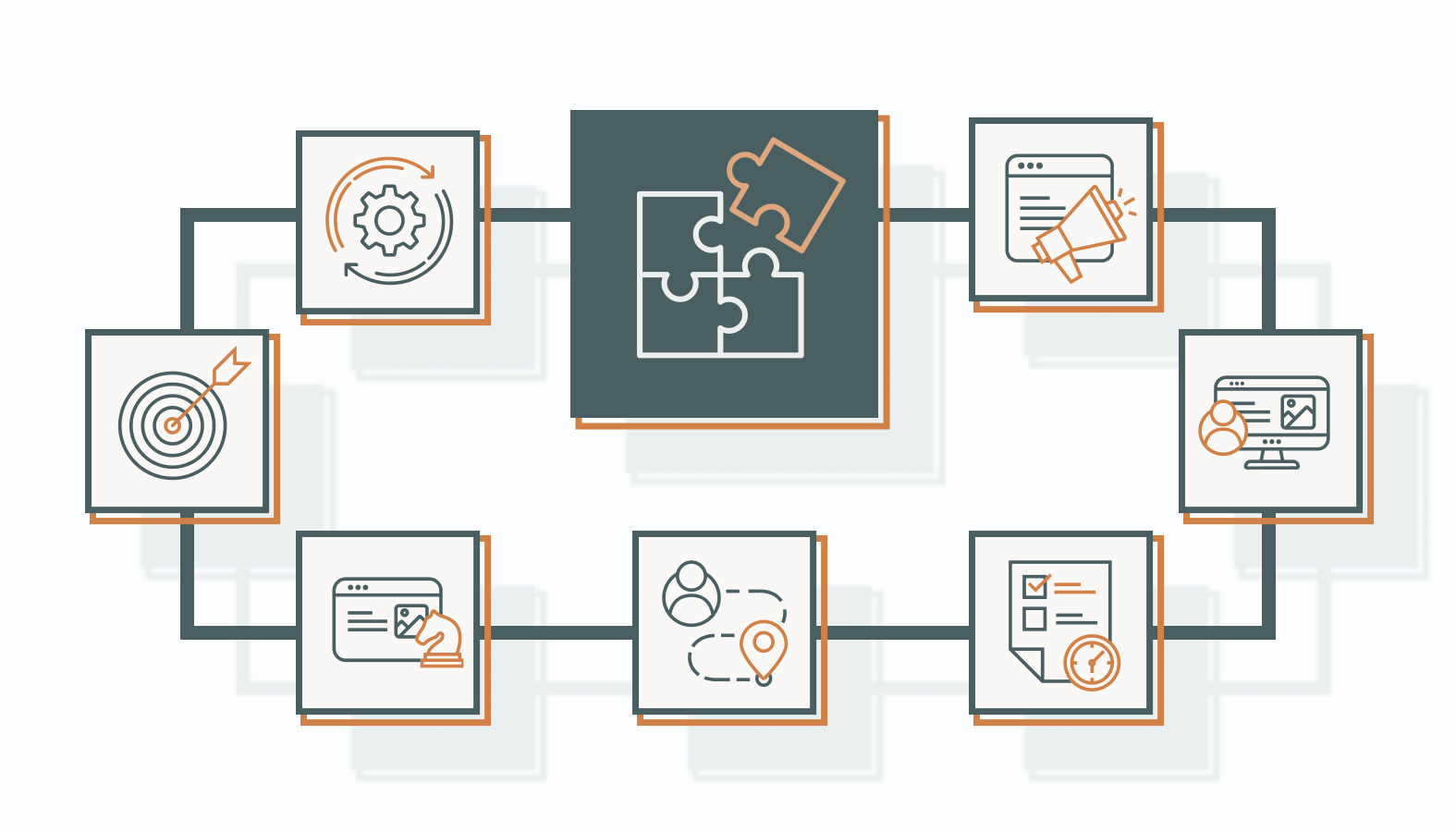
Define Your Audience & Goals
Every effective strategy starts with a deeper understanding of your audience and goals.
Use real data to define who you’re targeting, segment them properly, and set measurable outcomes that guide your campaigns and decisions.
To get started:
- Build customer personas using purchase history, analytics, surveys, or interviews
- Identify key segments (new, repeat, VIP, and at-risk customers)
- Set measurable goals (increase repeat purchases or grow your list over time)
- Use tools like Google Analytics or your ecommerce dashboard to track performance
Choose the Right Email Marketing Platform
Choose an email marketing platform that supports automation, personalization, and clear performance tracking.
The right tool should fit your ecommerce setup today and scale with you as your needs grow.
Look for:
- Native integrations (Shopify, WooCommerce, Magento)
- Automation for key flows (abandoned cart, post-purchase, win-back)
- Strong segmentation and personalization features
- Clear analytics and reporting
- Reliable deliverability and compliance support
Popular options include Klaviyo for deep ecommerce functionality, Omnisend for multi-channel use, ActiveCampaign for advanced email marketing automation, and Mailchimp for simpler setups.
Grow and Maintain a High-Quality List
Your email list becomes most valuable when it’s engaged and permission-based, not just large. Focus on building it through ethical opt-ins like popups, checkout signups, or gated content, and avoid buying or renting lists.
Keep it healthy by regularly removing inactive subscribers and segmenting based on engagement, purchase behavior, and lifecycle stage so your messages stay relevant.
Map Out Your Email Flows and Triggers
Automated workflows help you send timely, relevant emails without manual effort. Map out key customer journeys like welcome, abandoned cart, post-purchase, loyalty, and win-back, then define triggers such as signups, purchases, or browsing behavior.
Visualize each flow with its steps and follow-ups, and start simple before adding complexity as you learn what performs best.
Design Compelling Email Content
Design emails that drive opens, engagement, and action by focusing on clear, relevant subject lines, strong visuals, and a single, easy-to-follow call to action.
Keep layouts mobile-friendly and copy concise, and test different formats, like plain text vs. HTML or image-heavy vs. minimal, to see what appeals best with your audience.
Implement Testing and Continuous Optimization
Treat email marketing as an ongoing system that improves over time. Run A/B tests on subject lines, send times, CTAs, and formats, then track key metrics like opens, clicks, conversions, unsubscribes, and revenue per email.
Use those insights to make small, consistent improvements that compound over time.
Ensure Privacy, Compliance, and Deliverability
Ensure your strategy remains effective by proactively addressing compliance and deliverability concerns.
Checklist for success:
- Comply with laws like GDPR, CAN-SPAM, and CCPA (clear opt-ins, easy unsubscribes, and lawful data use).
- Authenticate your sending domain (SPF, DKIM, DMARC).
- Avoid spammy practices (misleading subject lines, excessively frequent emails).
- Maintain a clean sending reputation by regularly pruning inactive subscribers and monitoring bounce rates.
A stepwise, thoughtful approach like being safety-compliant ensures your ecommerce email marketing is active, strategic, effective, and built to last.
Build a System That Compounds
A strong ecommerce email marketing strategy works when each part supports the others (campaigns, automation, segmentation, and measurement), all moving in the same direction.
The brands seeing consistent results aren’t doing more. They’re aligning messages with customer behavior, refining what works, and removing what is not needed.
The advantage builds over time. Small improvements in timing, targeting, and content add up across every send, every flow, and every segment.
Focus on clarity, stay consistent, and keep testing. The real value of email comes from how well your system adapts and improves with every cycle.
Get More From Your Ecommerce Email Marketing Efforts
You’ve seen what a focused ecommerce email marketing strategy looks like. This time, it’s about applying it to your own data, audience, and goals. If you want a clear second opinion or help with your approach, we’re here to give you straightforward, effective, and practical input.
Schedule a candid conversation with one of our experts now.»
Ecommerce Email Marketing Strategy FAQs
Here are concise, actionable insights to the most common ecommerce email marketing questions, designed to help you drive real results.
How do I personalize my ecommerce emails?
Personalization goes beyond using a subscriber’s name. It should deliver relevant messages at the right time to drive engagement and results.
- Dynamic content based on browsing or purchase behavior
- Behavioral triggers (like cart abandonment, birthdays)
- Granular segmentation by lifecycle stage or activity
- Personalized product recommendations
Brands using these tactics often see measurable gains in engagement and revenue. For example, personalized emails have been shown to increase click-through rates by around 40% and drive higher conversion rates, unlike non-personalized campaigns.
What are the best platforms for ecommerce email marketing?
Choosing the right platform shapes how effectively you can automate, personalize, and scale your email efforts. Leading options include:
- Klaviyo: Strong ecommerce integrations, advanced automation, and deep segmentation
- Omnisend: Multi-channel (email, SMS, push) with easy automation
- ActiveCampaign: Advanced automation and CRM for scaling brands
- Mailchimp: Simple and budget-friendly for getting started
When evaluating platforms, focus on how well they integrate with your ecommerce stack, support advanced automation, allow detailed segmentation, scale with your growth, and provide accurate reporting to measure performance.
How can email marketing boost customer retention?
Email marketing drives retention by keeping your brand relevant and creating consistent touchpoints that encourage repeat purchases and loyalty.
Retention-boosting tactics and campaigns include:
- Post-purchase follow-up: Thank customers, share helpful tips, and suggest related products
- Loyalty programs: Send points updates, exclusive offers, and VIP perks
- Re-engagement flows: Target inactive users with incentives or fresh content
- Milestone emails: Celebrate birthdays, anniversaries, or purchase milestones
Studies show that segmented and behavior-based emails consistently outperform generic campaigns, driving higher engagement, conversions, and repeat purchases, turning one-time buyers into loyal customers.