


B2B ecommerce has changed how buyers research, compare options, and make decisions. As expectations shift, more companies are exploring what a b2b ecommerce marketing agency actually contributes to their growth efforts.
The challenge is that most guidance sounds similar. One agency promises reach, another promises efficiency, and suddenly it’s not clear what actually matters for your business.
Before making a decision, it’s worth taking a closer look at how these agencies operate, where they fit, and what to evaluate when choosing one.
The Role of B2B Ecommerce Marketing Agencies
A B2B ecommerce marketing agency helps businesses manage the marketing side of complex B2B sales. Its role is to improve how a company attracts the right buyers, supports longer decision cycles, and turns marketing activity into measurable business results, including:
- Channel strategy across SEO, paid media, email, and content
- Buyer journey planning for longer, less linear sales cycles
- Campaign execution tied to lead quality, pipeline, and revenue
- Website and landing page work that supports conversion
- Marketing tech support for CRM, ERP, and automation tools
In short, their role is to bring deeper expertise, better execution, and more capacity without building a larger in-house team.
What Sets B2B Ecommerce Marketing Apart
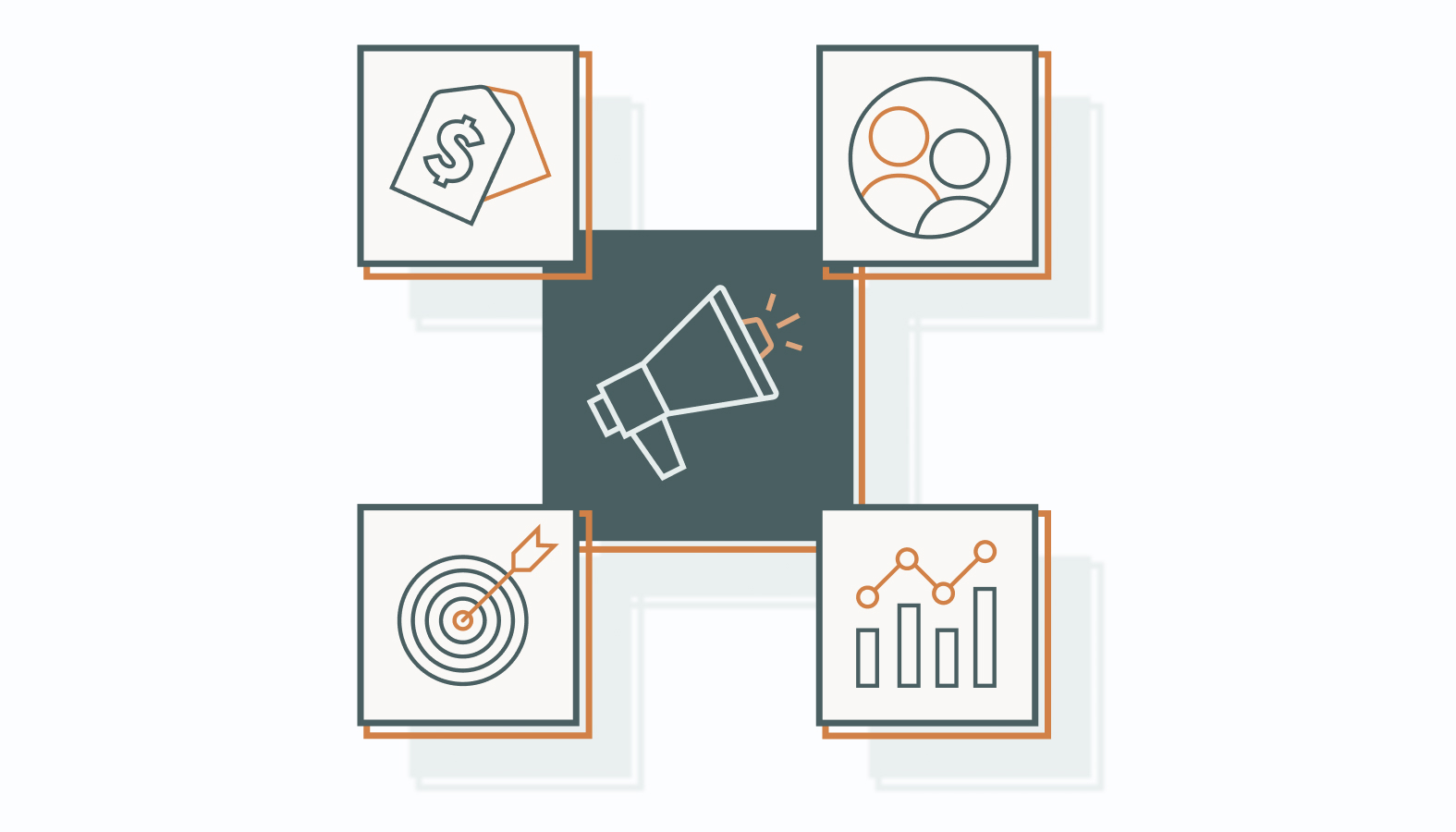
B2B ecommerce marketing is different from B2C in several fundamental ways. While B2C marketing often targets quick conversions and emotional triggers, B2B marketing is built on trust, education, and solution-focused messaging.
The audience is not a single consumer, but a group of stakeholders, such as procurement managers, technical evaluators, financial decision-makers, and end users.
Key differences include:
- Longer, multi-stage sales cycles require sustained engagement
- Decision-making by committees, each with unique concerns
- Products and services that are often complex or highly technical
- A focus on ROI, integration, and long-term value
As a result, successful B2B ecommerce marketing centers on educational, research-driven content, personalized digital experiences that reflect the buyer’s journey, and messaging that addresses specific pain points and business needs.
Transitioning from Traditional Sales to Digital-Driven Revenue
Traditionally, B2B sales relied on relationships, referrals, and in-person meetings. Sales representatives controlled access to product information, pricing, and support.
Now, digital transformation has shifted power to buyers, who conduct extensive online research before engaging with vendors.
Today’s B2B buyers:
- Visit company websites, read reviews, and download resources long before contacting sales
- Expect self-service options and immediate access to information
- Compare multiple suppliers in real time, often without revealing their interest until late in the process
This shift means companies must build a strong digital presence with informative, helpful content, use ecommerce platforms and digital campaigns to scale outreach, and leverage analytics for data-driven decision-making and continual optimization.
Core Challenges in B2B Ecommerce Marketing
Despite the opportunities, B2B ecommerce marketers face several difficulties:
- Complex buying committees: Multiple stakeholders with differing priorities can stall deals if their concerns aren’t addressed properly.
- Extended sales cycles: Long research phases and negotiations challenge lead nurturing and attribution.
- High product complexity: Marketing must clearly convey value to technical and non-technical audiences.
- Integration requirements: Buyers need assurance that solutions fit with existing systems.
- Regulatory and compliance barriers: These barriers add friction and demand precision in marketing materials.
Generic tactics fall short. B2B ecommerce demands thoughtful, consultative approaches that strengthen informed decisions and drive real revenue growth.
Overcoming Top Obstacles in B2B Ecommerce Marketing
Top B2B ecommerce marketing agencies stand out by turning challenges into opportunities. Their advantage comes from:
- Deep sector experience: Understanding industry nuances and best practices
- Innovative strategies: Blending proven methods with emerging digital techniques
- Custom solutions: Tailoring services to each client’s goals, products, and buyer personas
- Continuous optimization: Adjusting campaigns and tactics based on performance data
This expertise helps clients avoid common pitfalls, accelerate growth, and outperform competitors.
Services Provided by B2B Ecommerce Marketing Agencies
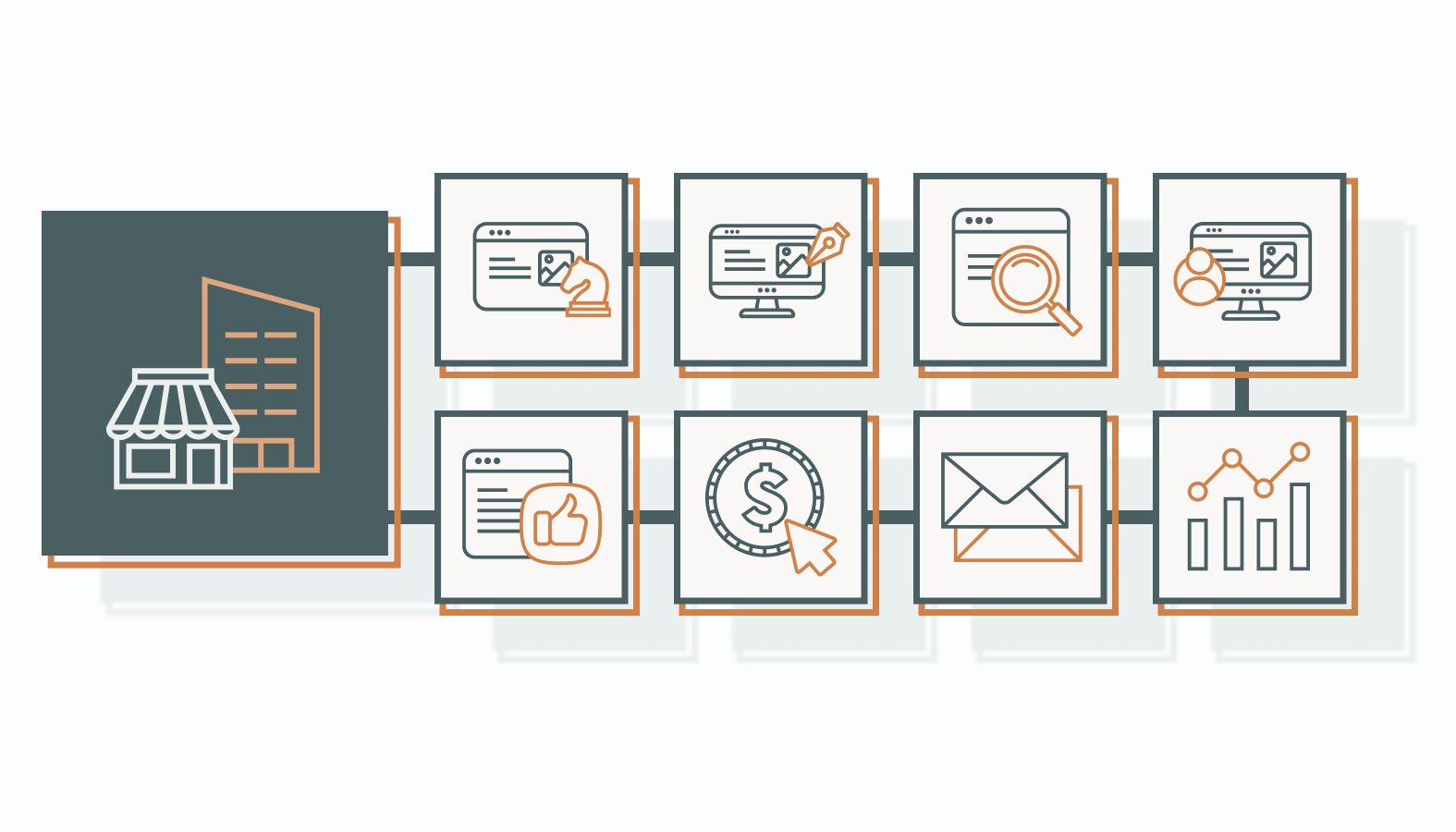
To address the complexities of B2B ecommerce, agencies offer an integrated suite of services, each designed to impact critical stages of the buyer journey:
Strategy Development
Every effective marketing effort begins with a clear, tailored strategy. Agencies define goals, KPIs, and buyer personas.
They also map the full buyer journey from initial awareness to post-purchase loyalty, and build roadmaps that account for long sales cycles and multiple decision-makers
Web Design and Development
B2B ecommerce websites must drive conversions, aside from just providing information. Agencies design custom catalogs and portals for complex products.
They implement account-based pricing and user-specific experiences, prioritize usability, fast navigation, and seamless checkout, and optimize for mobile and accessibility standards.
B2B SEO
SEO in B2B requires a specialized approach because they are targeting industry-specific keywords and long-tail search intent, producing authoritative content that addresses buyer questions.
Aside from that, they conduct technical site audits, build credible backlinks, optimize product data, and integrate with ecommerce platforms.
Content Marketing
Content is crucial for B2B buyers who value expertise and insight. Agencies create educational blog posts, whitepapers, and ebooks for early-stage research.
They develop case studies, product comparisons, and ROI calculators for evaluation phases, and produce demo videos and customer testimonials to support final decisions.
Social Media Marketing
B2B brands benefit from a presence on platforms like LinkedIn and X by sharing thought leadership and industry news.
It helps to engage directly with key stakeholders and influencers, and run targeted campaigns for lead generation and brand awareness.
Paid Media and PPC
Agencies maximize paid media budgets by targeting specific industries, company sizes, or job titles on platforms like LinkedIn and Google Ads.
Testing and refining ad creative for higher engagement should be effective. The same goes for measuring and reporting ROI to ensure every dollar delivers value.
Email Marketing and Automation
Email remains a powerful tool in B2B for designing segmented, automated workflows, delivering personalized content and nurture sequences, and tracking engagement to identify sales-ready leads.
Analytics and Reporting
Agencies make data actionable by monitoring pipeline velocity, lead quality, and conversion rates, and providing clear, regular reports and dashboards.
By using insights, they optimize campaigns and demonstrate marketing’s ROI.
Advanced Solutions for B2B Ecommerce Success
Leading agencies offer advanced capabilities for complex needs. They deliver advanced solutions tailored to the evolving needs of B2B ecommerce, such as:
- Account-Based Marketing (ABM): Precisely targeted campaigns to engage and win high-value accounts.
- ERP or CRM Integration: Connecting marketing, sales, and operations for automation and personalization.
- Website Personalization: Dynamic content and offers based on company, role, or buyer behavior.
These solutions help B2B brands stay sharp and deliver top-tier buyer experiences.
Qualities of Top-Tier B2B Ecommerce Marketing Agencies
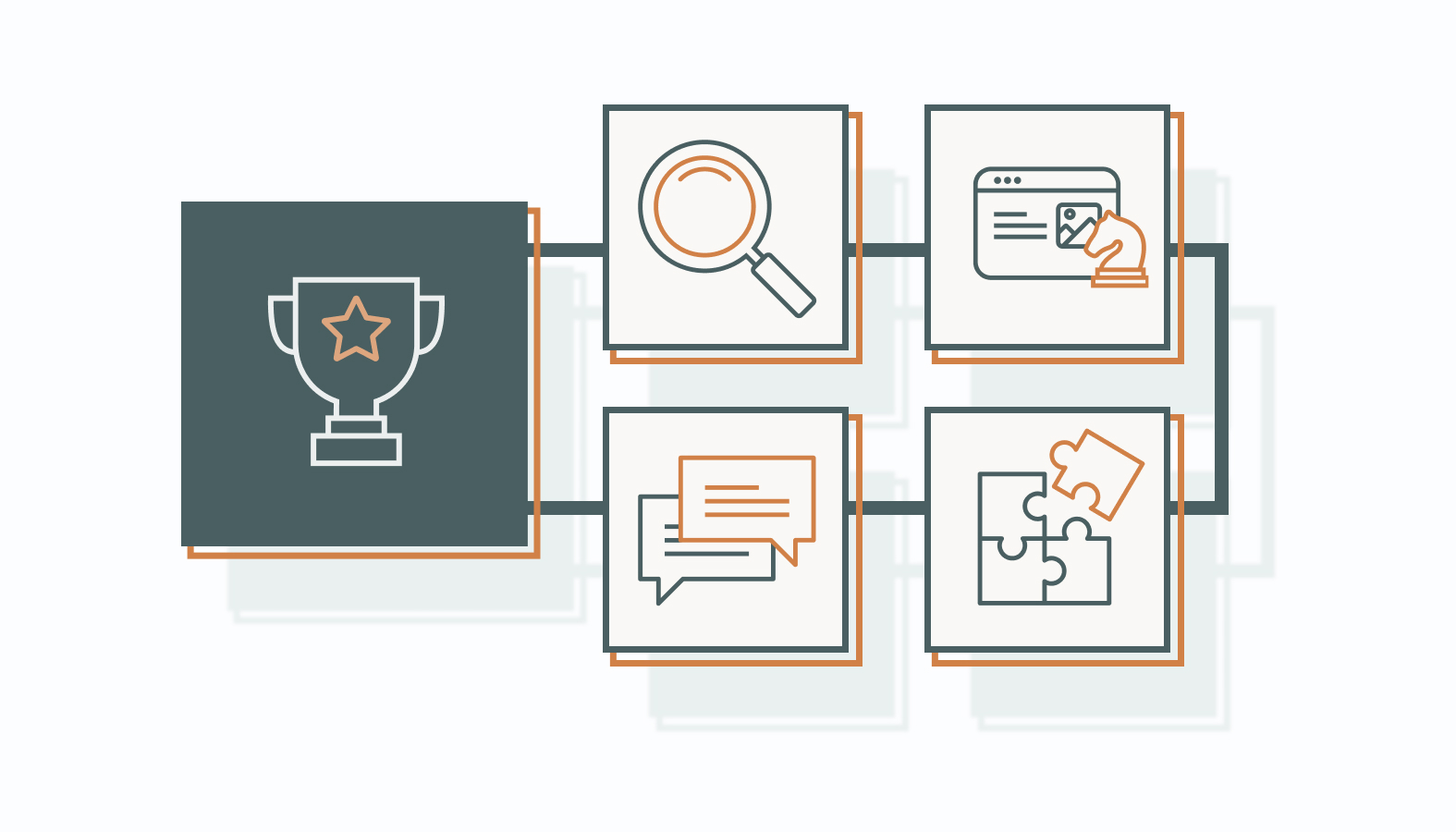
Agencies are created differently. Look for the following traits to identify the best partners:
- Deep B2B Expertise and Industry Knowledge: They understand your industry, buyers, and sales process.
- Leveraging Data for Transparent Results: They track performance and tie activity to measurable outcomes.
- Adapting Strategies to Fit Your Business: They adjust strategies based on results and changing conditions.
- Building Strong Partnerships Through Open Communication: They provide regular updates, insights, and transparency.
- Integrating Marketing Technologies: They integrate with your existing systems and support your tech stack.
These qualities determine whether an agency simply delivers services or contributes to meaningful growth.
When Should You Hire a B2B Ecommerce Marketing Agency?
Bringing in an agency at the right time can make a difference between stagnation and sustained growth. Common signs you might need support:
- Your growth has plateaued despite giving it all
- Marketing is reactive and lacks long-term planning
- Your team lacks expertise in advanced tactics like SEO, paid media, or integration
- Campaigns are inconsistent or underperforming
- Internal resources are stretched too thin to take on new initiatives
- Competitors are advancing with modern digital strategies
Addressing these signs early lets you stay ahead of market changes and competitors.
What to Expect When Working with an Agency
A strong agency partnership should feel like adding a highly skilled extension to your team.
The process typically includes:
- Discovery and onboarding: Deep dive into your business model, goals, and market
- Strategy and planning: Jointly building a roadmap tailored to your objectives
- Execution and optimization: Agency experts handle campaign builds, content, and site enhancements, keeping you informed with regular updates
- Ongoing collaboration: Frequent check-ins, transparent reporting, and open feedback
- Results and refinement: Using real data to refine strategies and maximize ROI
Set realistic expectations as agencies accelerate progress because results take time, consistent effort, and smart adjustments.
Choose the Right B2B Ecommerce Marketing Agency
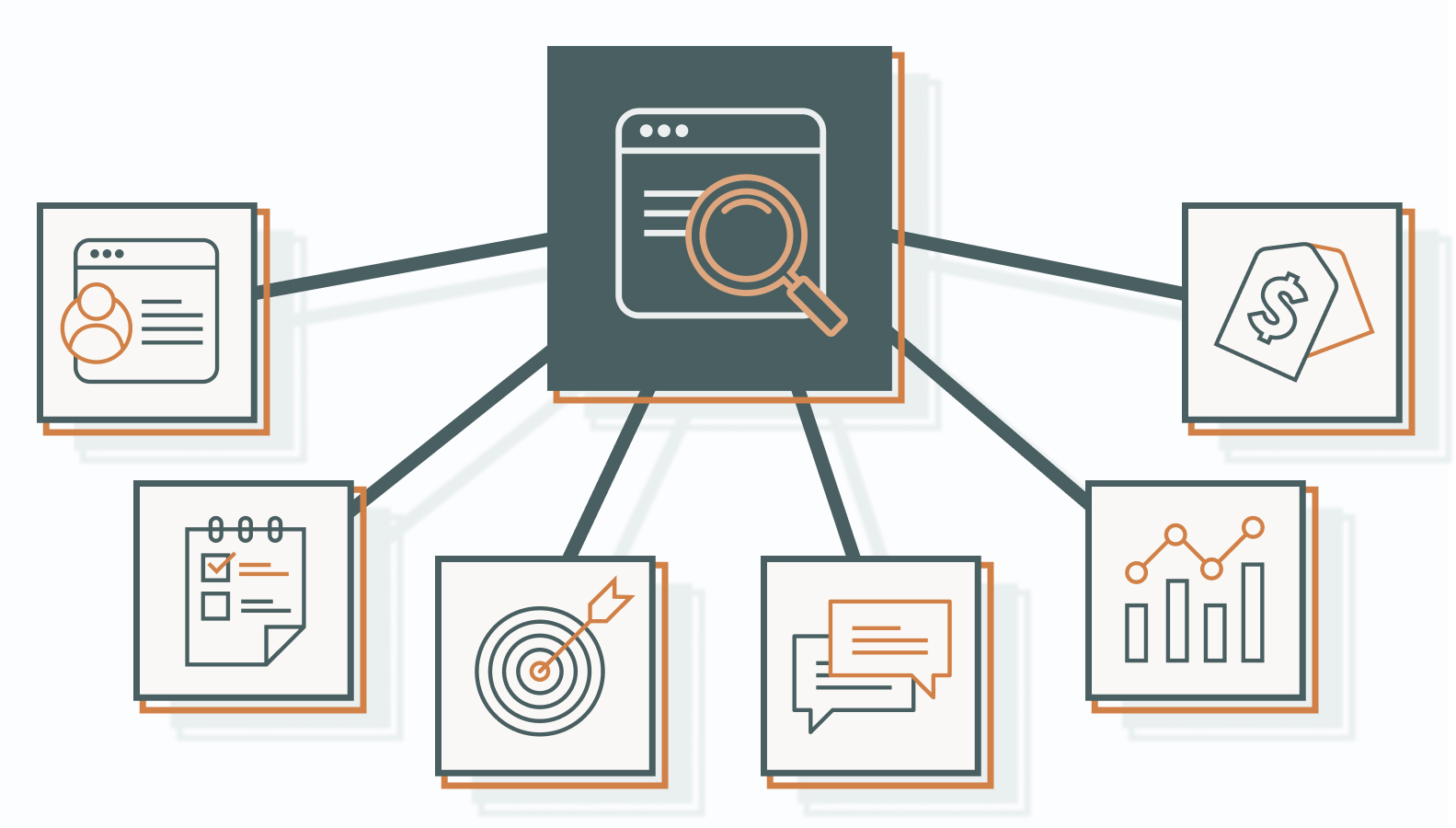
Picking an agency is more than a procurement decision. It’s a strategic partnership. Take a methodical approach to ensure the agency fits your needs and culture.
Here’s what to focus on:
1) Industry/client portfolio
Prioritize agencies with experience serving businesses like yours in terms of industry, size, and sales cycle.
2) Service offerings and expertise
Ensure they provide the full range of services you need, both at present and as you scale.
3) Proven results
Request case studies that detail challenges, strategies, and business outcomes.
4) Cultural fit
Assess values, communication style, and the actual team you’ll work with.
5) Technology expertise
Confirm comfort with your ecommerce, CRM, and automation platforms.
6) Transparent pricing and contract terms
Look for flexibility and clear cost structures.
Use these benchmarks to find a reliable agency invested in your goals, and not just selling a service.
Maximizing Success with Your B2B Ecommerce Marketing Agency
Success depends on how well the partnership is managed by both the business owner and the marketing agency. It takes two to tango.
Set Clear Goals and KPIs
Define what success looks like in measurable terms (pipeline, revenue, or lead quality).
Maintain Regular Communication
Frequent check-ins keep alignment strong and issues visible.
Encourage Collaboration
Share feedback, insights, and ideas openly.
Focus on Continuous Improvement
Review performance regularly and refine strategies based on results.
Treat the agency as an extension of your team, not just a service provider or the only one responsible for everything. Both of you are accountable for the outcomes of your business.
Making the Right Call for Long-Term B2B Ecommerce Growth
B2B ecommerce marketing works well when strategy, execution, and systems are aligned. It is more than running campaigns. It’s about consistently moving buyers forward and turning activity into revenue.
Most teams struggle with execution and alignment. Without clear priorities, strong coordination with sales, and ongoing optimization, even good strategies fall short.
The takeaway is to choose a partner based on fit and what you truly need. The right agency should make your marketing more structured, measurable, and easier to scale over time.
Take the Next Step with a Clear Plan
If you’re weighing your options or trying to improve results, a second perspective can help you move faster and avoid expensive missteps.
We’ll review your current approach, identify gaps, and outline what to prioritize based on your goals. Schedule a candid conversation with one of our experts, and let’s start building a more structured, scalable path to growth.