


Innovative marketing strategies are more important now because many brands are working harder only to get less attention.
More content, more channels, and more tools have not automatically created stronger results.
For many businesses, the real challenge comes from knowing which new approaches are worth testing and which ones are just noise.
Marketing leaders are also facing more pressure from every direction: tighter budgets, faster timelines, changing buyer behavior, and higher expectations.
The old “do more and hope it works” approach has worn thin.
This guide looks at the practical shifts shaping modern marketing and the strategies brands use to compete with more focus, discipline, and confidence.
What Makes a Marketing Strategy Truly Innovative?
Innovative marketing strategies focus on improving how brands connect with buyers, respond to market changes, and make better business decisions. Instead of relying on broad messaging, modern marketing strategies prioritize relevance, adaptability, and measurable performance.
Strong marketing strategies do:
- Adjust quickly to changing customer behavior and market conditions
- Use data and analytics to guide decisions
- Focus on customer experience and personalization
- Test and refine campaigns regularly
- Prioritize long-term growth, engagement, and brand positioning
Many marketing teams are moving away from plain planning and assumption-based decisions.
Performance data, customer feedback, behavioral insights, and ongoing testing now shape campaigns, messaging, and channel strategy.
Customer expectations have also changed these days. Buyers want more relevant experiences, clearer communication, and brands that understand their needs across multiple touchpoints.
Companies paying closer attention to these shifts often maintain engagement, improve retention, and stay competitive even with the test of time.
Transitioning from Traditional to Innovative Marketing
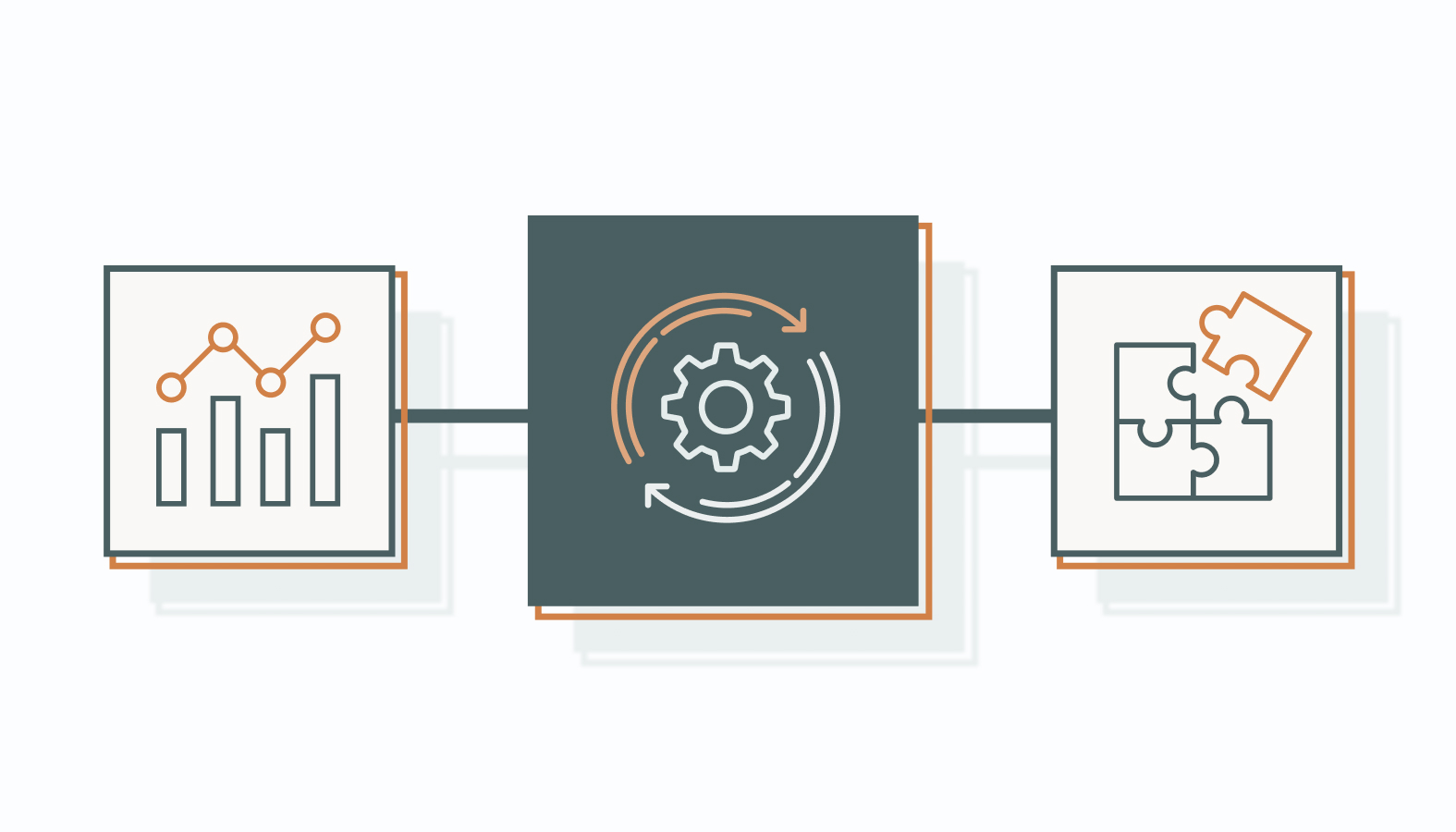
Where traditional marketing relied heavily on broad, generic campaigns and gut-feel decision-making, today’s most successful brands are building strategies rooted in accurate data, speed and flexibility, and real human connection.
Mass-market advertising, cold outreach, and generic messaging once dominated B2B marketing. But as buyers evolve, and digital channels have become more crowded, those tactics have lost their edge.
Modern, innovative marketing values precision, personalization, and building genuine relationships that outlast any single campaign.
Buyers nowadays expect relevance, value, and authenticity at every touchpoint.
Businesses that update their marketing practices outperform the competition and future-proof their growth in an unpredictable, fast-moving market.
Shifting to Targeted, Data-Driven Strategies
Broadcasting the same message to everyone is no longer working as effectively as it used to.
Innovative marketers use audience segmentation and data targeting to reach the right people, at the right moment, with the timely message.
Segmentation separates your audience into meaningful groups based on industry, role, pain points, or behavior. Data targeting, on the other hand, enables personalized content, offers, and experiences that resonate on an individual level.
Here’s how to move from broad messaging to personalized communications:
- Analyze your data: Start with your CRM, website analytics, and campaign performance data to identify key audience segments.
- Build detailed personas: Understand what makes each segment tick: their challenges, goals, and decision-making triggers.
- Craft tailored content: Develop messaging and offers that speak directly to each group’s specific needs.
- Automate delivery: Use marketing automation to deliver the right message to the right audience in a timely manner.
- Continuously optimize: Monitor results and refine your segments and targeting over time.
The result should be higher engagement, stronger relationships, and campaigns that drive revenue, more than just impressions.
Building Trust and Authenticity
In a busy, noisy market, trust is your most valuable currency. Buyers these days can spot inauthenticity and won’t hesitate to walk away from brands that overpromise but underdeliver.
Transparency and authenticity are not optional anymore. They are important for building credibility and lasting customer relationships.
B2B buyers want to work with brands that are open about their values, honest about their capabilities, and consistent in their actions.
Strategies for building trust and authenticity:
- Be transparent: Share your processes, pricing, and even your challenges. Openness gives way to confidence.
- Showcase real stories: Use customer testimonials, case studies, and behind-the-scenes content to humanize and prove your brand.
- Engage in two-way conversations: Listen to feedback, respond thoughtfully, and involve your audience in your business journey.
- Deliver on promises: Be consistent between what you say and what you do.
When you lead with authenticity, you do attract customers and create advocates.
Creating an Experimental Mindset
The most forward-thinking marketing teams dare to try new things, take calculated risks, and learn from mistakes.
Testing new ideas, whether a fresh campaign concept, a new channel, or emerging technology, lets you discover what truly resonates with your audience.
When things don’t go as planned, that’s not a setback, but data.
To establish a culture of experimentation:
- Encourage curiosity and reward team members for bringing new ideas forward.
- Start small with pilot programs or A/B tests before committing to a full rollout.
- Treat every result (positive or negative) as valuable learning.
- Make it easy for the team to access insights from both wins and losses.
Making experimentation a core value empowers your team to stay ahead of the tight competition and continuously improve.
The 12 Most Innovative Marketing Strategies for 2026
Staying updated means adopting tactics others are just starting to discuss. The pace of change is unstoppable, and what worked yesterday might not be as effective today.

Below are the 12 strategies shaping the future of marketing and the trends, but new standards for high-performance teams are ready to lead, not just keep up.
1. AI-Powered Personalization
Artificial intelligence has elevated personalization into a competitive necessity. AI enables brands to deliver tailored experiences at scale, analyzing customer data in real time to predict preferences, behaviors, and needs.
Practical applications include:
- Dynamic website content that adapts based on visitor profiles
- AI-driven product recommendations that boost conversion rates
- Automated email campaigns personalized to each recipient’s interests and stage in the buyer journey
The outcome is that customers feel seen and understood, which drives engagement and revenue.
2. Community-Driven Marketing
The most powerful marketing doesn’t always come from brands, but from their communities.
Building and nurturing a brand community turns customers into advocates and extends your reach well beyond paid channels.
Strategies that work:
- Launch branded forums or online groups where customers can connect and share insights.
- Encourage user-generated content through challenges, contests, or recognition programs.
- Give advocates early access, exclusive perks, or opportunities to co-create.
A strong community generates natural communication, provides continuous feedback, and builds loyalty that other brand campaigns will find hard to replicate.
3. Experiential and Immersive Marketing (AR, VR, Metaverse)
Immersive technologies, such as augmented reality (AR), virtual reality (VR), and metaverse experiences, reshape how brands engage audiences.
These experiences go beyond traditional ads and create memorable interactions.
Examples are:
- Virtual product demos using AR to let customers try before they buy
- Interactive VR showrooms that bring remote buyers into your world
- Metaverse campaigns featuring branded conferences, networking events, or interactive games
Immersive marketing is effective at driving deeper engagement and stronger brand recall.
4. Data-Driven Storytelling
Great stories move people, but data makes them stay and trust.
Data-driven storytelling uses real insights to craft stories that resonate with your audience’s actual interests and challenges.
Put it into practice by:
- Using customer or industry data to highlight trends, challenges, or successes in your content.
- Personalizing case studies and testimonials with concrete results and measurable metrics.
- Letting your data shape your content calendar by focusing on topics your audience is actively engaging with.
This approach builds credibility and ensures you connect with the right people.
5. Sustainability and Ethical Branding
Buyers want more than great products. They want to support brands that stand for something.
Sustainability and ethics have become central to brand positioning, especially in B2B, where long-term relationships matter.
Ways to communicate genuine commitments:
- Be transparent about your supply chain, sourcing practices, and sustainability goals.
- Share real progress reports and measurable impact, aside from aspirational statements.
- Align your brand with causes that genuinely matter to your audience, and back that alignment with a purposeful action.
Ethical branding builds trust and can be a meaningful differentiator in crowded markets.
6. Influencer Collaborations & Micro-Influencers
Influencer marketing isn’t exclusive to B2C. In B2B, partnering with industry thought leaders and micro-influencers can amplify your message and help achieve immediate credibility.
Micro-influencers matter because:
- They have highly engaged, niche audiences that trust their recommendations.
- Collaborations tend to be more authentic and cost-effective than celebrity endorsements.
- Influencers can co-create content, host webinars, or simply share a story with their network.
Choose partners who align with your brand values and speak directly to your target audience.
7. Marketing Automation
Time is limited, and automation is one of the best ways to leverage it. Automating repetitive marketing tasks frees your team, so they can focus more on strategy and creativity.
Examples of automation in action:
- Lead nurturing workflows that deliver personalized content based on behavior
- Automated social media posting and monitoring
- Chatbots that qualify leads or provide instant and accurate customer support
The right tools drive engagement, improve conversion rates, and scale your efforts without burning out your team.
8. Guerrilla Marketing & Surprise Tactics
Sometimes, the best way to get noticed is to go against the rules. Guerrilla marketing uses unconventional, attention-grabbing tactics to make a big splash, often on a small budget.
Tips for success:
- Think so creatively: what would surprise or delight your audience?
- Leverage physical spaces, digital platforms, or hybrid experiences.
- Make it shareable by encouraging participants to spread the word.
Executed well, guerrilla campaigns can quickly generate massive buzz and brand awareness.
9. Video and Visual Content Marketing
Visual storytelling is still powerful. Video, infographics, and interactive graphics capture attention, simplify complex ideas, and drive higher engagement across every channel.
Guidance for standout content:
- Invest in short-form video for social media, product explainers, or customer testimonials.
- Use infographics to make data and processes easier to understand.
- Experiment with interactive tools like calculators, quizzes, or AR filters.
Strong visuals make your message stand out and distinguish your brand in crowded feeds.
10. Content Marketing & SEO Innovations
Content remains central to marketing, but the rules keep evolving. Staying effective keeps pace with how search and audience behavior are shifting.
Actionable steps:
- Focus on topic clusters and semantic search rather than isolated keywords.
- Embrace formats like podcasts, webinars, and interactive guides.
- Stay current on algorithm updates and optimize for user intent, page speed, and experience.
Brands that treat content and SEO as disciplines, not just passive projects, are usually the ones that continue to grow their organic reach over time.
11. Privacy, Data Protection, and Trust
Respecting consumer privacy is both a legal requirement and a strategic opportunity. Innovative marketers treat data protection proactively to make transparency a core part of how they work.
Steps for building trust:
- Be clear about what data you collect and why you collect it.
- Give users meaningful control over their information and preferences.
- Regularly review and update your privacy practices to remain compliant and credible.
When customers trust you with their data, they’ll engage and choose your brand.
12. Loyalty, Referral, and Retargeting Programs
The most valuable customers are the ones you already have. Innovative brands invest in programs that strengthen retention and turn satisfied clients into active and loyal advocates.
How these programs work:
- Reward loyal customers with exclusive benefits, early access, or public recognition.
- Make referrals easy and rewarding, and give customers a reason to recommend you.
- Use retargeting to re-engage leads who have shown interest but haven’t yet converted.
These programs create a steady retention, advocacy, and growth that compounds over time.
Implementing Innovative Strategies: Step-by-Step Guide
Adopt new marketing tactics and make them very effective. Without a structured approach, even the most innovative ideas can fall flat.
This section walks through the steps for rolling out new initiatives with confidence and clarity.
Assess Your Business Needs
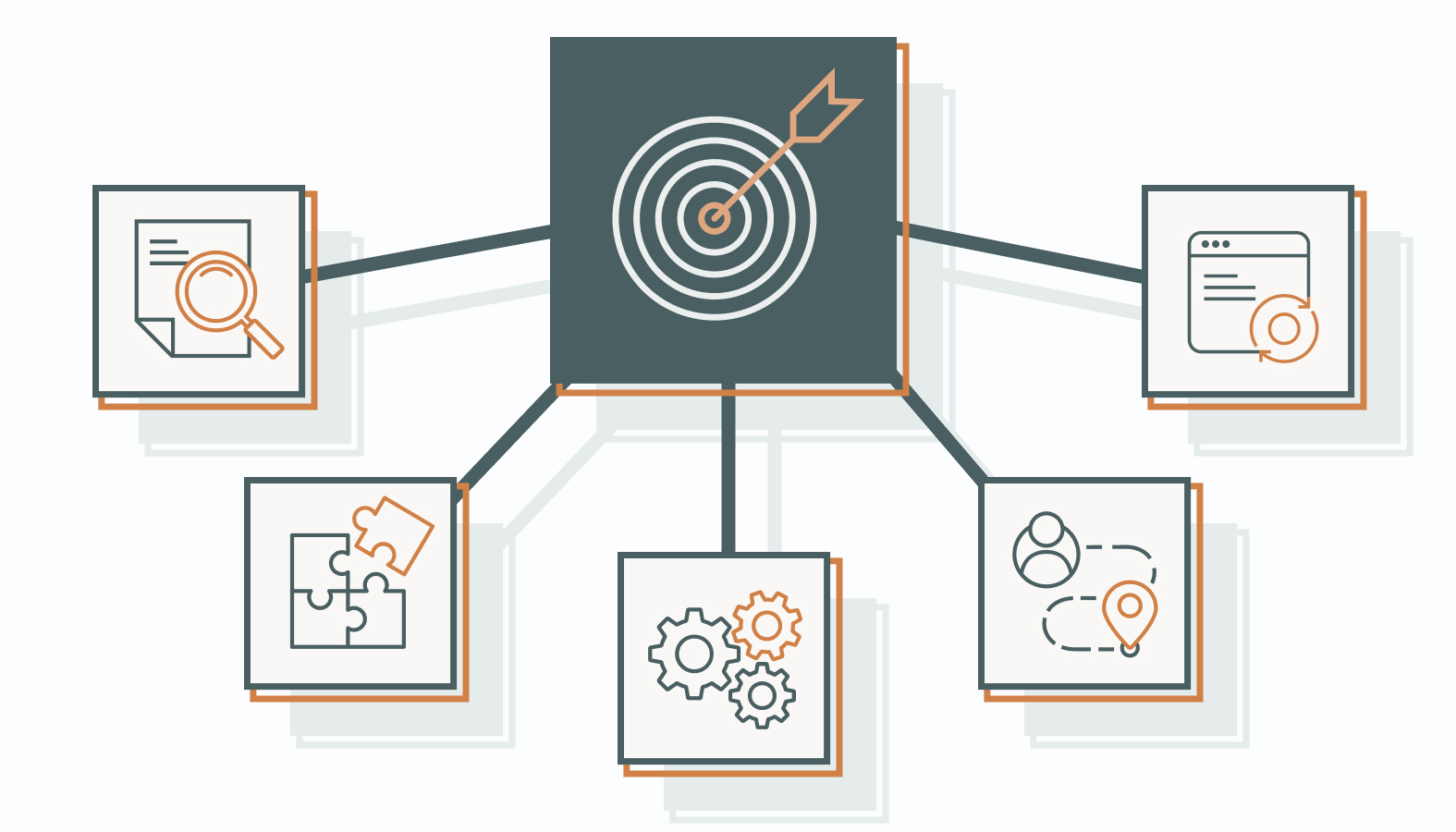
Before jumping into anything new, take a look at where you stand. Evaluating your current marketing performance and identifying gaps is the way to a smart, targeted innovation.
- Audit your existing efforts: review campaign performance, channel effectiveness, and ROI.
- Map the customer journey: find friction points, drop-offs, and missed engagement opportunities.
- Benchmark against competitors: identify where you’re leading and where you’re falling behind.
- Gather feedback: talk to your sales team, customer support, and your actual customers to surface real pain points.
A clear picture leads to exactly where innovation can make the biggest impact.
Building a Cross-Functional Team
Implementing new strategies requires more than a solo effort. Bringing in expertise from across the organization leads to stronger ideas and smoother execution.
- Involve key stakeholders from marketing, sales, product, IT, and customer success.
- Assign clear roles by defining who owns strategy, execution, measurement, and feedback.
- Encourage open collaboration through regular meetings, shared platforms, and transparent communication.
Cross-functional teams break down silos, accelerate buy-in, and make it easier to drive meaningful change for growth.
Choosing the Right Technologies
The right tools can supercharge your strategy. The wrong ones slow you down. When evaluating marketing technologies, focus on what your actual business goals truly need.
- Prioritize scalability: choose platforms that can grow with you, not just solve today’s problems.
- Require integration: your tools need to work with existing systems. Data silos kill momentum.
- Evaluate usability: user-friendly platforms get adopted faster and cause fewer frustrations.
- Stay flexible: opt for solutions that allow updates and customization as your needs evolve.
A well-chosen tech stack is the key to innovative and efficient marketing.
Creating a Roadmap
Ambitious strategies often require clear plans. A phased direction keeps your team focused, accountable, and able to measure progress.
- Set measurable objectives: define what success looks like for each initiative with specific KPIs and timelines.
- Break it down: outline every step from pilot to full implementation.
- Assign ownership: every task needs a responsible person and a deadline.
- Build in checkpoints: review progress regularly and adjust as needed.
A roadmap transforms ambition into action and has everyone move in the same direction.
Pilot Programs and Continuous Learning
Pilot programs let you experiment, gather feedback, and refine strategies before committing to a broader rollout.
- Start small: launch limited-scope pilots in a controlled environment.
- Measure everything: track performance, engagement, and feedback rigorously.
- Iterate quickly: use what you learn to improve before expanding.
- Encourage a learning mindset: celebrate wins, and treat failures as a learning tool.
Continuous learning keeps your strategies relevant, your team sharp, and your marketing future-ready.
Strong Marketing Strategies Are Built to Adjust
Modern marketing no longer rewards generic messaging, slow adaptation, or disconnected customer experiences.
Instead, strong strategies focus on understanding audience behavior, making faster data-driven decisions, and building trust across every stage of the customer journey.
Whether brands are investing in AI personalization, community-building, automation, immersive experiences, or retention strategies, success comes from staying responsive rather than comfortable.
The brands that continuously test, refine, and improve their approach maintain stronger visibility, deeper customer relationships, and more consistent growth over time.
Explore Smarter Marketing Opportunities
If you want a clearer perspective on where your marketing efforts can improve, now is the right time to take a closer look at what’s working, what’s falling short, and where new opportunities may exist.