


The rise of AI in digital marketing is reshaping how brands connect with customers.
Beyond simple automation, AI delivers predictive insights, hyper-personalization, and real-time optimization, all of which empower marketers to act with speed and precision.
The tools are evolving fast, and early adopters are already turning AI into a measurable competitive advantage.
This article explores how AI is transforming marketing, the practical applications driving results, and the trends that will define the next era of growth.
Why AI Is No Longer Optional
Marketing today is a race against time, attention, and data overload. The sheer volume of customer interactions, content channels, and campaign variables makes manual execution inefficient and costly.
AI isn’t just a new toolset; it’s the engine that keeps modern marketing moving at pace. It analyzes vast datasets in seconds, uncovers patterns humans might miss, and surfaces actionable recommendations.
In other words, AI shifts marketing from reactive guesswork to proactive strategy. Brands that understand this early gain speed, accuracy, and clarity – while those that hesitate risk falling behind.
AI’s Real Role for Digital Marketers
AI isn’t a magical brain that solves problems on its own. In practice, it’s a set of technologies designed to analyze data, automate repetitive tasks, forecast behavior, and recommend optimized actions.
AI doesn’t replace marketers. It just handles the heavy lifting so humans can focus on strategy, creativity, and decision-making.
Practical applications of AI include:
- Predicting customer behavior with algorithms
- Analyzing campaign performance at scale
- Generating content drafts and creative ideas
- Personalizing customer journeys dynamically
- Scoring leads based on intent
- Allocating budgets across channels in real time
Think of AI as a supercharged analyst working behind the scenes. It surfaces insights, identifies opportunities, and highlights risks. But it’s up to the marketer to decide the strategy.
AI shows you what’s happening.
You decide what to do with it.
This partnership between human expertise and machine efficiency ensures AI strengthens both strategic decision-making and operational execution, turning insights into measurable outcomes.
Why AI Matters: Core Benefits Driving Adoption
Marketers don’t adopt new technologies because they’re shiny. They adopt what produces results. AI is delivering measurable gains across every performance metric that matters. This is why adoption is accelerating.
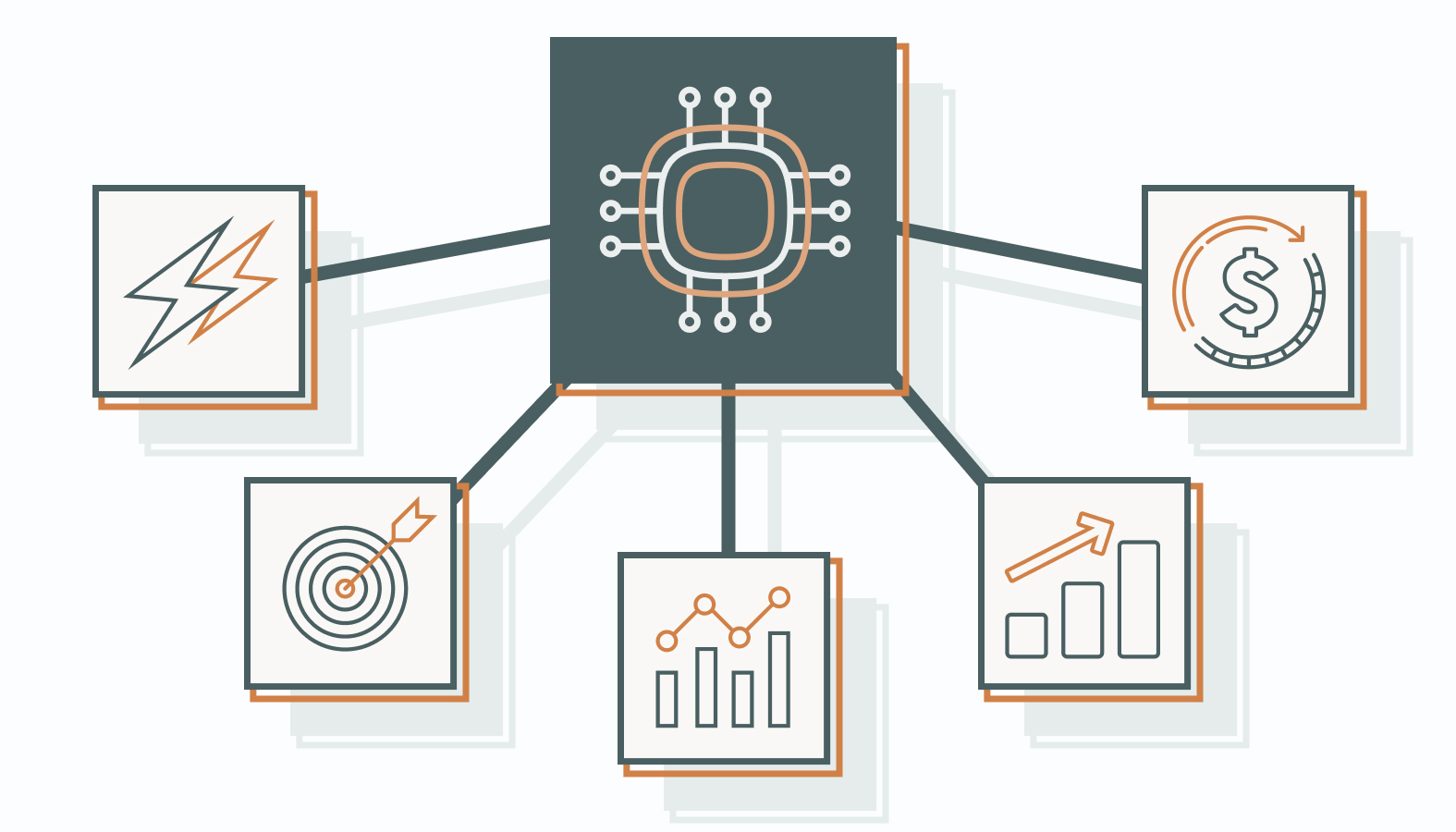
Speed That Matches Market Reality
Marketing used to move in monthly cycles. Now the window to react is measured in minutes. AI gives teams the velocity required to keep up with real-time consumer behavior and fast-shifting platform algorithms.
AI allows teams to:
- Analyze performance instantly
- Surface insights as they happen
- Execute optimizations without delays
This turns marketing from reactive guesswork into a responsive strategy. When your brand can adjust in the moment, you stay aligned with customer behavior instead of playing catch-up.
Precision Targeting and Personalization
Relevance is the modern currency of attention. Customers can spot generic messaging a mile away. AI closes that gap by sharpening every layer of audience intelligence.
AI improves:
- Segmentation accuracy
- Behavioral prediction
- Message-to-moment relevance
Instead of inferring what customers might want next, AI identifies it, prioritizes it, and personalizes at a level manual workflows can’t touch. The result is communication that feels intentional, instead of mass-produced.
Better Decision-Making Through Data
Data isn’t valuable on its own. It becomes useful only when it tells you something actionable. AI is the engine that turns volume into clarity.
AI converts:
- Raw numbers into strategic intelligence
- Complex signals into pattern recognition
- Historical data into forward-looking forecasts
This elevates analytics from “what happened” to “what’s coming next.” Better decisions stop being lucky guesses and start becoming predictable outcomes.
Operational Efficiency
Every marketing team has the same bottleneck: time.
AI removes the grunt work that slows teams down, freeing talent to focus on strategy, creativity, experimentation, and other tasks that actually move revenue.
AI automates:
- Content variations
- Reporting
- Optimization cycles
- Social scheduling
- Ad bidding
- Email workflows
You eliminate operational drag. Teams stop burning hours on repetitive tasks and start deploying their expertise where it matters.
Revenue Impact
This is the real bottom line. All the benefits above lead to the outcome leadership cares about: profitable growth.
AI helps marketers:
- Convert more efficiently
- Reduce wasted spend
- Improve retention
- Allocate budget intelligently
- Scale what works faster
The financial upside isn’t hypothetical. It compounds over time, turning AI from a “nice-to-have” into a competitive advantage that widens the gap between brands that adapt and brands that stall.
Key Trends in AI Technology Transforming Marketing
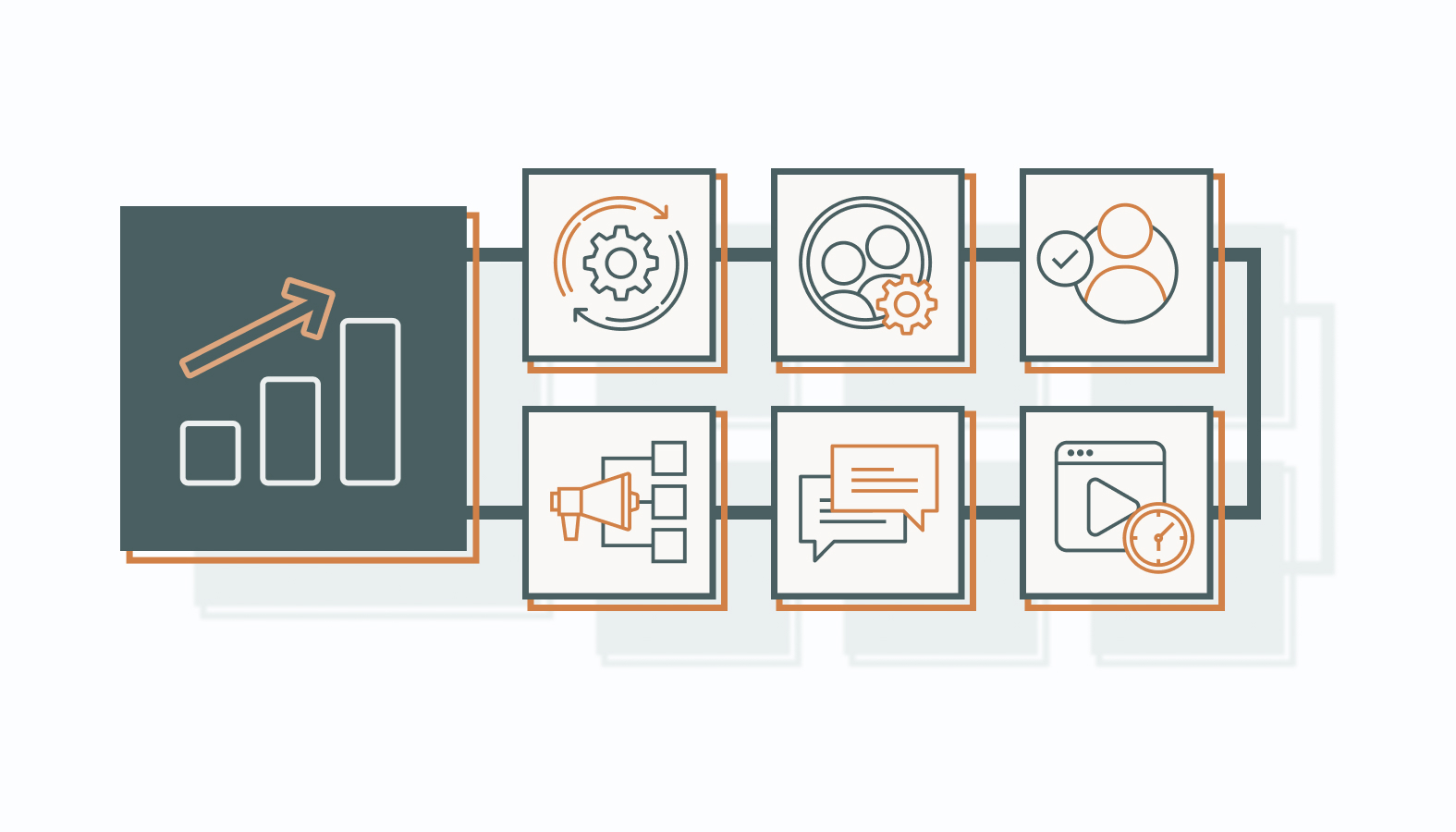
Several emerging trends are defining the next era of digital marketing.
1) Generative AI Becomes a Core Workflow Tool
Generative AI has evolved from a flashy experiment to a must-have workflow accelerator. The conversation has shifted from “can it do this?” to “how quickly can we integrate it into every stage of the marketing funnel?”
Teams now leverage generative AI for:
- SEO-driven content creation that ranks without endless manual edits
- Email campaigns that test subject lines, copy, and CTAs in real time
- Automated variations of social creatives tailored for platform-specific engagement
- Rapid landing page drafts to test messaging and conversion layouts
- Idea generation for campaigns and seasonal content calendars
Generative AI doesn’t replace human creativity. It amplifies it, allowing marketers to explore more concepts, iterate faster, and produce higher-quality outputs across multiple channels simultaneously.
2) Predictive Modeling for Customer Behavior
Predictive AI is rewriting the marketing playbook. Brands no longer wait for signals – they anticipate actions before they happen, turning funnel management into a proactive, not reactive, strategy.
Predictive models can forecast:
- Customer churn risk with precision, letting teams intervene before it’s too late
- Purchase probability across segments to prioritize high-value prospects
- Lifetime value, enabling smarter retention strategies
- Engagement likelihood across campaigns and channels
- Product preferences and affinity shifts in real time
The impact is twofold: marketing becomes more efficient, allocating resources to where they matter most, and more effective, delivering messaging that resonates before a customer even realizes the need.
3) AI-Driven Personalization at Scale
Static customer journeys are obsolete. Today, AI enables dynamic, hyper-personalized experiences at scale, bridging the gap between one-to-one marketing and mass reach.
AI-powered personalization tailors:
- Product recommendations based on browsing behavior and contextual cues
- Messaging flows that adapt mid-funnel depending on engagement signals
- Offers, incentives, and creative formats that align with individual preferences
- Optimal timing, frequency, and channel selection for each customer
The result is that every interaction feels intentional, personal, and frictionless. Brands can deliver context-aware experiences across millions of users without losing precision.
4) AI-Enhanced Paid Media
Paid media has always been data-heavy, but AI supercharges campaign performance beyond simple bidding algorithms. Marketers now gain intelligence that drives strategy at a micro and macro level.
AI informs:
- Real-time bid strategies that optimize for ROI instead of impressions
- Automated creative testing to identify top-performing ads in days, not weeks
- Audience modeling that uncovers hidden micro-segments for precise targeting
- Spend allocation across channels, campaigns, and devices for maximal impact
- Keyword and placement optimization that adjusts dynamically to market signals
When used right, AI in paid media could be smarter, leaner, and more responsive than ever before.
5) Conversational AI for Customer Experience
The chatbot era has matured. Today’s conversational AI understands context, intent, and nuance, providing interactions that feel human.
Key applications include:
- Real-time customer support with intelligent issue resolution
- Pre-sale qualification and lead nurturing that guides prospects efficiently
- Guided shopping experiences that reduce friction and boost conversion
- Automated appointment booking and service scheduling
- Deflection of FAQs to minimize operational burden while improving response times
The payoff is measurable: higher satisfaction, reduced support costs, and consistent customer experiences that scale without ballooning headcount.
6) AI in MarTech Integration
The modern MarTech stack is notoriously fragmented, creating silos and inefficiencies. AI is stitching these systems together, enabling true omnichannel intelligence.
Emerging trends include:
- Unified data layers connecting CRM, analytics, content, and ad platforms
- Cross-platform intelligence that provides a single view of the customer journey
- Auto-synced insights that adjust campaigns across channels simultaneously
- Predictive triggers that ensure messaging aligns with behavior in real time
The result? Marketing teams operate with a coordinated, omnichannel brain, not a collection of disconnected tools. AI integration is the backbone for consistent, scalable performance in the modern digital ecosystem.
Essential AI-Powered Tools for Modern Marketing Teams
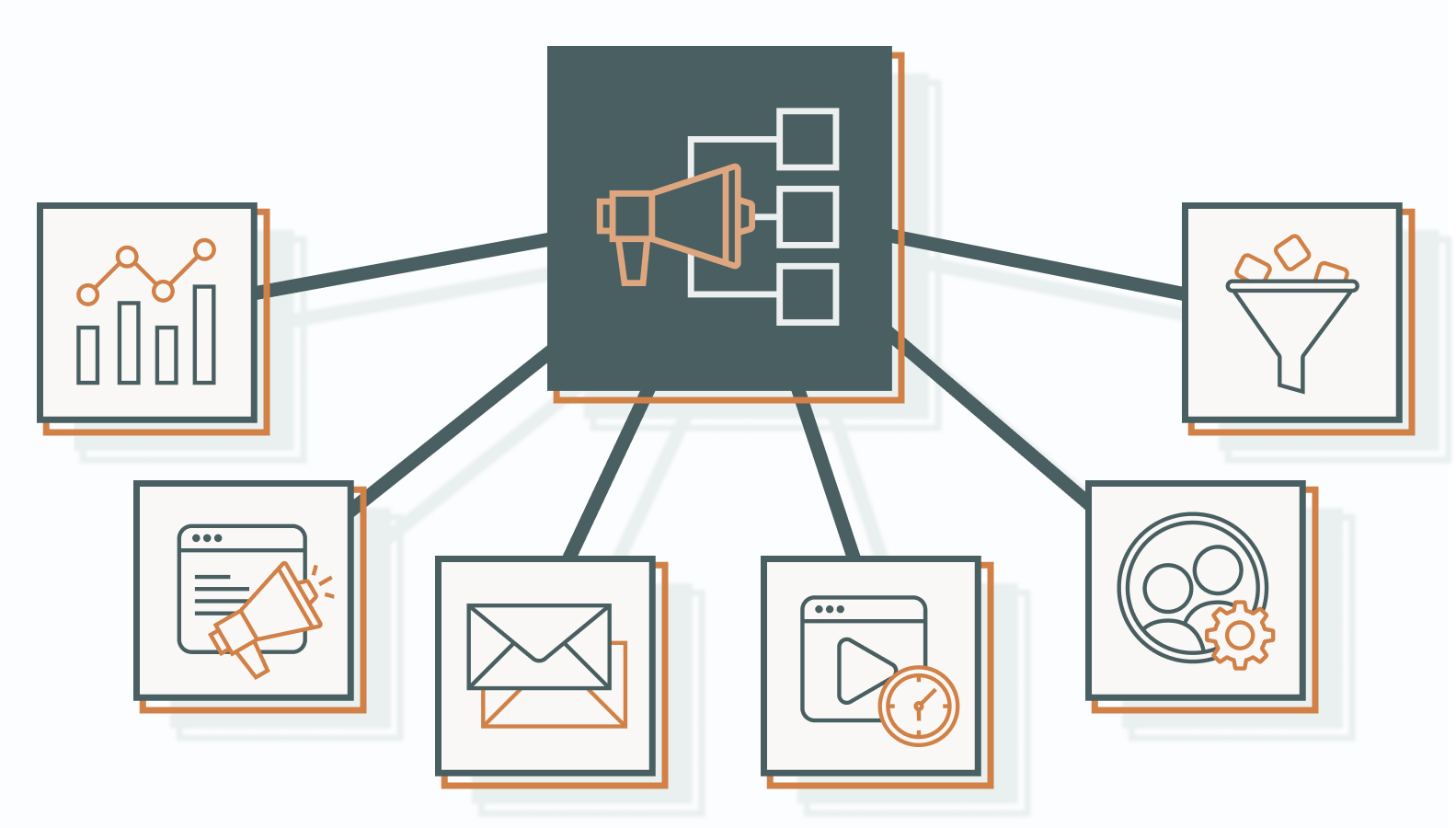
Today’s top-performing teams are building their ecosystems around AI-driven tools. Below is a breakdown of categories leading the charge.
Analytics and Insights
Data without direction is just noise. AI-powered analytics tools turn mountains of raw data into a precise map of action.
Key categories include:
- Predictive analytics platforms: anticipate trends before they hit the radar, letting teams pivot campaigns proactively.
- Multi-touch attribution engines: determine exactly which touchpoints are driving revenue across complex, cross-channel journeys.
- Customer intelligence systems: unify behavioral, transactional, and demographic data to build granular, actionable profiles.
- Heatmapping and UX analysis tools: identify friction points on websites and apps, translating behavior into optimization priorities.
The takeaway: these tools illuminate opportunities marketers wouldn’t see otherwise.
Content Creation and Optimization
Content remains king, but AI is now the kingmaker. Generative and optimization tools speed production and surface ideas that hit the mark faster.
AI assists with:
- Generative copywriting tools: produce drafts, outlines, and variations for blogs, ads, and landing pages without replacing human nuance.
- SEO optimization platforms: recommend keyword strategies, meta structures, and on-page improvements informed by real-time SERP analysis.
- A/B testing generators: automatically create variations to test headlines, CTAs, and layouts, continuously learning what converts.
- Content intelligence dashboards: measure performance at a glance, combining engagement, readability, and topical authority insights.
The result: writers spend more energy refining, less time wrestling with blank pages, and marketers make smarter, data-backed content decisions.
Email Marketing and Automation
AI elevates email from generic batch-and-blast to strategic dialogue with each subscriber.
Capabilities include:
- Send-time optimization: automatically delivers messages when recipients are most likely to engage.
- Segment intelligence: dynamically adjusts segments based on engagement, behavior, and lifecycle stage.
- Predictive scoring: identifies which subscribers are most likely to convert or churn.
- Dynamic content blocks: swap offers, images, or copy automatically to match individual preferences.
Emails are no longer campaigns, but are now personalized experiences at scale.
Paid Media Management
Modern paid media platforms embed AI deep in their DNA, not just as add-ons.
AI optimizes:
- Bidding: real-time adjustments that maximize ROI per impression.
- Creative rotations: automatically surface top-performing ad variants across audiences.
- Audience targeting: leverages micro-segmentation, lookalikes, and behavioral signals.
- Budget allocation: reallocates spend across networks, campaigns, or placements for maximum efficiency.
In short, AI ensures your media spend works smarter, not harder.
Customer Experience and Support
AI transforms CX from reactive support into anticipatory, seamless interaction.
Capabilities include:
- Conversational AI: human-like responses across chat, voice, and messaging platforms.
- Sentiment analysis: detects customer mood and adjusts responses or escalations automatically.
- Intent recognition: understands what a customer wants before they ask directly.
- Personalized response logic: ensures each interaction feels tailored and meaningful.
Customers get fast, frictionless service, and teams focus on high-value problem-solving instead of repetitive queries.
CRM and Lifecycle Management
AI-infused CRMs are blueprints for synchronized marketing and sales execution.
They provide:
- Lead scoring: prioritize prospects most likely to convert.
- Opportunity prediction: forecast deal success and optimal engagement tactics.
- Behavior-driven journeys: automatically adjust messaging and timing based on real-time actions.
- Lifecycle forecasting: anticipate when customers are ready to buy, upgrade, or churn.
Teams now move in unison, operating from a single, intelligent roadmap.
Practical Applications of AI Across Digital Marketing Channels
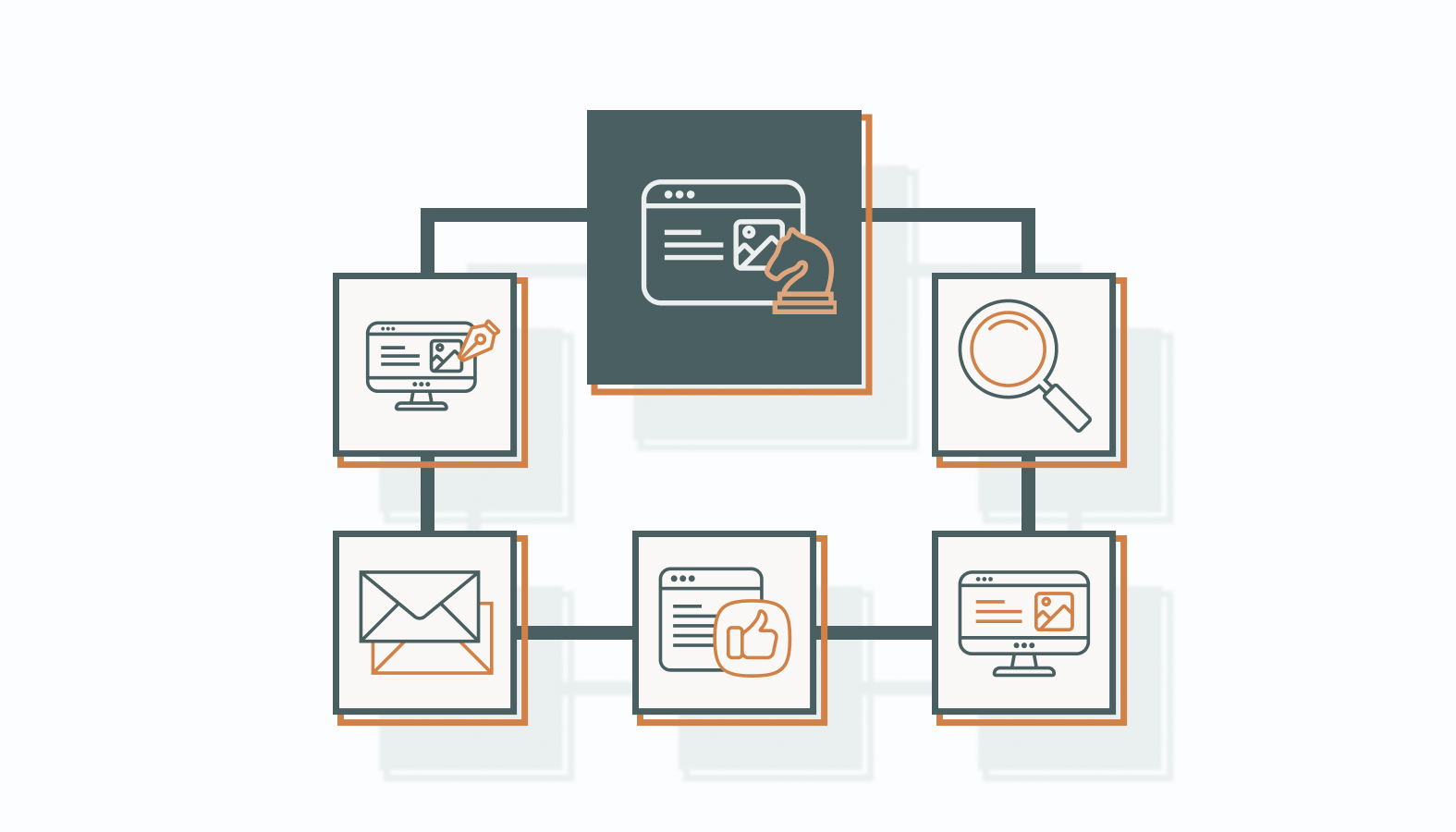
AI’s value becomes clearest when you see how it works across channels in ways humans could never sustain manually.
SEO
AI removes guesswork from search strategy, making optimization engineered rather than intuitive.
Capabilities include:
- Keyword clustering: automatically group keywords by intent for higher relevance.
- Topic intelligence: surfaces related content opportunities to dominate search intent.
- Gap analysis: identifies content holes your competitors haven’t filled yet.
- Optimization recommendations: actionable, prioritized steps based on traffic, engagement, and SERP trends.
- Content scoring: measures readability, topical depth, and likelihood to rank.
- SERP modeling: predicts competitive outcomes for strategic positioning.
SEO becomes precision engineering, not hope and luck.
PPC
AI acts as a performance co-pilot for paid media campaigns.
Key functions:
- Predictive bidding: anticipates cost-per-click fluctuations for ROI optimization.
- Automated budget shifting: reallocates funds dynamically to high-performing campaigns.
- Creative scoring: determines which copy, images, and formats resonate best.
- Audience expansion: identifies untapped, high-value segments.
- Cross-network optimization: adjusts campaigns across platforms without manual intervention.
Campaigns evolve continuously, intelligently, and in real time.
Social Media
AI turns social media from reactive posting into strategic engagement orchestration.
Capabilities include:
- Trend identification: spots emerging topics before they hit mainstream.
- Post timing optimization: ensures maximum reach and engagement.
- Content suggestions: proposes format, tone, and creative angles based on audience signals.
- Sentiment monitoring: detects shifts in perception instantly.
- Social listening: tracks conversations and identifies brand-relevant opportunities.
- Performance predictions: anticipates which content will drive engagement or conversion.
Teams no longer chase trends; they set them.
AI transforms email into context-aware communication channels, not just marketing blasts.
Capabilities include:
- Predictive segmentation: anticipates subscriber behavior for hyper-targeted campaigns.
- Dynamic content blocks: personalizes offers, copy, and visuals on a per-subscriber basis.
- Lifecycle modeling: identifies where each subscriber is in the journey for optimized outreach.
- Churn prediction: flags at-risk subscribers before they disengage.
- Optimal cadence detection: delivers emails at the perfect frequency for each user.
Every subscriber experiences a journey uniquely tailored to them and most likely to convert.
Web Experience
AI converts websites from static brochures into adaptive, responsive ecosystems.
Capabilities include:
- Product recommendations: tailored in real time based on behavior, preference, and intent.
- Real-time messaging: dynamically engages visitors with chat or on-page prompts.
- Dynamic content swaps: adjusts images, copy, and offers automatically to match segments.
- Smart navigation: surfaces relevant content to reduce friction and boost engagement.
- Intent-based pop-ups: trigger context-aware messages that feel relevant, not intrusive.
Visitors perceive a brand that knows them and responds instantly.
How AI Elevates and Refines Modern Marketing Strategy
AI doesn’t replace strategic thinking. It sharpens it.
Sharper Market Understanding
AI doesn’t just report what happened. It exposes hidden patterns and emergent trends that human intuition alone would miss. Leaders gain a real-time lens into:
- Customer behavior shifts across segments and channels
- Emerging market dynamics before competitors catch on
- Competitive signals from pricing, messaging, and product movements
- Channel performance insights beyond surface metrics
- Content resonance at a granular level
The payoff: strategy grounded in evidence, not educated guesses. You see the chessboard before making a move, not after.
More Confident Decision-Making
Predictive AI recommends and validates actions with probabilistic confidence. Leaders can now answer:
- Which campaigns will drive measurable ROI
- Where every marketing dollar generates the highest leverage
- Which audiences are under- or overserved
- How content formats and messaging evolve in real time
- How buying cycles and seasonality shift
Risk shrinks. Precision grows. Decisions go from “Hope it works” to “This will work. Here’s why.”
Better Resource Allocation
AI tells you what truly matters, cutting through operational noise. Teams can:
- Allocate budget to high-impact channels dynamically
- Prioritize campaigns with the highest growth potential
- Spot and retire underperforming initiatives fast
- Align cross-functional resources around clear, high-value outcomes
No more wasted cycles chasing vanity metrics or low-leverage tasks. Focus is surgical, not scattershot.
Faster Iteration Cycles
AI compresses the testing loop from weeks to hours. Marketers can now:
- Generate multiple campaign concepts in parallel
- Test variations across audiences, channels, and formats
- Analyze performance instantly, with actionable insights surfaced automatically
- Optimize in near real time, adjusting creative, messaging, or targeting without manual intervention
Campaigns become living systems that evolve continuously. Your strategy adapts at the speed of the market.
Challenges, Risks, and Considerations When Using AI
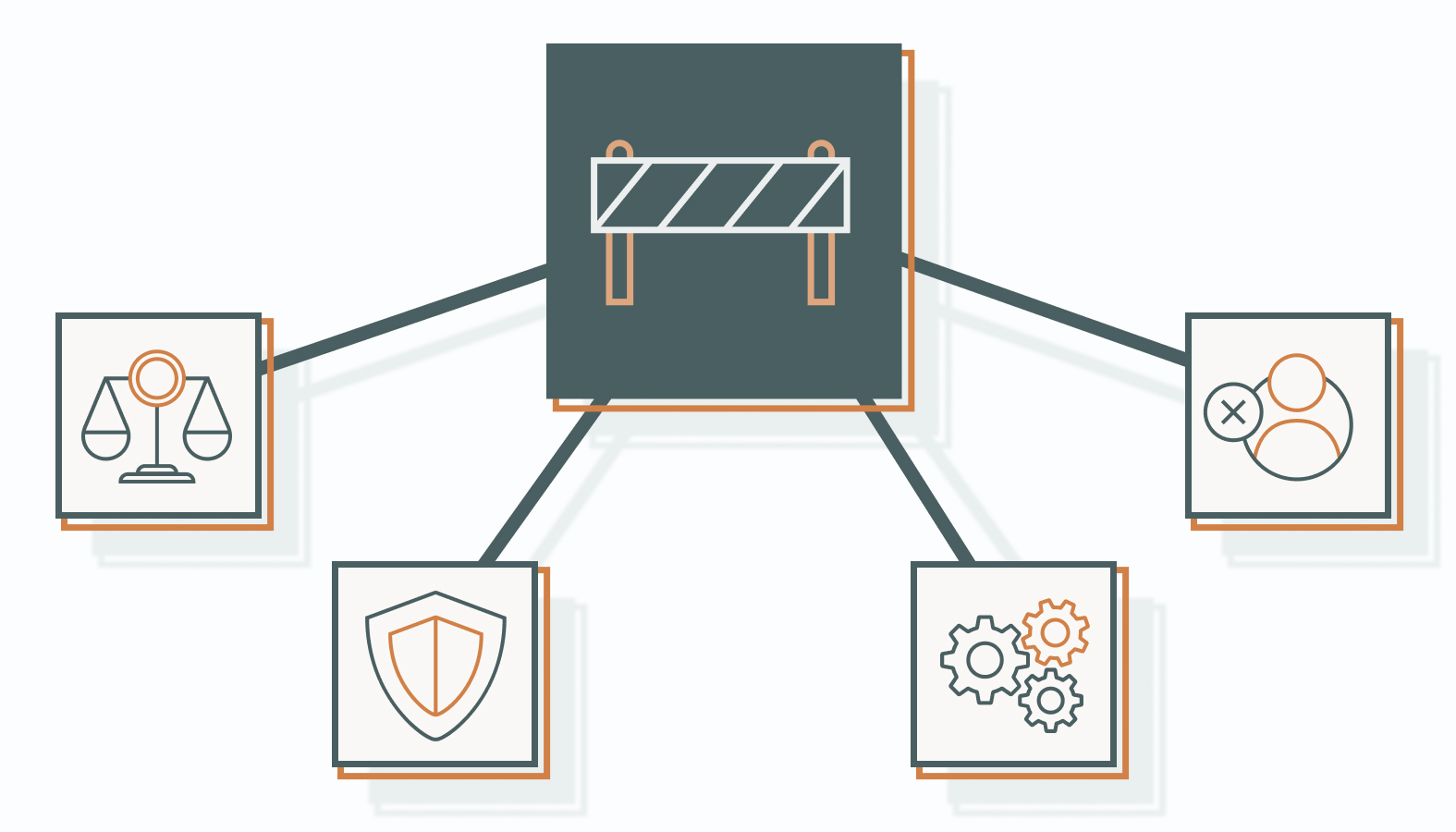
Powerful as it is, AI isn’t a magic wand. Smart teams manage the risks with the same discipline they apply to any strategic tool.
Model Bias
AI mirrors the data it consumes, which means flawed or biased inputs produce flawed outputs. Skewed datasets can misguide strategies, reinforcing errors instead of correcting them.
To manage this, teams must audit and diversify data sources consistently, test automated recommendations against real-world results, and maintain human oversight.
Fairness, ethics, and contextual judgment remain essential. AI is a tool, not an unquestionable oracle.
Data Privacy
AI thrives on customer data, but mishandling it erodes trust faster than a misfired campaign. Protecting data isn’t just compliance; it’s a strategic advantage.
Teams must implement transparent collection and usage policies, enforce strict adherence to privacy regulations like GDPR and CCPA, and maintain secure infrastructure with regular audits.
When trust is preserved, AI-powered personalization becomes a competitive differentiator instead of a liability.
Over-Automation
Automation is seductive, but too much of it dulls nuance and stifles creativity. Teams that lean blindly on AI-generated content risk eroding brand voice, creating generic experiences, and losing the human touch that makes campaigns resonate.
Complex judgment calls cannot be handed entirely to algorithms. AI should enhance strategic thinking, accelerate workflows, and refine creative output (not replace human insight or decision-making).
Skill Gaps
Even the most advanced AI is ineffective without skilled operators. Teams must develop expertise in data literacy to interpret insights correctly, prompt engineering to extract precise outputs, and model interpretation to avoid misreading predictions.
Integrating AI into existing workflows also demands thoughtful redesign. Investing in these capabilities compounds quickly: teams become faster, smarter, and capable of unlocking the full strategic potential of AI across marketing operations.
The Future of AI in Digital Marketing: Emerging Opportunities
AI continues to evolve at breakneck speed, and early adopters are already seeing the contours of the next wave. These trends improve efficiency and redefine what’s possible in marketing.
Hyper-Personalization
The next generation of personalization goes beyond demographic targeting and static preferences.
AI now integrates real-time behavior, emotional sentiment, contextual cues, and predictive triggers to craft experiences that respond to what a customer is doing right now.
This allows brands to anticipate needs, adjust messaging mid-interaction, and deliver offers with a precision that feels intuitive. It’s personalization at scale and relevance that feels human.
AI Co-Creation in Creative Work
AI is transitioning from assistant to collaborator. Teams will leverage intelligent creative briefs, smart storyboarding, multi-format asset generation, and automated brand consistency checks.
This doesn’t replace the human touch; it amplifies it, enabling creative teams to explore more ideas, iterate faster, and maintain a unified brand voice across formats. The future creative workflow will be a partnership: AI accelerates ideation, humans ensure resonance.
Autonomous Marketing Systems
Automation is stepping up from scheduling tasks to running self-adjusting campaigns. AI will manage fully automated optimization loops, cross-channel budget sync, and real-time strategic adjustments, while marketers provide vision, oversight, and context.
This shift allows human teams to focus on high-level strategy and storytelling, while AI handles the operational rigor with speed and precision that no human team could sustain alone.
Unified Customer Intelligence
Data silos will become relics of the past. Emerging AI systems will consolidate every touchpoint into unified profiles, mapping complete customer journeys and predicting lifetime value with unprecedented accuracy.
This holistic view empowers marketers to design experiences and interventions informed by a complete understanding of the customer, rather than fragmented, siloed insights.
Implementing AI in Your Marketing Strategy: A Step-by-Step Guide
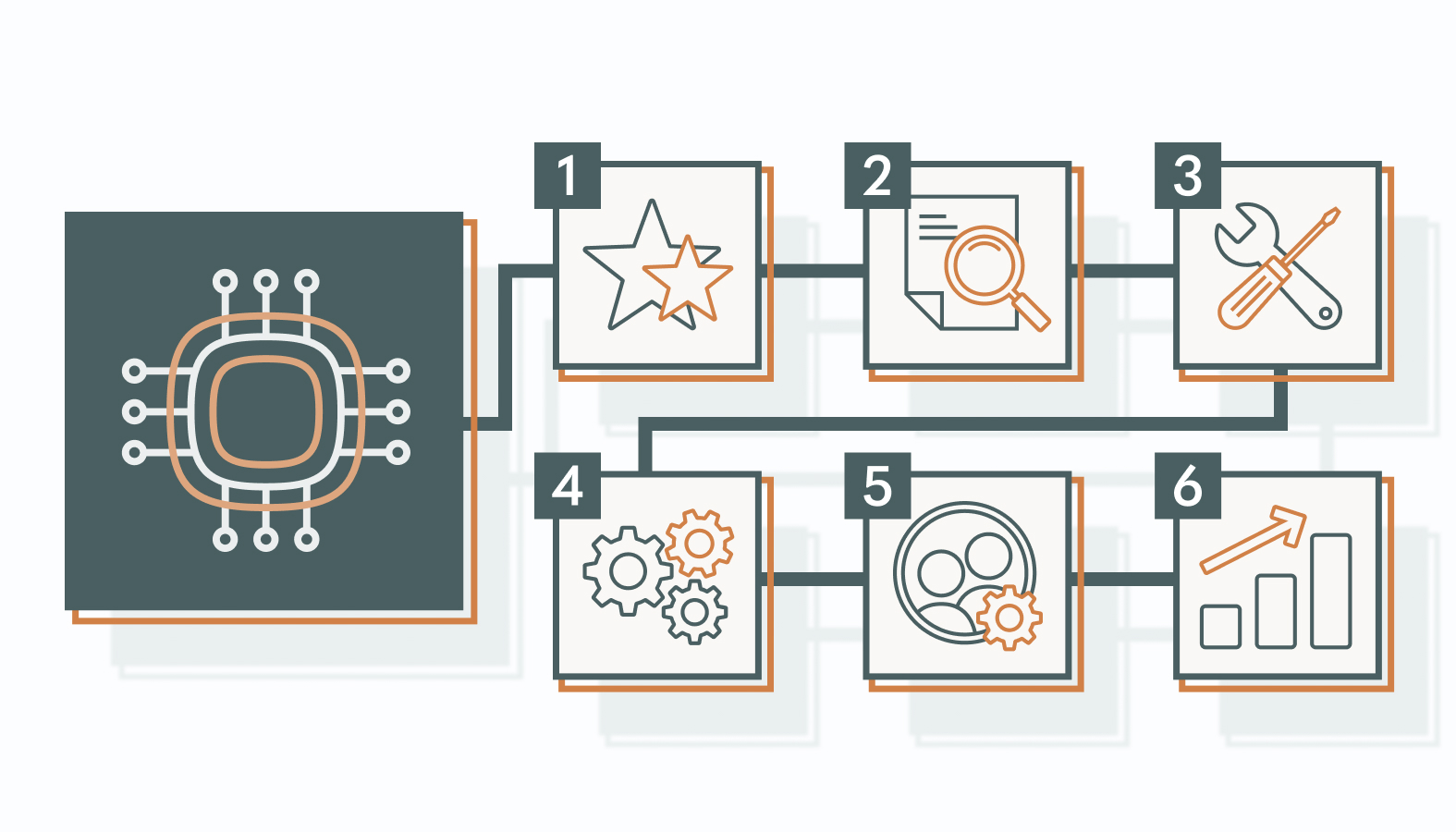
Most teams rush their AI adoption. Smart teams approach it like any strategic transformation: with clarity, structure, and intention.
Step 1: Identify High-Impact Use Cases
Start with areas where AI solves real problems:
- Lead scoring
- Content production
- Campaign optimization
- Predictive analytics
- Customer segmentation
Focus on two to three areas where the ROI is clear, ensuring early wins that justify broader adoption.
Step 2: Audit Your Data
AI is only as effective as the quality of the data it ingests.
Confirm:
- Accuracy
- Completeness
- Accessibility
- Compliance
- Integration readiness
Clean, structured, and accessible data ensures that your models deliver actionable insights, not misleading signals.
Step 3: Select the Right Tools
Simplicity beats complexity. Prioritize tools that integrate seamlessly, deliver transparent outputs, are user-friendly, and maintain strong security standards.
The goal isn’t to adopt every shiny new platform, but to deploy the ones that actually elevate team performance.
Step 4: Redesign Workflows
AI changes how work gets done.
Refine your processes:
- Where AI fits
- Who oversees it
- How insights are used
- When humans step in
A well-structured workflow ensures AI complements human expertise instead of creating bottlenecks or confusion.
Step 5: Train Your Team
Even the most sophisticated AI is useless without skilled operators. Provide hands-on training in AI literacy, prompt engineering, and data interpretation. Teams that master these skills unlock both efficiency and strategic advantage.
Step 6: Start Small. Scale Intelligently.
Pilot programs allow controlled experimentation. Measure impact, optimize processes, and expand gradually.
This “Pilot → Measure → Optimize → Expand” approach keeps risk low, learning high, and ensures scaling AI delivers real business outcomes rather than costly experiments.
Leading With AI: The Marketer’s Advantage
AI isn’t a trend; it’s the next evolution of marketing. Brands that adopt strategically don’t just keep up – they outperform, delivering personalized experiences at scale and turning insights into action faster than competitors.
The right AI, combined with skilled teams, multiplies creativity, efficiency, and revenue. Marketing’s future belongs to those who fuse timeless fundamentals with intelligent automation.
Is your brand prepared to outperform the competition with AI?
Schedule a candid conversation with one of our experts to explore how AI can transform your marketing strategy and give your brand an edge.