


In B2B, some brands don’t just compete – they become the answer. Authority marketing is the long-term practice of positioning your brand as the trusted expert buyers turn to before they even begin comparing vendors. It goes beyond visibility. Buyers have a short list of brands they trust, and those brands earned their place by consistently demonstrating expertise rather than simply advertising more.
If you’re a marketing leader, content manager, or founder tired of your brand being overlooked, that’s exactly what we’re getting into here. And the good news? Becoming that default choice isn’t reserved for the biggest budgets or the most recognizable logos.
What Is Authority Marketing?
Authority marketing is a long-term strategy for building credibility. You’re not just trying to get seen. You’re working to become the brand people trust enough to recommend, reference, and eventually hire.
Defining Authority Marketing in the B2B Context
General brand marketing is largely about recognition. When you layer in authority, the goal shifts. You’re not just familiar; you become the credible choice.
Before signing a contract, B2B buyers typically conduct extensive research, consult stakeholders, and compare multiple vendors. The brands that tend to win those evaluations are the ones that showed up with useful, informed content long before the buying process begins. Running ads gets your brand noticed. Publishing original research, educating your market, and showing up consistently in the right conversations earn buyers’ trust. Those are two very different outcomes.
The Role of Trust and Expertise
In B2B, trust is what moves deals forward. Buyers put their names on vendor decisions. If a recommendation goes sideways, that’s on them, and they know it. So they default to brands that feel established, informed, and reliable. Price resistance tends to drop when trust is already in place, and deals tend to move faster too. When trust is absent, even a strong product struggles to close. Expertise (shared consistently and without a constant sales pitch) is what builds that trust over time.
Why Authority Matters for an Effective B2B Brand Strategy
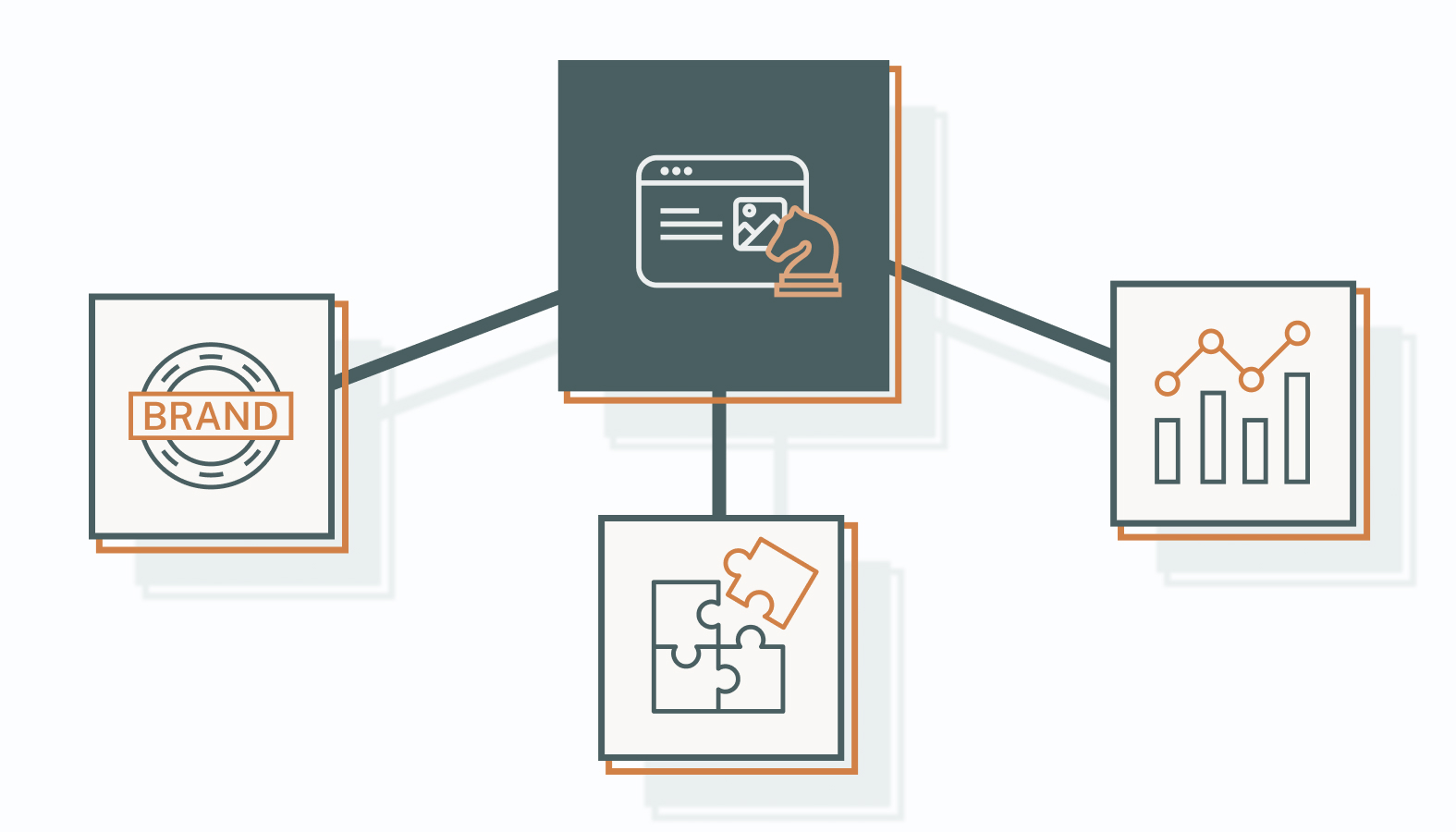
Authority matters for an effective B2B brand strategy because it shapes how buyers behave at every stage of their decision process. A strong B2B brand strategy built on authority changes the entire dynamic of how your company competes.
The “Default Answer” Phenomenon
Some brands reach a point where buyers stop comparing them to alternatives. They simply call them.
Salesforce for CRM and HubSpot for inbound both became shorthand for their categories. Neither happened by accident. Both are the result of sustained authority marketing – consistently educating the market and building a reputation that makes them the low-risk, obvious choice.
Benefits of Authority Positioning
The business case is fairly direct:
- Higher conversion rates: Buyers who already trust your expertise arrive warmer and move through the funnel faster.
- Premium pricing power: Authoritative brands don’t compete on price. Their reputation justifies the figures they charge.
- Shorter sales cycles: When credibility is already established, decision-makers feel more confident and act faster.
- Easier expansion: Trust transfers. An authoritative brand opens doors to new markets, partnerships, and product lines more readily.
The Impact on Lead Generation and Pipeline Quality
Authority-driven brands don’t just generate more leads, but they also generate better ones.
When your brand consistently produces valuable thought leadership content, prospects find you before you find them. They arrive already familiar with your perspective and already inclined to trust you. Inbound leads from authority-driven content tend to convert at higher rates, require less nurturing, and close at better margins. Less cold outreach, more inbound interest from buyers already convinced of your expertise. That’s the pipeline shift authority marketing creates.
Building Authority: Key Pillars for B2B Brands
Authority isn’t built through a single tactic. It develops across several fronts, and when those efforts work together consistently, the effect compounds.

Thought Leadership Content
Thought leadership content is one of the most direct ways to demonstrate expertise at scale. The most effective formats include original research, expert commentary on industry trends, and in-depth guides that solve real problems. What separates brands that gain authority from those that don’t isn’t one great piece, but a consistent output over time.
Treat thought leadership content as an ongoing program rather than a series of isolated content pieces. Put a system behind it, like editorial calendars, clear ownership, and repeatable formats. And when a strong piece lands, maximize its value across multiple channels. A single research report can feed a blog post, a LinkedIn series, a webinar, and a podcast conversation. One investment, multiple touchpoints.
Leveraging Internal Experts
Your internal subject matter experts (SMEs) are an underused asset in most B2B organizations. The people your buyers want to hear from are already on your payroll – they’re just not talking publicly. You don’t have to turn them into content creators. Sit down with them, ask the right questions, and let your writers handle the rest. A single well-structured conversation can stretch across weeks of content when you know how to repurpose it.
Consistency Across Channels
Authority is cumulative. It builds when your brand shows up reliably and recognizably across every channel your audience uses. Your website should clearly demonstrate your expertise. Buyers should encounter the same level of credibility whether they discover your brand on LinkedIn, at an industry conference, in a trade publication, or through a podcast. When those experiences don’t line up, trust takes a quiet hit that’s hard to trace but easy to feel. Inconsistency quietly undermines the credibility you’re working to build.
Third-Party Validation
What others say about your brand carries more weight than what you say about yourself. An award, an analyst mention, a guest byline in a publication your buyers read – those things land differently than your own content does. The same goes for a well-constructed case study or a specific, detailed testimonial. Pursue these actively, feature them prominently, and work them into your content where it makes sense.
Authority Marketing Tactics for Content Managers & Strategists
For the people running content day-to-day, authority marketing lives in the workflows, the metrics, and the processes that keep quality consistent.

Editorial Workflows for Authority Content
Get your SMEs on a regular schedule – even monthly sessions can generate significant content if conversations are structured well. Map out your content at least a quarter in advance – themes, formats, publishing dates, owners. Document your approval process so content doesn’t sit in approval queues waiting for feedback. And plan for repurposing from the start, not as an afterthought.
Measuring Authority Marketing Success
Key authority marketing KPIs include:
- Share of voice – how often your brand appears in relevant conversations vs. competitors
- Backlinks – whether authoritative sites reference your content
- Branded search volume – whether more people are searching for your brand by name
- Engagement metrics – time on page, social shares, comments, and direct inquiries
SEMrush and Ahrefs handle share of voice and backlinks well. Search Console tells you what’s happening with branded queries. BuzzSumo gives you a read on amplification. Bring everything into one dashboard and review performance monthly, with deeper strategic reviews each quarter.
Tools for Monitoring Industry Trends and Competitor Strategies
These tools help you stay informed about emerging topics, changing buyer interests, and competitor activity.
Monitoring Search Trends and Audience Behavior
Google Trends tracks shifts in topic interest over time. Tools like AnswerThePublic and SEMrush’s Topic Research show you the actual questions your buyers type into search bars. Platforms like Brandwatch and Sprout Social let you track what’s being said about your industry in real time, not just what’s being searched. And Google Alerts, as simple as it is, keeps you informed about brand mentions, competitor activity, and industry news without requiring much setup.
Essential Tools for Competitor Analysis
Ahrefs and SEMrush are solid starting points for understanding what competitors rank for, where their backlinks come from, and what content is working for them. Similarweb fills in the traffic and audience picture. BuzzSumo shows which competitor content gains the most traction. For deeper competitive intelligence, tools like Crayon or Klue help track messaging shifts, campaign changes, and positioning over time.
Common Pitfalls and How to Avoid Them
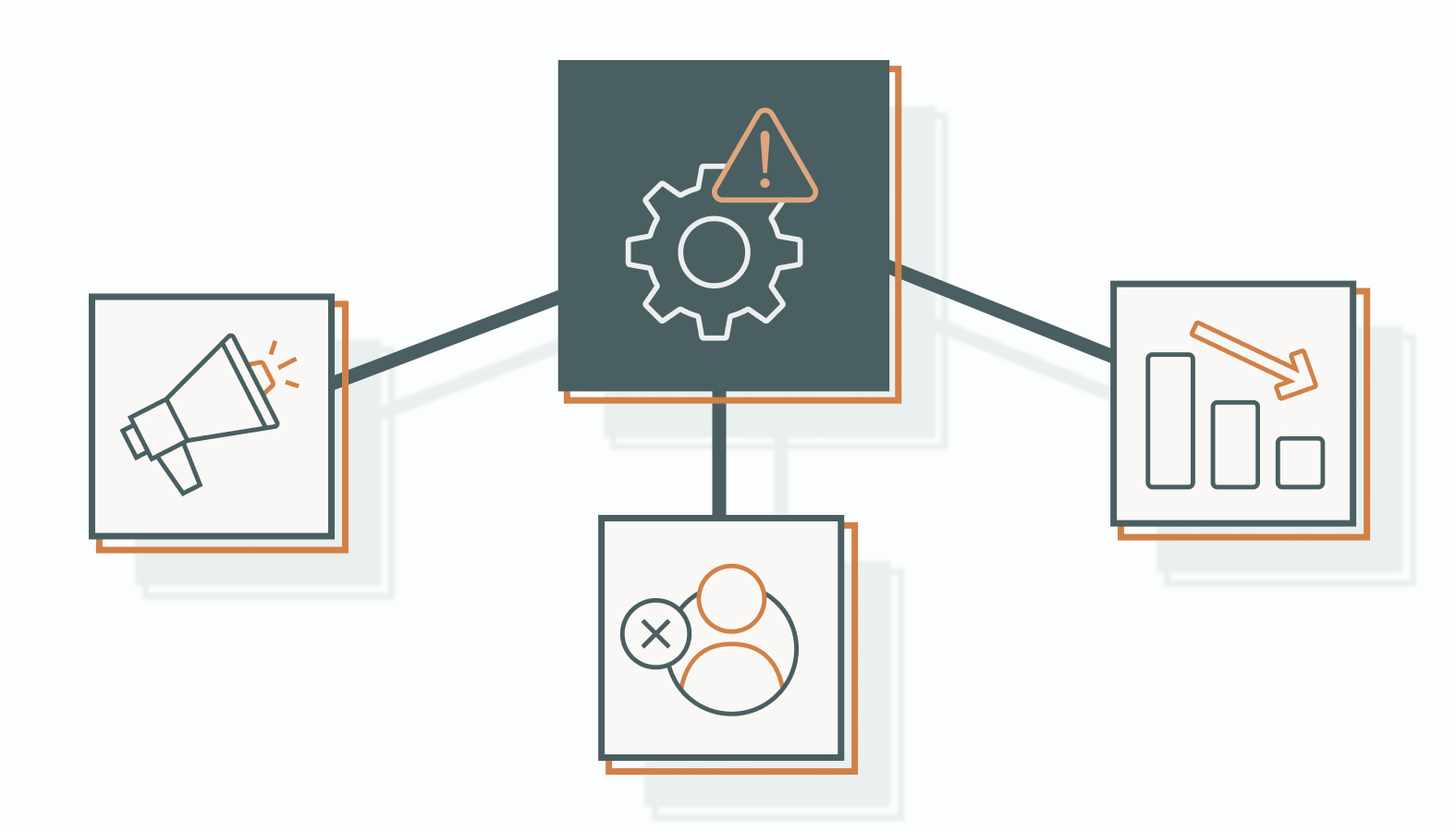
Most authority marketing efforts don’t fail because of bad strategy. They fail because of execution problems that compound quietly over time.
Over-Reliance on One Channel or Voice
Building authority around a single LinkedIn presence or one spokesperson feels efficient until the algorithm changes or that person leaves. Start spreading that risk earlier than you think you need to. Activate multiple internal experts and show up across several channels so your authority doesn’t depend on any one platform staying constant.
Lack of Authenticity or Depth
Generic content doesn’t build authority, but just adds noise. Buyers have read enough of it to spot it fast. If your thought leadership content could have come from any company in your space, it’s probably not doing much for your credibility. Put real people, real data, and real opinions behind it because those factors are the ones that stick.
Neglecting Distribution and Promotion
Publishing good content without a distribution plan is a common and expensive problem. Even genuinely useful content goes unread without active promotion. Build a distribution strategy before the content goes live, such as email, social, PR, paid amplification, and partner syndication. Even exceptional content needs deliberate distribution to reach the right audience.
Case Studies: B2B Brands That Became the Default
A few brands have executed authority marketing well enough that their names now function as category definitions.
HubSpot
HubSpot built its authority before most buyers even knew they needed a product. Free tools, daily blog posts, certification programs – by the time someone was ready to buy marketing software, HubSpot had already spent months being the most useful resource. That’s the difference between authority and awareness.
Salesforce
Salesforce invested in original research that the whole industry cited – their “State of Sales” and “State of Marketing” reports became annual benchmarks. They turned Dreamforce into something people made travel plans for, including customers of competing products. Over time, their community started to feel like a professional movement rather than a user base, and that perception became part of the brand itself.
What both did differently: they made education the center of their strategy, published data nobody else had, and showed up consistently for long enough that the compounding effect became undeniable.
Getting Started: Steps to Build Authority in Your Category

Authority marketing doesn’t require a massive team or unlimited budget. It requires a clear starting point and consistent follow-through.
Audit Your Current Authority Signals
Start by taking stock of where things stand. Go through your website, your social channels, and your recent content with honest eyes. Does it read like it was written by people who really know this space, or does it sound like everyone else? Pull together your third-party proof points too: awards, press mentions, testimonials, analyst references. Then look at what two or three of your closest competitors are doing and figure out where you’re ahead and where you’re not.
Develop a Thought Leadership Roadmap
Define the topics you want to own. Build a content calendar that mixes consistent, lighter output with bigger investments like original research or industry reports. Identify your internal experts and commit to a regular cadence of capturing and publishing their knowledge.
Invest in Content Quality and Distribution
Quality without distribution doesn’t build authority, and distribution without quality doesn’t either. Raise the production standard on your most important content, then put a real promotion plan behind every piece – email, social, PR, partner channels, whatever makes sense for your audience. Track what’s working, drop what isn’t, and keep adjusting.
Frequently Asked Questions About Authority Marketing
1) What is authority marketing in B2B?
Authority marketing positions your brand as the most trusted expert in your industry, building a reputation for credibility and reliability that makes buyers choose you without needing to evaluate every alternative.
2) How long does it take to build brand authority?
Many brands begin seeing early authority signals within three to six months, although measurable business impact often depends on publishing consistency, competition, and industry buying cycles. Reaching default status in a category typically takes one to three years of consistent, high-quality output.
3) What’s the difference between thought leadership and authority marketing?
Thought leadership content is one tool within authority marketing. Thought leadership demonstrates expertise through specific content pieces. Authority marketing is the broader strategy that uses thought leadership (along with validation, consistency, and expert positioning) to build lasting trust.
4) Can small B2B brands compete with larger competitors using authority marketing?
Yes. Smaller B2B companies can often build authority more quickly within a focused niche because they can publish specialized expertise without competing across every topic.
5) What are the best content formats for building authority?
Original research, in-depth guides, webinars, expert interview series, guest articles, and detailed case studies tend to perform best, depending on where your audience spends their time.
6) How can I measure the ROI of authority marketing strategies?
Start with share of voice, backlinks, and branded search volume, then layer in engagement data, inbound lead quality, and sales cycle trends. When those metrics improve together over time, the connection to pipeline and revenue becomes a lot easier to make.
Becoming the Go-To Brand in Your Category
Authority marketing has moved from a differentiator to a baseline requirement for B2B brands that want to stay competitive. Buyers today have more options, more information, and less tolerance for brands that haven’t demonstrated why they’re worth trusting. The brands earning the most valuable deals out-educated their market, consistently, over time.
Your B2B brand strategy needs credibility at its center, aside from reach. The brands leading their categories right now didn’t get there from one strong campaign. They invested in thought leadership content over time, built real trust with their audience, and stayed consistent long enough for that trust to compound into a genuine competitive edge.
If your brand isn’t in that position yet, the path is clear: audit what you have, build a roadmap, invest in quality and distribution, and do it consistently. The market rewards brands that consistently earn trust. And over time, the results show up in your pipeline, revenue, and search visibility.
When you’re ready to take that step, Win With Agency can help you build the strategy to get there. Schedule a candid conversation with one of our experts » No obligation. No pressure. Just a practical assessment of your current authority and opportunities for growth.