



Every customer expects to feel seen, and predictive personalization is how businesses can make that happen at scale. It blends real-time data, AI, and behavior analysis to anticipate what a customer wants before they ask. But getting it right can be tricky: too much data, too little clarity, or misread signals can derail the effort.
In this article, we’ll look at how predictive personalization works, the technologies driving it, and practical ways to apply it so interactions feel timely, relevant, and genuinely useful.
Why Predictive Personalization Matters Right Now
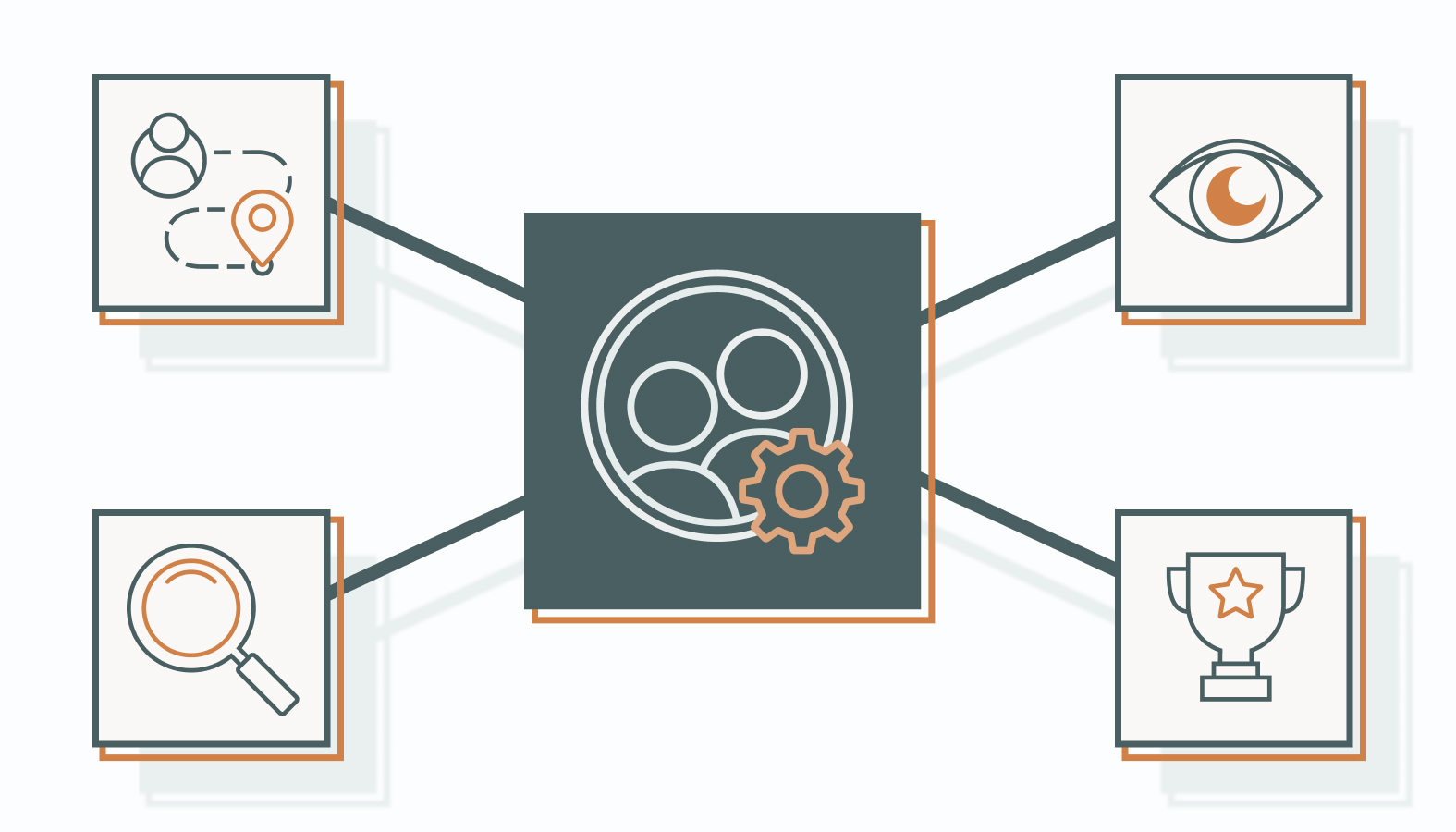
The digital world is louder, faster, and far less predictable than it used to be. Customers aren’t following linear funnels anymore; they’re zig-zagging across apps, devices, chats, and checkout paths like they’ve got teleportation tech.
Predictive personalization brings order to that chaos by giving brands the power to respond with accuracy, timing, and finesse. It transforms scattered interactions into a cohesive experience that feels intentional instead of improvised.
Key forces shaping the urgency today:
- Customer journeys refuse to stay in one lane. People jump between apps, websites, stores, and devices. Predictive personalization links these fragmented touchpoints so users experience continuity instead of constant resets.
- Data is everywhere, but clarity isn’t. Teams are sitting on mountains of analytics with no clear blueprint. Predictive modeling cuts through the static and turns raw information into direction that actually moves the needle.
- Attention spans are microscopic. If a moment doesn’t deliver value immediately, it gets scrolled past. Anticipating what a customer needs before they ask gives brands a fighting chance to capture and keep that attention.
- Competition is ruthless. Brands that “get it right” deliver experiences that feel intuitive, almost effortless, and unmistakably tailored, making every interaction feel like it was engineered just for that user.
Unlocking Predictive Personalization
Predictive personalization is more than a smart upgrade to the customer journey; it’s the operating system for modern experience design.
When companies anticipate what customers want, interactions shift from transactional to genuinely helpful. The result? A smoother, more confident journey that builds long-term trust without overstepping boundaries.
This approach creates a win–win ecosystem: customers feel understood, and businesses earn engagement that translates into sustained growth.
Benefits of Predictive Personalization
By fusing historical patterns with machine learning, predictive personalization equips brands with a deeper understanding of what motivates individual choices, unlocking more precise recommendations and tailored content.
- For businesses: Increased engagement, stronger retention, and lift across conversion-driving moments.
- For customers: Fewer irrelevant asks, less friction, and experiences that feel thoughtfully constructed rather than overly engineered.
Utilizing AI and Machine Learning Effectively
AI and machine learning serve as the core intelligence behind predictive personalization, processing signals at a speed and scale that humans simply can’t match. These systems detect patterns, refine predictions, and continuously optimize what each user sees next.
Examples in action:
- Netflix lining up recommendations that match subtle viewing habits.
- Amazon predicting “You might also need…” with uncanny accuracy.
Together, these tools make digital experiences feel intuitive, almost like the interface is reading the room in real time.
The Mechanics of Predictive Personalization
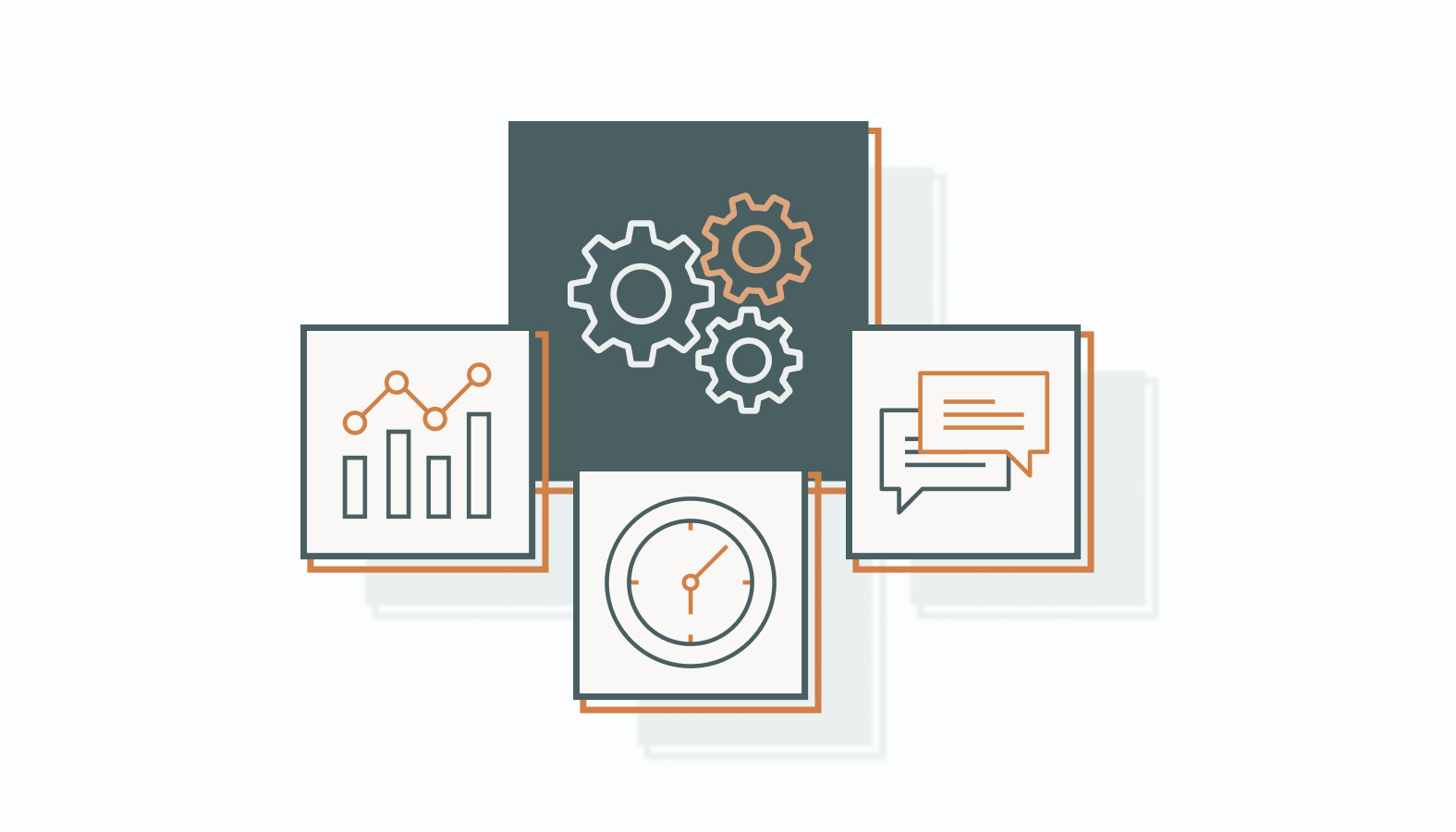
Behind every seamless personalized experience is a well-orchestrated framework that turns disparate data points into insight-driven interactions.
Understanding these mechanics ensures personalization feels intentional and aligned (not forced or distracting).
Optimizing Data Collection and Analysis
Predictive personalization draws from demographic, behavioral, transactional, and interaction-based data. When these inputs are collected consistently across channels, they reveal more than preferences; they reveal patterns that guide smarter engagement.
Analytics methods that power meaningful customization:
- Clustering: Groups customers by shared behavior or characteristics.
- Regression: Helps forecast likely outcomes based on past actions.
- Natural Language Processing (NLP): Interprets language from reviews, conversations, and support interactions to uncover sentiment and intent.
These tools help transform data into insights that elevate personalization across the entire journey.
Implementing Real-Time Personalization
Real-time personalization uses fast, intelligent systems, such as AI-powered recommendation engines and CDPs, to adapt experiences on the fly.
The goal is simple: meet the customer where they are, with what they need, in the moment they need it.
For example, when an online shopper browses a product line, real-time systems update recommendations instantly, surfacing items that match their most recent signals.
This responsiveness not only increases the relevance of the experience but also boosts the likelihood of conversion by presenting meaningful options at the perfect moment.
Common Misconceptions About Predictive Personalization
Even with the best intentions, teams often run into common misconceptions that can limit the impact of predictive personalization if left unaddressed.
“It’s only for big companies.”
Not anymore. Today’s tools have leveled the playing field, enabling lean teams to launch prediction-driven experiences baked into CDPs, email platforms, and analytics tools without needing a full AI lab.
“It’s just advanced segmentation.”
Segmentation categorizes audiences. Predictive personalization forecasts what a specific user will likely do next, enabling precision far beyond static group labels. It creates moment-by-moment relevance, not static groupings.
“It’s inherently creepy.”
The creep factor comes from poor execution. When personalization is rooted in behavior users clearly express and supported by transparent communication, it becomes helpful, not intrusive.
“You need flawless data.”
Most companies never reach “perfect” data maturity. What matters is data consistency and freshness, not completeness. Small, high-signal data sets (recent actions, purchase patterns, session behavior) frequently outperform years of scattered historical data.
Advanced Strategies and Techniques for Predictive Personalization
Predictive personalization is engineered foresight. The brands that win are orchestrating experiences with the precision of a well-tuned arc reactor.
With the right strategy, data intelligence, and tech stack, teams can turn scattered signals into personalized moments that feel sharp, intentional, and incredibly human.
The sections below break down high-impact ways to shape predicted behaviors, decode micro-interactions, strengthen emotional loyalty, and inform smarter product innovation, helping teams stay ahead of demand and build customer relationships that actually last.
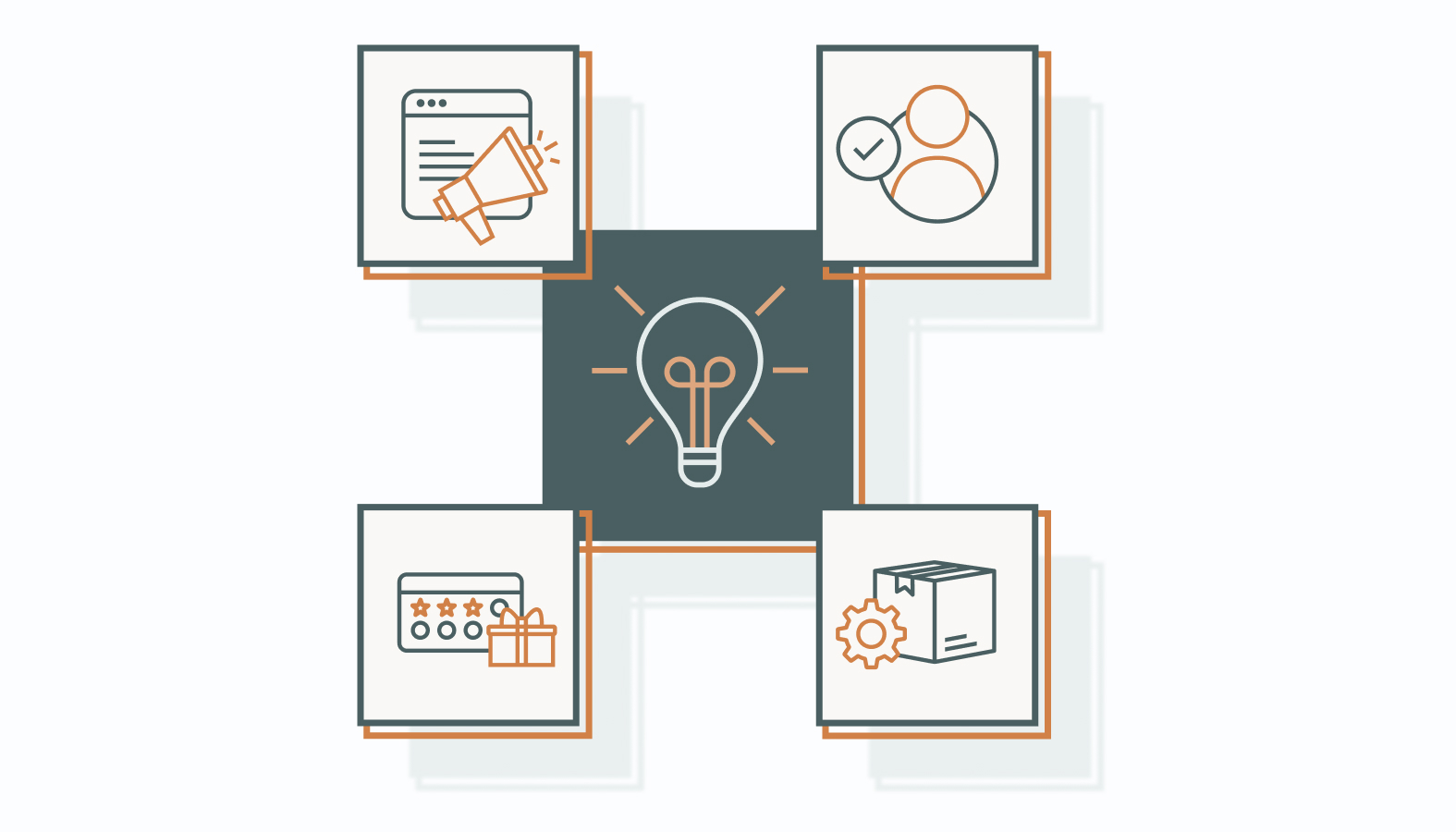
Customizing Content for Predicted Behaviors
Sharp personalization starts with anticipating what customers are about to do next and meeting them there with clarity and relevance. Instead of blasting broad messages, teams tap behavioral histories and trend patterns to tailor experiences in real time.
Practical ways to operationalize it include:
- Behavior-based segmentation that refines audiences by action patterns instead of static attributes.
- Dynamic content modules that adapt on-page or in-app content as signals shift.
- Context-aware emails triggered by intent, not just time or campaign cycles.
- Adaptive interfaces that surface the most relevant paths, offers, or tools based on predicted needs.
The outcome: customers experience communication that feels synchronized with their decisions, not a step behind.
Effectively Leveraging Micro Behaviors
Micro behaviors are the digital equivalents of tells at a poker table (tiny signals that reveal what users care about before they say anything). Scroll velocity, hover hesitation, repeat taps, abandoned filters… each one is a micro-moment of intent.
Teams can use:
- Heatmaps and scroll tracking to understand what holds attention versus what gets ignored.
- Session replays to spot friction before it balloons into drop-off.
- Fine-grained click paths to map early signs of curiosity or comparison behavior.
These insights help brands refine experiences with surgical accuracy, reducing cognitive load and making users feel like the interface is reading their needs almost intuitively without crossing into the uncanny.
Building Customer Loyalty with Emotional Insights
Data tells you what people do. Emotional signals tell you why. When brands combine both, personalization becomes less mechanical and more meaningful.
Ways to translate emotional cues into smarter engagement:
- Sentiment and tone analysis from chat, reviews, and social content to understand emotional states at scale.
- Feedback loop analysis to identify frustration points, delight moments, and shifting expectations.
- Opt-in biometric or contextual signals (e.g., wearables, environment) that add nuance to motivation and mood.
This level of emotional intelligence helps brands craft experiences that feel empathetic rather than automated, which strengthens loyalty, softens friction, and builds trust that compounds over time.
Creating Future-Ready Product Solutions
Predictive insights don’t just personalize experiences; they shape what gets built next. By analyzing patterns in intent, usage behavior, and emerging needs, teams can design products that feel one step ahead of the market.
Key applications include:
- Forecasting feature demand to prioritize updates that resonate with evolving preferences.
- Mapping nascent trends uncovered through cross-channel behavior (search, conversations, usage patterns).
- Informing long-term roadmaps so product decisions reflect where the audience is going, not where they’ve been.
This forward-looking approach positions brands to release offerings that feel timely, intuitive, and unmistakably built for the next wave of customer expectations.
Quick Starter Checklist for Teams
A streamlined checklist to help teams build predictive personalization that’s strategic, ethical, and scalable:
- Set measurable objectives. Clarify whether you’re optimizing for engagement, conversions, retention, or experience flow.
- Map pivotal journey moments where predictions can reduce friction or boost clarity.
- Unify your data layer so high-signal insights aren’t trapped across tools or teams.
- Start with lightweight prediction models (likelihood-to-buy, churn probability, next-best-action).
- Validate assumptions through controlled experiments to ensure predictions actually improve user experience.
- Continuously monitor and iterate to sharpen accuracy and eliminate drift.
- Stay transparent with users by giving them control and communicating clearly how data powers personalization.
Implementation Challenges and Pitfalls in Predictive Personalization
Even the sharpest predictive engine can sputter if execution is sloppy. Building intelligent, future-ready personalization isn’t just about algorithms – it’s about discipline, calibration, and respect for the customer’s trust.
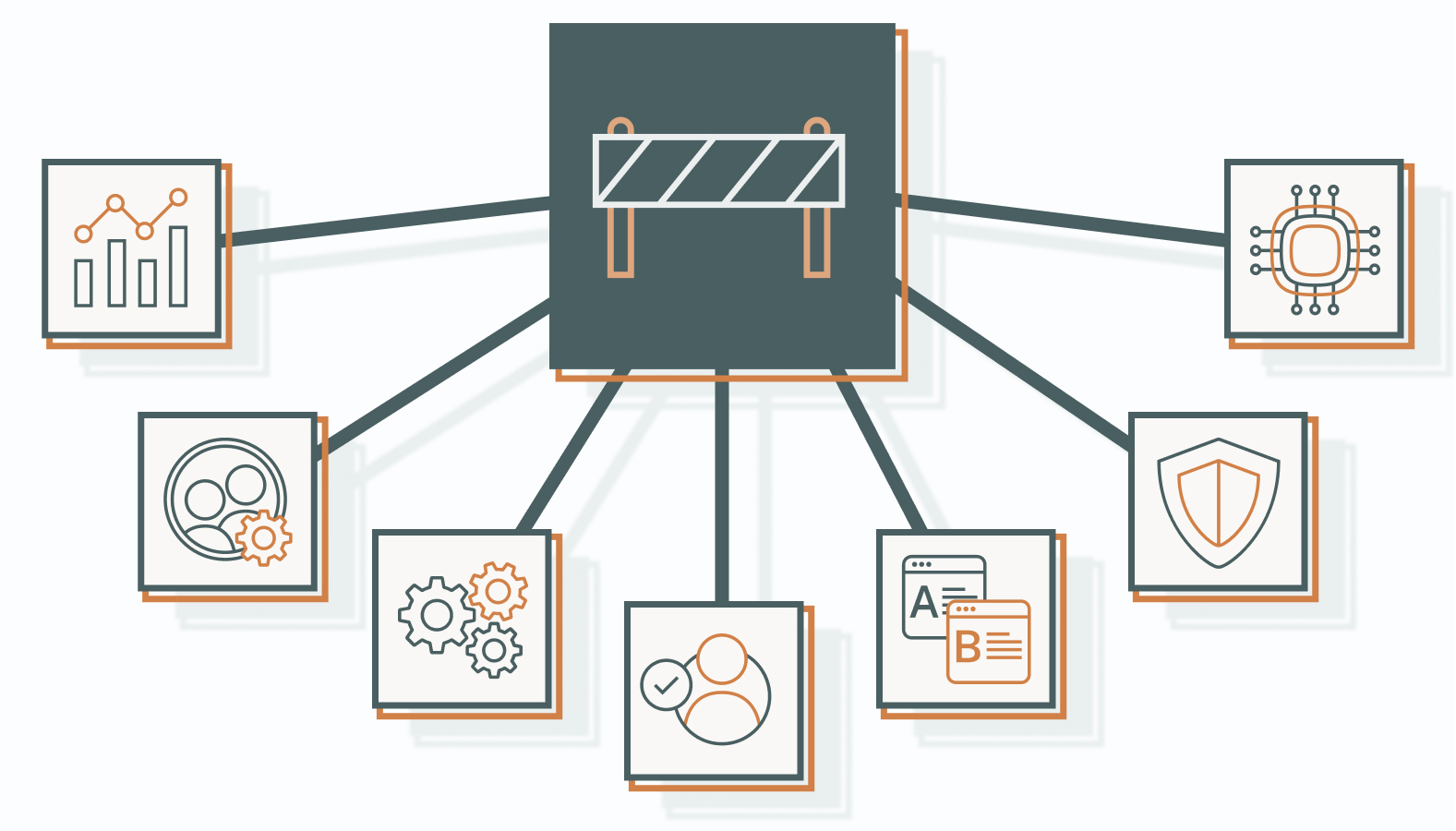
Here’s what can derail a program faster than a malfunctioning arc reactor and how to keep everything running smooth, stable, and scalable.
1) Over-collecting data that never gets used
- Why it matters: Hoarding data “just in case” slows systems, muddies signal quality, and heightens compliance exposure. When everything is collected, nothing stands out – and your models end up lifting weights they don’t need.
- Practical approach: Collect what has purpose. Zero in on behavioral, transactional, and contextual inputs tied to specific use cases. Audit quarterly and purge the dead weight.
- Example: Capturing thousands of micro-interactions per session without prioritizing meaningful ones forces models to overfit noise instead of identifying true patterns.
2) Personalization that feels too aggressive or invasive
- Why it matters: If personalization jumps from “helpful” to “how did they know that?”, trust evaporates. Timing, tone, and subtlety separate strategic precision from digital overreach.
- Practical approach: Modulate personalization based on familiarity. Early-stage interactions should feel supportive, not presumptive. Build depth over time.
- Example: Showing “handpicked” upgrades to a brand-new visitor feels like a hard sell. Surfacing relevant add-ons after a clear browsing intent feels natural.
3) Relying solely on automation without human oversight
- Why it matters: AI sees patterns, but humans understand nuance. Unsupervised models can drift, misclassify intent, or generate clumsy outputs that a human would instantly flag.
- Practical approach: Blend AI intelligence with human calibration. Teams should routinely review model insights, refine triggers, and sanity-check outputs.
- Example: An algorithm might assume a spike in browsing activity means strong purchase intent, when it could simply reflect someone comparing prices before buying elsewhere.
4) Ignoring cultural or contextual behavioral differences
- Why it matters: User behavior isn’t universal. Regional norms, seasonal shifts, and demographic differences can alter how people browse, decide, and respond. Missing this context leads to tone-deaf experiences.
- Practical approach: Train models with contextual segments. Adjust thresholds and recommendations based on geography, timing, or device type.
- Example: Promoting “holiday specials” globally assumes everyone celebrates the same peaks, when many markets follow completely different rhythms.
5) Rolling out personalization without proper testing
- Why it matters: Even strong prediction logic fails if the delivery mechanics are off. Without structured testing, teams guess instead of measuring, and users pay the price.
- Practical approach: Use controlled experiments to test content sequencing, placement, and timing. Validate before scaling.
- Example: Two nearly identical recommendation modules may perform drastically differently – testing reveals which version quietly boosts conversions without disrupting the flow.
6) Protecting data privacy and security
- Why it matters: Trust is the real currency. Mishandling personal information jeopardizes relationships, triggers regulatory blowback, and undermines every personalization effort that comes after.
- Practical approach: Encrypt aggressively, monitor continuously, and communicate clearly. Give customers granular control and ensure consent stays explicit, not implied.
- Example: A clean, user-friendly preference center builds credibility far faster than a buried “manage data” link with vague explanations.
7) Managing technological and resource investments
- Why it matters: Predictive personalization runs on infrastructure, talent, and ongoing optimization. Poor planning drains budgets and leaves teams with tools they can’t fully leverage.
- Practical approach: Start small, scale deliberately. Train internal teams, leverage modular platforms, and invest only after validating impact.
- Example: Launching with a simple next-best-action model lets teams pressure-test assumptions before committing to full-blown machine learning pipelines.
Industry-Specific Use Cases

Predictive personalization doesn’t look the same in every sector. It flexes to each industry’s buying cycles, customer expectations, and data realities.
- Retail: Anticipate next purchases, serve tailored bundles, optimize cart recovery timing, and adjust recommendations in the moment.
- Finance: Identify loan or investment intent, deliver tailored financial guidance, and surface relevant educational content.
- Healthcare: Suggest follow-up actions, support adherence with timely nudges, and personalize care pathways.
- Travel: Predict booking windows, customize itineraries, and recommend upgrades aligned with past preferences.
- SaaS: Detect churn early, personalize onboarding flows, and highlight features aligned with user maturity.
Real-World Success in Predictive Personalization
These real-world wins show how predictive personalization moves from theory to tangible results, boosting relevance, efficiency, and revenue across different business models.
Here are some leading industry examples:
Netflix refines viewing suggestions using intricate pattern detection, increasing long-session engagement without ever feeling repetitive.
Amazon elevates product discovery with eerily accurate next-step predictions, increasing purchase momentum through well-timed prompts.
Stitch Fix blends data science with human expertise to deliver hyper-relevant outfit recommendations. Their hybrid model (algorithmic predictions paired with stylist oversight) keeps recommendations accurate and grounded in personal taste. The result: higher satisfaction, stronger retention, and a service that feels custom-built for each user.
These examples set the benchmark: when predictive systems are tuned correctly, personalization feels frictionless, intelligent, and unmistakably crafted for each individual.
Looking Ahead: Turning Predictive Intelligence Into Competitive Advantage
Predictive personalization isn’t just another optimization tactic – it’s the backbone of a smarter, more intuitive customer experience ecosystem. When teams pair strong data foundations with real-time intelligence and thoughtful human oversight, personalization stops feeling like automation and starts feeling like clarity. It transforms fragmented interactions into meaningful touchpoints that reflect what customers genuinely want, when they want it.
Companies that lean into predictive insights gain more than engagement lifts – they earn relevance. They build journeys that feel fluid instead of forced, supportive instead of salesy, and future-ready instead of reactive. And as expectations continue to rise, the brands that invest now will set the pace for the next wave of customer experience innovation.
Ready to Build What’s Next?
Predictive personalization becomes a true growth engine when strategy, technology, and empathy work in sync. If you’re exploring how to elevate your customer experience with intelligent, scalable personalization, our team can help you map the path forward.
Schedule a candid conversation with one of our experts, and let’s uncover how predictive intelligence can make your marketing sharper, faster, and unmistakably more human.