


A marketing tech stack is the collection of software your business uses to attract leads, automate campaigns, track performance, and support revenue growth. It typically includes tools for CRM, email marketing, analytics, content management, advertising, and automation. However, as stacks grow larger and more complex, especially in B2B and SaaS, keeping systems connected and maintaining accurate data becomes increasingly difficult.
This article covers how to audit your stack, fix data integrity issues, and make smarter decisions in 2026 about the tools you use.
Understanding the Modern Marketing Tech Stack
Every marketing activity, from generating leads to measuring campaign ROI, depends on technology. Your marketing tech stack brings these tools together so data flows between teams and campaigns run efficiently.
A typical marketing tech stack includes:
- CRM systems for managing customer relationships
- Email marketing platforms for campaign automation
- Social media management tools for publishing and engagement
- Analytics platforms for performance tracking
- Content management systems (CMS) for websites
- Advertising platforms for paid campaigns
- Marketing automation software for lead nurturing
Although these terms are often used interchangeably, each has a slightly different meaning.
- Martech stack is the broadest term – it covers all marketing technology regardless of business type
- B2B marketing tech stack refers specifically to tools built around longer sales cycles, lead nurturing, and account-based marketing
- Digital marketing tech stack focuses on online channels like web, email, paid ads, and social – leaving out offline channels entirely
While these terms overlap, understanding the differences can help you evaluate whether your current stack matches your business needs. The right definition depends on your business model, but the tools themselves should be pointing in the same direction: toward your goals, and never away from them.
Why Your Tech Stack Matters
Your marketing tech stack shapes almost everything your marketing team touches – content output, lead generation, campaign execution, and how accurately you can report on any of it. When the tools are right, your team moves faster, and your data remains accurate across platforms.
As organizations grow, marketing teams often add new platforms without evaluating how they fit into existing workflows. Over time, disconnected systems create duplicate data, inefficient processes, and reporting inconsistencies that make marketing performance harder to measure. In 2026, this problem becomes more common — marketing teams manage more platforms than before, and it becomes harder to keep data consistent across all the many tools you add.
Signs Your Marketing Tech Stack Needs Evaluation
Your marketing tech stack likely needs evaluation if teams spend more time working around tools than using them, or if different platforms report conflicting performance data. Stack sprawl becomes an issue nowadays because most organizations are actively using fewer than half the tools they’re paying for.
Common Pain Points
Watch for these common warning signs:
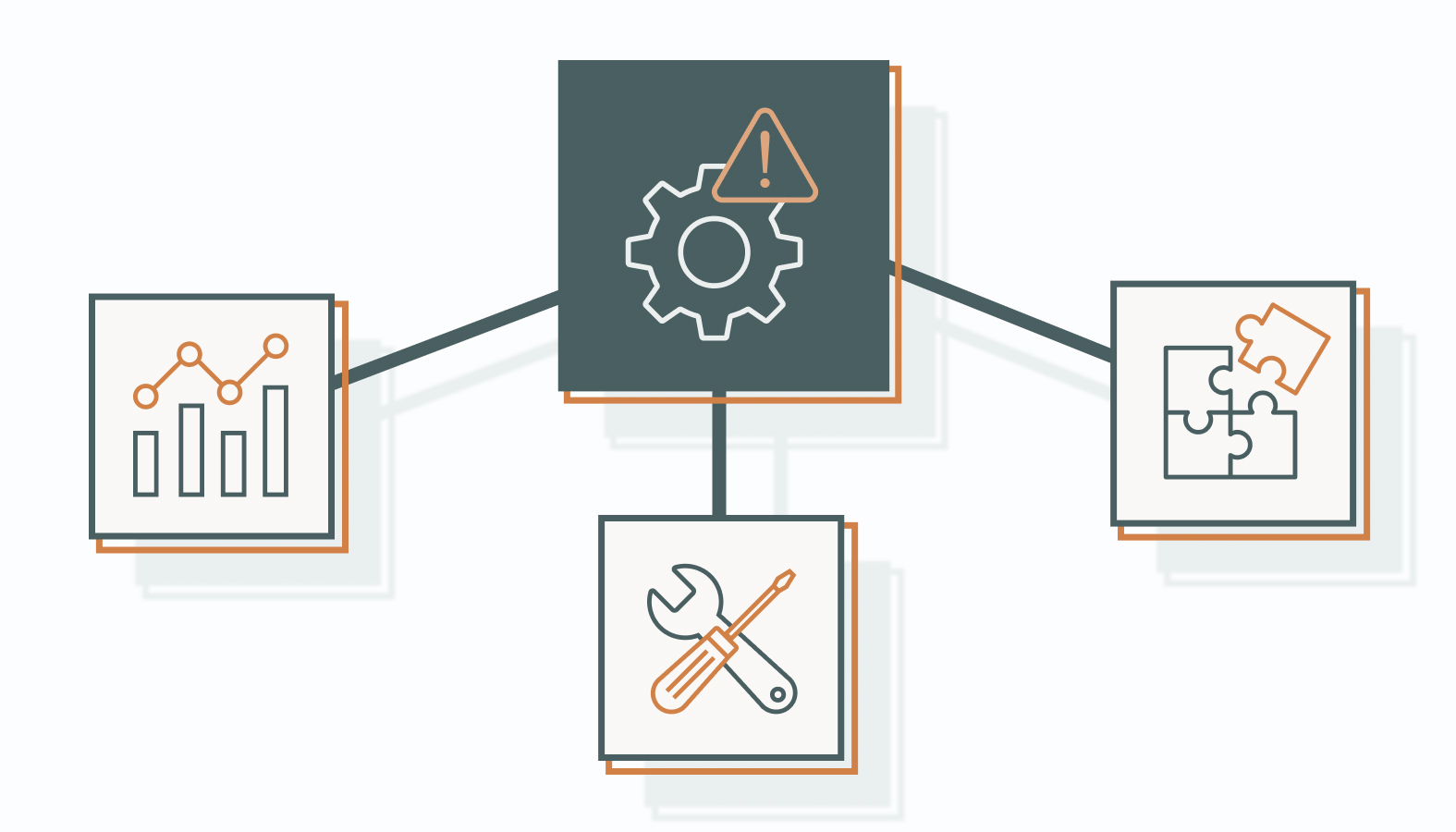
Data silos and inconsistencies – Marketing and customer data become fragmented across platforms, resulting in conflicting reports, duplicate records, and incomplete campaign insights.
Redundant tools and wasted budget – It’s easy to accumulate tools that do overlapping things, especially as teams grow. Paying for multiple platforms that serve the same function drains the budget without adding value.
Poor integration and workflow bottlenecks – If your team regularly exports spreadsheets or manually transfers information between systems, your tools aren’t integrating effectively. These workarounds slow teams down and increase errors.
The Cost of Poor Data Integrity
When the data in your marketing tech stack is unreliable, the consequences go beyond messy spreadsheets.
Inaccurate reporting means campaign performance becomes a guessing game. You could be putting more budget behind something that stopped working weeks ago, or pulling back on something that was actually gaining traction. Gartner puts the average annual cost of poor data quality at $12.9 million per organization — and in B2B marketing, that tends to surface as lost leads and ad spend that never converts.
The financial impact is only part of the problem. The bigger problem is what bad data does to decision-making. When leadership can’t rely on what’s visible, strategy drifts, and that’s a difficult place to try to scale from.
Key Steps to Evaluate Your Marketing Tech Stack
Evaluating your marketing tech stack means looking at what you have, how it’s being used, and whether it’s serving your business goals, then making changes based on what you find.

Audit Your Current Tools and Platforms
Create a complete inventory of every marketing platform your team uses, including active subscriptions, legacy systems, free tools, and rarely used applications. Group them by what they do: lead gen, content, automation, analytics, and so on.
Then assess each one honestly:
- Is it actively being used?
- What is it costing monthly or annually?
- Does another tool in your stack already do the same thing?
This exercise often reveals software subscriptions that continue consuming budget despite seeing little or no use.
Map Your Workflows and Data Flows
Once you’ve documented your tools, follow a single lead from its first website interaction through the sales handoff. Identify every point where data is transferred, manually entered, or fails to sync between systems.
When platforms fail to synchronize automatically, records begin to diverge across systems. Those small inconsistencies compound over time, making dashboards, campaign reports, and forecasting less reliable.
Assess Data Integrity and Quality
Establish clear standards for required fields, formatting, duplicate handling, and record ownership. Then schedule routine audits using built-in CRM tools or dedicated data quality software to identify missing, duplicate, or inconsistent records before they affect reporting.
Many CRM and automation platforms have built-in data quality features; use them. If yours don’t, there are standalone data hygiene tools that integrate with most major platforms.
Benchmark Against Industry Best Practices
Compare your technology stack, integration maturity, and data governance practices with organizations of similar size or within your industry. Industry reports from Gartner, Forrester, and HubSpot can reveal opportunities to consolidate tools, strengthen reporting, improve automation, and compare your stack against current adoption trends.
This isn’t about copying what your competitors do to be on the trend, but about identifying gaps you might not have noticed because you’re too focused on your own setup.
How to Improve Data Integrity in Your Martech Stack
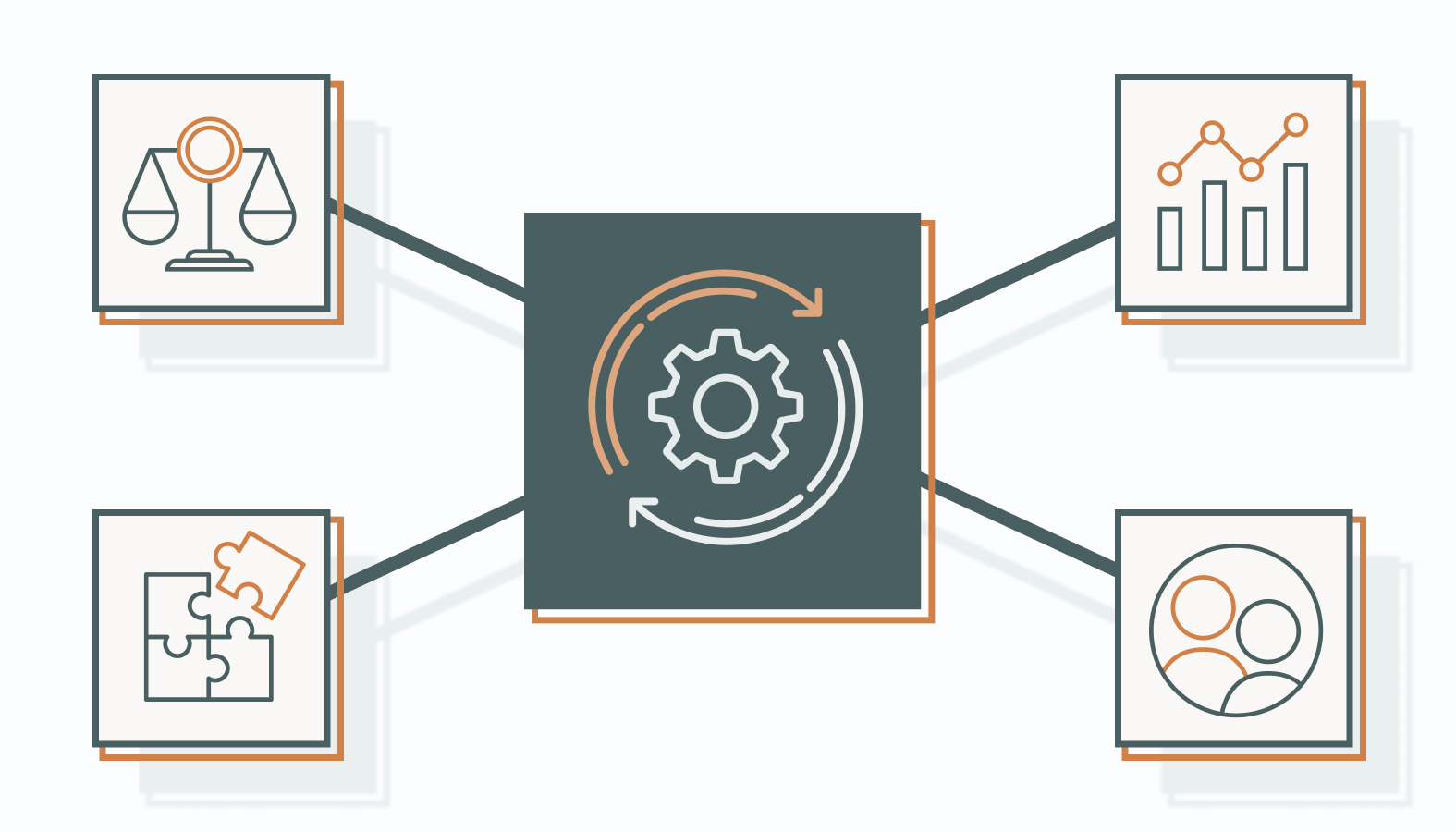
Improving data integrity in your martech stack comes down to four things: governance, integration, automation, and culture. Each one addresses a different layer of the problem.
Implement Strong Data Governance
Assign clear ownership for customer records, campaign data, and reporting standards. Clear ownership promotes consistent data quality across teams while reducing conflicting processes and reporting discrepancies.
Limit editing access to the people who need it. Document your data sources, field definitions, and processes in a place the whole team can find. Without documentation, every new hire or contractor will make their own assumptions, and those assumptions compound over time.
Integrate and Unify Data Sources
Fragmented data is the core problem behind most reporting issues. Customer Data Platforms (CDPs) consolidate information from multiple marketing channels into unified customer profiles, while integration platforms (iPaaS) automate data sharing between systems. Common iPaaS solutions such as Zapier, Make, and Boomi automate connections between existing platforms, reducing manual work while keeping customer data synchronized.
The goal is to create a centralized, reliable source of information that every team can access and trust.
Automate Data Validation and Cleansing
Manual data cleanup has two problems: it’s slow, and people make mistakes. Automated data validation reduces manual effort while improving consistency across customer records.
Configure validation rules at the point of data entry so duplicate records, missing fields, and formatting errors are flagged before they enter your system. Then run scheduled cleansing routines to catch anything that slips through. Reducing manual intervention helps improve consistency while lowering the risk of human error.
Foster a Data-Driven Culture
Technology supports data quality, but consistent processes and employee adoption determine long-term success. If your team doesn’t understand why data quality matters, the problems will just keep coming back.
Invest in training that explains how bad data affects real outcomes – missed leads, wrong budget allocations, inaccurate forecasts. Build accountability into your processes with regular data quality check-ins. When employees understand how their work affects reporting and business decisions, maintaining clean data becomes a shared responsibility rather than an IT task.
Choosing the Right Tools for Your 2026 B2B Marketing Tech Stack
Every addition to your B2B marketing tech stack should solve a clearly defined business problem rather than fill a perceived gap.
Criteria for Selection
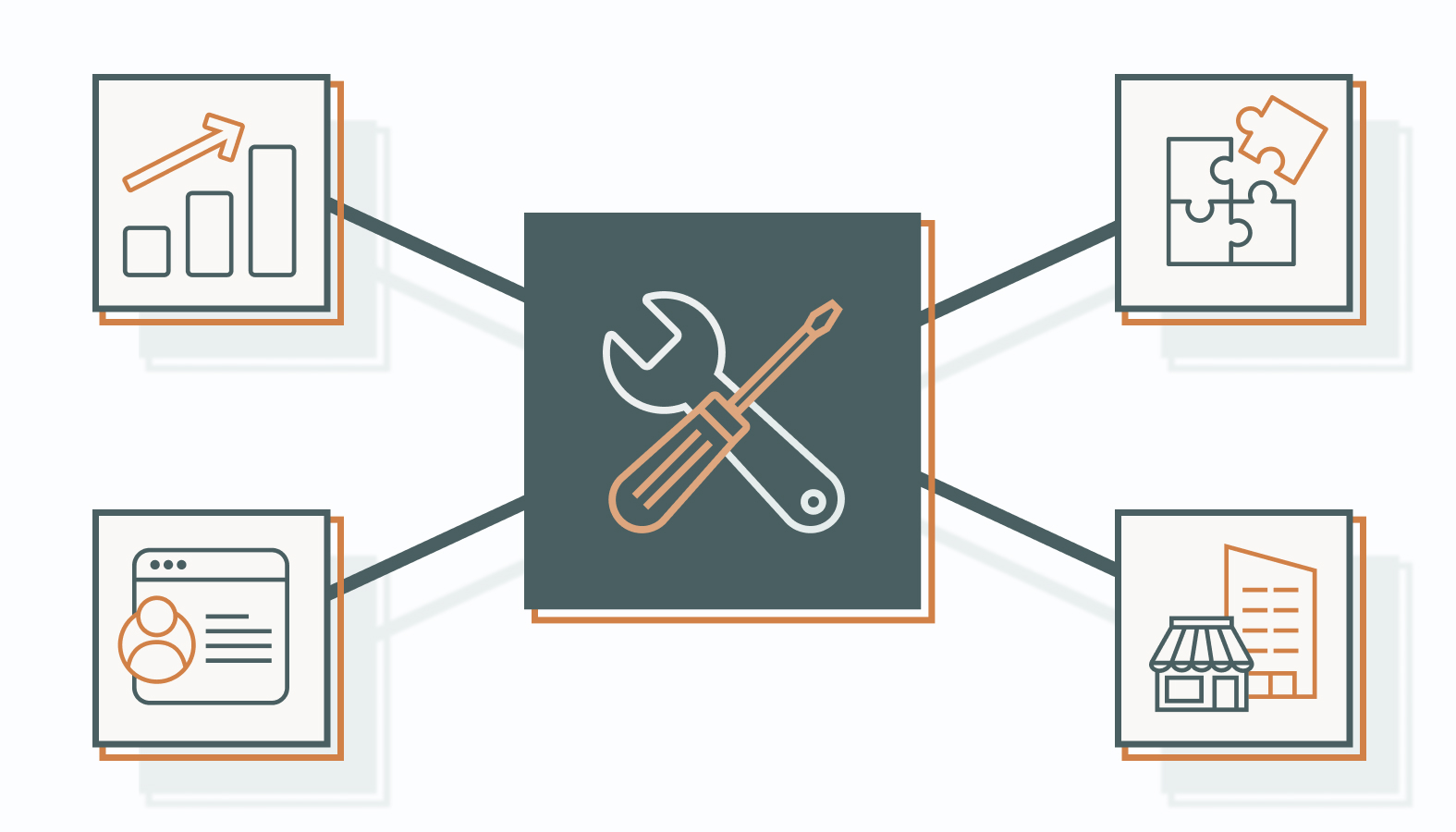
Evaluate every new tool against these four factors:
- Scalability for future growth – Can it handle more data and more users as your team grows?
- Integration with existing platforms – Does it connect with your existing platforms without heavy custom development?
- Ease of adoption across teams – Will your team actually use it, or will it sit in a browser tab and get ignored after the first month?
- Vendor support and reliability – When something breaks or doesn’t behave as expected, is there a real person available to help?
Evaluating Vendors and Solutions
A demo shows you what a tool looks like when everything goes right. By contrast, a trial shows you what it’s like to actually work with it. Run the trial with your real workflows, then talk to other B2B teams that have used it. Ask about the onboarding process, how support handled problems, and whether the integrations held up under normal use.
A vendor with honest answers and verifiable references is worth a lot more than one with a smooth presentation.
Future-Proofing Your Stack
Choose tools with open APIs and flexible architectures. As your strategy shifts or new channels emerge, you need a stack that can adapt without requiring a full rebuild. Look for vendors with a clear product roadmap and a history of updating their platforms in response to market changes. Prioritize vendors that regularly release security updates, integration improvements, and AI capabilities to keep your marketing stack competitive. Strong documentation and active customer support are equally important indicators of a platform’s long-term viability. As AI agents become standard features inside marketing platforms in 2026, choosing vendors with a clear AI roadmap has become a baseline requirement for staying competitive.
FAQs About Marketing Tech Stacks and Data Integrity
1) What is the ideal number of tools in a marketing tech stack?
Most B2B organizations operate effectively with six to twelve core marketing tools, although the ideal number depends on business complexity and integration needs. More than that, the integration complexity can outweigh the benefit. Every tool should solve a specific, measurable problem.
2) What are the essential components of a modern marketing tech stack?
Every modern marketing tech stack should include a CRM, marketing automation platform, analytics tool, content management system (CMS), advertising platform, and social media management solution. Depending on your model, you may also need a CDP, ABM platform, or webinar tool.
3) How often should you audit your martech stack?
At least once a year. In fast-moving B2B environments, a review every six months is more realistic. Also, audit after any major business change, such as a new product launch, a shift in strategy, or a merger.
4) How can I build a marketing tech stack for a small business?
Start with a CRM, an email marketing platform, and an analytics tool. Expand your stack only when an existing solution can no longer support your business requirements.
5) What’s the difference between a CRM and a CDP?
A CRM manages direct relationships with leads and customers: sales activity, communication history, and pipeline. A CDP aggregates data from every channel to build a unified customer profile for segmentation and personalization.
6) How do you measure ROI on your martech investments?
Measure each tool against a specific business outcome. Track usage rates, then measure impact on lead velocity, conversion rates, and campaign performance. If a tool isn’t moving any of those figures, it’s time to question whether it belongs in your stack.
7) What are the most common data integrity mistakes in B2B marketing?
Siloed platforms that don’t sync, inconsistent data entry across teams, no regular audit schedule, poor or missing documentation, and over-reliance on manual processes.
Future-Proofing Your Marketing Tech Stack for Sustainable Growth
A digital marketing tech stack that performs well today isn’t guaranteed to perform well two years from now because channels change, tools improve, and business priorities shift. The stacks that hold up over time get reviewed regularly, not just set up once and left alone. The martech landscape is consolidating fast, and teams that don’t review their stack regularly risk paying for tools that AI-driven platforms have already made redundant.
Organizations that regularly evaluate their marketing tech stack identify issues sooner, allocate budgets more efficiently, and make decisions based on reliable data.
Start by auditing your existing tools, documenting how data moves through your systems, and addressing the most critical data quality gaps first. Then, put a review on the calendar for six months out. The stacks that stay healthy get checked consistently — not only fixed when something breaks.
If your marketing tech stack has become difficult to manage, an outside assessment can quickly identify integration gaps, redundant software, and data quality issues. Schedule a candid conversation with one of our experts to identify integration gaps, improve reporting accuracy, and build a marketing tech stack that supports long-term growth. No pressure, just an honest look at what’s working, what isn’t, and what to do next.