



High season changes the rules, and they’re not always in your favor. What looks like a growth window often becomes a test of control, timing, and decision-making under pressure. In this environment, high season ad spend optimization becomes critical as performance shifts accelerate and inefficiencies compound.
Results rarely break overnight; they drift. Margins tighten, returns fluctuate, and small inefficiencies compound until they impact overall performance. The signals are there, but without the right visibility, they’re easy to miss.
In the sections ahead, you’ll see how these shifts take shape, where performance starts to slip, and what distinguishes stable campaigns from costly volatility during peak demand.
Understanding High-Season Ad Spend Challenges
High season changes how ad performance behaves, and those shifts happen fast. Costs rise, competition tightens, and budgets lose efficiency almost overnight. What worked a few weeks ago may no longer hold as more advertisers compete for the same audience.
The Economics of Seasonality
Seasonal swings do more than increase demand. They change how ad platforms function.
- Auction Dynamics: Most platforms use auction-based bidding. When competitors flood the market during events like Black Friday, the cost-per-click (CPC) and cost-per-thousand-impressions (CPM) rise sharply.
- Budget Depletion: If you maintain standard bidding levels, your daily budget might run out by midday, which means you miss out on high-intent shoppers who browse later in the evening.
For example, a retailer selling outdoor furniture might see a massive interest spike in May. Without monitoring real-time trends and pacing spend, they either overspend early or lose visibility when competition peaks. Visibility and timing matter more than volume alone.
The Cost of Poor Planning
Poor planning during a peak period leads to several direct issues:
- Missed Opportunities: Poor forecasting often leads to under-allocated budgets. You hit your spending limit early and watch competitors capture the remaining conversions.
- Wasted Spend: Conversely, overestimating demand leads to bloated bids or running ads for audiences that don’t convert, which drains your ROI.
- Resource Pressure: Last-minute changes to creative assets or campaign pivots often lead to poor execution and missed deadlines.
Consider an e-commerce brand that ignores Cyber Week competition. If their budget caps out at noon, they miss the high-converting evening crowd. Similarly, a travel company that fails to account for spring break auction prices will face high acquisition costs and a blown budget. In short, poor planning directly reduces both efficiency and revenue.
Peak-Season Budget System: Build for Speed and Control
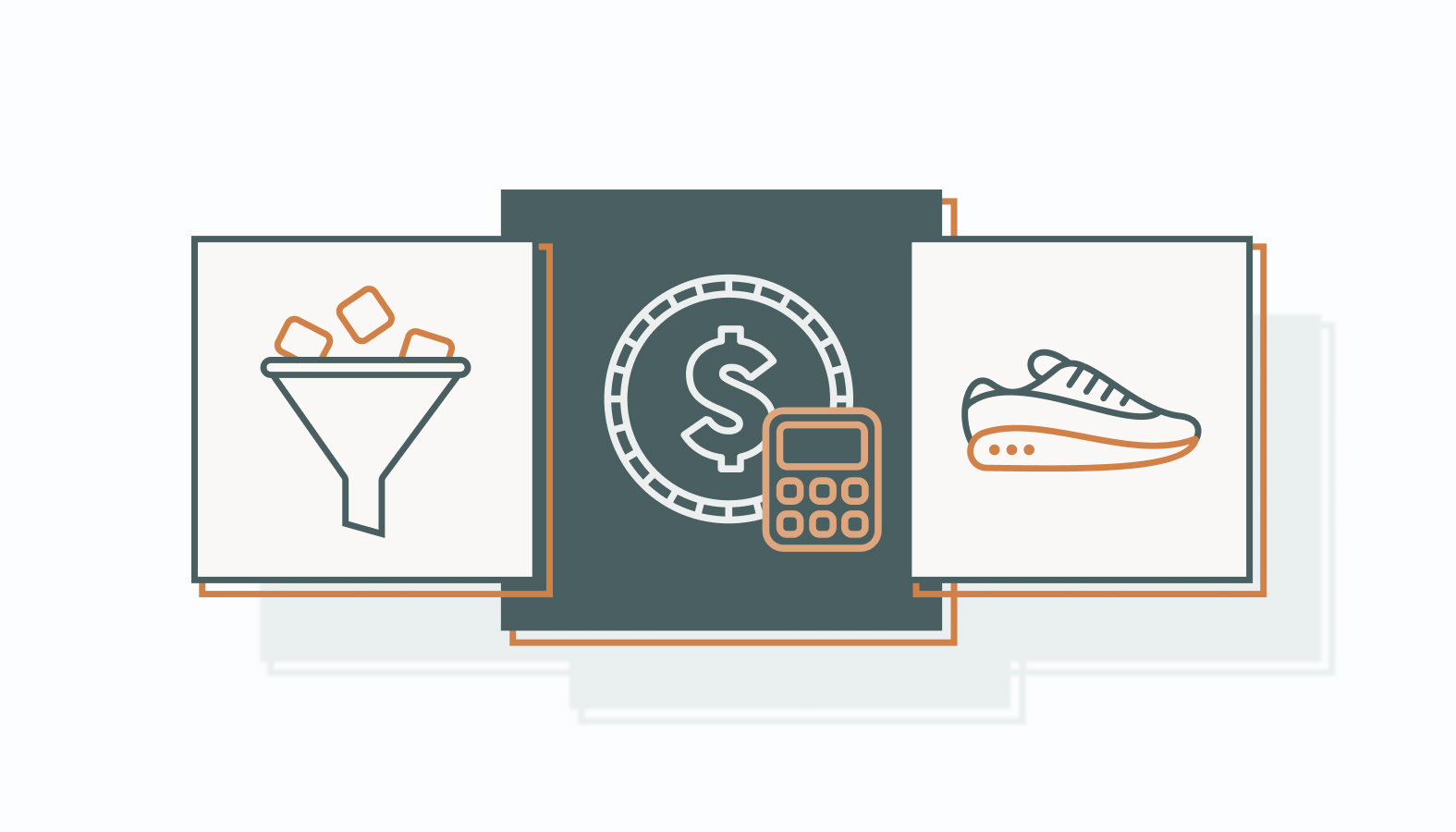
When auctions surge, static plans break. You need a budgeting system that reacts as fast as the market shifts. The goal isn’t just to spend for spending’s sake; it’s to adapt continuously without losing control.
Full-Funnel Attribution as Your Decision Engine
Last-click data hides what actually drives conversions. During peak periods, customers interact with multiple touchpoints before buying. If you only credit the final click, you’ll misallocate budget.
A full-funnel attribution model gives you:
- Accurate funding decisions: Invest in channels that drive conversions, not just close them
- Visibility into influence: Identify upper-funnel campaigns that consistently assist revenue
- Faster reactions: Adjust spend based on what’s working right now, not assumptions
With clear attribution, every budget move becomes more confident and less reactive.
Dynamic Budgeting Frameworks
Data alone isn’t enough. Your budget needs to respond to it in real time.
A high-season-ready system includes:
- Live performance inputs: Optimize using current metrics, not historical averages
- Flexible allocation: Shift spend fluidly across campaigns as performance changes
- Predefined guardrails: Use CPA or ROAS thresholds to trigger action automatically
To make this work:
- Build dashboards tracking conversion rate, ROAS, and pacing
- Monitor performance frequently (hourly during peak volatility)
- Define decision thresholds before the surge begins
- Keep approvals fast and focused to avoid delays
This transforms your budget from a fixed plan into a responsive system that captures opportunity and limits waste.
Advanced Optimization Strategies: How to Maximize Your System
Once your foundation is in place, performance gains come from how well you activate and refine it. This is where good systems turn into a competitive advantage.
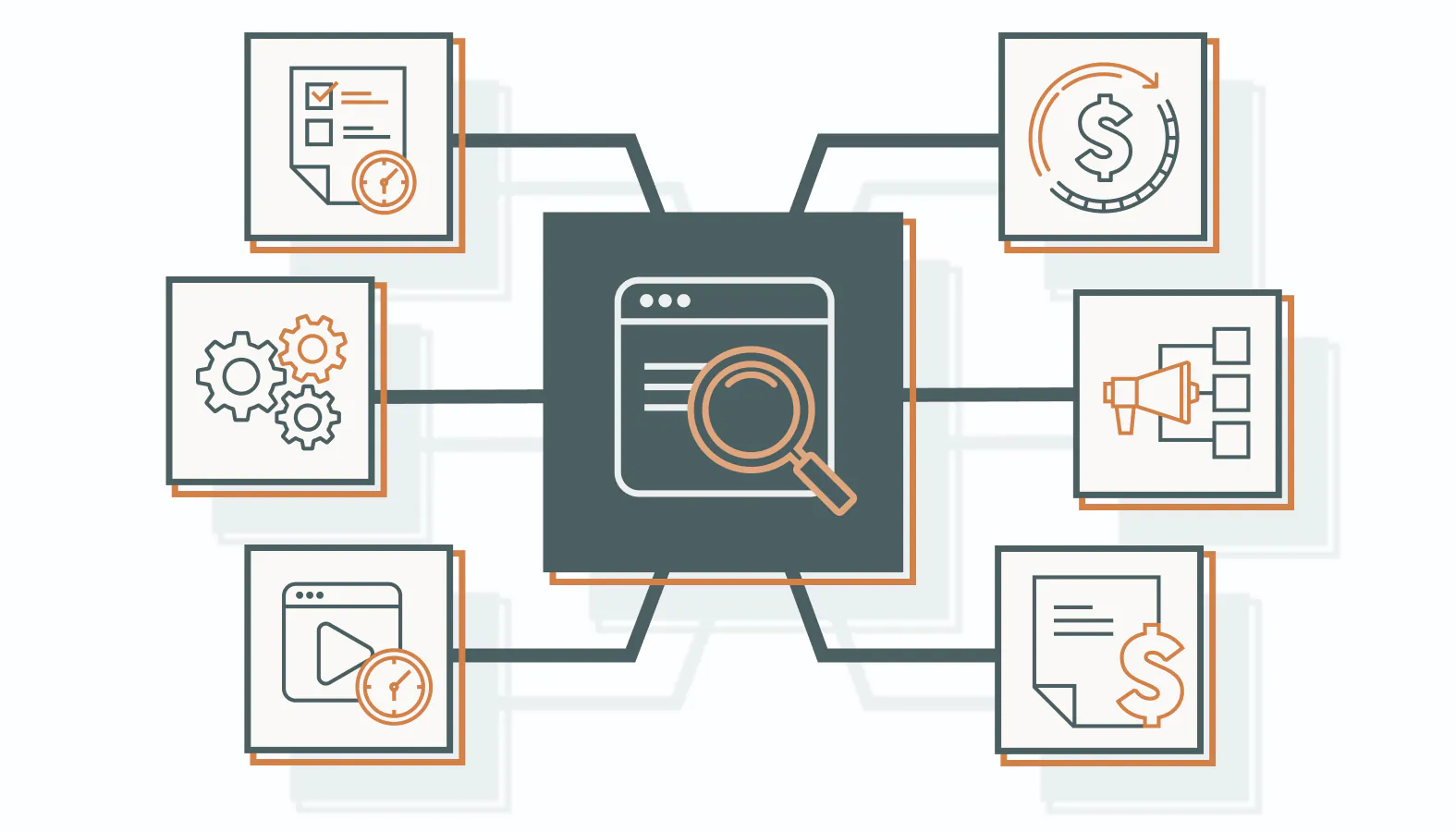
1) Activate Attribution Insights Daily
Use attribution data to drive daily decisions, not just reporting.
- Shift spend when upper-funnel channels begin contributing more to conversions, even if they don’t close directly.
- Align creatives and landing pages with what is actually converting, and refine messaging based on observed customer behavior across the funnel.
The goal is a tight feedback loop between data, creative, and spend so decisions are proactive and budgets consistently follow performance.
2) Use AI as a Co-Pilot, Not a Driver
AI surfaces patterns faster than manual analysis but lacks business context. Treat it as a support layer rather than the final decision-maker.
- Use AI-generated recommendations to identify trends, anomalies, and optimization opportunities across campaigns. Then apply human judgment to interpret those signals in the context of margins, inventory levels, customer behavior, and broader business priorities.
- Set clear guardrails so automation stays within defined limits and doesn’t overreact to short-term fluctuations. Regularly review outputs, validate changes against actual performance, and intervene when necessary to keep strategy aligned with business goals.
The objective is balance: combine machine efficiency with human oversight to make faster decisions without losing control.
3) Better Data for Better Algorithms
Ad platform algorithms are only as smart as the information you provide. Feeding them high-quality, first-party conversion data is the fastest way to sharpen your targeting.
- Reliability: Use server-side tracking and enhanced conversions to ensure you capture every event, even with browser restrictions.
- Value-Based Tracking: Pass order values and customer lifetime value back to the platform. It teaches the algorithm to find big spenders, not just high-volume clickers.
4) Revenue Over Vanity
Clicks are easy to get, but they don’t pay the bills. Focus less on click-through rates and more on revenue and acquisition efficiency.
- Outcome Focus: Build dashboards centered on ROAS and customer acquisition cost (CAC). If a campaign has a great CTR but zero revenue, cut it.
- Unified View: Don’t let your data sit in silos. Use aggregation tools to pull spend and performance from every channel into one view, allowing you to make moves with total intelligence.
5) Cross-Platform Data for Unified Optimization
Fragmented data leads to fragmented decisions. During peak season, that slows you down.
Bring performance into one view so you can act with confidence:
- Centralize spend and performance data across platforms.
- Standardize naming and measurement rules.
- Review trends in one place instead of five.
Clear visibility reduces hesitation.
6) Dynamic Budget Reallocation
High season is unpredictable. What worked yesterday might stall by noon today. You need to be ready to move fast.
- Set Triggers: Define clear points for shifting spend, like hitting a CPA ceiling or exceeding ROAS target.
- Stay Rational: Don’t freak out over a single-hour dip. Look for sustained trends over 48 hours before making massive pivots. Document your shifts so you have a better playbook for next year.
These advanced strategies combine speed with precision, and let data drive real results.
High-Season Paid Media Tactics by Channel
Increasing your budget across the board is not a strategy but a donation to the ad platforms. Each channel has its own mechanics, and the winners are those who tailor their tactics to fit the platform’s specific strengths.
Search (Google Ads, Bing)
Search is pure intent. During peak season, everyone is fighting for the same clicks, which means you need to be very strategic with your bidding and keywords.
- Expand Your Reach: Find high-converting, long-tail keywords your competitors missed. Check your search term reports daily to add negatives and cut waste.
- Smart Bidding: Use Target ROAS or Maximize Conversion Value, but don’t just “set and forget.” Review your targets frequently, as what worked last week is likely obsolete today.
- Create Urgency: Update your ad copy with countdown timers, shipping deadlines, and exclusive seasonal offers to drive immediate action.
- Monitor Pacing: Stagger your spend to avoid hitting your budget cap by noon. High-intent traffic often peaks at different hours during the holidays.
Social (Meta, TikTok, LinkedIn, etc.)
Social media chases attention. When the feed gets crowded, your creative has to stop the scroll instantly.
- Native Creative: Use TikTok-style storytelling for Reels and the TikTok platform, but keep LinkedIn polished and value-driven. One size fits none.
- Segment Your Audience: Build custom audiences based on seasonal behavior, such as recent site engagers or high-value repeat customers.
- Impactful Formats: Use Collection Ads and Dynamic Product Ads to shorten the path to purchase.
- Leverage AI Tools: Use Meta’s Advantage+ shopping campaigns to automate the heavy lifting while you focus on the creative strategy.
Display & Programmatic
These channels are for reach and precision. Use them to stay top-of-mind without burning through your wallet too much.
- Layer Your Data: Combine your CRM lists with intent-based segments for sharper targeting.
- Control Frequency: Set caps to prevent ad fatigue. You want to stay visible, but you don’t want to annoy your prospects into ignoring you.
- Contextual Relevance: Place ads where they matter, like gift guides, industry review sites, or seasonal event coverage.
Retargeting and Remarketing
High-intent audiences are your most valuable asset. Don’t let them walk away after one visit.
- Segment by Intent: Treat a cart abandoner differently than someone who just viewed a homepage. Tailor your offer to their specific action.
- Use Dynamic Ads: Show them the exact product they were looking at with a personalized nudge or a time-sensitive discount.
- Shorten Windows: During peak season, people buy fast. Shorten your remarketing windows to keep your audience fresh and relevant.
Offline and Omnichannel Integration
Your customers don’t live in a silo, and your ads shouldn’t either. Sync your digital efforts with your offline promotions for a unified experience.
- Sync Promotions: Ensure your online messaging matches your in-store events or direct mailers.
- Drive Foot Traffic: Use location-based ads to push online browsers to physical locations.
- Unified Measurement: Track the lift across all channels. Use coupon codes or QR codes to link offline sales back to your digital spend.
When each channel does its job and works well with the others, you get efficiency at scale instead of just more spend.
Maximizing Efficiency During Off-Peak Months
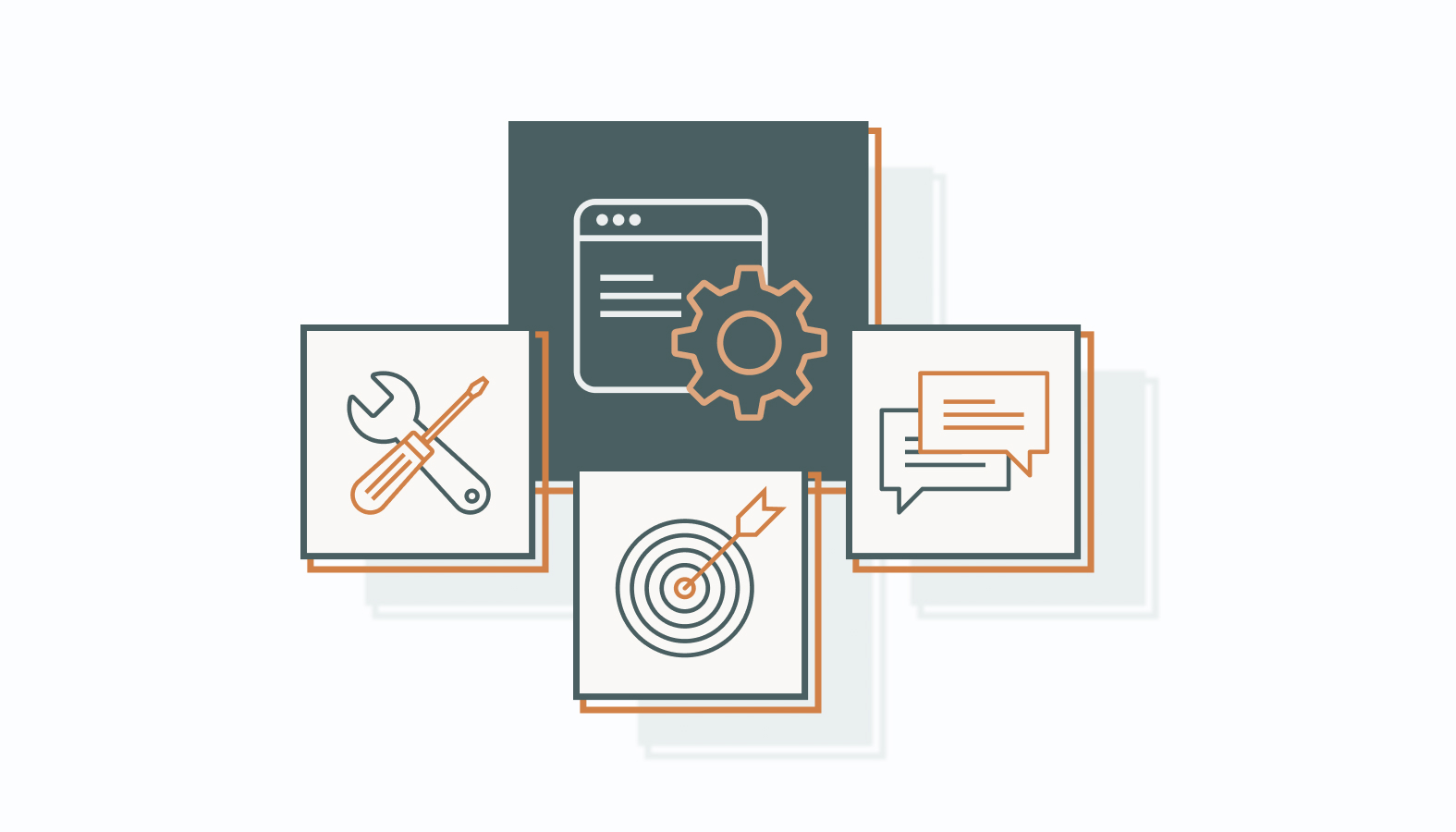
Off-peak months shouldn’t be a break. Instead, they should be your laboratory. While everyone else takes a breather, you should be moving. What you do during the quiet periods determines how high your ceiling is when the market heats up again.
Pipeline Building and Lead Nurturing
The off-season is for filling the top of your funnel and building relationships before the hard sell begins.
- Educational Content: Double down on webinars, whitepapers, or high-value blog posts. Capture leads who are in the research or planning phase now.
- Low-Cost Awareness: Run broad-targeting campaigns at a lower cost to build your retargeting pools for the next surge.
- CRM Automation: Set up nurture sequences that deliver relevant content over time. Keep your brand in the conversation so you’re the first choice when they’re ready to buy.
Strategic Retargeting and Testing
Don’t go dark just because demand slowed down. Low competition means lower CPMs, but you must use that to your advantage.
- Efficient Reach: Use targeted campaigns to stay visible to high-intent audiences, like recent site visitors, at a fraction of the high-season cost.
- The Laboratory: Test new ad formats, hooks, and visuals. It’s your low-risk environment to see what resonates before you scale the winners during peak.
- Audience Re-segmentation: Analyze data from your last peak. Identify new micro-segments or lookalikes to target with tailored messaging.
Offer and Messaging Pivots
Consumer mindsets shift when the pressure is off. Your messaging should shift with them.
- Value Over Discounts: Instead of slashing prices, focus on loyalty rewards, bundle deals, or early-bird access. Create value without eroding your margins.
- Positioning: Shift your themes to preparation or discovery. Help your audience get ready for the next big event.
- Refine USPs: Experiment with different value propositions. Use engagement rates to decide which unique selling points get the prime spots in your high-season creative.
Use this time to strengthen your brand and test your best ideas. It’s not downtime but prep time.
Common Pitfalls and How to Avoid Them
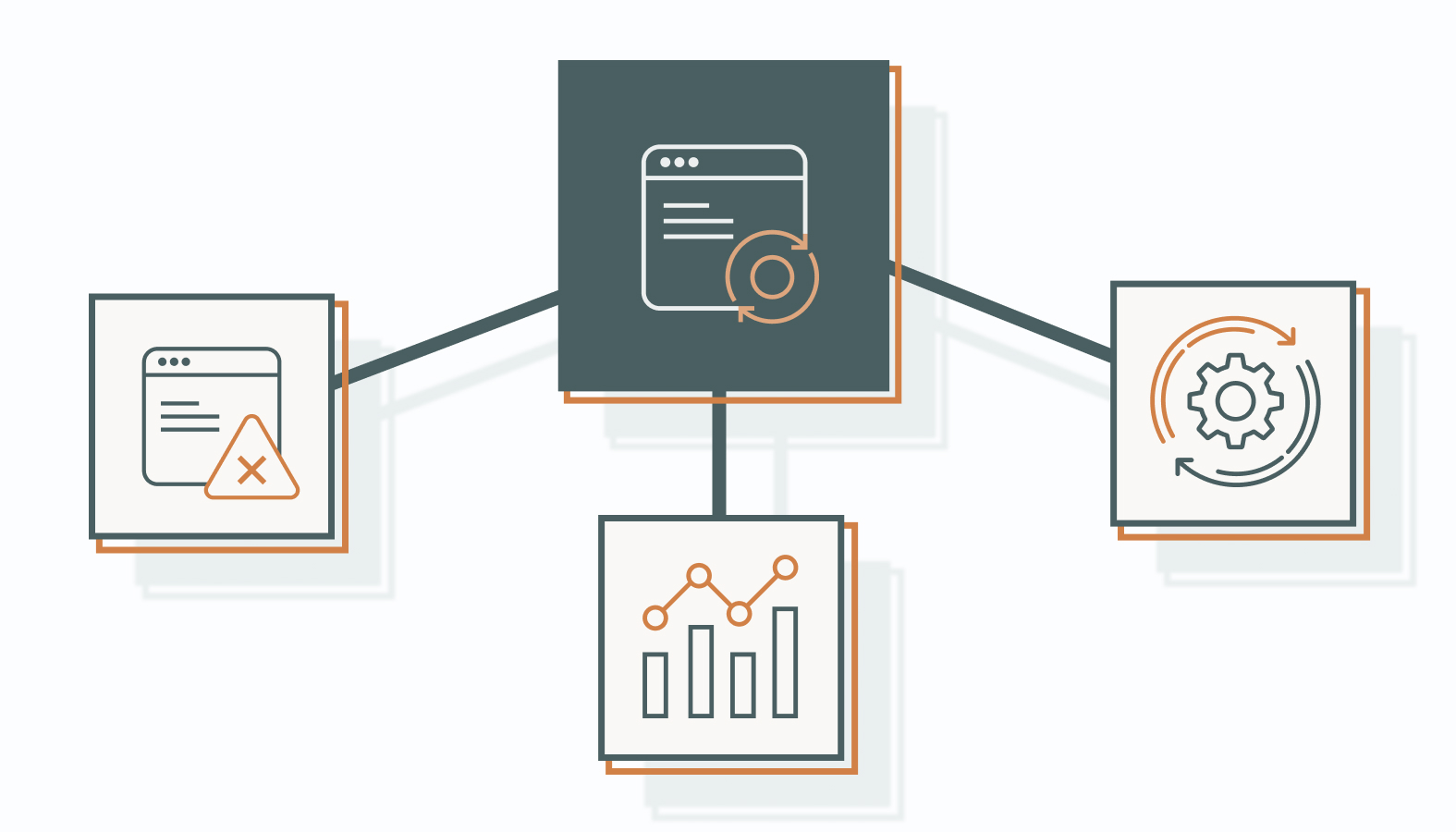
Even with the best tech, things can go sideways. Peak or off-peak, mistakes cost time, money, and momentum. The smart move is to spot trouble early, act fast, and stay in control.
This section is your quick-start guide to sidestep the most frequent missteps in seasonal paid media management.
1) Pausing Ads Completely
Shutting campaigns down may feel safe, but it’s a trap.
- Why it backfires: Algorithms need ongoing data to optimize. Pause, and you lose momentum, decay historical performance, and re-enter learning phases when restarted. Thus, the higher the costs, the slower the results.
- Better move: Scale down to maintenance mode or shift focus to brand-building and retargeting. Keep your audience engaged and your campaigns warm.
2) Ignoring Algorithmic Signals
Platforms are designed to help you win if you pay attention.
- The risk: Ignoring alerts or recommendations means missed opportunities and compounding problems.
- Smart approach: Review diagnostics regularly. Don’t blindly accept every suggestion. Look for patterns, like budget limits, declining conversions, new keyword opportunities, and act strategically.
3) Over-Reliance on Automation
Automation is powerful, but it isn’t a human brain.
- The danger: Automated bids, budget shifts, and targeting rely on recent data. Sudden market changes or creative fatigue can send campaigns off course.
- When to intervene: Schedule regular manual checks, especially in volatile periods. Audit creatives, monitor performance, and override automation if results dip. Let machines handle heavy lifting, but still keep control over key decisions.
Smart marketers combine machine power with human brains. Watch signals, act decisively, and turn common pitfalls into performance wins.
Making High-Season Your Most Profitable
High season rewards control more than effort. The teams that come out ahead aren’t the ones pushing bigger budgets, but the ones making sharper decisions, faster.
Across everything we’ve covered, the pattern becomes clearer. Performance improves when you reduce theorizing. Clear attribution shows what’s actually driving revenue. Flexible budgets let you respond instead of reacting late. Channel-specific execution keeps each platform working at its full capacity. Off-peak discipline sets the foundation before the demand rises.
The real advantage is consistency. When your data is reliable, and your decisions are deliberate, performance becomes more predictable. You stop chasing results and start directing them.
Build systems that let you see clearly and act quickly. Do that, and high season becomes less chaotic, and a lot more controlled and profitable.
Building Your High-Season Engine?
If your campaigns feel fragmented or harder to scale than they should be, it’s likely a systems issue rather than a budget limitation.
Schedule a candid conversation with one of our experts, as we help teams strengthen their data, sharpen their execution, and turn ad spend into measurable growth. Let’s make your next high season more controlled, profitable, and effective!