


Cross-channel personalization is one of the sharpest competitive advantages a brand can build today. Customers hop between email, social, apps, and websites in seconds, and they expect every interaction to feel connected and relevant. The brands that win aren’t louder. They’re smarter and more coordinated.
This guide breaks down how cross-channel personalization works in real-world marketing, how to build crm it into your strategy, and the technologies that make it scale. You’ll see how leading teams use data, segmentation, automation, and AI to create experiences that feel tailored everywhere a customer meets the brand.
By the time you finish, you’ll know exactly how to deliver personalization that feels seamless rather than stitched together.
What Is Cross-Channel Personalization?
At its core, cross-channel personalization is the art and science of delivering relevant, timely, and consistent experiences to customers no matter where they interact with your brand.
Think of it as creating a single, intelligent conversation that follows your audience across email, social media, websites, apps, and more – without ever feeling disjointed or robotic.
It’s not about sending the same message everywhere; it’s about making every touchpoint feel thoughtful, connected, and tailored to the individual. In today’s fast-moving digital marketplace, brands that can pull this off get noticed and earn loyalty, engagement, and long-term growth.
Tracing the Path of Personalization
Personalization didn’t start with AI or fancy automation. It started with paying attention.
Early marketers grouped audiences by broad demographics, sending messages that “fit” groups rather than individuals.
- 1990s: The rise of CRM systems made personalization serious business. Brands could track behavior, store data, and move beyond generic messaging to insights that actually mattered.
- Early 2000s: Digital marketing took over, bringing email segmentation and targeted ads. Messages became timely and relevant, creating a more connected experience across channels.
- Today: AI and machine learning take personalization to a new level. Messaging adapts in real time, predicts preferences, and guides customers like a digital concierge through every interaction. It’s precise, personal, and smart – the kind of marketing that makes people notice and stay.
From simple segmentation to AI-driven experiences, personalization has evolved to meet customers wherever they are, making every interaction count.
Why Cross-Channel Personalization Matters
In today’s fast-paced digital world, cross-channel personalization is how brands get noticed. When customers move from email to social media to your website, their experience should feel connected, relevant, and thoughtful. Done right, it builds trust, keeps people engaged, and encourages them to come back.
Elevating Customer Experiences
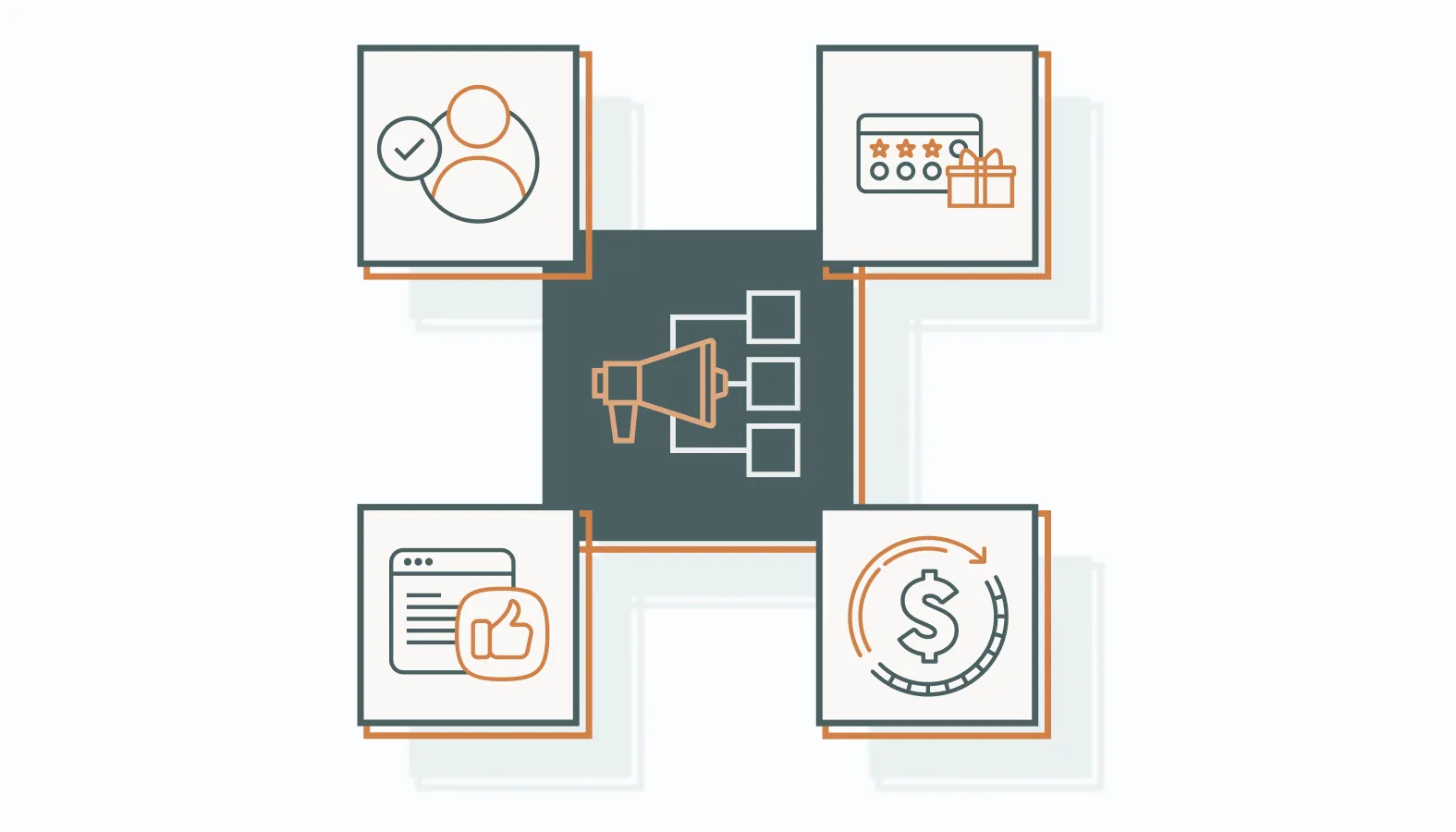
Personalization transforms ordinary touchpoints into meaningful moments. Tailored content and offers make each interaction feel intentional:
- Email recommendations: Suggest products or content based on past purchases or browsing habits.
- Dynamic website content: Adjust pages in real time to match user preferences or behavior.
- Relevant promotions: Deliver offers that resonate with individual needs, not generic segments.
These moments show customers that a brand understands them, making the experience memorable and engaging.
Boosting Customer Loyalty
Personalized experiences keep customers coming back. When brands show they understand individual needs, loyalty grows:
- Tailored rewards programs: Offer perks or discounts based on purchasing patterns.
- Exclusive offers: Surprise customers with deals that reflect their preferences.
- Thoughtful engagement: Interactions feel personal rather than automated, reducing churn.
Driving Engagement and Sales
Relevant messaging captures attention and inspires action:
- Higher interaction: Personalized content encourages clicks, shares, and visits.
- Increased conversions: Case studies show tailored campaigns can lift sales 10–20%.
- Behavior-based suggestions: Product or content recommendations turn casual visitors into repeat buyers.
Maximizing Marketing Returns
Cross-channel personalization makes every marketing dollar count:
- Focus on segments that matter to reduce wasted spend.
- Track conversions, lifetime value, and retention to measure impact.
- Use analytics dashboards to refine campaigns and double down on what works.
Cross-channel personalization proves that thoughtful, relevant experiences drive real business results. With engagement, loyalty, and sales all on the line, the next step is knowing how to put these strategies into action.
Strategies for Personalization Success
Effective cross-channel personalization doesn’t happen by accident. It’s a calculated effort that connects smart strategy with actionable insights. Brands that succeed know how to turn data into understanding, segment audiences thoughtfully, and maintain a clear, consistent voice across every touchpoint.
1) Gathering and Analyzing Data
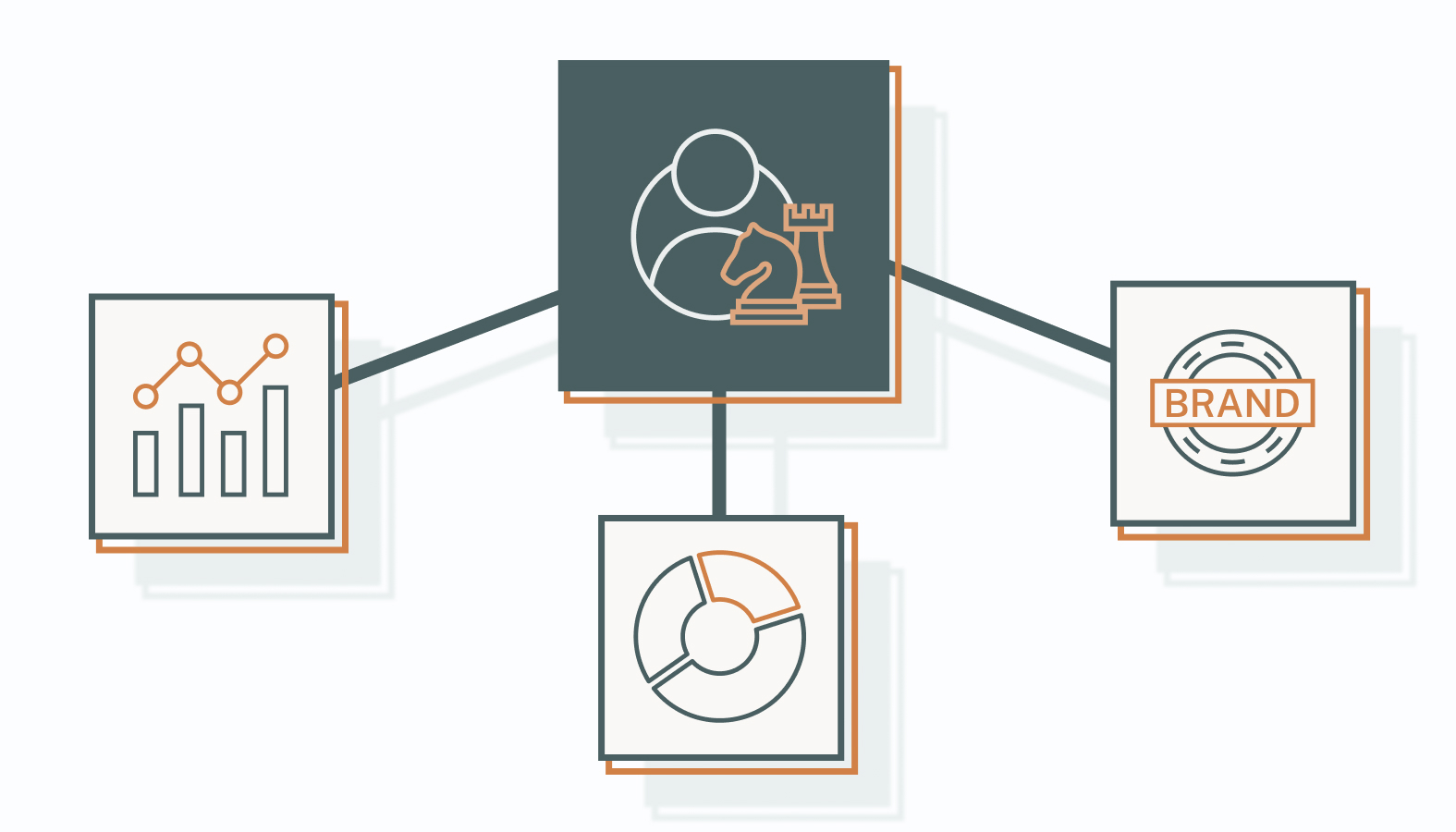
Data is the fuel behind every personalized experience. But it goes beyond collecting numbers; it’s also about turning them into actionable intelligence:
- Capture from multiple touchpoints: Pull insights from websites, apps, email, social media, and more.
- Leverage the right tools: CRM systems, analytics platforms, and DMPs help organize and analyze customer behavior efficiently.
- Translate insights into action: Use customer journey mapping, behavioral analysis, and predictive analytics to uncover patterns and anticipate preferences.
The result is a clear picture of who your customers are and what moves them: information you can act on rather than admire.
2) Segmenting and Targeting Audiences
Once you understand your audience, it’s time to speak to them in a way that resonates:
- Group by meaningful traits: Demographics, behavior, or purchase history all inform smart segmentation.
- Predict the next move: AI can forecast trends and suggest which offers or content will land best.
- Deliver relevance at scale: Tailored campaigns reach the right people with the right message at the right time.
Segmentation ensures your marketing doesn’t feel like a spray-and-pray operation; it’s precision messaging that engages and converts.
3) Maintaining a Unified Brand Message
Personalization only works if the brand voice stays consistent:
- Define tone and style: Clear guidelines prevent mixed messages across channels.
- Centralize content oversight: Use CMS platforms to manage communications, ensuring every personalized touchpoint reinforces the brand.
- Keep it coherent: From push notifications to social posts, consistency builds trust and strengthens recognition.
When every touchpoint speaks the same language, personalization feels deliberate, polished, and professional, never disjointed or robotic.
Bringing Cross-Channel Personalization to Life
Executing cross-channel personalization is where strategy meets action.
The goal is simple: deliver consistent, relevant, and engaging experiences across every platform your audience interacts with. Each touchpoint (email, website, app, social media) should feel intentional, connected, and aligned with your brand voice.
Practical Ways to Personalize Across Channels:
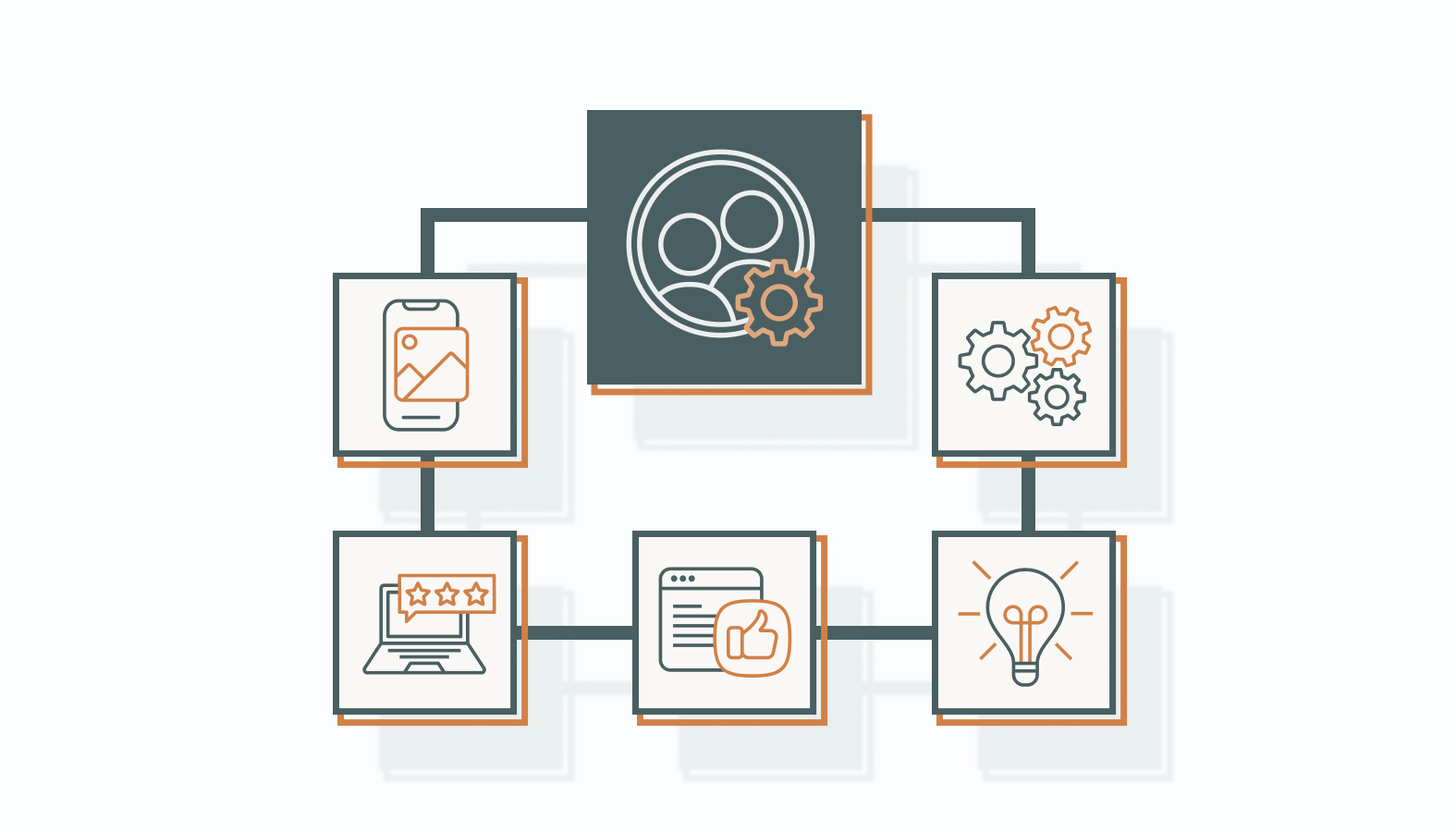
- Seamless Coupon Integration: Use unified codes across platforms and tailor offers based on purchase history to keep customers coming back.
- Tailored Product Suggestions: Leverage AI to analyze browsing and buying behavior, dynamically presenting products that match preferences.
- Engaging Dynamic Content: Deliver real-time content that adapts to user actions and interests, keeping interactions fresh and relevant.
- Leveraging Social Proof: Showcase reviews, testimonials, and user-generated content across channels to build trust and credibility.
- Strategic Push Notifications: Send timely, concise, and relevant messages without overwhelming users, guiding them toward action.
This approach ensures that personalization becomes a living, breathing part of your customer’s journey.
Real-World Success Stories
Cross-channel personalization works best when strategy meets execution. These case studies show how brands turn data into meaningful, measurable results.
Case Studies from the Industry
Studying successful campaigns reveals actionable lessons that apply across sectors.
Let’s break down two standout examples:
- Blue Sea Holidays: Blue Sea Holidays turned scattered customer data into cohesive, tailored travel experiences. By analyzing booking behavior with AI, they offered personalized destination suggestions and exclusive deals.
Emails reflected actual preferences, not generic promotions, leading to higher booking rates and happier travelers. It’s a masterclass in connecting dots across channels.
- Neal’s Yard Remedies: Neal’s Yard Remedies leveraged personalized recommendations and dynamic content to elevate the skincare experience. Their approach integrated tailored advice on the website and targeted emails that spoke directly to individual needs.
The result? Increased conversions, stronger loyalty, and proof that even in crowded markets, a personal touch cuts through the noise.
These examples show that smart, data-driven personalization delivers measurable growth and keeps customers coming back.
Essential Tools for Personalization
Personalization requires the right tools working together. When integrated properly, these technologies give you a clear picture of your audience and let you act on it with precision.
Utilizing CRM and Data Solutions
CRM systems are the command center for understanding customers. When paired with the right data tools, they turn raw information into actionable insights:
- Track Interactions: Record every customer touchpoint (emails, purchases, support requests) to build a comprehensive view of engagement.
- Store Preferences: Capture likes, dislikes, and purchase behavior so future communications feel relevant, not generic.
- Segment and Target: Use CRM + analytics + data management platforms (DMPs) to group audiences based on behavior, demographics, or predicted needs.
- Identify Patterns: Detect trends that help anticipate what content, products, or offers will resonate most.
- Act on Insights: Turn data into a strategic roadmap that informs messaging, promotions, and customer experiences.
Think of it as converting a messy spreadsheet into a GPS for your customer journey.
Harnessing AI and Machine Learning
This is where personalization evolves from “good” to “remarkable”:
- Real-Time Analysis: Process huge volumes of data instantly to identify preferences and behaviors.
- Predictive Recommendations: Suggest products, services, or content based on past actions and projected intent.
- Adaptive Customer Support: Chatbots and virtual assistants can tailor responses dynamically to each user.
- Dynamic Experience Optimization: Adjust web content, emails, and app interfaces automatically to keep interactions relevant and engaging.
The payoff? Experiences that feel intuitive, personal, and a little like magic.
Implementing Marketing Automation
Automation scales your personalization without turning it robotic:
- Streamline Repetitive Tasks: Automate email campaigns, push notifications, social posts, and other routine communications.
- Ensure Consistency: Maintain a unified brand voice across every channel without manual oversight.
- Deliver Timely Engagement: Trigger messages based on behavior, location, or milestones to meet customers where they are.
- Free Up Strategy Time: Let your team focus on crafting campaigns instead of executing every detail manually.
When executed well, automation makes your brand feel proactive, always one step ahead of the customer without spamming their inbox.
Using these tools in concert transforms personalization from a buzzword into a measurable driver of engagement, loyalty, and revenue. Master the toolkit, and you turn strategy into action that your audience actually notices.
Overcoming Personalization Challenges
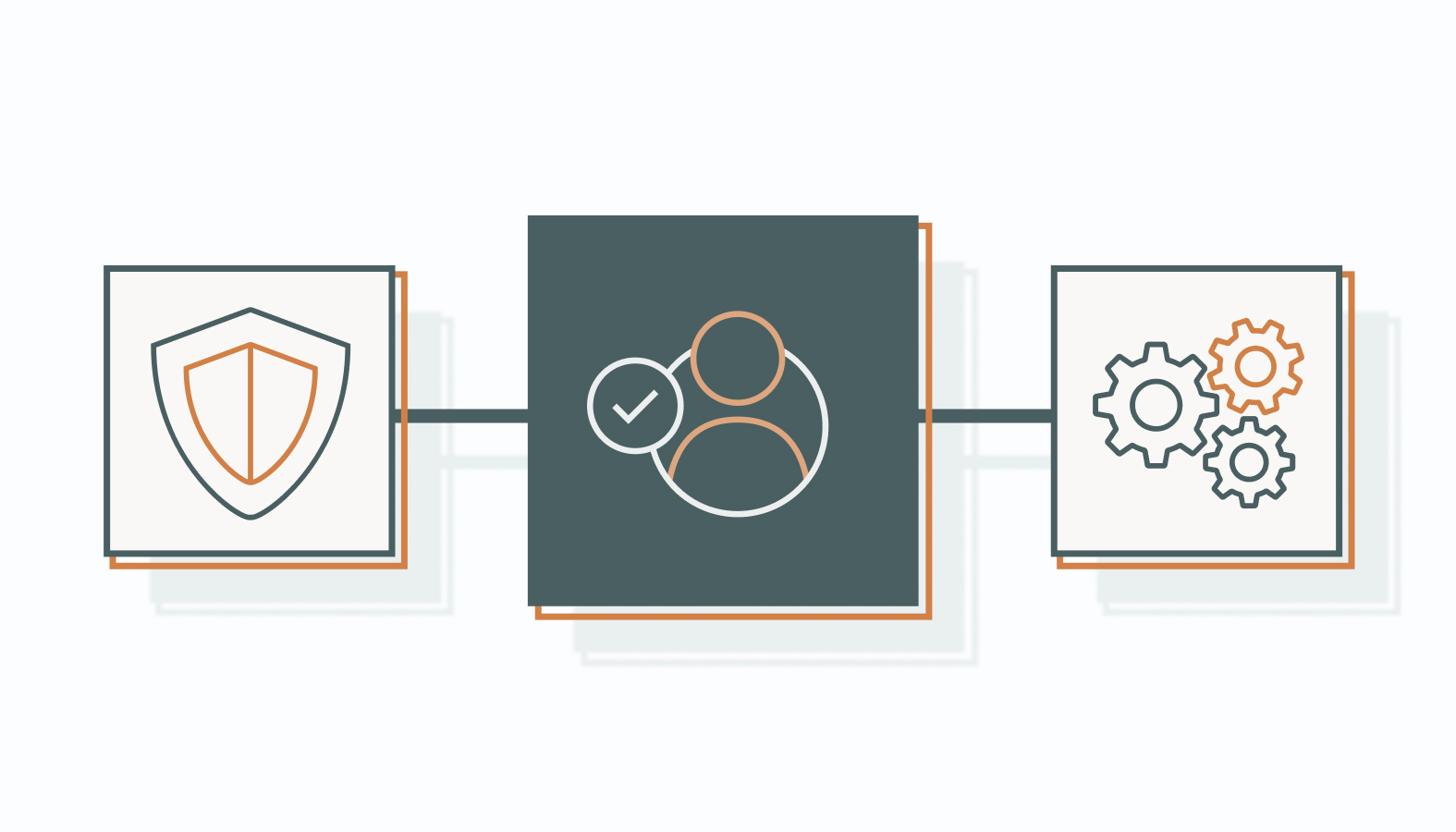
Personalization is powerful, but it is not plug-and-play. The brands that win treat challenges as part of the build, not the barrier.
Two issues tend to cause the most turbulence: keeping privacy airtight and making all your systems talk to each other without blowing a fuse.
Navigating Data Privacy with Confidence
Customers expect relevance, but they never want to feel watched. Strong privacy practices protect both your reputation and your ability to personalize responsibly.
Here’s how smart brands stay compliant and trustworthy:
- Elevate data protection with encryption, access controls, and secure storage protocols that make breaches far less likely.
- Stay transparent by clearly outlining what information you collect and why. Clarity builds confidence faster than any disclaimer buried in a footer.
- Secure consent the right way by using opt-ins that empower users instead of confusing them.
- Keep policies current with routine reviews and updates that reflect new regulations and shifting customer expectations.
- Audit regularly so your privacy practices stay sharp and your compliance never drifts.
When privacy is tight and communication is clear, customers feel safe engaging with personalized experiences instead of guarding their inbox like a bunker.
Ensuring Seamless System Integration
Personalization requires a unified ecosystem. When tools operate in silos, relevance breaks down, and your customer experience feels stitched together instead of seamless.
To create a system that plays well together:
- Use middleware that bridges gaps between platforms and keeps data flowing cleanly.
- Leverage APIs to connect tools without patchwork fixes or clunky workarounds.
- Choose scalable platforms designed to grow with your personalization strategy instead of bottlenecking it.
- Align IT and marketing so architecture and execution work toward the same goals. Collaboration prevents headaches that surface later in the customer journey.
- Map the data flow to ensure every tool gets what it needs and nothing gets lost in translation.
Smooth integration is what turns personalization from a clever idea into an operational advantage. Get the ecosystem right, and every channel delivers a unified, intuitive experience that feels engineered rather than improvised.
Building Personalization That Lasts
Cross-channel personalization demands intention, discipline, and the right infrastructure. When teams solve the challenges of privacy, integration, and consistency, they unlock a system that delivers relevance at every step of the customer journey.
The brands that invest in this work earn something far more valuable than clicks. They earn trust. They create experiences that feel intuitive and connected. And they build a long-term advantage that compounds with every interaction. Keep refining your data, your tools, and your message.
Personalization done well becomes an engine for engagement, loyalty, and growth.
Ready to Personalize With Precision
If you want to see how these cross-channel personalization strategies fit your business, let’s talk.
Schedule a candid conversation with one of our experts and get clear, practical guidance tailored to your goals.