


Some companies only notice the cost of inconsistent branding when it’s already showing up in their numbers. Minor inconsistencies often go unnoticed, such as a logo variation here, a different tone of voice there, or colors that are close enough but not entirely accurate. While none of these seem urgent on their own, their combined effect can make a brand feel less polished and less recognizable. Brand consistency is what keeps a company’s identity, messaging, and visuals aligned across every communication channel. It has a direct effect on trust, brand recall, and sales revenue.
Let’s explore why brand consistency matters and what happens when the pieces no longer fit together. A well-defined brand book is what differentiates a cohesive brand from one that’s quietly drifting apart.
What Brand Consistency Looks Like
A common misconception is that brand consistency means using the same logo everywhere, so people get familiar with that particular brand anywhere and anytime. But it’s not just the logo, because brand consistency is in fact composed of three things:
- our visuals – logo, color, type, photography
- our messaging – the actual language you use when communicating to your audience
- our tone – how formal or casual your voice is
When those three elements are aligned across your website, ads, emails, and your team’s day-to-day interactions, people experience your business as one cohesive company rather than a collection of loosely connected parts.
This is why a brand book matters a lot. It’s a working reference instead of a design portfolio. It spells out the visual rules, the approved messaging, and the tone guidelines of your business. If you skip it, every new hire or outside contractor will end up making their own version of your brand identity. Eventually, when somebody uses the wrong color or voice, the brand will start to look a little different in some executions.
Why It Actually Matters
Consistency builds trust by removing doubt. When customers encounter the same visual identity and tone of voice every time, they stop wondering if they’re dealing with a legitimate company or a knockoff. That trust quickly turns into recognition, and recognition is what makes people pick you out in a crowded marketplace without a second thought. Over time, that familiarity often develops into loyalty because people naturally gravitate towards brands that feel reliable and predictable.
Apple is frequently cited as an example, and for a good reason. Every store, product package, and interaction with its support team feels like an extension of the same brand. Nike operates in much the same way. Whether you’re in Chicago or Singapore, the swoosh and the brand’s messaging remain unmistakably consistent. Both companies treat brand consistency as an ongoing commitment or something that requires deliberate effort every day.
The Real Cost of Inconsistent Branding

Lost revenue and ROI
When a brand looks or sounds different depending on where someone encounters it, hesitation sets in. Even if it’s only for a moment, people start questioning whether they’re interacting with the real company. That hesitation can cost you a sale. In fact, a Lucidpress survey found that presenting a consistent brand across platforms can boost revenue by up to 23%. That’s a significant gain, especially when the friction causing the lost opportunity was entirely avoidable.
This usually shows up worse in a longer sales cycle, where a prospect might see your brand five or six different times before deciding on anything. Every inconsistency can chip away at the trust built during previous interactions. Sales teams feel this firsthand: a promising deal suddenly loses momentum for reasons that seem unrelated to branding, when in reality, the buyer never fully gained confidence in the company’s credibility.
Damage Brand Reputation
Reputation damage from inconsistent branding tends to build more slowly than hit all at once. Gap’s 2010 logo redesign is the textbook example. The company changed its logo with almost no warning; the backlash was immediate, so they reverted within a week. The damage affected both the wasted money and the brand’s credibility, and loyal customers’ doubts about what else might change without notice don’t go away quickly. Sometimes it doesn’t even go away at all.
There are smaller versions of these incidents happening constantly; it’s not just making the news. Tropicana’s 2009 packaging redesign replaced its branding with a new look that customers struggled to recognize in stores. It’s a bit of a different issue from Gap’s, but the impact is the same.
Every off-brand revision is equivalent to money spent fixing work that should’ve been right the first time. When guidelines are missing or ignored, teams might end up in a cycle of recreating assets from scratch. That’s even before you factor in delayed launches, duplicated work, and drained resources.
Common Causes of Inconsistent Branding Across Channels
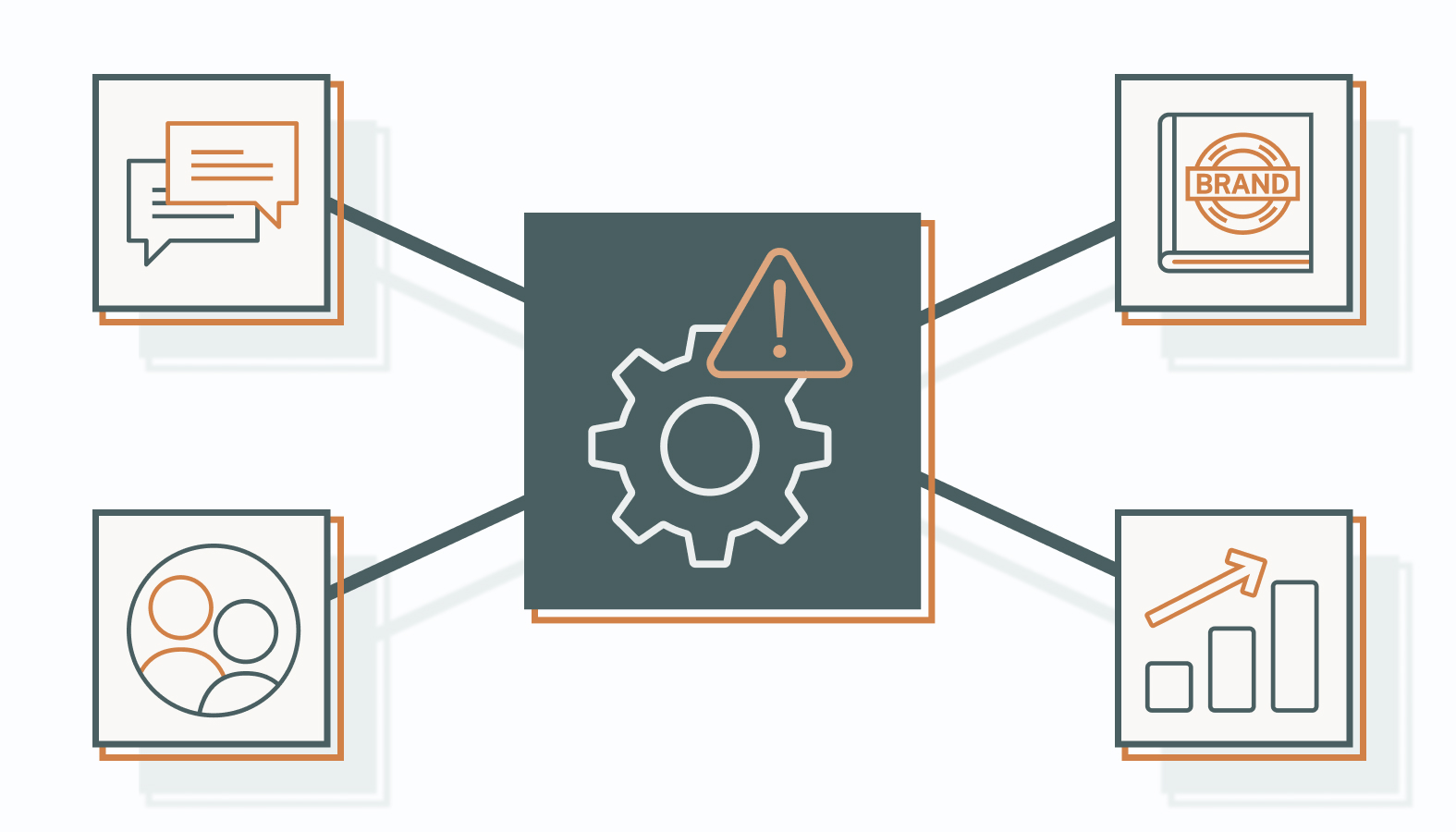
1) Siloed Teams and Lack of Communication
When marketing, sales, products, and support all operate in their own lanes, each one tends to interpret the brand a little differently. Without regular cross-team communication or one person actually accountable for brand decisions, small variations pile up until the whole thing stops feeling unified. It’s common to see support teams communicate in a tone that feels different from the brand’s marketing. Rarely is this anyone’s fault. It usually happens when teams lack a shared framework that keeps messaging and brand voice aligned across the organization.
2) Absence of A Comprehensive Brand Book
Without a clear and up-to-date brand book, every designer and writer ends up making their own decisions. Some choices may come close to the intended brand, while others will miss the mark entirely. The inconsistencies eventually show up everywhere, from color palettes to the language used to describe the products and services. Even companies that technically have a brand book can face the same problem if the document hasn’t been updated in years. At that point, it’s more of a decorative file than a practical reference.
3) Handoffs and Poor Onboarding
Agencies and freelancers can add real value, but only when they are properly briefed. A rushed handoff with no documentation tends to produce work that’s close but doesn’t quite align with the brand. When multiple external partners are involved, those small inconsistencies can accumulate quickly and create a fragmented brand experience.
4) Rapid Growth without Brand Management Processes
Growth almost always outpaces the process. New product lines, expanding markets, and additional hires create more opportunities for a brand to drift. Companies that scale without establishing effective brand management systems often find themselves fixing inconsistencies after they’ve already spread, rather than preventing them in the first place.
How To Achieve Brand Consistency
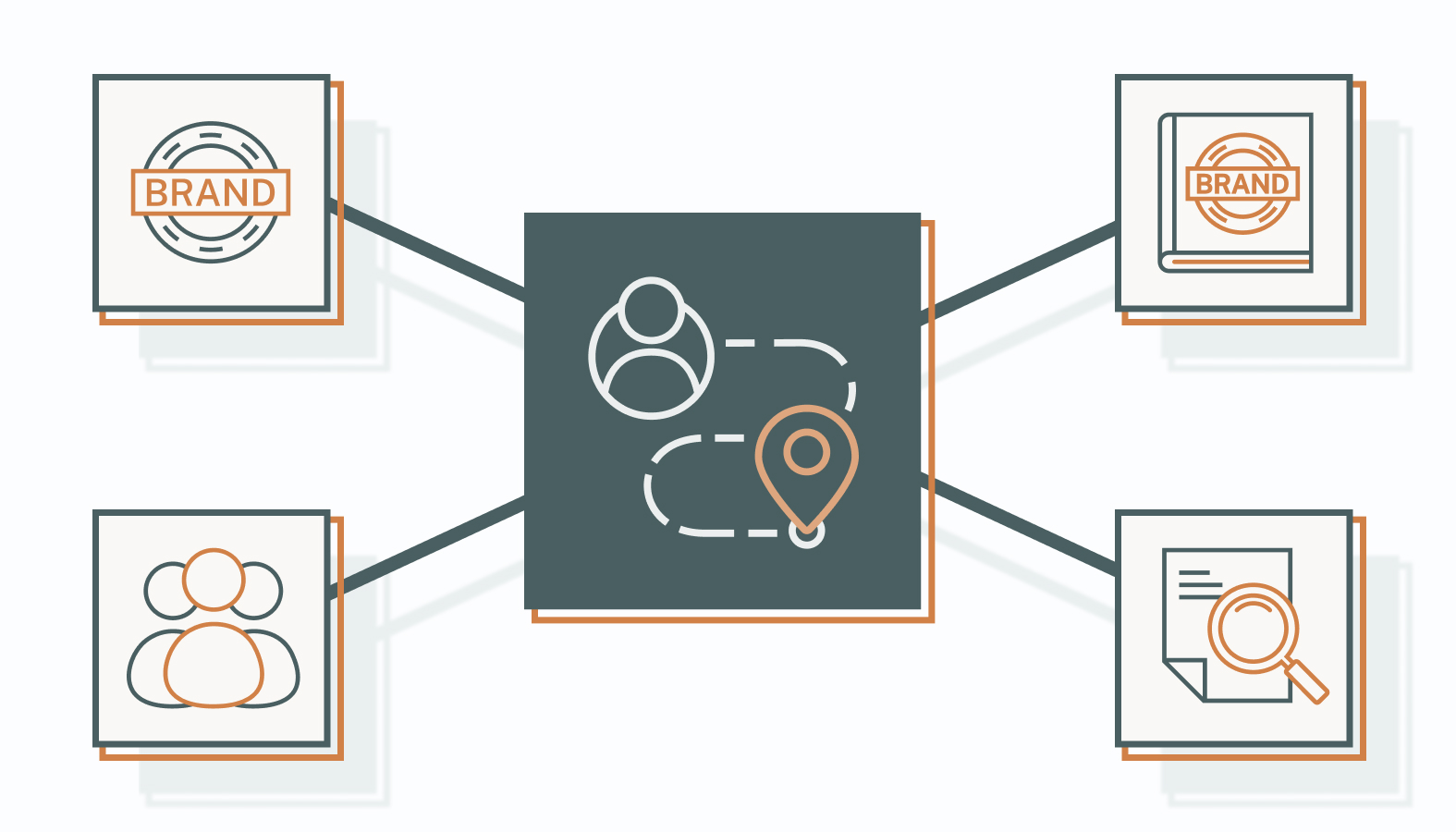
The Role of Brand Consistency
Real brand management starts with the right tools. Platforms like Frontify, Bynder, or Brandfolder give every team, whether internal or external, one place to pull approved logos, templates, and guidelines from. However, tools cannot function on their own. Someone needs to be responsible for catching drift, whether that’s a single brand steward or a small committee reviewing major campaigns before they go out the door.
Creating and Enforcing a Brand Book
An effective brand book covers visual identity, voice and tone, core messaging, and usage rules. It should also include a few examples of what not to do, which helps more than you can expect. A brand book buried in a forgotten shared drive is not doing anyone any good. It has to be visible and updated as the trend and businesses change.
Training Internal Teams and External Partners
It is also recommended to run regular brand training. Every new hire, agency, freelancer, or contractor should learn the brand guidelines from the beginning. Remember, regular refreshers keep everyone aligned. In addition, customers experience your brand through the people behind it, making training just as important as the written guidelines.
Auditing and Measuring Brand Consistency
Audit your brand regularly. Review campaigns, content, and marketing assets against your brand guidelines to catch inconsistencies early. Track metrics like asset compliance rates and time spent recreating materials to see whether your brand system is working well.
When to Bring in a Marketing Agency

Signs You Need Expert Help
A handful of patterns usually mean it’s time for outside help. This is recommended when your campaigns and channels no longer sound like they’re coming from the same company or your logos/colors become inconsistent across platforms. Also, if your teams constantly revise assets because the brand guidelines lack clarity in the first place is also a sign to seek expert help. Any one of these alone might not mean much, but a few of them together might mean problems have outgrown what an internal team can fix on its own.
Vetting Agencies For Brand Consistency Expertise
Not every agency is equipped for this kind of work. It’s best to ask these questions outright: Can they show real examples of brands they unified across channels? What’s their process for maintaining consistency? How do they get up to speed on a client’s brand book? How do they measure results over time?
Strong proposals include a clear process, proven results, and ongoing support instead of just relying on a one-time deliverable. Now, if the answers are vague or the portfolios are heavy on creative work but light on process, it usually suggests they haven’t dealt with complex consistency problems before.
Maximizing ROI and Avoiding Costly Mistakes
A good agency partner reduces rework to save both time and money. They must also protect the brand equity you’ve already built because consistency strengthens customer trust.
They free up your team to focus on growth, as they know that it’s all about ongoing effort instead of a one-time project.
Where Brand Consistency Pays You Back
Inconsistent branding doesn’t become obvious right away. It starts with small issues like colors starting to feel off or messages becoming stiff, and customers notice such inconsistencies. When the trust weakens, revenue can follow.
Lost sales, damaged trust, and wasted marketing spend are all expensive. Fixing the underlying process can cost you less, which means you can start by creating a real brand book, assigning clear ownership, or bringing in outside help.
If any of these sound familiar, the next move is straightforward. It may be time to look at how your brand actually shows up across channels right now versus how you expect it to be. If you need help in establishing brand consistency, our team at Win With Agency can help. Schedule a candid conversation with one of our experts to know where your branding is solid and where it’s quietly costing you. No obligation, just a clear assessment of your brand and its opportunities to improve.