


Brands rarely lose customer attention all at once. More often, the disconnect happens gradually through inconsistent messaging, uneven customer experiences, and branding that feel disconnected from one platform to the next. The importance of brand consistency becomes clear when businesses struggle to maintain a recognizable identity as marketing expands across channels, teams, and audiences.
Even strong marketing campaigns can lose momentum when a brand feels polished in one place but unclear in another. Those small inconsistencies can weaken trust, reduce recognition, and create hesitation long before a customer makes a buying decision.
Brand consistency goes beyond logos and visuals. It shapes how customers recognize a business, how teams communicate, and how reliably a brand delivers the experience it promises.
This guide explores why consistency matters, where businesses commonly lose it, and how strong brands maintain a clear identity across every customer touchpoint.
Understand the Fundamentals of Brand Consistency
Brand consistency presents your business in the same way across every customer touchpoint. Your branding, messaging, and customer interactions should feel connected regardless of where people encounter your company.
Strong brand consistency usually comes down to three areas:
- Visual identity: logos, colors, typography, imagery, and design style
- Messaging: tone of voice, positioning, and communication style
- Customer experience: how people interact with your brand across websites, support, advertising, social media, and sales channels
When these areas are aligned, customers recognize your business more easily and develop clearer expectations about your brand over time.
Brands like Coca-Cola, Nike, and Starbucks are recognizable because their branding stays familiar across campaigns, platforms, and customer interactions.
Why Brand Consistency Fuels Your Business Success

Consistent branding helps businesses remain recognizable, credible, and easier to trust. It improves marketing efficiency and creates a stronger customer experience.
Build Lasting Brand Recognition
Repeated uses of the same logo, colors, taglines, and design elements make it easy for customers to spot you among competitors. Over time, these brand cues get locked into memory, like McDonald’s golden arches or Facebook’s signature blue.
Brands embedded in people’s minds get chosen, recommended, and returned to.
Earn Trust and Establish Credibility
When your messaging and visuals are consistently in sync, customers rely on your brand. That reliability signals professionalism and stability, which people look for before making a purchase.
Brands like FedEx and American Express have built decades of trust on exactly this foundation.
Strengthen Customer Loyalty
When every interaction feels consistent, whether on your website, packaging, or through customer support, customers feel at home. That familiarity leads to repeat business.
It’s the reason people line up for the same coffee every morning or stick with a software subscription year after year.
Gain a Competitive Edge
Consistency helps you create a unique space in your audience’s mind. A rock-solid brand identity is harder for competitors to imitate.
Dollar Shave Club, for example, used a consistent, distinctive brand voice to disrupt an industry dominated by legacy giants.
Streamline Your Marketing Efficiency
Clear brand guidelines give your entire team a consistent way to create and communicate. When everyone knows the rules, creating content becomes faster with fewer revisions.
Efficiency lets your team focus on driving results rather than second-guessing style decisions.
Adapt to Changes
A consistent brand is not rigid, but it is resilient. When your foundation is well-established, you can expand into new markets or launch new products without losing your audience’s trust.
Consistency acts as an anchor to reassure customers that your core promise remains intact.
Whether you’re scaling up, merging, or rebranding, maintaining consistency can help you navigate change smoothly and keep your audience loyal with you every step of the way.
Key Touchpoints to Prioritize
Customers can spot inconsistencies quickly. Your branding, messaging, and customer experience must stay aligned across every major touchpoint.

1) Visual Identity Across All Platforms
Your visuals are most of the time the first thing people notice, so they need to be consistent everywhere: your website, social channels, packaging, and internal documents. While your visuals should stay consistent, they also need to be flexible.
Your logo might need a stacked version for Instagram and a horizontal one for your website header. Make adjustments without losing the core elements that make your brand recognizable.
2) Consistent Messaging and Tone
Your brand voice needs to sound familiar wherever your audience encounters it. A LinkedIn post, a customer review response, or a press release should all feel like they’re coming from the same source.
You can be more conversational on social media and more formal in a proposal, but both approaches should unmistakably reflect your brand’s values.
3) Seamless Customer Experience Across Channels
Consistency is not just about looks and words. It’s the entire experience. Customers expect the same level of service and quality whether they’re shopping online, in a store, or contacting support.
Disney and Apple excel here as every touchpoint, whether their website, app, or physical store, is obviously promoting them.
4) Internal Brand Alignment
Treat your employees as your most powerful brand ambassadors. If they’re not aligned, your brand won’t be either. Regular training, clear guidelines, and open communication about brand values ensure everyone, from leadership to new hires, understands how to represent the brand.
When your visuals, messaging, customer experience, and internal communication are all aligned, your brand is easier for customers to recognize, trust, and remember across every interaction.
How to Build and Sustain Brand Consistency
Strong branding requires ongoing management, instead of just a one-time design work. Businesses that maintain consistency rely on clear systems, guidelines, and regular oversight.

Create Comprehensive Brand Guidelines
It’s like your brand’s instruction manual. Cover visuals (logo usage, colors, typography, imagery), messaging (tone, key phrases, value propositions), and usage rules (what’s allowed and what isn’t).
Keep guidelines updated as your brand evolves and make them accessible for everyone. Spotify and Slack are two of the strongest examples with their publicly available, clearly written brand guidelines.
Train Your Team and Partners
Brand consistency is a team effort. Regular training, workshops, and onboarding programs ensure everyone knows how to represent the brand accurately.
Make training practical. Use real examples, quizzes, and feedback loops to reinforce standards.
Use Technology to Maintain Consistency
Brand management platforms like Frontify, Bynder, or Canva for Teams centralize assets and reduce the risk of off-brand content.
Build templates, style guides, and approval processes directly into your creative workflows.
Keep Brand Assets Easily Accessible
A centralized, well-organized hub for all brand materials (logos, templates, guidelines) removes confusion.
When the right materials are available for everyone, compliance follows naturally.
Engage Ambassadors and Influencers Effectively
External advocates can amplify or dilute your brand. Equip them with clear guidelines, approved assets, and a solid understanding of your brand’s values.
Set expectations right away and communicate regularly.
Audit Regularly
Schedule periodic reviews across all touchpoints (digital, print, in-person) to immediately spot if there are any inconsistencies.
Gather feedback from employees, customers, and partners. Use those insights to make updates while keeping your core identity intact.
Brand consistency should be treated as an ongoing operational priority, supported by clear guidelines, aligned teams, accessible resources, and regular oversight.
Common Challenges and How to Handle Them
Maintaining consistency becomes more difficult as businesses grow. New platforms, larger teams, and changing markets can create disconnections across branding and communication.

1) Rapid Growth
Scaling right away is when brand consistency most often slips. New hires may not get the full brand picture, and teams can interpret guidelines differently.
Build brand onboarding into every new hire’s journey, assign brand champions within departments, and revisit guidelines regularly as you grow.
2) Expanding into New Channels
Each platform has its own format and audience expectations, which can tempt teams to deviate from brand standards. Adapt your assets and messaging for each channel, but anchor everything in your core identity.
Provide channel-specific guidance and establish a content review process.
3) Remote and Distributed Teams
Distance can lead to misalignment when teams are not in regular contact. Use digital brand hubs and collaboration tools to keep everyone connected to the latest assets.
Schedule regular virtual training and create a culture where brand questions are appreciated.
4) Leadership Transitions and Internal Change
New leadership or restructuring can have an impact on a brand’s foundation.
Communicate clearly about which brand elements are non-negotiable, involve key stakeholders in any evolution, and use transition periods to reinforce brand purpose.
Brand consistency becomes harder to maintain during growth and change, but clear communication, updated guidelines, and strong internal alignment help businesses stay recognizable as they expand.
Measure the Impact of Brand Consistency
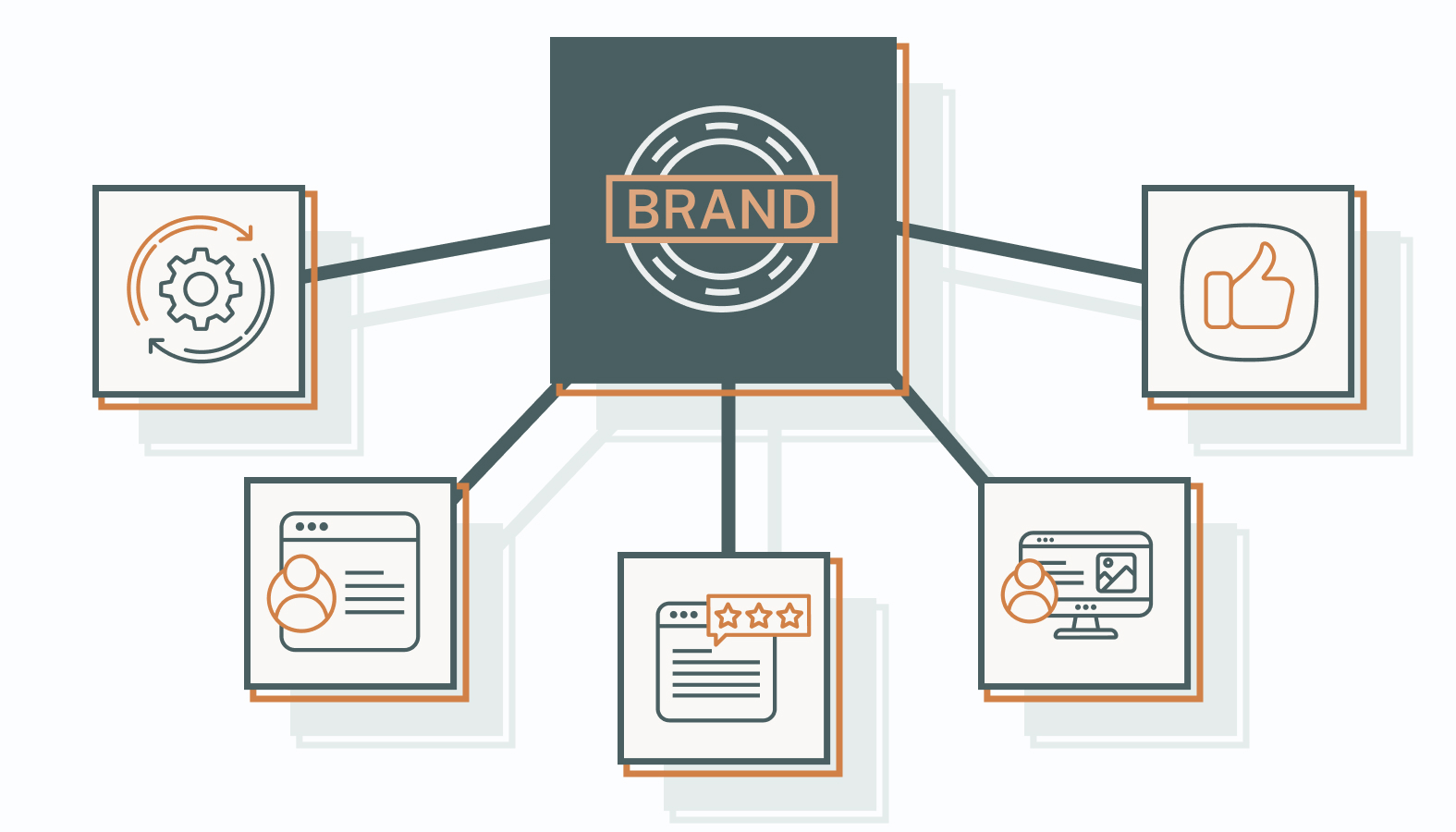
Consistent branding delivers measurable business outcomes. It can influence recognition, retention, customer perception, and marketing performance.
Track these metrics:
- Brand recall: How quickly and accurately does your audience recognize your brand versus competitors?
- Customer retention: Repeat customers reflect consistent, reliable experiences.
- Net Promoter Score (NPS): It measures whether your brand inspires enough trust to generate referrals.
- Campaign performance: Track engagement, conversion rates, and ROI as recognition grows.
- Share of voice: Monitor your brand’s presence across channels relative to competitors.
Beyond numbers, gather qualitative feedback through customer surveys, social listening tools, and employee input. Review findings regularly and use them to refine and strengthen your strategy. If recognition or retention slows down, investigate where consistency may be slipping.
Build a Brand People Recognize and Return To
Brand consistency shapes how customers recognize, trust, and choose your business over competitors. From visual identity and messaging to customer experience and internal communication, consistency helps create familiarity that strengthens loyalty over time.
Maintaining that consistency requires clear guidelines, aligned teams, and regular oversight, especially as businesses grow and expand across channels. The brands that stay memorable long-term are usually the ones that continue delivering a reliable experience at every touchpoint.
Bring More Consistency To Your Brand Strategy
If you want an outside perspective on where your branding may be aligned or where inconsistencies may be creating friction, we’d be happy to talk it through with you.
Connect with us and start building a brand experience customers remember long-term.