


The terms “demand generation” and “lead generation” are often used interchangeably, but they serve different purposes. That confusion can lead to misunderstandings during budget discussions, agency partnerships, and performance reviews, where success is measured using the wrong metrics.
The difference between demand generation vs. lead generation goes beyond terminology. Each plays a distinct role in attracting potential customers and moving them through the sales pipeline. When they’re mistaken for one another, businesses risk wasting time, budget, and marketing efforts on strategies that don’t align with their goals.
In this guide, we’ll break down what sets demand generation apart from lead generation, when each approach should be used, and how understanding the difference can help you build a more effective marketing strategy.
What is Demand Generation?
Demand Generation is the process of building awareness and interest in your brand before asking potential customers to take action. Rather than focusing on collecting email addresses or phone numbers, it aims to help people recognize a problem they have and position your business as a solution worth considering.
Unlike a short-term marketing campaign, demand generation is an ongoing, full-funnel strategy. It supports potential customers throughout their decision-making journey by reaching:
- People who’ve never heard of their brand and have a reason to pay attention
- People who are aware but still weighing out what they truly need
- People who know the brand yet still to decide it it’s the right fit
A B2B demand generation agency typically owns this entire journey rather than focusing on a single stage. Because it influences every part of the customer journey, it is often more difficult to measure than lead generation. Its impact usually builds gradually, with meaningful results becoming visible over months rather than days. This distinction becomes clearer when comparing demand generation vs. lead generation in the context of the customer journey.
What is Demand Generation Trying to Accomplish?
There are three objectives that demand generation is built around:
- Increase brand awareness by reaching people who may not yet know your business exists.
- Educating the market about a problem or a category, more than just a product
- Building a pipeline of future customers by nurturing interest over time instead of focusing solely on immediate conversions.
These goals take time, as demand generation focuses on building trust before chasing sales.
How Companies Actually Do It?
Consistency is needed to make each strategy work well. Most demand generation programs run on:
- Blog content, guides, and other material meant to be genuinely useful
- Webinars and events that aren’t disguised sales pitches
- Executives or specialists putting out original thinking, not recycled takes
- Paid ads built for visibility, followed by conversions, all working alongside a broader content distribution plan
The companies that get demand generation right don’t treat it like a short-term campaign but rather as an ongoing effort and hard work. A skilled B2B demand generation agency keeps content, advertising, and sales aligned for long-term pipeline growth.
What is Lead Generation?
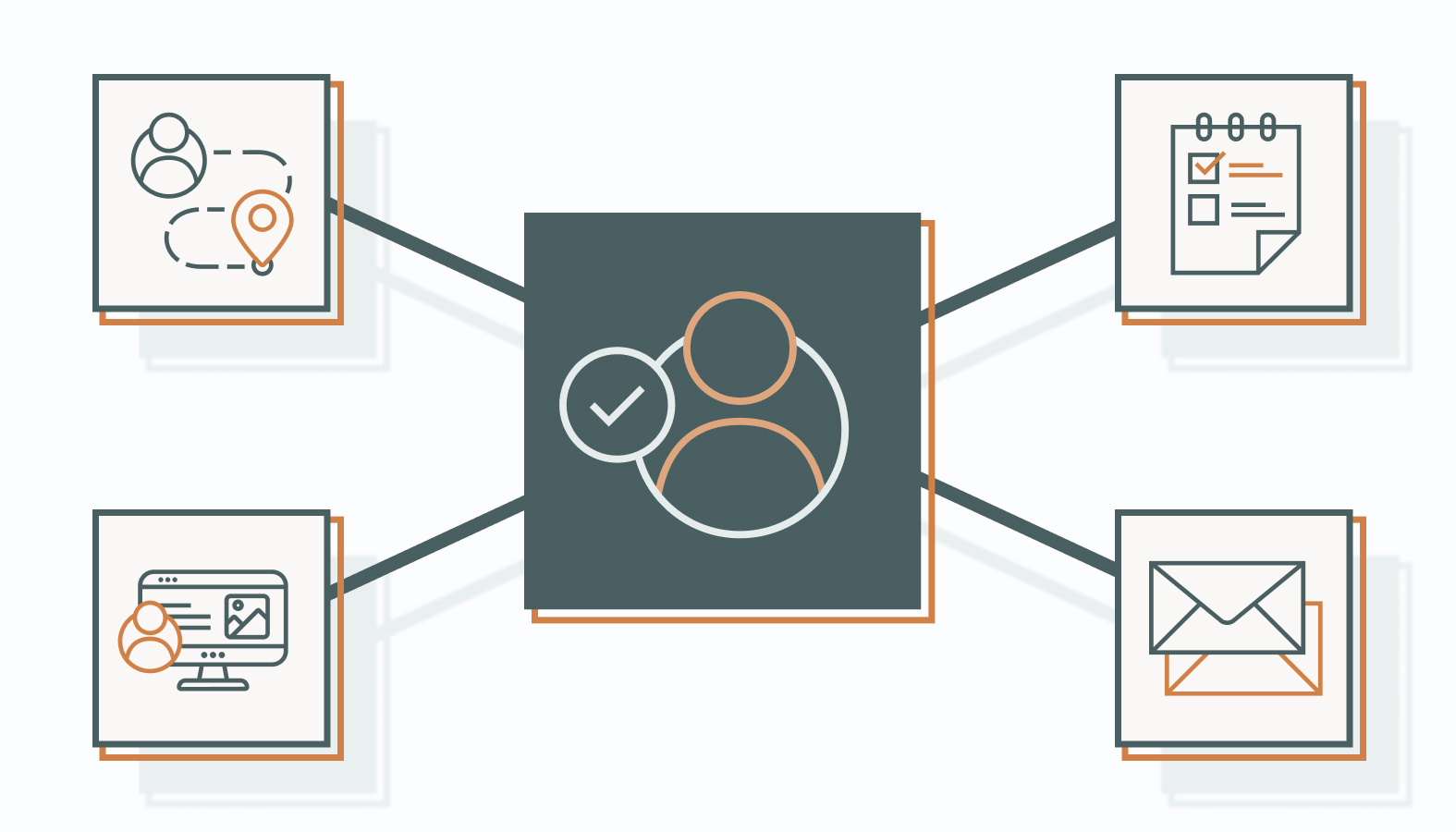
Lead generation picks up where demand generation leaves off. Understanding demand generation vs. lead generation helps clarify why both strategies are necessary. Once someone pays attention, becomes aware of your brand, and expresses interest, lead generation turns that interest into a qualified prospect by collecting information such as a name, email address, phone number, or other details that a sales team can use to continue the conversation.
This strategy primarily focuses on the middle and bottom of the marketing funnel. While demand generation gets people curious, lead generation encourages potential customers to take the next step. Without it, a company can have plenty of attention but have no way to identify, nurture, or follow up with interested prospects.
Common lead generation strategies include:
- Offering a guide, a template, or a report in exchange for contact details
- Requiring registration for a webinar or an event
- Landing pages built around one clear action
- Direct outreach through email, LinkedIn, or occasional phone calls
How a Lead Generation Strategy Runs
As you evaluate demand generation vs. lead generation, this is where the latter begins to take over. Simply because a working lead generation strategy typically follows a pattern, such as attracting the right audience with content or ads, getting their information through a form or sign-up, and qualifying them to see if they’re actually fit. Also, it nurtures the ones who aren’t ready yet and hands off the ready ones to sales.
What Lead Generation Is Trying to Accomplish
The goals of lead generation are more concrete than demand generation:
- Getting contact information from people worth talking to
- Filtering out people who aren’t a real fit
- Getting qualified people in front of sales without unnecessary delay
Tactics That Show Up Most Often
To hit the goals, marketers use a proven set of tactics such as:
- Gated resources like eBooks or whitepapers
- Forms and landing pages placed where intent is already high
- Cold outreach over email or LinkedIn aimed at specific accounts
Core Differences Between Demand Generation and Lead Generation
The difference between demand generation vs. lead generation becomes much clearer when you compare their objectives side by side.
Simply put, demand generation builds awareness and earns trust before a prospect is ready to make a purchasing decision. On the other hand, lead generation focuses on identifying and converting people who have already shown interest into qualified leads. One grows the audience, while the other works with the other captures and nurtures that audience toward a sale.
The right approach often depends on where your business is today. Early-stage companies or anyone entering a new market should lean toward demand generation first, since there’s no audience yet to convert. Established brands with stronger market recognition can generate better results by investing more heavily in lead generation.
A common source of confusion is when marketing agencies describe lead generation tactics like gated content, webinar registrations, or cold outreach as demand generation. While these activities can support a broader demand generation strategy, they are primarily lead generation efforts because their goal is to capture contact information or initiate direct sales conversations.
Another frequent mistake is evaluating demand generation solely by the number of leads it produces. Demand generation is intended to increase awareness, educate the market, and build long-term demand, so its success should be measured by broader indicators such as brand visibility, audience engagement, website traffic, and pipeline growth.
How The Two Work Together
Demand generation and lead generation aren’t competing strategies. Rather, they’re complementary parts of the same marketing process. The handoff between them matters more than either one on its own. Demand generation stirs someone’s curiosity enough to engage, while lead generation is what catches that moment and turns it into qualified opportunities that the sales team can pursue.
When these strategies are aligned, marketing and sales operate with a shared understanding of what makes a prospect ready to move forward. That alignment can become a bigger driver of ROI than either tactic by itself.
Choosing the Right Approach for Your Business
The right strategy depends on where your business sits, your goals, and available resources. What worked for other companies may not work for you. A trusted B2B demand generation agency should evaluate every business stage, sales cycle, and growth goals before deciding where to invest your marketing budget.
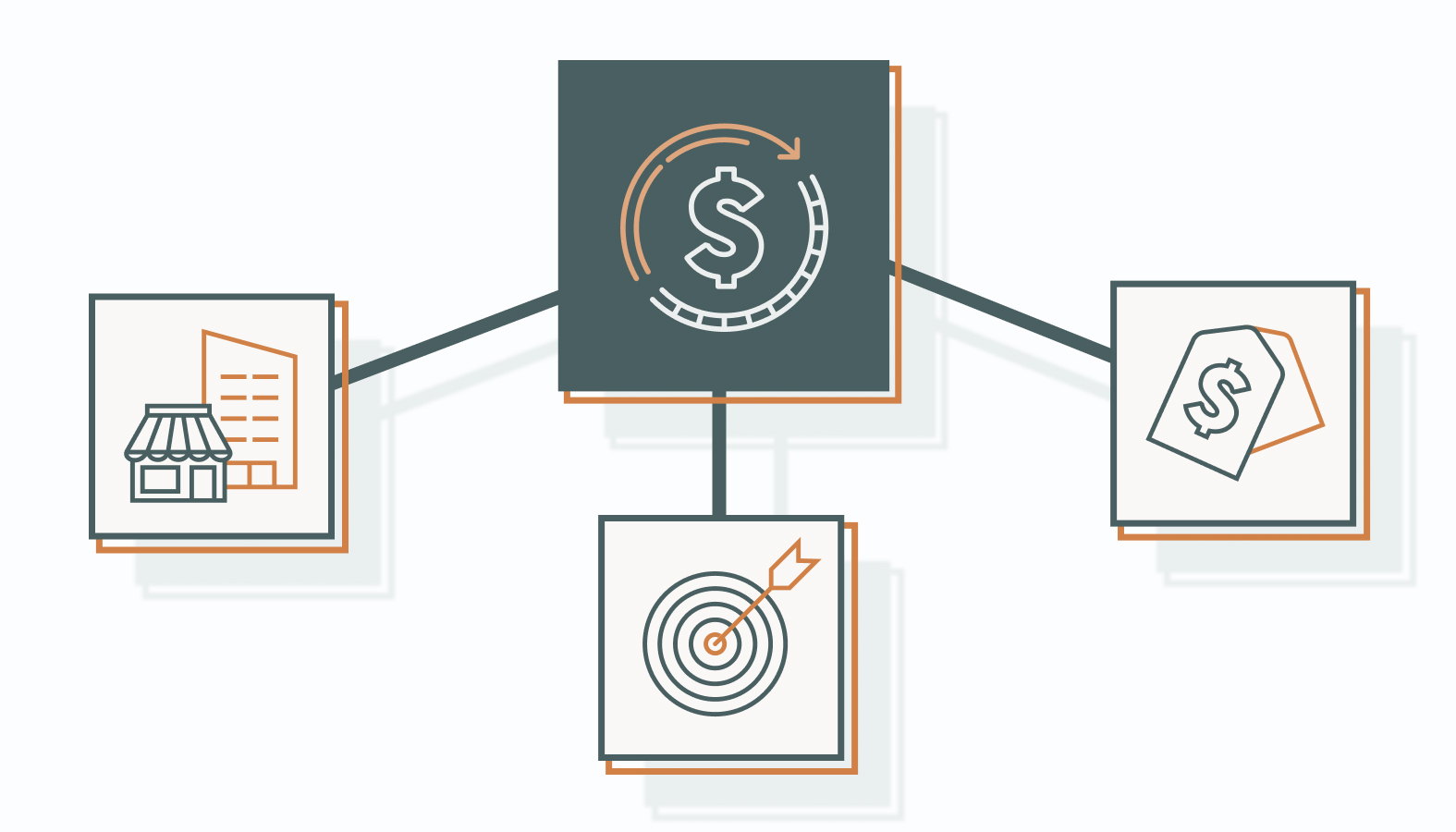
Here Are Some Factors to Consider When Deciding
- Business Stage – new or unproven markets usually need demand generation first
- Goals – filling next quarter’s pipeline calls for different work than hitting this month’s number
- Resources – demand generation takes patience and budget, whereas lead generation can move faster but burns out an audience if it’s overused too early
If your sales team keeps complaining that there aren’t enough good leads coming through, that might mean you’re having a demand generation gap, not a lead gen pressure. If awareness is already solid and the pipeline simply needs filling, a lead generation specialist is probably the better fit. Demand generation vs. lead generation depends on where your business is today and what you’re trying to accomplish.
Measuring Results and Avoiding Mistakes
Measuring demand generation vs. lead generation requires different success metrics because each strategy has a different purpose. Demand generation should be evaluated using metrics that reflect long-term growth, such as brand awareness, audience engagement, website traffic, and pipeline movement. Lead generation, on the other hand, should be measured by metrics that indicate sales readiness, including lead quality, conversion rates, and the speed at which leads progress through the sales pipeline.
One of the most common mistakes businesses make is expecting demand generation to produce immediate results. Building awareness and trust takes time, and meaningful outcomes often develop over months rather than weeks. Other frequent mistakes include placing too much valuable content behind lead capture forms, measuring demand generation solely by lead volume, or allowing marketing and sales teams to operate without regular communication and alignment.
When working with an agency, it’s reasonable to ask for case studies, transparent performance data, and clear reporting instead of polished summary slides alone. If results have stalled for an extended period, don’t hesitate to ask questions, review the strategy, and ensure your agency is making data-driven adjustments rather than simply continuing with the same approach.
FAQs
1) What is the main difference between demand generation and lead generation?
The main difference between demand generation and lead generation is their objective. The former focuses on building awareness, educating the market, and creating long-term interest in your brand, while the latter is expected to capture and qualify the people who already pay attention and are ready to move.
2) Can a business focus on both at the same time?
Yes. Most effective strategies use this approach in complementary campaigns. Most of the time, if you run them in isolation, gaps will show up fast. They work best when they are well-coordinated.
3) How do I know if my agency is prioritizing the right strategy?
Focus on outcomes rather than activity reports. If you’re generating plenty of leads but little improvement in brand awareness or market visibility, your agency may be emphasizing lead generation too heavily. Conversely, if engagement and website traffic are growing but qualified leads remain low, your lead generation efforts may need strengthening. A good agency should clearly explain why they’re investing in each strategy and how success will be measured. An experienced B2B demand generation agency also explains how demand generation and lead generation work together instead of presenting them as competing strategies.
4) What results should I expect from each approach?
Demand generation should show up gradually in visibility, engagement, and a pipeline that keeps building on itself over several months. It’s not going to spike in only a span of a week. Lead generation should show up faster through qualified contacts, better conversion rates, and a more immediate effect on the sales pipeline. Expecting demand generation to behave like lead gen, or vice versa, is where the frustration usually comes from.
5) How do demand generation and lead generation impact ROI differently?
Demand generation might pay off slower, but the returns compound in the long run. This is because brand trust makes every interaction a little easier and cheaper. Lead generation moves faster and easier to track on a spreadsheet, but it tends to plateau without ongoing demand generation feeding it.
6) When should I consider switching agencies or strategies?
You may begin considering switching agencies or strategies the moment you notice that there’s no growth for a few months running. Also, you can request for a strategy review if the lead quality keeps slipping even when the volume looks fine. Lastly, if the agency can’t show you clear strategies and resolution approaches when something is not working.
7) What are common mistakes businesses make with demand or lead generation?
Common mistakes include expecting immediate results from demand generation, placing too much valuable content behind lead capture forms, measuring demand generation solely by lead volume, and allowing marketing and sales teams to operate without alignment. Avoiding these pitfalls helps ensure both strategies work together to build awareness, generate qualified leads, and support long-term business growth.
Demand Generation vs Lead Generation: What to Do Next?
Demand generation and lead generation serve different purposes, but they’re most effective when they work together. Building awareness without a plan to convert leads to missed opportunities, while focusing only on lead generation can limit long-term growth. A balanced strategy helps create a healthier, more sustainable sales pipeline.
If you’re unsure whether your current marketing strategy strikes the right balance, consider speaking with a trusted marketing partner.
Schedule a candid conversation with one of our experts » and get a straight answer on where your marketing stands, what’s working and what’s not, and figure out the right next move to make.