


Content creation gets most of the attention, and publishing is part of the process. The content distribution channels you choose influence who sees your content, where they encounter it, and how often they engage with it.
For many brands, channel decisions become increasingly complex as platforms, formats, and audience behaviors evolve with time. What works for one may be ineffective for another, that’s why it’s important to understand the options available and the role each channel plays.
This guide explores the major types of content distribution channels, the platforms marketers commonly use, and the factors that influence channel selection in a modern marketing strategy.
What Are Content Distribution Channels?
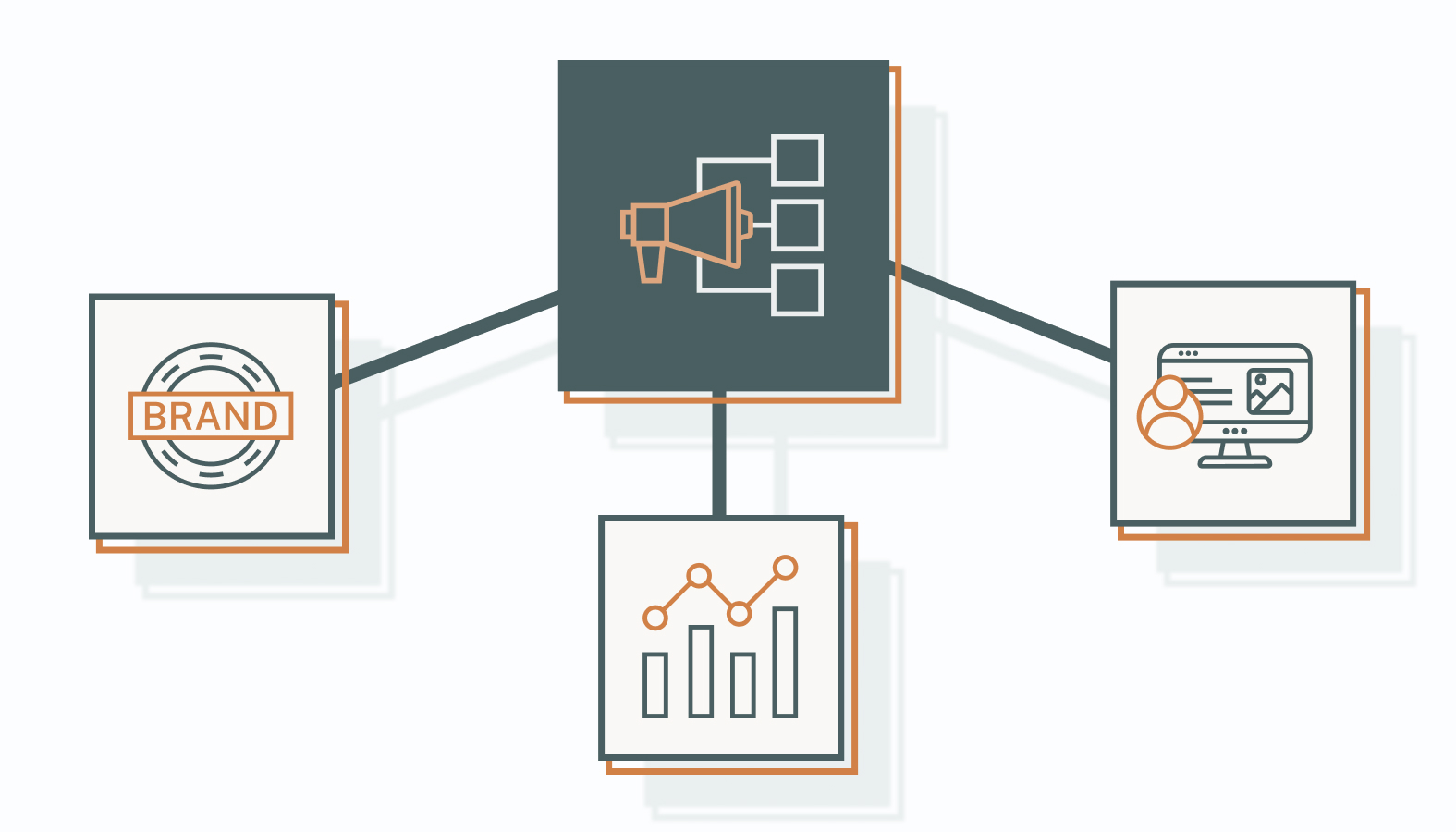
These channels are the platforms, networks, and methods used to share content with an audience. They determine where people encounter your content after it’s been published.
Common content marketing channels include:
- Websites and blogs
- Email newsletters
- Social media platforms
- Video-sharing sites
- Podcasts
- Online communities and forums
- Print and offline media
Each channel has a different purpose and reaches audiences in different ways. Some are better suited for long-form content, while others work best for short updates, videos, or conversations.
Understanding them builds a distribution strategy and evaluates which channels make sense for your content, audience, and business goals.
Why Content Distribution Channels Are Important
You could produce the most useful article, the sharpest video, or the most accurate infographic, but without the right content distribution channels, it would still be almost unnoticeable.
Distribution shouldn’t be optional. It’s what actually determines whether your content works. When you use the right content marketing distribution channels, the results will be measurable:
- Greater brand visibility: The more places your content appears, the more likely your audience is to encounter and remember your brand. Consistent presence across multiple content distribution channels compounds over time. Most of the audience needs repeated exposure before they engage or convert.
- Higher engagement: Distributing content where your audience already spends time means more clicks, shares, and conversions. When channel and content format align, engagement follows naturally.
- Stronger authority: Showing up consistently across relevant content marketing distribution channels positions your brand as a credible resource in your space. It is recommended to show up in the right places with content worth reading.
When brands skip distribution planning, the cost will be as visible as:
- Low content ROI: Great content that isn’t seen won’t drive business outcomes. No content distribution channel means no audience, regardless of content quality.
- Missed opportunity: Competitors who treat content marketing distribution channels as a strategic priority have the attention and market share you might be missing.
- Audience disconnect: If your content isn’t where your audience is, it doesn’t matter how good it is. Distribution determines discoverability.
A strong approach must turn content from a production cost into a performance asset. The goal is more than just to publish more, it’s also to make sure what you publish truly lands.
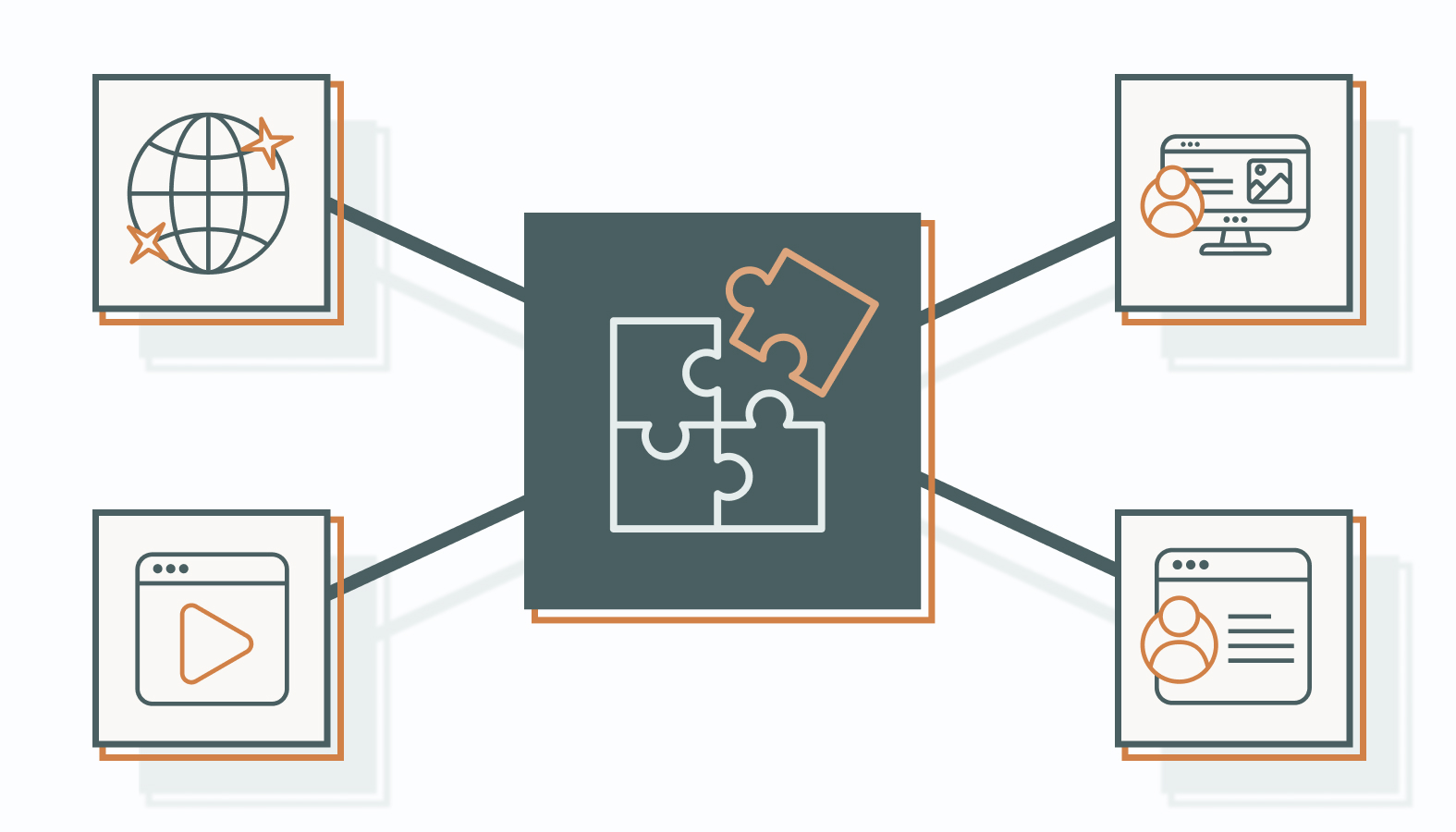
4 Main Types of Content Distribution Channels
This framework gives marketers a practical way to map distribution efforts, allocate resources, and avoid over-relying on any single channel type.
1) Owned Media
This one includes every content distribution channel your brand fully controls, such as your website, blog, email newsletters, and mobile app. No gatekeepers, no algorithmic dependencies, no platform policy changes that can cut your reach overnight.
Key advantages:
- Full control over what’s published, when, and how it looks
- Direct access to your audience without intermediary platforms determining who sees what
- Lower ongoing cost compared to paid alternatives, once the channel is established
- Long-term compounding value, especially for SEO-driven blog content and email lists built over time
The tradeoff is that it requires consistent investment to build and maintain. An email list doesn’t grow by itself. A blog without regular, optimized content loses ground in search. But the assets you build here belong to your brand, and no platform can take them away.
2) Earned Media
Earned media is the attention you generate rather than buy, such as press coverage, organic shares, third-party mentions, reviews, and backlinks. It carries weight that paid content distribution channels can’t replicate.
How to leverage earned media effectively:
- Produce content that’s useful or newsworthy enough that others want to reference or share.
- Treat third-party validation as a credibility asset. An editorial mention or organic backlink signals trust in a way a paid placement never will.
- Actively monitor mentions and backlinks so you can amplify what’s gaining traction.
- Build relationships with journalists, industry analysts, and community voices before you need coverage.
Earned media is harder to control and slower to build than other content marketing distribution channels, but its credibility advantage makes it worth the investment. Unlike paid placements, earned attention signals trust that audiences truly value.
3) Paid Media
Paid media covers content distribution channels you pay to access, like search ads, social ads, display ads, sponsored content, influencer placements, and paid newsletter features. It’s the fastest way to get content in front of a targeted audience.
When and why it works:
- Delivers visibility on demand, which is useful for launches, promotions, or time-sensitive campaigns.
- Allows precise targeting by demographics, interests, behaviors, and purchase intent.
- Scales up quickly if the budget allows.
- Works best when amplifying content that already performs organically, but it shouldn’t be a substitute for content quality.
The limitation of paid media is straightforward: When the spend stops, so does the reach. Paid media is only an accelerator, not a strong foundation.
4) Shared Media
Shared media is content distributed through social networks, co-marketing campaigns, and user-generated content. It sits at the intersection of owned and earned. Your brand initiates it, but audiences and partners extend it.
What makes shared content marketing distribution channels valuable:
- Audiences actively help spread your message, extending reach without additional spend.
- Two-way interaction builds community and turns passive readers into active advocates.
- Partner content introduces your brand to audiences you wouldn’t reach through your own channels alone.
- User-generated content is both cost-efficient and credible. Audiences trust other users more than they trust brands.
These four content distribution channels create a strategy that’s more resilient than any single approach. The strongest brands build across all of them, with different resource allocations based on their goals and stage of growth.
Comprehensive List of Content Distribution Channels (The 2026 Edition)
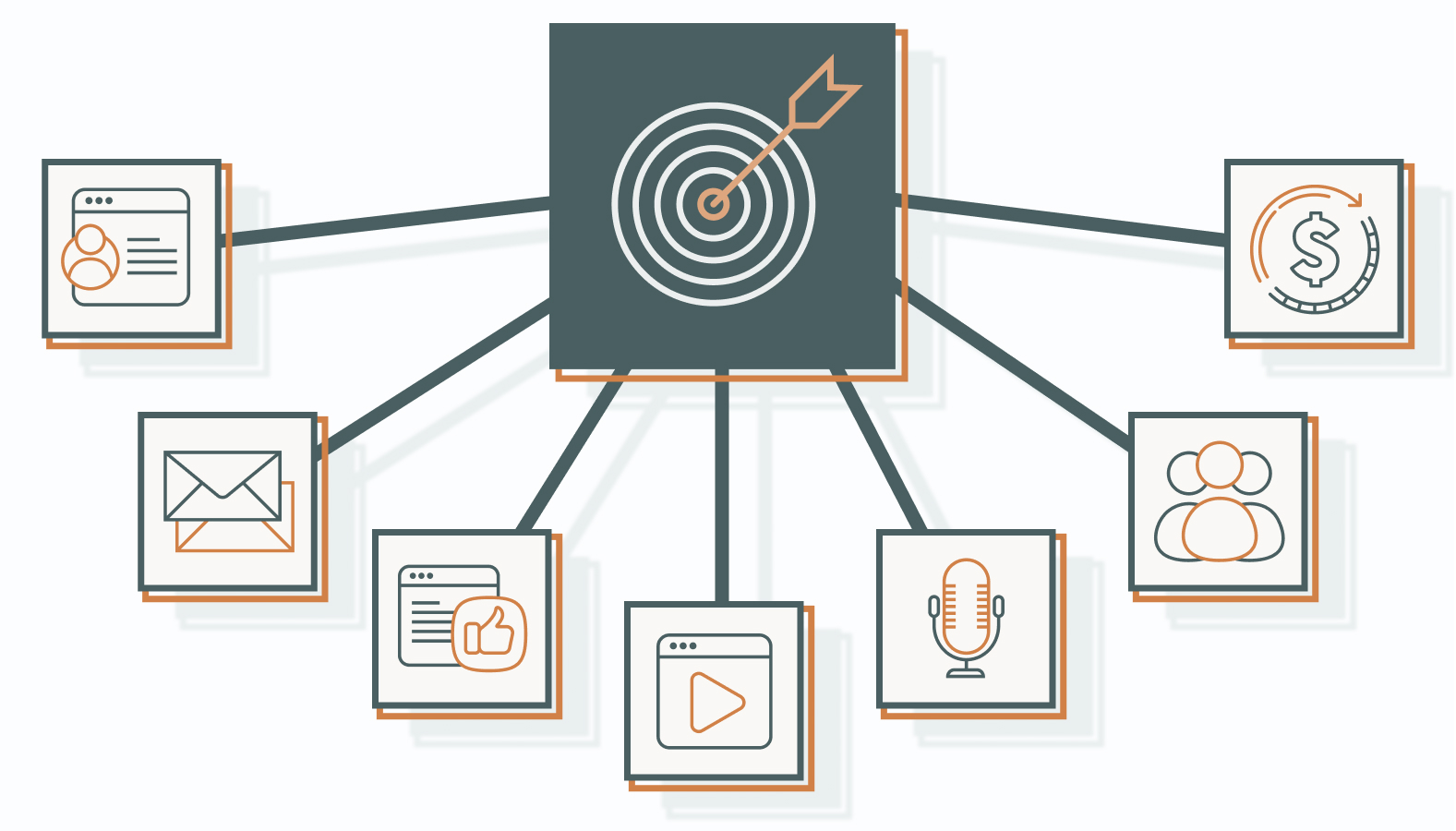
The number of content marketing distribution channels continues to grow. Below is a breakdown of what’s currently available, and each has its own strengths and right use cases. The goal is to understand what each channel does well so you can build a mix that fits your brand.
Website & Blog
Your website and blog are the foundation of your owned media. This is where SEO grows over time, where you have complete creative control, and where your audience can always find current and archived content.
Every other content distribution channel you use should, at some point, point back here.
Optimization priorities:
- Clear navigation and internal linking for easy discovery across your content library.
- SEO fundamentals: keyword targeting, meta descriptions, structured data, and fast page load times.
- Regular updates to existing content to maintain search relevance.
- Clear calls-to-action that move readers toward the next step, whether that’s a related article, a lead magnet, or a product page.
A blog without a distribution strategy behind it is just a publishing archive. Pair it with email, social, and search to put content in front of people who haven’t found you yet.
Email Marketing
Email is one of the most direct content distribution channels available. No algorithm determines who sees your message. No platform change can cut your list overnight. Your subscriber opted in, which means they are interested and already want to hear from you.
Best practices:
- Build your list organically. Imported or purchased lists perform poorly and damage the sender’s reputation.
- Segment by interest, lifecycle stage, or behavior so content stays relevant to each reader.
- Personalize subject lines and preview text, as these determine whether your email gets opened at all.
- Test send times, formats, and frequency consistently rather than assuming one approach fits everyone.
- Treat your email list as a long-term asset because relevance and consistency determine its health over time.
Email remains one of the highest-ROI content marketing distribution channels available even nowadays because it is direct, permission-based, and owned.
Social Media Platforms
Social media is mostly where content gets discovered, shared, and discussed in real time. Each platform operates as a distinct channel with its own content norms, algorithm logic, and audience expectations.
What works on LinkedIn will not necessarily work on TikTok. Treat each platform uniquely and accordingly.
1) LinkedIn
It is the primary content distribution channel for B2B and professional content. Decision-makers and industry leaders are most active here. Thought leadership, case studies, and data-driven insights perform well.
Native posts, long-form articles, and document carousels all drive engagement. Employee amplification (encouraging your team to share company content) extends organic reach without additional spend.
2) X (Formerly Twitter)
It is built for concise, timely content. Short-form text, sharp commentary, quick updates, and live event coverage work best here. Visibility is short-lived, so frequency matters more than on most other content distribution channels.
Replies and quote posts build visibility with audiences beyond your existing followers.
3) Facebook
This platform offers a broad demographic reach and a strong infrastructure for both community-building and paid amplification.
It supports a wide variety of content formats:
- Video that consistently drives the highest reach and engagement
- Image posts, link shares, and text-based updates can be used for both entertainment and informational purposes
Facebook Groups are useful for niche community development, while Facebook Ads offer targeting options that make it one of the more flexible paid content marketing distribution channels for consumer brands.
4) Instagram
It is a visual-first platform built around high-quality images, short videos, Stories, and Reels. A mix of content formats improves overall discoverability.
User-generated content and interactive features like polls and question stickers drive engagement and surface social proof.
5) TikTok
TikTok rewards creativity and authenticity over follower count. Newer accounts can reach large audiences if the content connects. Short, punchy videos with clear hooks in the first two seconds perform best, specifically these types:
- Educational/how to: quick tips and step-by-step guides that deliver value fast
- Behind the scenes: your process, team, or product in an unpolished, authentic way
- Trend-based: sounds, challenges, or formats already gaining traction
- UGC and duets: creator collabs and customer reshares that build credibility
This is one of the fastest-moving content distribution channels available, and it rewards the brands that are willing to experiment and be more creative.
6) Pinterest
This functions more like a visual search engine than a social platform. Informative, inspirational, and instructional content achieves a much longer shelf life here than on most other channels. Vertical pins with keyword-rich descriptions and organized boards drive consistent referral traffic over time.
Businesses benefit the most from Pinterest by:
- Driving passive traffic: well-optimized pins continue surfacing in search results months or years after they have been posted
- Showcasing products in context: lifestyle imagery and how-to visuals convert browsers into buyers
- Capturing high-intent audiences: users on Pinterest are actively planning and looking for ideas
- Repurposing existing content: blog posts, guides, and infographics translate directly into pinnable assets with minimal extra effort.
7) Quora & Reddit
They are community and Q&A platforms where credibility is built through genuine participation.
These content distribution channels reward expertise, which makes them valuable for brands with something substantive to contribute.
Video Platforms
Video remains one of the highest-engagement content marketing distribution channels available.
YouTube
This platform offers massive reach and strong discoverability through search. Thumbnails have an outsized effect on click-through rate. Playlists and series extend watch time and build subscriber loyalty.
YouTube functions as both a social content distribution channel and a search engine, giving it compounding value over time.
Vimeo & Other Niche Platforms
They are better suited for creative professionals, portfolio content, and industry-specific audiences.
These are not high-volume content distribution channels, but they’re the right choice when presentation quality matters more than reach.
Podcasting Platforms
Podcasting has become a reliable channel for thought leadership and audience loyalty. Listeners are highly engaged: commuting, exercising, or working while your content plays. That level of sustained attention is rare across any content marketing distribution channels.
Distribute episodes across Spotify, Apple Podcasts, and YouTube. Promote new episodes through email and social media to drive initial traction. Show notes and transcripts support SEO and accessibility.
Guest collaborations expand your reach into new audiences efficiently, which is one of the best ways to grow on this channel.
Influencer & Partner Channels
Influencers and strategic partners can double the reach of your content quickly, particularly into audiences you’d struggle to access through your own channels alone.
Guidelines:
- Prioritize alignment between the partner’s audience and your target audience over follower count.
- Set clear expectations and measurable KPIs before any collaboration begins.
- Co-create content rather than just licensing your message to someone else’s platform.
- Track performance and iterate based on actual results instead of assumptions
The right partnership works best when the audience fit comes first. Strong alignment and clear performance expectations can produce better results than reach alone.
Paid Advertising Channels
Paid content distribution channels provide targeted reach on demand. They shouldn’t be a substitute for organic distribution, but a powerful accelerant for content that’s already working.
1) Search ads (Google, Bing) drive intent-based traffic directly to your content. Target high-intent keywords, write specific ad copy with clear calls-to-action, and monitor bids closely.
2) Social ads (LinkedIn, Facebook, Instagram, TikTok) let you reach specific audiences based on demographics, interests, and behavior. Test creative and placement combinations before scaling spend.
Track conversions instead of just clicks. Engagement metrics alone don’t tell you whether a distribution channel is delivering real value.
3) Native and display ads place your content where audiences already consume similar material. Both benefit from contextual targeting and consistent creative testing.
4) Traditional and Offline Channels – Print, events, TV, and radio still reach audiences, particularly when integrated with digital content marketing distribution channels. QR codes and custom URLs bridge offline exposure to digital tracking.
Event content translates well into digital formats, such as recaps, highlight reels, and session recordings, which all have a second life online.
Thoughtfully leveraging this diverse mix of content distribution channels maximizes your reach, engagement, and ROI, no matter where your audience’s attention goes next.
How to Choose the Right Content Distribution Channels for Your Brand
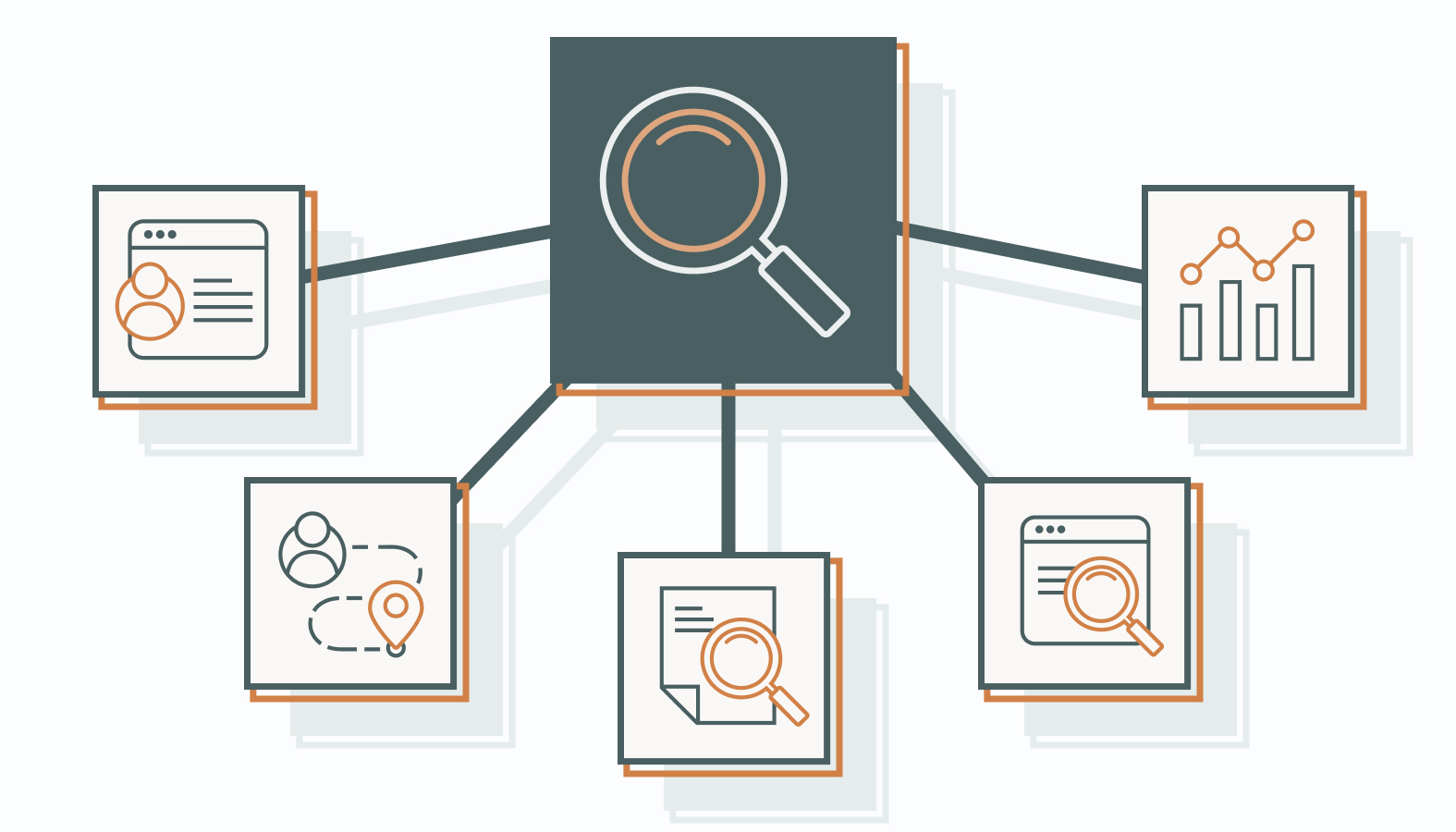
This initiative isn’t about being everywhere at once, but rather about making intentional decisions that align with your brand, audience, and business objectives.
1) Know Your Audience
Before committing to any content distribution channel, you need to deeply understand your audience and where they spend their time.
- Use surveys, analytics, and social listening to identify content preferences and platform behavior.
- Map audience activity across the decision-making journey. Different content marketing distribution channels reach people at different stages.
- Let data drive channel selection, not internal preferences or whatever platform is currently generating buzz.
If your audience is on LinkedIn and YouTube, take that as an edge. If they’re not on TikTok, then TikTok isn’t a priority, regardless of how much coverage the platform gets in marketing media.
2) Define Your Goals
Every content distribution channel serves a different function. Set specific objectives before committing to any of them.
- Identify your primary KPIs: brand awareness, lead generation, sales, or thought leadership.
- Match goals to channel strengths. For example, LinkedIn and email are strong content marketing distribution channels for lead generation, while YouTube and TikTok are better for awareness, and search ads capture high-intent audiences.
- Focus on channels most aligned with your primary objectives before expanding into the secondary ones.
Clear goals make channel decisions easier. When each channel supports a specific objective, resources are allocated more effectively, and performance becomes easier to measure.
3) Audit Your Content Assets
Before adding new content distribution channels, take stock of what you already have.
- Catalog existing content: blog posts, videos, guides, case studies, and social assets.
- Identify format gaps as these point to production opportunities or channel decisions you haven’t made yet.
- Repurpose high-performing content for adjacent content marketing distribution channels, such as a blog post that becomes a LinkedIn carousel or a podcast that becomes a YouTube video.
Repurposing is one of the most efficient ways to extend reach across multiple content distribution channels without a proportional increase in production effort.
4) Evaluate Channel Fit and ROI
Not every channel is effective for all brands. Assess fit before committing budget or headcount.
- Does your target audience actively use this channel?
- Do your content formats match what this channel requires?
- Does the required budget align with realistic returns?
- What metrics will confirm if this content distribution channel is working, and what would trigger a decision to stop it?
Without defined benchmarks, you’ll keep funding underperforming content marketing distribution channels that don’t grow or scale.
5) Competitive Analysis
Study which content distribution channels your competitors use and how their audiences respond. Look for high-engagement content, shares, and inbound links, which signal what resonates on each platform.
Identify channels or content types they’re underusing and treat those as opportunities. Use insights to refine your own mix, either by reinforcing what works or moving deliberately into underserved areas.
A competitive analysis also reveals when competitors publish and on which channels. This is useful for sharpening your own schedule.
Taking a strategic, audience-first, and metrics-driven approach to channel selection ensures your content is distributed effectively until it gets the desired results.
Build a System, Not Just Publishing Schedules
Treat each content distribution channel as unique, serving different purposes. Some help you build long-term visibility, some help you generate immediate reach, and others help strengthen credibility with new audiences. Understand which ones deserve your attention and how they work together as part of a larger strategy.
The most effective brands are not creating content for volume, but rather they make deliberate distribution decisions based on audience behavior, business goals, available resources, and measurable performance.
As platforms, algorithms, and consumer habits continue to change, the smartest approach is to stay focused on where your audience is, track what delivers results, and adjust accordingly. Strong distribution is about showing up where it matters most.
If you’d like an outside perspective on your current approach, we’re here and happy to share practical insights and opportunities worth exploring. Schedule a candid conversation with one of our experts.» Let’s uncover where your biggest distribution opportunities may be hiding.