


A lot of brands are producing more content nowadays, but maintaining consistent audience participation is still difficult across many platforms. A strong user-generated content strategy has become a larger part of modern marketing as brands look for more interaction, increase content variety, and keep campaigns active beyond short-term engagement spikes.
At the same time, managing UGC at scale comes with its own challenges. Content quality, platform selection, moderation, creator partnerships, campaign structure, and long-term participation all affect how well a strategy performs over time.
As audience behavior, content formats, and platform trends shift fast, many brands seek what helps UGC campaigns maintain stronger engagement and more consistent results.
This article explores how brands are approaching UGC today, which campaign strategies are gaining traction, and what businesses should pay attention to when building a more sustainable user-generated content strategy across multiple channels.
Why User-Generated Content Matters for Brands
Most of the time, people trust customer content more than branded marketing because it feels more relatable and less scripted.
Reviews, tagged photos, testimonials, and customer videos give potential buyers a better sense of how a product or service fits into real situations.
UGC supports multiple areas of marketing at once:
- Builds trust through real customer experiences
- Increases engagement on social platforms
- Adds fresh content to websites and product pages
- Supports SEO with regularly updated content
- Helps reduce hesitation during the buying process
It also supports different stages of the customer journey:
- Awareness: Helps new audiences discover the brand
- Consideration: Answers questions through customer experiences
- Conversion: Adds social proof before purchase
- Retention: Keeps customers involved after buying
Brands continue to use UGC because the performance data is hard to ignore. Customer content often generates stronger engagement than traditional branded posts, while reviews and testimonials can improve conversion rates on landing pages and ecommerce sites.
As more brands compete for attention online, customer-driven content continues to play a larger role in how people research, evaluate, and interact with any business.
Setting Measurable Goals for Your UGC Initiatives

Before launching any UGC strategy, you need to have clear objectives. Chasing more engagement and noise without defined goals leads to wasted resources and results that are difficult to interpret.
Your goals shape every decision you make, from the platforms you prioritize to how you measure success. The best UGC goals follow the SMART framework: Specific, Measurable, Achievable, Relevant, and Time-bound.
For example:
- Brand Awareness: Increase branded hashtag usage on Instagram by 40% in Q3 2026.
- Community Building: Grow a private Facebook group by 500 active members through a UGC photo contest within 60 days.
- Lead Generation: Collect 1,000 new email sign-ups from UGC contest participants by the end of the campaign.
- Sales: Drive 15% more conversions on product pages featuring customer reviews over the next quarter.
Each goal should be clear, quantifiable, and tied to a deadline to make it easier to align your team and prove ROI.
More importantly, UGC goals should connect to your broader business priorities. If your company’s focus is customer retention, your UGC efforts should emphasize advocacy and repeat engagement, more than just acquisition.
If you’re entering a new market, prioritize local creators and region-specific campaigns.
To ensure alignment, start with your company’s top priorities, map UGC objectives to those priorities, and measure metrics that reflect real business impact, and not just vanity numbers like views, likes, and shares.
Selecting the Best Platforms to Amplify Your UGC
Choosing where to focus your UGC matters just like the content itself. Begin by considering where your target audience spends time and what type of content you want to showcase.
Key criteria for platform selection include audience demographics, content format, engagement features, discoverability algorithms, and available analytics.
1) TikTok and Reels
They’re the engine of viral UGC in 2026. They thrive on creativity, trends, and low-barrier participation. Launch branded hashtag challenges with a clear, simple prompt, like e.l.f. Cosmetics’ #EyesLipsFace, which generated over 7 billion views.
Collaborate with micro-influencers to kickstart participation and use trending audio to lower the barrier to entry.
2) Instagram
This platform remains a powerhouse for visual UGC. Use Stories, branded hashtags, and Highlights to surface and amplify user content.
Recurring themed prompts, such as weekly customer spotlights or branded community features, can help encourage more consistent submissions.
3) YouTube Shorts
They are a strong option for snackable UGC with a broad reach. Invite users to create Shorts answering a prompt, demonstrating a product hack, or sharing a testimonial. Keep prompts simple and replicable.
Emerging platforms are worth testing as well. Reddit communities offer authentic, niche conversations. Discord servers build tight-knit brand communities. Pinterest works well for lifestyle and DIY brands.
The key is to pilot campaigns, use unique hashtags or trackable links to measure performance, and analyze volume, content quality, and brand alignment.
Meet your audience where they are, match your content to the platform’s strengths, and test new channels without hesitation.
The best UGC campaigns are platform-native, not copy-pasted across every channel.
Growing and Energizing Your Brand Community for UGC
A thriving brand community keeps your UGC strategy running long after the initial campaign fades. When your audience feels a sense of belonging, they patronize, create, advocate, and inspire others.
Motivating fans to tag your brand
It starts with giving them a reason to participate. Launch themed challenges tied to seasons, events, or product launches. Use clear, inviting calls to action, such as “Tag us for a chance to be featured” or “Show us your best product hack.”
Recognition is a powerful motivator as they feature tagged posts in your Stories, feed, or website. Run customer spotlights or “fan of the month” showcases. Offer exclusive perks like discounts, early access, or limited merchandise to top contributors.
Streamlining User Content Submissions
If the process feels like a chore, even loyal fans will drop off. Use branded submission forms, leverage native platform features like Instagram’s “Add Yours” sticker or TikTok’s remix function, and adopt UGC platforms like TINT, Yotpo, or Bazaarvoice to automate collection and rights management.
Spell out submission requirements in plain language, provide examples of strong submissions, and clearly communicate what happens after content is submitted.
Engaging Your Email Subscribers for UGC Participation
Include a “Share Your Story” or “Submit Your Photo” CTA in newsletters. Run exclusive contests for subscribers with special recognition or rewards.
Spotlight subscriber-generated content in future emails to create a cycle of participation and recognition.
Advanced UGC Tactics to Outperform the Competition
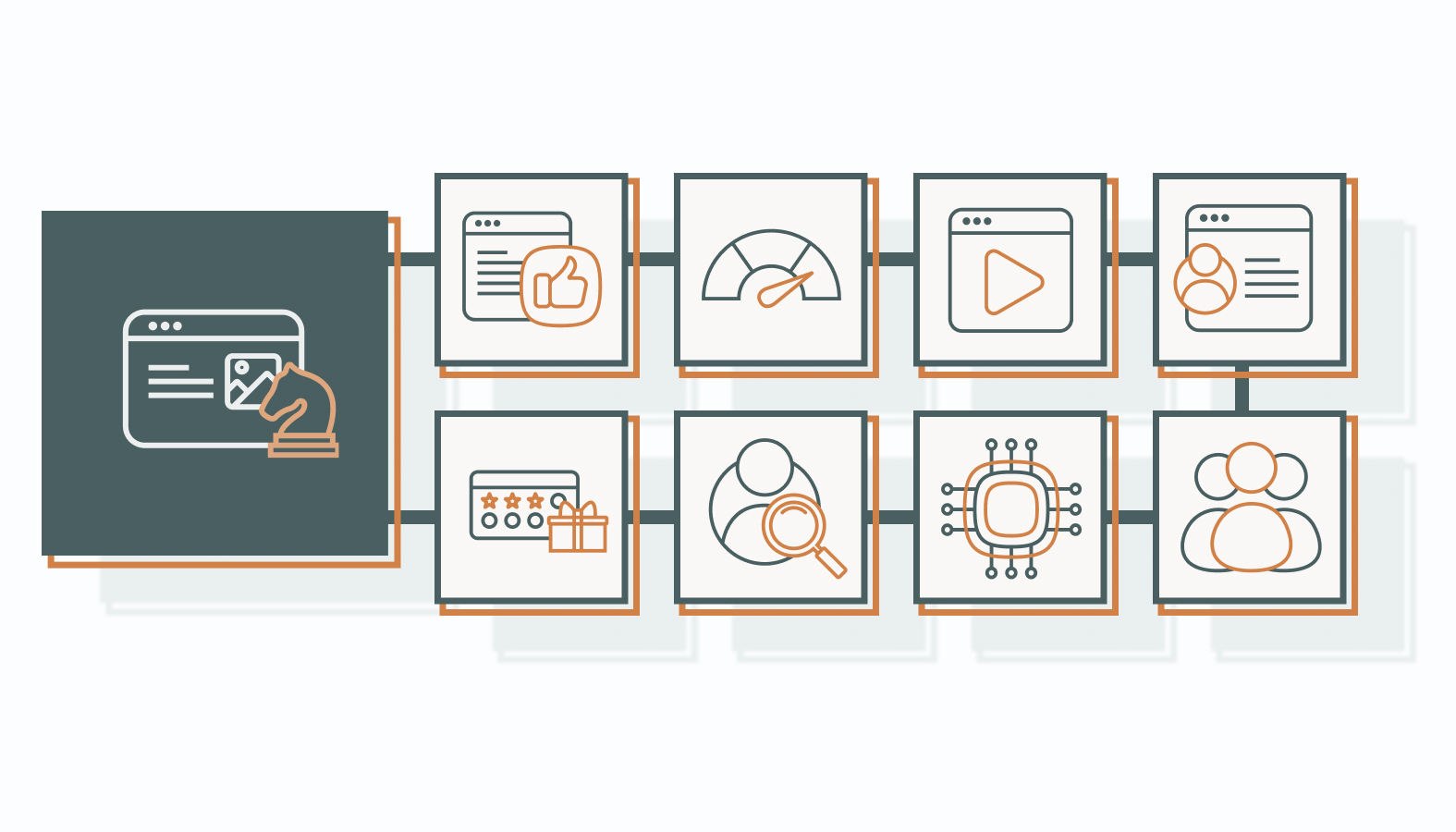
Once the basics are working well, brands often expand into more advanced UGC campaigns to increase participation, engagement, and content variety. These strategies usually focus on interactive formats, timely campaigns, and stronger audience involvement.
Testing different formats and reviewing performance regularly can help brands identify which approaches perform best and generate the strongest results.
1) Seasonal and Event-Driven Hashtag Challenges
Campaigns tied to holidays, product launches, or major events often attract more participation because they connect to existing online conversations.
How to Structure Effective Challenges:
- Use a simple hashtag and clear prompt
- Align campaigns with seasonal or trending topics
- Work with creators or early participants to encourage submissions
There are many ways to maintain participation, such as announcing campaigns early, featuring submissions regularly across channels, and offering recognition or category-based rewards.
2) Gamified Contests and Leaderboards
Gamified campaigns are great because they encourage repeat participation and ongoing engagement.
Common approaches include:
- Points or badge systems
- Public leaderboards
- Weekly challenges
- Creativity-based awards beyond “most likes.”
3) Video Testimonial Libraries for SEO
Customer videos can support both trust and search visibility.
Best practices are:
- Organizing videos by product, use case, or audience type
- Add transcripts, titles, and keyword-focused descriptions
- Use schema markup when possible for better indexing
4) Customer Spotlights and Stories
Customer stories can perform well as they show real experiences and practical use cases.
Content formats are:
- Q&A interviews
- Case studies
- Day-in-the-life content
- Product routines and tutorials
5) Interactive Co-Creation Campaigns
Some brands involve customers directly in campaign or product decisions.
Examples Include:
- Design contests
- Product voting
- Naming submissions
- Feature suggestions
These campaigns can increase participation by making audiences feel more involved in the brand experience.
6) Social Media Takeovers
Takeovers can introduce new perspectives and increase audience interaction.
Common formats:
- Customer takeovers
- Employee-led content days
- Creator-hosted Q&As
- Behind-the-scenes content
7) Augmented Reality (AR) Filters
AR filters can encourage shareable content, especially on visual platforms.
Best practices:
- Keep filters simple and easy to use
- Align them with the campaign theme
- Encourage sharing through branded hashtags
8) Cause-Related UGC Campaigns
Some brands connect UGC campaigns to charitable initiatives or community programs.
Examples include:
- Donation-based hashtag campaigns
- Volunteer story submissions
- Community-focused challenges
These campaigns can increase participation while supporting causes that matter to the audience.
Strong UGC strategies can truly improve and expand over time through testing, audience feedback, and ongoing campaign adjustments.
Launching and Promoting Your UGC Campaigns
A reliable user-generated content campaign requires clear planning, consistent promotion, and ongoing engagement after launch.
Before going live, define your goals, choose the right platforms, and prepare your team to moderate, manage, and highlight submissions effectively.
After launching, maintain activity by engaging with participants, reviewing performance, and continuing to share customer content across your channels.
Two of the most common areas that often influence campaign performance:
Offering Incentives to Drive UGC
Incentives can increase participation, but they should feel aligned with the brand experience.
Effective Incentives Include:
- Recognition through reposts, website features, or customer spotlights
- Early access to products or exclusive communities
- Branded merchandise or limited-edition rewards
- Category-based prizes for creativity or effort
Maintaining Authenticity:
- Keep participation focused on the experience, more than the reward
- Avoid overly transactional campaigns that reduce trust
- Recognize contributors consistently, aside from contest winners
Partnering With Influencers and UGC Creators
Creators can help campaigns reach larger audiences and encourage early participation.
Finding the Right Creators:
- Prioritize audience alignment over follower count
- Look for creators with strong engagement and consistent content quality
- Consider micro-influencers and niche community creators
Structuring Partnerships:
- Give creators clear guidelines without over-scripting content
- Use creator content to show audiences how they can participate
- Set expectations for timelines, deliverables, and usage rights upfront
- Share creator content across your own marketing channels when appropriate
Effective UGC campaigns usually depend on consistent engagement, clear communication, and creators who naturally create a connection with the target audience.
Leveraging Technology to Streamline UGC Management

As your user-generated content strategy grows, managing submissions, moderation, permissions, and distribution becomes more difficult.
Manual processes can quickly slow teams down when handling large amounts of content across multiple platforms.
UGC tools help brands organize submissions, content, permissions, and distribute assets more efficiently. They reduce manual workload and improve consistency across campaigns.
How technology supports UGC management:
Moderation and Brand Safety
Moderation ensures customer content resonates with brand standards and community guidelines. It’s best to set clear submission guidelines up front and use automated filters for profanity, spam, or inappropriate content.
You can also combine AI moderation with human review when needed, and create a process for removing flagged content quickly.
Recommended Tools & Workflows:
- Moderation platforms like TINT and Bazaarvoice can review submissions before publishing
- Project management tools like Asana or Trello help organize approvals and reviews
- Community moderators can help monitor activity at scale
Cross-Channel Distribution
UGC can be reused across multiple marketing channels to increase content value, as well as boost consistency.
Repurposing & Sharing UGC:
- Store approved content in a centralized UGC library
- Reuse customer content for social posts, emails, product pages, and ads
- Organize content by campaign, product, or format for easier access
Tracking & Consistency:
- Use templates to keep branding consistent
- Track performance with UTM (Urchin Tracking Module) codes, hashtags, and platform analytics
- Schedule posts using tools like Sprout Social or Hootsuite
Rights Management and Permissions
Brands should secure permission before using customer content in marketing campaigns.
Best Practices:
- Request clear user consent before publishing content
- Explain where and how content may be used
- Use rights management tools to track approvals
- Allow contributors to remove permission if requested
Technology helps brands scale UGC more efficiently while maintaining control, organization, and compliance as campaigns grow.
UGC vs. AIGC vs. Influencer Content: What’s Best for Your Brand?

With so many content options available, many brands end up comparing UGC, AI-generated content, and influencer marketing.
Each one offers different advantages and limitations, so the right choice depends on your business goals, audience, and content needs.
User Generated Content (UGC)
It can include reviews, testimonials, tagged photos, videos, social media posts, and other customer-submitted content that reflects real experiences with a product, service, or company.
Strengths:
- Authenticity: Real customer experiences help build social proof and strengthen trust.
- Community Engagement: Encourages participation and customer advocacy.
- SEO Value: Adds fresh, diverse content to websites and social platforms.
Limitations:
- Quality Control: Content quality can vary, so moderation matters.
- Scalability: Requires ongoing participation and content management.
- Rights Management: Brands strictly need permission to use customer content.
Best For: Building trust, increasing engagement, and supporting long-term customer relationships and loyalty.
AI-Generated Content (AIGC)
This refers to written, visual, audio, or video content created with the help of artificial intelligence tools. Brands often use AIGC to produce content faster, support large-scale campaigns, and reduce manual workload for repetitive marketing tasks.
Strengths:
- Speed and Scale: Quickly produces large amounts of content.
- Cost-Efficiency: Reduces manual workload for repetitive content tasks.
- Personalization: Can support multiple audience segments at scale.
Limitations:
- Authenticity Gap: Lacks a real customer perspective and experience.
- Creativity Constraints: May miss nuance, humor, or emotional context.
- Risk of Errors: Requires review for accuracy and brand alignment.
Best For: Scaling routine content, supporting SEO efforts, and filling content gaps quickly and efficiently.
Influencer Content
This one refers to content created by creators, industry personalities, or social media influencers who promote a brand, product, or service to their audience.
Brands often use influencer partnerships to increase visibility, reach specific & niche-related audiences, and support awareness-focused campaigns across social platforms.
Strengths:
- Credibility and Reach: Expands visibility through established audiences.
- Creative Content: Influencers can bring high production quality & platform knowledge.
- Targeted Exposure: Helps brands reach niche audiences more effectively.
Limitations:
- Cost: Larger creators might be expensive and can require significant investment.
- Authenticity Concerns: Overly scripted partnerships may feel less genuine.
- Limited Control: Messaging and creative direction may vary by creator.
Best For: Product launches, audience expansion, and awareness campaigns.
How to Choose and Combine Them
Start with your main goal: UGC works well for trust and engagement, while AIGC supports speed and content production. On the other hand, influencer content helps increase visibility and reach new audiences.
Blend Strategy: For example, AI-generated content can support campaign production, influencers can increase visibility, and UGC can provide customer-driven social proof.
Monitor Performance and Adapt: Different audiences, platforms, and campaign goals often require different content mixes over time.
There is no single, general approach that works for a specific brand or business. The strongest strategies match the content type to the audience, platform, and business objectives.
Creating UGC Campaigns That Continue to Grow
A strong user-generated content strategy stems from consistent improvements, ongoing testing, and a better understanding of how audiences prefer to participate across different platforms.
Brands that maintain stronger long-term results are often the ones reviewing campaign performance regularly, refining submission experiences, adapting content formats, and keeping participation simple because trends and audience behavior continue to change.
Successful UGC campaigns also depend on more than one factor working well together. Clear goals, platform-specific content, creator partnerships, community engagement, moderation systems, and content management all help support stronger participation and more sustainable campaign performance over time.
As platforms continue to evolve, the brands that stay flexible, listen to their audience, and continue improving their process are usually the ones that maintain stronger engagement and more consistent long-term visibility online.
Ready to Improve Your UGC Strategy?
An effective user-generated content strategy starts with a clear structure, consistent audience engagement, and campaigns designed to support long-term business goals.
If your brand is ready to improve participation, content quality, and overall campaign performance, now is the perfect time to refine your approach.