



Most companies struggle with a large amount of data and how to disconnect between systems. Unified data platforms provide solutions on what to do with them and how they should be handled without compromising anything.
When your data is finally managed correctly, analytics will speed up, operations will go smoother, and decision-making becomes crisp, confident, and realistic.
If your team deals with unorganized pipelines, reporting delays, or dashboards that contradict one another, you no longer have to deal with these issues. Below is a clear and practical breakdown of how unified data platforms can systematize your organization and turn it into an integrated way of operations.
Understanding Unified Data Platforms
Businesses generate more data than ever, but most still struggle to turn it into clarity. Unified data platforms solve that problem by giving organizations one coordinated system instead of scattered tools and conflicting reports.
At their core, these platforms integrate, manage, and analyze data across the entire business in a single environment. They remove the messy workflows, duplicated reports, and disconnected systems that slow teams down.
Because companies rely on data to guide decisions, streamline operations, and anticipate market shifts, unified platforms have become a competitive standard rather than a nice-to-have.
Unified data platforms offer:
- A single, comprehensive view of your data landscape
- Real-time insights instead of slow reports
- Freedom from outdated systems that can’t keep up
What is a Unified Data Platform?
A unified data platform includes several key components:
- Data Integration – pulling data from all sources into one place
- Storage – centralizing it in a scalable and safe space
- Processing – turning raw information into usable formats
- Analytics – enabling insights across teams in real time
Their foundation makes these platforms different from traditional data warehouses. They connect every data source, eliminate silos, support real-time processing, and deliver insights that quickly update as your business moves.
In short, they make your processes smoother and more efficient.
The Importance of Unified Data Platforms
Unified data platforms offer strategies that can transform business operations.
Centralized access to data enhances accessibility and facilitates deeper insights, which makes it crucial for informed decision-making, helping businesses move easily and respond in a fast-paced market.
These platforms boost business movements. Enabling real-time data analysis allows companies to immediately adapt to market changes, optimize operations, and drive innovation.
Operational Dynamics of Unified Data Platforms
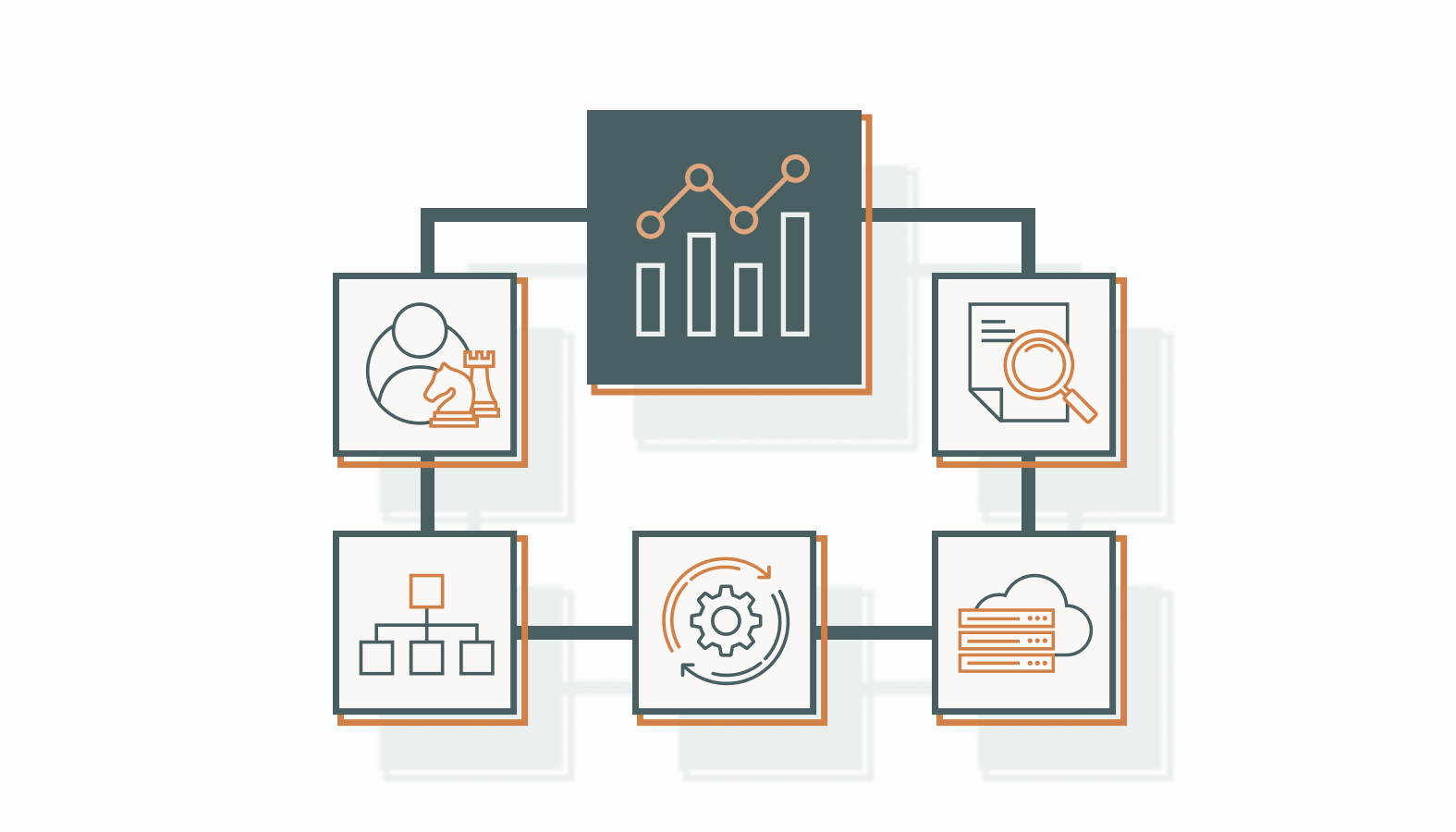
Unified data platforms function like the backstage crew of your analytics engine. They seem invisible when things are right, but highly noticeable when things go wrong.
They support your business through a clear and coordinated flow by turning raw data into an intelligent action.
The process typically moves through the following phases:
- Data Collection
- Storage and Access
- Transformation and Standardization
- Activation and Distribution
- Governance and Control
Altogether, they create a seamless pipeline that keeps your organization informed and ahead, making each phase useful.
1) Streamlined Data Collection
Once you incorporate a unified data platform into your business, the first major upgrade your organization sees is how data is collected. You will get a streamlined engine that pulls everything in with precision and consistency.
Unified data platforms modernize collection through:
- APIs and native connectors that automatically sync data from your CRM, ERP, MAP, billing systems, product tools, and more
- Event-based tracking that captures real-time behavioral data without relying on manual imports
- IoT and device integrations for industries with sensors, machines, or physical assets
- Workflow automation that reduces repetitive tasks and minimizes the human error that slows teams down
They replace inefficiencies with a clean and organized pipeline. You get complete, accurate data flowing in continuously, which means every downstream insight starts from a stronger foundation.
2) Integrated Storage Solutions
Once data flows in, unified platforms organize their growth.
A modern unified data platform provides:
- Centralized storage that brings all data types, such as structured, unstructured, and semi-structured, into one scalable repository
- Elastic capacity, where you can expand storage as quickly as your business grows its digital footprint
- High-performance retrieval, meaning teams get instant access to the datasets they need without waiting on IT
- Built-in redundancy and resilience, ensuring data remains available and protected even as volumes increase
This solution keeps your organization intact, protected, and future-proof.
3) Data Transformation and Standardization
Unified data platforms ensure they can power dashboards, models, or decisions without the headache of the traditional inconveniences.
They design transformation through:
- Automated ETL/ELT pipelines that offload tiresome formatting and cleansing
- Data quality checks that identify anomalies before they corrupt analysis
- Schema mapping and standardization that convert dozens of formats into one shared language
- Built-in enrichment tools that combine and enhance datasets for greater insight
Your data becomes analysis-ready, accurate, consistent, and aligned across every team. No more marketing and finance dashboards competing over which is better.
4) Efficient Data Activation and Distribution
Once the data is clean, unified platforms deliver it into the right systems and hands.
Data activation includes:
- Real-time refreshes that ensure teams aren’t working off previous insights
- Automated feeds into BI tools, CRM systems, marketing platforms, and operational dashboards
- Audience and segment activation for marketing teams who want time-sensitive targeting
- Cross-department distribution rules that ensure the right people get the right data on time
This process becomes operational. Your data circulates, informs, and fuels action across the business.
5) Governance and Control Strategies
The data system should be safe and confidential. Unified data platforms protect your privacy.
Strong governance includes:
- Role-based access controls ensure that only authorized users can view or access sensitive data
- Clear data ownership rules that prevent “mystery metrics” and internal confusion
- Encryption in transit and at rest to secure sensitive information from breaches
- Compliance frameworks aligned with GDPR, CCPA, HIPAA, SOC 2, and other regulatory standards
- Audit trails that track when data moves, who touched it, and what changed
Governance should have monitoring, validating, and optimizing so that trusted data backs up every decision made.
Advantages of Leveraging Unified Data Platforms
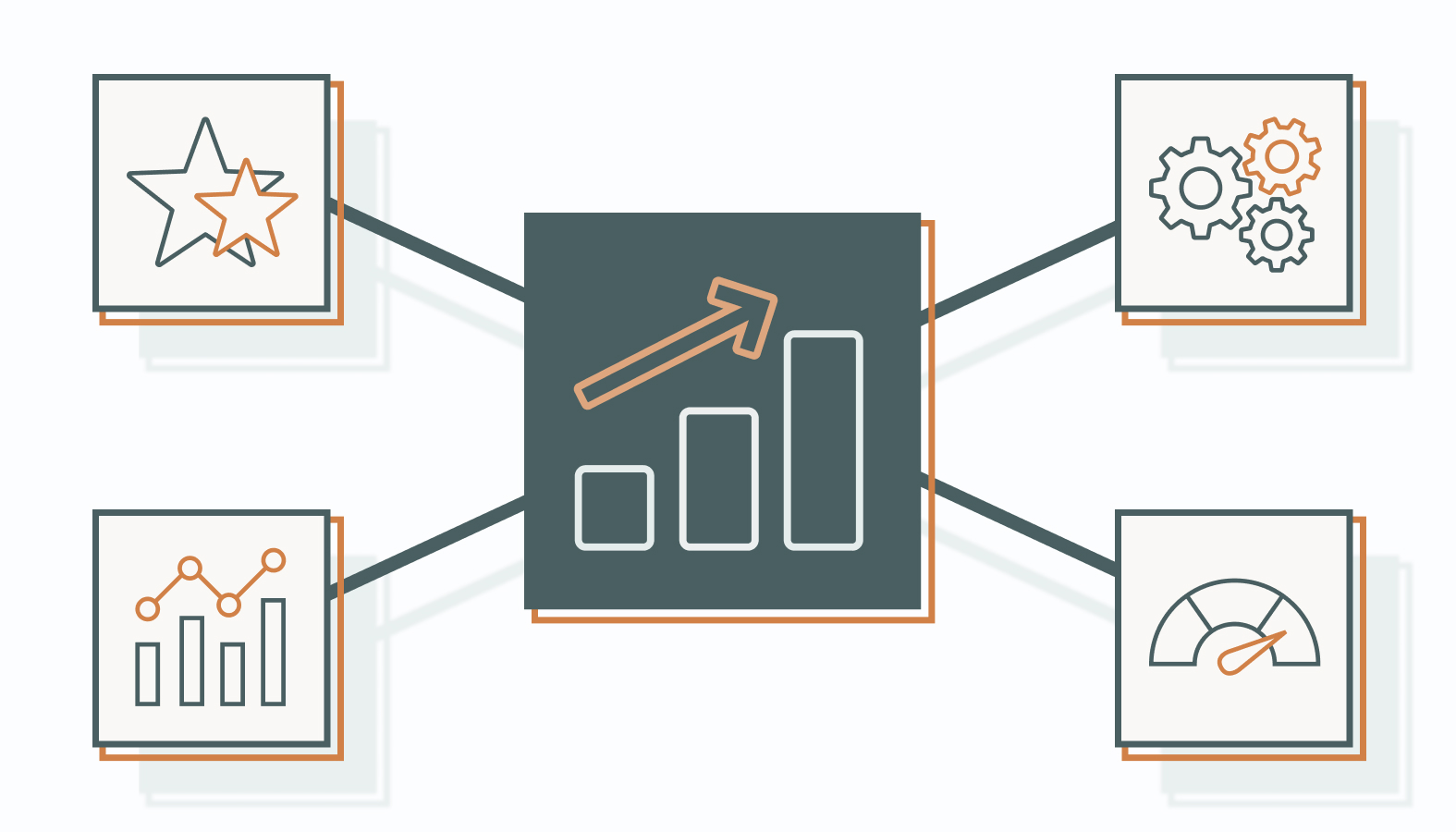
Unified data platforms bring clear and measurable advantages in how information moves across the business.
When every department works from the same accurate data, the company gains these benefits:
Superior Data Quality and Compliance Assurance
Centralizing data in a unified platform improves accuracy, consistency, and reliability. Duplicate records, outdated versions, and formatting inconsistencies are reduced as all data flows into the same structure.
These platforms include built-in compliance features such as automated validations, retention controls, and detailed audit trails. They help keep organizations aligned with regulatory requirements and reduce the risk of penalties tied to improper data handling.
Boosted Operational Efficiency
With automated ingestion, transformation, and routing, unified data platforms remove most of the manual work. Teams spend less time collecting files, reformatting spreadsheets, or troubleshooting mismatched datasets.
This productive time and reduced effort translate into cost savings and allow staff to focus on higher-value initiatives rather than repetitive data maintenance.
Faster Analytics and Informed Decision-Making
Real-time access to integrated datasets makes it way to address every question and answer without having to wait on slow reporting cycles, and teams can run analysis instantly and respond to trends.
Organizations using unified data platforms see improvements like optimized supply chain planning, faster customer insights, and quicker operational adjustments. These gains come from getting insights to decision-makers immediately.
Enabling Self-Service Analytics
Unified data platforms support self-service analytics by giving teams intuitive dashboards, search features, and drag-and-drop tools.
Employees don’t need to rely on IT to access basic insights, which reduces inconvenience and allows subject-matter experts to explore data on their own.
This broader access encourages a culture where teams regularly use data to support their work and make the organization more responsive and analytical.
Essential Attributes of a Unified Data Platform
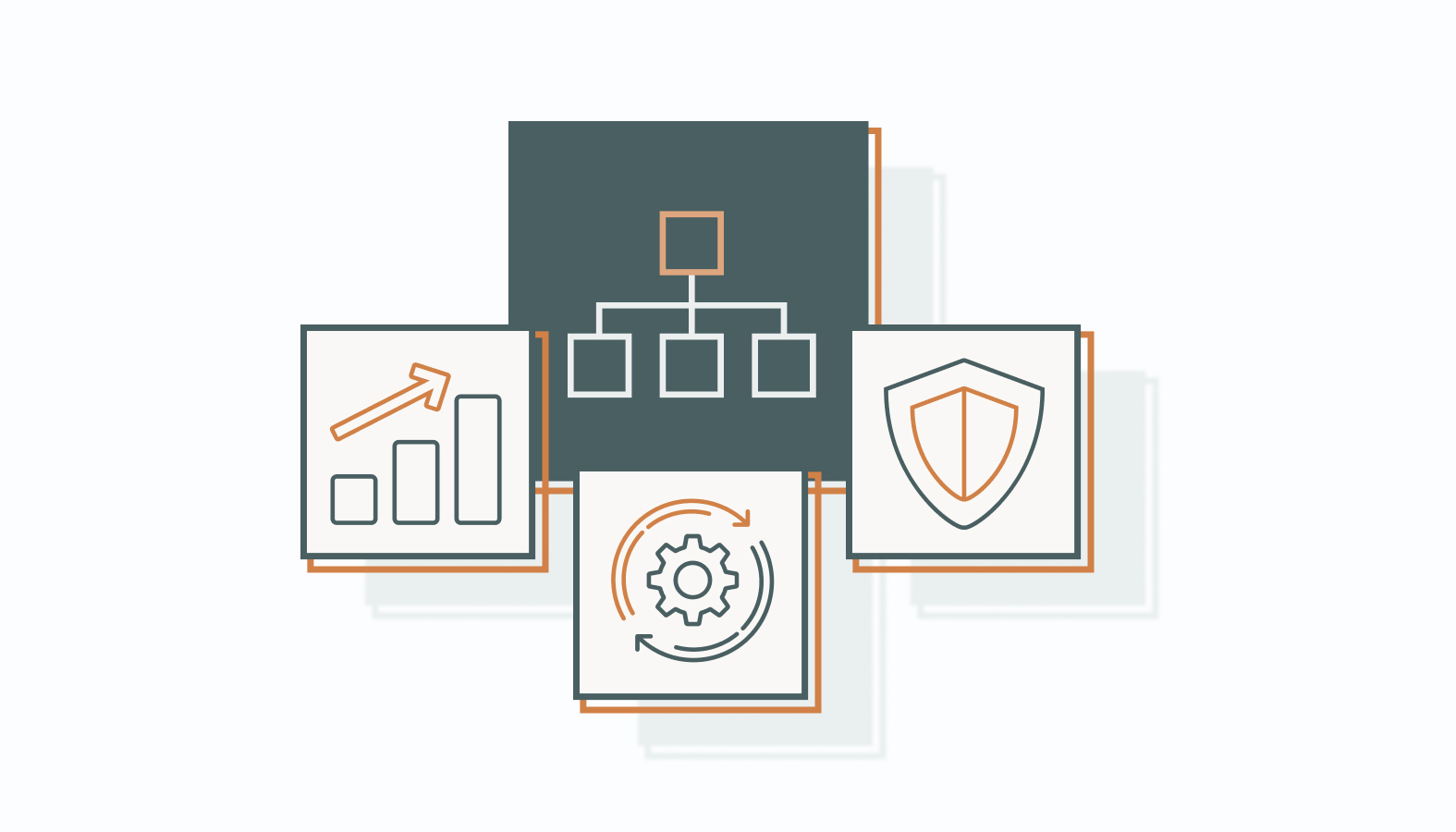
To fully benefit from a unified data platform, businesses need to select one with capabilities that match their current and future needs.
Choosing the right solution varies by organization, but the platform must support growing workloads, adapt to new data types, and maintain strong governance as the business evolves. These capabilities ensure the system stays reliable, scalable, and aligned with long-term data needs. Here’s why:
Ensuring Scalability and Flexibility
A unified data platform must scale as the business produces more data and more users depend on it, including supporting higher storage volumes, increased processing demands, and additional data sources without performance issues.
Flexibility is equally important. The platform should adapt to new tools, emerging data formats, and changes in business strategy so teams don’t outgrow their system unnecessarily.
Holistic Data Integration
Strong data integration means the platform can handle structured databases, raw files, logs, third-party data, and streaming sources in one place. This creates a complete view of the business and reduces the fragmentation that often leads to inaccurate reporting.
Consistent, uninterrupted data flows across departments ensure that insights are grounded in shared, up-to-date information. This strengthens collaboration and keeps teams strategically aligned.
Advanced Security and Compliance Features
Unified data platforms include layered security measures such as encryption, role-based access controls, and continuous monitoring. These safety precautions protect sensitive data from unauthorized access and reduce exposure to threats.
Compliance tools reinforce these protections by automating policy enforcement, generating required reports, and making sure data is stored and used according to relevant regulations.
Strategic Plan for Implementing a Unified Data Platform
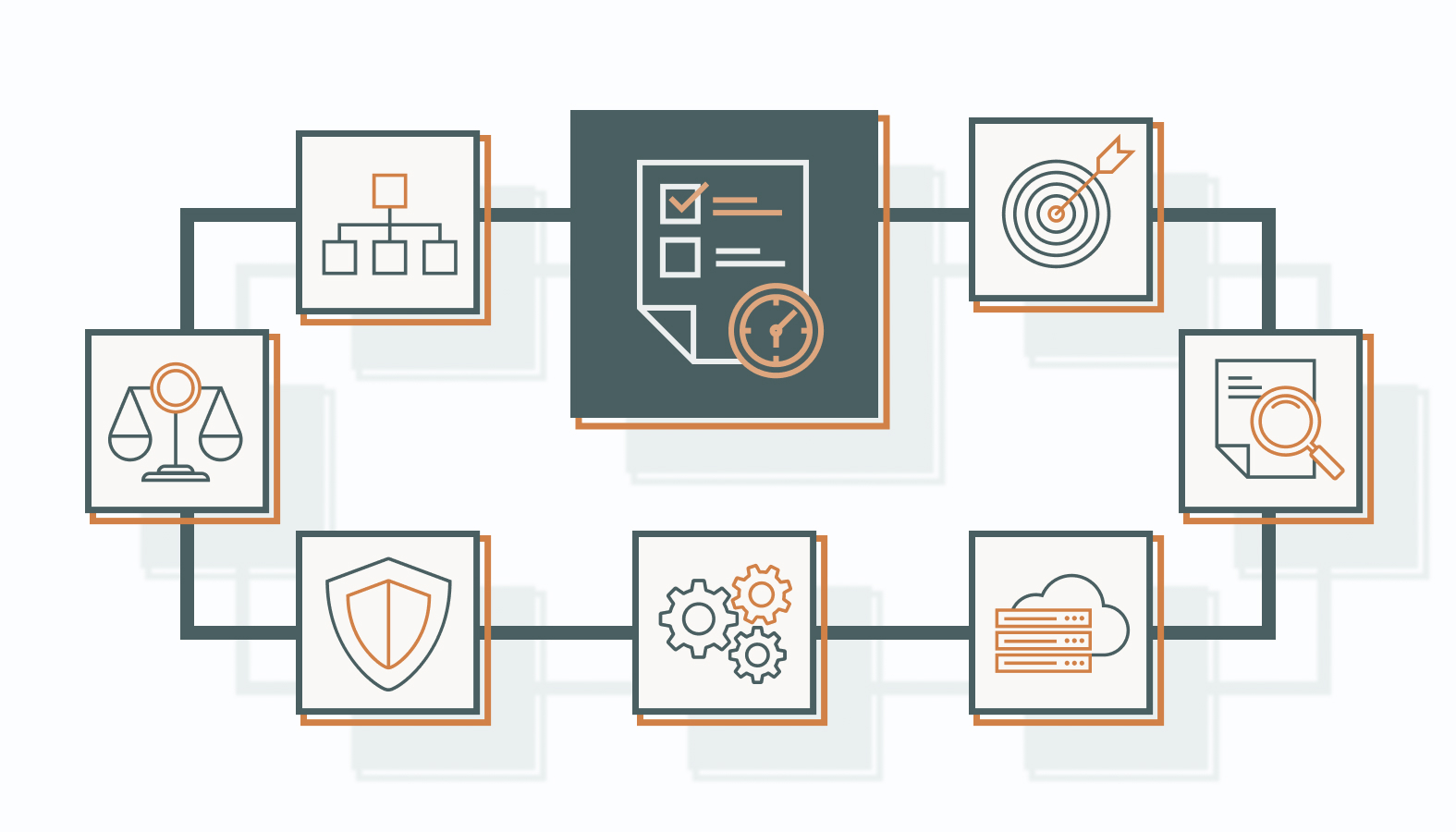
Implementing a unified data platform is a strategic move, but its success relies on aligning every technical decision with your business priorities.
A clear plan makes the platform drive long-term growth, boosts operational efficiency, and empowers teams with actionable insights.
1) Establish Data and Business Goals
Start with “why” before diving into “how.” Clear business goals shape every platform decision and define what success looks like.
Key steps:
- Identify objectives: customer insights, reporting consistency, operational efficiency, and AI/analytics readiness
- Prioritize initiatives based on impact and feasibility
- Align goals across departments for consistent expectations
- Establish measurable KPIs to track success
2) Evaluate and Document Current Data Sources
Understanding existing data sources promotes integration and efficiency.
Action points:
- Inventory all data sources (internal and external)
- Record ownership, storage methods, and usage patterns
- Identify gaps, redundancies, and quality issues
- Document dependencies and integration points to avoid future conflicts
3) Choose a Centralized Storage Solution
Centralized storage is the backbone of a unified platform to ensure teams work effectively.
Considerations:
- Scalability: can grow with your data volume
- Security: encryption, access controls, and monitoring
- Compatibility: integrates with analytics tools and business systems
- Reliability: consistent, up-to-date datasets for real-time insights
4) Automate Data Ingestion Processes
Automation eliminates hassles, reduces errors, and accelerates data availability.
Best practices:
- Use ETL or ELT pipelines for consistent ingestion
- Schedule automated workflows for continuous data updates
- Implement error handling and validation checks
- Monitor data pipelines for performance and quality
5) Standardize and Transform Data
Data transformation ensures they are safe, consistent, and ready for analysis.
Key steps:
- Normalize datasets to standard formats
- Cleanse for duplicates, missing values, or inconsistencies
- Apply business rules to align data across systems
- Maintain a single version of truth for cross-department use
6) Enforce Governance and Access Controls
A unified platform has secure governance. Proper controls protect sensitive information and enforce compliance.
Guidelines:
- Define role-based access policies
- Set rules for data usage, storage, and sharing
- Monitor and log activity for auditing purposes
- Ensure compliance with industry regulations and internal standards
7) Enable Data Utilization Across Departments
A platform is valuable when teams utilize it. Democratizing data access drives collaboration, faster decisions, and innovation.
How to enable adoption:
- Provide intuitive analytics tools for self-service access
- Train teams on interpreting and applying data insights
- Encourage cross-department collaboration through shared dashboards
- Foster a culture where data-driven decision-making is the norm
Charting a Course for Future Success
Unified data platforms are a technical upgrade and a business game-changer. Connect every data source, so these platforms give your teams a single, accurate view of the organization, enabling faster decisions, smarter strategies, and smoother operations.
Investing in a unified platform enables your business to respond to market shifts accordingly, optimize processes, and maintain a competitive edge. The smart use of your data in this modern world moves your business toward sustained growth and innovation.
Ready to Unlock the Full Potential of Your Data?
Exploring unified data platforms can transform how your business operates, providing clear insights and streamlined processes. From improving data quality to boosting operational efficiency, these platforms deliver measurable results across departments.
If you’re ready to see how a unified data platform can fit into your strategy, we’re here to help. Schedule a candid conversation with one of our experts » and let’s explore how unified data platforms can drive your success.