


Loyalty in business should be earned. Many teams are leaning heavily on thoughtful customer retention strategies because keeping loyal customers is often more practical and profitable than constantly chasing new ones.
As you understand what motivates customers to stay, you gain an advantage that acquisition alone can’t match. While several companies chase new leads, the smarter ones strengthen the relationships they already have.
Customers notice how you communicate, how you support them, and whether you continue bringing value long after the first sale. When those fundamentals stay consistent, revenue stabilizes and becomes easier to predict.
This guide will help you spot the gaps, understand what needs attention, and take effective actions. Let’s break things down so you can keep more of the customers you have worked hard to earn.
Understanding Customer Retention
Churn is when customers stop buying and engaging with your brand. It is initially unnoticeable, but it sneaks in quietly until the whole system messes up. It’s the support ticket that never got resolved. The product experience was great, but the competitor who launched a feature you meant to build eventually trended.
These small failures add up, and they often show before a customer ever decides to leave. The clearer you can see where the problem hides, the easier it becomes to stabilize your customer base and prevent revenue from slipping away unnoticed.
For many leaders, reducing churn is fixing what’s broken and providing their business with a measurable advantage. When you address issues early with the right intention, customers stay longer, purchase with more confidence, and often turn into loyal buyers who will help drive growth for you.
Now, before we get into the strategies, let’s dive into the basics and start with what customer retention actually means.
What is Customer Retention?
Customer retention is keeping the customers you worked so hard to earn satisfied enough to continue the relationship. At its core, it’s a mix of engagement, service, personalization, and proactive problem-solving that turns one-time purchasers into long-term partners.
A strong retention strategy isn’t luck, but relies on making customers feel understood, supported, and valued. As a result, lifetime value increases, customer relationships deepen, and revenue becomes more consistent without the constant pressure of chasing new leads.
Retention vs. Acquisition: A Strategic Balance
Retention and acquisition should work like a well-engineered dual-engine system. Acquisition brings new customers, but retention maintains your growth.
The truth every executive eventually learns is that acquiring new customers is expensive, noisy, and increasingly competitive. Retention is your stability play. It’s the smarter, quieter force multiplier that steadily increases over time.
Balance is the real power. When your acquisition attracts the right customers and your retention systems keep them engaged, supported, and satisfied, you create a customer lifecycle that fuels sustainable and scalable growth.
Businesses that combine these disciplines outpace competitors, strengthen brand equity, and build customer bases that endure through economic cycles.
3 Top Reasons Behind Customer Churn
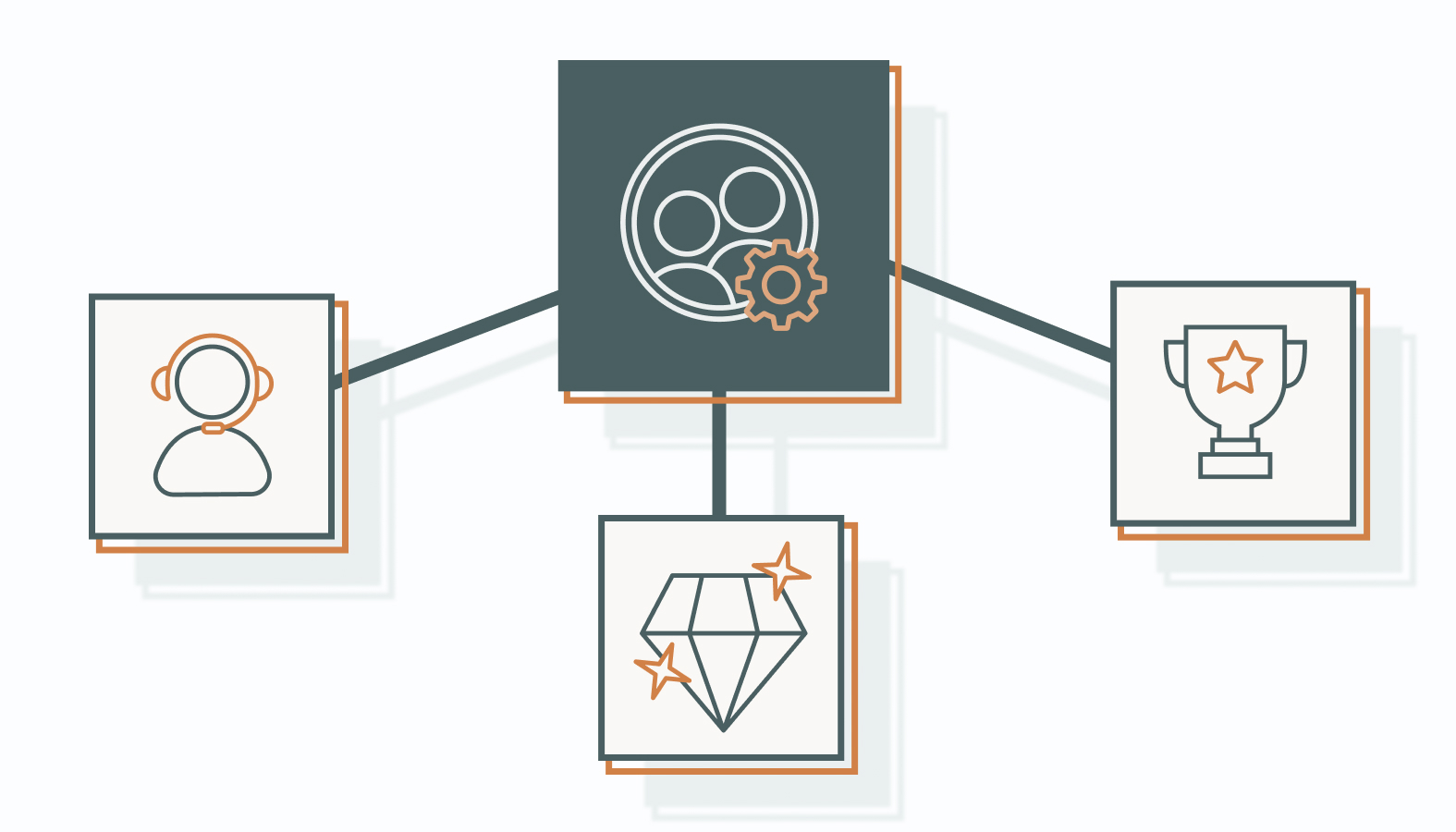
To strengthen retention, you need a clear view of why customers leave in the first place.
Churn can sometimes feel quiet, gradual, and surprisingly preventable once you know what to look for. Most churn comes from issues customers experience long before they unsubscribe or stop taking your calls.
Here are the most common reasons customers leave and how these problems show up.
Inadequate Customer Service
Customer service has a greater impact on retention than most teams want to admit. A single bad interaction may not send someone away, but repeated frustrations will. Poor service lowers trust, creates friction, and makes alternatives look useless.
Customers often churn when:
- They feel like they’re being passed around instead of being helped directly.
- They receive slow or templated responses that don’t solve their problems.
- They sense frustration, indifference, or a lack of accountability from support staff.
When customers start doing more work than your support team, they eventually look for a better company that can accommodate their needs.
Insufficient Product Value
Even in-demand products lose customers when they stop delivering value that feels meaningful and current. People compare your product to what they need right now and what competitors offer nowadays.
Product-related churn often shows up when:
- Customers feel the product hasn’t kept pace with their needs or industry standards.
- The perceived value no longer matches the price they’re paying.
- There’s a gap between the promises made during the sale and the reality they experience.
When the product experience feels underwhelming, customers rarely complain, but they quietly go for a better option.
Competitive Market Challenges
Competition steals customers with lower prices and with sharper positioning, clearer benefits, and experiences that feel more aligned with what customers want now. Even satisfied customers can be tempted if a competitor feels more forward-thinking and easier to work with.
Competitive-driven churn usually happens when:
- A competitor launches something that feels more modern, efficient, or tailored.
- Customers notice that switching is easier than staying put.
- Your differentiation becomes unclear or outdated in their eyes.
In a crowded market, retaining customers requires more than being “good.” You have to stay relevant, memorable, and consistently valuable, or else competitors will take your place.
Identifying and Engaging At-Risk Customers
Churn rarely strikes without a warning. Savvy retention strategies spot the early behavioral signals, such as stalled onboarding, feature underuse, or declining sentiment, and act before connections fade. Proactive intervention transforms potential losses into opportunities to deepen trust and deliver value.
Behavioral Indicators of Risk:
- Support Debt: A spike in unresolved or high-severity support tickets, or slower-than-usual resolution times.
- Adoption Drop-off: Core features once used frequently are now neglected (like daily usage dropping to weekly).
- Stalled Onboarding: Critical setup steps or “Time to Value” milestones remain incomplete beyond the expected window.
- Negative Sentiment: Declining NPS, public complaints, or frustration evident in recent communications.
- Billing Issues: Failed payments, inquiries about downgrades, or requests to pause subscriptions.
With these warning signs identified, the next step should be clearer. Implement strategies that strengthen loyalty, reinforce value, and turn at-risk customers into long-term advocates.
Effective Customer Retention Strategies
Building retention is like engineering. Durable customer relationships come from intentional systems, proactive engagement, and a smooth brand experience.
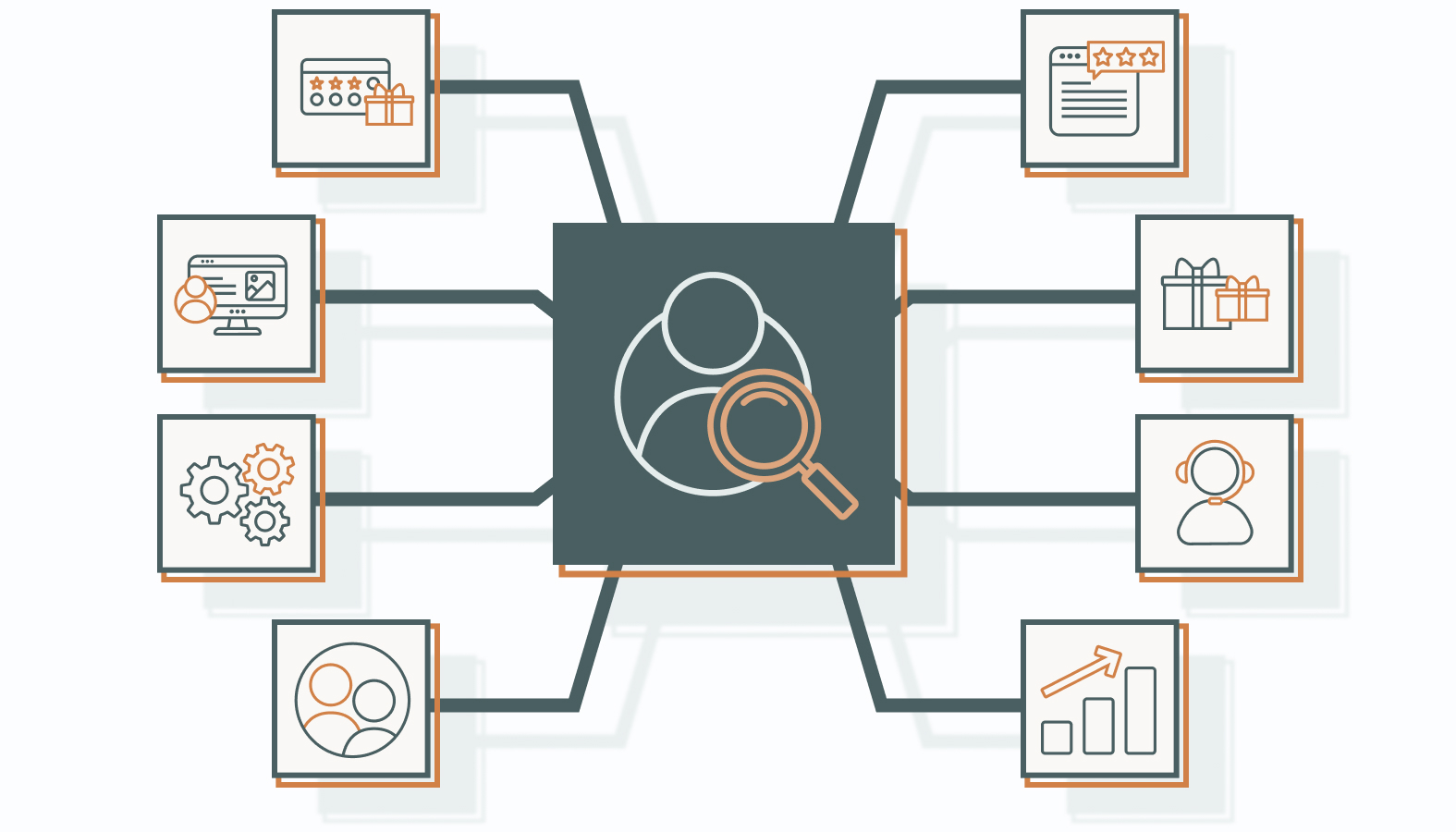
Below, we’ll break down the major strategies your business can use to keep customers close while eyeing the competitors.
1) Fostering Customer Loyalty
Loyalty is earned with relevance. Smart brands reward the customers who keep showing up and tailor experiences that feel aligned with them. When customers are seen, they stay.
Examples:
- Offer tiered loyalty rewards that unlock better perks the longer someone stays, making loyalty feel like progress, not points.
- Send personalized product recommendations based on actual behavior, avoid generic scripts like “You might also like…”
- Create VIP access moments (product previews, early access, members-only features) that make customers feel they are insiders, not subscribers.
Treat loyalty programs as a relationship-builder. Don’t make rewards feel transactional or disconnected from the customer’s real experience.
2) Leveraging Feedback for Improvement
Feedback is your R&D pipeline. The fastest-growing companies listen proactively, then fix issues before they get worse. Customers notice when their voice shapes the direction.
Examples:
- Run quarterly pulse surveys to spot friction points early and track how customer sentiment is shifting.
- Host customer advisory sessions with top users to validate ideas before you ship them.
- Build a feedback-to-action loop that publicly shows customers what you improved based on their input. They speak so you can upgrade.
Act on feedback visibly and communicate changes to customers. Don’t collect input and let it sit on a spreadsheet without taking any action.
3) Optimizing Customer Experience
Every interaction is a chance to either reinforce trust or quietly let it slip away. Optimization removes unnecessary steps, ensuring clarity and making every touchpoint intentional and user-friendly.
Examples:
- Streamline onboarding with interactive guides or welcome walkthroughs that help new customers succeed fast.
- Automate predictable friction points (such as billing reminders or product alerts) to reduce unexpected costs and support tickets.
- Implement proactive support check-ins at key stages so customers feel guided, not having to figure things out by themselves.
Make every interaction meaningful. Don’t let minor pain points convert into lost customers.
4) Rewarding Loyalty and Advocacy
A happy customer will always talk good things about you and your products.
Brands that reward loyalty turn customers into ambassadors, and ambassadors into a self-funding growth channel.
Here are a few tried-and-tested ways to reward loyal customers:
- Offer referral bonuses that reward both the referrer and the friend they bring in, which is a win-win energy in business.
- Give long-term customers anniversary perks that say, “We noticed you’ve been with us. Here’s something awesome for you…”
- Create exclusive advocacy challenges, such as “share your setup” or “show us how you use it,” that fuel engagement and organic reach.
Celebrate and incentivize advocacy consistently. Don’t ignore the social influence of loyal customers.
5) Harnessing Technology and CRM Systems
Retention becomes even easier when your tech stack actually works for you.
Modern CRM systems surface patterns, predict behavior, and help you deliver the right message on time.
Leverage technology by:
- Using behavior triggers, like inactivity or repeated feature use, to send timely nudges or offers.
- Building customer health scores that flag accounts showing early signs of decline so your team can intervene.
- Automating personalized follow-ups based on past purchases, support interactions, or milestones.
Let technology guide meaningful action. Don’t let it turn into a dull notification factory.
6) Delivering Outstanding Customer Service
Consistent excellent service delivered by humans or systems who are informed, empowered, and fast. Outstanding customer service means customers must feel greatly taken care of.
Examples:
- Train support teams on context-first problem solving so customers never have to repeat themselves.
- Create escalation paths that resolve complex issues without bouncing customers through the same unclear directions.
- Equip frontline teams with customer histories to avoid cluelessness, and make every interaction feel intelligent.
Empower teams to solve problems quickly and thoughtfully. Don’t let customers feel they have to go through numerous, difficult processes before they get their issues resolved.
7) Building a Community
Community turns your brand from a service into a shared identity. When customers connect, they build roots, and rooted customers rarely leave.
Here’s how to build a strong community:
- Host live sessions or virtual meetups where users can learn, troubleshoot, and brag a little.
- Build a user forum or Slack/Discord hub where customers help each other, reducing your support load in the process.
- Spotlight community stories to celebrate real users and strengthen the emotional connection.
Make customers feel they belong. And once you’ve set up a vibrant community, don’t let it become dormant or disconnected from real brand interactions.
8) Driving Continuous Innovation
Customers don’t stay loyal to products that stay still. Innovation that is thoughtful, consistent, and customer-centric signals that your brand is evolving with them.
Here are ways to innovate continuously:
- Release roadmap updates that show what’s coming next and reinforce transparency.
- Run small, frequent product enhancements instead of waiting for huge releases that customers forget about.
- Test emerging tools and integrations that give customers new capabilities without forcing them to switch platforms.
Keep your offerings fresh and relevant. Don’t let your product stagnate while competitors move forward.
How to Craft a Strategic Retention Plan

Building a retention plan designs your business so customers stay in touch with your brand. A strategic plan aligns every retention move with clear business goals and ensures that your efforts actually pay off in long-term loyalty, revenue, and influence.
Here are some guidelines your business can mirror:
Step 1: Evaluate Your Current Retention Practices
Before launching new strategies, get a judgment of where your business stands. Skipping this step is risky, inefficient, and can lead to costly missteps.
When evaluating, make sure to:
- Audit existing retention initiatives and programs. What’s working, and what’s just noise?
- Analyze customer churn data to identify patterns and red flags.
- Collect and review customer feedback, like surveys, reviews, support tickets, and social mentions.
- Map the customer journey from their first to repeat purchases. Where are the friction points?
- Review team workflows and response times for handling customer needs.
- Identify gaps in personalization and customer engagement.
Seeing the full picture makes you stop guessing and start engineering a plan that actually keeps customers close.
Step 2: Define Clear Retention Objectives
Your retention plan needs targets, as well as measurable and strategic objectives to give your team a mission and direction.
Objectives & Key Performance Indicators (KPIs):
- Reduce customer churn rate to track the percentage of lost customers over specific periods.
- Increase the repeat purchase rate to measure the frequency of returning customers.
- Boost customer lifetime value (CLV) to monitor revenue per customer across their entire purchasing cycle.
- Improve Net Promoter Score (NPS) or customer satisfaction metrics to gauge advocacy and satisfaction.
- Enhance engagement touchpoints to track interaction metrics, such as email opens, click-throughs, and community participation.
Objectives should be ambitious to push the team but grounded enough to be achievable. You need the right metrics to keep the system stable.
Step 3: Align with Business Goals
Retention defines a business goal. Your initiatives should feed revenue growth, brand expansion, or strategic market positioning.
Checklist for Alignment:
- Confirm that retention targets support revenue goals, such as reducing churn equals more predictable cash flow.
- Ensure initiatives complement marketing campaigns and acquisition strategies.
- Cross-check retention KPIs with overall business performance metrics.
- Prioritize actions that multiply impact across multiple business functions, like sales, service, and marketing.
Retention amplifies everything else you’re doing in your business. Make sure every move strengthens the bigger picture.
Step 4: Set Practical Targets
Targets without context are just numbers. Ground your goals in reality, such as your current performance, market conditions, and customer expectations.
Examples of Practical Targets:
- Reduce churn by 5–10% over the next two quarters.
- Increase repeat purchases by 15% within six months.
- Improve NPS score by 10 points over one year.
- Achieve a 20% lift in engagement on loyalty programs or community initiatives.
Be ambitious, but attainable with smart execution.
Step 5: Design a Strategic Action Plan
This step turns strategy into action, ensuring every retention initiative is purposeful, measurable, and executed with precision to keep customers close, engaged, and loyal.
- Segment Your Customers:
You can’t retain everyone the same way, so you have to understand who’s who as your first strategic move. Segmentation lets you allocate energy where it counts.
- Identify high-value vs. high-risk customers.
- Create tailored retention initiatives based on segment behavior and needs.
- Prioritize resources toward segments with the highest potential ROI.
Treat segmentation like your targeting system, as precision here maximizes every subsequent retention effort.
- Craft Targeted Retention Initiatives:
Now that you know your audience, design initiatives that hit the right target. Generic strategies are forgettable, while tailored moves leave a mark.
- Loyalty programs with tiered rewards and personalized offers.
- Feedback loops, like surveys and advisory boards, influence product and service improvements.
- Community engagement initiatives for online forums, events, and social activations.
- Exclusive perks or early access for top-tier or long-term customers.
Every initiative should resonate with the customer, so do it right and watch as retention becomes effortless.
- Establish Timelines and Milestones:
Great plans should have a structure. Timelines turn ideas into actionable, trackable progress.
- Define when each initiative launches and expected checkpoints.
- Schedule regular performance reviews to track progress and pivot if necessary.
- Assign interim goals to make sure momentum is maintained throughout execution.
Deadlines and milestones keep your strategy on course so good ideas don’t drift into missed opportunities.
- Assign Resources and Ownership:
A smart plan should have clarity on who does what. Ownership fuels accountability and execution.
- Allocate teams, budgets, and tools for each initiative.
- Define clear roles and responsibilities with accountability measures.
- Ensure communication channels are open for collaboration across departments.
When everyone knows their role and has the tools to execute, retention strategies convert from concept to impact.
- Integrate Technology and Automation:
Leverage modern systems to work smarter. Technology amplifies your reach and insights without losing the human touch.
- Deploy CRM systems to track interactions, segment customers, and trigger personalized campaigns.
- Use analytics to monitor engagement, identify at-risk customers, and predict retention trends.
- Automate routine communications while maintaining a human touch for critical touchpoints.
Automation simplifies the connection. Use it to anticipate needs and deliver value proactively.
- Monitor, Iterate, and Optimize:
Constant monitoring ensures your strategy adapts to real-world results and evolving customer behavior.
- Track KPIs continuously and report leadership insights.
- Adjust initiatives based on results and customer feedback.
- Celebrate wins and document lessons learned to refine the retention blueprint.
Continuous iteration makes the retention plan a great one, adapting, optimizing, and making loyalty inevitable.
This plan should be like a precision-engineered machine that is flexible, scalable, and continuously improved. The goal is clear execution while knowing how to adapt when circumstances shift.
Strategic Retention for Sustained Success
Retention is fundamental in today’s fast-moving market. Focusing on keeping your customers engaged and satisfied transforms one-time buyers into long-term partners who drive revenue, advocacy, and sustainable success.
We’ve explored actionable strategies, such as fostering loyalty through personalized experiences, leveraging feedback to improve products and services, optimizing the customer journey, and turning loyal customers into brand advocates. Strategic retention is about building a measurable edge over competitors.
An effective retention plan aligned with business goals converts to consistent revenue, maximizes lifetime value, and builds a loyal customer base that grows with your business. When performed intentionally, retention becomes your powerful lever for long-term growth.
Ready to Elevate Your Customer Retention?
Retention is where growth stabilizes, and loyalty builds. If you’re ready to achieve a retention system that works as hard as you do, we can help.
Schedule a candid conversation with one of our experts, and discover tailored strategies to keep your customers engaged, satisfied, and coming back for more.