


Many marketing teams publish consistently yet still struggle to generate steady growth. A data driven content marketing strategy is changing how marketing teams approach content planning and decision-making.
Instead of relying on assumptions alone, many teams are looking more closely at audience behavior, search trends, and performance signals to understand what resonates.
As content expectations continue to grow across digital channels, marketers are under pressure to create work that attracts attention and supports measurable business outcomes.
This shift has led to greater interest in how data can influence what content gets produced and how it evolves.
The sections ahead examine the perspectives, observations, and practices surrounding this approach, explaining why it matters in modern content marketing.
What Makes a Content Marketing Strategy Data-Driven?
A data-driven content marketing strategy uses measurable insights to guide content decisions. By analyzing audience behavior, engagement patterns, and performance metrics, marketers can identify which topics, formats, and channels deliver the strongest results.
Key steps include:
- Collecting data: Gather insights from analytics platforms, CRM systems, social media, and audience feedback.
- Analyzing insights: Identify patterns in engagement, behavior, and conversions.
- Applying strategy: Shape content topics, formats, and distribution based on what the data reveals.
- Measuring and refining: Continuously optimize content using performance metrics.
With tools like CMS platforms, CRM systems, analytics tools, and AI, this approach becomes scalable, enabling teams to produce content that is relevant, targeted, and built to drive measurable outcomes.
The Issues of Relying on Intuition
For years, many marketers relied on gut feelings to guide content decisions. Sometimes it worked. In today’s fast-moving digital environment, however, intuition alone is a risky foundation for strategy.
Without reliable data signals, even experienced teams struggle to build consistent, repeatable growth.
Risks and Limitations of Intuition-Based Strategies
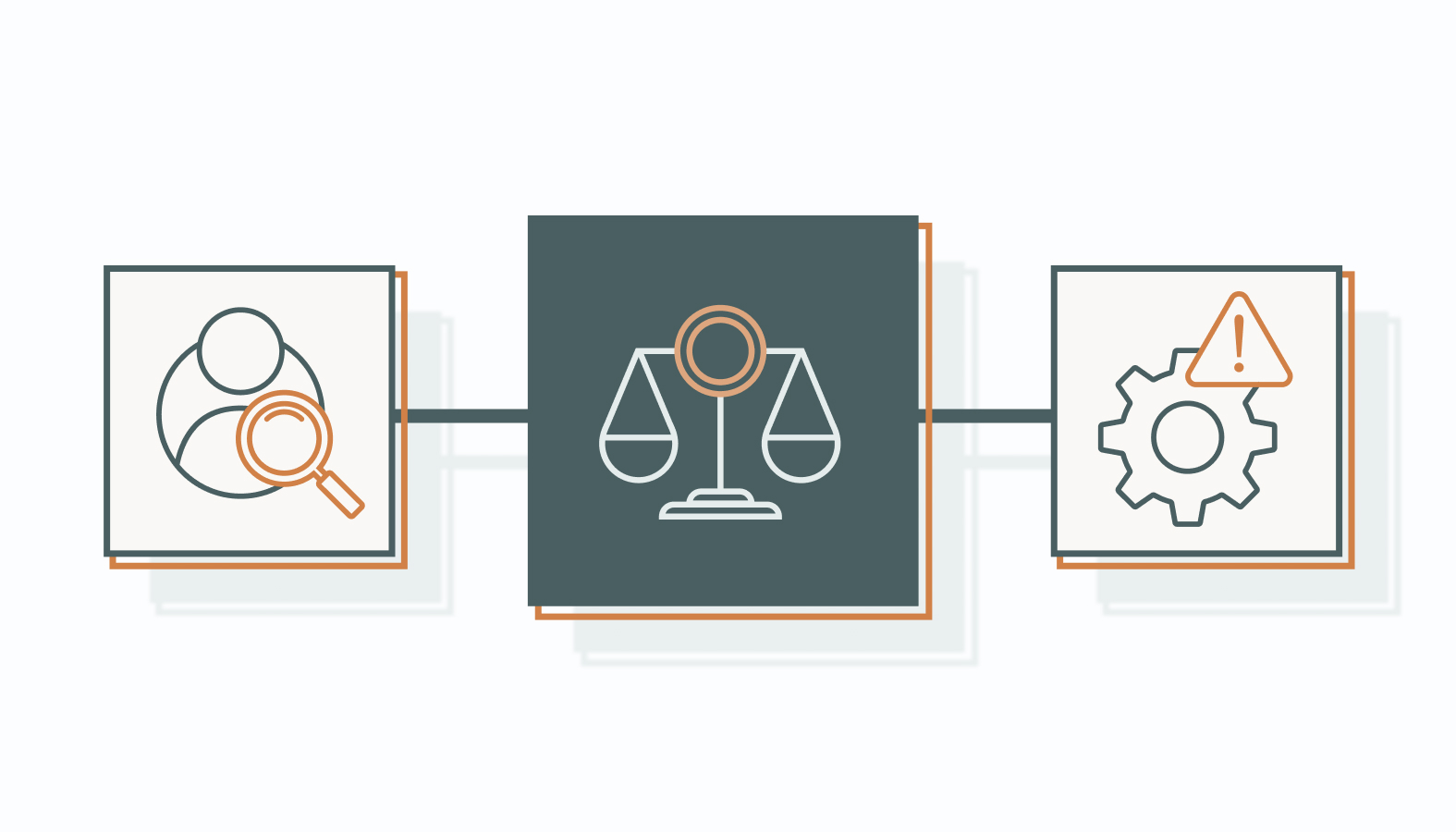
- Subjectivity: Gut instincts are personal. Bias can easily steer strategy away from what audiences actually want.
- Scalability issues: What feels right in one campaign may fail in the next. Intuition rarely provides a repeatable framework.
- Lagging behind change: Digital trends evolve quickly. Instinct alone can’t keep pace with shifting behaviors and expectations.
- Unclear impact: Without data, proving the effectiveness of a content strategy becomes an assumption.
Real-World Wins for Data Over Instinct
E-commerce Optimization: One retailer replaced instinct-based recommendations with analytics-driven insights, leading to a 30% increase in conversions. Data revealed real purchasing patterns, allowing the brand to personalize emails and product suggestions more effectively.
Content Engagement: A media company moved from editorial gut calls to engagement metrics. The shift produced 50% higher user interaction and increased ad revenue by focusing content on topics audiences consistently engaged with.
Intuition is a nice-to-have, but data is the differentiator. It turns guesses into a repeatable system that scales, adapts, and delivers measurable results.
Advanced Audience Intelligence: Beyond Demographics

To win today, marketers need behavioral and psychographic insights, understanding not just who your audience is, but what drives them. This deeper intelligence allows you to craft content that resonates and converts.
Methods and Tools for Deeper Audience Insights
Here’s how the pros get under the skin of their audience:
- Behavioral Analytics Platforms: Tools like Mixpanel and Amplitude track clicks, scrolls, and time spent, revealing user intent.
- CRM Software: Advanced CRMs map interactions over time, giving a complete view of preferences and habits.
- Social Media Analytics: Platforms such as Hootsuite and Sprout Social uncover trends, sentiment, and engagement patterns.
- Survey Tools: SurveyMonkey, Google Forms, and similar tools capture direct feedback to reveal motivations, needs, and frustrations.
Mapping Personas with First-Party Data
First-party data, collected directly from your website, apps, and customer interactions, is precise, exclusive, and actionable. Use it right, and you understand what your audience wants.
Steps for Collecting and Utilizing First-Party Data Effectively
1) Data Collection: Gather insights from analytics, CRM, and surveys. Every interaction matters.
2) Segmentation: Identify patterns that reveal unique behaviors within your audience.
3) Persona Development: Build detailed personas from these segments, integrating behavioral insights and preferences.
4) Tailored Content Strategy: Create content that directly engages each persona’s triggers.
Using JTBD Framework for Data Insights
Knowing who your audience is only gets you halfway. You still have to understand why people make the choices they do. The Jobs-to-Be-Done (JTBD) framework shifts the focus from demographic profiles to the reasons behind customer behaviors.
Why it works:
- Focus on the job, not the persona: Solve real problems instead of demographics.
- Predict behavior: Anticipate needs before competitors do.
- Boost engagement: Content that fits the job gets used, shared, and remembered.
How to apply JTBD:
- Identify the job: Use surveys, interviews, or analytics to find why your audience “hires” your product or content.
- Align content: Address the job directly to drive relevance.
- Test and refine: Let data guide improvements.
For example, a software tool’s audience isn’t after features. They want to automate tasks. Content focused on efficiency and productivity hits the mark, boosting engagement.
Finding Psychographic Triggers with Social Listening
You need to know what moves your audience. Social listening uncovers the values, motivations, and behaviors that actually drive decisions.
Translating Conversations into Insights
1) Monitor Conversations: Tools like Brandwatch and Mention track what people are saying about your brand, competitors, and industry.
2) Analyze Sentiments and Trends: Spot recurring themes, emotions, or frustrations that reveal underlying motivations.
3) Act on insights: Develop content that speaks directly to drivers, like solving pain points, aligning with values, or tapping into lifestyle interests.
Leveraging advanced audience intelligence techniques helps marketers go beyond surface-level demographics to engage their audience more deeply and effectively.
Unlocking Hidden Keyword Potential
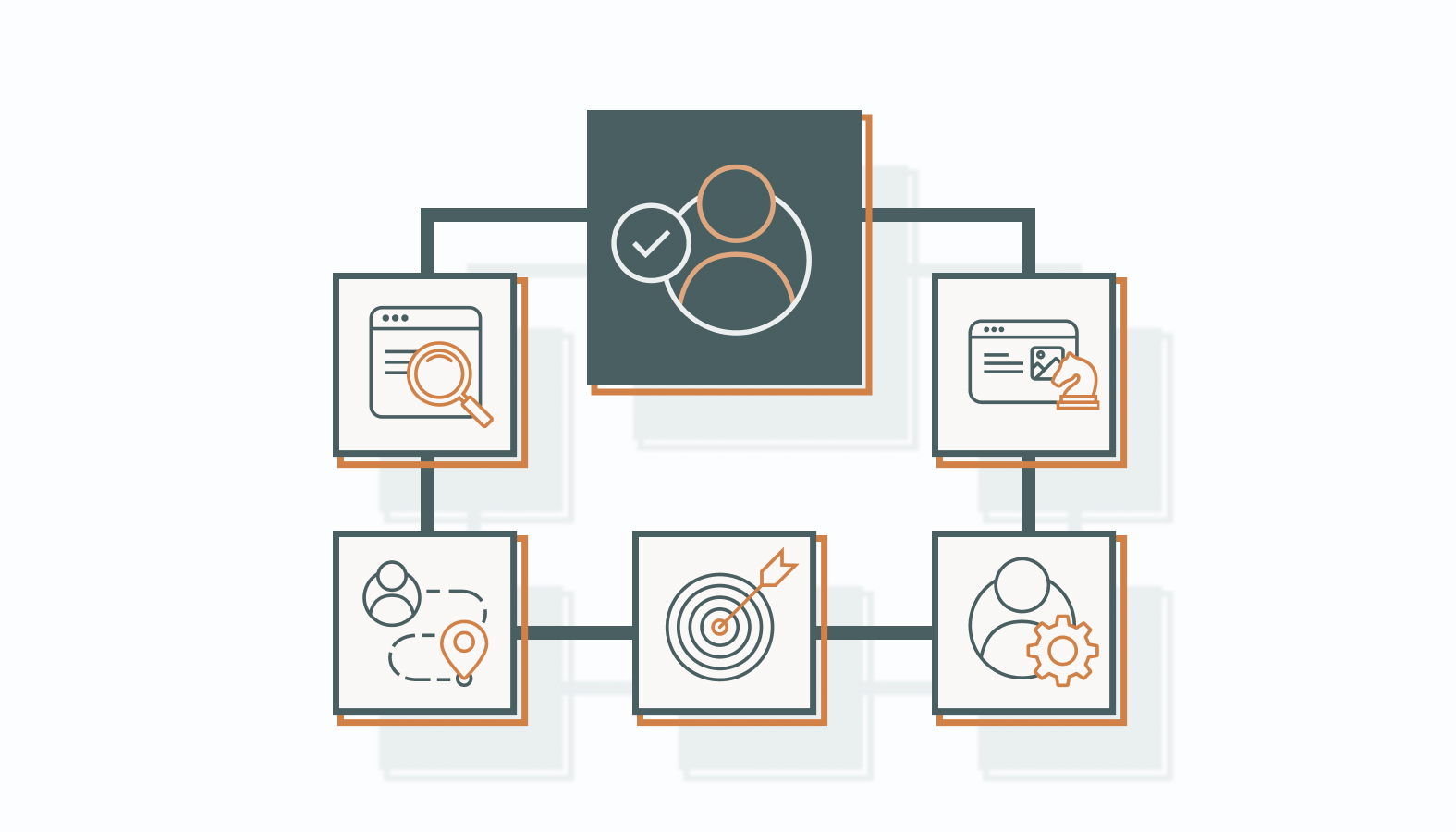
In digital marketing, the biggest gains often come from keywords no one else is paying attention to. These underutilized keywords can drive highly targeted traffic and convert better because they align closely with what your audience wants.
Strategies for Discovering Underutilized Keywords
- Keyword Research Tools: Use Ahrefs, SEMrush, or Google Keyword Planner to find low-competition, high-potential terms.
- User Feedback: Look at FAQs, support queries, and feedback for the words your audience actually uses.
- Long-Tail Keyword Focus: Specific phrases often attract visitors closer to making a purchase.
Importance of Aligning Keywords with Business Goals
Targeting the right keywords ensures traffic shows up and converts. Align content with what your audience is looking for and what your business needs, focusing on relevance over volume to maximize impact.
Discovering High-Conversion Keywords in CRM
CRM data is a place of intent. Every interaction, question, and click tells you the words your customers use when they’re ready to buy. Ignore it, and you’ll lose big time.
Methods for Extracting Keyword Insights from CRM Data
- Customer Interaction Analysis: Scan support tickets, chat transcripts, and sales calls. Those recurring phrases are pure insights into what triggers decisions.
- Purchase History Review: Look at the terms appearing in high-converting orders. Patterns here reveal the language that closes deals.
Impact of CRM-Derived Keywords on Content Performance
Keywords pulled from CRM data are precision-engineered for conversion. They map directly to real customer needs, making your content relevant and irresistible. Speaking the audience’s language attracts clicks and drives action.
Aligning Search Intent with Sales Content
Matching content to search intent is very important. If your content doesn’t answer what users are looking for, it won’t do anything.
Strategies for Ensuring Content Meets User Expectations
1) Intent Analysis: Use SEO tools to determine whether users want information, product comparisons, or are ready to purchase.
2) Content Tailoring: Align your content with that intent. Educational content for research queries, detailed comparisons for evaluation, and product pages for purchase-ready users.
Identifying Competitor Gaps with Semantic SEO
Semantic SEO involves understanding the broader context and meaning behind user searches, which helps in identifying gaps in competitors’ content strategies.
- Topic Cluster Creation: Create content around primary keywords and related queries to cover the full scope of user needs.
- Content Differentiation: Provide more complete or insightful content than competitors to stand out and earn trust.
Utilizing these advanced keyword strategies makes marketers effectively enhance their SEO performance to drive both higher traffic and better conversion rates.
Planning Content with Predictive Insights
Predictive analytics tells you what your audience will do next. Use it to plan content that hits the right topics at the right time.
How Predictive Analytics Help
Predictive analytics uses historical data and machine learning algorithms to forecast future trends and behaviors.
This function allows marketers to create content that aligns with anticipated changes in the market and user interests, ensuring that their content remains relevant and effective over time.
Tools Offering Predictive Insights for Marketers
- Google Trends: Provides data on search trends.
- BuzzSumo: Shows which social content performs well.
- HubSpot: Predictive lead scoring highlights users ready to convert.
Forecasting Content Demand with Trends
Staying ahead means knowing what your audience will want before they do. Trend analysis provides you with that edge.
Using Trend Data to Guide Content Creation
Seasonal Trend Analysis: Check historical performance to see which content spikes at certain times of year.
Growth Trend Spotting: Track rising topics using tools like Google Trends to spot opportunities early.
Spotting Emerging Topics Early
Catch trends before they go mainstream. Early content gives you authority and a first-mover advantage.
Methods for Identifying Emerging Trends
Social Listening Tools: Use platforms like Mention or Brandwatch to monitor conversations online.
Influencer Monitoring: Follow industry leaders. What they discuss often signals wider interest.
Tools for Early Detection
- BuzzSumo: Tracks high-performing content across channels as trends start.
- Ahrefs Content Explorer: Finds niche topics before they hit the mainstream.
Aligning Content with Seasonal Search Trends
Seasonal trends create predictable patterns in what your audience searches for. Use this data to time your content for maximum relevance and impact.
Why Align Content with Seasonal Trends
Content must be aligned with seasonal trends to stay relevant because content tied to seasonal interests resonates more with users. The other reason is to boost conversion. Peak seasonal demand drives higher engagement and sales.
Planning and Optimizing Around Seasonal Trends
Content Calendar Development: Map key seasonal events and trends to your publishing schedule.
SEO Optimization for Seasonality: Target seasonal keywords to ensure your content appears when users search.
By integrating predictive insights into their content strategy, marketers can stay ahead and ensure their content has the maximum impact by aligning closely with audience needs and market dynamics.
Combatting Content Decay
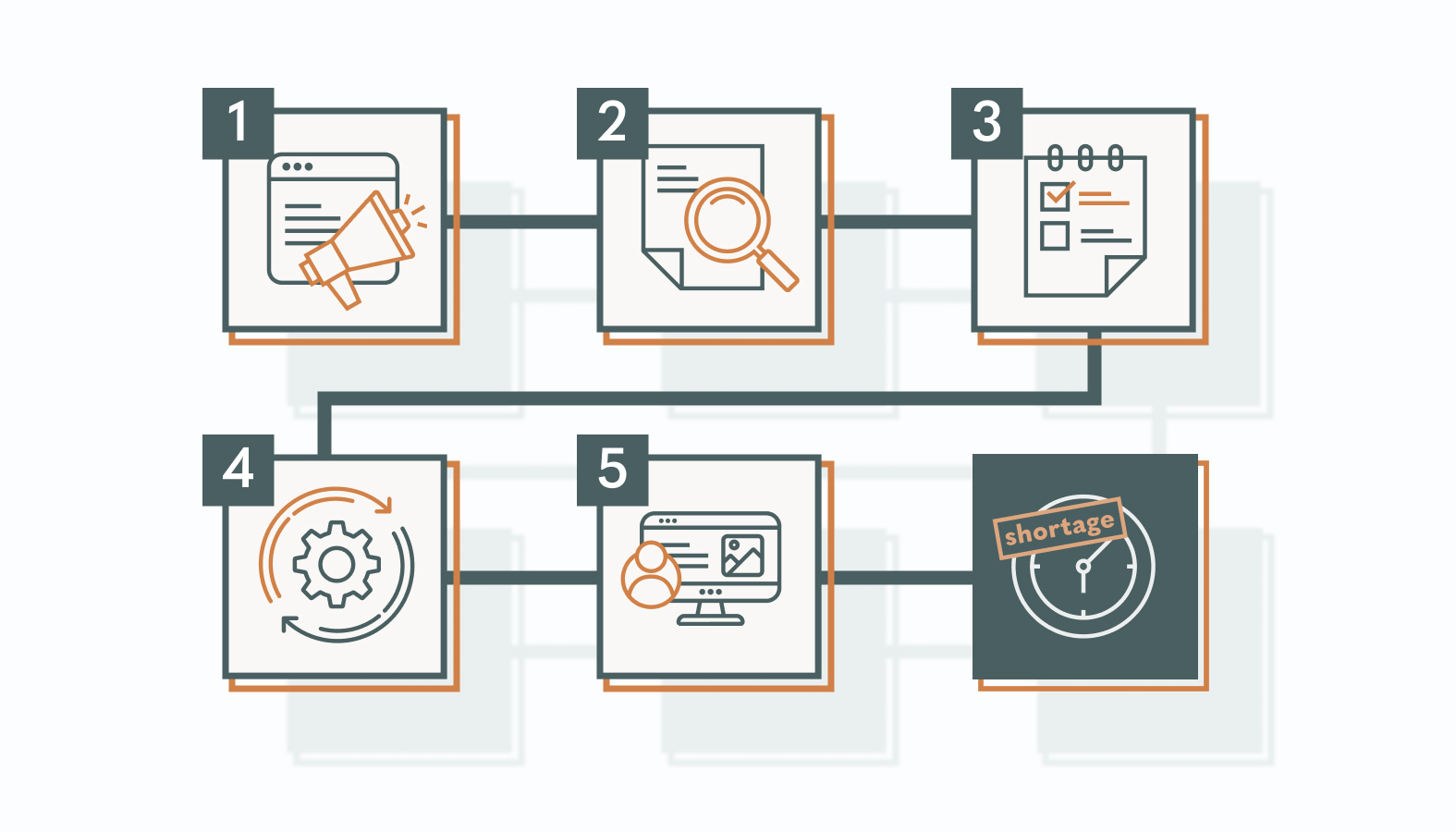
Content decay happens. Even your best-performing posts lose traffic and engagement as time passes by because relevance drops. Ignoring it costs you reach, authority, and conversions.
Keep Content Relevant and Effective
- Regular Content Audits: Review content periodically to check performance and relevance.
- Content Updates: Refresh outdated information, statistics, or visuals to maintain value.
- SEO Optimization: Adjust keywords, meta tags, and internal links to stay visible in search.
Conducting an 80/20 Content Audit
The 80/20 principle shows that a small portion of your content drives the majority of results. In practice, a handful of posts often generate most of your traffic and engagement. Identifying these high-impact pieces lets you focus effort where it matters.
Identifying High-Impact Content
Use analytics to pinpoint content performing best in traffic, engagement, and conversions. Prioritize these pieces for updates, improvements, and resource allocation to maximize ROI. The goal is to double down on what already works, not chase every new idea mindlessly.
Implementing Data-Driven Content Refresh
Refreshing content uses performance metrics to guide updates, adjusting for search trends, user behavior, and industry shifts. Once updated, re-optimize for SEO to improve visibility. Fresh content keeps audiences engaged and search engines happy.
Enhancing UX with Heatmaps
Heatmaps reveal how users interact with your pages, showing clicks, scrolls, and attention hotspots. Use this insight to optimize layout, place key calls-to-action where they matter, and run A/B tests to refine what works. Better UX equals better engagement and stronger results.
Marketers addressing content decay through these strategies can ensure their content remains valuable and effective in their marketing, driving sustained traffic and engagement over time.
Effective Attribution and ROI Analysis
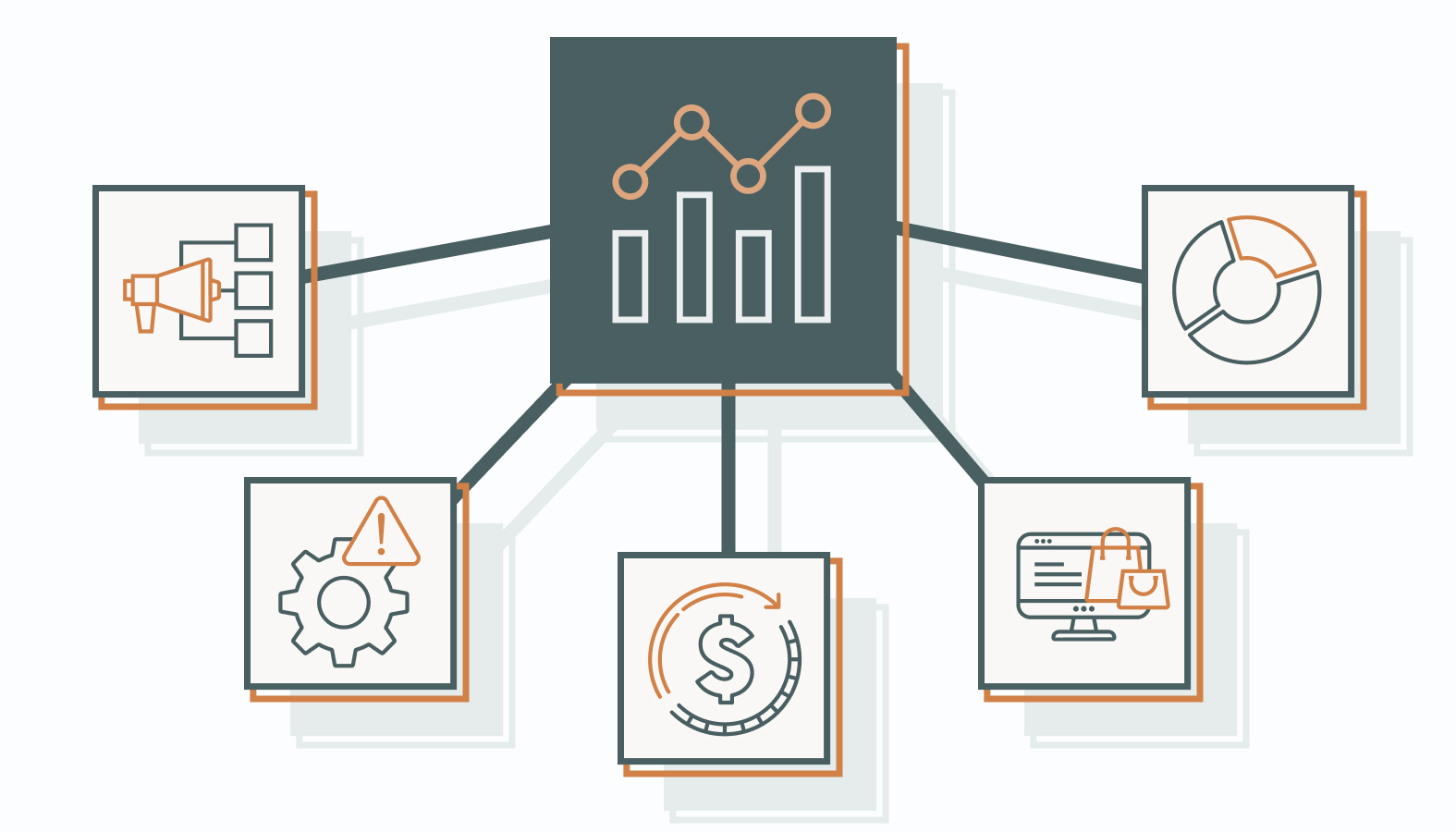
Accurate attribution understands how content drives real business outcomes. Without it, you’re spending money not knowing which content or channel truly performs. Proper attribution identifies the pieces that generate conversions and supports smarter, data-backed decisions on marketing spend.
Accurate Attribution in Measuring Marketing Success
Attribution provides clarity on which marketing activities contribute to sales and customer acquisition. It shows what works, what doesn’t, and where to focus resources, enabling strategy optimization based on measurable results.
Common Challenges and Solutions
Multi-Touch Attribution Complexity: Customers often interact with multiple content pieces across various channels before converting, making it difficult to attribute ROI to a single source.
The solution is to implement a multi-touch attribution model that assigns value to each touchpoint in the customer journey.
Data Silos: Disconnected systems make tracking the full customer journey difficult.
The solution is to integrate platforms and data sources to create a unified view of interactions, ensuring no insight gets lost.
Linking Content to Revenue Beyond Vanity Metrics
Vanity metrics, like page views, likes, and shares, look impressive but rarely tie to actual business outcomes. If content isn’t driving revenue, leads, or retention, it’s just noise.
Methods for Tracking Content’s Direct Impact on Revenue
1) Conversion Tracking: Link website interactions directly to sales. Know exactly which content works.
2) Lead Scoring: Assign value to content interactions based on their likelihood to convert. Focus efforts where they should be given.
Alternatives to Vanity Metrics
Engagement Metrics measure meaningful actions, such as time on page, comments, and shares, to gauge real interest. While revenue metrics track revenue per visitor or lead generation rates for specific content pieces, these numbers actually count.
Determining CAC per Content Channel
Understanding the Customer Acquisition Cost (CAC) for each content channel is not optional. It’s a must. Budget decisions are messy without it. Measuring CAC lets you pinpoint which channels drive new customers and which ones are bleeding money.
How to Calculate CAC for Each Content Channel
1) Total Spend per Channel: Sum all marketing costs for the channel over a set period.
2) Conversions per Channel: Count the new customers acquired via that channel.
3) CAC Calculation: Divide total spend by conversions. Simple math, powerful insight.
Examples of Analyzing CAC to Optimize Marketing Spend
Compare CAC across channels to identify underperformers and reallocate budget.
Run A/B tests on content types and distribution strategies to reduce CAC over time.
Creating Executive-Ready Data Dashboards
Data is only useful if it communicates clearly. Dashboards turn complex marketing metrics into actionable insights executives can digest in seconds.
Tips for Designing Effective Dashboards
- Focus on Key Metrics: Only show numbers that reflect real business impact.
- Visual Simplicity: Use charts and graphs to represent data clearly and intuitively.
- Real-Time Data: Give executives current performance, not last quarter’s guess.
- Customizable Views: Allow deep dives on demand without overwhelming the main view.
Implementing these strategies ensures attribution methods and ROI analysis are reliable and effective. They’ll provide valuable insights that drive strategic decision-making and effectively communicate the impact of content marketing efforts to stakeholders.
Enhancing Content with AI and Personalization
AI should be used as a productivity and precision tool. The right AI setup allows you to create content faster while delivering highly personalized experiences that convert.
Role of AI in Content Creation and Personalization
AI analyzes large datasets to uncover audience patterns and preferences. With this insight, you can serve content recommendations tailored to individual users, optimize email campaigns for higher engagement, and deliver dynamic website content that adapts in real time.
Benefits of Personalized Content for Audience Engagement
- Increased Relevance: Content aligns with user interests, keeping attention and time on site high.
- Higher Conversion Rates: Messaging meets the user’s stage in the buying journey, driving actions.
- Improved User Satisfaction: Personalization signals value, fostering loyalty and repeat engagement.
Distributing Content Across Channels
Content doesn’t work if it doesn’t reach the right people. Distribution is where strategy meets execution. Do it correctly if you don’t want all your planning to be wasted.
Strategies for Effective Content Distribution
1) Channel Identification: Use analytics to pinpoint where your audience spends time.
2) Content Adaptation: Match format and style to each channel, such as social posts, emails, and blogs. They all need their own treatment.
3) Scheduling Optimization: AI tools can time posts for peak engagement, ensuring your content hits when users are active.
Tools That Optimize Content Distribution and Engagement
Hootsuite and Buffer: Schedule and post content across multiple social channels efficiently.
HubSpot: Manage blogs, websites, and email campaigns from one platform with built-in performance tracking.
Using Dynamic CTAs Driven by User Data
Dynamic CTAs are smart, real-time prompts that react to your users. When executed right, they increase relevance, engagement, and conversions.
How Dynamic CTAs Increase Engagement and Conversion Rates
Behavior-Based Customization: Adjust CTAs based on pages visited, time on site, or prior interactions. Match the user’s current interest level.
Contextual Relevance: Change messaging depending on where the user is in their journey. Offer exactly what’s most useful now.
Examples of User Data-Driven CTAs
B2B sites can show “Learn More” for first-time visitors and “Get a Quote” for returning prospects.
E-commerce platforms can surface “Related Products” or “Bundle Discounts” based on browsing and purchase history.
Personalizing Content with Predictive Scoring
Predictive scoring uses AI to anticipate what users will do next, enabling content and CTAs to hit with clear direction.
Targeted Content Delivery: Align content with predicted interests to maximize relevance.
Anticipatory Experiences: Serve users before they even know what they need, creating seamless journeys.
Using predictive scoring, marketers can create a highly personalized user experience that meets and anticipates user needs, boosting engagement and satisfaction.
The use of AI and sophisticated personalization techniques boosts the effectiveness of content strategies, driving higher engagement, conversion rates, and even exceeding user expectations.
Making Data Work for Your Content
A strong content program is a system that continually improves audience understanding, topic selection, performance, and measurement.
When data guides decisions, content stops being a series of experiments and becomes a dependable growth driver.
Audience insights shape messaging, keyword analysis connects content to demand, and predictive signals help teams plan. Performance tracking, attribution, and regular refreshes keep assets contributing to goals.
Marketing teams should treat content as a system, not just a publishing schedule.
Turn Data Into Your Content Growth Engine
A data-driven content marketing strategy is only as effective as how well it’s executed.
Knowing what signals to track, how to interpret them, and how to turn them into a scalable content system can make the difference between steady growth and wasted effort.
Schedule a candid conversation with one of our experts if you want to sharpen your strategy and ensure your content is aligned with real audience behavior and measurable outcomes.