A content gap analysis matters if it leads somewhere a sale can happen. High traffic means little if it never builds a sales pipeline, and traditional keyword gap analysis tends to emphasize volume over revenue. Ranking for a keyword with 10,000 monthly searches feels like a win right up until it never converts into a lead.
The shift that actually matters is moving from basic keyword matching to intent-driven gap analysis, the kind built for modern SEO and AI-powered search experiences like Perplexity and ChatGPT, not just traditional Google results. This guide breaks down step by step, from identifying the gaps to tying them back to pipeline and revenue.
What Is Content Gap Analysis?
Content gap analysis in SEO isn’t just a way to find new keywords. It’s a strategic way to structure your content, capture real search intent, and compete for the traffic your competitors currently earn. Teams still treat it as a one-time keyword export, which is why the results rarely move revenue.
If it’s done right, it delivers three specific wins:
- It maximizes topical authority by covering an entire subject ecosystem instead of scattered individual posts, which gives users and search systems a more complete picture of your expertise than scattered, surface-level coverage.
- It fixes content decay by surfacing existing posts that used to rank and have since slipped, giving you a clear list of what to update instead of guessing.
- It aligns with actual user intent, helping you choose the format that best answers the query, whether that’s a guide, comparison, calculator, template, or another resource.
These three wins compound over time. A well-mapped topic cluster does more for your visibility than a dozen posts chasing that month’s highest-volume keyword. The table below shows where that distinction plays out in practice.
| Basic SEO Use | Revenue-Focused SEO Use | |
| Approach | Downloading generic competitor keywords to find high-volume phrases | Mapping gaps directly to user intent and search funnel leaks |
| Goal | More traffic | More conversions |
4 Common Content Gap Mistakes to Avoid
Most content gap analyses fail in one of four specific, avoidable ways, each one costing time and budget before anyone notices the pattern.
Mistake 1: Volume Obsession. Targeting a keyword with 10,000 monthly searches instead of a 200-search buyer-intent term feels productive because the bigger number looks better on a report. It may not convert at the same rate because someone searching a broad informational term may be much earlier in the buying journey.
Mistake 2: Ignoring Content Decay. Teams chase new topics while ignoring old posts that used to rank well and have quietly lost ground to a competitor. Updating an existing asset can be faster than building a new one, particularly when the page already has relevant rankings, backlinks, traffic, or other established signals.
Mistake 3: Blind Copying. Creating “me-too” content that mirrors a competitor’s structure without adding new data or a different angle just produces a weaker copy of something that already exists. There’s no clear reason for a user or search system to prefer it over the original, no matter how much effort went into writing it.
Mistake 4: Missing the AI Shift. Optimizing only for Google rankings while ignoring how AI-powered search experiences retrieve, summarize, and cite sources creates a visibility blind spot. Those appearances may not be captured cleanly in a traditional rank tracker, making them harder to measure with conventional SEO reporting.
Types of Content Gaps to Prioritize
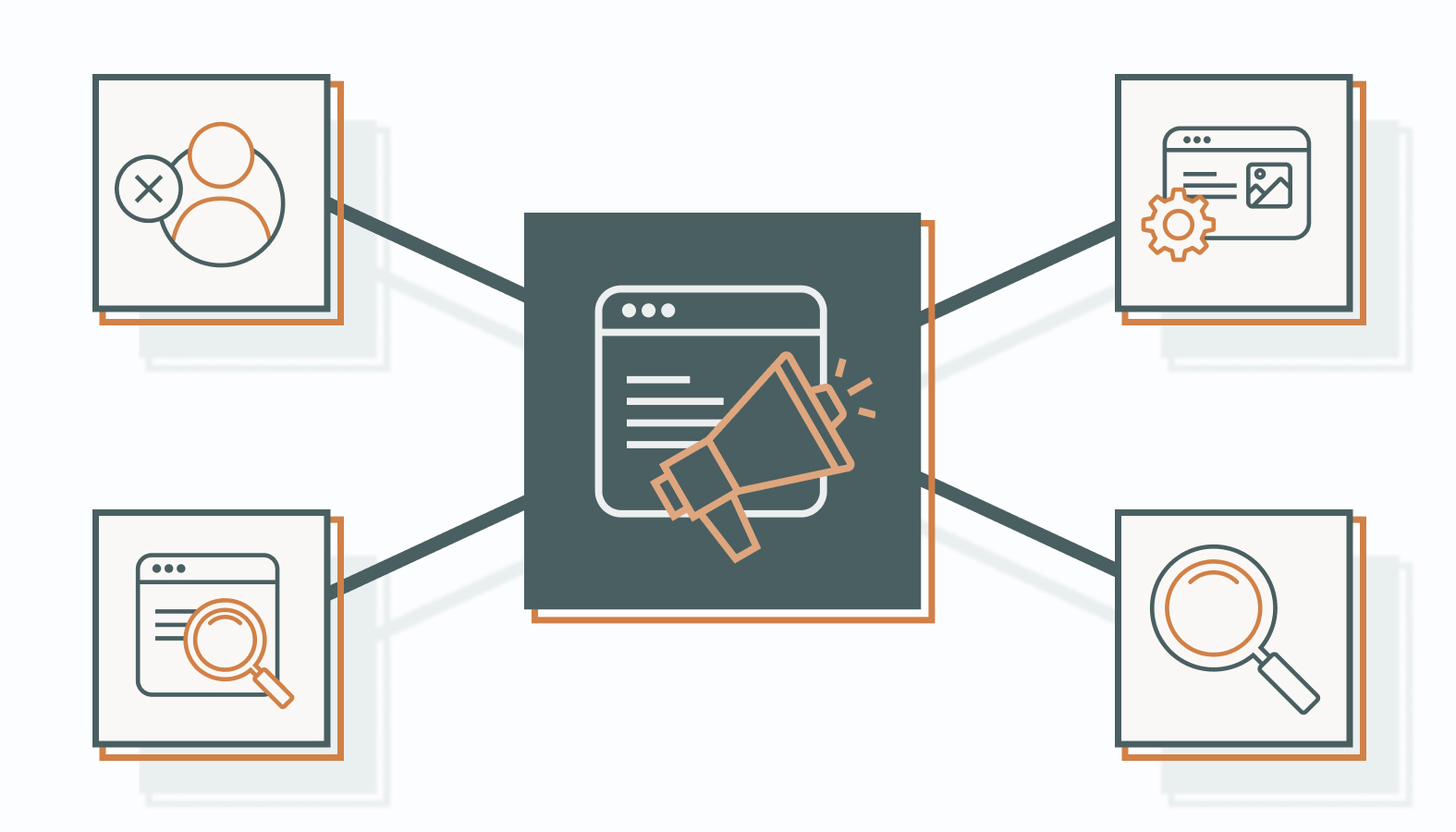
Not every gap is the same, and treating them identically wastes effort on the wrong fix. Four distinct categories cover most of what actually shows up in a real audit.
- Topic gaps are missing thematic areas your audience expects you to cover, where your site has little or no meaningful coverage rathe r than simply a missing keyword.
- Keyword gaps show up when you conduct a competitor keyword gap analysis and find specific, high-intent terms a competitor owns outright that you don’t rank for at all.
- Intent gaps happen when you’re serving a generic blog post to a buyer who wants a direct comparison or an interactive tool, a mismatch that costs a conversion even when the traffic shows up right on schedule.
- AI search gaps are newer: your content may be absent from the sources retrieved or cited when someone asks an AI-powered search tool for information or a recommendation.
How to Do a Revenue-Driven Content Gap Analysis
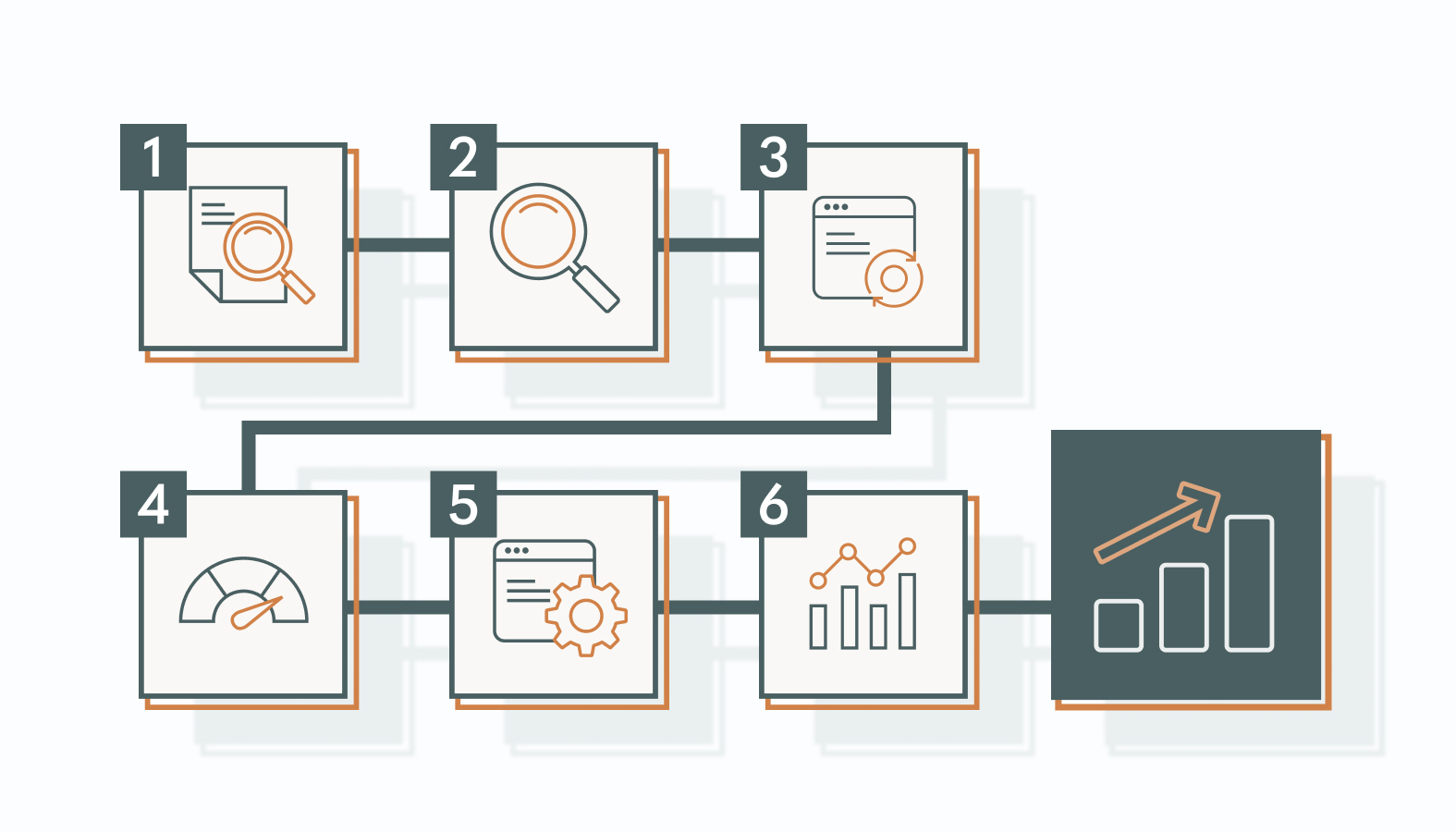
How to do a content gap analysis that drives revenue comes down to six steps, run in order, not tackled in whatever sequence feels easiest that week. Skipping ahead to Step 5 without doing Step 1 first is how teams end up producing great content for the wrong gap.
1) Audit Your Journey. Map your existing content to TOFU, MOFU, and BOFU stages. This helps you identify where your funnel lacks content coverage or where users may be dropping out.
2) Identify True SERP and AI Competitors. Look past your traditional business rivals to the companies and publishers that consistently appear in organic results or AI-generated source citations for your target queries. That’s often a different company entirely, one you may not have considered a competitor until you ran the data.
3) Run the Data. Use a tool like Semrush or Ahrefs to extract keyword overlaps worth pursuing, then use AI search tools such as ChatGPT or Perplexity to test which companies and sources appear for representative queries in your category. Repeat the queries across variations rather than treating a single AI response as a definitive ranking.
4) Prioritize with the ICE Matrix. Score every gap on Impact, Confidence, and Ease: the potential business impact, how confident you are in the opportunity and your ability to execute, and how easy it will be to address. This keeps you from chasing an impressive-looking gap that’s realistically out of reach given your current resources and timeline.
5) Inject Information Gain. Fill the gap with something genuinely useful and differentiated: original data, first-party insights, an expert quote, a proprietary framework, or analysis competitors haven’t already published. Content that only restates what’s already out there has no reason to outrank it, no matter how well it’s written.
6) Track Pipeline Metrics. Measure success by pipeline velocity, conversions, and revenue, not traffic alone. A page that gets fewer visits but generates more qualified opportunities can be the bigger win.
Advanced Tips and Tool Workflows
Getting the analysis right is only half the job. How you structure and operationalize the output determines whether it actually gets used.
Formatting matters, especially for AI visibility. Clear headings, concise answers, tables, and other well-structured formats can make information easier for both users and automated systems to interpret. That matters as AI-powered search increasingly summarizes information from web sources rather than simply presenting a list of links.
A lean, effective stack can cover three jobs: Ahrefs or Semrush for competitive and keyword data, a content optimization platform such as Surfer or MarketMuse for topic and content analysis, and Google Search Console for identifying pages with declining search performance. Together, these tools help you identify which existing posts need an update rather than a brand-new piece built from scratch. None replaces the others.
Frequently Asked Questions
1) How often should you do a content gap analysis?
Quarterly, as a baseline. Competitor strategies shift, search results change, and your own content performance evolves, so a gap analysis that was accurate six months ago may already be stale, especially in a category where AI search behavior is still actively changing.
2) What is the difference between a keyword gap and a content gap?
A keyword gap is a specific search query or keyword for which a competitor ranks but your site does not, or ranks significantly lower. A content gap is broader: it can involve a missing topic, format, depth, or search intent. In this framework, keyword gaps are one type of content gap rather than a completely separate problem.
3) Can you do a content gap analysis for free?
Yes. You can start with free tools such as Google Search Console and manually compare your site with the blogs and search visibility of your top competitors. Paid platforms such as Ahrefs and Semrush can make the comparison faster and more systematic, but they aren’t required to identify every opportunity.
Stop Chasing Organic Traffic, Start Filling Revenue Gaps
A content gap analysis was never really about traffic. It’s about finding the exact places where a buyer’s actual intent and your current content don’t line up, and closing that distance before a competitor does it first, whether that competitor appears in Google’s results or is surfaced as a source in an AI-powered search experience.
Traffic without a real pipeline is just a vanity number sitting on a dashboard. Schedule a candid conversation with one of our experts if you’d rather have your content gaps mapped by a team that prioritizes revenue over raw visitor counts.