


Your dashboard is full of rising numbers, but revenue feels stuck. That gap isn’t bad luck, but a warning signal. This signal reveals why vanity metrics kill marketing ROI for so many businesses, even those with skilled teams and healthy budgets.
Likes, shares, views, and follower counts feel good because they’re fast, visible, and easy to brag about, but they often cover up what’s really happening. When decisions rely on these surface-level signals, activity usually takes priority over outcomes, and budgets follow noise instead of impact.
Wasted spend, missed opportunities, and confusion divert attention away from what’s truly driving results. The solution requires a shift in focus toward metrics that matter.
In this article, we’ll break down where vanity metrics mislead, the hidden costs they impose, and what to track instead.
The Illusion of Success
Vanity metrics can provide a misleading picture of marketing performance. Numbers like shares, likes, reactions, and page views may look impressive at first, but they don’t always indicate whether your efforts are truly driving results.
This illusion of success can influence decisions, budgets, and priorities in ways that don’t support real growth.
- Easy to celebrate: Metrics are simple to collect, report, and showcase.
- Can mask real performance: High engagement may coexist with flat sales, rising costs, or stalled pipelines.
- May attract the wrong audience: A campaign could draw attention without generating demand from the right customers.
- Encourages unproductive habits: Teams might focus on tactics that feel successful but don’t equate to revenue.
- Skews priorities and budgets: Resources flow toward activity that looks active, while meaningful metrics get less attention.
- Overlooks critical signals: Metrics like conversion rates, cost efficiency, and buying intent reveal actual performance but often get ignored.
Understanding this pattern is the first step to breaking it. Shifting the focus from what appears successful to what actually drives growth ensures marketing efforts deliver measurable, meaningful results.
Grasping the Real Impact of Vanity Metrics
Vanity metrics aren’t wrong, but they fail because they’re incomplete. Likes, page views, and follower counts are signals of attention, not intent, yet they’re often counted as performance.
They move quickly, they trend nicely, and they give teams something concrete to point to, but they stop short of explaining business impact.
The real issue shows up when attention gets mistaken for traction. A campaign can go far without going deep. It might reach thousands of people who were never likely to buy, or spark interest that fades before it reaches a decision point.
In those cases, activity rises while outcomes stay flat, and the data looks busy without being useful. This disconnection becomes clearer when you look at how vanity metrics behave in practice:
- They reward reach instead of relevance, so the loudest content often wins over the most effective.
- They measure reactions instead of behavior, which means they stop before commitment begins.
- They lack time context, offering snapshots instead of showing progress toward a sale.
That’s why teams can see strong traffic or engagement while pipelines remain unchanged. Volume alone doesn’t explain quality, and visibility doesn’t demonstrate value.
Without metrics that reflect movement through the funnel, performance gets judged on surface signals rather than forward motion.
It’s very important to understand which metrics explain intent, efficiency, and follow-through.
Four Ways Vanity Metrics Drain Your Budget
Vanity metrics silently drain budgets, often while teams feel busy, productive, and justified. The danger isn’t overspending, but mis-spending, guided by signals that look legitimate but fail under scrutiny.
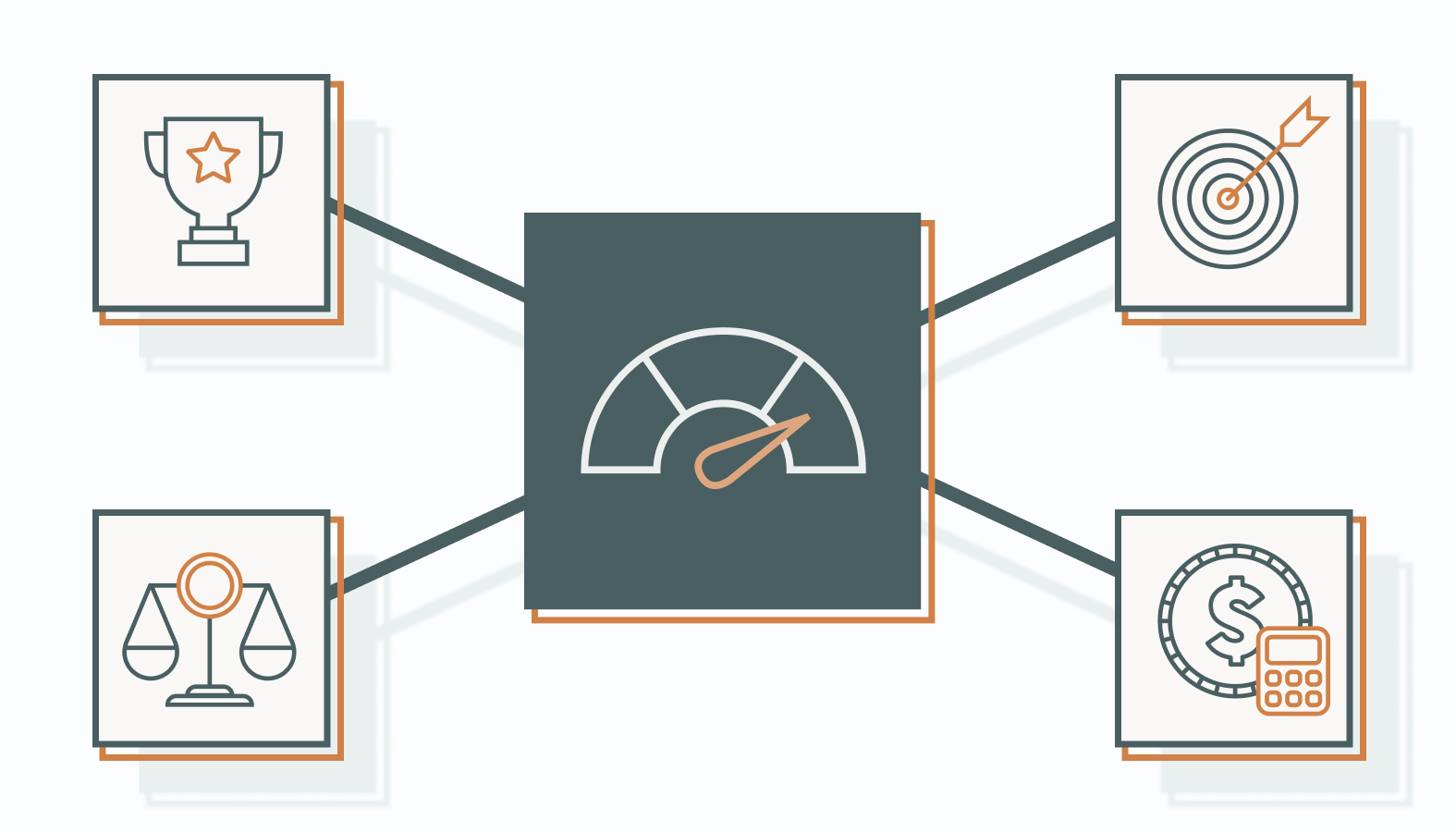
Here’s how that noise typically plays out:
1) Illusion of Achievement
Vanity metrics can create an inflated sense of success that progress is happening faster. A spike in likes, shares, or page views can make teams feel like they’re hitting big wins, even if those numbers aren’t translating into real business results.
This false sense of success can breed complacency. When teams believe they’ve made it, they’re less likely to dig deeper, challenge assumptions, or experiment with new strategies.
The result? Missed opportunities to innovate and improve performance. In short, vanity metrics can make you feel successful, but without real impact, that success is a display.
2) Misguided Priorities
When vanity metrics take all the attention, they can divert focus away from core business goals. Teams might spend time and energy on increasing social media followers instead of nurturing customer relationships or improving product quality.
To realign priorities, businesses should emphasize metrics that directly impact revenue and customer satisfaction, such as conversion rates and customer lifetime value.
3) Poor Decision-Making
Relying on vanity metrics can lead to ineffective marketing strategies. For example, a campaign might be judged successful based on high engagement, while actual sales remain stagnant.
This misjudgment can result in continued investments in ineffective tactics. Shifting focus to metrics like sales conversions and ROI ensures more informed strategic decisions.
4) Increased Management Costs
Managing and reporting vanity metrics often involves hidden costs, such as time spent on data collection and analysis that doesn’t contribute to growth. Streamlining management consists of focusing on actionable metrics that offer clear insights into performance.
This shift can reduce unnecessary expenses and improve overall efficiency.
Distinguishing “Actionable” from “Vanity”

Recognizing the difference between vanity and actionable metrics talks about whether they lead to better decisions. Actionable metrics shape priorities, reveal friction, and guide where to invest or pull back with confidence.
Vanity metrics may move quickly and read well in reports. Still, if a number changes and nothing changes as a result, it isn’t driving performance, but simply describing activity with no impact.
1) Criteria for Actionable Metrics
- Alignment with Goals: Your actions should align with your core business objectives, such as increasing sales or improving customer retention.
- Measurable Impact: Metrics should clearly show how they affect the conversion rates or customer acquisition costs.
- Data-Driven Decisions: Enable informed decision-making by providing insights into customer behavior and campaign effectiveness.
2) Guidelines for Evaluating Marketing Metrics
- Relevance: If it doesn’t impact your primary objectives, it might be vanity.
- Contextual Insight: Look for metrics that provide context and depth, such as engagement metrics that indicate customer interest beyond mere clicks.
- Consistency: Choose metrics that can be tracked consistently over time, allowing for trend analysis and performance benchmarking.
By prioritizing actionable metrics, businesses can make more informed decisions, optimize strategies, and ultimately drive greater success.
The “Revenue-First” Framework: Metrics That Matter
A revenue-first framework doesn’t settle for attention as it demands returns. It prioritizes metrics that track progress through the funnel, efficiency in spend, and movement toward a sale.
Focusing on signals that reflect intent, behavior, and cost-effectiveness can help teams cut through the noise, make smarter decisions, and ensure every dollar drives growth.
This approach turns data into action, aligning marketing performance with business results instead of aesthetic wins.
Benefits of Revenue-Generating Metrics
Shifting focus to revenue-generating metrics enables clearer insights into marketing effectiveness, promoting strategies that contribute to sustainable growth.
This approach enhances decision-making, improves budget allocation, and strengthens alignment with business goals.
Prioritizing the Transactional Hierarchy
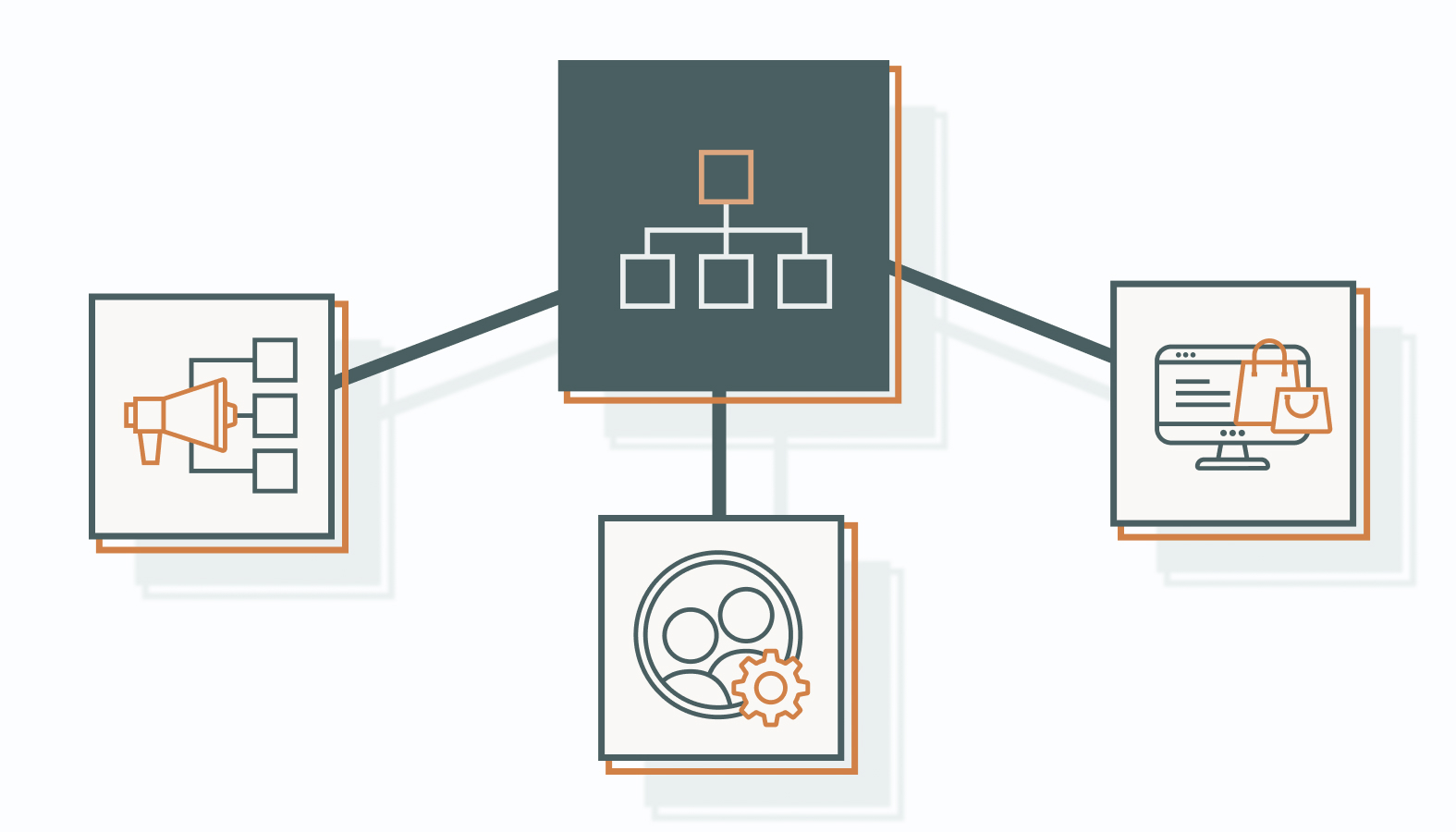
The transactional hierarchy helps prioritize metrics by their impact on sales and customer engagement. Focusing on metrics at different levels can ensure businesses have a balanced approach to growth and conversion.
1) Customer Acquisition Cost (CAC) by Channel
Understanding CAC is crucial for budget allocation, as it represents the cost to acquire a new customer.
Calculating CAC involves dividing total marketing expenses by the number of new customers acquired. Analyzing it across channels helps identify the most cost-effective strategies and optimize spending.
2) Sales Qualified Leads (SQL) vs. Marketing Qualified Leads (MQL)
SQLs are leads deemed ready for a sales pitch, while MQLs are leads that have shown interest but need further nurturing. Tracking SQLs often proves more effective in driving revenue, as these leads are closer to conversion.
By focusing on SQLs, businesses can streamline sales efforts and improve closure rates.
3) Average Order Value (AOV) and ROAS
AOV measures the average amount spent per transaction, while ROAS (Return on Advertising Spend) indicates the revenue generated per dollar spent on advertising.
Optimizing AOV involves upselling and cross-selling strategies, while ROAS can be enhanced by targeting high-value audiences and refining ad placements.
The “Context” Metrics
Context metrics provide deeper insights by considering the environment in which data is collected. They help interpret raw numbers, adding layers of meaning that can inform strategy.
Conversion Rate Optimization (CRO) Benchmarks
CRO benchmarks contribute to improving marketing efficiency. By setting realistic benchmarks, businesses can gauge the success of their conversion strategies.
Evaluating CRO involves analyzing user behavior, A/B testing, and iterating on design to enhance user experience and increase conversion rates.
By adopting a revenue-first framework and focusing on actionable metrics, organizations can streamline their strategies, enhance efficiency, and achieve lasting success.
The Transition: How to Pivot Your Strategy Today
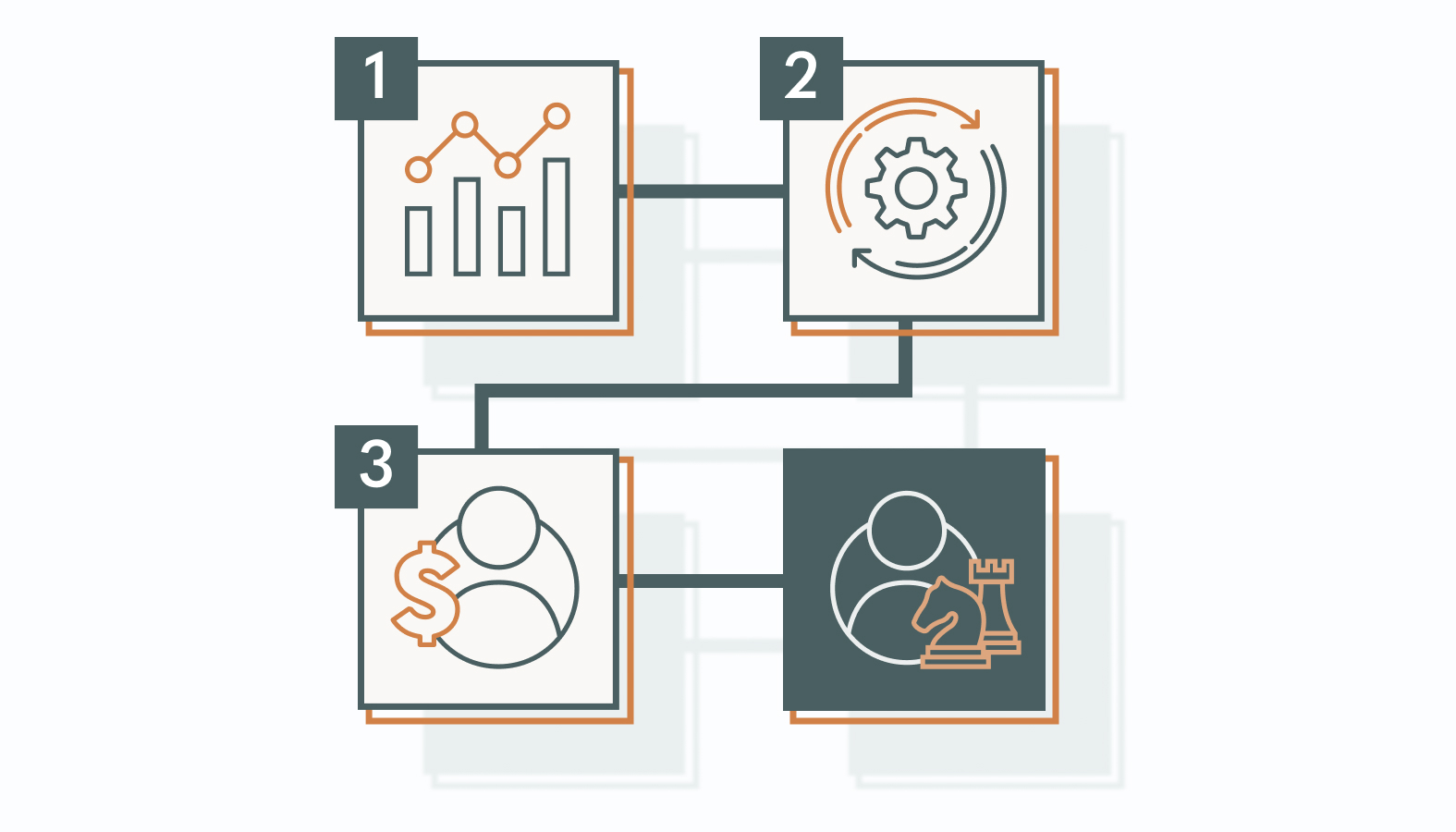
Shifting from vanity metrics to actionable ones is a full-on strategy upgrade. Focus on metrics that track real progress, efficiency, and revenue impact.
Additionally, link campaigns to your CRM for clarity on every touchpoint, and align stakeholders around insights that drive decisions.
When you pivot this way, every data point becomes a signal, turning noise into thriving and busy work into positive results.
Step 1: Optimize Your Data Dashboard
To focus on actionable metrics, redesign your dashboard to highlight key performance indicators (KPIs) that align with business objectives. Use tools like Tableau, Power BI, or Google Data Studio to create intuitive visualizations that emphasize these metrics.
Ensure your dashboard is flexible to allow you to adjust metrics as priorities evolve.
Step 2: Integrate Marketing with CRM
Linking marketing efforts with CRM systems like Salesforce or HubSpot enhances data accuracy and customer insights. This integration enables seamless tracking of customer interactions and more personalized marketing strategies.
Best practices include ensuring data consistency, training teams on CRM usage, and automating workflows to boost effectiveness.
Step 3: Align Stakeholder Expectations
Communicate the shift in metrics to stakeholders by clearly explaining the benefits of focusing on actionable data. Use presentations or reports to illustrate how this transition supports business.
Manage expectations by setting realistic timelines and maintaining transparency about the changes and anticipated outcomes.
By following these steps, you’ll strengthen your organization’s ability to make data-driven decisions, paving the way for sustained success.
From Recognition to Results
The real power of marketing data is in actionable insights that shape smarter strategies, reveal true opportunities, and guide resource allocation. Moving beyond vanity metrics means understanding what drives behavior, optimizes spend, and accelerates growth.
When metrics align with business objectives, every decision becomes intentional, every campaign sharper, and every penny accountable.
In short, the shift from recognition to results ensures that marketing efforts contribute more than simply decorating reports.
Moving Forward with Confidence
Stop letting surface-level numbers dictate your strategy. Focus on metrics that inform, guide, and deliver real results. We are ready to help you transform data into decisions that truly move the business forward.
Schedule a candid conversation with one of our experts » to unlock smarter growth today.