


Have you ever approved an SEO budget without really knowing what to expect from it? That’s not a criticism. It’s just how SEO has historically worked. You invest, you wait, and somewhere down the line, you try to connect the dots between what you spent and what came back. SEO forecasting is designed to solve that problem. It’s the process of estimating the traffic, leads, and revenue your SEO efforts are likely to generate before you invest.
Without clarity, you’re making investment decisions based largely on assumptions. Stakeholders end up with inflated expectations, budgets get allocated to the wrong priorities, and when results are there, it’s hard to determine what went wrong or why results fell short.
This guide covers what SEO forecasting is, why it matters, how to do it correctly, and which tools are worth considering.
What is SEO Forecasting?
SEO forecasting is the process of using historical data, keyword trends, and competitive context to estimate future organic search performance before you commit resources to a campaign or content strategy.
The following terms are often used interchangeably, but they have different meanings:
- SEO forecasting is scenario-based and forward-looking. It weighs multiple variables (seasonality, competition, content volume, technical health) to produce a range of likely outcomes.
- SEO projections are more limited. They’re point-in-time estimates, usually built from current data alone, without the scenario planning that forecasting involves.
- General traffic estimates are directional at best — rough guesses that aren’t tied to specific actions or market conditions.
How much confidence you can place in the results depends on the approach you’re using. That’s why the distinction matters.
Why Marketing Leaders Need SEO Forecasting
Every budget cycle, CMOs, VPs of Marketing, and Heads of Content face the same challenge: justify the spend, set targets that are aggressive but defensible, and explain to leadership why SEO deserves a seat at the table alongside paid channels with faster, more visible returns.
Here’s what SEO forecasting gives you: a real number to point to, not a directional hunch. Rather than presenting last quarter’s results and a general plan, you can show what a specific content investment or technical initiative is likely to return over the next 6 to 12 months. That changes the tone of the discussion entirely.
Specifically, it helps you:
- Model the projected impact of planned initiatives before greenlighting them
- Build a budget case grounded in data rather than optimism
- Set expectations with stakeholders before execution begins, which protects everyone when results come in
At Agency, forecasting SEO traffic is built into how we develop every SEO strategy from the beginning. It helps marketing teams make decisions based on measurable expectations instead of assumptions.
The Role of Content Managers and Strategists
For content teams, forecasting SEO traffic isn’t just for board presentations. It should be about making better day-to-day decisions.
Without a forecast, editorial calendars are often built on a combination of intuition and whichever keywords seem relevant at the time. That’s not always wrong, but it’s not the best way to do it either. Forecasting introduces data into the planning process and makes priorities easier to defend.
With a working forecast, content teams can prioritize topics by projected return rather than gut feel, direct resources toward content with the highest expected traffic and conversion potential, and identify production bottlenecks before they affect campaign timelines.
What Are the Key Benefits of SEO Forecasting
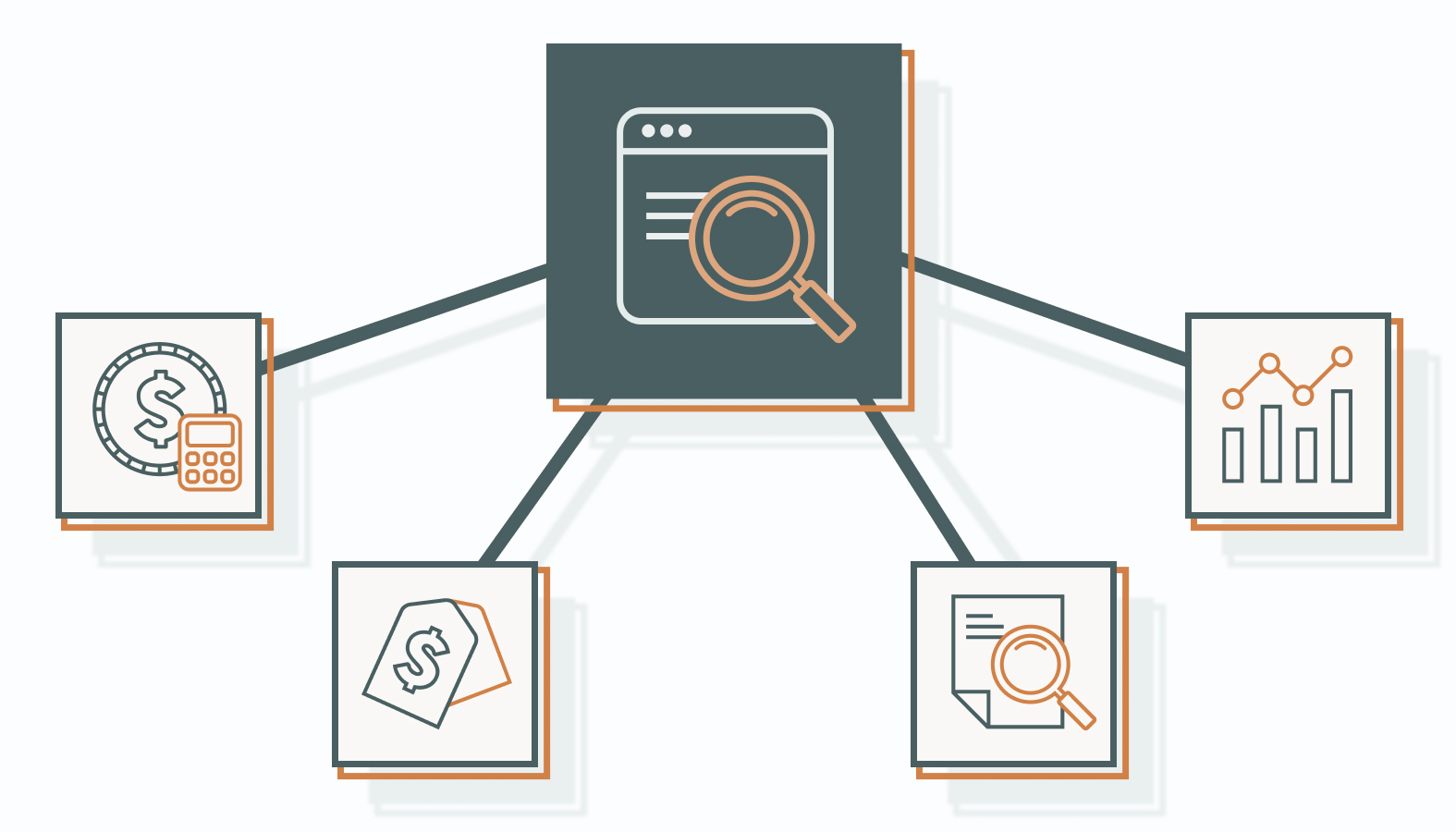
The practical value of SEO forecasting shows up in four areas: budget justification, stakeholder alignment, content prioritization, and risk reduction.
1) Budget Justification
SEO is a longer-term investment, which makes it harder to sell internally than paid media. And without a forecast, you’re basically asking leadership to trust you. A forecast gives leadership a projected return to evaluate, not just a proposal to trust.
2) Stakeholder Alignment
The gap between what stakeholders expect from SEO and what’s actually achievable causes a lot of unnecessary friction. Forecasting closes that gap early by establishing a realistic range of outcomes before work begins.
3) Content Prioritization
SEO projections help surface which keywords and content opportunities are worth pursuing and which aren’t. For teams with limited bandwidth, that focus is what separates efficient programs from scattered ones.
4) Risk Reduction
Seasonality, algorithm updates, and competitive shifts all affect organic performance. None is completely predictable, but a forecast that accounts for those variables at least puts you in a better position than going in without one.
How to Forecast SEO Growth: Step-by-Step Guide
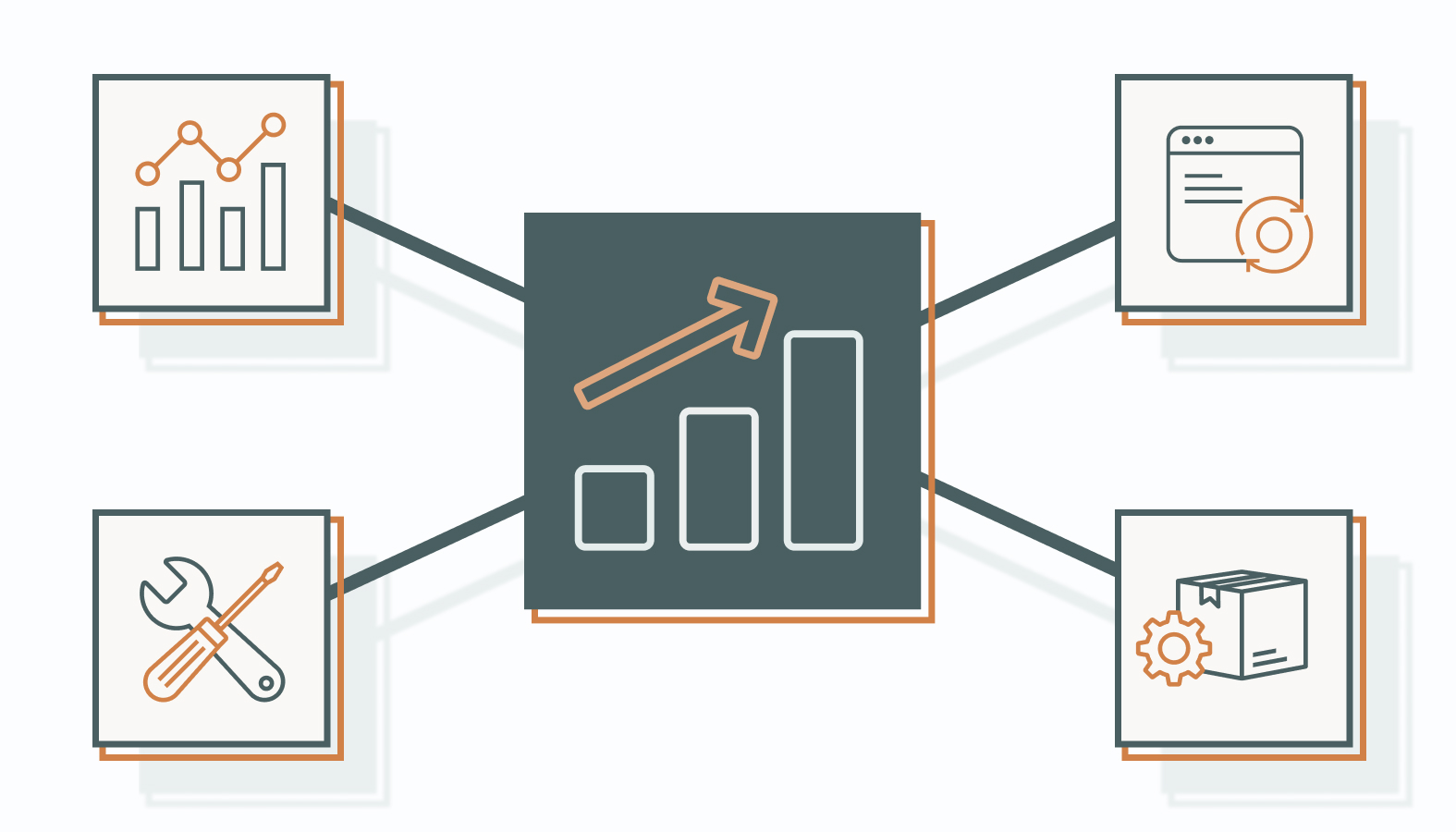
Forecasting SEO growth comes down to four core steps: gathering reliable data, choosing an appropriate model, building out projections, and presenting them in a way that drives decisions.
Gathering the Right Data
Everything starts with data quality. Pull traffic baselines from Google Analytics and Google Search Console — this is your historical foundation. From there, bring in keyword rankings and search volume data so you have a clearer read on where your current opportunities are, and review the past 12 to 24 months of performance. You’re looking for seasonal patterns, traffic drops that line up with algorithm updates, and anything that tells you how your site behaves over time.
Weak data at this stage affects everything that follows. It skews the forecast and every decision you make based on it.
Choosing the Right Forecasting Model
The right model depends on how much data you have and how complex your needs are.
Historical trend analysis works well for smaller sites or programs that are early in their SEO development. A basic trendline from historical traffic data gives you a directional estimate without requiring much technical setup.
More advanced approaches (regression analysis, cohort modeling, or machine learning) are better suited for mature sites with larger datasets. These models can factor in more variables and produce more nuanced SEO projections.
For tools, Ahrefs, SEMrush, Moz, and Google Looker Studio each cover forecasting at varying levels of depth. Some data science teams build custom models in Python or R when the standard platforms don’t meet the need.
Building Your SEO Projections
Once the model is in place, the output should cover projected traffic, rankings, and ideally conversions — not just raw visitor data.
Focus on two principles: build scenario ranges instead of single-point estimates, and tie projections back to specific planned actions. A best-case, expected-case, and worst-case range is more honest than a single figure, and it prepares the team for outcomes in either direction. And when projections are traceable to actual work (a content cluster, a technical fix, a link-building campaign), it’s much easier to course-correct if something isn’t tracking.
Presenting and Communicating Your Forecast
A forecast only becomes valuable when people can understand and act on it. Present forecasts using visualizations such as charts, dashboards, and clearly labeled scenario ranges to make projections easier to interpret and act on.
When presenting to leadership, connect the forecast to business outcomes. Organic traffic figures alone don’t land in most boardrooms. Put them in terms of leads, pipeline, or revenue, and that’s when the conversation actually goes somewhere useful.
What Are the Common Pitfalls in SEO Forecasting
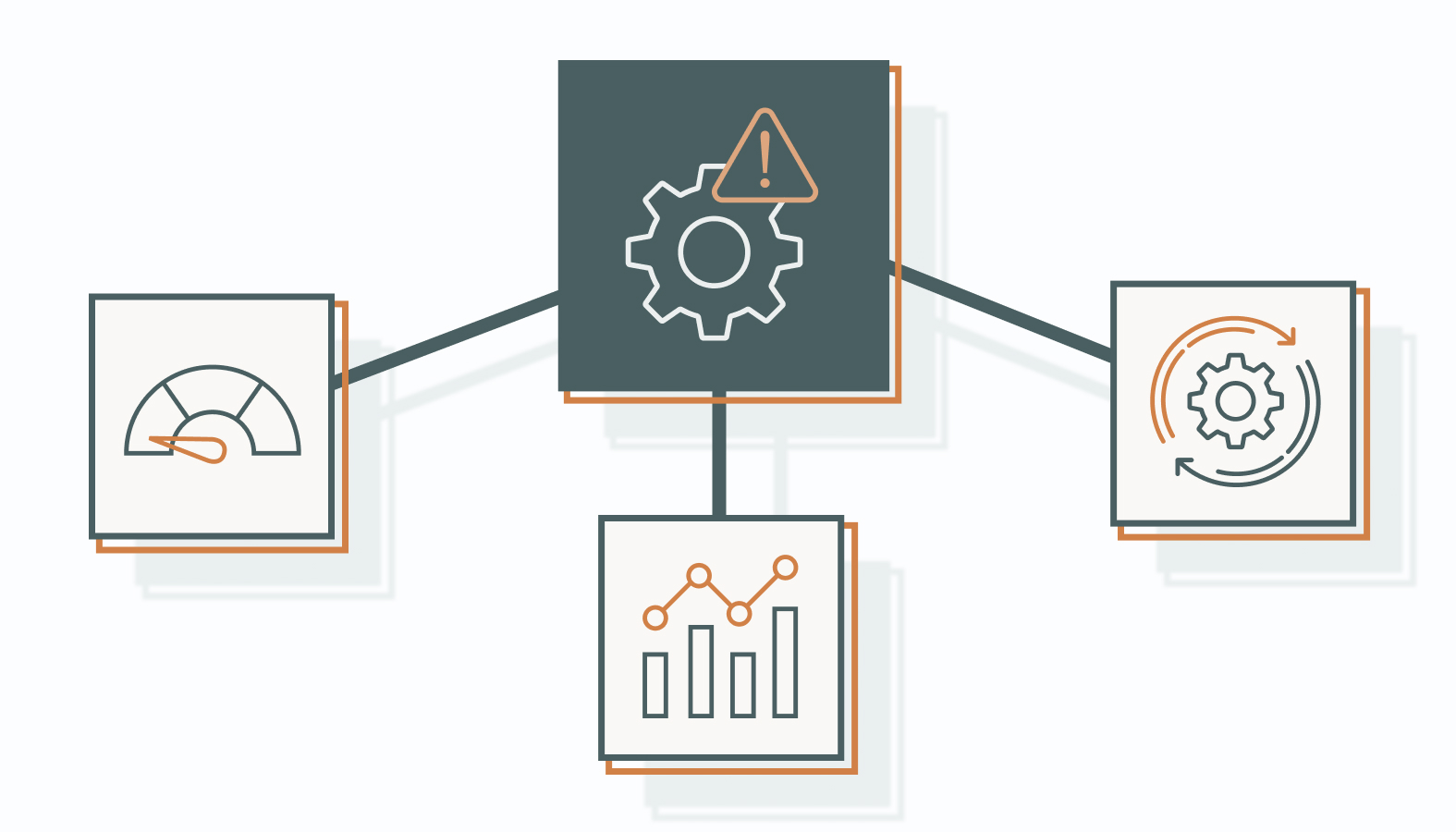
Most forecasting mistakes fall into three categories: poor data, ignored external variables, and forecasts that never get updated.
1) Over-reliance on Inaccurate Data
Misconfigured analytics or unfiltered bot traffic will produce misleading baselines. Before you build anything on top of a dataset, run it through Google Analytics, Search Console, and at least one third-party tool to make sure you’re working with clean figures.
2) Ignoring External Factors
Algorithm updates and competitor moves can disrupt projections quickly. A model that treats the environment as stable is going to be wrong a lot. Build flexibility into your scenarios, and make competitive monitoring a regular part of the process rather than an afterthought.
3) Static Forecasts
An SEO forecast from six months ago may not reflect current rankings or market conditions. Revisit and update projections monthly or quarterly, and always after a major algorithm update or campaign launch.
Real-World Examples of SEO Forecasting
These are the two companies that show what intentional SEO forecasting looks like in practice:
Canva — Building Content Around Known Demand
Canva didn’t guess what to build. They identified keyword clusters like “Instagram story templates” and “YouTube banner maker,” then they created templated landing pages specifically designed to capture that demand. With more than 24,000 landing pages, they were able to pull more than 38 million organic visits a month. They estimated the available search demand before publishing a single page, then built their content strategy around those opportunities.
Airbnb — Treating Organic Search as a Business Channel
Airbnb set out to rank for location-based keywords that their customers were already searching for. They built a page template system around that goal and executed at scale. Organic search eventually became one of their top marketing channels, not by accident, but because they mapped out what it could return before committing to the infrastructure.
Although they executed different strategies, both companies followed the same principle: forecast demand first, then build around the data.
Tools and Resources for SEO Forecasting
The right tool depends on your team’s technical depth and what you need the forecast to do.
Ahrefs
Ahrefs excels at keyword and competitor forecasting. Its Traffic Potential feature gives you an organic traffic estimate based on ranking for a target keyword, and the historical ranking data is especially useful when building forecast scenarios.
SEMrush
SEMrush offers broader marketing forecasting capabilities and includes modules for keyword growth, traffic, and ROI. The Market Explorer feature is useful for competitive benchmarking.
Moz Pro
Moz Pro is ideal for teams that want straightforward forecasting without a steep learning curve. Keyword Explorer surfaces search volume, ranking difficulty, and CTR predictions that feed directly into SEO projections.
Google Looker Studio
Google Looker Studio connects to Analytics and Search Console to build custom dashboards, which makes it useful for making projections shareable and easy to interpret for stakeholders.
For larger operations, SEOmonitor and STAT Search Analytics offer more advanced scenario modeling. Custom Python or R models are an option for data science teams with specific requirements.
Frequently Asked Questions About SEO Forecasting

1) How accurate is SEO forecasting?
It depends a lot on the quality of your data and how realistic your assumptions are. A forecast built on clean inputs and updated regularly will give you solid directional guidance. While it isn’t a guarantee, it’s something you can plan around. Scenario ranges make forecasts more useful because they account for the uncertainty inherent in organic search.
2) What tools are best for forecasting SEO traffic?
Ahrefs, SEMrush, and Moz Pro cover most teams’ needs. Google Looker Studio adds strong visualization. For advanced use cases, SEOmonitor or custom models in Python are worth considering.
3) What metrics matter most for SEO projections?
Organic sessions, keyword rankings, search volume, click-through rate, and conversion rate from organic traffic. Historical trends and seasonal patterns provide valuable context for making more accurate projections.
4) Can small businesses benefit from SEO forecasting?
Yes, and the potential value can even be greater because every marketing dollar carries more weight. Even basic trend analysis using free tools like Google Analytics and Search Console can sharpen priorities.
5) How often should forecasts be updated?
Monthly or quarterly for most teams, and always after a major algorithm update, a site relaunch, or a significant shift in the competitive landscape.
6) What’s the difference between SEO forecasting and reporting?
Reporting looks at what already happened. SEO forecasting, on the other hand, looks at what’s likely to happen next, based on current data and planned actions. Reporting tells you how you performed — forecasting tells you where to focus.
Turning SEO Forecasts Into Strategic Wins
SEO forecasting separates marketing teams that plan from those that don’t. Teams that forecast consistently make better budget decisions, defend their investments more credibly, and spend less time explaining unwanted results. The data doesn’t just inform strategy — it gives the whole program a structure to operate within.
AI-driven search is also changing how search visibility is earned. Platforms are getting better at favoring content tied to structured, verifiable data, and that’s only going to continue. Working with an agency that understands modern SEO forecasting gives you both the right tools and a proven process for connecting search initiatives to measurable business outcomes. If that’s not part of how your team plans right now, it probably should be before your next investment cycle starts.
Schedule a candid conversation with one of our experts. » We’ll look at where your SEO strategy stands today and show you where forecasting can make the most impact. No pressure, just a straightforward look at what your data says and what to do with it.