


Congratulations on closing the deal! But here’s the catch: the real impact on your business often comes after the sale. Post-sales retention determines whether customers stick around, refer others, and continue spending, or quietly drift away. It’s easy to underestimate this stage, yet it shapes your long-term revenue, brand trust, and overall growth.
Retaining customers means creating experiences and support systems that keep people coming back. The better you are at keeping clients engaged and satisfied after the purchase, the more predictable and profitable your business becomes.
Let’s explore why retention matters and how smart strategies turn one-time buyers into loyal advocates.
Understanding Post-Sale Retention
Post-sale retention is a critical component of business success that focuses on maintaining and nurturing customer relationships after the initial transaction. By keeping customers engaged and satisfied, businesses can secure loyalty and drive long-term profitability.
Key Terms:
- Lifetime Value (LTV): This represents the total revenue a business expects to earn from a customer over the duration of their relationship. Higher LTV indicates more value per customer.
- Customer Acquisition Cost (CAC): The total cost associated with acquiring a new customer, including marketing and sales expenses. Reducing CAC while increasing LTV is a hallmark of successful businesses.
- Churn Rate: The percentage of customers who stop doing business with a company over a specific period. Lowering churn rate maintains a stable customer base.
Influence on Business Outcomes:
Effective retention strategies have a direct impact on your profits. They reduce the need for constant customer acquisition, which is often more expensive than retention. Focus on retaining existing customers, so your business can improve profitability, enhance brand reputation, and foster customer trust.
By understanding and implementing strong post-sale retention strategies, companies can transform one-time buyers into lifelong advocates for sustained growth and success.
Why Post-Sale Retention is Critical
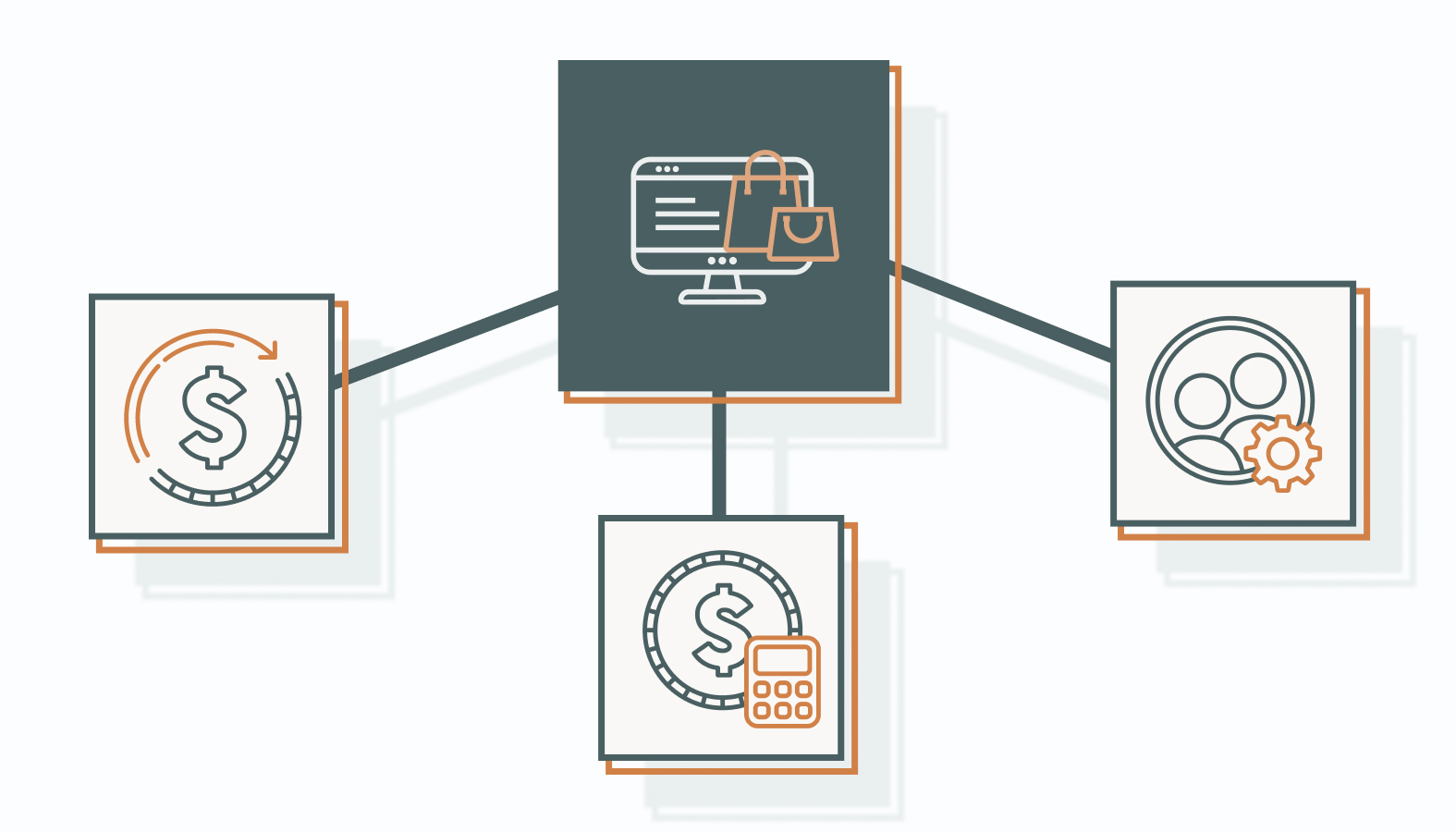
Post-sale retention determines whether a business merely completes transactions or builds lasting relevance. The moment after the sale is where expectations meet reality, and how a company shows up during this phase defines the customer’s long-term perception of the brand. Retention ensures that the value promised at the point of sale continues to materialize in meaningful and tangible ways.
Long-Term Value of Retaining Customers
Retaining customers leads to increased lifetime value (LTV). Each continued interaction compounds worth and turns a single purchase into a multi-dimensional revenue stream that grows richer with time. As customers deepen their familiarity with your brand, they engage more confidently, explore broader offerings, and invest more willingly.
Most importantly, sustained customer engagement shifts the economics of growth. Instead of constantly searching for the next buyer, businesses can redirect energy toward expanding value within their existing ecosystem. The result is a more resilient model powered by trust, continuity, and customers who choose to stay.
Impact on Brand Reputation and Trust
Strong retention strategies enhance brand reputation and build trust. Satisfied customers often become brand advocates, sharing positive experiences with others and contributing to a positive brand image. Trust fosters loyalty, creating a virtuous cycle of engagement and retention.
Enhancing Customer Loyalty
Building strong relationships with customers post-purchase is a must. Here are some strategies:
- Personalized Communication: Tailor interactions to individual preferences and needs.
- Loyalty Programs: Reward customers for their continued business.
- Exceptional Customer Service: Make sure support is accessible and responsive.
When these strategies work together, loyalty becomes a growth catalyst. Customers return with purpose, expand their engagement naturally, and introduce others through authentic recommendation, which fuels future sales through relationships built to last.
Reducing Churn Rate
Churn reduction is less about damage control and more about anticipation. It’s a discipline, a part insight and part execution. To minimize churn, you need to understand and address common reasons for customer loss:
- Lack of Engagement: Keep customers engaged with regular updates and offers.
- Poor Customer Experience: Continuously improve service quality and address feedback.
Actionable Steps:
- Collect Feedback: Regularly gather customer insights to identify pain points.
- Proactive Support: Anticipate issues and offer solutions before they escalate.
Increasing Revenue
Revenue growth becomes more efficient when retention is built into the strategy. Existing customers already understand the value of the offering, which means additional engagement, expansion, and continued participation require far less effort to unlock. This dynamic allows businesses to generate more return from relationships they’ve already established without constantly increasing spend or complexity.
Ultimately, post-sale retention reframes revenue as a system, not a spike. When loyalty, continuity, and engagement are treated as strategic assets, revenue grows with stability and intent. Thus, you have to treat retention as a supporting tactic and financial imperative for any business engineered for long-term performance.
Effective Post-Sale Retention Strategies to Boost LTV
To maximize lifetime value (LTV) and strengthen long-term customer relationships, businesses must implement targeted post-sale retention strategies.
By focusing on proactive engagement, personalized support, and data-driven insights, companies can transform one-time buyers into loyal advocates who continue investing in your products or services.

1) Align Sales and Post-Sales Teams
A unified approach between sales and post-sales teams is critical for creating a seamless customer journey, fostering satisfaction, loyalty, and long-term retention. When these teams collaborate effectively, customer experiences feel intentional, proactive, and consistent at every touchpoint, from first engagement through long-term support.
Fostering Collaboration:
- Encourage regular joint meetings and planning sessions to align goals, strategies, and priorities.
- Promote cross-functional discussions that allow teams to anticipate challenges, share insights, and coordinate efforts effectively.
Effective Communication:
- Centralize customer insights using a CRM system so all team members – from sales to support – have access to the latest data. This visibility eliminates confusion, empowers teams to act quickly, and ensures no critical detail is overlooked.
- Maintain continuous dialogue via platforms like Slack or Microsoft Teams to streamline updates and quick decision-making.
Feedback Loops:
- Establish structured opportunities for reflection and course correction through regular check-ins, performance reviews, and knowledge-sharing sessions.
- These loops help teams spot obstacles early, refine processes, and maintain alignment across departments, keeping the organization moving in sync.
Shared Goals:
- Define KPIs that balance immediate sales outcomes with long-term retention success, so all teams understand both short- and long-term objectives.
- Track progress using dashboards and real-time reporting, allowing data-driven adjustments before minor issues escalate.
Outcome: When collaboration is strong, communication is clear, and goals are shared, the organization functions like a finely tuned machine. Teams anticipate each other’s moves, customers receive consistent and proactive service, and the business benefits from both operational efficiency and enhanced customer satisfaction.
2) Implement Customer Success Initiatives
Customer success is the engine that ensures customers realize the full potential of your product or service. Done right, it transforms satisfaction into advocacy, adoption into expansion, and one-time buyers into long-term partners.
When initiatives are executed strategically, they create predictable value, strengthen relationships, and boost retention.
High-Touch vs. Tech-Touch Onboarding: Choosing the right approach depends on customer needs and product complexity.
- High-Touch: Personalized interactions such as one-on-one consultations and tailored training sessions. Ideal for complex products or high-value clients who benefit from direct guidance.
- Tech-Touch: Automated tools like tutorials, webinars, and self-service portals. Best for straightforward products or large customer bases where scalability is essential.
Engagement Programs: Go beyond transactional interactions with proactive initiatives such as webinars, training sessions, and personalized check-ins.
- Design programs that educate, inspire, and guide customers through the product journey.
- Provide opportunities for hands-on learning, Q&A sessions, and ongoing updates that reinforce value.
Success Metrics & Monitoring: Track adoption, feature usage, milestone achievements, and overall engagement to uncover opportunities for support or expansion.
- Monitor metrics to pivot proactively rather than reactively, addressing issues before they escalate.
- Use insights to highlight successes, optimize offerings, and reinforce customer confidence.
Proactive Value Delivery: Offer tailored insights, tips, and resources that align with each customer’s goals.
- Anticipate needs and provide recommendations that demonstrate expertise and thoughtfulness.
- Encourage adoption of underutilized features or services that increase satisfaction and ROI.
Implementing Success Cells: Create small, dedicated teams focused on specific customer segments or high-value accounts.
- Assign ownership of accounts to ensure personalized attention and accountability.
- Empower teams to proactively address challenges, removing friction before it affects the customer experience.
Personalized Support: Tailor support offerings such as dedicated account managers, customized resources, or account-specific guides.
- Deliver one-to-one attention that strengthens trust and fosters loyalty.
- Ensure resources are relevant to each customer’s unique journey, maximizing satisfaction and retention.
Outcome: When engagement programs, success metrics, proactive delivery, success cells, and personalized support are aligned, teams anticipate customer needs, deliver consistent value, and create a self-sustaining retention engine – driving higher adoption, long-term loyalty, and measurable growth in customer lifetime value (LTV).
3) Leverage Technology to Scale Customer Experiences
Technology is more than a tool. It amplifies post-sale initiatives, enabling businesses to deliver consistent, personalized, and scalable customer experiences. When applied strategically, tech streamlines operations, anticipates customer needs, and drives measurable retention.
Digital Tools: Implement advanced software like CRMs, marketing automation platforms, and analytics dashboards to centralize data and streamline workflows.
- Automate repetitive tasks, freeing teams to focus on high-value interactions.
- Centralize customer insights to ensure every team member has real-time access to accurate information.
- Integrate tools across sales, support, and success teams to maintain alignment and efficiency.
Data-Driven Personalization: Use customer data to anticipate needs and tailor communications, offers, and resources.
- Segment customers by behavior, engagement, and preferences for highly relevant messaging.
- Leverage predictive insights to provide proactive guidance, support, or upsell opportunities.
- Adjust campaigns and support interventions based on real-time feedback and analytics.
Efficiency Meets Experience: Streamline processes to reduce friction while enhancing customer interactions.
- Automate follow-ups, notifications, and routine communications to maintain timely engagement.
- Integrate systems to prevent silos and ensure a cohesive, consistent journey.
- Free team resources to handle complex, high-touch interactions that require creativity and judgment.
Automate Relationship Management: Leverage automation for consistent, proactive communication and relationship building.
- Use platforms like Salesforce, HubSpot, or similar tools to automate reminders, outreach, and follow-ups.
- Ensure routine touchpoints are never missed, maintaining engagement without extra manual effort.
- Combine automation with human oversight for high-impact interactions when needed.
Use Data Analytics: Harness analytics to inform retention strategies and anticipate customer behavior.
- Analyze trends, usage patterns, and feedback to forecast potential issues or opportunities.
- Apply predictive analytics to proactively offer solutions, enhancing customer satisfaction.
- Measure the effectiveness of programs and initiatives to refine strategy continuously.
Outcome: When technology is leveraged strategically, post-sale operations shift from reactive to proactive. Teams anticipate customer needs, interactions are personalized and timely, processes are efficient, and retention grows – ultimately increasing lifetime value (LTV) and strengthening long-term customer relationships.
4) Implement Proactive Support
Proactive support transforms your team from reactive problem-solvers into solution architects. It anticipates challenges, resolves potential issues before they arise, and enhances overall customer satisfaction, loyalty, and long-term retention.
Monitor Usage & Behavior: Track customer behavior, usage patterns, and potential friction points.
- Identify areas where customers may struggle or underutilize features.
- Use insights to intervene before issues escalate.
Preventative Guidance: Reach out proactively with tips, guidance, or resources tailored to customer needs.
- Address potential problems before the customer notices them.
- Demonstrate expertise, attentiveness, and a commitment to customer success.
Contrast with Reactive Service: Reactive service responds only after issues arise, leaving teams in a defensive posture.
- While necessary, relying solely on reactive support can frustrate customers and miss opportunities to deepen loyalty.
Outcome: Proactive support builds trust, prevents frustration, and positions your brand as a reliable partner. Teams anticipate customer needs, resolve potential issues before they arise, and deliver a smooth, rewarding experience that drives retention and maximizes customer lifetime value (LTV).
5) Provide Educational Content Marketing
Educational content empowers customers, enhances satisfaction, and strengthens loyalty while reducing reliance on reactive support.
Role of Educational Content: Create resources that help customers maximize product use and achieve their goals.
- Enable self-service learning while reinforcing the value of your product.
- Encourage adoption of advanced features or complementary offerings.
Formats & Examples:
- How-to guides, tutorials, video demos, webinars, FAQs, and knowledge bases.
- Content tailored to different customer segments or usage stages for maximum impact.
Monitor Engagement: Track content consumption, feedback, and interactions. Use insights to adjust content strategy, address gaps, and reinforce adoption.
Outcome: Educational content empowers customers to use products effectively, reduces friction and support dependency, and fosters advocacy. Engaged and informed customers are more likely to expand usage, stay loyal, and promote your brand organically.
6) Build a Culture of Retention
Retention isn’t just a tactic – it’s a mindset embedded across the organization. A retention-focused culture ensures long-term customer loyalty, higher lifetime value, and predictable growth.
Training & Development: Equip staff with skills to anticipate customer needs and deliver exceptional support.
- Implement ongoing workshops, role-playing, and online courses to reinforce retention practices.
- Ensure teams understand how their actions impact long-term customer success.
Customer Feedback Loops: Regularly collect and analyze customer feedback.
- Use surveys, interviews, and digital tools to identify satisfaction levels and areas for improvement.
- Adjust processes, support, and initiatives based on insights to maintain alignment with customer needs.
Shared Retention Goals: Align organizational objectives around customer loyalty and long-term engagement.
- Define KPIs that measure retention, repeat purchase behavior, and advocacy.
- Promote cross-functional accountability for achieving these goals.
Outcome: Embedding a culture of retention turns every employee into a guardian of customer success. Staff anticipate needs, resolve challenges proactively, and reinforce loyalty, resulting in higher lifetime value, repeat business, and sustainable growth.
7) Implement Loyalty Programs
Loyalty programs are a powerful tool to encourage repeat business, referrals, and long-term engagement. Clearly outline the goals of your program – whether it’s increasing retention, boosting repeat purchases, or rewarding advocacy.
Choose a Structure:
- Points-based systems, tiered rewards, or membership benefits tailored to customer preferences.
- Ensure simplicity and clarity to encourage participation.
Integrate Technology: Leverage digital platforms to track participation, automate reward delivery, and personalize experiences.
Design the Program:
- Include tangible rewards aligned with customer interests.
- Add exclusive offers, personalized perks, and gamification to drive engagement.
Measure Success: Track participation, redemption rates, changes in spending, and referral activity. Use data insights to refine the program continuously for better engagement and LTV growth.
Outcome: A well-designed loyalty program motivates repeat purchases, increases engagement, fosters brand advocacy, and provides valuable customer insights. When executed strategically, it strengthens long-term relationships and contributes directly to higher lifetime value (LTV).
Making Post-Sale Retention Your Competitive Advantage
In today’s competitive landscape, closing the deal is only the beginning. Businesses that prioritize post-sale retention turn transactions into long-term relationships, transforming customers into loyal advocates and driving higher lifetime value (LTV).
Strategic retention strengthens satisfaction, builds trust, and fosters brand loyalty. Companies that execute these strategies consistently create meaningful, lasting connections that differentiate them from competitors.
Embracing Post-Sale Retention for Lasting Success
The journey doesn’t end at purchase – it evolves. By embedding retention into your business strategy, you create a customer-centric engine that anticipates needs, delivers consistent value, and fuels sustainable growth.
Businesses that invest in post-sale retention enjoy higher engagement, reduced churn, stronger loyalty, and measurable increases in LTV, turning everyday interactions into long-term competitive advantage.
Take Action: If you want to explore how these strategies can be tailored to your business, our experts are ready to help. Let’s have a candid conversation to uncover opportunities, share insights, and craft a retention strategy that drives growth.
Schedule a candid conversation with one of our experts, and turn post-sale retention into your business’s most powerful advantage.