


In modern retail, presence alone doesn’t win; integration does. The real difference between omnichannel and multichannel retailing lies in connection, not count. Being everywhere only matters when every channel moves in sync toward the same goal.
Many brands confuse activity for progress. They chase visibility across platforms but end up with disconnected systems, inconsistent messaging, and fragmented data that hides more than it reveals. That’s not strategy – that’s noise.
This guide breaks down omnichannel vs. multichannel retailing, helps you identify which model fits your current growth stage, and maps out how to execute an omnichannel strategy that delivers real performance.
Let’s start with the foundation – what smart multichannel retailing looks like when it actually drives results.
What is Multichannel Retailing?
Multichannel retailing isn’t just a buzzword; it’s your playbook for showing up wherever your customers are.
Think of it as running multiple high-stakes missions at once: your e-commerce store, brick-and-mortar locations, marketplaces, and social media channels all firing on cylinders. Each channel is a chance to impress, engage, and convert, but only if you manage them with precision.
At its core, multichannel retailing gives businesses the flexibility to meet customers on their terms. Some prefer the tactile experience of walking into a store. Others live on their phones, scrolling Instagram or browsing Amazon before making a decision.
If your brand only exists in one space, you’re leaving money and loyal customers on the table. Multichannel lets you reach all of them without breaking a sweat, if you play it right.
Benefits and Challenges: The Double-Edged Sword
Multichannel retailing is powerful, but it comes with strings attached. Like any high-tech gadget, it delivers immense advantages if configured correctly, and chaos if ignored.
Multichannel Retailing Expands Your Market Reach Like a Pro
More channels mean more eyes on your brand. The math is simple: diversify your touchpoints, diversify your audience. Multichannel retailing allows you to capture different demographics without alienating any. From millennials scrolling TikTok to Gen Xers browsing in-store, your strategy now covers the spectrum.
Practical wins here include:
- Platform-specific campaigns: Tailor messaging to each channel’s strengths: Instagram Stories for engagement, email for retention, and marketplaces for discovery.
- Localized targeting: Physical stores paired with geo-targeted digital ads can turn casual foot traffic into sales in real time.
- Cross-promotional opportunities: Encourage social followers to visit your physical locations, and in-store visitors to check out your online catalog.
The result? A larger, more diverse audience that sees your brand as everywhere it matters without feeling stretched too thin.
Operational Complexities of Multichannel Retailing (and How to Tame It)
Here’s the reality: juggling multiple channels can feel like conducting an orchestra with each musician playing their own song. Pricing discrepancies, inventory mismatches, and inconsistent messaging can undo all the good work. That’s where a smart setup separates leaders from followers.
Ways to simplify the chaos:
- Real-time integration: Use software that syncs inventory, orders, and customer profiles across all channels. No more selling out-of-stock items or confusing your loyal shoppers.
- Automated workflows: From stock alerts to fulfillment routing, automation reduces errors and frees your team for higher-value work.
- Cross-training teams: Equip staff to handle interactions across channels, from chat support to in-store upselling, maintaining a consistent brand voice everywhere.
When managed with intention, operational complexity transforms into efficiency and reliability, making your brand look effortless while scaling up revenue.
What is Omnichannel Retailing?
Omnichannel retailing is about cohesion, not just presence. It’s the strategy that aligns every customer touchpoint – online stores, mobile apps, marketplaces, social channels, and physical locations into one seamless, orchestrated experience.
The goal isn’t simply to exist on multiple platforms; it’s to make each interaction consistent, meaningful, and memorable, guiding customers smoothly from discovery to purchase.
Every element of your retail ecosystem works in concert: customer data informs personalized experiences, inventory moves in real time, and messaging stays perfectly aligned across channels. The result? Customers interact with your brand and experience it as a single, intelligent system that anticipates their needs and rewards loyalty.
Omnichannel retailing transforms complexity into clarity. Rather than juggling disconnected channels, you operate a synchronized engine where every touchpoint drives engagement, sales, and long-term growth.
Key Elements of a Successful Omnichannel Retailing Strategy
A successful omnichannel operation is more than tech; it’s orchestration. Here’s what separates a chaotic setup from a championship-level strategy:
Deliver a Flawless Customer Experience
Consistency isn’t optional; it’s mission-critical. Customers don’t differentiate between your online store and physical location; they expect one cohesive experience. Price mismatches, confusing promotions, or disjointed messaging? Those are trust-breakers, and in retail, trust is currency.
To stay on point:
- Unified Brand Messaging: Ensure every platform communicates the same tone, offers, and values. Your brand voice should feel like a single persona across channels.
- Predictive Customer Journeys: Use historical data to anticipate needs. Offer product recommendations, reminders, or loyalty perks tailored to their behavior.
- Feedback-Driven Adjustments: Actively collect input from customers across channels and fine-tune the experience continuously.
When done right, customers feel like your brand “gets them” everywhere, building loyalty that transcends a single purchase.
Integrate Technology Like a Genius
Tech is the backbone of omnichannel retailing, but integration is the real magic trick. A fragmented system might show you sales numbers, but a fully integrated setup shows you the story behind every interaction.
Key advantages of integrated systems:
- 360-Degree Customer View: Every click, swipe, and in-store purchase gets tracked and connected, enabling hyper-personalized experiences.
- Inventory Intelligence: Synchronize stock across all channels in real time, avoiding oversells, lost sales, or frustrated customers.
- Data-Driven Marketing: Trigger precise campaigns based on actual behavior, not guesswork. Personalized emails, push notifications, and social ads can all act in concert.
- Operational Efficiency: Streamline workflows across channels – order fulfillment, returns, loyalty programs – so your team can focus on growth instead of firefighting.
Integrated tech turns operational insight into competitive advantage, letting your brand move faster, smarter, and more confidently than the competition.
Comparing Omnichannel and Multichannel Retailing
Knowing the difference between omnichannel and multichannel retailing isn’t just Retail 101 – it’s how you decide whether your brand is merely visible or truly irresistible.
Both aim to reach customers everywhere they shop. The real question? How well do those channels talk to each other.
Focusing on Customer Experience
In multichannel retailing, each platform is its own stage – great in isolation, but often disconnected in the bigger show. A customer might browse your website, add something to cart, and later find it missing or priced differently in-store. That friction adds up and erodes trust.
Omnichannel retailing, on the other hand, is about continuity. It turns every step of the buyer’s journey – scroll, click, purchase – into a smooth, cohesive loop. Whether your customer starts on TikTok, transitions to your website, and finishes in-store, the experience feels consistent and intentional.
Why it matters:
- Shoppers remember how easy it was, not just what they bought.
- A consistent experience boosts retention and repeat purchase rates.
- You earn not just sales, but advocates – customers who tell others how effortless you made it.
When the journey feels like one continuous experience, your brand doesn’t just meet expectations; it sets them.
Emphasizing Integration and Technology
Here’s where the two strategies part ways entirely.
Multichannel setups often run on parallel systems: marketing here, POS there, analytics somewhere else, creating blind spots and bottlenecks. It’s like trying to drive with five dashboards and no windshield.
Omnichannel retailing flips that script. It runs on data synchronization and system harmony. Inventory updates in real time, customer behavior flows seamlessly between platforms, and marketing automation adjusts dynamically based on those inputs.
Smart brands invest in:
- Unified data platforms (CDPs): to track customer behavior across every channel.
- Real-time inventory systems: to prevent out-of-stock errors and pricing mismatches.
- AI-driven insights: to anticipate customer needs instead of reacting to them.
Technology isn’t just support; it’s strategy. The more integrated your systems, the faster your decisions, and the tighter your customer relationships.
Common Mistakes Brands Make in Multichannel and Omnichannel Retailing
Even the most experienced retailers stumble when expanding their channel strategy. And while the goals are usually clear, the path is full of traps that slow growth or create unnecessary chaos.
Before choosing or implementing any model, it’s critical to understand where brands most often stumble. These common mistakes are hidden leaks that drain margin, weaken customer trust, and slow growth.
- Treating Channels as Standalone. Many brands still operate their channels like separate islands. Each team owns its own tools, data, and goals. The result? Fragmented experiences and duplicated work. Customers won’t think in channels, so your systems shouldn’t either.
- Duplicated Inventory. One of the quickest ways to burn margins is to manage multiple inventory pools across channels. It creates stockouts in one location, overstocks in another, and a constant game of whack-a-mole for operations. A centralized inventory strategy is the backbone of both multichannel and omnichannel success.
- Inconsistent Pricing and Promotions. When pricing differs from one channel to another without intention, customers notice and not in a good way. Inconsistent offers erode trust and create confusion. Clear pricing rules and synchronized promotions keep the experience clean and credible.
- Over-Automation. Automation is powerful, but it’s not a magic wand. I see brands automate before understanding the underlying process, which usually leads to clunky experiences and expensive fixes later. Automate what’s proven and predictable; refine what’s still evolving.
- Lack of Attribution Clarity. Retailers often underestimate how messy attribution becomes once multiple channels are in play. Without a unified measurement model, you end up rewarding the wrong touchpoints and making decisions that don’t reflect real customer behavior. A strong attribution framework prevents blind spots and helps you invest where it truly matters.
Why These Mistakes Matter: These issues compound quickly. The brands that avoid these pitfalls scale faster, make better decisions, and deliver the kind of experiences customers actually remember.
Deciding When to Choose Omnichannel
Switching from multichannel to omnichannel is about timing your next strategic leap. You don’t move to omnichannel because everyone else is doing it. You move when the complexity of your customer base demands it.
Omnichannel retailing works best when your business is ready to play the long game, when you’re not just chasing clicks but cultivating connections. It’s the move from “more reach” to “better retention.”
The transition isn’t one-size-fits-all. Some brands thrive in multichannel mode because they’re still testing markets or refining operations. Others hit a ceiling through fragmented experiences, siloed data, inconsistent messaging, and realize it’s time to sync everything up. That’s when omnichannel becomes a growth multiplier.
Here’s how to know when you’re ready to make the jump – and the key factors that should influence your move from multichannel to omnichannel retailing.
- Customer Expectations: If your customers are hopping between mobile, desktop, and physical stores, they’re already expecting your brand to keep up. When they check stock online and buy in-store, or redeem loyalty points via app and email interchangeably – that’s your cue.
When convenience becomes a baseline, seamlessness becomes your differentiator.
- Business Goals: Define your north star. If your immediate aim is to grow awareness and test new markets, multichannel can serve that purpose.
But if your goal is to deepen loyalty, boost customer lifetime value, and turn one-time buyers into repeat advocates, omnichannel is where your strategy matures.
- Operational Capacity: An omnichannel setup requires coordination across departments. Sales, marketing, IT, and customer service need to share a rhythm.
Before taking the leap, ask: Can your teams handle cross-channel visibility and responsiveness without tripping over each other? If not, invest in alignment before integration.
- Technology Infrastructure: Disconnected systems are a silent killer of customer experience. If your CRM, POS, and eCommerce platforms don’t speak the same language, omnichannel success will stall.
Before expanding, unify your data sources – it’s the difference between reaction and prediction.
- Resource Allocation: Omnichannel requires commitment – from tech investments to training programs. The ROI is undeniable: higher retention, richer insights, and a more defensible market position.
But go in with a plan. Start small, optimize one connection point (say, online-to-store), then scale the model across every touchpoint.
Choosing omnichannel isn’t a checklist decision; it’s a readiness decision.
When your brand has the systems, people, and mindset to deliver one cohesive story across every channel, you’re not just selling anymore. You’re orchestrating an experience that customers can’t find anywhere else.
Implementing a Successful Omnichannel Strategy
You’ve decided omnichannel is the next move. Now comes the real work: execution. This isn’t about patching systems together; it’s about engineering a customer experience that runs like clockwork. Every channel you operate (digital or physical) becomes part of one intelligent ecosystem.
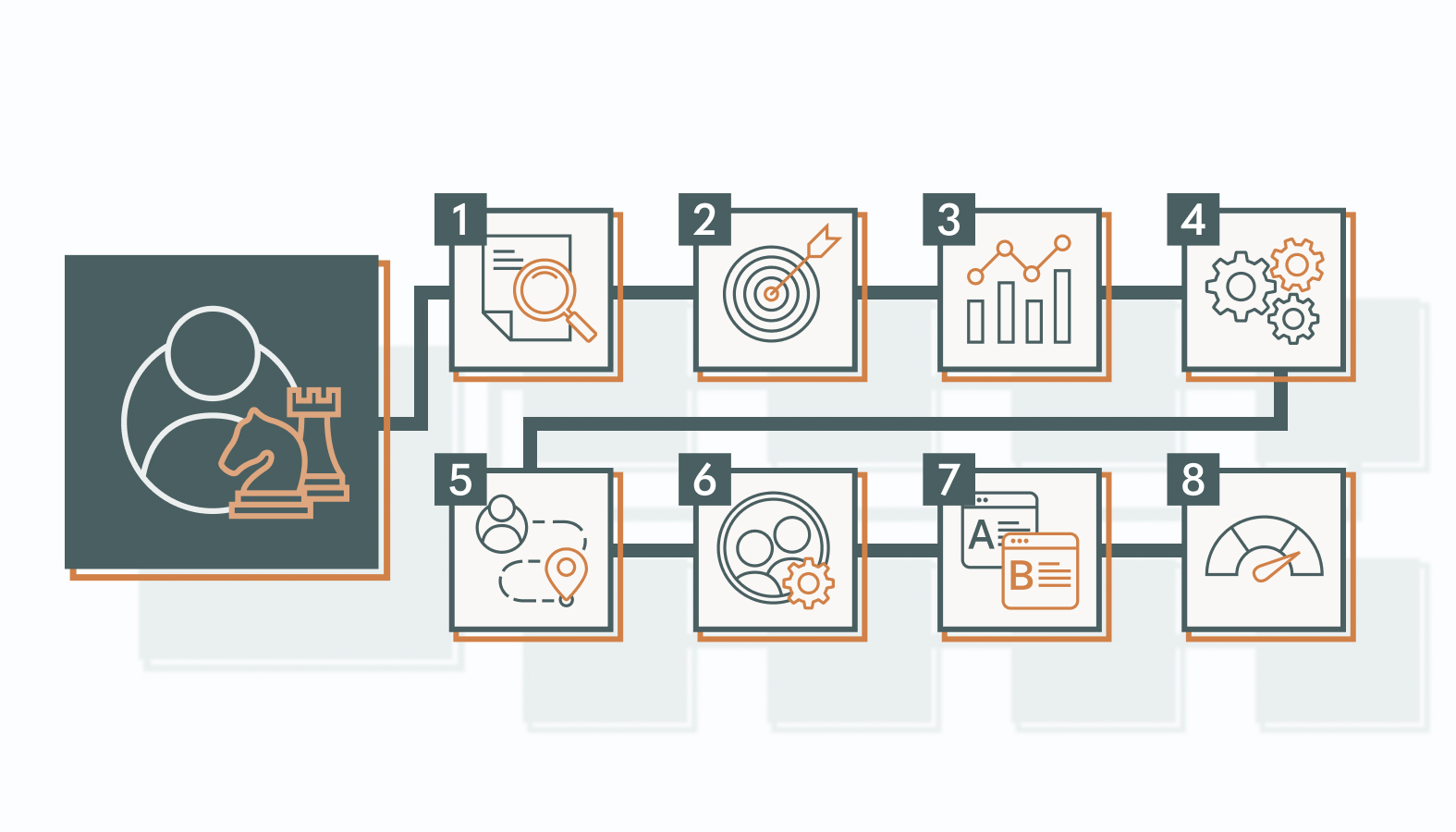
Here’s how to make that happen, step by step.
Step 1: Evaluate Your Current Setup
Start with brutal honesty.
Before building anything new, assess what’s working (and what’s breaking) across your current channels. Look for inconsistencies in messaging, slow fulfillment processes, or weak data visibility.
Tools like customer journey mapping and SWOT analysis reveal where friction occurs and where opportunities lie. Combine hard data (conversion rates, cart abandonment) with customer feedback to get the full picture.
Your baseline determines your breakthrough.
Step 2: Define Your Vision and Goals
Omnichannel success goes far beyond syncing systems. It starts with defining what success truly means for your brand.
Are you aiming to shorten purchase cycles? Improve retention by 15%? Launch a unified loyalty program? Whatever the target, make it measurable and crystal clear.
Every decision, from UX design to backend integration, should align with those north-star metrics.
Always remember: technology should amplify your vision, not dictate it.
Step 3: Develop a Unified Data Strategy
Data serves as your brand’s nervous system – it tells you who your customers are, what they want, and how to serve them better.
Establish a single source of truth by consolidating insights from your eCommerce platform, CRM, social analytics, and POS systems.
Add behavioral analytics to uncover intent, not just transactions. This unlocks real-time personalization, such as predictive recommendations and hyperlocal offers.
When your data strategy is aligned, personalization happens naturally, and customers feel valued rather than targeted.
Step 4: Integrate Technology and Select Platforms
Your technology stack determines how efficiently your omnichannel engine performs under pressure.
Choose tools that integrate seamlessly; smooth collaboration between systems is what separates operational excellence from chaos.
Prioritize:
- Cloud-based POS and inventory platforms that sync across all locations
- Marketing automation tools that adjust messaging based on real-time behavior
- APIs or middleware that bridge old and new systems
Above all, build for scalability. You’re not just solving today’s problems. You’re engineering tomorrow’s growth.
Step 5: Redesign Customer Experience Flows
This is where strategy meets creativity. Map your customer journey end-to-end (from discovery to post-purchase) and eliminate friction at every turn.
Example: A shopper finds your brand on Instagram, taps through to your store, and selects in-store pickup. When they arrive, the item’s ready, and your associate greets them by name. That’s seamless execution powered by data and design.
Consistency goes beyond visuals; it’s about emotional continuity. Every interaction should feel unmistakably “you,” no matter the channel.
Step 6: Train Your Team Efficiently
Omnichannel transformation is about technology as it is about your people.
Your frontliners, customer service teams, and marketers must understand how their roles connect within this new ecosystem.
Run cross-department workshops, standardize processes, and align incentives around shared KPIs like NPS or repeat purchase rate.
When every team member moves in sync, customers feel it, and that unity becomes your brand’s competitive edge.
Step 7: Pilot and Test Your Strategy
Avoid diving headfirst. Start small: with one store, one region, or one segment.
Observe how customers interact across channels: Do they convert faster? Spend more? Engage longer?
Use those insights to refine before scaling. Testing isn’t hesitation; it’s precision in motion.
Step 8: Execute Full Rollout and Optimize
Once refined, scale with confidence. Roll out strategically and monitor real-time performance across metrics like customer lifetime value, cross-channel engagement, fulfillment speed, and satisfaction scores.
Create dashboards for full visibility, and host monthly reviews to spot patterns and opportunities.
Optimization fuels the omnichannel engine; it’s a continuous cycle of learning and improvement.
Turning Omnichannel into a Competitive Edge
Choosing between multichannel and omnichannel isn’t a small tweak; it’s a strategic shift. The decision determines how your brand connects with customers, scales operations, and builds loyalty that lasts.
Multichannel is built for reach: fast, flexible, and ideal for brands still exploring where their audience lives.
Omnichannel takes it further. It transforms scattered touchpoints into one connected ecosystem, where every channel amplifies the next, data fuels smarter decisions, and customer experience becomes seamless by design.
Top-performing brands don’t just show up everywhere; they move everywhere with precision. Omnichannel gives you that leverage with simplicity on the surface, and powerful alignment underneath.
If your brand is ready to shift from coordination to command, now’s the time to start building systems that scale.
Schedule a candid conversation with one of our experts. Let’s talk about transforming your retail strategy. No pitch, just clear insights and a retailing plan built to outperform.