


Businesses today compete for attention across multiple platforms, while audiences become more selective. Elevating engagement and brand visibility determines whether your brand gets considered or ignored.
Being present is no longer enough. What matters is how often you’re recognized and how consistently you hold attention once you have it.
Strong brands don’t rely on chance to stay visible. They operate with clear intent across channels, shaping how audiences perceive, respond, and remember them.
This article reveals what separates brands that fade into the background from those that maintain relevance and recognition over time.
The Sync Between Engagement and Brand Visibility
Engagement and brand visibility work together to build digital authority. Each supports the other as visibility brings attention, and engagement keeps it. Ignoring either limits growth.
Let’s break down exactly what that means in today’s business space.
Modern Visibility
- Being visible means being recognized and remembered.
- Consistency across channels builds familiarity and trust.
- Strategic placement ensures your brand reaches the right audience.
The Nature of Engagement
- Engagement goes beyond likes and shares; it’s meaningful interaction.
- Connecting with your audience builds loyalty and advocates.
- Effective engagement requires understanding audience needs and motivations.
The Authority Cycle
- Visibility drives awareness, while engagement drives action.
- The cycle of attention and interaction amplifies authority and reach.
- Brands that manage both consistently gain sustainable growth.
When visibility and engagement work together, your brand stops being noise and starts becoming a leader in its space.
Let’s look at the specific elements you need to build this foundation.
Why Elevating Engagement and Brand Visibility Matters
Elevating engagement and visibility isn’t about vanity metrics but rather about driving measurable growth. In today’s generation, attention is currency. The brands that master it get noticed and, most of all, get desired results.
When you focus on both how visible your brand is and how deeply your audience connects, you set the stage for sustainable, long-term success.
Customer Acquisition and Loyalty
Visibility opens doors; engagement turns them into relationships.
- Acquisition: Being visible puts your brand at the front. Engagement from thoughtful content, authentic interactions, and personalized experiences moves prospects through the funnel. When potential customers see others interacting with your brand, trust builds naturally.
- Loyalty: Engagement doesn’t stop at the sale. Brands that stay present post-purchase see higher retention and lifetime value. Regular touchpoints via social, email, or community events keep your audience invested and coming back.
A brand that’s both visible and engaging acts like a magnet for new customers and glue for existing ones.
Brand Visibility in the Digital Age
Digital has changed the rules. Your brand isn’t just competing with direct competitors. It’s in competition with everything demanding attention online.
Key factors to consider:
- Omnichannel Presence: Be everywhere your audience is, like in social, search, email, and offline. Your look, voice, and message must be unmistakably yours across all touchpoints.
- Algorithm-Driven Amplification: Engagement fuels reach. Likes, shares, and comments signal a boost in organic visibility. More interaction means more attention.
- Reputation at Scale: News spreads fast. A visible brand with a strong reputation can leverage platforms to amplify its message, leaving competitors behind.
Elevating engagement and visibility is a prerequisite for staying relevant, competitive, and top of mind. Brands that invest intelligently in both don’t just survive but lead.
Foundational Elements of a Visible Brand
Brands that get noticed don’t rely on luck. They master a few core fundamentals. Skip these, and even the flashiest campaigns won’t work. A visible brand isn’t just everywhere. It’s recognizable, reliable, and consistent.

Visual Identity and Recognition
Visual identity is your brand’s first impression. A strong visual system goes beyond a logo and color palette. It creates instant recognition and recall. Key elements include:
- Logo and Logomark: Distinct and consistent across all touchpoints.
- Color Scheme: Signature colors that reinforce your brand instantly.
- Typography and Imagery: Standardized fonts and photo styles that reflect your tone.
- Layout Patterns: Consistent organization for clear, comfortable navigation.
- Emotional Resonance: The feeling your visuals evoke, whether high-tech precision, approachable reliability, or energy.
When done right, people recognize your brand before reading your name, just like Apple’s clean minimalism and Coca-Cola’s red script. Those are deliberate, strategic choices.
Consistent Messaging Across Platforms
A visible brand communicates consistently. Your core values, tone, and promises must remain clear across every platform, like website, social media, email, or offline events. Consistency builds familiarity, and familiarity builds trust. Changing your voice or message across channels confuses your audience and weakens your presence.
Presence in Both Digital and Physical Spaces
Visibility isn’t limited to online platforms. A comprehensive approach includes:
- Digital: Website, social profiles, ads, content marketing, email campaigns, digital events.
- Physical: Outdoor advertising, events, packaging, office signage, uniforms.
Integration is key. A brand that looks and feels authentic everywhere reinforces legitimacy and strengthens recognition.
Trust and Reputation
All visibility depends on trust. Without it, attention doesn’t convert into loyalty. Build trust through:
- Transparency: Show processes, admit mistakes openly.
- Reliability: Deliver what you promise, every time.
- Authenticity: Customer testimonials, responsive support, and clear communication.
Reputation spreads fast online. One misstep can undo months of visibility, while consistent trust-building converts attention into loyalty and advocacy. In short, trust turns recognition into lasting authority.
Factors Influencing Brand Visibility and Engagement
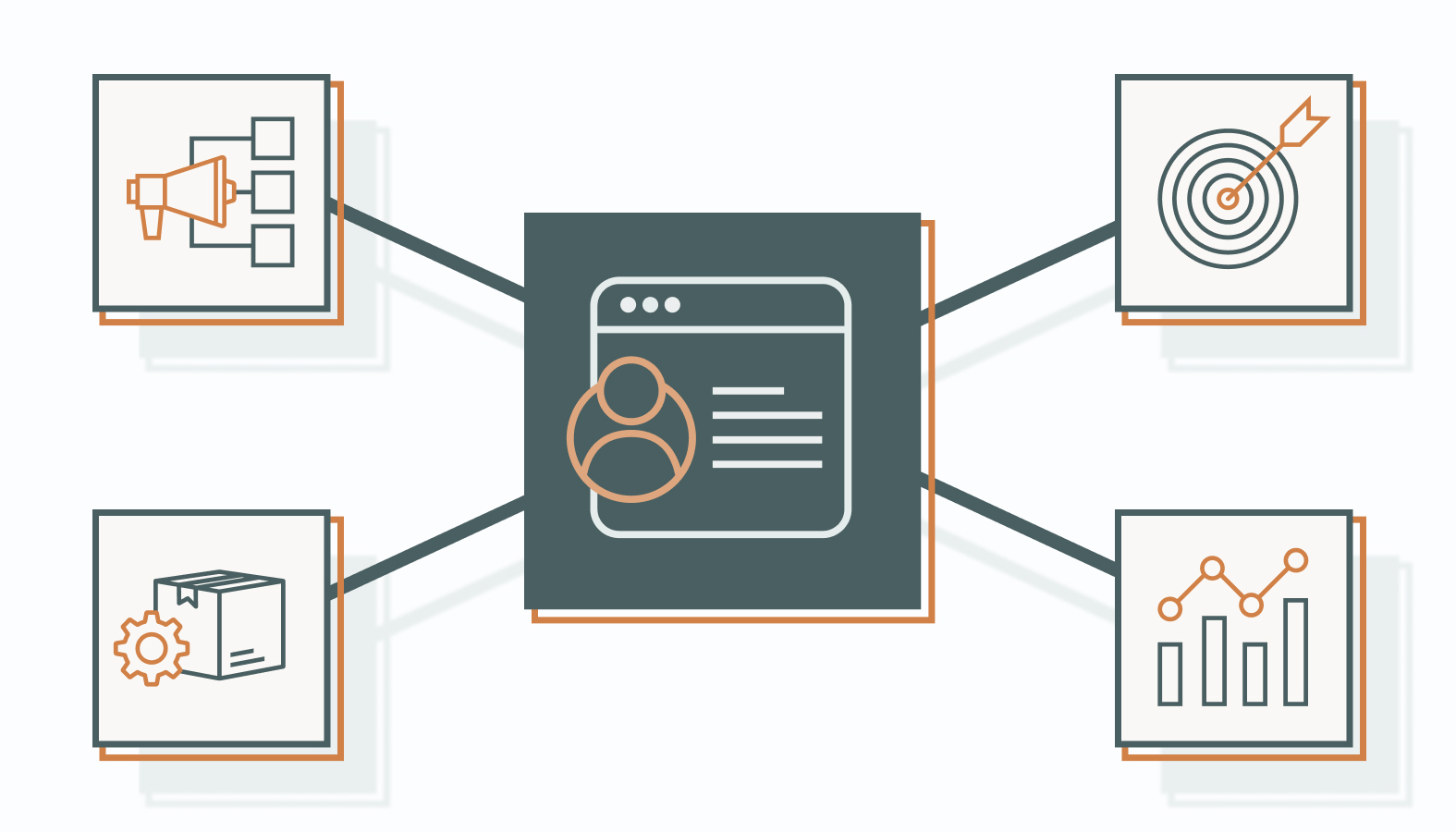
Everyone wants to be the center of attention, but not every brand operates on the same stage. Several objective variables dictate how visible your brand becomes and how deeply your audience interacts with your content. If you understand these factors, you can start engineering your strategy for maximum impact.
Let’s analyze the specific elements that direct your brand’s reach and resonance in a competitive business environment.
Market Size and Competition
The scale of your market and the volume of competitors determine the effort required to remain relevant. You need to know exactly who you are up against to calibrate your approach.
- Saturated Markets: In sectors like consumer electronics or SaaS, the noise is constant. To get noticed here, your voice must be distinct and highly differentiated from the rest.
- Niche Markets: Specialized industries offer a faster track to visibility, but the stakes are higher. You must provide hyper-relevant value to a smaller, more critical audience that knows exactly what it wants.
In either scenario, noise isn’t the solution. Success comes from being the most relevant and memorable option available to the user.
Target Audience Characteristics
Who you are talking to impacts where and how you show up. You cannot engage an audience you haven’t bothered to study. You should build your presence based on specific data points:
- Demographics: Basic data like age, location, and professional role.
- Psychographics: The values, interests, and specific lifestyles of your users.
- Behaviors: Buying habits, preferred communication channels, and common pain points.
When you master these motivations, you can tailor your visuals and messaging to spark immediate engagement, leading to higher conversion rates and turning casual observers into brand advocates.
Product or Service Quality
Marketing cannot fix a mediocre product. Quality is the primary driver of organic visibility through reviews and referrals. In the digital age, every customer experience is a public record.
One happy customer can improve your reputation, but a single disappointed one can damage your reach across multiple platforms. High-quality offerings create a natural engine for engagement that paid advertising cannot replicate. If the product is excellent, the audience will do half the work for you.
Marketing and Advertising Efforts
The strength of your investment is what separates market leaders from everyone else. Strategic campaigns are designed to place your brand in front of the right people at the exact moment they need a solution.
Data-driven optimization ensures your resources are never wasted. You should monitor your metrics to double down on high-performing tactics and immediately eliminate what isn’t working. Creative, clear communication boosts curiosity and encourages sharing, which is the fastest way to gain visibility at scale.
Bottom line: Visibility and engagement are the result of clear positioning, audience understanding, strong offerings, and disciplined execution. Control these factors, and you control your growth trajectory.
Proven Strategies for Higher Engagement and Visibility
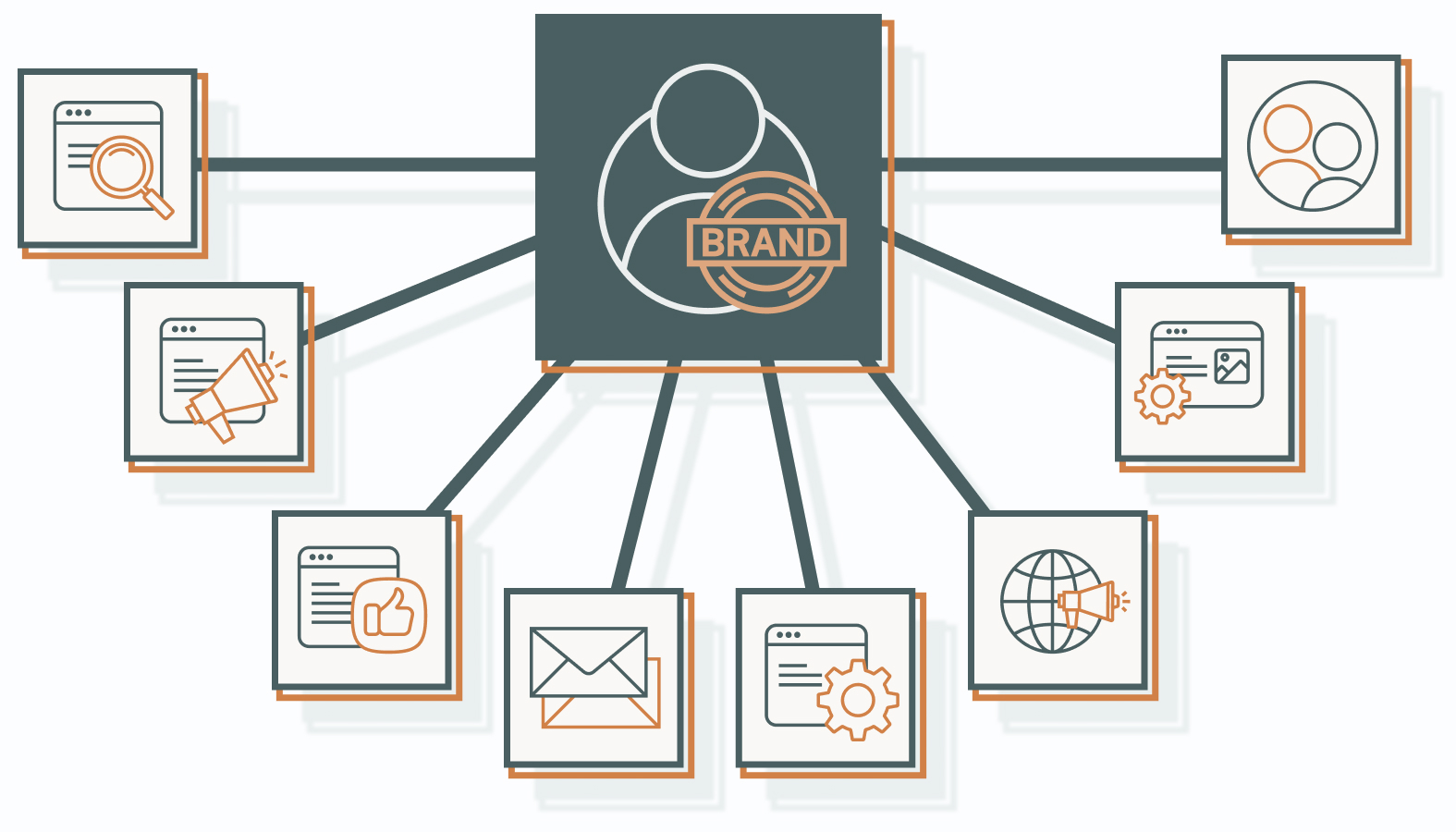
It’s time to execute. A strategy should have actions with good intentions. These are the systems high-performing brands rely on to drive attention, interaction, and sustained authority.
No filler. Only methods that produce results.
1) Optimize for Search Engines (SEO)
If you’re not showing up in search engines, you’re invisible to a large portion of your market. SEO is about alignment, not manipulation.
Match what people are searching for with content that delivers clear value.
-
- Keyword Research and Optimization: Start with real search behavior instead of assumptions. Tools like Semrush, Ahrefs, or Google Keyword Planner help identify high-value queries. Apply those keywords naturally across your content, headlines, and metadata. Relevance matters more than frequency.
- Optimize Web Pages: Each page should be built for performance. Use clear, keyword-aligned titles and meta descriptions. Structure content with proper headers so it’s easy to scan. Ensure pages load quickly and work well on mobile. If usability is poor, rankings and conversions drop.
- Create High-Quality Content: Search engines prioritize content that delivers value. Focus on answering real questions and solving real problems. Keep content structured, clear, and useful. Depth works when it stays focused and intentional.
- Build High-Quality Backlinks: Backlinks signal credibility. Strong links come from relevant, trusted sources. You earn them by publishing content worth referencing, contributing to reputable platforms, and building industry relationships. Quality links outperform high volumes of the weak ones.
- Improve Site Structure: Your site should be easy to navigate and logically organized. Clear menus, internal linking, and clean URLs improve both user experience and search visibility. If users struggle to find content, search engines will too.
2) Master Content Marketing
Content drives both visibility and engagement, but only when it’s intentional.
- Develop a Content Marketing Plan: Define your goals, audience, content types, and publishing schedule. A clear plan ensures consistency and purpose behind every piece of content.
- Leverage Multiple Content Formats: Different formats expand your reach. Written content, video, audio, and visuals allow you to connect with different audience preferences without changing your core message.
- Design Audience-Centric Content: Every piece of content should serve a clear purpose. It should answer a question, solve a problem, or guide a decision. If it doesn’t, it won’t perform as it’s expected.
- Analyze and Evolve: Use performance data to refine your strategy. Scale what works and improve or remove what doesn’t. Continuous optimization drives consistent results.
3) Boost Social Media Presence
Social media is where visibility and engagement happen in real time. Focus on effectiveness more than just the activities.
- Understand Your Audience: Identify where your audience is active and how they interact on each platform. Tailor your content to match platform behavior.
- Leverage UGC: User-generated content or UGC builds trust. Real customer experiences provide stronger credibility than brand messaging alone.
- Implement a Consistent Posting Schedule: Consistency maintains visibility. Regular posting keeps your brand relevant and top of mind, while gaps reduce engagement.
4) Connect with Customers via Email Marketing
Email gives you direct access without algorithm interference.
- Build a Quality Email List: Focus on attracting engaged subscribers through clear value. A smaller, relevant list performs better than a large, inactive one.
- Segment Your Subscribers: Group subscribers based on behavior, interests, or lifecycle stage, allowing more relevant and effective communication.
- Craft Engaging Content: Keep messaging clear and actionable. Strong subject lines and direct calls to action improve engagement.
- Optimize Email Design and Layout: Use mobile-friendly layouts and clean formatting. Make content easy to read and quick to scan.
- Utilize Email Automation: Automated sequences maintain consistent communication. Use them for onboarding, follow-ups, and re-engagement.
5) Leverage Paid Advertising
Organic growth takes time. Paid channels accelerate exposure when executed correctly.
- Digital Advertising Channels: Choose platforms based on audience behavior. Search captures intent, social drives discovery, and retargeting recovers lost opportunities.
- Setting Budgets and Measuring ROI: Start with controlled tests, track conversions, and scale what works. Decisions should be based on performance data.
6) Build Partnerships and Collaborations
Strategic partnerships expand reach and credibility without building from scratch.
- Identify Strategic Partners: Look for brands or creators with overlapping audiences and complementary offerings.
- Structure Win-Win Collaborations: Create shared value through co-branded content, joint campaigns, or audience cross-promotion.
7) Utilize Events and Sponsorships
Events can create direct engagement and strengthen brand presence.
- Plan and Promote Events: Well-executed events require strong promotion and clear positioning to attract the right audience.
- Maximize Sponsorship Benefits: Sponsorships increase exposure and credibility when aligned with the right audience and context.
8) Engage with Your Community
Audience attention is good, while community participation is even better.
- Community Management Best Practices: Stay active and responsive. Engage in conversations and acknowledge feedback consistently.
- Encourage and Reward Advocacy: Turn customers into promoters through referrals, recognition, and incentives. Advocacy scales reach organically.
Common Mistakes and How to Avoid Them
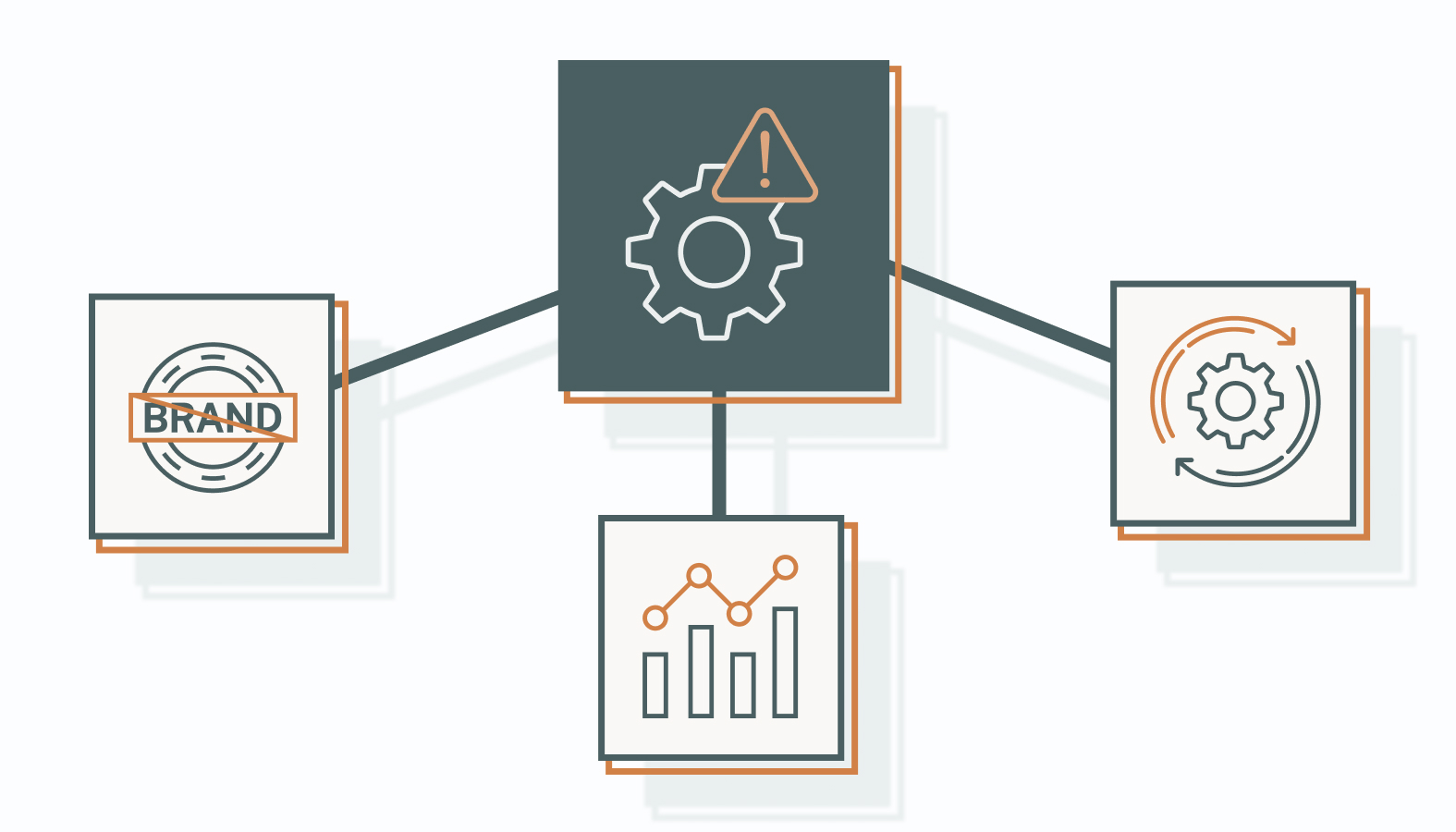
Even a strong strategy fails if there is no discipline in execution. Most visibility and engagement issues are not caused by a lack of effort but by avoidable mistakes. Fix these issues, and performance improves fast.
Inconsistent Branding
Inconsistency weakens recognition and slows trust-building. If your brand looks or sounds different depending on where people encounter it, you lose clarity. That confusion reduces recall and lowers engagement.
Common breakdowns include:
- Visual elements that vary across platforms
- Messaging that shifts without reason
- Tone that feels disconnected from your positioning
Avoid it by defining clear brand standards for visuals, voice, and messaging. Apply them across all channels without exception. Alignment across touchpoints creates familiarity, and familiarity drives recognition.
Ignoring Data and Feedback
Decisions without data lead to wasted spend and missed opportunities. If you are not tracking performance or listening to your audience, you are only guessing.
The risk is straightforward:
- You continue investing in low-performing strategies
- You miss signals that indicate what your audience truly wants
- You lose relevance over time
Avoid it by using analytics to track performance across channels. Identify what drives engagement and what does not. Pair that with direct feedback through reviews, surveys, and customer interactions. Then adjust quickly. Speed of response is a competitive advantage.
Overlooking Offline Opportunities
Digital channels dominate attention, but they are not the only directions that matter. Ignoring offline presence limits your overall reach and reduces brand reinforcement.
Missed opportunities often include:
- Industry events and local activations
- Printed materials and physical branding
- Word-of-mouth-driven exposure
Avoid it by connecting offline efforts with your digital strategy. Use events, materials, and real-world interactions to reinforce brand presence. When online and offline experiences align, visibility becomes more consistent and credible.
Sustained Growth Through Clarity and Consistency
Sustained engagement and brand visibility come from consistent, deliberate execution across every touchpoint (not sporadic effort).
Leading brands operate with clarity. They align with their market, stay consistent across strategy and messaging, and build systems that make visibility repeatable and engagement predictable. Each interaction reinforces a unified identity guided by data rather than assumptions.
When positioning is clear and execution is aligned, growth becomes compounding. Attention builds trust, and trust drives action over time. Brands that commit to this level of consistency do not just gain visibility. They maintain it, strengthen authority, and remain relevant as markets evolve.
Refine Your Branding Execution
If your brand is investing in visibility but not seeing consistent engagement, the issue is often execution and alignment, not just strategy.
Schedule a focused conversation with one of our experts to assess your current position and identify practical ways to improve consistency, clarity, and performance across channels.