


Every business knows that finding new customers is costly, but keeping them is where real growth happens. A customer retention management system gives a way to organize your data, anticipate customer needs, and keep engagement consistent.
This article will guide you through building a strong retention strategy, reviewing leading systems of 2025, and implementing processes that drive lasting loyalty.
Let’s explore how to make retention a competitive advantage as you build your strategy for 2026.
Who Needs a Customer Retention Strategy?
Retention separates thriving companies from the surviving ones. In this generation of a fast-moving market, customers have several choices, and their loyalty is not given, but earned.
To be specific, a strong retention strategy knows what your customer truly wants. It’s about anticipating their needs, consistently delivering value, and communicating in ways that feel personal, timely, and relevant. You won’t just react when a customer leaves, but take effective action to prevent them from leaving before it ever becomes a risk.
This strategy relies on three pillars:
- Understanding customer behavior to know what drives their decisions, preferences, and pain points.
- Creating consistent touchpoints to engage customers through timely and relevant interactions that resonate.
- Making data-driven decisions to use insights to refine strategies and strengthen relationships over time.
Companies that get this right see stable revenue and customers who trust the brand, engage frequently, and recommend it to others.
Defining Customer Retention
Customer retention is a company’s ability to keep existing customers over time. It matters because acquiring new customers is often more expensive than keeping the ones you already have. Loyal customers spend more, return more frequently, and provide actionable feedback that can guide your business decisions.
Take a SaaS company as an example. Listening to users and rolling out updates that address real needs reduces churn and strengthens customer trust, which directly translates into higher lifetime value, better reviews, and referrals. It effectively converts retention into a revenue multiplier.
Retention keeps customers and makes them want to stay and regularly patronize your brand.
Essential Metrics for Measuring Retention
You can’t improve what you don’t measure. A strong retention strategy leans on data, and the right metrics tell how well your efforts are working.
- Churn Rate: This measures the percentage of customers leaving over a specific period. A low churn rate signals happy customers and a strategy that’s hitting the mark. High churn is a warning that demands immediate attention.
- Customer Lifetime Value (CLV): CLV estimates the total revenue a customer will generate during their relationship with your business. Tracking CLV helps identify high-value customers and opportunities to increase repeat purchases, upsells, or extended subscriptions.
- Engagement Metrics: Open rates, click-throughs, and support interactions are numbers showing how connected customers are to your brand. When they are well-engaged, there is a higher chance that they will stick around.
When combined, these metrics give you a clear picture of where your retention strategy succeeds and where it needs refining. Use it to make informed decisions, adjust your approach, and turn insights into tangible results.
Types of Customer Retention Software

In the modern market, keeping customers is a strategy backed by smart technologies. Retention software tracks data and helps you anticipate needs, personalize interactions, and turn ordinary buyers into loyal fans.
Each type of tool offers a unique approach, depending on what you need to achieve, like improving engagement, boosting repeat purchases, or strengthening trust.
1) CRM Software: Personalized Engagement That Keeps Customers Coming Back
The biggest win from a CRM is delivering hyper-relevant, one-to-one interactions that make your customers feel seen and understood. It tracks behavior, preferences, and past purchases.
Look for these CRM strengths:
- Comprehensive customer profiles capturing interactions, preferences, and purchase history
- Smart segmentation for highly targeted messaging
- Automated touchpoints like reminders, follow-ups, and personalized perks
- Integration across marketing, support, and sales channels
With the right CRM, every interaction feels intentional and resonates with the customers. This insight keeps them coming back while spreading the word.
2) Customer Support Software: Fast, Frictionless Service That Builds Trust
Retention thrives when problems are solved before frustration gets in. Customer support software ensures your team can respond quickly and efficiently to keep the customer experience smooth.
What makes support software effective:
- Multi-channel support, such as chat, email, and phone call in one interface
- Automated ticketing and priority routing to fix issues faster
- AI suggestions for quick responses to common problems
- Self-service resources for instant solutions
Great support turns friction into loyalty. When customers feel you’ve got their back, they will have no reason to leave.
3) Marketing Automation: Timely, Personalized Engagement Without Lifting a Finger
Automation keeps your brand present in customers’ lives on time. It lets you deliver value consistently without being generic.
Must-have automation capabilities:
- Triggered campaigns tied to behavior, lifecycle stage, or engagement signals
- Drip sequences for onboarding, reactivation, or nurturing
- Dynamic personalization based on past actions and preferences
- Analytics to track performance and fine-tune messaging
Smart automation is anticipatory. When it’s done right, your brand shows up exactly when customers want it and keeps them hooked.
4) Loyalty Programs: Rewards That Make Customers Stick Around
A loyalty program that truly works gives customers reasons to come back while establishing an emotional connection. If it’s done well, it’s a relationship builder.
What to prioritize in loyalty programs:
- Tiered rewards or experiences that recognize commitment
- Personalized perks based on behavior and preferences
- Simple and visible progress tracking for members
- Integration with other engagement channels for reinforcement
Loyalty is recognition. Customers who feel valued keep returning, and often bring friends along.
5) Advanced Analytics Tools: Understanding Behavior Before Customers Walk Away
Data becomes powerful when it tells a story you can act on. Advanced analytics reveal patterns and preferences to give you the insights for intervention before a customer churns.
Insights to leverage with analytics tools:
- Mapping the full customer journey from start to finish
- Tracking engagement through heatmaps, session recordings, and funnel analysis
- Collecting sentiment and feedback to guide improvements
- Translating insights into actionable campaigns or product updates
Analytics show problems and opportunities. When you understand your customers well, your retention moves smarter, and they will stay.
Leading Customer Retention Systems for 2025
As we head into 2025, retention becomes a full-scale operation, and the right system can make the difference between steady customers and churn chaos. The best tools combine actionable insights, cross-channel integration, and automation that feels smart and effective.
When choosing, weigh ease of integration, scalability, unique features, and how intuitive it feels for your team. Here’s a closer look at the top contenders:
Zendesk: Streamlined Support That Turns Issues into Loyalty
Zendesk thrives in making every customer interaction count. Its ticketing system, live chat, and self-service help center create frictionless experiences that build trust and retention.
Pros:
- Intuitive interface that teams adopt quickly
- Multi-channel support for email, chat, and social
- Real-time dashboards and reporting for data-driven decisions
- Strong automation for ticket routing and follow-ups
Cons:
- It can be pricey for smaller teams with advanced features
- Some customization options require technical expertise
Zendesk is a support tool, and it’s the engine that turns a problem into a solution to keep customers confident and loyal.
HubSpot CRM Suite: Unified Engagement Across Marketing, Sales, and Service
HubSpot CRM Suite provides everything you need to orchestrate retention across channels. It combines CRM, automation, analytics, and reporting in one platform.
Pros:
- All-in-one platform simplifies management and avoids tool sprawl
- Customizable dashboards for tailored retention strategies
- Easy integration with other apps and platforms
- Marketing automation that personalizes at scale
Cons:
- Advanced features require premium tiers
- It can feel overwhelming for teams new to CRMs
HubSpot makes customer retention look effortless. When the whole team is aligned, proactive engagement sets in.
Hotjar: Behavioral Insights That Stop Churn Before It Starts
Hotjar shows. Heatmaps, session recordings, and surveys look into how users behave, letting you fix friction points before they become dealbreakers.
Pros:
- Deep insights into customer interactions and preferences
- Easy-to-understand visualizations for quick decision-making
- Real-time feedback collection from users
Cons:
- Not a complete CRM as it needs to be paired with other tools
- The free plan has limitations for large sites or heavy traffic
With Hotjar, you see exactly where customers hesitate, struggle, or disengage, so you can act before it’s too late.
ActiveCampaign: Targeted Messaging That Feels Personal
ActiveCampaign is great for businesses that want retention campaigns that actually resonate. Its automation and advanced segmentation make each email seem like a thoughtful conversation.
Pros:
- Dynamic personalization for emails and automation
- Behavioral triggers that respond to real-time customer actions
- Reporting to track engagement and ROI
Cons:
- Email-first focus may require additional tools for a multi-channel strategy
- Learning curve for advanced automation workflows
ActiveCampaign turns your messaging into a conversation that customers want, leading to proactive retention.
Salesforce Customer 360: Holistic Relationship Management That Scales
Salesforce Customer 360 provides a unified view of every interaction, letting you coordinate retention across marketing, sales, and service. It’s a tool and a retention ecosystem.
Pros:
- Complete visibility across the customer journey
- Powerful analytics and AI-driven recommendations
- Highly scalable for enterprise-level teams
Cons:
- Complexity can be daunting for smaller businesses
- Implementation requires time and careful planning
With Salesforce Customer 360, retention is a strategic advantage. Aside from keeping customers, you’re creating consistently engaging experiences across every touchpoint.
Key Challenges in Customer Retention Management
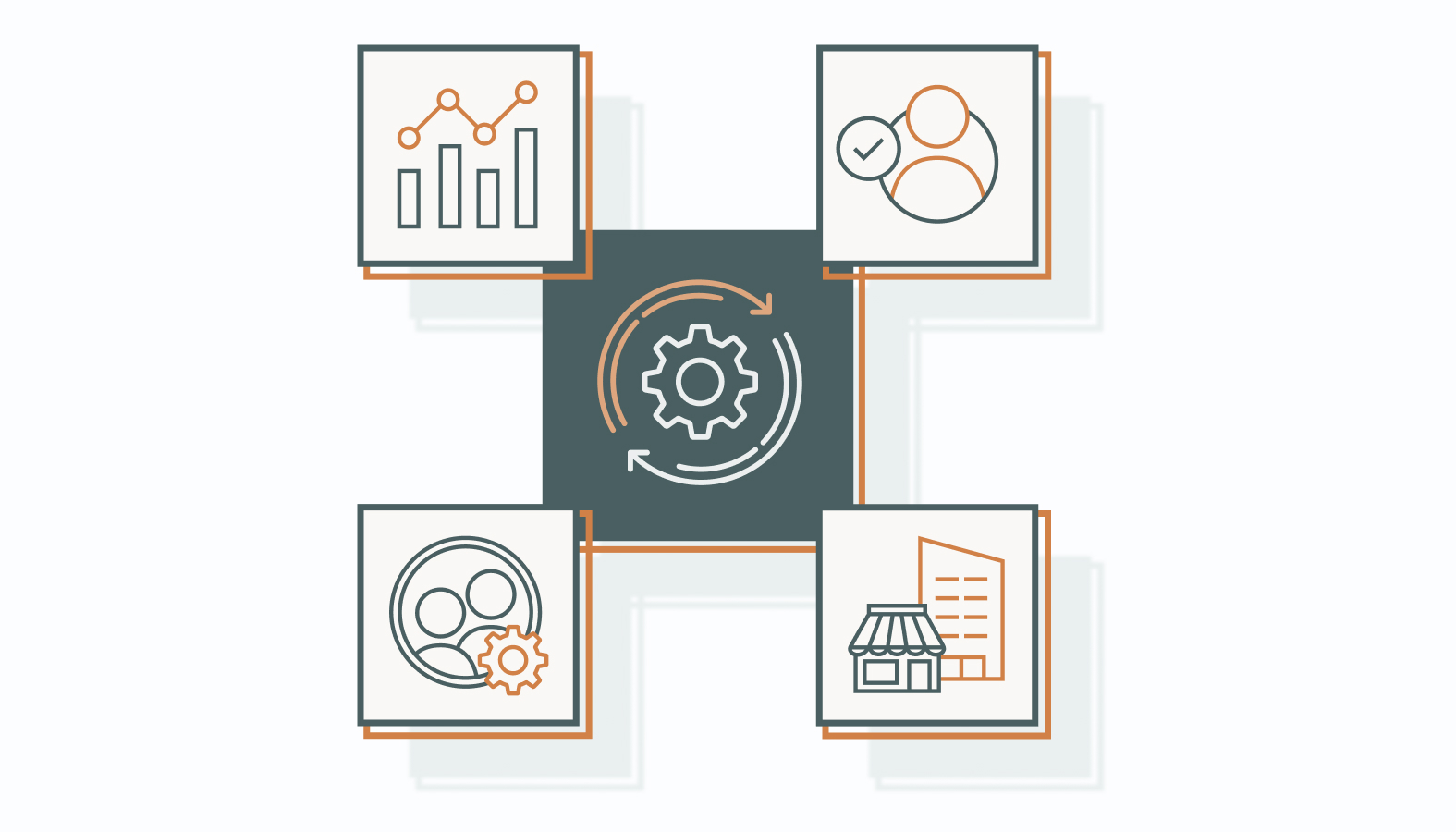
When the right obstacles aren’t properly addressed, even the sharpest strategies can fail. Customer retention is management, and every business faces challenges that can fall even with the most intentioned efforts. Recognizing these challenges is smart, as it is important for turning retention into a competitive advantage.
1) Fragmented Data (Data Silos)
Customer information is often scattered across CRMs, support platforms, marketing tools, and sometimes spreadsheets collecting dust. When data is unorganized, your understanding of customer behavior is incomplete, making personalized engagement less strategic.
2) Shallow Personalization
Generic emails, one-size-fits-all campaigns, and mass-produced offers aren’t effective anymore. Customers expect interactions that reflect their history, preferences, and past engagement. Without meaningful personalization, you risk disengagement and high churn.
3) Reactive Retention Approaches
Many companies wait for churn signals before acting, and the problem with that is that customers have already left. Modern retention systems should anticipate risks, flag at-risk accounts, and enable proactive interventions before friction escalates.
4) Lack of Organizational Alignment
Retention has marketing, sales, and support operating as a cohesive unit. Without cross-department collaboration, even the most advanced tools fail to create a consistent and loyalty-building experience.
These challenges are signals that your retention strategy needs effective organization.
Maximizing Benefits with Retention Management Systems
Here’s where strategy meets execution. Retention management systems are the engines that keep your customers engaged, happy, and invested in your brand.
When implemented correctly, these systems solve the challenges mentioned above. They unify data, make personalization scalable, anticipate churn, and align your teams.
Strengthening Customer Relationships
Retention systems turn raw data into human insight. Tracking interactions, preferences, and behaviors lets you communicate with precision.
Automated follow-ups, personalized offers, and comprehensive customer profiles ensure every engagement is meaningful and reliable. When customers feel recognized and understood, it results in a good emotional connection.
Achieving Marketing Efficiency
Time is money, and retention systems save both. They streamline campaigns, segment audiences efficiently, and automate interactions that replace hours of manual work. Drip campaigns, dynamic content, and personalized messaging ensure your marketing dollars hit the customers who already know you and stay.
Boosting Customer Lifetime Value
Retention systems are revenue machines when used strategically. They help identify repeat purchase opportunities, optimize upsells, and extend the duration of each customer relationship. Acting on insights around purchase frequency, order value, and engagement patterns, businesses can significantly increase CLV and turn loyalty into a measurable profit.
The right retention management system keeps customers and turns them into advocates, repeat buyers, and long-term partners in your business growth. It is where foresight meets execution, and churn is no longer a problem.
Selecting and Implementing a Customer Retention System
Choosing a customer retention system is about selecting the strategic engine that powers loyalty, engagement, and long-term growth.
The right system can turn scattered data into actionable insights, automate meaningful interactions, and help your team stay two steps ahead of customer churn.
A tool should be as effective as the plan behind it.
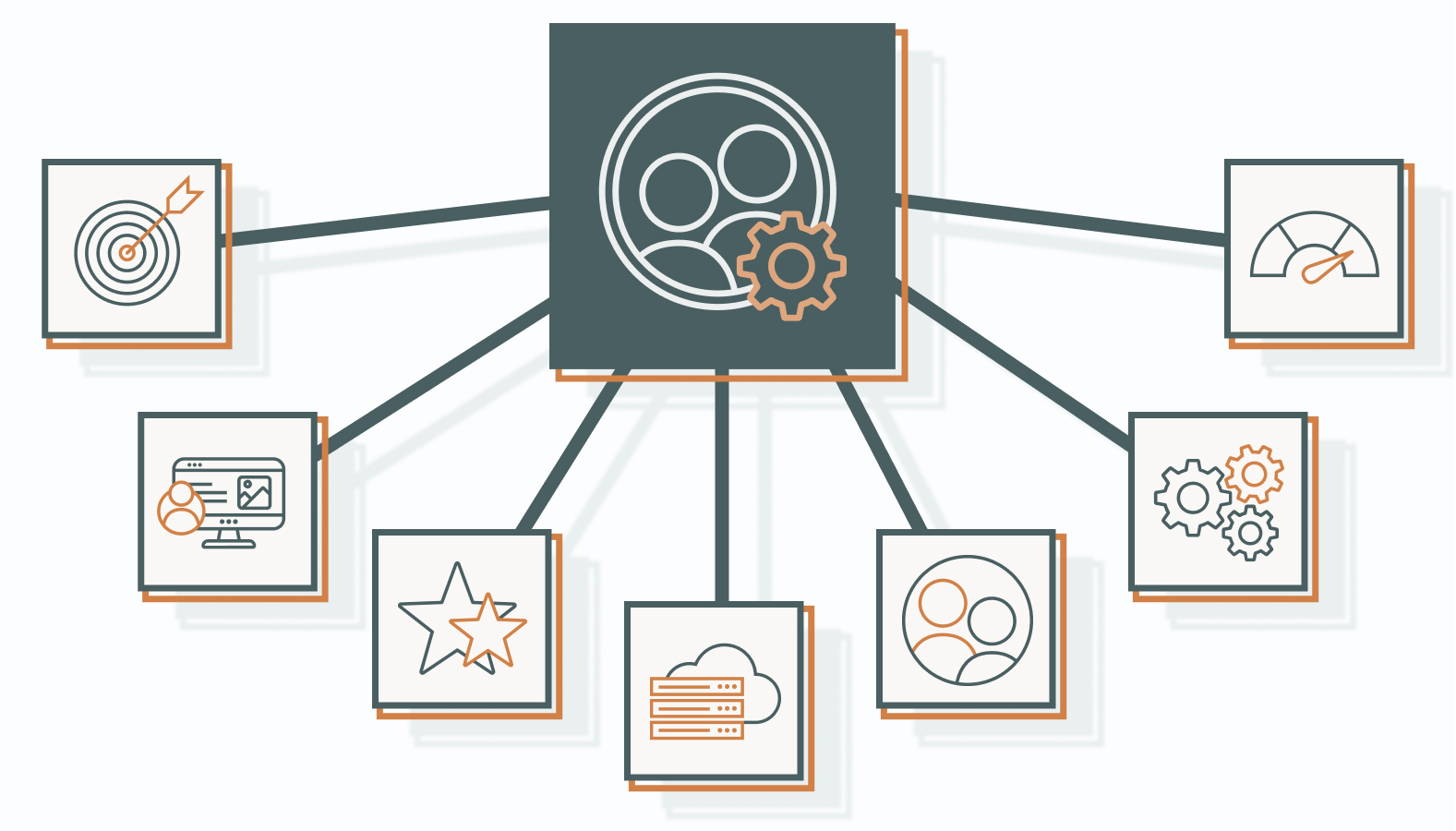
Here’s how to make sure your retention system delivers measurable results.
1. Set Clear Retention Objectives
Don’t pick a system and wait for luck. Start by defining what success means.
Ask yourself:
- Are you aiming to reduce churn?
- Do you want to increase engagement?
- Is boosting customer lifetime value the priority?
Once objectives are clear, map system capabilities to your goals. Look for features that support:
- Personalized communication
- Automation workflows
- Analytics and predictive insights
Draft the plan before stepping onto the field. The system will be effective when the right strategy fuels it.
2. Assess Integration and User Experience
A retention system is not a standalone gadget. It needs to connect seamlessly with your CRM, marketing automation, and customer support platforms.
Smooth integration ensures:
- Efficient data flow without blind spots
- Unified operations across teams
- Consistent customer experiences
Dashboards should be intuitive, navigation simple, and customization flexible. A system that’s easy to use gets adopted faster, which means your retention strategy starts delivering results sooner.
3. Identify Essential Features
Watch out for feature overload. Not every promising option translates into real results.
Focus on features that directly impact retention goals:
- Automation workflows that engage customers at the right moments
- Behavioral analytics that reveal patterns and preferences
- Customer segmentation for precise messaging
- Tools that enable personalized interactions
Skip the extras that look impressive without authentic progress. Precision and clarity beat clutter every time.
4. Data Migration and Cleaning
Have your data systematized and organized at all times.
Before going live:
- Deduplicate records
- Validate and standardize customer data
- Consolidate information into one reliable source
Clean and consolidated data ensures every interaction is based on accurate insights, making your retention campaigns smarter and more effective.
5. Team Training
A greatly trained team turns it into a performance engine.
Provide training that covers:
- How to use the system effectively
- Why each feature matters for retention
- How automation, analytics, and engagement workflows fit together
When teams understand the how and why, retention efforts become dynamic.
6. Set Up Automation Workflows
Automation is convenient and a strategic edge.
Design sequences that reach customers at the right time, such as:
- Onboarding
- Re-engagement campaigns
- Win-back campaigns
- Loyalty triggers
Appropriate automation workflows keep engagement consistent, reduce churn risk, and deliver personalization at scale.
7. Define and Monitor Success Metrics (KPIs)
Finally, track what really matters.
Focus on metrics that reflect customer behavior and loyalty:
- Churn rate
- Repeat purchase frequency
- Engagement levels
- Customer lifetime value (CLV)
These KPIs reveal how well your system and strategy are performing and highlight areas for improvement. Retention should be progressive, and data-driven iteration ensures your system runs and evolves to deliver measurable business impact.
Future Trends: AI and Hyper-Personalization in Customer Retention
The future of retention will be defined by intelligence, precision, and a deeper understanding of human behavior.
As we move into 2026 and the years to come, AI and hyper-personalization become more than optional upgrades. They are the competitive infrastructure behind every brand that plans to keep customers engaged, loyal, and spending.
Organizations that lean into these innovations will anticipate needs before customers voice them and intervene before problems turn into churn. In short, the future belongs to teams that pair strong strategy with smart technology.
1) AI-Powered Churn Prediction
AI systems analyze patterns across millions of behavioral signals and surface customers who are most likely to leave. This creates precision forecasting that allows teams to intervene early with targeted offers, service improvements, or personalized messages.
Companies that adopt intelligent churn prediction turn risks into recoveries and recoveries into long-term loyalty.
Benefits:
- Earlier visibility into churn risks.
- Higher recovery rates with targeted interventions.
- More efficient retention spending based on predictive priorities.
How this future-proofs companies:
- Moves teams from reactive firefighting to strong prevention.
- Reduces long-term revenue volatility.
- Strengthens forecasting accuracy in an increasingly competitive landscape.
2) Hyper-Personalization
Customers expect interactions that understand their context, preferences, and intent in real time. Hyper-personalization transforms raw data into dynamic, one-to-one experiences that feel relevant and timely.
Brands that excel in this area create interactions that consistently drive engagement, repeat purchases, and long-term retention.
Benefits:
- Stronger engagement across every touchpoint.
- Higher conversion and repurchase rates.
- Customer experiences that feel uniquely tailored and genuinely valuable.
How this future-proofs companies:
- Builds loyalty in a marketplace where generic messaging gets ignored.
- Positions the brand as intuitive and adaptive to customer needs.
- Ensures marketing remains effective even as expectations rise.
3) Conversational AI
Support becomes faster, smarter, and always available. Advanced chatbots and voice assistants now handle complex questions, triage issues, and guide customers with levels of efficiency previously impossible without a full team.
Conversational AI provides consistency, speed, and personalization at scale. Customers get what they need without friction, and the business gains a retention engine that never powers down.
Benefits:
- Faster issue resolution and higher customer satisfaction.
- Reduced support costs without sacrificing quality.
- Personalized guidance delivered 24/7.
How this future-proofs companies:
- Creates scalable support that grows with customer demand.
- Delivers consistent experiences even during staffing or volume spikes.
- Builds trust by ensuring customers are never left without answers.
Building a Retention Engine That Actually Performs
The right customer retention system organizes your data and upgrades how your business thinks, operates, and connects. When your tools work in sync, personalization becomes sharper, interventions become proactive, and every customer interaction feels intentional. Brands earn trust, strengthen loyalty, and turn existing customers into a reliable growth engine.
Retention success is never accidental. It is built on systems that align with your goals, scale with your growth, and give your team the intelligence it needs to stay ahead of churn.
With the right platform in place, your business moves from reacting to customer behavior to predicting it, shaping it, and benefiting from it.
Ready to Build a Retention Strategy That Wins?
If you want a retention system that actually drives results, our team can help you evaluate your stack and design a strategy that performs in the real world.
Schedule a candid conversation with one of our experts, and start building a retention engine built for the next years to come.