


B2B buyers aren’t waiting for your sales deck. They’re forming opinions long before that first conversation ever happens, and B2B social media marketing provides a larger role in that process than most teams realize.
Increasingly, those impressions are shaped in digital spaces that many organizations still treat as secondary channels.
For many companies, the issue is misalignment, alongside inactivity. Effort goes into posting, yet the impact on revenue, influence, and positioning remains unclear. Visibility alone doesn’t create persuasion.
Competing in 2026 and beyond requires a more deliberate approach.
The sections ahead examine what effective execution actually looks like, and where most teams continue to fall short.
Reimagining B2B Social Media: Beyond the Corporate Feed
Many B2B feeds lean heavily on announcements and product updates that inform but don’t persuade. Buyers researching solutions aren’t looking for polished headlines. They’re evaluating expertise, clarity, and relevance.
Treat social as your digital headquarters. It’s where prospects assess how you think and solve problems, and whether your team understands their challenges. When your content consistently reflects insight rather than noise, social shifts from routine posting to strategic influence.
Embracing H2H: Why Human-to-Human Wins the Feed
Committees make B2B decisions, but they’re driven by people. And people trust people.
A Human-to-Human (H2H) approach means making your expertise visible and accessible, not through forced personality, but through clarity and credibility.
- Feature real voices: Let operators, leaders, and specialists share insight directly.
- Engage in dialogue: Conversations build authority faster than one-way broadcasting.
- Share context: Lessons, trade-offs, and real-world thinking signal experience.
- Communicate plainly: Clear language builds confidence. Jargon erodes it.
H2H is a strategic shift that strengthens trust across the buying committee and reinforces the revenue impact your social strategy is meant to drive.
How B2B Social Media Affects Modern Buyers
By the time sales secures a meeting, most of the decision has already been influenced. Around 70% of the B2B buying journey happens anonymously online, with social platforms playing a major role in shaping perception through feeds, conversations, and profile research.
Social media becomes a silent persuasion at scale, more than just about visibility. When managed strategically, it directly impacts deal velocity, brand preference, and overall growth.
Key Benefits of a Strong Social Presence
A solid social media presence extends beyond mere visibility. It grows as a strategic asset that can drive significant business outcomes.
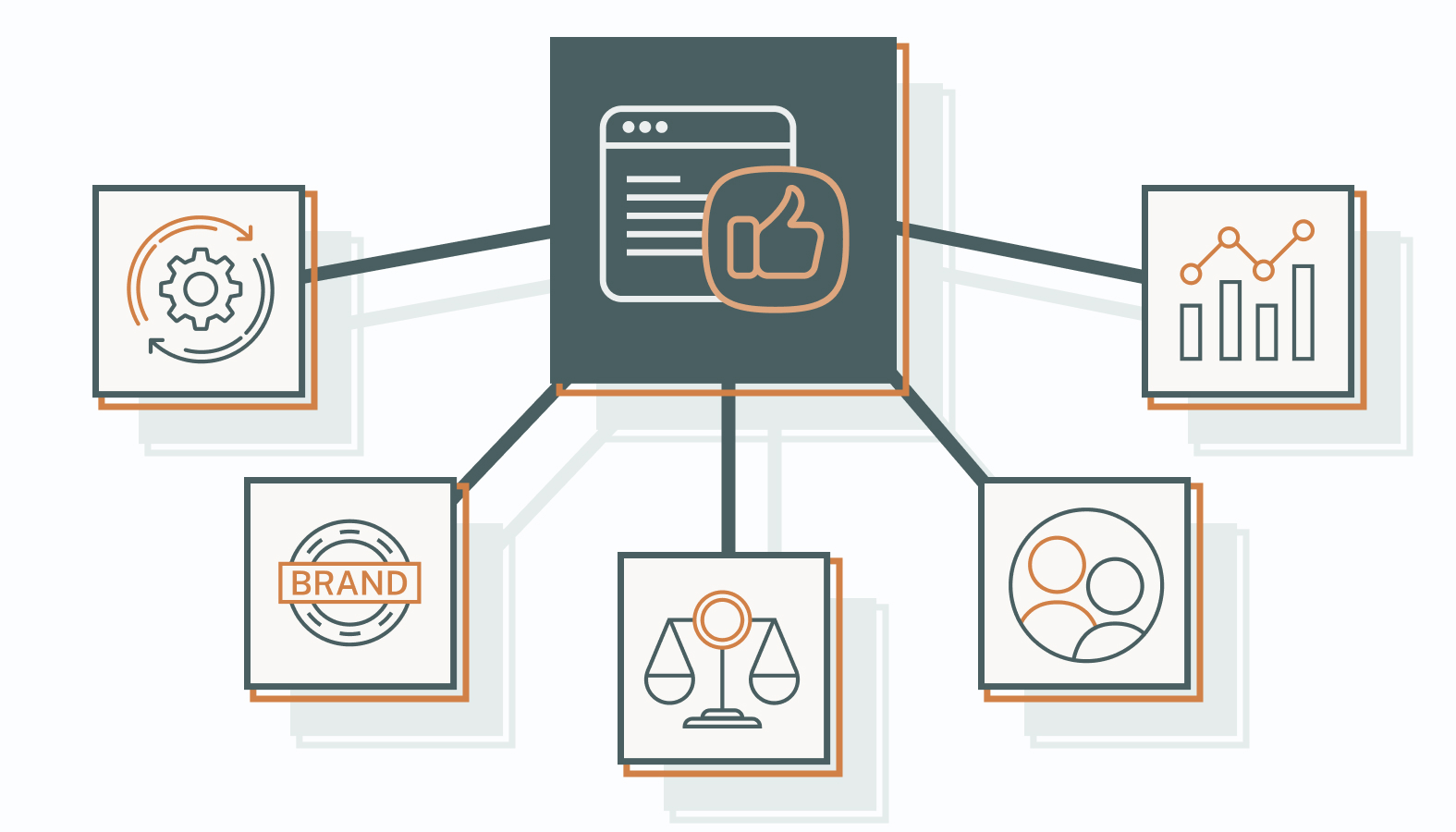
Here’s how:
1) Shortened Sales Cycles
Your content can pre-handle objections before a representative ever joins the call.
- Address pricing logic
- Clarify integration concerns
- Demystify security or compliance
When buyers show up educated, deals move faster. Friction drops. Conversations get sharper.
2) Increased Brand Salience
Only a small percentage of your market is actively buying at any given time, while the rest are still observing. Consistent visibility ensures that when timing shifts, you appear accordingly.
3) Lower Customer Acquisition Cost (CAC)
Authority compounds. When prospects already recognize and trust your brand, you rely less on aggressive paid spend and cold outreach to create demand. Organic influence reduces the cost of starting conversations.
4) Enhanced Talent Acquisition
Top performers vet companies the same way buyers do. An active, intelligent social presence signals momentum, leadership, and cultural clarity, all magnets for high-caliber hires.
5) Trust and Social Proof
Public engagement shouldn’t be a vanity but a validation. When industry peers interact with your ideas, it reinforces credibility in ways traditional advertising can’t replicate.
6) Search Engine Visibility
Your LinkedIn profiles, videos, and thought leadership often rank alongside or above your website. That means you’re not just participating in the narrative. You’re controlling Page 1.
7) Creates a Real-Time Feedback Engine
Comments, discussions, and engagement patterns act as a live intelligence feed. You see objections earlier. You spot trends faster, and you refine positioning before competitors notice the shift.
B2B social media is a leverage channel, instead of a branding side quest.
When treated seriously, it accelerates deals, strengthens market position, attracts talent, and reduces acquisition friction before a formal sales conversation begins.
The 4-Step Blueprint for a Revenue-Driving Strategy

A revenue-driving social strategy becomes a master plan. Without structure, even the flashiest campaigns collapse into noise.
Here’s how to turn your social presence into a scalable engine of growth:
Step 1: Aligning Social KPIs with Business Revenue
Forget vanity metrics. Likes and follows are applause, not currency.
Focus on metrics that matter, such as:
- Pipeline influence: How many prospects are moving closer to a decision?
- Share of voice: Are you dominating conversations in your industry?
Every post should have a purpose with a clear, measurable outcome that fuels growth.
Step 2: Mapping Content to the Modern Buying Committee
B2B decisions should be committee-driven, which means your content must speak to everyone on the team:
- Deep technical insights for IT and operations
- ROI-focused analysis for finance
- Strategic vision for leadership
Expert targeting ensures the right message lands in the right brain at the right time.
Step 3: Building a 90-Day Execution Roadmap
Impactful social strategy isn’t built in a day. A phased, like crawl, walk, run approach keeps momentum without burning your team out.
Key principles:
- Organize content thematically for clarity and consistency
- Layer complexity over time to scale without chaos
- Maintain a rhythm that keeps your audience engaged week after week
Step 4: Balancing Speed with Governance and Compliance
In the fast-paced social media, agility wins. However, compliance should be practiced, too.
A pre-approved content library and clear brand guidelines let your team:
- React instantly to trends without risk
- Keep all Human-to-Human interactions professional
- Preserve brand integrity across every post
These steps are smarter. Execute them right, and your social channels stop being a side show and start being a revenue-generating edge.
High-Performance Content Types for B2B

In B2B social media, content drives engagement, influence, and credibility. The right formats do more than get views. They generate reactions, shares, and interactions that uplift business goals.
The Power of “Lo-Fi” Vertical Video
Forget polished corporate commercials. Authenticity wins, especially these days. Quick, mobile-shot vertical videos often outperform glossy productions by connecting with humans on a human level.
Try these approaches:
- Quick Tips: Actionable advice that solves real industry challenges.
- Behind the Scenes: Show the people, processes, or culture behind your brand.
- Controversial Opinions: Share bold takes to spark discussion and to keep it clever.
Thought Leadership & LinkedIn Newsletters
Position your leaders as voices people want to listen to. LinkedIn Newsletters let you reach followers directly, cutting through the content noise.
Combine with founder-led growth to:
- Humanize the brand through executive insights
- Deliver strategic commentary that builds credibility
- Amplify authority without being preachy
Using “Edutainment” to Humanize Technical Topics
Technical content doesn’t have to be boring.
Blend education with entertainment to make complex topics digestible and memorable:
- Memes, analogies, and storytelling lighten heavy subjects
- Industry-specific humor engages peers and builds community
- Data-driven insights become relatable, shareable, and trustworthy
High-performance content is about impact instead of quantity. Prioritizing authenticity, thought leadership, and edutainment, so B2B brands can expand reach beyond followers, build credibility with key decision-makers, and spark engagement that drives real business outcomes.
Scaling Your Output with a Modern AI Workflow
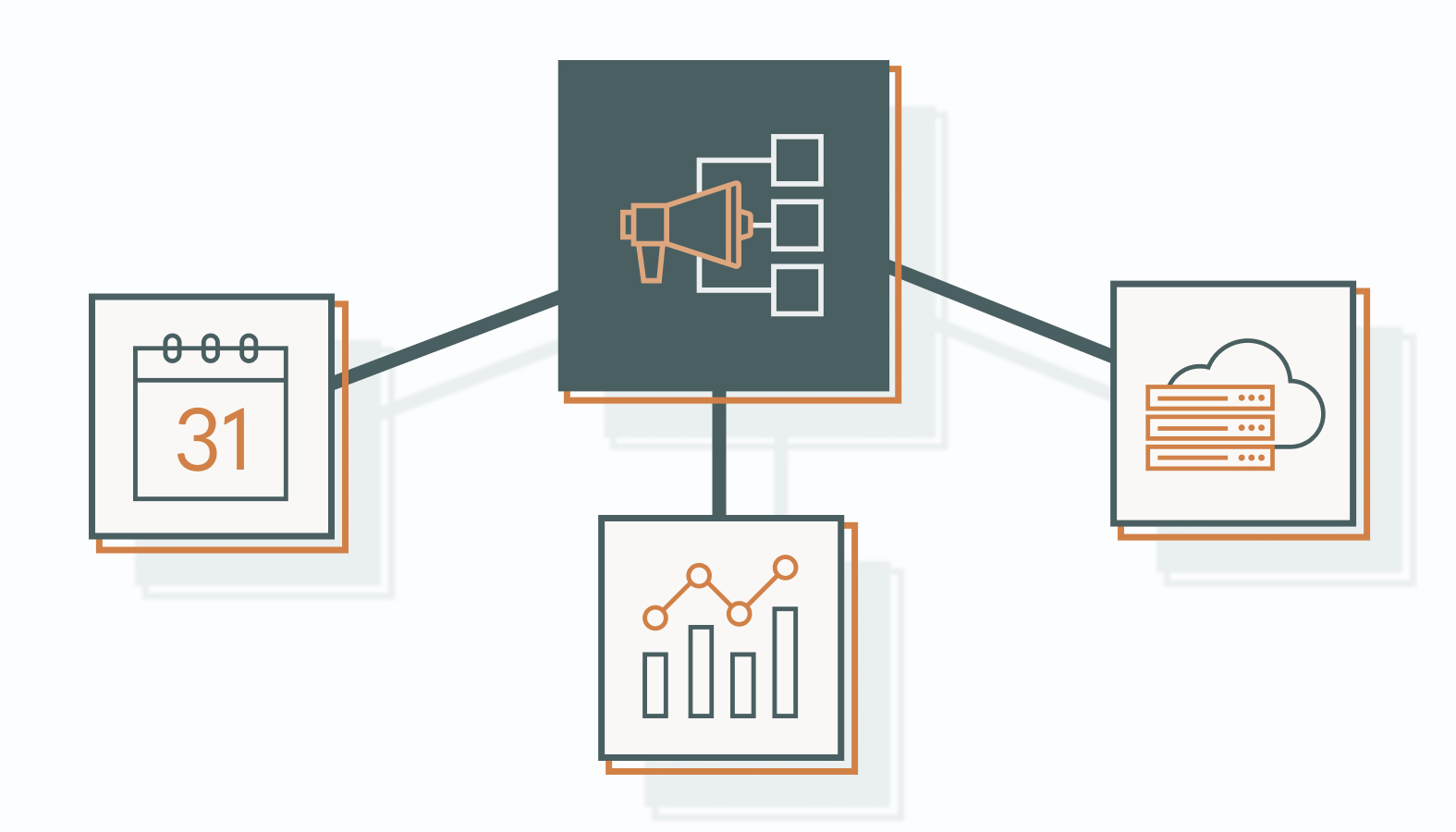
B2B marketing moves fast. AI is a tool that handles repetitive tasks, so your team can focus on strategy and creative work. It streamlines operations without replacing human expertise.
Turn One Idea into a Month of Content
Use the Content Waterfall method: start with a single long-form asset, like a webinar, report, or case study, and break it into bite-sized pieces for multiple platforms.
Steps:
- Identify the Core Message: Pinpoint the key takeaway.
- Segment the Content: Divide it into theme-based chunks suitable for posts.
- Tailor for Each Platform: LinkedIn gets depth, Twitter gets punch, Instagram gets visuals.
- Schedule & Optimize: Let AI handle timing for maximum engagement across zones.
Predictive Insights and Social Listening
AI can scan thousands of conversations in real time, spotting trends, buying signals, and pain points before anyone else.
Use it to:
- Monitor relevant keywords, phrases, and sentiment
- Identify spikes or anomalies that reveal opportunity
- Generate content quickly that addresses emerging needs
Capturing Leads 24/7 with Intelligent Chatbots
AI-driven chatbots move your social presence from static to active. They answer FAQs, schedule meetings, and keep leads warm without a human sitting by.
Key tactics:
- Define Scope: Know what the bot can handle.
- Seamless Handover: When questions get complex, hand the lead to a human.
- Continuous Learning: Refine responses with each interaction for better performance.
AI doesn’t replace your team. It must only multiply them. With the right workflow, you can create more content, respond faster, and maintain visibility without burning out your marketers. In other words, more impact, less hectic schedule.
The B2B Tech Stack: Essential Tools for Growth
In B2B marketing, the right tools are more than just nice to have. They’re the difference between flying blind and running a precision operation. Each tool should support a specific task and contribute to your overall business objectives.
Here’s the stack that gives impact:
Hootsuite/Buffer (Scheduling & Analytics)
Stop juggling multiple tabs. These platforms let you schedule posts across networks in minutes, freeing your team to focus on strategy.
Why they matter:
- Unified Analytics: See performance across all channels in one dashboard, and adjust campaigns based on real insights.
- Time Savings: Batch scheduling reduces repetitive work, keeping your team productive.
LinkedIn Sales Navigator (Prospecting Integration)
Marketing and sales should function in sync. Navigator tracks engagement and feeds it directly into your sales process.
Smart plays:
- Engagement Tracking: Identify who interacts with your content and add them to targeted lists automatically.
- Warm Outreach: Personalized connection requests feel natural when based on prior engagement.
Dreamdata/Sprout Social (Attribution and ROI Tracking)
Measure what actually matters. These tools track social impact on revenue and uncover insights for smarter decisions.
Capabilities that count:
- Multi-Touch Attribution: Link revenue to specific social interactions. Prove your social strategy isn’t just noise.
- Social Listening: Monitor conversations about your brand, competitors, and industry trends in real-time.
BuzzSumo (Content Ideation and Influencer Tracking)
Good ideas don’t happen by accident. BuzzSumo spots trending content and key voices to amplify your message.
Use it to:
- Discover the most shared content in your industry.
- Identify micro-influencers who can reach the right audience efficiently.
Canva/CapCut (Design and Video Editing for Non-Designers)
Visual content drives engagement. These tools let anyone produce professional graphics and videos quickly.
Key advantages:
- Speed to Market: Produce and publish content without waiting on a design team.
- Brand Kits: Maintain consistent visuals with templates and style guides.
A modern tech stack helps you have the right ones, using them strategically, and letting them multiply your team’s influence. When these tools work together, you do more than execution. You scale smarter, faster, and with confidence.
Best Practices for B2B Social Success
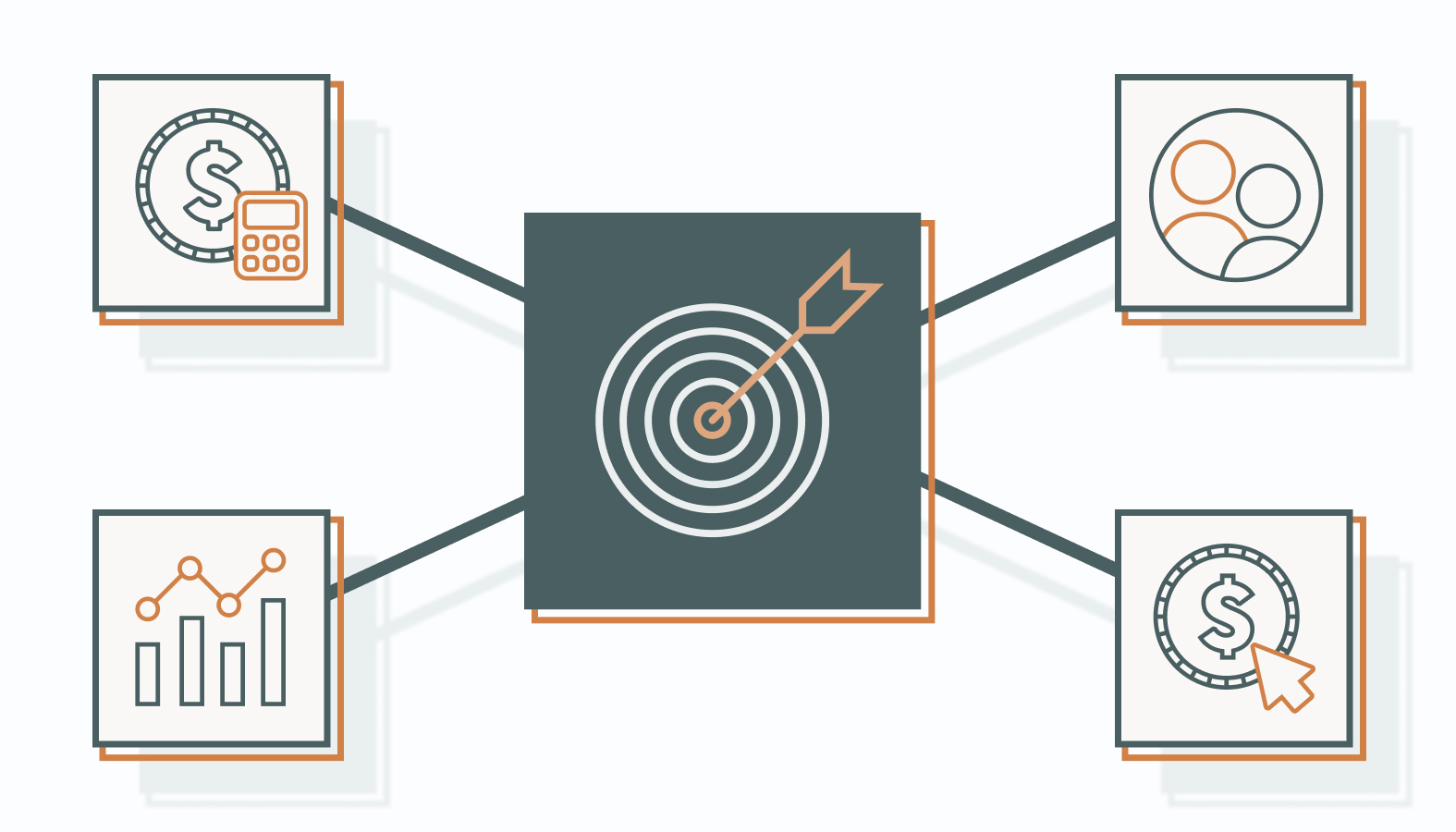
Effective B2B social is no longer about pushing products. It should rather build relationships, earn trust, and create momentum before the first call ever happens.
Here’s how the pros do it:
The 80/20 Rule: Giving More Than You Ask
Engagement isn’t a transaction. It’s a value exchange. Apply the “Value Deposit” principle: 80% of your content should educate, inform, or entertain; 20% can promote.
How to play it smart:
- Balanced Content Strategy: For every promotional post, provide four posts that deliver real value. Build trust, not noise.
- Avoid Content Fatigue: Constantly asking without giving burns out your audience, and algorithms notice it.
Turning Employees into Brand Ambassadors
People trust people more than brands. Your employees can amplify credibility, humanize your company, and expand reach.
Program blueprint:
- Pilot Program: Start with 5 key leaders. Train them, track success, then scale.
- Tools & Support: Provide templates, posting guidelines, and regular updates to make sharing easy.
Consistency Beats Flashy Brilliance
Going viral is fun, but a predictable, steady presence wins long-term. Think compound interest: small, regular efforts build more influence than occasional spikes.
Key practices:
- Content Schedule: Align posts with your team’s capacity. For example, three high-quality posts a week beat ten mediocre ones.
- Sustained Engagement: Prioritize quality interactions over quantity. Keep your brand visible without burning out your team.
Make Every Interaction Count
Every post, comment, or share should be educational, influential, or spark discussion.
Treat your social channels as micro-engagement engines that:
- Build relationships with prospects before they enter the CRM.
- Give real-time feedback on trends, objections, and sentiment.
- Reinforce credibility with peers, buyers, and potential hires.
Social media should be used as a high-leverage tool. Do it right, and your content accelerates deals, builds authority, and strengthens every direction of your business cycle.
Automate, Humanize, and Measure
B2B social media should be treated as more than a content hobby. It should work like a business system. Strategy gives it direction. Structure gives it consistency. And the right tools give it scale.
The framework is clear. You have to align efforts with revenue, speak to the full buying committee, execute in focused sprints, build repeatable workflows, and equip your team with the right stack. None of these pieces works in isolation. Together, they’ll create momentum.
The real shift isn’t posting more, but rather operating smarter by:
- Creating with intent.
- Distributing with discipline.
- Optimizing based on real signals.
When social is engineered this way, it strengthens positioning, sharpens conversations, and supports sales long before a proposal is drafted.
Treat your social presence like an asset. Build it deliberately. Refine it continuously. And make sure every action supports growth more than visibility.
Build the System. Scale the Impact.
If you’re serious about turning your social channels into a measurable growth engine, let’s map it properly with strategy, workflow, tools, and accountability.
No fluff. No vague audits. Just a focused conversation about what will actually move your pipeline. Schedule a candid conversation with one of our experts.» Let’s turn your social presence into a competitive advantage.