B2B companies can lose faith in PR when they expect constant press coverage instead of consistent visibility with the right buyers. They measure success in impressions while their buyers use Google to evaluate potential vendors. That’s not a PR problem. It’s a strategy problem.
This article explains how B2B PR builds credibility over time, how to connect it with your wider marketing efforts, and what to measure beyond press mentions.
What Is B2B PR, and Where Do Strategies Go Wrong?
B2B public relations builds awareness, credibility, and relationships with business buyers and industry stakeholders. Press mentions, expert commentary, contributed articles, analyst relations, awards, and podcast appearances can all help buyers understand and trust your company. But if those activities don’t reach the right buyers or support your wider marketing goals, visibility alone won’t justify the budget.
How a B2B PR Strategy Differs From B2C Playbooks
B2C PR often aims to generate broad attention around a product launch, cultural moment, or consumer need. B2B PR typically needs to build confidence across a buying group over a longer decision cycle. Both depend on trust, but the audiences, evidence, and timing can differ.
In B2B, you’re often selling to a buying group that may spend months evaluating your solution. A flashy headline alone may do little to support that evaluation. A more useful goal is getting your company mentioned in the publications those buyers read. If your target buyer is a CFO and they’re reading an article about a topic that relates to your solution on CFO Dive, they may remember your brand when researching solutions. Or maybe they’re a procurement lead who found your company mentioned in a Gartner report while researching a problem they’re having. Those are the types of situations B2B PR wants to create.
Showing up in those research moments can build familiarity and give buyers a reason to explore your solution.
The Broken Metrics of Traditional B2B Public Relations
A PR report built around aggregated impressions can be misleading. “Your announcement reached 14 million potential readers” describes potential exposure, not a marketing outcome. It doesn’t show how many relevant buyers saw the coverage or acted on it.
B2B public relations done right doesn’t stop at reach numbers. Where tracking allows, ask: did a placement generate referral traffic? Did those visitors become qualified contacts? Did any enter the pipeline? Combine those findings with broader signals such as branded search and buyer feedback, because not every valuable PR touchpoint produces a trackable click.
The Core Pillars of an Effective B2B PR Strategy
A B2B PR strategy is not a press release. It’s a set of interconnected visibility assets, each built to reinforce the others and feed the broader marketing engine over time. The companies getting real ROI from PR are treating it as infrastructure, not a one-time announcement.

Thought Leadership and B2B Trade Press
A contributed article in a publication your buyers actually read can be one of the most valuable B2B PR placements. A piece in a relevant trade journal, written under your CEO’s byline, does things a press release cannot: it supports executive thought leadership by presenting expertise beyond a product pitch. It gives the sales team an externally published perspective to share beyond the company blog. And it can remain discoverable long after publication.
Pitching these placements effectively requires specificity. Trade editors receive competing pitches. Strong pitches connect to a relevant trend, offer fresh evidence or expertise, and serve the publication’s audience without turning into a product promotion. Your internal data, customer survey results, platform usage patterns, and operational benchmarks can be newsworthy when they reveal something useful about the market. Competitors may not have access to the same insights, which can help your pitch stand out. Use them.
Expert commentary offers another route: a concise, evidence-backed response to a journalist’s question can put your executive’s expertise in front of buyers without requiring a full contributed article.
Why Analyst Relations Fits Into B2B Public Relations
Analyst firms such as Gartner, Forrester, and IDC publish research that can inform vendor evaluation. Analyst relations helps relevant analysts understand your company’s positioning, capabilities, and market perspective. That familiarity can support consideration, although briefings don’t guarantee inclusion in research.
Analyst relations doesn’t necessarily require a paid research subscription. Gartner, for example, accepts vendor briefing requests from nonclients and schedules them based on analyst interest, not a fee or contractual relationship. For mid-market companies, boutique analyst firms that cover specific verticals may offer relevant expertise and strong buyer relationships in niche markets where a single well-regarded analyst carries significant buyer trust.
Supporting Playbooks: Awards, Podcasts, and Industry Partnerships
Not all awards signal credibility. Be cautious of programs that effectively sell recognition. An entry fee alone doesn’t make an award illegitimate; the judging process and selection standards matter. Awards worth pursuing have clear judging criteria, credible evaluators, and recognition among your target buyers.
Podcast appearances work differently. A podcast with a small, highly relevant audience can be more valuable than a general business placement with a much larger readership. What matters is whether listeners match your buyer profile and engage with the discussion. An episode can also keep introducing buyers to your expertise after its release. Co-marketing partnerships operate on a similar principle. Two credible brands in adjacent spaces can introduce each other to relevant audiences through joint research, webinars, or industry initiatives. Each partner can benefit from the other’s established relationships.
The Compounding ROI: Connecting B2B PR to SEO and Demand Gen
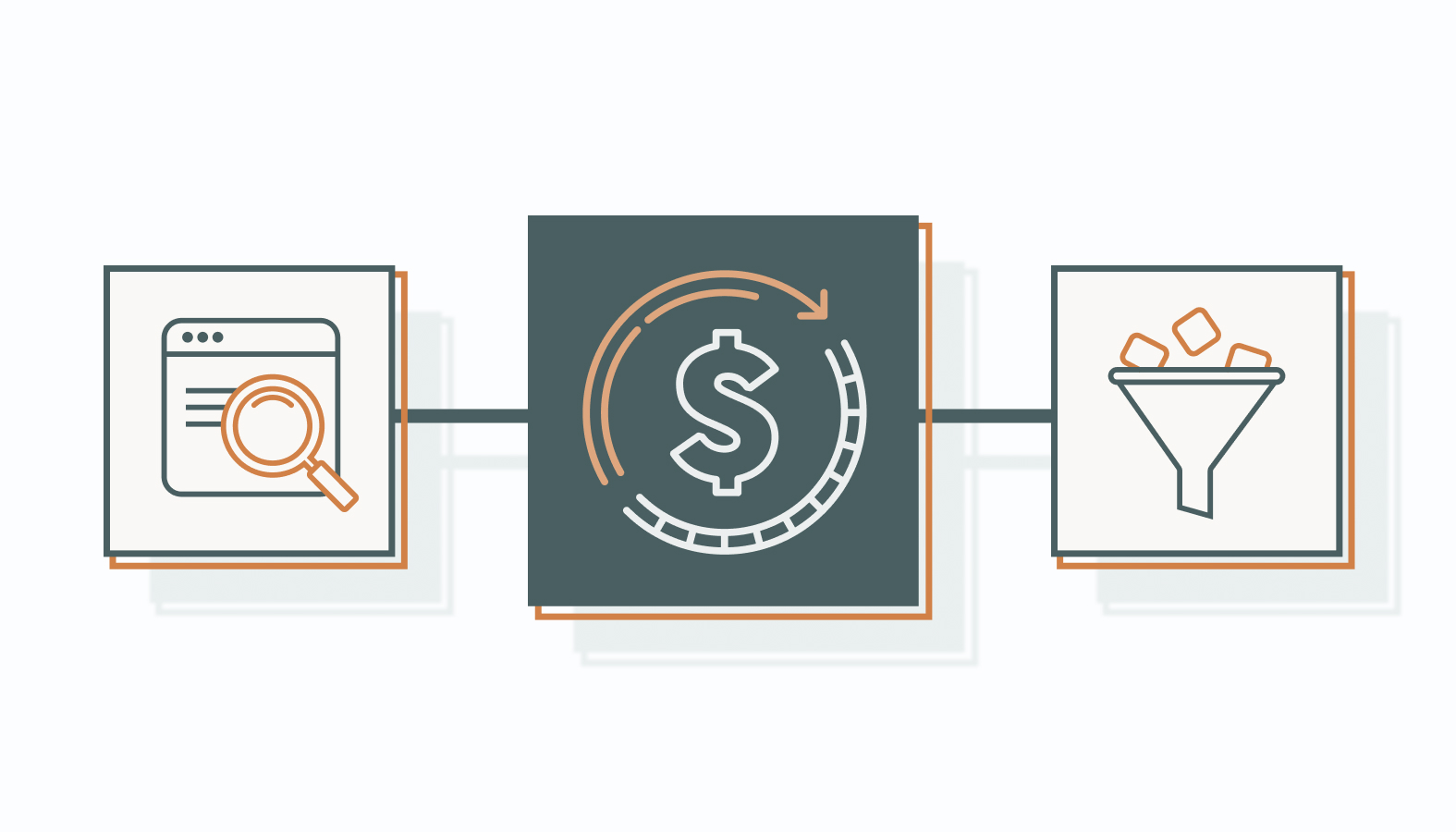
B2B PR and SEO support each other, but they do different jobs. PR builds visibility and credibility through media and industry relationships. SEO helps buyers discover and use relevant content. Coordinating the two gives earned attention somewhere useful to lead.
Driving SEO, Branded Search, and Link Authority
A feature in a relevant trade publication can build awareness and may earn an editorial backlink. When included, that link can bring referral traffic and contribute to search visibility. Not every placement includes a link, and the value depends on the linking page, its relevance, and how the link is implemented.
Over time, consistent media presence can contribute to branded search demand. Buyers who encounter your executives in relevant publications may later search for your company by name. Track that trend alongside other marketing activity, because PR is only one possible influence. The practical implication: make sure the landing pages referenced in PR placements are optimized for the conversion intent of that specific audience. Where the publisher includes a link, a feature about your approach to enterprise security should direct readers to a useful page for enterprise security buyers.
Sales Enablement: Turning Earned Media Into Mid-Funnel Collateral
Third-party press coverage can support sales enablement by giving reps credible material to share. A feature article in a credible trade publication carries authority that a company-authored case study cannot replicate; the buyer knows it wasn’t written by your marketing team. It was written by a journalist who made an editorial judgment that your company was worth covering. That distinction changes how it functions in a sales conversation.
A rep sharing an independently reported feature can support an outreach message with a third-party perspective. In a nurture sequence, a curated set of media references builds cumulative credibility that moves a hesitant buyer toward a conversation. In a pitch deck, a relevant media reference can point buyers toward independent coverage. Describe it accurately; being mentioned doesn’t mean the outlet endorses your company. For enterprise deals with multiple stakeholders, this matters even more; different stakeholders may research independently, and PR gives each of them something credible to find.
Connect PR to the content calendar before pitching. An original research report can support a contributed article, executive commentary, LinkedIn posts, and a follow-up email sequence. Link coverage to a relevant resource where the publisher allows it, then give sales a short summary explaining which buyer question it helps answer. That coordination turns a placement into material your content, social, SEO, and demand generation teams can keep using.
Match PR Assets to Buying Committee Questions
Different stakeholders need different reasons to trust a vendor. A finance leader may want evidence of commercial stability, while a technical evaluator wants to understand implementation risks. Your PR coverage becomes more useful when it helps answer those specific questions.
Consider a hypothetical cybersecurity company. Its technical executive contributes an article explaining a common security weakness. An independent industry feature examines the company’s approach, while a podcast interview gives its leadership team room to discuss deployment challenges. Each asset serves a different purpose; sending every prospect the same media roundup misses that distinction.
Build a simple coverage library that records the topic, intended audience, publication date, and buyer question each placement addresses. Sales can then choose a relevant reference for an active conversation, while marketing can use the same material in segmented nurture emails and executive social posts.
Review that library regularly. Remove outdated claims, check that links still work, and distinguish independent reporting from company-authored contributions. A useful placement can keep supporting conversations long after publication, but only while its information remains accurate and relevant.
How to Measure Your B2B PR Engine Beyond Vanity Impressions

If your PR reports are leading with impressions, reach, or advertising value equivalents, the measurement framework needs to change. Modern B2B marketing teams require data that connects to pipeline, not metrics that fill a slide deck.
Vanity Metrics That Shouldn’t Lead Your PR Reports
Advertising value equivalents (AVEs) estimate what editorial coverage would cost as advertising. That calculation doesn’t show whether the coverage reached relevant buyers, changed perceptions, or supported business outcomes. AMEC’s Barcelona Principles reject AVEs as a valid measure of communication value.
Syndicated press release wire reach has the same problem. When a release gets “picked up” by hundreds of outlets, that count may include automated republication rather than independently reported coverage. If an agency is presenting these as primary success metrics, push back. Ask for referral traffic from specific placements, segmented by source. Ask whether each publication reaches your buyers and whether any links are relevant, editorially placed, and useful to readers. Ask how many contacts who arrived via press coverage converted to a trackable outcome. If those answers aren’t available, review the tracking setup and acknowledge what it cannot capture.
The Core Growth Metrics to Track Instead
- Qualified referral traffic: Track identifiable visits from placements using referral-source reports and tagged links where publishers allow them. Review engagement and conversions alongside lead fit; time on site alone doesn’t establish purchase intent.
- Branded demand: Monitor impressions and clicks for branded queries in Search Console, alongside relevant inbound inquiries. Compare trends with your PR calendar and other campaigns rather than attributing every increase to PR.
- Link quality: Review relevance, editorial context, destination pages, and referral activity. Use third-party authority scores as supporting context, not the primary success measure.
- Share of voice: Define the publications, competitors, topics, and reporting period first. Track your share of relevant coverage and assess message inclusion and sentiment alongside mention counts.
- Assisted pipeline: Record identifiable PR touchpoints in your CRM and review associated opportunities, pipeline value, win rates, and sales-cycle length. Separate influenced pipeline from directly sourced pipeline, and treat differences as associations rather than proof that PR caused them.
Resourcing a B2B PR Strategy for Long-Term Growth

PR costs depend on the markets you’re targeting, the expertise required, and whether the scope includes research, content production, media outreach, and measurement. Compare proposals against those responsibilities rather than a headline monthly fee.
Even with an agency handling outreach, someone internally needs to review messaging, provide executive access, approve contributed content, and connect PR activity with sales and marketing. Publishers retain control over independent editorial coverage.
Whether the engagement uses a retainer, project fee, or hourly rate, agree on responsibilities, reporting, and review points. Ask for relevant placement examples and how the team evaluates audience fit and business impact. Earned coverage cannot be guaranteed, so assess both the work performed and the outcomes developing over time.
Frequently Asked Questions About B2B Public Relations
How long does it take to see tangible results from a B2B PR strategy?
B2B PR builds equity over time, not overnight. The first 90 days are almost entirely investment: building editor relationships, developing pitch angles, testing what resonates. Placements start appearing in months three through six. By months nine to twelve, a well-run program shows measurable impact on branded search, referral traffic, and share of voice. Companies that evaluate PR on a 60-day timeline are measuring the wrong window.
What determines the cost of a B2B public relations program?
Scope, target markets, content requirements, spokesperson support, and measurement needs all affect cost. Compare proposals that cover the same responsibilities, and include the internal time needed to supply expertise and review materials.
Can early-stage B2B startups run an analyst relations program?
Yes. Early-stage companies can request briefings with analysts whose research covers their market. Gartner accepts requests from nonclients, although acceptance depends on analyst interest and availability. Check each firm’s current briefing process and prepare a clear explanation of your product, customers, and market fit. A briefing is an opportunity to inform research, not a guarantee of coverage.
How does B2B PR support SEO performance?
B2B PR can earn relevant editorial links, introduce buyers to your brand, and drive referral visits. Links may contribute to search visibility, but their value depends on context and quality. Domain Rating and Domain Authority are third-party metrics, not Google ranking scores, and there is no universal DR threshold that guarantees a valuable link. PR complements technical SEO; it doesn’t replace work on crawling, indexing, or site performance.
What is the difference between a brand mention and a qualified PR placement?
A brand mention is any reference to your company, including independent reporting, social discussion, or syndicated announcements. A qualified PR placement meets defined standards for audience relevance, editorial context, and message value. Some brand mentions meet those standards; others offer little beyond visibility.
Turning B2B PR Into a Long-Term Growth Asset
Real B2B PR is not about press mention counts. It’s about building credibility in the specific channels your buyers use to evaluate vendors, consistently enough that your brand becomes a recognizable presence before a prospect ever enters your pipeline. A placement from 18 months ago can still generate referral traffic. An analyst relationship built two years ago may still inform buyer conversations today. That’s the compounding nature of earned authority, and it’s what separates PR done right from PR done for appearances.
The companies that waste their PR budget treat it as an announcement vehicle and measure it in impressions. If that’s the current framework, the first fix isn’t finding a better agency — it’s fixing the measurement model so you know what you’re building toward.
If your current marketing isn’t generating the authority or pipeline your growth targets require, start by reviewing how PR connects with the rest of your marketing. Schedule a candid conversation with one of our experts. Bring your current PR setup, your media goals, and your pipeline targets, and we’ll give you a read on where the gaps are and what’s worth building next.