


Understanding what a brand needs to stand out is more complicated than it seems. A brand positioning agency can help guide that process, but many teams start without a clear sense of what it involves or what to expect.
This guide walks through the essential stages, considerations, and insights that shape positioning work so you can better understand how market research, audience understanding, and strategic choices come together.
The Strategic Role of a Brand Positioning Agency
A brand positioning agency defines how your brand is understood in the market and why it stands apart. The focus is strategic, helping you compete on meaning, not just features or price.
It typically involves:
- Clarifying your position: what you want to be known for and who it’s for
- Identifying differentiation: where you stand apart from competitors
- Aligning messaging: ensuring your story is consistent across channels
- Guiding decisions: giving teams a clear direction for marketing, sales, and product
This is distinct from general branding work. A generalist firm handles design and campaigns, while a positioning agency defines the strategy those efforts should follow, which means fewer mixed messages, stronger alignment, and a clearer way to compete.
Why Market Leaders Invest in Professional Positioning
Strong positioning changes how customers evaluate your brand. Instead of comparing features or pricing, they see you as the best fit for a specific need.
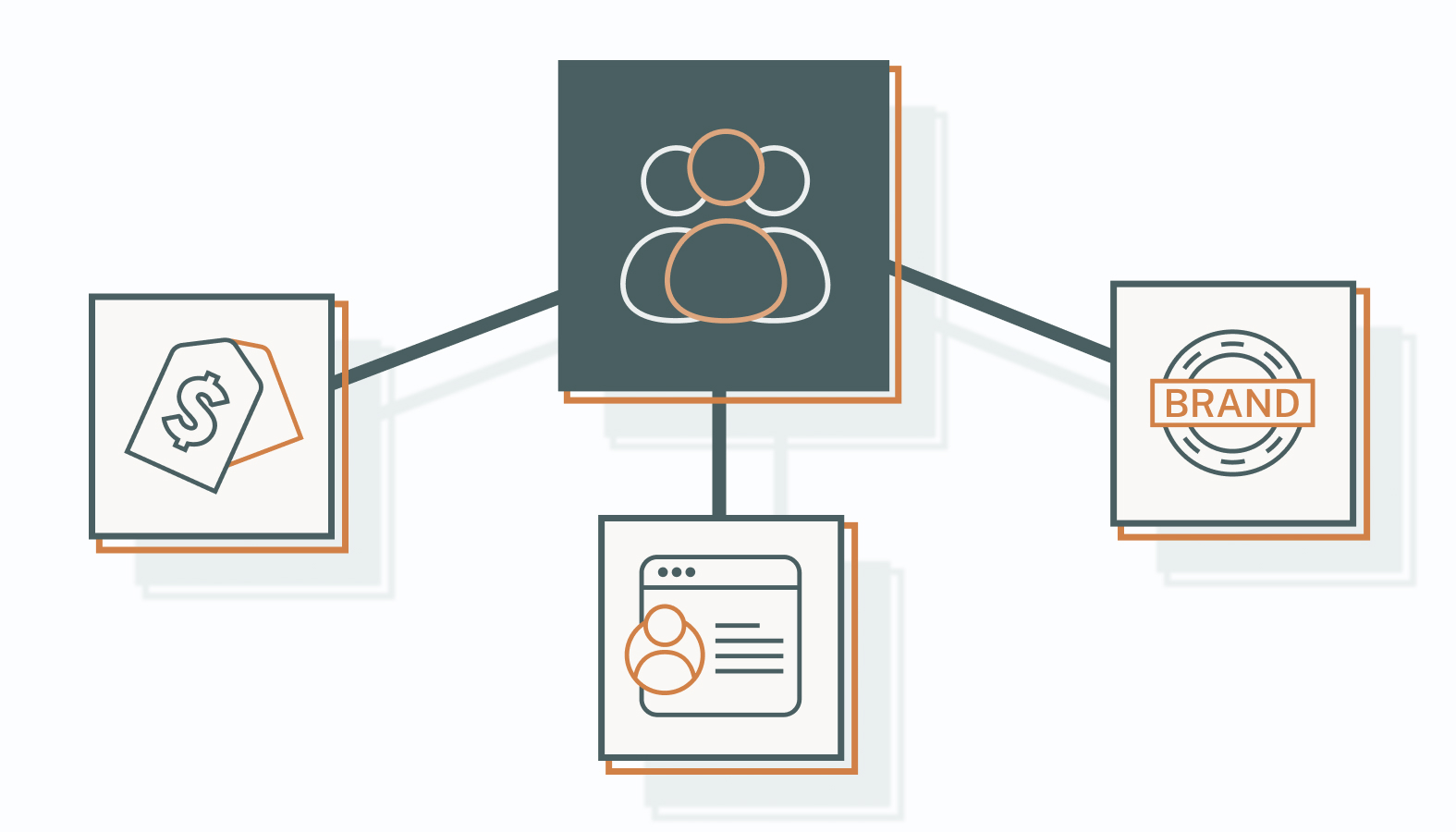
That shift has a real impact, such as:
- Higher perceived value, which supports premium pricing
- Better-fit customers who are easier to convert and retain
- Stronger brand recall in competitive markets
Without clear positioning, most brands fall into the same pattern. They compete on features, match competitors, and slowly lose differentiation.
Escaping the Commodity Trap
When every competitor says similar things, buyers default to price or convenience, and that’s the commodity trap.
Positioning breaks that cycle by defining what makes your offer distinct and relevant. You focus on being the right choice for a specific audience, instead of trying to win every deal.
Aligning Internal Culture with External Perception
Positioning also affects how teams operate internally. When your direction is clear, marketing becomes more consistent, sales conversations are more focused, and teams understand what the brand stands for.
This alignment reduces confusion and builds trust with customers over time.
What Does a Brand Positioning Agency Do?
At a high level, a brand positioning agency runs a structured process to define and validate your position in the market. It’s a series of the right research, strategy, and implementation steps designed to reduce risk and improve clarity.
The Brand Positioning Process
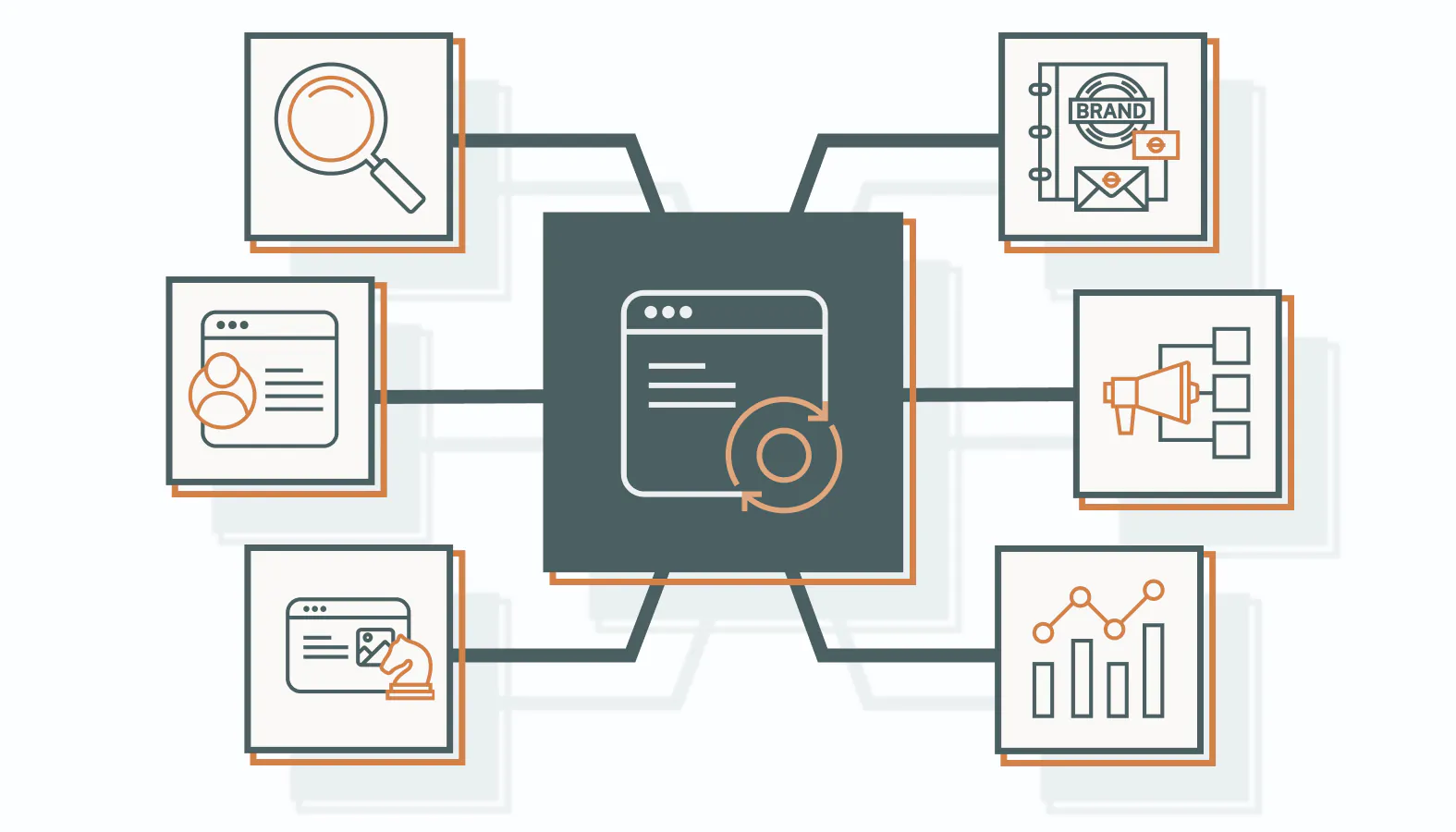
The positioning process is a structured, research-driven effort involving leadership, teams, and customer input. Here’s how agencies typically approach it:
1) Discovery & Research
They start by digging into both internal and external landscapes. Stakeholder interviews, workshops, and internal surveys surface company culture and ambitions.
Market audits, competitive analysis, and customer interviews reveal how the brand is perceived and where competitors are vulnerable.
2) Customer Profiling
They build evidence-based personas that go beyond demographics to capture motivations, pain points, and buying behaviors using customer surveys, CRM data, and behavioral analysis.
If you don’t deeply understand your customers, your positioning will miss the mark.
3) Positioning Strategy Development
Research gets synthesized into a clear positioning statement, not just a slogan, but the strategic foundation for every brand decision.
This is where the brand’s unique differentiator gets distilled into messaging that’s authentic and relevant to the target audience.
4) Visual and Verbal Identity Alignment
Positioning is brought to life at every touchpoint. Agencies align visual elements, such as logos, color palettes, and design systems, with verbal cues (voice, tone, messaging) to build recognition and trust across every interaction.
5) Implementation Guidance
Agencies support rollout across all channels, on the website, sales materials, internal comms, and provide training, toolkits, and brand guidelines so every team member knows how to execute consistently.
6) Monitoring and Refinement
After launch, agencies help measure impact and make adjustments as the market evolves. Key metrics include brand awareness, customer perception scores, sales pipeline quality, and employee engagement.
Regular feedback loops keep positioning sharp over time.
High-Impact Positioning Framework
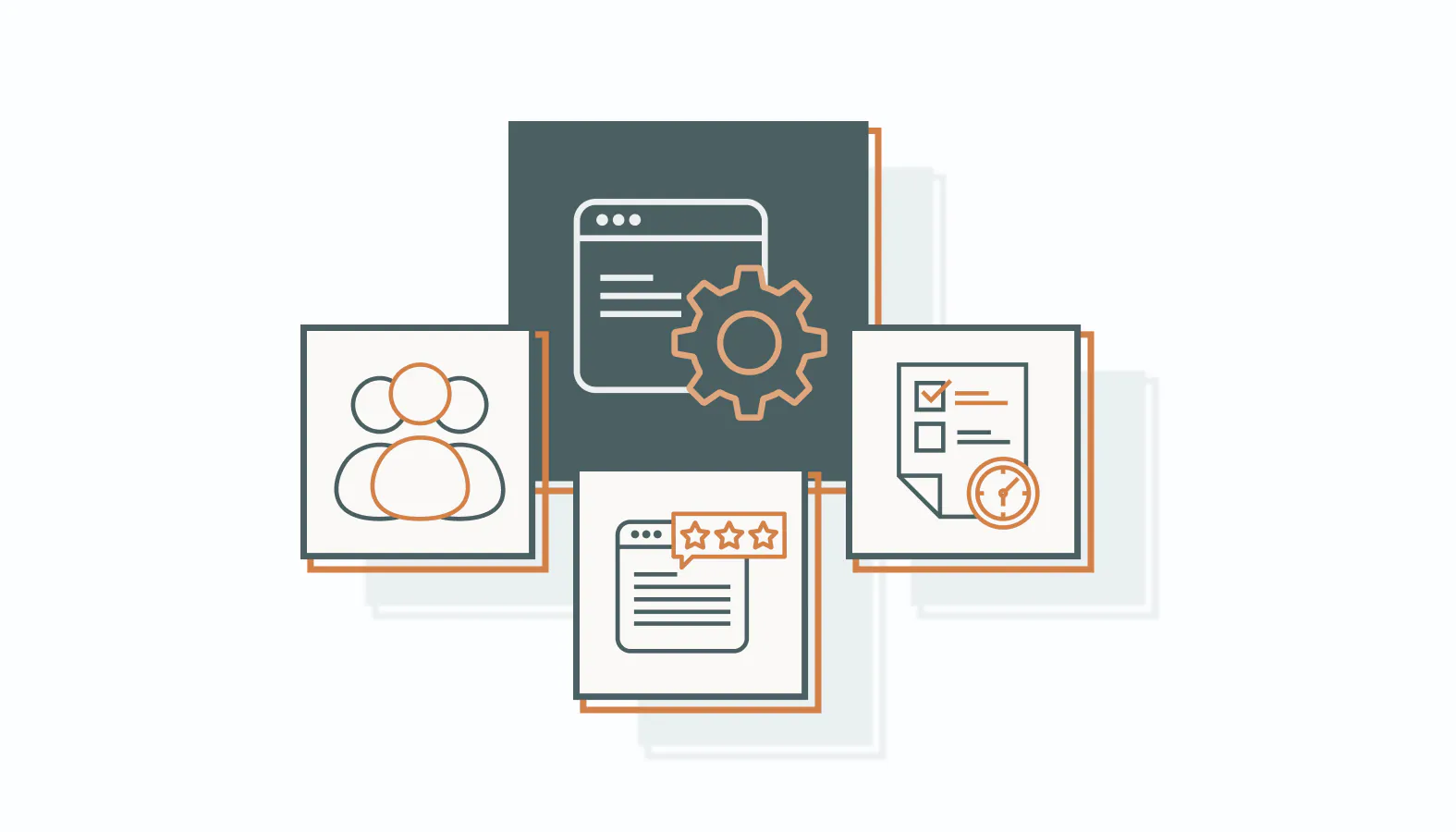
Effective positioning is built on three components: market insight, audience understanding, and a clear value proposition.
Competitive Insight
You need a clear view of the market before choosing your position.
Agencies analyze:
- Competitor messaging and offers
- Market saturation and gaps
- Customer dissatisfaction points
It helps identify opportunities where your brand can stand out.
Understanding Audience
Basic demographics are not enough. Strong positioning is based on:
- Customer priorities
- Buying triggers
- Perceived risks and objections
This allows you to connect with what drives decisions.
Core Value Proposition
The center of your positioning is your value proposition.
It answers one question: why should someone choose you over alternatives?
A strong value proposition is:
- Specific, not generic
- Relevant to a defined audience
- Difficult for competitors to copy
It should be simple enough to understand quickly, but strong enough to guide strategy.
Common Brand Positioning Challenges and Fixes
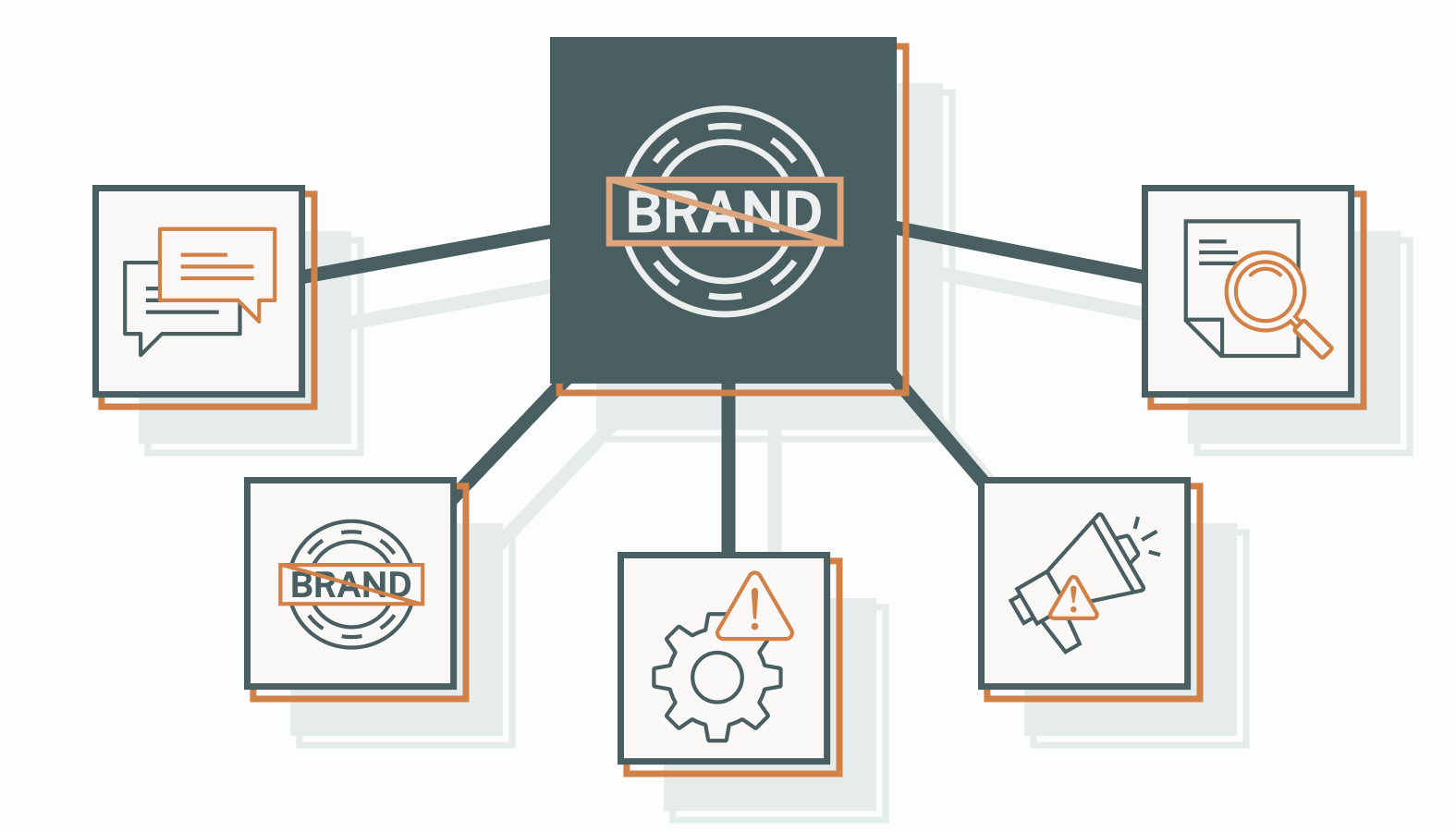
Most brands struggle with similar issues when positioning is unclear or outdated.
Lack of Differentiation
When messaging sounds like everyone else, buyers don’t see a reason to choose you.
Fix: Focus on a specific strength and build your position around it. Avoid trying to appeal to everyone.
Inconsistent Messaging
Different teams communicate different messages, which weakens trust.
Fix: Create clear messaging guidelines and apply them across all channels.
Weak Audience Targeting
If you target too broadly, your message loses relevance.
Fix: Define a priority audience and tailor messaging to specific needs and expectations.
Slow Response to Market Changes
Markets shift, but many brands hold on to outdated positioning.
Fix: Review positioning regularly and adjust based on customer feedback and market trends.
Negative Brand Perceptions
Past issues or unclear messaging can damage trust.
Fix: Address concerns directly, reinforce strengths, and stay consistent over time.
From Market Participant to Market Leader
Positioning is a system that connects research, audience insight, messaging, and execution.
When it’s done right, it gives your business a clear point of view in the market and a consistent way to communicate it. That clarity shows up everywhere, from how you describe your offer to how your sales team handles conversations.
It also creates focus. You prioritize the right opportunities and build around them. Over time, that focus compounds into stronger recognition, better-fit customers, and more efficient growth.
The key takeaway here is that positioning only works when it’s specific, consistent, and actively used across the business. Anything less gets ignored by the market.
Get Clear on Where You Stand
If you’re unsure how your brand is currently positioned or where it needs to improve, a fresh perspective can help you see what’s working and what’s not.
Schedule a candid conversation with one of our experts, and start with clarity so you can take the next step with confidence.
Frequently Asked Questions
1) What is the difference between branding and positioning?
Branding is how your company looks, sounds, and presents itself. Positioning defines how your brand is perceived relative to competitors. In simple terms:
- Branding shapes recognition
- Positioning drives preference
Both are connected, but positioning guides branding decisions.
2) Can small businesses benefit from brand positioning?
Yes. In fact, smaller companies often benefit more because they need to stand out with limited resources. Clear positioning helps:
- Focus marketing efforts
- Attract the right customers
- Compete without lowering prices
It’s less about scale and more about clarity.
3) How long does a typical positioning project take?
Most engagements take 8 to 16 weeks, depending on scope. Typical timeline:
- Research and discovery: 2–4 weeks
- Audience and market analysis: 2–3 weeks
- Strategy development: 2–3 weeks
- Messaging and rollout support: 2–4 weeks
Faster timelines are possible, but deeper research usually leads to better outcomes.