


In crowded markets, brand positioning for startups shapes how quickly buyers notice, understand, and trust your company.
With options everywhere and attention in short supply, unclear positioning slows everything down, sales take longer, marketing spreads thin, and customers hesitate.
This guide walks through the factors that influence how startups are seen, what makes them memorable, and how focus affects growth from the start.
Why Positioning is the Startup Operating System
Brand positioning isn’t a marketing add-on. It’s a core business decision that guides how your startup operates daily. At a practical level, positioning defines who you serve, what problem you solve, and why you’re the better choice.
This clarity shows up in execution:
- Product: what you build and prioritize
- Sales: how you pitch and handle objections
- Marketing: how you communicate and target
- Hiring: who supports your direction
Without clear positioning, teams make decisions in silos. Messaging drifts, priorities compete, and your brand becomes harder to understand.
With clear positioning, decisions align. Your team moves faster, messaging stays consistent, and customers quickly grasp your value. Positioning sets direction, and everything else follows.
What is Brand Positioning, and What Isn’t
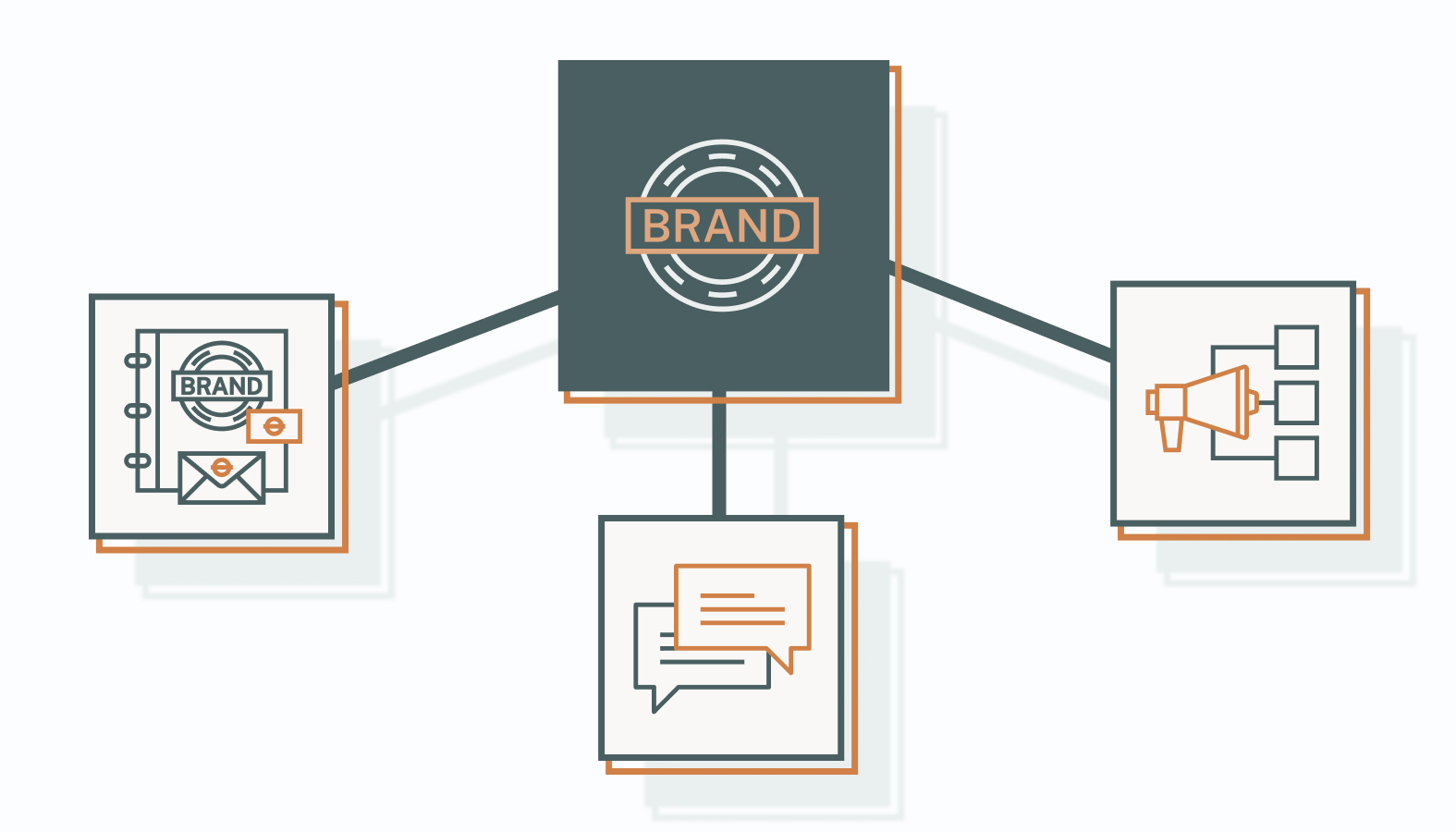
Brand positioning is your startup’s answer to one deceptively simple question: “Why should anyone choose us right now over every other option out there?”
It’s the strategic decision about who you serve, the problem you solve, and why your solution is the most compelling choice. A few common mix-ups worth clearing up:
- Branding is the visual and verbal expression of your company: your logo, colors, font, and design language. Positioning is the strategic foundation beneath all of that. You can have beautiful branding and still be lost in the crowd if you haven’t decided what makes you different.
- Messaging is how you communicate your positioning: through taglines, pitches, website copy, and more. Without solid positioning, messaging turns into noise instead of a signal.
- Marketing encompasses all the tactics and channels you use to reach your audience: ads, social, content, and events. Positioning determines your marketing message and ensures it resonates.
Branding dresses you up, messaging lets you speak, and marketing gets you out into the world. But positioning decides where you’re going, who you’re going with, and why anyone should care. Without it, the rest is just a display.
Why Positioning Comes First: The Stakes for Startups
Before you hire sales reps, launch ad campaigns, or build out your marketing engine, your brand positioning needs to be nailed down.
Scaling before you define your position amplifies confusion. Customers won’t understand what makes you special, and your teams will be pulling in different directions.
Neglecting positioning early leads to predictable and costly missteps:
- Wasted spend on campaigns that fail to resonate
- Longer sales cycles as prospects struggle to understand your value
- Price pressure because you look like just another commodity
- Internal friction as teams interpret your brand differently
- Painful pivots when you realize your original approach isn’t landing
Positioning is more than just a marketing “nice-to-have.” It’s the strategic filter for every go-to-market move you make.
Get it right early, and every dollar you spend works harder. Get it wrong or skip it, and you’ll pay for it in confusion, churn, and missed opportunity.
Elements of Breakthrough Brand Positioning
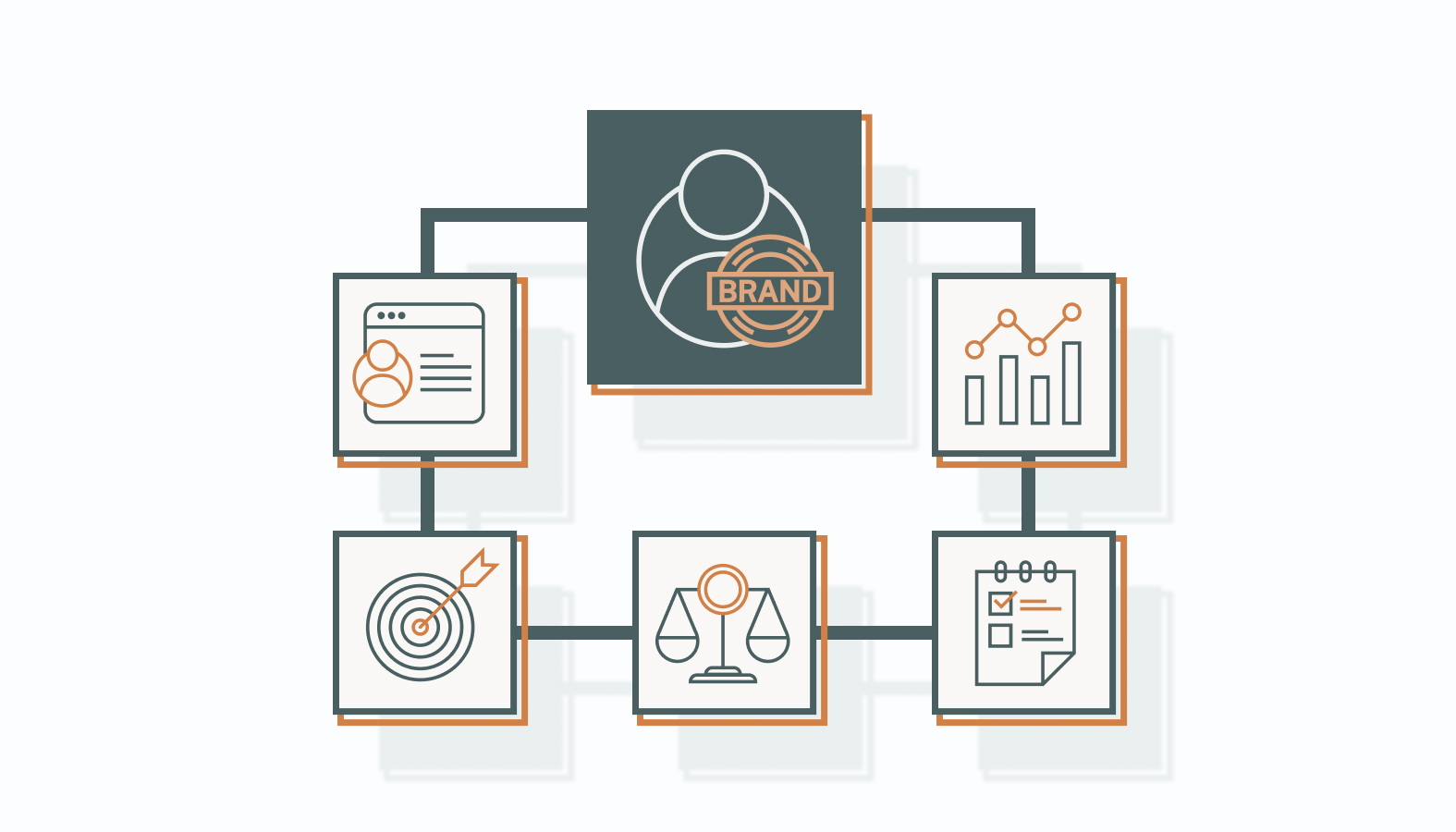
Great brand positioning is built on a clear foundation. Miss even one essential element, and your strategy turns shaky fast.
Below are the key pillars that separate startups that stand out from those that simply blend in:
1) Your Ideal Customer Profile (ICP)
Your ICP is the detailed description of your best-fit customer, the one who gets the most value from what you offer and is most likely to buy, stay, and advocate. Positioning that tries to appeal to everyone resonates with no one.
When you zero in on your ICP, every strategic choice from product features to messaging becomes far more effective. How to define your ICP:
- Analyze your best current customers and identify common traits
- For B2B: look at company size, industry, revenue, growth stage, and tech stack
- For B2C: consider demographics, psychographics, behaviors, and pain points
- Interview customers and lost prospects, and ask why they chose you or didn’t
- Identify the segment where you’re strongest and most differentiated
2) The Right Market Category
Your market category is the mental “box” customers use to understand and compare what you do. The right category frames your value and sets expectations.
Choose a crowded or vague category, and you risk becoming “just another X.” Create a new one, and you set the rules, but you’ll need to educate the market, which takes time and resources. Here are the tips for choosing your category:
- Benchmark competitors: what categories do they claim, and where are the gaps?
- Ask customers how they describe you to others
- Consider hybrid categories, such as “AI-powered HR software” vs. just “HR software.”
- Don’t be afraid to create a new category, but be ready to campaign it.
3) Your True Competitors
Your real competition is not always who you think. Sure, there are obvious rivals with similar products, but often your biggest competitor is the status quo, such as customers doing nothing or cobbling together workarounds.
Knowing your true competitors helps you sharpen your position against what customers are actually considering. How to identify true competitors:
- Ask customers what alternatives they considered, including doing nothing.
- Monitor industry reviews and forums to see what gets compared
- Map out direct, indirect, and substitute solutions
- Don’t ignore legacy processes or non-traditional options
4) Your Unique Value Proposition (UVP)
Your UVP is what makes your startup the clear choice over all others. It’s not a list of features, but the core benefit or outcome only you deliver. To uncover it, try these approaches:
- Jobs To Be Done: What job is your customer hiring your product to do?
- Before/After: What does life look like before and after using your solution?
- “Only We…”: Complete the sentence with a true, valuable, and hard-to-copy claim
If a competitor could say the same thing, it’s not unique enough. Keep digging.
5) Your Claims with Real Evidence
Bold promises are everywhere, but smart buyers want proof. Credible evidence turns your positioning from hype into trust. Strong proof points include:
- Case studies with measurable results
- Third-party endorsements or awards
- Hard metrics (e.g., “Cut onboarding time by 50%”)
- Testimonials from recognizable customers or brands
Avoid vague claims like world-class service or unsubstantiated stats. Make it easy for prospects to believe your story. Show, don’t just tell.
The Strategic Power of Effective Positioning
When your brand is sharply positioned, everything from product development to customer acquisition becomes easier, faster, and more cost-effective.

Here’s how smart positioning drives critical business outcomes:
Driving Product-Market Fit
Clear positioning helps you zero in on who you’re building for and what problems you’re solving, putting you on a faster track to product-market fit.
When your team is aligned on exactly who your ideal customer is, you get better feedback, iterate faster, and know when you’ve hit the mark. Instead of guessing, startups with refined positioning get “yes, that’s exactly me” reactions from the right users. And it makes product validation a focused sprint, not a marathon.
Reducing Customer Acquisition Cost (CAC)
When your positioning is dialed in, your marketing becomes laser-focused. You attract only the customers most likely to convert, so you waste less on scattershot campaigns and unqualified leads.
Speaking directly to a specific audience makes messaging and targeting more efficient, translating to lower acquisition costs and higher ROI.
Justifying Premium Pricing
Strategic positioning gives you the power to charge more because you’re not just another commodity. You’ve become the go-to solution for a specific problem or audience. When customers see you as the clear leader in your niche, price sensitivity drops.
Superhuman Mail, a premium email client priced at around $30/month, positions itself around speed and productivity for high-volume users. In a market dominated by free tools, it has built a loyal base willing to pay for a faster, more efficient email experience.
Internal Alignment and Velocity
A well-defined brand position isn’t just for customers. It’s a rallying point for your team. When everyone knows exactly what the brand stands for and who it’s built to serve, decisions get made faster, and execution accelerates.
Teams waste less time debating features, messaging, or the target audience. In fast-moving startups, this alignment is often the secret weapon behind rapid growth.
Step-by-Step: Developing Your Startup Positioning
This step-by-step approach is your guide for building a positioning strategy that’s both confident and clear, so you can make bold moves and carry your team with certainty.

1) Audit Your Current Perception
Before you can define where you want to go, you need an honest look at where you are today.
Auditing your current brand perception means gathering the unvarnished truth about how your company is seen internally and externally.
- Interview customers, lost deals, and prospects who never bought. Ask: What’s the first word that comes to mind when you think of us?
- Analyze online reviews, social mentions, and support tickets for recurring themes
- Run anonymous surveys with open-ended questions for employees and partners
- Listen for gaps, like what are people confused about? What are they clear on?
2) The Competitive Landscape Map
Mapping your competitive landscape is more than listing competitors. It’s about visualizing where everyone sits and spotting the whitespace.
- Plot key players on a 2×2 grid (e.g., price vs. functionality, or niche vs. broad)
- Include substitutes and do-nothing options, not just direct competitors.
- Look for clusters: Are most brands crowding one area? Where are the gaps?
- Use this map to identify where your brand can own a unique position.
3) Pinpoint Your Differentiation
It is where you figure out what truly sets you apart, what you hope makes you different, and what your customers care about.
- Write your “Only We…” statement: Only we (unique claim) for (target customer) because (state the reason).
- Ask your best customers: Why did you choose us over others?
- List your features, then translate each into a customer outcome or benefit
- Compare your promises to competitors’ promises. If you can swap logos and nothing changes, keep digging.
4) Choose Your Market Category
Decide whether you’re fitting into an existing category or carving out a new one, and make that decision intentional. Existing categories are easier for customers to understand, but offer more competition. New categories let you define the rules, but require market education.
Whichever path you choose, own it deliberately.
5) Write Your Positioning Statement
A great positioning statement is short, clear, and actionable. Use this template:
For (target customer), (brand) is the (category) that (unique value/benefit), because (reason to believe).
Example: For remote and hybrid teams, Zoom is the unified video communication platform that simplifies meetings and collaboration, because it delivers consistent performance and ease of use across devices.
Make sure your team can repeat it, and that it guides every decision.
6) Validate with Customers and Stakeholders
Don’t launch your new position without testing it first, quickly and cheaply.
- Share the draft statement with a handful of trusted customers and ask for gut reactions.
- A/B test messaging on your website or in emails
- Run informal feedback sessions with partners and employees.
- Listen: do people get it right away? Do they repeat it back accurately?
Refine based on what you hear, then roll out with confidence.
Common Pitfalls: Why Startup Positioning Fails
Even the most promising startups stumble, and often it’s not due to a lack of effort, but to predictable missteps in positioning. Here are the classic traps to avoid:
Trying to Appeal to Everyone
When you try to serve everyone, you end up resonating with no one. Broad targeting waters down your message and makes your startup forgettable. Customers want brands that understand them specifically. Buffer became a leader not by targeting all social media users, but by focusing on busy professionals who wanted easy scheduling and analytics.
Pick a lane because the narrower your target, the stronger your pull with the right audience.
Focusing Only on Features, Not Value
It’s tempting to lead with features, such as dashboards, integrations, and automation. But features don’t sell. Outcomes do. Customers buy results, not specs. Translate features into tangible benefits: 24/7 monitoring becomes peace of mind, even when you’re offline.
When your messaging leads with value, you connect emotionally and practically, giving customers a real reason to care.
Letting Aspirations Cloud Reality
Startups are built on ambition, but claiming to be a category leader or AI disruptor without evidence invites skepticism.
Position around your current strengths and real customer feedback, not just your vision for the future. You’ll build trust and avoid setting expectations you can’t meet yet.
Blending In Instead of Standing Out
In crowded markets, playing it safe is the riskiest move. If your homepage looks like every competitor’s, with the same promises and claims, you’re fighting for scraps.
Compare your homepage with your top competitors’. Can you swap logos and no one would notice? If so, you have work to do.
Find your edge, whether it’s a unique audience, a bold promise, or an unconventional approach, and make it unmistakable.
Position Your Startup for Success
Strong positioning is a set of clear, ongoing decisions that shape how your startup shows up in the market. When grounded in a defined audience, a clear category, a real point of difference, and credible proof, execution becomes more focused and consistent.
The pattern is simple. Start with focus, define how you want to be understood, and support it with evidence that customers trust. Then align your product, sales, and marketing so every touchpoint reinforces the same message.
The result is clarity that compounds. Teams move faster, messaging connects, and customers understand your value without friction. Keep refining your position as you learn and adapt, and you’ll stay competitive as the market shifts.
Get Clear and Move Faster
If your positioning is still unclear, it will continue to slow down sales, marketing, and growth.
Agency helps startups define a clear position, sharpen their differentiation, and align execution across teams. Schedule a candid conversation with one of our experts, » so you get directions you can use immediately.
We’d love to hear your story and see how we can help on your terms.
Frequently Asked Questions
1) How do I know if my startup’s positioning is working?
You’ll know your positioning is hitting the mark when you see these signals:
- Prospects quickly understand what you do and who you serve
- Sales cycles shorten because your value is obvious
- Conversion rates improve, and mismatched leads drop off early
- Customers can easily describe you to others, fueling referrals
- Buyers accept premium pricing without significant pushback
To measure and monitor: Track win or loss reasons in your CRM, regularly survey new and lost customers for feedback on your pitch and perceived value.
Watch for alignment in how your team, customers, and market describe your brand.
2) When should a startup revisit its positioning?
Don’t set it and forget it. Revisit your positioning when:
- You launch a new product or pivot your offering
- Customer feedback shifts, and you hear new pain points or objections
- Growth stalls, or you see a spike in churn or lost deals
- New competitors enter the market and change the landscape
- You move upmarket or target a new segment
Sticking with outdated positioning leads to irrelevance, lost market share, and wasted spend. Stay alert and be willing to adapt.
3) What if my market changes suddenly?
Markets can shift fast. New technology, regulations, or global events can upend your strategy overnight. Here’s how to adapt:
- Listen first: Double down on customer interviews and market research to understand what’s changed.
- Run rapid experiments: Test new messaging or offers with small segments before a full relaunch.
- Communicate clearly: Keep your team and customers informed about what’s changing and why.
- Move fast: When COVID-19 hit, companies like Zoom and Shopify pivoted their messaging almost instantly to capture massive new demand by moving faster than the competition.
Agility isn’t about panic. It’s about staying tuned in and repositioning with intention.