


Running customer retention strategies and expansion plays in parallel at year-end often creates competing priorities on the same account and can put both the renewal and expansion opportunity at risk.
A rep chasing an upsell on an account that’s showing churn risk can jeopardize both the renewal and the expansion in the same call. The customer hears “buy more” when they need someone to notice they’ve gone quiet. The fix is sequence, not balance: effective customer retention strategies stabilize the account before they pursue expansion.
Stabilize the account first. Expansion comes only after it shows clear signs of health, not simply because the CRM says it is healthy. This six-week playbook gives Sales and CS a defined sequence: which accounts to prioritize, when to intervene, when to escalate, and when to stop pursuing an opportunity.
Week 1 & 2: Churn Isolation and the 2-Axis Account Triage
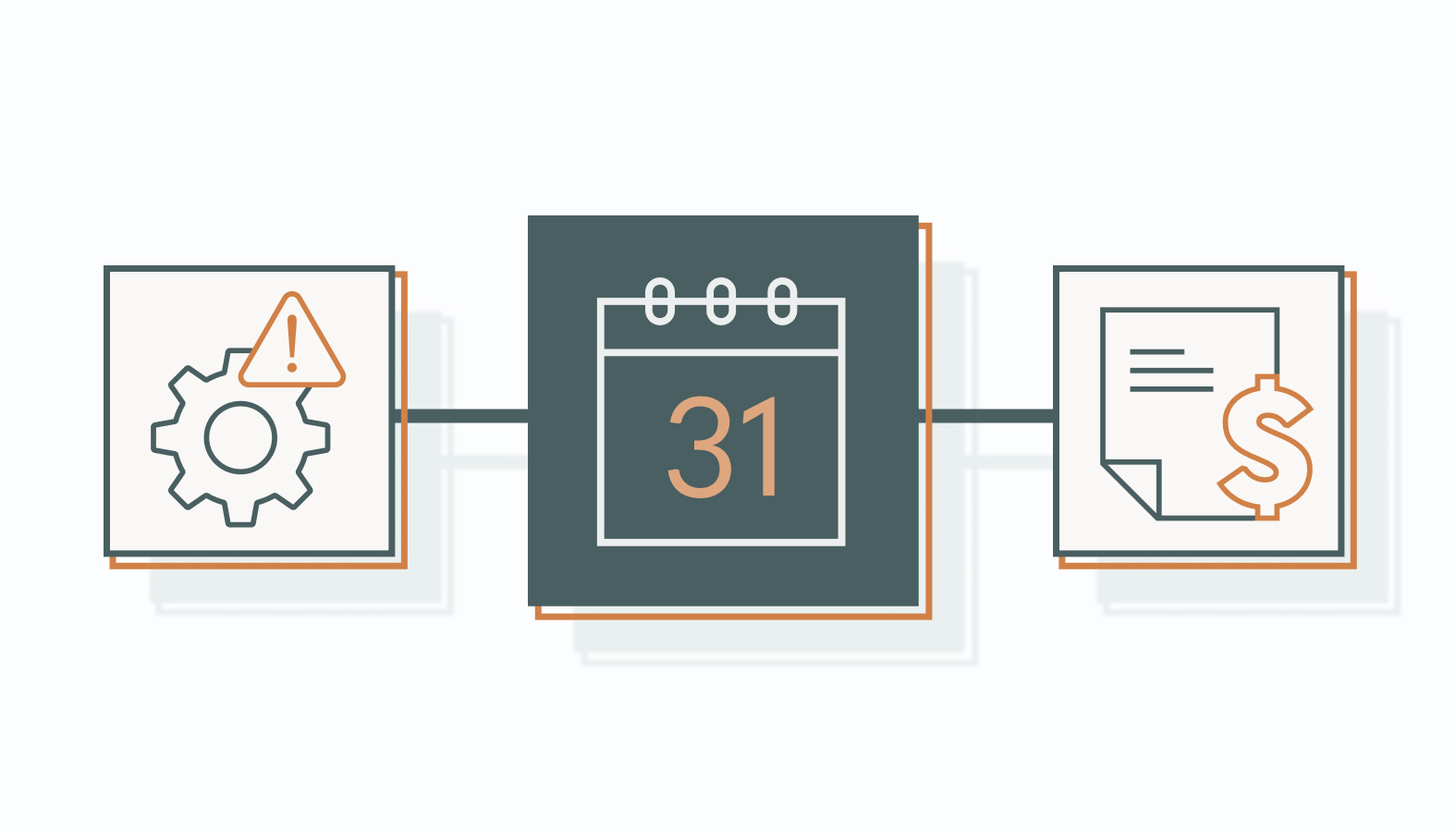
Weeks 1 and 2 have one job: isolate renewal risk before Sales or CS invests time in expansion. Build the at-risk cohort first, then assign owners and next actions.
For the first two weeks, pause proactive expansion outreach on accounts that have not passed the health triage. Existing expansion opportunities can continue only when the account has no material renewal risk. Frontline capacity should otherwise prioritize the at-risk cohort. A late-stage deal does not override a material renewal risk signal. Pushing the deal forward risks the account, as well as every other account that rep touches this quarter.
Score every account on two axes: Account Health and Expansion Potential. Then place each account into one of four action groups: Save (material churn risk), Stabilize (declining health but recoverable), Expand (healthy with a validated expansion need), or Monitor (healthy with no immediate expansion trigger).
Prioritize accounts in this order: high-ARR/high-risk accounts first; high-ARR accounts with stable health and a validated expansion trigger second; lower-ARR accounts with a clear intervention path third. Do not let expansion potential outrank renewal risk.
The two-axis model answers two separate questions: Is the account healthy enough to retain, and does it have enough expansion potential to justify additional Sales or CS capacity? A high-ARR account with declining health needs retention intervention; a healthy, high-potential account can move into expansion.
Use these signals as triggers for review. A single severe signal can move an account directly into the at-risk cohort; weaker signals should be evaluated in combination. Gainsight describes health scores as an early-warning mechanism built from signals such as usage, support, sentiment, and engagement, helping surface risk before a customer ever says the word “cancel”:
- Engagement signals: High-ARR accounts with zero logins or a steep drop in feature adoption within 45 days.
- Relationship signals: The main champion or economic buyer leaves the company. Stakeholders go non-responsive after multiple outreach attempts.
- Commercial signals: Payment delays running for multiple months. Active competitor evaluations underway that CS or Sales has picked up on.
Treat an account as unrecoverable when cancellation is formal or the budget is definitively unavailable. Don’t spend Q4 hours on what’s already decided. Every hour there is an hour not spent on an account that could still be saved.
Week 3: The Health Re-Score and Operational Escalation
Week 3 determines which accounts stabilized, which need escalation, and which should be moved to a scaled support path. Nothing moves forward without this checkpoint first.
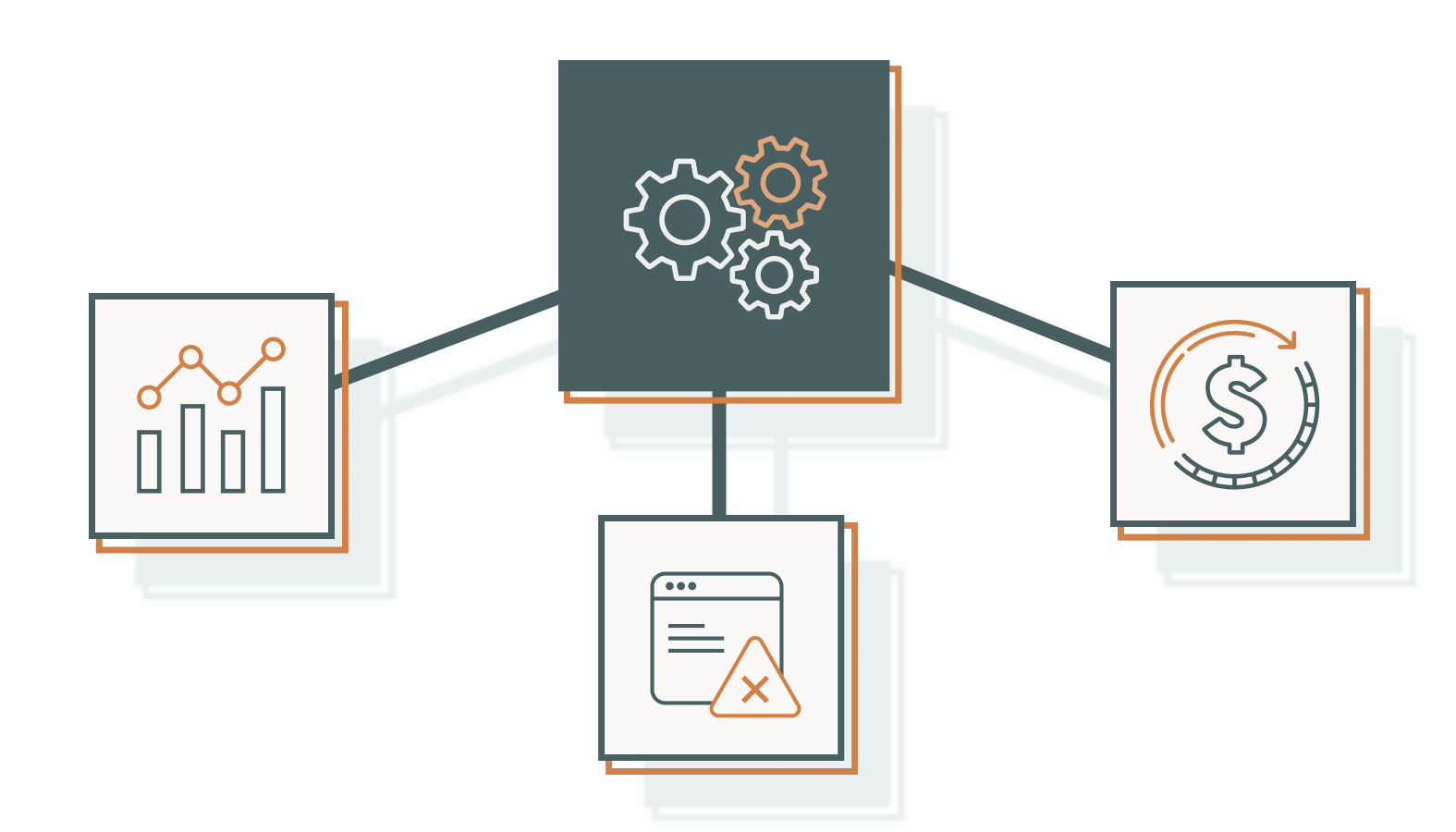
This week runs in three distinct steps, with each decision informing the next.
1) The Re-Score. Re-run health scores on every account touched in Weeks 1 and 2. Accounts showing measurable stabilization, increased engagement, and renewed stakeholder responsiveness can move back into consideration for expansion. Accounts that do not improve remain frozen, regardless of the opportunity’s forecasted value.
2) The Escalation. Stagnant enterprise accounts that haven’t responded to standard outreach get escalated to leadership immediately. That means executive-to-executive contact or contract restructuring, not another round of the same emails. When your CSM cannot reach the customer’s VP, an executive-to-executive outreach can signal that the issue has enough importance to warrant leadership attention.
3) The Hard Cut. If the projected cost of continued intervention materially exceeds the account’s remaining contract value or strategic value, move the account to a scaled or automated support path unless there is a strategic reason to retain it. Automate what you can, and move those hours to accounts that can pay for them. This isn’t about giving up on smaller accounts. It’s about being honest about where a manager’s limited hours generate the most return.
Week 4 & 5: Execute Targeted Cross-Selling and Upselling Plays

Weeks 4 and 5 are reserved for expansion plays on accounts that have cleared the Week 3 health gate: engagement has recovered or remained strong, renewal risk is controlled, and the expansion need is supported by customer data.
Deploying Data-Driven Upselling Techniques
Effective upselling techniques start with product usage data, not a quota deadline. A customer approaching a seat cap or a capacity limit gives you a provable reason to upgrade. That beats “it’s Q4, let’s talk about the next tier,” since it’s grounded in what the customer is already experiencing, not your calendar.
Pull the actual usage data before the call. Show the customer where they are relative to their limit, not where your sales calendar needs them to be. Userpilot’s analysis of SaaS upselling recommends triggering expansion prompts around behavioral and usage signals rather than relying solely on calendar-based outreach. A customer at 92% of their seat cap already knows they have a problem. Your job is showing them the specific solution, not inventing urgency that isn’t there.
Strategic Cross-Selling Mechanisms
Use cross-selling when a documented customer problem maps directly to another product, module, or service. The CS record should show the problem before Sales introduces the solution. If a customer flagged a workflow gap three months ago, and a second product closes it, that’s the opening. Reference the issue by name, so the customer hears “we remembered” instead of “we’re selling.”
Keep the roles clean between teams. Customer Success stays consultative and keeps the relationship. When commercial terms enter the conversation, Sales owns the negotiation while CS preserves the customer context. The handoff should include the documented need, account health, stakeholders, desired outcome, objections, and agreed next step.
Week 6: The Year-End Closing Funnel and Alignment Review
Week 6 is for closing active opportunities, removing blockers, and making clear Q1 deferrals, not starting new expansion motions. New interventions should be limited to strategic accounts where the expected revenue justifies the compressed sales cycle.
Compare each renewal’s expected close date against the remaining fiscal-year runway, including procurement, legal, security, and customer approval requirements. If those steps make a year-end close unrealistic, formally move the opportunity to Q1 and preserve the context for reactivation. Focus those hours on opportunities with a realistic path to year-end revenue.
Run a 15-minute daily revenue-risk standup with Sales, CS, and Finance. Review only accounts with a decision, blocker, or deadline within the next seven days. This is where procurement and billing bottlenecks get stopped, not in a spreadsheet nobody checks. Keep it to 15 minutes. Longer than that, and teams stop showing up.
Tag every unclosed deal with a specific reason code before deferring it to Q1. “Legal review pending” and “budget not yet approved” tell your team something concrete. “Stalled” tells them nothing, and you’ll be reconstructing the story from memory once the details are already fuzzy.
The Q4 Command Center: Metrics That Protect Retention and Drive Expansion

Tracking pipeline value alone is a lagging trap, since it tells you what already happened, not what’s about to happen next week.
| Metric Name | What It Measures | Target Threshold | Review Frequency |
| Net Revenue Retention (NRR) | Total revenue retained plus expansion minus contraction and churn, as a percentage of starting ARR | >100%; benchmark by segment and pricing model | Weekly in Q4 |
| Gross Revenue Retention (GRR) | Renewal revenue retained from the existing customer base, excluding any expansion revenue | 85%+; 84% is the 2025 median | Weekly in Q4 |
| Health Score Movement | Percentage of at-risk accounts showing measurable week-over-week health score improvement | >60% positive movement across all active retention interventions | Weekly in Q4 |
| Upsell Pipeline Coverage | Total dollar value of open upsell opportunities divided by remaining year-end expansion quota | 3x coverage minimum | Weekly in Q4 |
| Time to Renewal Close | Average days from active outreach initiation to a legally signed renewal contract | Must be fewer than the remaining days left in Q4 | Weekly in Q4 |
Use these metrics as operating signals, not just a scoreboard. Health Score Movement shows whether retention efforts are changing account behavior, while Upsell Pipeline Coverage and Time to Renewal Close show whether expansion and renewal opportunities have enough coverage and runway. GRR and NRR measure the current state of the revenue base. Aleph’s 2026 benchmark research, drawn from 342 B2B SaaS companies, found median GRR at 84%, with top-quartile companies at 91% and the bottom quartile at 76%. Use that benchmark as context, not a universal target. Health Score Movement indicates whether the Week 1–2 triage is changing account behavior, while Upsell Pipeline Coverage and Time to Renewal Close show whether the opportunities in Weeks 4–6 have enough coverage and runway to contribute to the year-end target.
Frequently Asked Questions
1) Why focus on customer retention strategies over new logos in Q4?
In the final 6–10 weeks of the fiscal year, existing accounts often offer a shorter path to revenue than new-logo opportunities because the relationship, product familiarity, and commercial history already exist. That does not mean abandoning new-logo sales; it means prioritizing the revenue opportunities most likely to close in the time remaining.
2) What are the biggest risks of pushing year-end upselling strategies too hard?
Three risks: it can make the relationship feel transactional, introduce a commercial conversation before renewal risk is controlled, and create conflicting messages when Sales and CS approach the account with different agendas.
3) Why is customer retention important for long-term SaaS valuation?
NRR above 100% means the existing customer base is generating more recurring revenue than it did at the start of the measurement period after accounting for expansion, contraction, and churn. That makes retention and expansion especially important to efficient SaaS growth.
4) How do B2B retention and upselling techniques differ from B2C frameworks?
B2B retention requires managing multiple stakeholders, contract timelines, procurement, adoption, and renewal risk. That makes account-level coordination between CS and Sales especially important. This sequencing framework applies specifically to B2B subscription or SaaS contexts.
5) What is a realistic timeline to see results from these combined efforts?
Expect early signals such as improved engagement, stakeholder responsiveness, and health-score movement within one to two weeks. Contract outcomes may require three to six weeks or longer, depending on procurement, legal, and approval requirements.
Prioritize Customer Retention Strategies Before Expansion
Customer retention isn’t a nice complement to expansion revenue. It’s the prerequisite. An account has to be stable before it can be expanded. Skip that order, and you put both the renewal and the upsell at risk in the same motion, regardless of how good the pitch itself was.
Start with three moves this week:
- Run the 2-axis triage across your book of business.
- Set the Sales-CS-Finance review cadence and assign account owners.
- Block the six-week sequence on your team’s calendar and define the Week 3 expansion gate.
The accounts that stabilize in Weeks 1–3 become the strongest candidates for expansion in Weeks 4–5. Skip the sequence, and you’ll spend December trying to recover both with far less time and far fewer options.
If your team has a revenue gap but no clear account-prioritization system, schedule a candid conversation with one of our experts. We can help map your book of business against the six-week sequence and identify where Sales, CS, and RevOps need to act first.