



SEO audits rarely reveal problems overnight, but they quickly show why a page might lose visibility, a competitor moves ahead, or traffic stalls. Issues can quietly build beneath the surface, affecting rankings.
Audits give you a full view of your site’s search performance, uncovering technical glitches, content gaps, weak internal links, and other hidden factors. Websites grow more complex over time, and search engines change constantly.
Regular checks prevent small issues from compounding, and most problems are fixable once identified.
In the sections ahead, we’ll show how audits work, what to review, and how to turn findings into a clear plan for stronger rankings.
Benefits of Regular SEO Audits
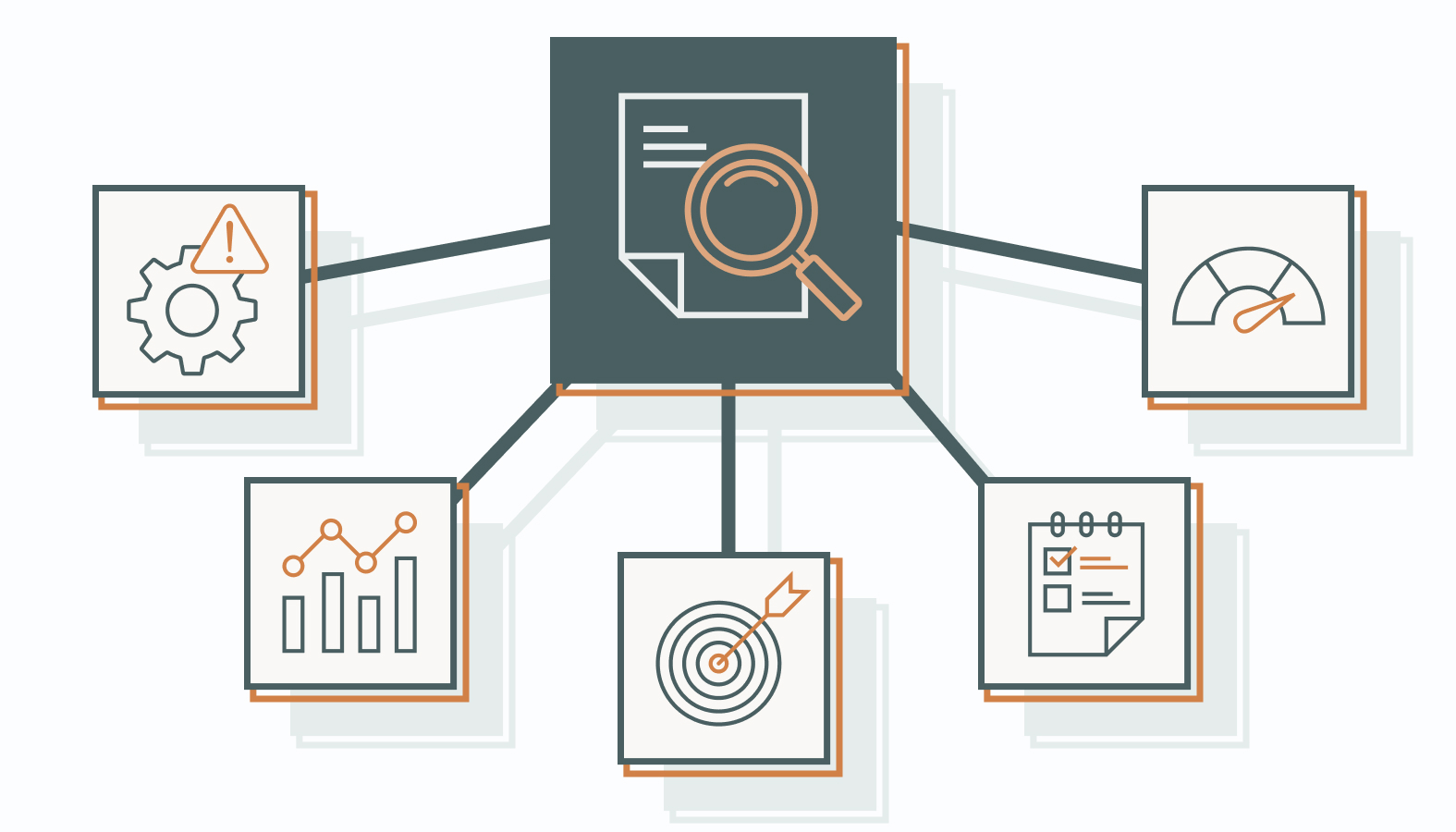
Regular SEO audits help you identify issues early, prioritize improvements, and drive measurable growth.
Core benefits of routine SEO checkups include:
1) Uncover and Resolve SEO Issues Fast
Speed is everything in the digital world. Regular SEO audits empower you to spot and fix technical or content problems before they snowball.
You might discover:
- Broken links that hinder search engine crawling
- Duplicate or missing meta tags that dilute keyword targeting
- Slow page load times that drive visitors away
- Outdated or thin content
By catching these issues early, you prevent ranking drops, lost traffic, and missed revenue. Staying ahead of problems is cheaper and easier than recovering from them.
2) Get Clearer, More Actionable SEO Reporting
SEO audits transform raw data into clear, actionable insights. Instead of endless spreadsheets, audits give reports highlighting what works, what doesn’t, and where to act first.
You can:
- Track progress over time
- Communicate results to stakeholders without jargon
- Prioritize high-impact efforts
- Set smarter goals, justify budget requests, and guide SEO strategy
3) Focus Your Marketing Efforts on What Drives Results
Not all SEO tasks are equal. Audits help you target the activities that truly grow your business.
Maybe your audit reveals:
- A handful of high-value pages drive most organic traffic
- Certain keywords are ready for a rankings push
This focus reduces wasted effort and increases ROI.
4) Monitor Keyword Gains and Website Growth
Rankings and traffic shift constantly. Regular audits let you track:
- Keyword ranking changes
- Growth in organic search traffic
- Conversion changes from organic sources
Monitoring these metrics helps spot trends, measure optimization impact, and adjust strategy in real time.
5) Benchmark and Outpace Your Competitors
SEO audits allow you to compare your performance against rivals. You can identify:
- Gaps in your keyword or content strategy
- Areas where competitors have stronger backlinks or faster site speed
- Opportunities to differentiate and leapfrog in rankings
Armed with these insights, you can close gaps, exploit weaknesses, and gain a bigger market share.
Types of SEO Audits (What to Check and Why)
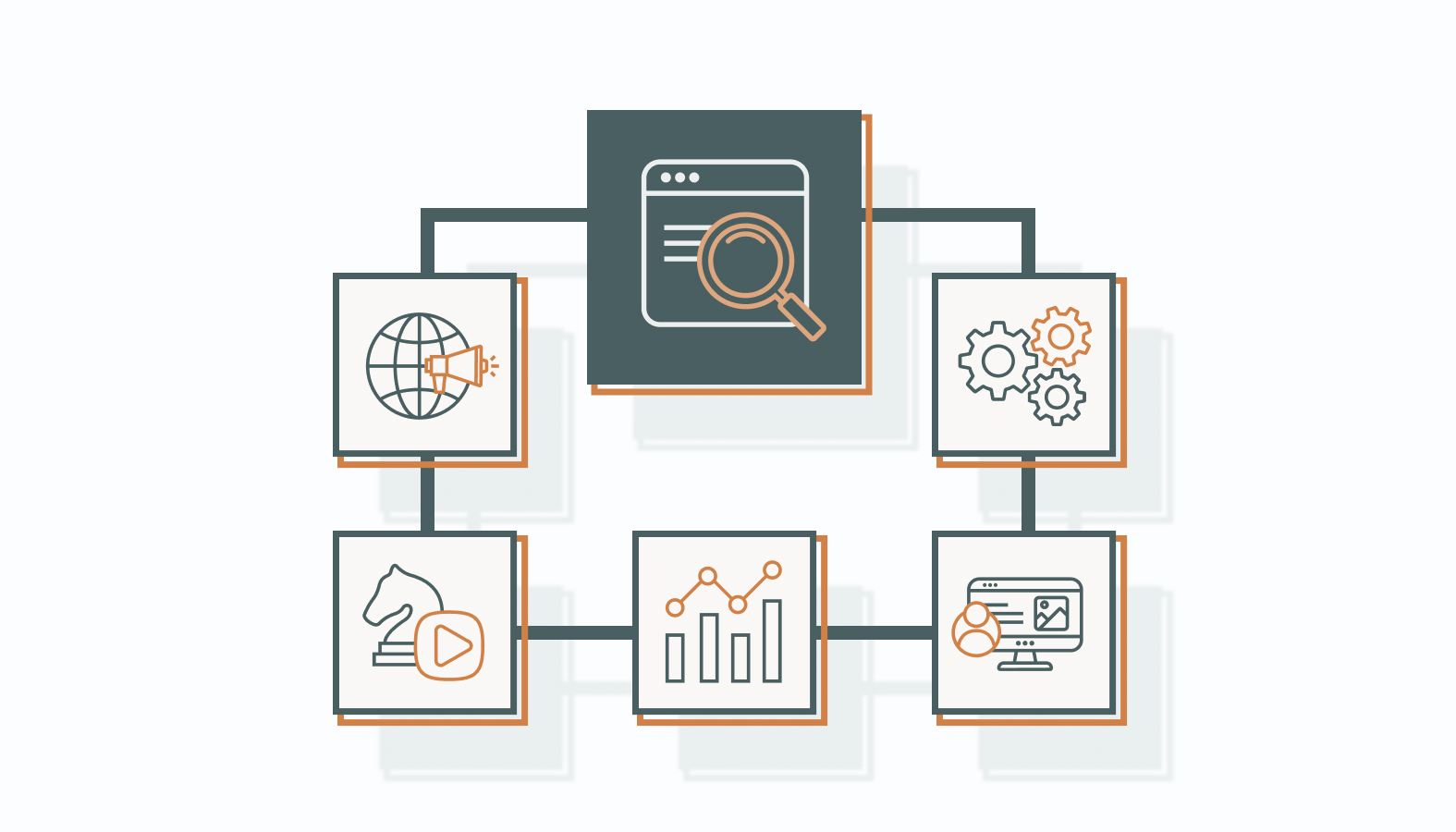
SEO is a system. Different audits focus on different site aspects, helping you spot hidden issues.
Keyword Strategy Audit
A keyword audit ensures your site speaks the language your audience is actually searching for.
Focus on: Are they still relevant to your business? Do they match the search intent of your ideal customers? Are you missing opportunities for high-value terms?
Steps to optimize:
- Map primary and secondary keywords to pages, spotting gaps or overlaps.
- Use tools like SEMrush or Ahrefs to find trending keywords or common customer questions.
- Identify keywords close to page one and adjust content or on-page SEO to improve rankings.
Content Audit
Content drives SEO, but gaps can form over time. A content audit helps you identify where your site falls short.
Look for:
- Thin content: Pages that don’t fully address user needs
- Outdated information: Content that no longer reflects current offerings or search intent
- Missing topics: Areas competitors cover that you don’t
This audit highlights where your content lacks depth, relevance, or coverage.
Technical SEO Audit
Even great content won’t rank if search engines can’t access it.
Key technical factors to audit include:
- Site speed: Slow pages frustrate users and hurt rankings.
- Mobile-friendliness: Make sure your site works well on all devices.
- Crawlability & indexation: Ensure search engines can find all important pages and fix broken links or redirect loops.
User Experience (UX) Audit
Search engines increasingly reward sites that deliver a seamless, user-friendly experience.
Focus your UX audit on:
- Navigation: Can users find what they need quickly?
- Design: Is it consistent and visually appealing?
- Mobile usability: Are buttons, menus, and forms easy to use on phones?
- Accessibility: Is the site usable for people with disabilities?
UX improvements boost SEO, engagement, and conversions.
Backlinks and Off-Site Authority Audit
Your site’s reputation depends on who links to it.
To assess your backlink profile:
- Quality: Are links from relevant, trustworthy sites?
- Toxic links: Are there harmful links that could hurt rankings?
- Diversity: Do you rely too heavily on a single source?
Build authority through guest posts, partnerships, and turning brand mentions into backlinks.
How to Run an SEO Audit: A Step-by-Step Approach
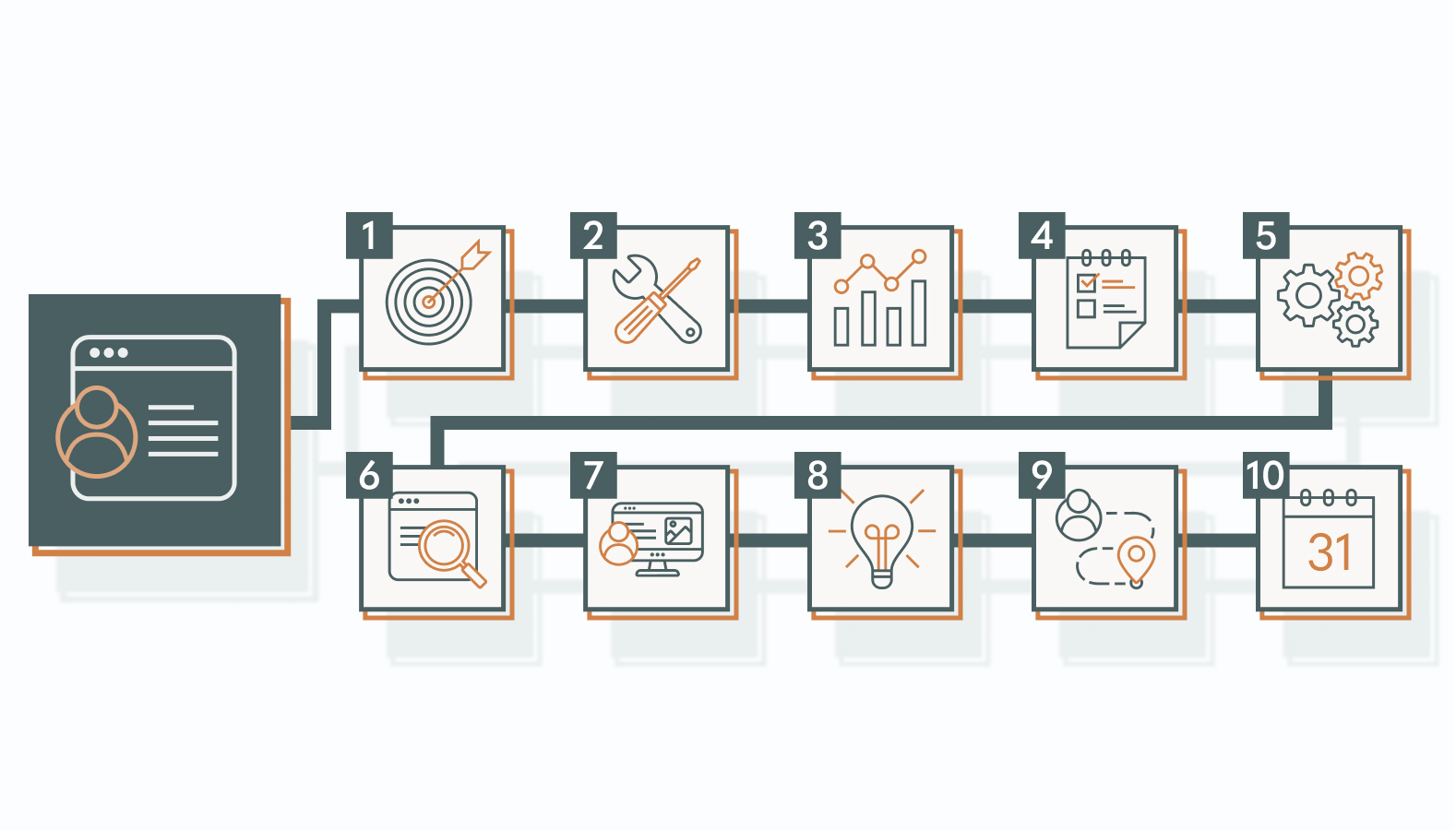
An SEO audit can feel overwhelming, but breaking it into clear steps makes it manageable. Follow this process to spot issues, uncover opportunities, and build a practical roadmap for improvement.
1) Set Clear Goals and Define Audit Scope
Begin with clarity. Ask yourself:
- What do I want this audit to achieve? Higher traffic, more conversions, or competitive insights?
- Which sections of the site will I review: technical, content, backlinks, or everything?
- How do audit goals align with broader business priorities?
Defining scope ensures your audit produces actionable, relevant insights.
2) Identify Tools You’ll Use
When it comes to SEO audits, the right tools give you a complete view of your site.
- Crawling tools scan your site for technical and on-page issues.
- Analytics tools provide traffic and performance insights.
- Backlinks tools analyze your link profile.
- Keyword research tools help with keyword opportunities and tracking.
3) Crawl and Analyze Your Site
Check if search engines can find and index all your important pages.
Scan your website the way search engines do to find:
- Broken links
- Missing or duplicate meta tags
- Redirect issues
- Crawl errors
Use your crawler to generate a list of URLs and compare it to your sitemap. Look for pages blocked by robots.txt, noindex tags, or canonicalization issues.
Google Search Console’s “Coverage” report and flag anything that could block search engines from indexing your content.
4) Review On-Page Content
Once gaps are identified, focus on improving and expanding your content.
Take action by:
- Expanding thin pages with useful details, visuals, or FAQs
- Refreshing outdated content to align with current intent
- Creating new pages to fill high-value gaps
Then refine structure, headings, and keyword targeting to strengthen relevance and performance.
5) Technical SEO Checks
Make sure search engines can access and index your site properly:
- Site speed: Fix bottlenecks slowing down pages.
- Mobile-friendliness: Ensure a seamless experience on phones and tablets.
- Security: Confirm HTTPS is in place.
- Crawlability: Check robots.txt, sitemaps, and canonical tags.
- Error handling: Fix broken links, redirect loops, or other technical barriers.
Technical SEO fixes often deliver quick wins for rankings and user experience.
6) Assess Backlinks and Off-Site Authority
A healthy backlink profile strengthens your site’s trust with search engines:
- Check for high-quality, relevant links.
- Identify and disavow toxic or spammy links.
- Look for opportunities to earn links via guest posts, partnerships, or digital PR.
- Turn brand mentions into backlinks when possible.
7) Evaluate User Experience
Good UX keeps visitors engaged and reduces bounce rates:
- Clear navigation and site structure
- Consistent and visually appealing design
- Test your site on mobile devices for usability. Check buttons, menus, forms work well
- Accessibility: content usable for people with disabilities
Improvements here help both SEO and overall customer satisfaction.
8) Make Sense of Your Findings
After collecting data, prioritize actions:
- Which issues are most widespread or damaging?
- Which fixes deliver the biggest impact for the effort?
- Which findings line up with your original goals?
Create a clear list of recommendations, organized by urgency and potential ROI.
9) Build an Actionable SEO Roadmap
Insights are only as good as the action they inspire. Translate your audit findings into a clear, step-by-step SEO improvement plan:
- Set deadlines for fixes and improvements.
- Assign responsibilities to team members.
- Track progress in a spreadsheet or project management tool.
- Review and update the roadmap regularly.
A structured approach ensures your audit leads to measurable results, not just a list of issues.
10) Plan Your Audit Schedule
How often should you perform an SEO audit? There’s no one-size-fits-all answer, but SEO is ongoing, and most businesses benefit from at least two comprehensive audits per year. A simple guideline based on site size:
- Small, static sites: At least once a year
- Growing or active sites: Every 3–6 months
- Large, dynamic, or e-commerce sites: Audit quarterly (every 3 months).
Some situations call for more frequent audits:
- Fast-changing industries like tech, finance, or e-commerce
- Large, complex sites with hundreds or thousands of pages
- Sites with frequent content, product, or technical updates
You should also audit after major events:
- Site redesigns or migrations
- Sudden drops in traffic or rankings
- Algorithm updates
- Launching new products or sections
- Security incidents
Regular audits help you catch issues early and keep your site healthy, competitive, and ready for growth.
Common SEO Audit Mistakes to Avoid
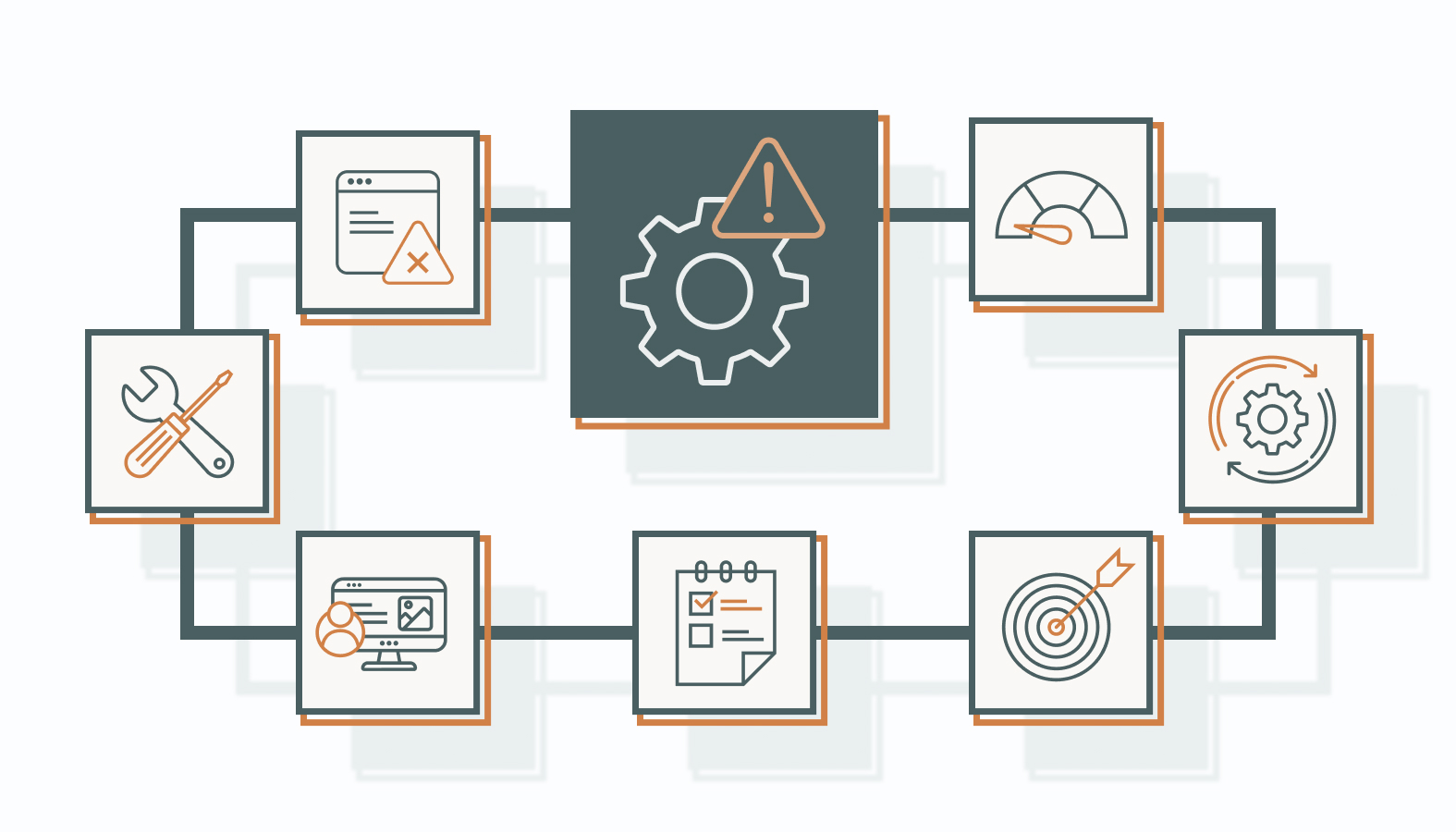
Even experienced teams can stumble when running SEO audits. Avoiding these common mistakes ensures your audit drives real improvements:
- Overlooking Technical Issues. Slow pages, broken links, and improper redirects can silently hurt rankings and user experience.
Tip: Run a full site crawl and fix high-impact technical errors first—they’re often quick wins.
- Relying on a Single Tool. No tool catches everything. Limiting yourself to one platform can hide issues.
Tip: Combine crawling, analytics, and backlink tools for a complete view of your site.
- Ignoring Mobile and UX. Mobile usability and user experience affect both visitors and rankings. Poor navigation, hard-to-read text, or inaccessible design can drive users away.Tip: Test your site across devices and make UX and accessibility a standard part of every audit.
- Losing Sight of Business Goals. Focusing solely on technical fixes without connecting them to objectives can waste effort.
Tip: Define clear audit goals and tie recommendations to broader marketing and business priorities.
- Skipping Prioritization. Listing issues without context can overwhelm your team.
Tip: Organize findings by impact and urgency, and provide clear, actionable recommendations.
- Not Following Up. An audit is only valuable if changes are implemented.
Tip: Build an action plan with timelines and responsibilities, and track progress regularly.
- Forgetting Competitor Benchmarking. Internal audits alone may miss opportunities your competitors are exploiting.
Tip: Include competitor comparisons to spot gaps and new growth opportunities.
By avoiding these pitfalls, your SEO audits become a practical tool for ongoing site improvement and measurable results.
Top SEO Audit Tools to Simplify the Process
The right tools make SEO audits faster, easier, and more effective. With so many options, knowing which tools to use matters.
Here’s a quick guide to the top tools and what they do best.
- Screaming Frog SEO Spider – Crawls your site to spot broken links, duplicate content, and missing tags. Good for deep technical audits on large or complex sites.
- SEMrush Site Audit – Covers technical, on-page, and off-site SEO with clear recommendations. Useful for ongoing audits in a single dashboard.
- Ahrefs Site Audit – Fast, cloud-based crawler with easy-to-read reports and prioritized issues. Ideal for teams managing multiple sites.
- Google Search Console – Free insights from Google on indexing, mobile usability, and security. Best for baseline health checks and performance monitoring.
- Sitebulb – Visual audits with interactive charts, helping teams spot complex architecture issues. Works well for presenting findings to stakeholders.
- Moz Pro Site Crawl – Simpler technical audits with understandable scoring. Great for small businesses or beginners, with automated weekly scans.
- Google PageSpeed Insights / GTmetrix – Analyzes site speed and performance with actionable recommendations. Useful for improving page load times and user experience.
Choose tools that fit your budget, site complexity, and the skills of your team. Mix and match based on your needs.
- Deep technical analysis: Screaming Frog, Sitebulb
- All-in-one audits: SEMrush, Ahrefs
- Beginners or small sites: Google Search Console, Moz Pro
- Page speed checks: PageSpeed Insights, GTmetrix
Next Steps: Turning Audit Insights into Lasting Growth
Skipping SEO audits can cost traffic, revenue, and hard-earned brand credibility. Small issues like broken links, slow pages, or outdated content add up over time, making recovery harder and more expensive.
An SEO audit is a strategic investment. It helps you spot problems, prioritize fixes, and leverage what’s working to drive growth. Make audits a regular part of your process, act on the insights, and watch your website evolve from a static asset into a true engine for business results.
Whether you’re just starting improvements or uncovering surprises in your latest audit, you don’t have to go it alone. Schedule a candid conversation with one of our experts to review your goals, challenges, and next steps – no pressure, just practical advice to help your site thrive.