


Reaching the right audience at the right moment with the right message is the true challenge. Behavioral targeting helps marketers interpret real user actions and recognize intent while it is still forming.
As third-party cookies fade and privacy expectations rise, traditional approaches are losing their edge.
Businesses must rethink how they interpret signals, understand behavior, and make decisions in an increasingly complex digital landscape.
This guide explores how behavioral targeting works, why it matters now, and how modern marketing teams are adapting their strategies to stay precise, relevant, and privacy-aligned.
What is Behavioral Targeting Using a Modern Approach
Behavioral targeting is the practice of using real user actions to guide marketing decisions. Instead of segmenting audiences based only on static attributes, it analyzes behaviors such as page views, product interactions, search activity, and engagement patterns.
These signals help marketers understand where someone is in their decision process and respond with messaging that reflects their current level of interest.
This approach changes how timing, relevance, and personalization are managed. For example, someone browsing comparison pages may benefit from educational content, while someone revisiting a product page multiple times may be more responsive to an offer or reminder.
Behavioral targeting helps marketers distinguish between these moments and adjust communication accordingly. Marketing becomes more responsive, informed by actual engagement rather than assumptions.
How the Approach Has Evolved
Earlier digital marketing strategies often depended on third-party cookies to track users across multiple websites. While this provided scale, it frequently lacked precision and transparency.
Audience profiles were built from external data sources, which limited accuracy and made it harder to align messaging with real, in-the-moment intent.
Today, behavioral targeting relies more heavily on first-party data. Information collected directly through a company’s own website, app, and customer interactions. This process includes actions like browsing activity, purchase history, email engagement, and on-site behavior.
Data comes directly from user interactions, which provides a clearer context and supports more accurate decision-making.
This evolution also reflects changing privacy expectations. Businesses are shifting toward data practices that are more transparent and based on direct engagement. As a result, behavioral targeting has become less about passive tracking and more about responding to meaningful, consent-based interactions.
When used effectively, behavioral targeting helps marketers deliver communication that aligns with real user interest, improves efficiency, and creates more relevant customer experiences without relying on outdated tracking methods.
This transition gives marketing teams greater control, stronger data integrity, and a more sustainable foundation for personalization.
How Behavioral Targeting Works in Real-Time
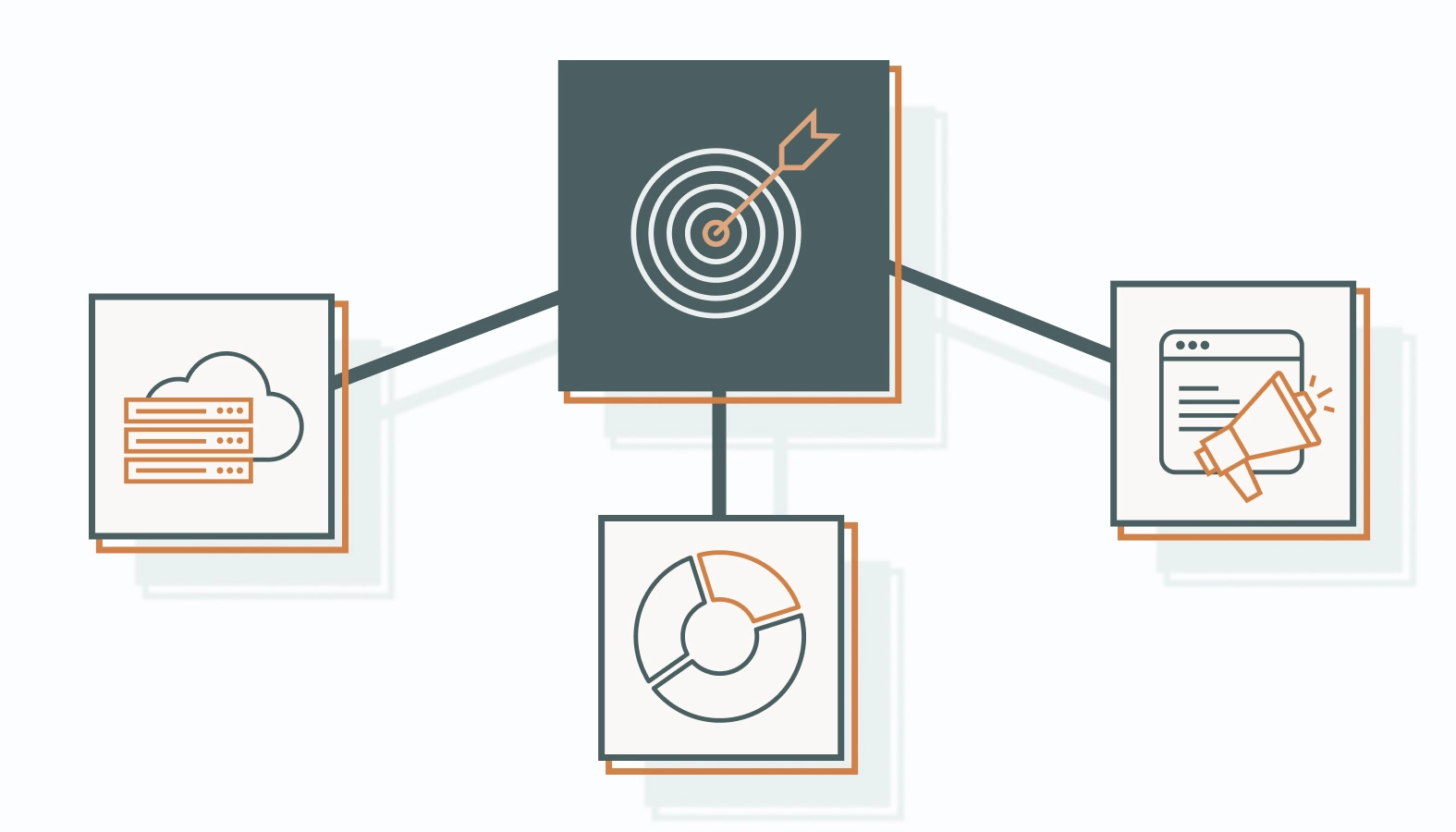
Behavioral targeting operates through a continuous, real-time cycle that captures user activity, interprets intent, and adjusts messaging accordingly. Each interaction, whether a click, page view, or navigation change, feeds into a live system that updates instantly.
This monitoring allows marketing systems to respond while user interest is still active, ensuring that experiences remain aligned with current behavior rather than outdated assumptions.
Data Collection and Signal Aggregation
This stage focuses on capturing behavioral signals directly from user interactions across digital properties. Tracking technologies such as browser tags, pixels, and server-side instrumentation record activity and transmit it to centralized systems for processing.
Server-side tracking improves data reliability and reduces signal loss caused by browser restrictions.
Signals collected at this stage may include:
- Pages viewed and navigation flow
- Product or content interactions
- Search inputs and on-site engagement actions
- Frequency and recency of visits
They provide a raw behavioral foundation that enables accurate interpretation of user intent.
Segmentation and User Profiling
Once signals are collected, they are organized into structured behavioral profiles. Customer Data Platforms (CDPs) and similar systems unify activity across sessions and touchpoints, creating a continuously updated view of each user.
This stage allows systems to:
- Identify meaningful engagement patterns
- Recognize changes in user interest over time
- Maintain dynamic behavioral profiles that evolve with new activity
Unlike static audience definitions, these profiles reflect live engagement, allowing targeting strategies to remain accurate and responsive.
Ad Injection and Content Customization
Behavioral insights are used to determine which content, creative, or recommendations should be delivered. Content management systems, personalization engines, and ad platforms use behavioral profiles to assemble experiences aligned with current user activity dynamically.
This initiative enables:
- Delivery of relevant content based on recent interactions
- Dynamic adjustment of creative elements or recommendations
- Automated alignment between user intent and messaging
This execution layer ensures that behavioral insights translate directly into more relevant, timely, and effective user experiences.
Types of Behavioral Targeting
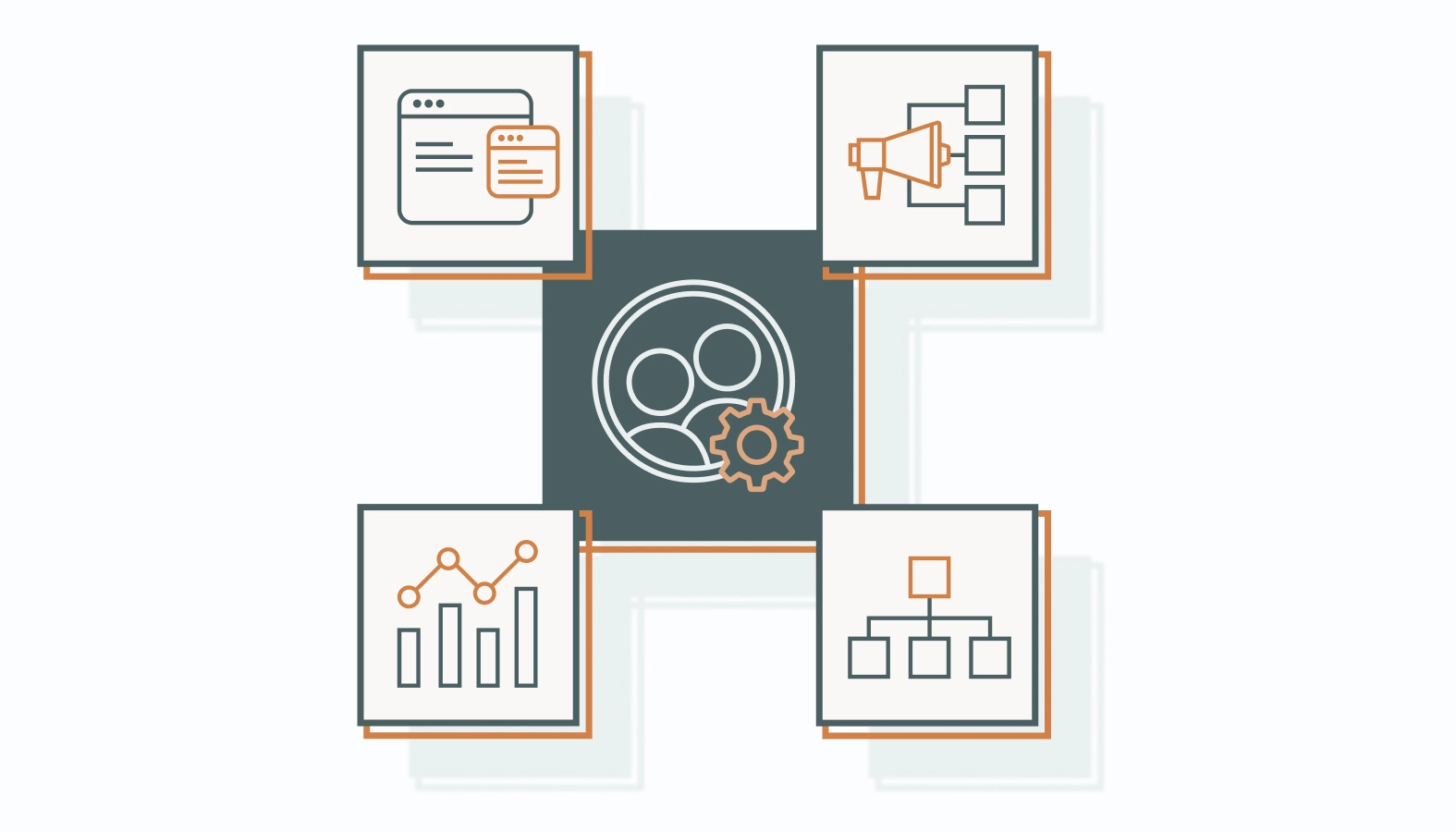
Behavioral targeting isn’t a single tactic. It’s a layered system that detects, interprets, and responds to user intent across different environments.
Each type strengthens a different part of the customer journey. When combined, they create a marketing engine that responds intelligently.
On-Site Behavior & Website Engagement
This layer tracks how users interact with your site, such as what they explore, pause on, and engage with.
Signals like scroll depth and navigation flow reveal intent, while exit-intent detection lets you deploy timely reminders or offers, turning potential drop-offs into opportunities.
Cross-Channel Campaign Interaction
Users jump between email, ads, social, and web in minutes. Behavioral targeting links these touchpoints, keeping messaging consistent and context-aware.
Frequency management prevents overload, ensuring coordinated engagement that feels seamless instead of being repetitive.
Predictive Behavioral Modeling
Predictive modeling shifts targeting from reactive to anticipatory, using behavior patterns to forecast actions like purchase intent or engagement.
Next Best Action (NBA) frameworks leverage these insights to prioritize high-probability opportunities and guide deliberate, timely interactions.
Deterministic vs. Probabilistic Matching
Matching defines how users are tracked across sessions and devices. Deterministic matching uses confirmed identifiers for precise continuity and reliable attribution.
Probabilistic matching estimates identity statistically, extending reach but with less accuracy.
In privacy-first environments, deterministic approaches offer the most reliable foundation for transparent, precise personalization.
Together, these behavioral targeting types transform isolated interactions into a coordinated intelligence system that observes behavior, understands, and responds to it with clarity.
Behavioral vs. Contextual Targeting: Which One Wins?
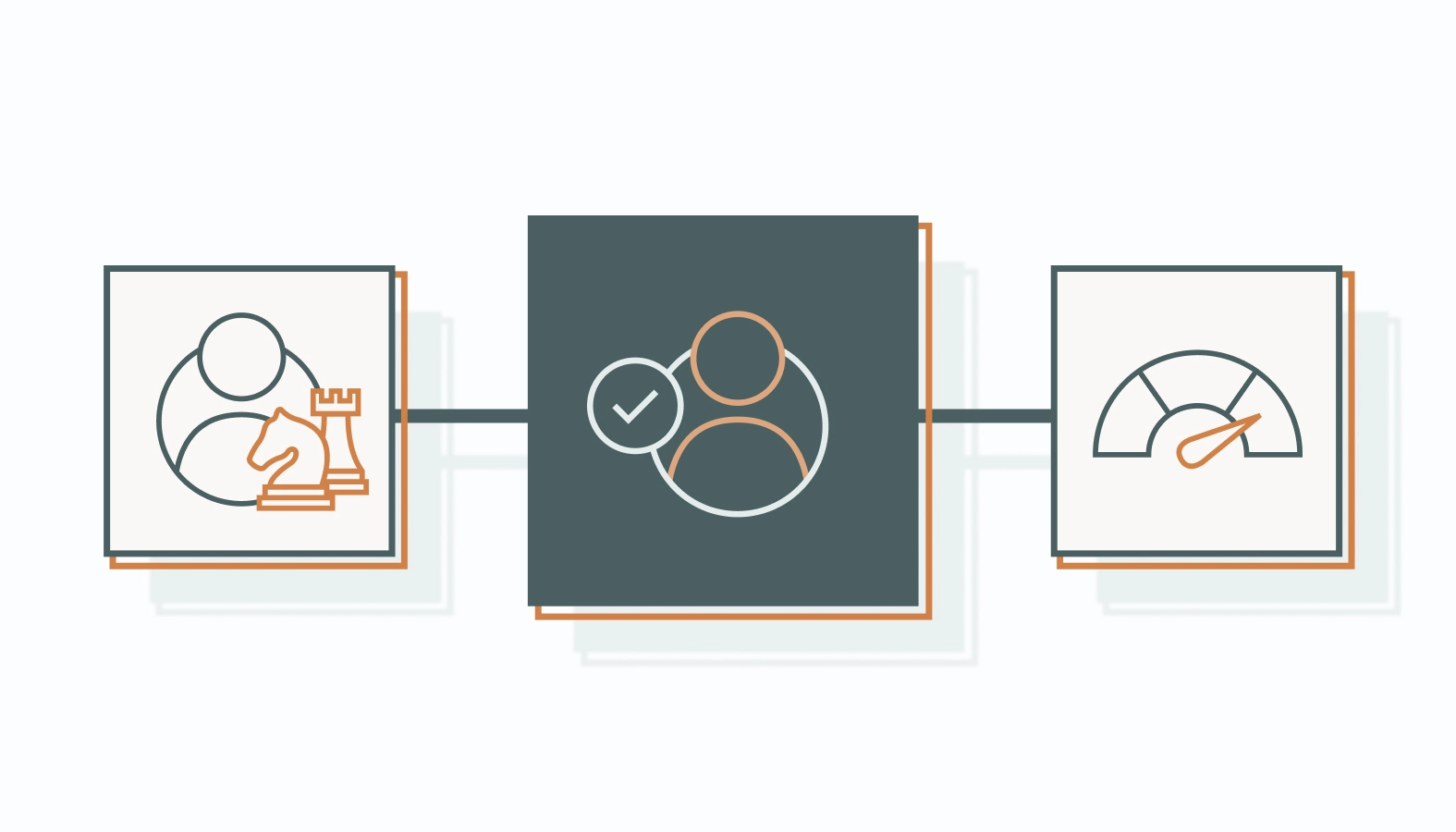
In digital marketing, it’s a tag team. Behavioral and contextual targeting have distinct strengths, and the smartest campaigns harness both, creating synergy instead of choosing sides.
Complementary Strategies
- Contextual targeting places your message in the right setting. A marathon blog? Perfect spot for running shoes. This method works wonders for top-of-funnel awareness, catching users in the right environment even before they’ve shown interest.
- Behavioral targeting perfects in on the individual. Past interactions, engagement patterns, and preferences drive personalized messaging, making it ideal for conversion-focused, bottom-of-funnel efforts. It ensures your campaigns are relevant, timely, and persuasive.
Decision Matrix: When to Use Each
- Top-of-Funnel Awareness: Contextual shines here, drawing attention in relevant settings. Behavioral has less impact, yet can support lightly.
- Interest and Consideration: Both play a role. Contextual keeps your brand visible, while behavioral starts customizing experiences based on early interactions.
- Intent and Decision Making: Behavioral dominates. Insight into past actions guides the next move, nudging users toward conversion.
- Post-Purchase Engagement: Behavioral continues to drive loyalty, upsells, and retention, ensuring each communication feels tailored instead of generic.
Neither strategy is inherently better. Success comes from knowing when to deploy each. Contextual for discovery, and behavioral for precision.
Combine them thoughtfully, and you turn scattered touchpoints into a cohesive, intelligent marketing engine that moves users along the journey.
Strategic Applications Across Industries
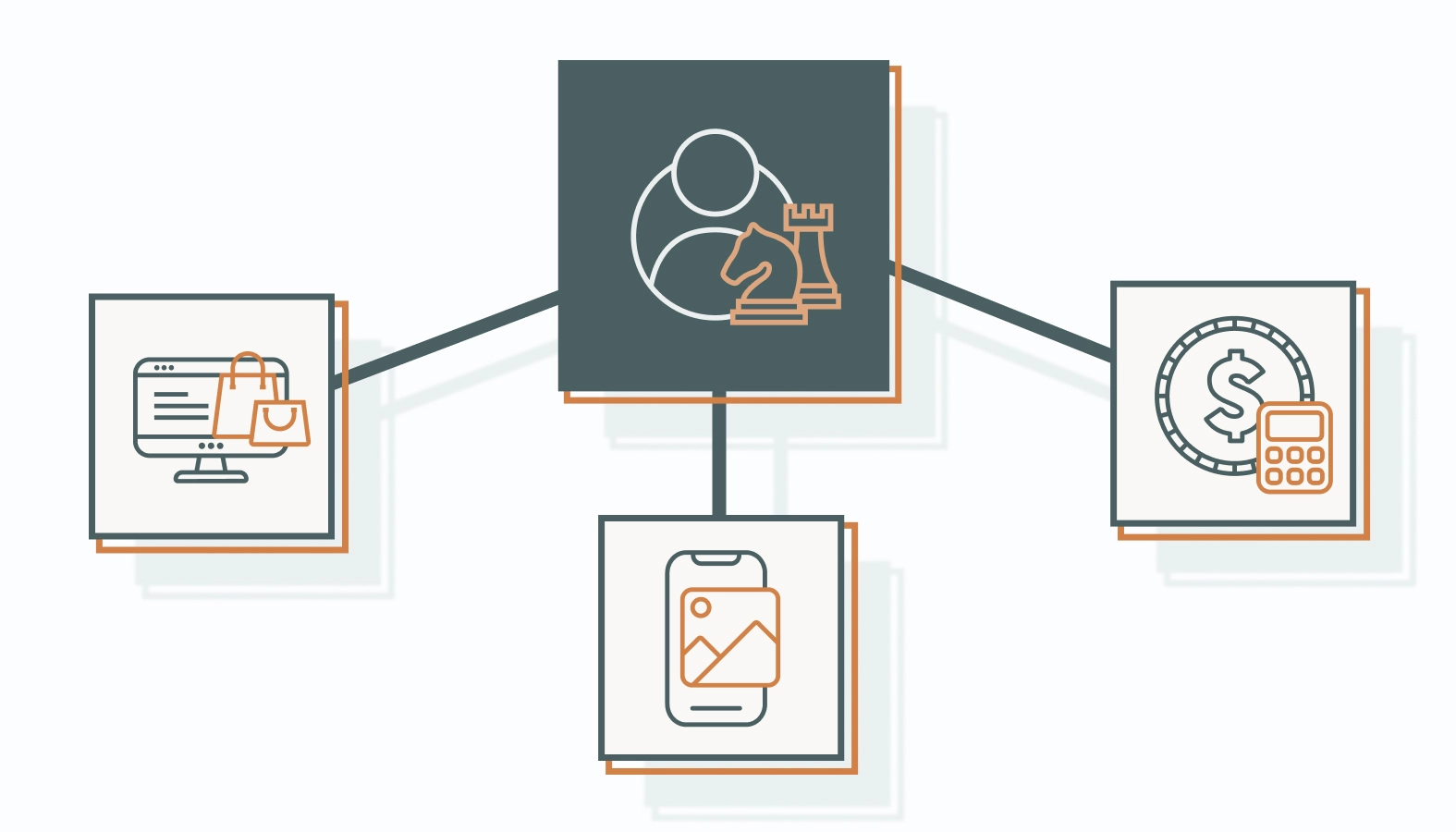
Behavioral targeting is more than showing the right ad. It should be solving industry-specific challenges with expertise and style. By reading signals and responding intelligently, businesses can turn user behavior into an actionable advantage.
E-commerce: Abandoned Cart & Upsell Logic
High cart abandonment and missed upsell opportunities? Classic pain point.
Behavioral data flips the script:
- When a customer abandons a cart, the system triggers targeted reminders or special offers tailored to the value of the items left behind.
- Post-purchase behavior opens the door for smart upsells. Bought a toy? Suggest batteries. Purchased a camera? Offer memory cards. Relevance drives both satisfaction and revenue.
SaaS & B2B: Lead Scoring Based on Content Consumption
Separating casual browsers from serious buyers is a fine art.
Behavioral targeting makes it science:
- Engagement with high-intent content, such as pricing pages, product demos, or security features, scores leads in real time.
- Once a user hits a threshold indicating readiness, a “Sales Handoff” triggers, ensuring your team spends effort where it counts.
Financial Services: Compliance-First Personalization
Personalization in finance is tricky, and regulations are tight.
Behavioral targeting keeps it sharp and compliant:
- Frequent visits to a mortgage calculator? Suggest relevant products without touching sensitive demographic data.
- Data siloing ensures marketing signals stay separate from sensitive financial information, safeguarding compliance while still delivering personalized recommendations.
Across these sectors, behavioral targeting transcends basic marketing. It becomes a strategic tool that drives smarter decisions, elevates customer experience, and boosts business outcomes without ever feeling generic.
The Privacy Pivot: Ethical Behavioral Targeting in 2026
The digital age is rewriting the rules, and privacy is the new power. With third-party cookies fading into history, marketers need smarter, ethical ways to reach users without creeping anyone out. Behavioral targeting in 2026 is principled, clear, and stylish.

Navigating the Post-Cookie Landscape
Third-party cookies are history. The challenge is maintaining personalization without losing privacy. Enter next-gen solutions:
- Privacy Sandbox & Topics API: These tools give advertisers insight into user interests without exposing identities.
- Identity Links (UID 2.0): A new standard for privacy-first personalization across platforms.
- Edge Computing: Behavioral data gets processed on the user’s device, not a central server, keeping sensitive info closer to home and safer.
These innovations let marketers deliver relevance while staying fully compliant without making users feel watched.
First-Party Data Strategy
Trust is currency. In a privacy-first world, the key is a fair value exchange, such as users sharing data because they get something worthwhile in return. Effective tactics include:
- Interactive Quizzes that offer tailored results while gathering voluntary insights.
- Preference Centers give users full control over what data they share and how it’s used.
- Loyalty Programs reward engagement and encourage richer, first-party data collection.
When users feel in control, they engage more, and marketers ethically gain actionable intelligence.
Transparency and the “Creepiness Factor”
Over-personalization can backfire. Even the sharpest campaigns can feel intrusive if users sense you’re “watching too closely.” The solution is the Creepiness Test: would a reasonable person feel unsettled by this personalization?
- If yes, dial it back with Soft Personalization: instead of “We saw you looking at this item,” try “Recommended for you.” Subtle, smart, effective.
- The balance between relevance and privacy keeps users comfortable while maximizing engagement.
By mastering post-cookie tools, ethical first-party strategies, and nuanced personalization, marketers can stay ahead. They will be able to deliver impactful experiences that respect privacy while driving business outcomes.
Measuring Success: KPIs Beyond the Click
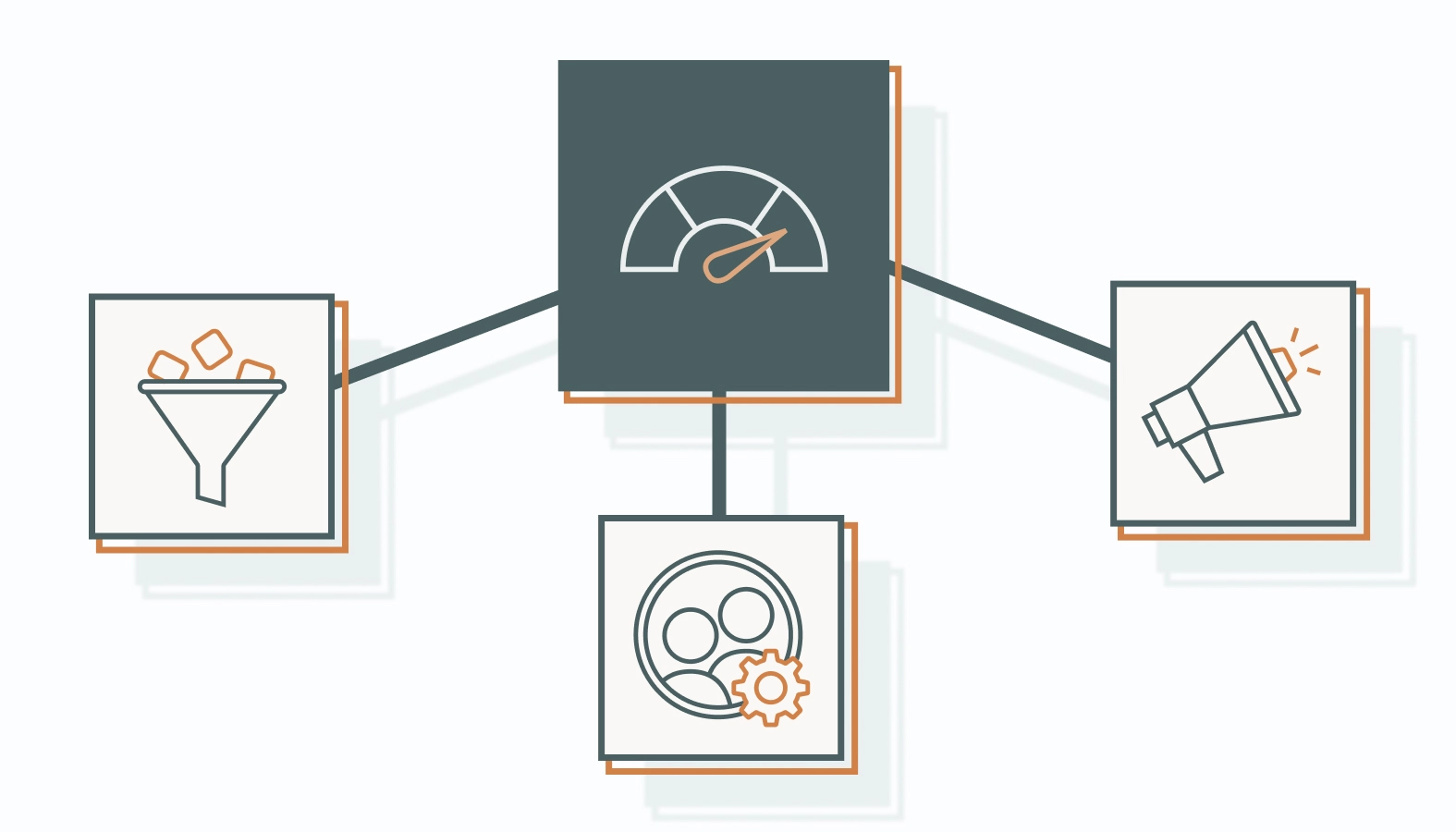
Clicks are easy. Real impact is the challenge. In a world where behavioral targeting drives personalization, measuring success requires more than vanity metrics. You need KPIs that prove your strategy is effectively moving.
Conversion Rate Lift
Problem: How do you know behavioral targeting actually boosts conversions?
Solution: A/B testing is the answer. Compare a control group with generic content against a behavioral group with personalized messaging. The difference shows the direct effect of your strategy. Track micro-conversions, too. Signing up for a newsletter, downloading a white paper, or engaging with content are smaller actions, but they signal serious intent and pave the way for major conversions.
Customer Lifetime Value (CLV)
Problem: Keeping customers engaged and preventing churn.
Solution: Behavioral targeting is a dynamic engagement engine. By continuously adapting content and offers to match evolving user interests, brands can strengthen loyalty and extend CLV. Personalized experiences consistently signal, “We get you,” which keeps customers coming back and transforms them into advocates.
Return on Ad Spend (ROAS) and Attribution Modeling
Problem: Multi-touch journeys make it hard to pinpoint what’s driving revenue.
Solution: Different attribution models reveal different truths:
- First-Touch vs. Last-Touch: Identify which interactions spark engagement versus seal the deal.
- Linear Attribution: Spread credit across all touchpoints for a holistic view, ensuring every behavioral signal is valued.
By combining rigorous testing with thoughtful attribution, marketers can quantify impact beyond clicks and impressions, proving how behavioral targeting drives both engagement and revenue.
Starting Your Behavioral Transformation
Behavioral targeting is a mindset more than a simple tool. It represents a more disciplined and informed approach to marketing. Reading real user signals, adapting in real time, and respecting privacy, marketers can turn subtle interactions into lasting engagement. The power lies not in the data itself, but in how you interpret it and act decisively.
Success comes from three intertwined principles:
- Precision over volume: Focus on signals that reveal intent.
- Dynamic adaptation: Let your campaigns evolve with user behavior, not static assumptions.
- Ethical intelligence: Deliver relevance without overstepping privacy boundaries.
Master these concepts, and you’ll be creating experiences that feel personal, timely, and smart. In a crowded digital landscape, this approach differentiates your brand and helps it build credibility, loyalty, and measurable results that last.
Behavioral intelligence is as much about judgment as technology. Interpret data thoughtfully, act strategically, and always put the user at the center. When you do, every interaction becomes an opportunity, more than just for conversion, but for meaningful connection.
Enhance Your Marketing Strategy
Ready to apply behavioral targeting with greater precision and confidence? Our team helps organizations translate behavioral insight into measurable performance improvements.
Schedule a candid conversation with one of our experts.» Let’s turn insights into strategies that pave the way for marketing success.