


Brand loyalty is shaped by how consistently a brand shows up when customers engage. In competitive markets, the relationship between brand loyalty and customer experience has become impossible to separate.
What customers encounter across interactions, channels, and moments of need now determines whether they stay, leave, or advocate.
Today’s advantage comes from understanding how experience influences perception, trust, and long-term value in practice.
This article breaks down where customer experience quietly strengthens loyalty, where it often breaks down, and why those dynamics matter for growth-focused brands.
Let’s take a look at how loyalty has shifted and why experience now sets the pace.
The Evolution of Loyalty: Why CX is the New Competitive Battlefield
Loyalty programs set brands apart back in the day. Points, perks, and discounts created habits that were hard to break. Today, those mechanics still exist, but they rarely decide who stays.
Customers now judge brands by how interactions feel over time and whether those experiences are worth repeating.
What’s changed is expectation. Customers compare every interaction to the best one they’ve had anywhere, more than your industry. They expect clarity, speed, and relevance, and they notice when effort creeps in.
Each interaction adds to an “experience memory” that shapes future decisions, often more than pricing or features.
This shift puts customer experience at the center of competition. Brands that pay attention to how moments connect and where friction quietly builds earn stronger trust and repeat behavior. Those that don’t may still attract customers, but they struggle to keep them.
To understand how this plays out in practice, it helps to look at the specific ways CX influences loyalty day to day.
6 Critical Ways CX Directly Impacts Brand Loyalty
Customer experience doesn’t influence loyalty in one big moment. It works quietly, interaction by interaction, shaping how customers feel, decide, and talk about a brand over time. When CX is handled well, loyalty becomes a natural outcome rather than a forced one.
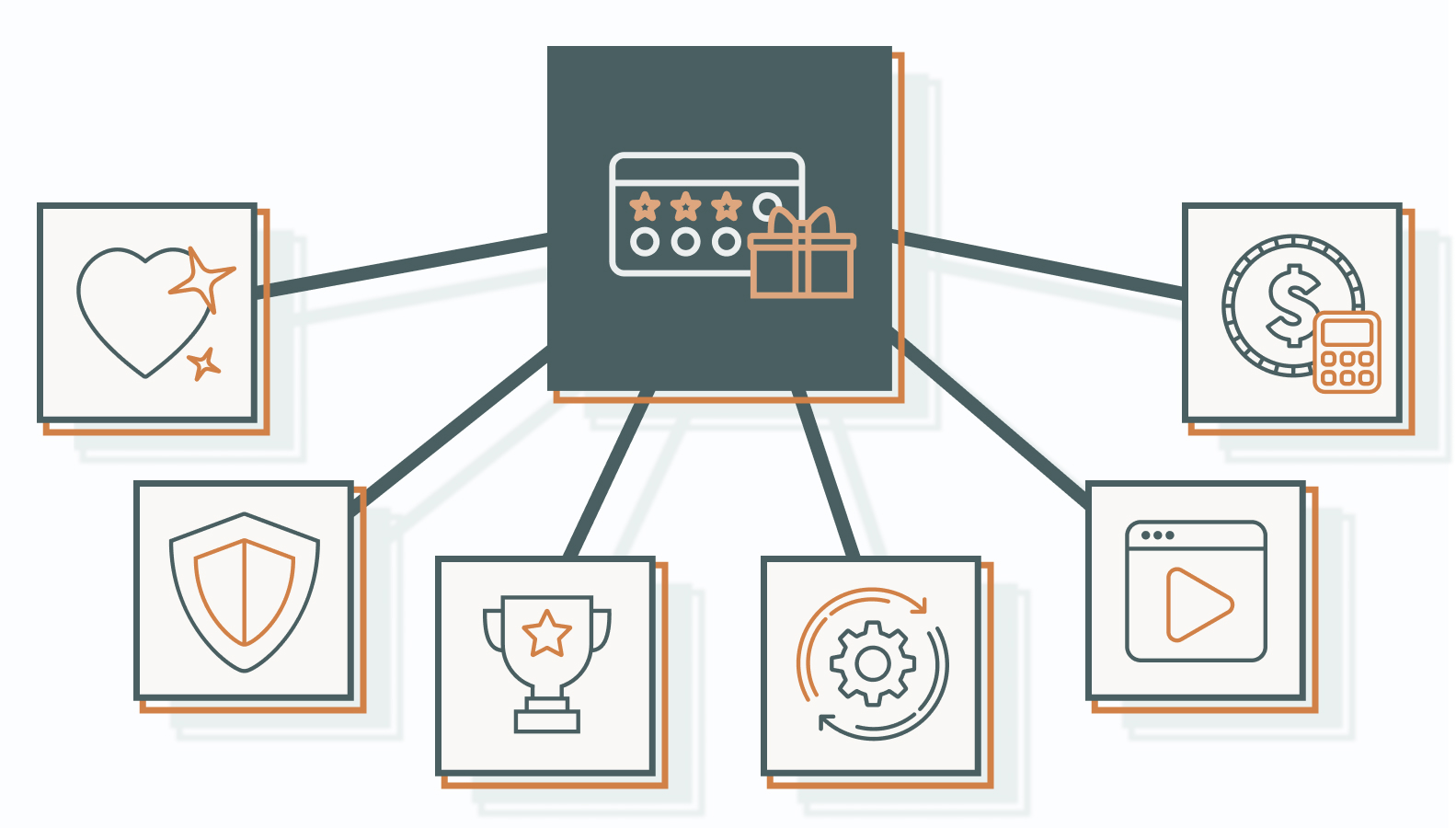
Below are six ways that influence shows up in real and measurable ways:
1) Shaping an Emotional Connection
Emotional connection is what turns customers from buyers into believers. It’s the sense that a brand understands them, reflects their values, or shows up reliably.
- Loyal customers don’t stay because of logic alone. They remain because a brand feels familiar, aligned, or reassuring when it matters most.
- Strong brands create consistency in tone, design, and messaging that reinforces trust and recognition over time.
- Brands like Nike and Apple go beyond selling products by reinforcing identity and shared belief.
- Emotional pull keeps customers engaged even when competitors offer similar or cheaper alternatives.
When customers feel emotionally aligned, switching brands feels unnecessary, more than tempting.
2) Building Foundations of Trust and Reliability
Trust grows when brands meet expectations without creating doubt or friction. Customers stay loyal when interactions feel dependable, and expectations are consistently met.
- Trust and reliability are essential to sustaining long-term customer loyalty.
- Brands build trust by consistently delivering on promises and communicating transparently.
- Clear expectations and honest interactions reduce friction and uncertainty for customers.
- Strong customer service protocols and dependable product quality reinforce reliability over time.
This action lowers hesitation and makes repeat choices feel safe rather than risky.
3) Radical Differentiation in Saturated Markets
When products and pricing start to look the same, experience becomes the deciding factor. CX gives brands a way to stand out without racing to the bottom.
- In crowded markets, customer experience becomes a powerful point of differentiation.
- Distinctive experiences help brands stand out when products and pricing look similar.
- Companies like Tesla differentiate through personalized service and cutting-edge technology.
- Experience-driven distinction attracts attention and keeps customers loyal amid endless alternatives.
In crowded categories, experience becomes the brand customers remember and return to.
4) Reducing Customer Effort and Friction
Customers don’t expect perfection, but they do expect ease. The less effort required to get value, the more likely customers are to stay.
- Simplifying customer interactions plays a key role in overall satisfaction.
- Streamlined processes, such as easy checkout flows or intuitive app designs, reduce friction points.
- Removing unnecessary steps helps customers complete tasks with less effort and frustration.
- Using tools like customer feedback helps brands identify improvement areas and enhance ease of use.
Ease builds confidence, and confidence quietly reinforces loyalty in the long run.
5) Fueling Organic Advocacy (The Viral Loop)
Great experiences shouldn’t stay contained. They should be shared. Advocacy happens when customers feel compelled to talk about how a brand treated them.
- An exceptional customer experience can turn customers into enthusiastic brand advocates.
- Positive experiences shared by customers amplify brand reach and growth.
- Encouraging user-generated content boosts authenticity and engagement.
- Leveraging social media helps expand organic advocacy and creates a viral loop effect.
When customers do the talking, loyalty turns into momentum.
6) Maximizing Customer Lifetime Value (CLV)
Loyalty shows up in long-term value more than short-term wins. Strong CX extends relationships and eventually increases the value of each customer.
- Customer experience affects overall Customer Lifetime Value.
- Nurturing long-term relationships through personalized interactions strengthens loyalty.
- Loyalty programs and exclusive offers encourage repeat business.
- Tailored recommendations and thoughtful engagement help retain customers and increase CLV over time.
Sustained value comes from experiences that make staying feel worthwhile.
Strategies for Improving Customer Experience
Improving customer experience shapes how every interaction feels, responds, and connects. The brands that get it right see loyalty emerge naturally.

Here’s how to approach it with intention and impact:
1) Make Interactions Personal
Generic doesn’t cut it anymore. Customers notice when a brand remembers preferences, adapts suggestions, or tailors communication.
Personalization can include:
- Customized recommendations or content that match interests
- Targeted emails or messages that reflect past behavior
- Dynamic experiences in apps or platforms that feel intuitive
Small personal signals compound into long-term engagement.
2) Invest in Training
People drive experience more than technology will. Well-trained employees create moments that feel confident and human.
Focus training on:
- Clear communication and active listening
- Empathy in problem-solving
- Quick, confident decision-making
When staff can anticipate needs and respond proactively, loyalty deepens without heavy-handed programs.
3) Use Technology Smartly
Tech should be a tool to make experiences frictionless.
The right tools can:
- Provide instant support via chat or AI assistance
- Track preferences to make interactions smoother
- Surface insights for proactive engagement
Give your team the power to handle interactions faster, smarter, and more accurately.
4) Gather and Act on Feedback
Feedback is an operational intelligence you can’t ignore. Use it to spot pain points before they erode trust.
Effective feedback practices include:
- Regular surveys, reviews, and social listening
- Identifying patterns and common friction points
- Acting on insights and communicating changes to customers
- Continuous monitoring to refine experiences over time
Acting visibly on feedback signals customers they’re valued and drives ongoing improvement.
5) Keep Consistency Across Channels
Consistency is quietly persuasive. From website to call center, social to in-store, every touchpoint must feel aligned.
Strategies include:
- Unified messaging and tone
- Clear service standards across departments
- Regular audits to catch inconsistencies before they frustrate customers
When consistency is practiced, trust grows without a single flashy campaign.
6) Build a Customer-Centric Culture
Culture is the engine behind every great experience. Embedding customer focus into values and behaviors ensures teams act accordingly.
Ways to foster this include:
- Celebrating employees who elevate customer experiences
- Integrating customer insights into decision-making
- Encouraging cross-team collaboration around experience improvements
When culture supports experience, every interaction benefits, and loyalty compounds.
7) Reward Loyalty
Loyalty programs work best when they feel earned and meaningful.
Move beyond generic points and focus on:
- Exclusive access to events or content
- Personalized rewards based on customer behavior
- Recognition that resonates with your audience
When rewards are relevant and thoughtful, they amplify satisfaction and advocacy simultaneously.
Case Studies: Lessons from Loyalty Leaders
Looking at brands that consistently wow their customers is educational, on top of being interesting. These companies have figured out how to make loyalty a byproduct of experience.
Here’s how they do it:
The Apple Ecosystem: Seamless Integration
Apple’s customers stay because every interaction feels connected, intuitive, and predictable.
- Devices and services work together without friction
- Updates, apps, and support feel cohesive across platforms
- Customers are drawn into an ecosystem that anticipates needs
The payoff? Users feel efficiency and reliability, making Apple a default choice long-term.
Zappos: Service as a Marketing Strategy
Zappos turned customer service into a signature move for being both helpful and memorable.
- Free returns and hassle-free support create confidence
- Employees are empowered to solve problems on the spot
- Exceptional service doubles as marketing, turning buyers into value
Customers remember how they were treated more than the exact shoes they bought.
Sephora: Personalization through Community
Sephora proves loyalty can grow from relevance and connection. They combine tailored experiences with community engagement.
- Personalized product recommendations reflect individual tastes
- Vibrant online community encourages sharing advice
- Loyalty feels like belonging, not points
The result is that customers participate, advocate, and come back.
Valuable CX is How Brands Stay Chosen
Brand loyalty today isn’t created by isolated programs or incentives. It’s built through the cumulative effect of experiences that feel intentional, consistent, and easy to trust. Every interaction, from first engagement to long-term support, reinforces whether a brand is worth choosing again.
When customer experience is treated as a system supported by people, technology, and culture, it becomes a durable competitive advantage. Friction decreases, relationships last longer, and advocacy grows naturally. The brands that win aren’t reacting faster; they’re designing experiences that make staying the obvious choice.
In a market where products can be copied and pricing is always under pressure, meaningful experiences are what endure. Brands that invest in CX don’t just retain customers; they earn preference, loyalty, and long-term growth.
Turn Every Interaction into an Opportunity
You’ve seen how customer experience directly shapes loyalty and lifetime value. The next step is execution: turning insight into experiences that feel purposeful, aligned, and consistently delivered.
Let’s translate strategy into action by building CX that strengthens relationships and drives measurable business impact. Schedule a candid conversation with one of our experts » and start turning customer experience into a lasting advantage.