



Marketing these days feels harder than it did a few years ago. Consumer behavior shifts are no longer subtle or slow.
Buying decisions now change with economic pressure, social influence, and technology all colliding at once. The old habit of locking customers into neat profiles doesn’t work so effectively anymore, and marketers feel it when once-reliable plays stop working.
Modern-day consumers want smart pricing, honest signals, and experiences that respect their time. They’re open to switching brands, yet they still reward those who feel aligned with how they live and think.
For marketers, the challenge is to know which signals actually matter and which ones distract.
This guide breaks down what’s driving consumer behavior shifts in 2026, how those shifts show up in real buying patterns, and what marketers can do to stay relevant despite a fast-evolving world. Let’s start with unpacking the new psychology shaping modern buying habits.
The New Psychology of Spending: Why Consumer Behavior is Shifting
What’s changing is how decisions form and how quickly they can flip. Consumers no longer rely on one influence at a time. Shorter attention, narrowed options, and society shape trust in real time. As a result, buying behavior now reacts to context more than preferences.
This shift explains why past assumptions fall apart. A shopper may chase the best price today, then prioritize ethics or convenience tomorrow, depending on what feels most pressing.
Environmental concerns, financial uncertainty, and digital access all push decisions in different directions. Once behavior becomes fluid, the way people buy, switch, and stay loyal starts to look very different, which brings them to the patterns behind those choices.
Fluid Consumer Behavior
Consumers don’t fit fixed profiles anymore because preferences and priorities shift constantly as technology and global events reshape what matters to them.
For marketers, this means strategies must stay flexible, campaigns must respond to real-time signals, and teams need to spot trends that indicate lasting change versus short-term reactions.
Understanding behavior as a moving target lets brands stay relevant even as expectations evolve.
The Value-Values Paradox
Most people nowadays want the best price without compromising on ethics or sustainability. This “Value-Values Paradox” shows up across industries, from everyday essentials to big-ticket purchases, and it shows how people compare brands and make choices.
Recognizing this tension helps craft offers and messaging that feel smart and responsible to build trust and loyalty even in a highly competitive market.
4 Fundamental Types of Consumer Behavior
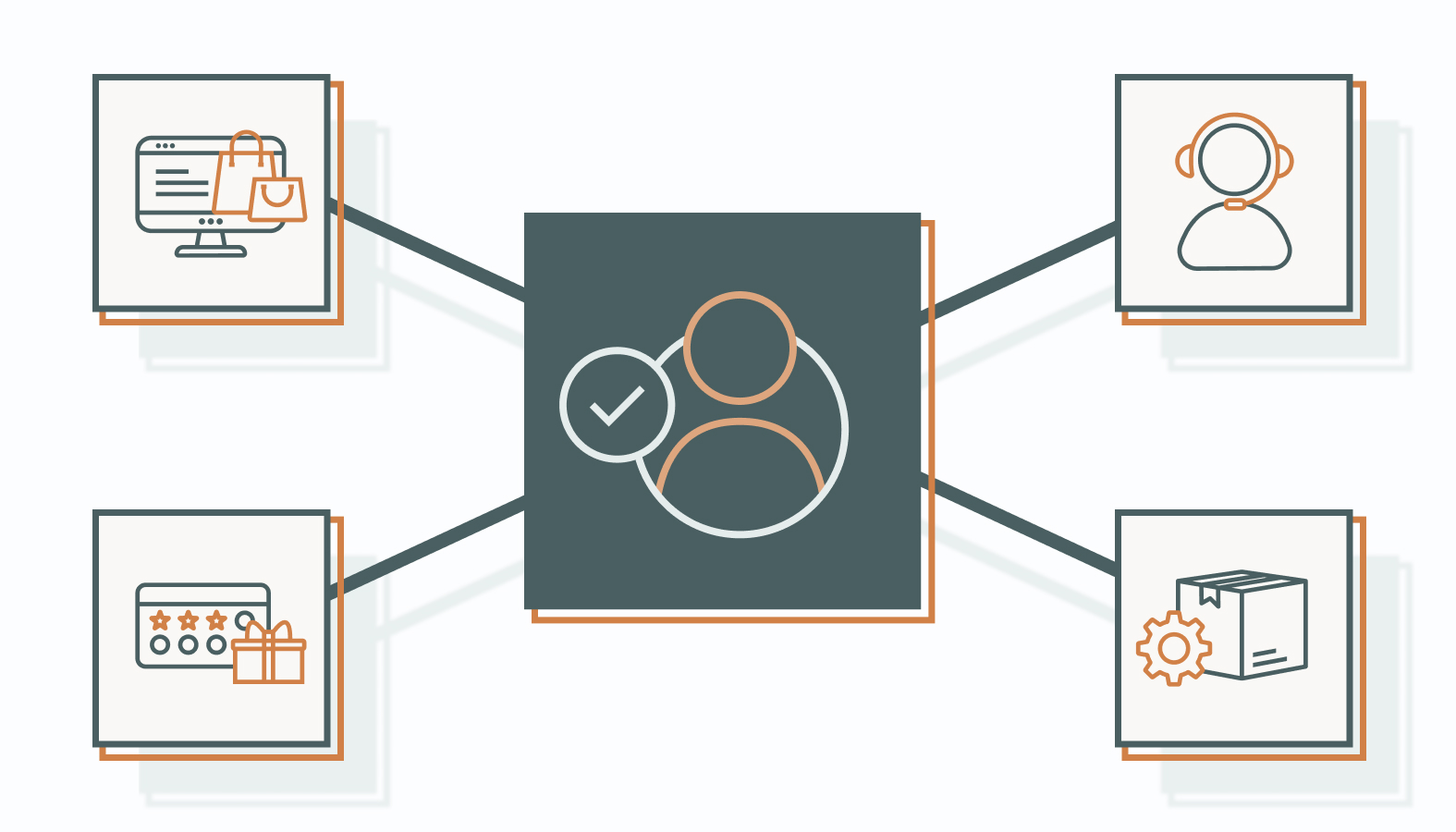
Purchasing decisions take many forms, and accounting for these differences allows marketers connect more effectively.
Each consumer approaches purchases with varying levels of involvement, attention, and risk perception, which directly influences how they respond to messaging, offers, and brand experiences.
By looking at these patterns, marketers can design strategies that resonate with real behaviors and guide customers toward confident choices.
1) Complex Buying Behavior
Complex buying behavior happens when a purchase feels important, expensive, or high-risk, and consumers notice clear differences between brands. In these situations, buyers invest time researching, comparing options, and weighing potential outcomes before making a decision.
Providing clarity and confidence will help them see how the product works, why it matters, and feel secure in their choice.
Strategies:
- Educate Consumers: Provide detailed information through comprehensive guides or product demonstrations.
- Build Trust: Use testimonials and reviews to reassure potential buyers.
2) Dissonance-Reducing Buying Behavior
This behavior occurs when consumers care about a purchase but perceive few differences between brands. It often happens with high-stakes decisions where options feel very similar, such as insurance plans or electronics. In these cases, buyers may worry about making the “wrong” choice, so reassurance becomes so important.
Marketers who address uncertainty and provide support can help consumers feel confident and satisfied after the purchase.
Strategies to Minimize Dissonance:
- After-Sales Support: Offer a reliable customer service and follow-ups.
- Encourage Feedback: Prompt reviews and testimonials to reassure and validate consumer choices.
3) Habitual Buying Behavior
Habitual buying is when consumers make routine purchases with little thought or brand comparison, often seen in everyday items like groceries or household products.
Decisions are driven more by habit than active evaluation, so the challenge for marketers is to stay top-of-mind and make the choice feel effortless. Small cues, consistent quality, and repeatable experiences can keep consumers returning without them even thinking twice.
Methods to Encourage Habitual Purchases:
- Brand Consistency: Maintain a consistent brand image and quality.
- Loyalty Programs: Implement rewards programs to keep consumers engaged and returning.
4) Variety-Seeking Buying Behavior
In this behavior, consumers switch brands to try something new rather than due to dissatisfaction. This thing is common in categories like snacks, beverages, or fashion, where novelty drives interest.
Marketers who grasp this dynamic can engage these buyers by offering choices that feel fresh and exciting, turning curiosity into repeated engagement.
Strategies for Catering to Variety Seekers:
- Product Variety: Offer a wide range of products to satisfy the desire for variety.
- Limited Editions: Introduce seasonal or limited-edition products to entice frequent changes.
Being aware of these fundamental types of consumer behavior, marketers can craft strategies that resonate with their target audience, anticipate their needs, and create experiences that feel relevant. This initiative increases engagement, builds trust, and encourages loyalty.
Top 5 Modern Consumer Behavior Shifts Impacting Marketing
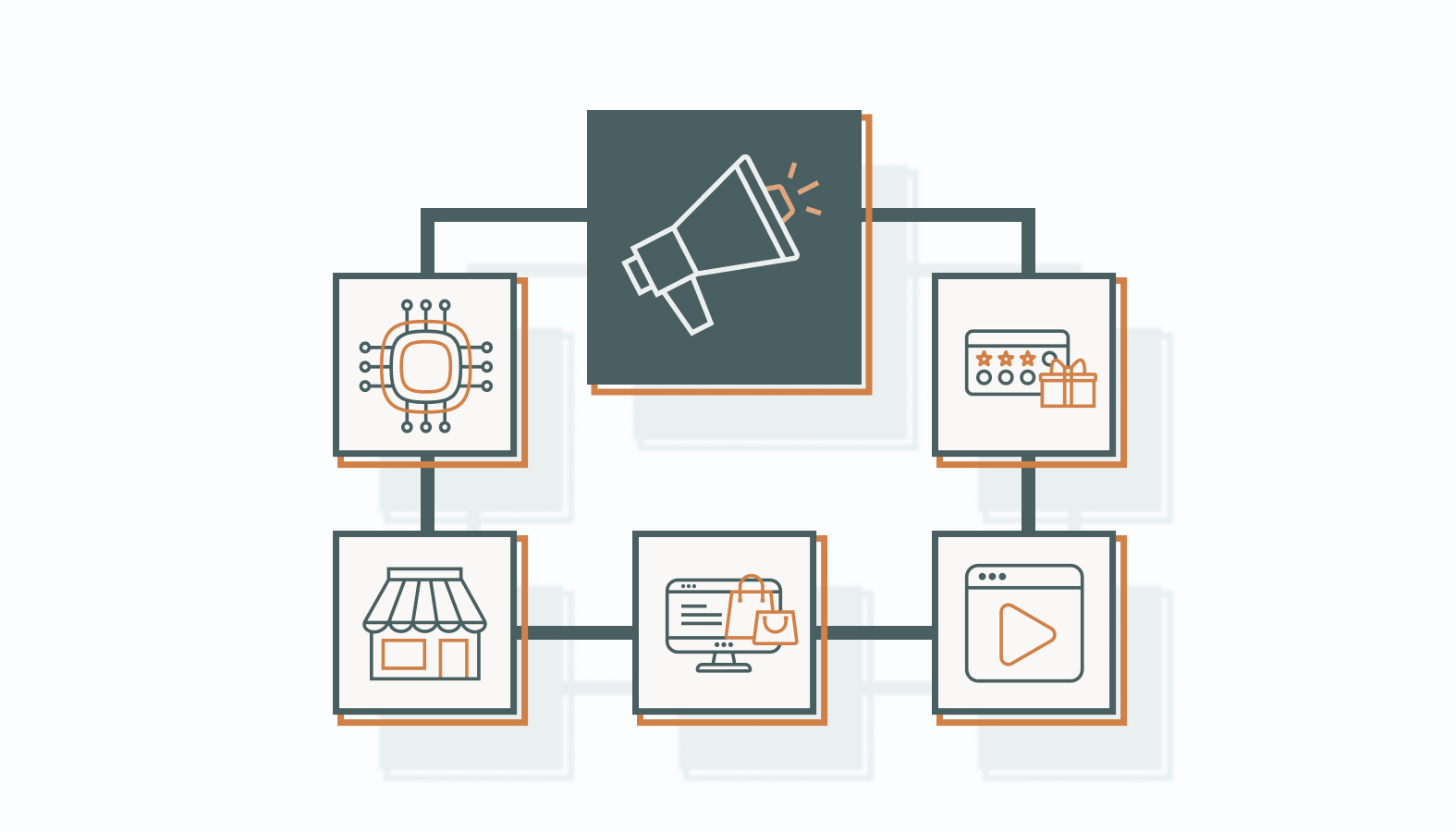
Consumer behavior evolves fast, reshaping how marketers connect with audiences. These shifts are crucial for developing strategies that resonate and drive engagement.
1) The Death of the Traditional Brand Loyalty
Brand loyalty isn’t what it used to be. With so many choices and easy access to information, consumers are more willing to switch brands.
Strategies to Rebuild Loyalty:
- Personalized Experiences: Tailor interactions and offers based on consumer data.
- Community Building: Create a sense of belonging through engaging brand communities.
2) The Preference for “Raw” over “Produced” Content
Consumers increasingly prefer authentic, unpolished content that feels genuine and relatable. They respond more to real stories, behind-the-scenes glimpses, and experiences that reflect how people live, rather than overly produced marketing messages.
Authentic Content should have:
- User-Generated Content: Encourage customers to share their experiences.
- Behind-the-Scenes: Offers glimpses into the brand’s day-to-day operations.
3) Social Commerce as the New Storefront
Social media platforms are becoming key shopping destinations, blending social interaction with commerce.
Consumers now discover products, read reviews, and make purchases all within these platforms, making engagement and interactive content more important for brands.
Leveraging Social Platforms:
- Integrated Shopping Features: Use platform tools to enable direct purchases.
- Interactive Content: Engage audiences with polls, live videos, and stories.
4) The Rise of Ethical and Sustainable Consumption
Sustainability has turned more into a demand than a trend. Consumers are increasingly choosing brands that act responsibly, from ethical sourcing to eco-friendly practices, and expect transparency in how products are made and delivered.
Aligning with Ethical Trends:
- Transparent Practices: Be open about sourcing and production processes.
- Sustainable Products: Invest in eco-friendly materials and packaging.
5) Hyper-Personalization via AI
AI is revolutionizing personalization, allowing marketers to deliver tailored experiences at scale. Analyzing consumer data and predicting preferences can help brands provide relevant recommendations, offers, and interactions that feel thoughtful and timely.
Implementing AI-Driven Personalization:
- Data Analysis: Use AI to analyze consumer data and predict preferences.
- Customized Recommendations: Offer product suggestions based on individual behaviors.
By studying these shifts, brands can stay ahead in the competitive market and foster stronger connections with their audiences.
How Macro-Factors Influence the Decision-Making Process
Macro-factors are large-scale external elements that impact consumer decisions, such as economic, technological, and socio-cultural influences.
Recognizing these helps marketers anticipate shifts in consumer behavior and adapt strategies accordingly.
-
The Economic “Purse-String” Shift
Economic conditions, such as inflation or recession, affect how consumers manage their spending and prioritize purchases.
To stay competitive, brands can respond by offering flexible pricing options and emphasizing value through promotions or discounts. This action helps customers feel confident and smart about where they spend their money.
-
The Technological Influence
Technological advancements are changing how consumers make decisions and what they expect from brands.
By leveraging AI for personalized recommendations and automating customer service, while maintaining a consistent presence across all digital channels, businesses can create experiences that feel relevant, timely, and easy to navigate.
By walking into these macro-factors, businesses can intelligently strategize to cater to consumer needs and preferences while ensuring resilience and growth in a changing environment.
Strategic Framework: Adapting to Behavior Shifts
To thrive in a continuously changing market, businesses need a strategic framework to effectively adapt to consumer behavior shifts. This framework emphasizes sensing changes, leveraging data, and fostering connections to stay relevant and highly competitive.
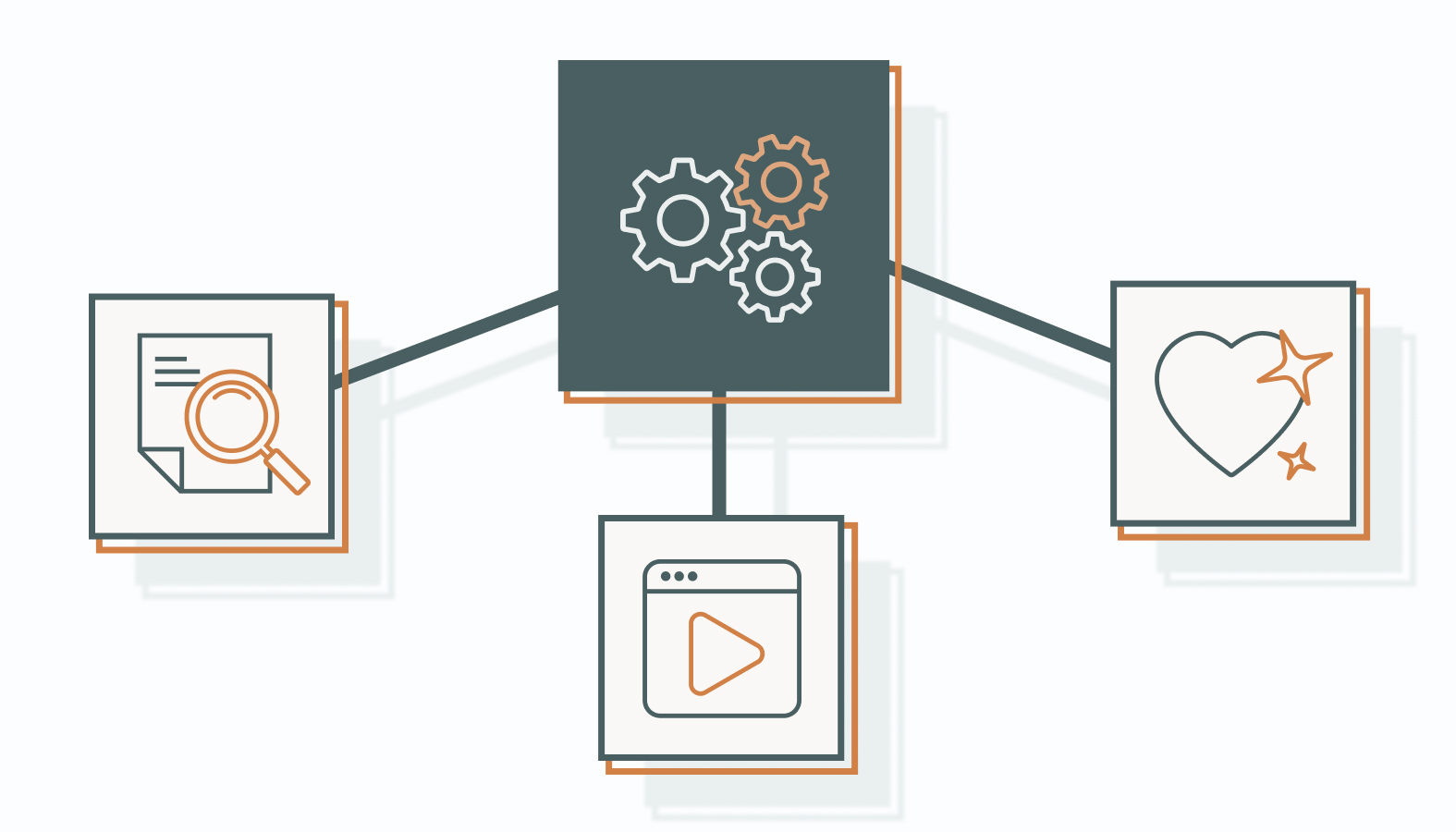
Step 1: Audit Your Customer Data
Conducting a thorough audit of customer data helps monitor behavior shifts and tailor marketing approaches.
Key Insights from Customer Data:
- Identify Trends: Look for patterns in purchasing behavior and preferences.
- Segment Audiences: Categorize customers based on demographics and behavior for targeted marketing.
Step 2: Implement “UGC” and Social Proof
User-generated content (UGC) and social proof are powerful tools in building trust and engagement.
Integrating UGC into Campaigns:
- Encourage Participation: Run contests or campaigns that prompt customers to share their experiences.
- Highlight Testimonials: Use reviews and testimonials in marketing materials to build credibility.
Step 3: Prioritize Emotional Connection
Emotional connections foster loyalty and deepen consumer relationships to make brands more resilient to market changes.
Strengthening Emotional Connections:
- Storytelling: Use narratives that resonate with your audience’s values and aspirations.
- Personal Touch: Tailor communications to reflect individual customer journeys and milestones.
By following this strategic framework, businesses can effectively navigate consumer behavior shifts for long-term success and customer loyalty.
Different Types of Consumer Behavior
Analyzing consumer behavior variations helps marketers design strategies that reach and engage target audiences. Each type reflects different levels of involvement and decision-making processes, influencing how consumers interact with brands.

Complex vs. Habitual Buying Behaviors
Complex Buying Behavior involves high consumer involvement, often seen with expensive or infrequent purchases. Consumers extensively research and evaluate options, like buying a car or a home.
Habitual Buying Behavior is characterized by low involvement and routine purchases, such as groceries. Consumers stick to familiar brands without much thought.
Strategies to Address Each Type:
- Complex: Provide detailed product information, comparisons, and customer testimonials.
- Habitual: Focus on brand consistency, convenience, and loyalty programs to encourage repeat purchases.
The Consumer Decision-Making Process
This process involves several stages that consumers go through before making a purchase:
- Problem Recognition: Realizing a need or problem.
- Information Search: Seeking information about products or services.
- Evaluation of Alternatives: Comparing different options.
- Purchase Decision: Selecting a product and making the purchase.
- Post-Purchase Behavior: Reflecting on the purchase decision.
Influencing Each Stage:
- Problem Recognition: Highlight unmet needs through targeted advertising.
- Information Search: Provide comprehensive resources and comparisons.
- Evaluation: Offer free trials or demos to showcase product benefits.
- Purchase: Simplify the buying process with user-friendly interfaces.
- Post-Purchase: Engage with follow-ups and customer support to ensure satisfaction.
Case Study: Navigating a Pivot in Consumer Sentiment
Consumer sentiment reflects the overall attitude of consumers towards economic conditions and purchasing decisions. It impacts business strategies as companies must adapt to these shifts to stay competitive and relevant in the market.
1) Nike
Nike recognized a growing consumer preference for sustainability and ethical products. In response, Nike adopted sustainable materials and launched marketing campaigns emphasizing their commitment to the environment. This strategic pivot aligned with consumer values and strengthened their brand loyalty.
2) Coca-Cola
Faced with a surge in demand for healthier beverage options, Coca-Cola introduced new product lines, such as low-sugar and zero-calorie drinks. They also reformulated existing products to meet health-conscious consumer needs to demonstrate their responsiveness to changing preferences.
3) Airbnb
Airbnb adapted to shifting travel preferences influenced by global events and health concerns. They implemented enhanced safety protocols and offered flexible booking policies, catering to consumer demands for safety and flexibility during uncertain times.
4) Starbucks
Starbucks responded to increasing consumer demand for ethically sourced and environmentally friendly products by integrating sustainability into its supply chain. They focused on ethically sourcing coffee and reducing environmental impact, reinforcing their brand’s alignment with consumer values.
By adapting to shifts in consumer sentiment, these companies have maintained their competitive edge and continued to thrive in evolving markets.
Embracing Fluidity in Marketing
Consumer decisions are shaped less by fixed preferences and more by context.
Buying behavior now reflects a mix of economic awareness, ethical expectations, technological convenience, and emotional reassurance. These forces influence how people evaluate risk, switch brands, and decide when something feels worthy.
Marketing effectiveness in this evolving world comes from recognizing patterns rather than chasing certainty.
Brands that understand behavioral types, respond to macro-forces, and design experiences that reduce friction and doubt are better positioned to earn trust over time. The advantage lies in building strategies flexible enough to respond when behavior changes.
Embracing Change and Building Connections
The frameworks, examples, and behavior models outlined here are meant to be applied, tested, and refined. When used together, they help teams prioritize the right signals, focus resources more intentionally, and create experiences that feel considered.
If you’re exploring how these insights will apply to your audience, channels, or growth goals, we’re happy to talk it through. Schedule a candid conversation with one of our experts.» Our team will be glad to guide. No pressure, just connecting for greater possibilities together.