


Most businesses dive into January campaigns with excitement, but without auditing funnel readiness for the new year, that momentum can vanish even before your first campaign launches. Missed data insights, outdated workflows, or unclear lead paths quietly sabotage revenue, and nobody wants to start the year already behind.
This guide takes a practical approach to inspecting your funnel from top to bottom. Starting from data systems and automation to messaging and retention strategies. You’ll see how small and precise adjustments today translate into measurable gains in Q1, so when January hits, your marketing machine runs like a finely tuned engine ready to outperform the competition.
Ready to find the gaps and fine-tune your funnel? Here’s how to do it.
The Strategic Window: Why Funnel Readiness Starts Before January 1st
Starting your funnel preparation before the new year is smart and tactical. It’s like lining up your strategic move while everyone else is still cleaning up holiday confetti. Beginning early can harness the “fresh start” momentum that naturally drives businesses and buyers to rethink priorities, budgets, and partnerships.
Getting ahead now puts you in a good spot and gives you an edge over competitors who will be scrambling in January. It’s your chance to:
- Set clear priorities before the new year chaos begins.
- Identify weak points in your funnel while there’s still bandwidth to fix them.
- Plan campaigns around timing and messaging that actually resonate with a change-ready audience.
In short, early preparation turns potential panic into precision. By the time everyone else catches up, you’re already miles ahead.
Capturing the “Fresh Start” Intent

The “Fresh Start Effect” is a real and effective psychological approach, as people and companies are wired to chase new beginnings. In the B2B space, that means buyers are actively seeking vendors who can help them correct what didn’t work last year. If you want to stand out, your messaging needs to meet them at that moment of motivation.
Consider these approaches to make your solutions irresistible:
- Position yourself as the upgrade by highlighting efficiencies and improvements that correct past pain points.
- Speak to functionality and ambition by showing how you help them hit new targets faster.
- Use timing-based messaging by framing offers and outreach around “new year, new results” to tap into that psychological boost.
When done the right way, it becomes a great marketing style and a subtle invitation to change. Buyers are more likely to answer when the timing feels right.
The Competitive Vacuum
The holiday season is the marketing quiet zone for many competitors. While most are going on vacations, your brand can quietly expand its influence and make its presence known. A little extra push today brings bigger visibility benefits later.
Ways to capitalize on this window:
- Targeted campaigns that fill the silence with high-value, relevant messaging.
- Virtual events or webinars to capture attention when others aren’t competing for it.
- Content refreshes by updating blogs, landing pages, or social assets to look fresh in January searches.
- Test small initiatives without the usual Q1 pressure, as early learnings can be applied to big campaigns later.
When competitors are resting, showing up is an intelligent move. Take it as an opportunity to dominate mindshare.
Operational Agility
Operational agility is survival. Markets shift, leads fluctuate, and campaigns need to adjust in real time. Agility gives you the ability to respond to changes without missing anything.
To keep your funnel sharp and responsive:
- Adopt flexible planning frameworks: break annual plans into shorter ones with clear checkpoints.
- Empower rapid execution: allow your team to make quick adjustments without delays.
- Regularly review processes: identify and eliminate slow approvals or redundant steps.
- Leverage technology wisely: automation and dashboards can give you real-time insights without extra work.
With this level of agility, you’re ready for January and even for whatever the new year brings.
The Anatomy of a High-Impact Funnel Audit
A high-impact funnel audit is a full diagnostic for your marketing machine. It is like putting your funnel under a microscope to see exactly where leads stall, revenue leaks, and opportunities hide. Doing it right helps reveal problems and highlights the areas where small tweaks can produce big gains as the new year kicks off.
A proper audit equips you with:
- Visibility into every stage of your funnel, from awareness to retention.
- Insights that identify underperforming campaigns and dead-end paths.
Identifying Revenue Leaks
Revenue leaks are the silent killers of growth. They lurk where prospects drop off, leads go cold, or your conversion ways get tangled. A thorough audit lets you pinpoint exactly where the money is slipping through, giving you a direction to patch it.
Areas to inspect closely:
- Conversion roadblocks: Where prospects enter the funnel but never take action.
- Misaligned messaging: When content or emails fail to resonate with your target audience.
- Technical gaps: Broken forms, incorrect tracking, or data misalignment that misrepresents performance.
- Friction in the customer journey: Unnecessary clicks, unclear CTAs, or slow response times.
By addressing these points proactively, you’re stopping leaks and creating a funnel that nudges leads smoothly from interest to purchase.
Crucial for Marketing Success
The truth is that a funnel audit is your compass. Without it, you’re navigating Q1 campaigns ineffectively, hoping your strategy hits the mark. With it, every campaign, email, and content push is informed, intentional, and measurable.
A well-executed audit delivers:
- Data-driven clarity that understands strategies actually generating revenue.
- Higher ROI, where you’ll see the most return, instead of chasing vanity metrics.
- Sustained growth that creates a marketing engine built to adapt and improve over time.
- Confidence in execution, like launch campaigns, and knowing your funnel to perform optimally.
Beyond the Obvious
While many audits stop at the surface, the most effective audits go deeper. Consider including:
- Competitive benchmarking: How does your funnel stack up against peers?
- Lifecycle analysis: Are you nurturing existing customers for repeat purchases and expansions?
- Automation health check: Are workflows guiding leads intelligently, or leaving them stranded?
- Content performance audit: Which assets engage, convert, or need a refresh?
This level of insight turns a basic “review” into a strategic plan for the year ahead. It lets you operate smarter, faster, and with an almost unfair advantage.
Core Areas of Your Funnel to Optimize Before Year-End
Year-end optimization helps you start the new year strong. The final months of the year offer opportunities to inspect, refine, and fine-tune your funnel so January isn’t rushed.
Small but precise adjustments now can translate into measurable benefits across lead flow, conversion, and retention. It’s a high-performance engine before the first race of the year.
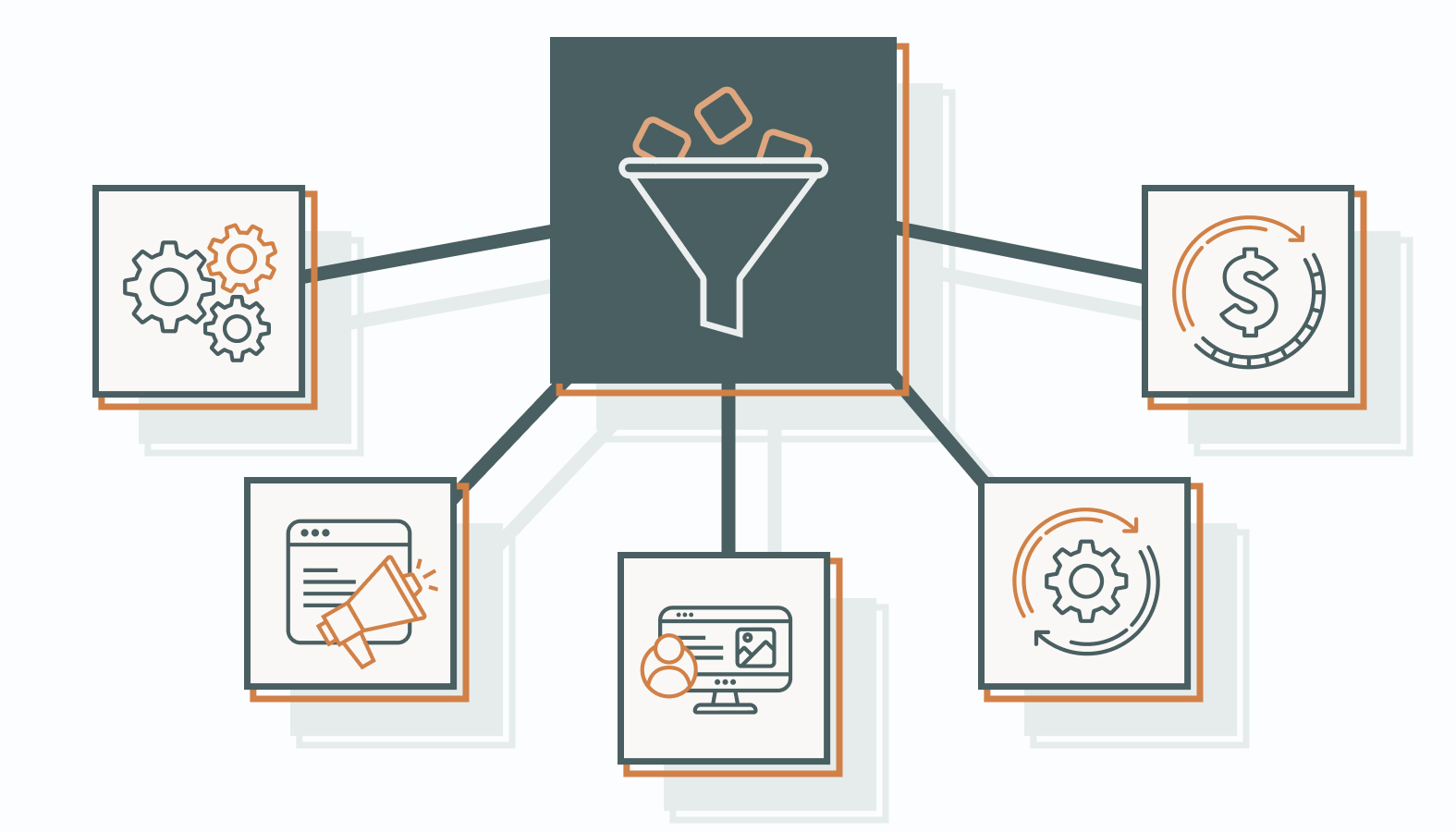
Phase 1: Securing Your Technical Foundation (Data & Infrastructure)
Before anything else, secure your data and infrastructure. This phase is all about establishing a single source of truth, because if your data is off, every subsequent move becomes uncertain.
What to focus on:
- Data Collection Techniques:
- Audit all tracking systems and ensure analytics are capturing everything.
- Identify attribution drift where revenue is misattributed to “Direct” or is missing entirely.
- Verify lead and campaign tracking across channels for consistency.
- Technology Assessment:
- Consolidate overlapping tools across CRM, email marketing, and social platforms.
- Evaluate integrations that reduce manual effort and improve data flow.
- Upgrade outdated platforms to provide real-time insights.
- Performance Benchmarks:
- Compare funnel metrics to industry standards and internal historical data.
- Establish clear performance benchmarks for lead conversion, engagement, and retention.
- Schedule regular reviews to monitor progress and adjust quickly as market conditions shift.
A strong technical foundation ensures every other optimization is precise, measurable, and repeatable.
Phase 2: Maximizing Top-of-Funnel Visibility (Awareness)
A funnel is as good as the leads entering it. The top of the funnel is where the actual work begins, converting more visibility into more opportunities.
Strategies to sharpen top-of-funnel performance:
- Audience Analysis:
- Map target demographics, buying behaviors, and decision triggers.
- Define “negative personas” to avoid wasting spend on irrelevant traffic.
- Content Evaluation:
- Identify high-performing but aging content and refresh it for the new year.
- Create new content aligned with trending topics and buyer intent.
- Brand Visibility:
- Expand your presence across platforms, like social, paid, and organic channels.
- Leverage partnerships, guest posts, or co-branded campaigns to amplify reach.
A proactive approach here makes your funnel primed with a steady stream of quality leads when January starts.
Phase 3: Converting Interest into Action (Consideration & Conversion)
“Conversion roadblock” is the stage where prospects hesitate, stalls happen, and revenue slips away. Optimizing this phase is about precision, relevance, and speed.
Core tactics:
- Lead Scoring and Segmentation:
- Prioritize leads based on engagement, fit, and buying signals.
- Segment messaging to address specific pain points and motivations.
- Conversion Pathways:
- Audit every step of the customer journey for friction points.
- Simplify forms, reduce clicks, and clarify calls-to-action.
- Sales Process Efficiency:
- Equip sales teams with proper training and tools for faster follow-ups.
- Align marketing and sales messaging to remove inconsistencies.
Optimizing conversions means turning attention into tangible results without wasted clicks and without missed opportunities.
Phase 4: Automation and Nurture Workflow Audit
Automation is a digital concierge guiding prospects through the funnel. An audit ensures your workflows are intelligent, dynamic, and personalized.
What to review:
- Workflow Mapping:
- Use journey mapping to uncover dead ends or orphaned emails.
- Identify gaps where leads might drop out without engagement.
- Lead Nurturing Strategies:
- Move beyond generic greetings by using contextual personalization tied to past behavior or content downloads.
- Incorporate dynamic content in email campaigns to serve relevant material to each segment.
- Integration with CRM Systems:
- Ensure marketing automation workflows feed directly into your CRM for seamless handoffs.
- Validate data integrity across systems to avoid miscommunication or missed follow-ups.
When done right, automation increases efficiency while keeping the customer experience smart, timely, and human.
Phase 5: Protecting Your Revenue Base (Retention & Expansion)
Retaining customers and expanding their value is often more profitable than chasing new leads. End-of-year efforts here secure a strong revenue foundation for the new year.
Strategies to protect and grow your base:
- Customer Feedback Mechanisms:
- Regularly gather feedback through surveys, calls, and reviews.
- Use insights to improve offerings and strengthen relationships.
- Loyalty Programs and Incentives:
- Design programs that reward repeat business and enhance engagement.
- Introduce tiered benefits or perks to encourage ongoing activity.
- Expansion Opportunities:
- Identify Product-Qualified Leads (PQLs) within your current client base.
- Map accounts with the potential to adopt additional services or higher tiers.
- Plan strategic outreach to nurture these opportunities before competitors do.
Focusing on retention and expansion now locks in recurring revenue while positioning your business to hit new targets effortlessly in Q1.
Building Your 90-Day Readiness Roadmap
A roadmap is your strategic GPS for the first quarter. Without one, even the best audit can feel like chaos, leaving teams reactive instead of proactive. A 90-day plan helps you sequence actions, allocate resources wisely, and track progress so your funnel survives and dominates January.
Think of this one as laying out the blueprints for a high-performance machine, where precision, timing, and alignment matter more than speed alone.
Prioritizing Fixes by ROI
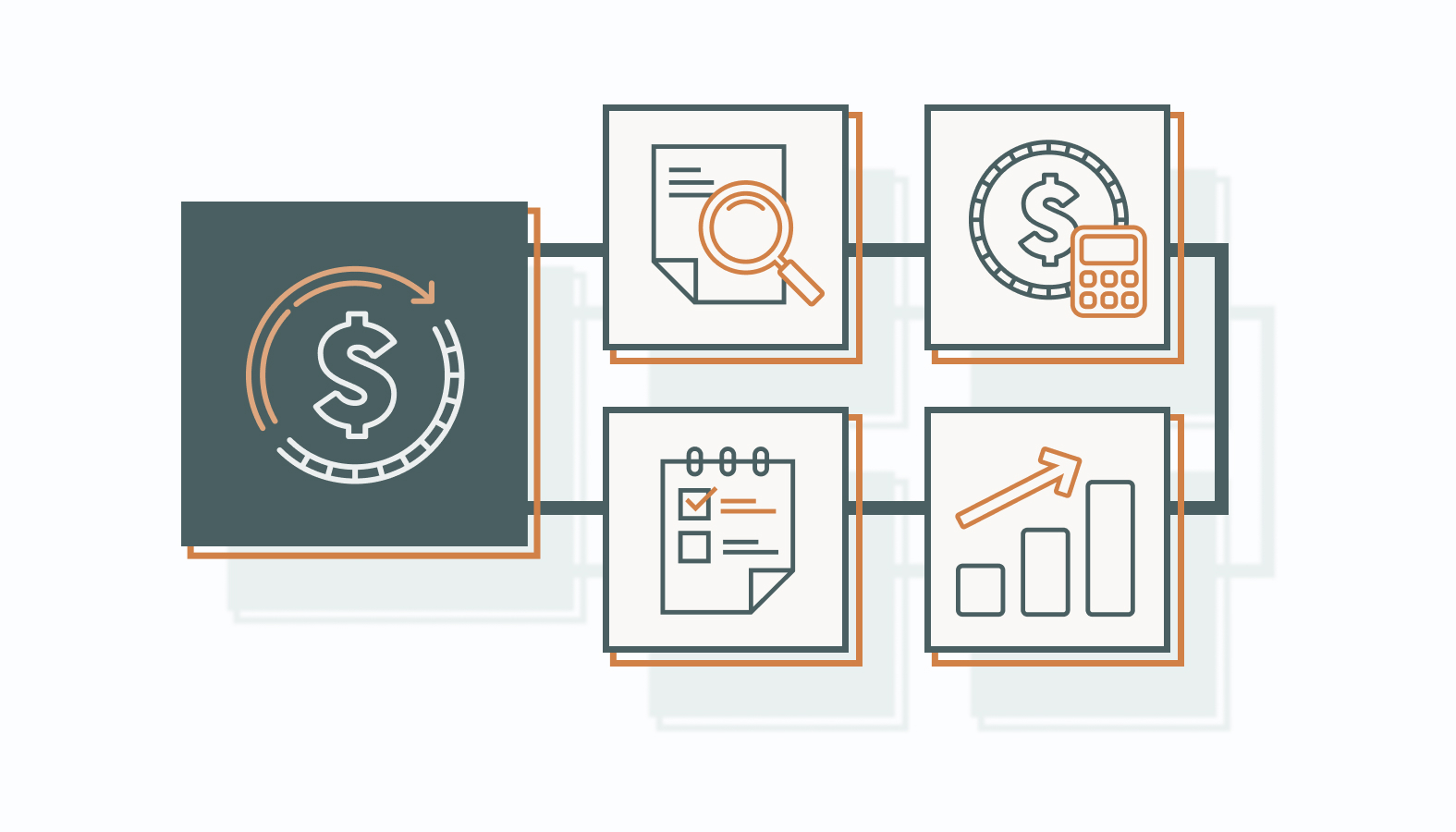
Not all tasks are created equal. Some tweaks can produce massive results, while others barely get their desired outcomes. The trick is knowing where to focus first.
How to prioritize effectively:
- Identify high-leverage opportunities: Look for challenges or underperforming funnel stages that directly impact revenue.
- Quantify potential gains: Estimate the increase in leads, conversions, or revenue before committing resources.
- Sequence by impact and effort: Fix the “low-hanging fruit” with high ROI first, then tackle bigger, more complex initiatives.
- Keep a results log: Track improvements to validate ROI assumptions and refine priorities for the next move.
This way, every action you take is intentional, and the payoff is measurable.
Setting Realistic Q1 KPIs
Goals without context are just numbers. KPIs shouldn’t overwhelm but rather guide your team. For Q1, focus on achievable, meaningful targets that align with your business objectives.
Steps to set KPIs that actually drive results:
- Align with business priorities: For revenue growth, lead generation, or customer retention, choose metrics that matter.
- Be specific and measurable: Define the exact numbers your team should hit for leads, conversions, and engagement.
- Set time-bound milestones: Break Q1 into 30-day sprints for easier monitoring and course correction.
- Factor in past performance: Historical benchmarks provide context for realistic expectations.
- Include leading and lagging indicators: Track both early signs of success (like engagement or demo requests) and outcome metrics (like closed revenue).
KPIs are targets and signals that your funnel adjustments are working and that you’re ready to scale.
Resource Allocation: Build vs. Buy
Even the best team has limits. Deciding what to handle internally versus outsourcing is critical to prevent burnout and maintain execution speed.
Considerations for smart resource planning:
- Assess internal expertise: Can your team audit, analyze, and implement changes without sacrificing existing priorities?
- Evaluate bandwidth: Make sure audit tasks don’t compromise day-to-day operations or January lead follow-ups.
- Engage specialized agencies selectively: Use outside experts for complex technical, data, or automation challenges.
- Balance short-term load with long-term capacity: Plan so your team can act on insights immediately, not months later.
- Allocate clearly defined ownership: Assign responsibilities for each phase with no gaps and no finger-pointing.
When done correctly, resource planning ensures your team operates like a well-oiled machine. Fast, precise, and fully capable of handling the surge of new opportunities.
Keeping the Roadmap Alive
A 90-day roadmap isn’t static. Market conditions, competitor moves, and buyer behaviors shift constantly. Treat the roadmap as a living document:
- Schedule weekly check-ins to assess progress.
- Adjust priorities based on emerging insights.
- Keep an audit trail of changes and results to learn and iterate continuously.
A dynamic roadmap guides action and empowers your team to respond, adapt, and stay several steps ahead of competitors.
The Critical Metrics That Define a “Ready” Funnel
A funnel is truly ready when the numbers tell the story. Metrics are your funnel’s pulse, and monitoring them ensures it’s moving and performing like a finely tuned machine. It’s comparable to reading the dashboard of a Ferrari before a high-stakes race because one wrong reading and you risk blowing the engine, or worse, missing revenue.
By tracking the right metrics, you gain actionable insights, such as where to double down, where to pivot, and where to stop wasting time.
Data Gathering: Building Your Insight Engine
Before metrics can inform strategy, you need clean, accurate data. It is the difference between guessing and knowing.
Pro tips for robust data collection:
- Implement advanced analytics: Use tools that capture the full funnel from awareness to post-sale engagement.
- Maintain an audit trail: Log every change in campaigns, workflows, or lead scoring rules. This action gives you a “before vs. after” lens on performance.
- Cross-channel tracking: Ensure leads and conversions are accurately attributed across paid, organic, and referral channels.
- Historical comparisons: Track metrics over time to identify trends, anomalies, and seasonality effects.
Collecting data is investing in predictive intelligence, giving you a clear picture of what’s working and what’s leaking revenue.
Reviewing Key Metrics: What Really Matters
Not all numbers are created equal. Focus on the metrics that truly reflect funnel health and readiness:
Top metrics to monitor:
- Conversion Rates:
- Top-to-middle-funnel conversion (awareness → lead)
- Middle-to-bottom-funnel conversion (lead → opportunity)
- Opportunity-to-customer conversion (deal closed)
- Lead Quality:
- Percentage of MQLs that become SQLs
- Engagement scores across email, website, and social channels
- Lead fit vs. your ideal customer profile (ICP)
- Customer Engagement:
- Email open/click-through rates
- Content consumption patterns (downloads, video views, webinar attendance)
- Repeat interactions over time
- Funnel Velocity:
- Average time to convert at each stage
- Roadblock identification where prospects get stuck or stall
- Churn and Retention Signals:
- Early warning signs for existing customers at risk
- Upsell or cross-sell performance
Turning Metrics Into Action
Data alone doesn’t generate results. The real work happens when metrics guide action:
How to leverage your numbers like a marketing superhero:
- Identify weak spots: Low conversion or engagement metrics? Drill down, then redesign the journey or messaging.
- Optimize high-performers: Take your best-performing segments and campaigns, then replicate or scale them.
- Set metric-driven targets: Align KPIs for the next quarter based on historical insights.
- Test and iterate: Use A/B testing to validate changes and ensure improvements stick.
- Communicate insights: Make metrics visible to the team, as shared knowledge drives faster and smarter execution.
Metrics are a real-time diagnostic system. Track them consistently, interpret them intelligently, and your funnel becomes unstoppable.
Predictive Funnel Intelligence
Here’s where we get fancy: measure what happened, and predict what’s next.
- Lead scoring adjustments: Use historical data to forecast which leads are most likely to convert this quarter.
- Trend spotting: Identify seasonal or behavioral patterns to anticipate surges or lulls.
- Scenario modeling: “If we increase email cadence by 20%, what happens to conversions?” Run the numbers before committing resources.
By turning your funnel into a predictive engine, you move from reactive to strategic and preemptive, leaving competitors scrambling while you’re already executing the next play.
From Audit to Advantage: Turning Insights into Growth
A funnel audit is your blueprint for seizing the year ahead. By systematically reviewing, optimizing, and refining your funnel, you create a marketing engine that performs and dominates.
Momentum isn’t accidental but engineered. With insights in hand and gaps addressed, you’re positioned to:
- Capture opportunities faster than competitors scramble.
- Reduce revenue leakage with precision fixes.
- Scale campaigns with confidence, backed by data-driven clarity.
When done right, your audit transforms potential into performance, which gives you a competitive advantage that lasts well beyond January.
Schedule Your Funnel Readiness Strategy Session
Optimizing your funnel is a strategic move that can deliver tangible growth in Q1 and beyond. The steps in this guide are your roadmap, but the real power comes when they’re applied to your business.
Our team of seasoned experts can help you:
- Translate audit insights into a tailored action plan.
- Identify high-leverage opportunities and quick wins.
- Ensure your marketing engine is firing on all cylinders from day one.
No fluff. No hard sell. Just clear and actionable guidance.
Schedule a candid conversation with one of our experts.» Let’s map out how your funnel can start the year optimized, agile, and ready to outperform.