



Customers have become quick to tune out anything that feels random, which is why personalization technology now sits at the center of modern business strategy.
Companies that rely on guesswork usually see lower engagement, stalled conversions, and rising competition. But when you use personalization in the right way, you can shape every step of the customer journey so it feels natural and helpful rather than forced.
With 2026 bringing new tools and smarter automation, the challenge isn’t access to technology; it’s knowing how to use it with intent. This article gives you a clear path forward so you can cut through the noise and build experiences that actually matter.
Here’s where to start.
Navigating Personalization Technology
Personalization technology is reshaping how modern organizations operate. Customers no longer respond to anything generic or scattershot.
When brands use data thoughtfully, they can create interactions that feel intentional, relevant, and actually useful. The result:
- Businesses communicate with precision instead of assumptions.
- Brands earn more attention in a crowded landscape.
- Teams that guide experiences thoughtfully move faster and grow stronger without overwhelming users.
What is Personalization Technology?
At its core, personalization technology transforms raw data into experiences that feel tailored to each individual. It allows businesses to:
- Adjust content, recommendations, and experiences based on actual behavior.
- Replace guesswork with purposeful, relevant interactions.
- Signal to customers that the brand is paying attention and values them.
In today’s digital environment, personalization is expected. Done right, it differentiates your brand and makes interactions feel meaningful.
Benefits of Personalization Technology
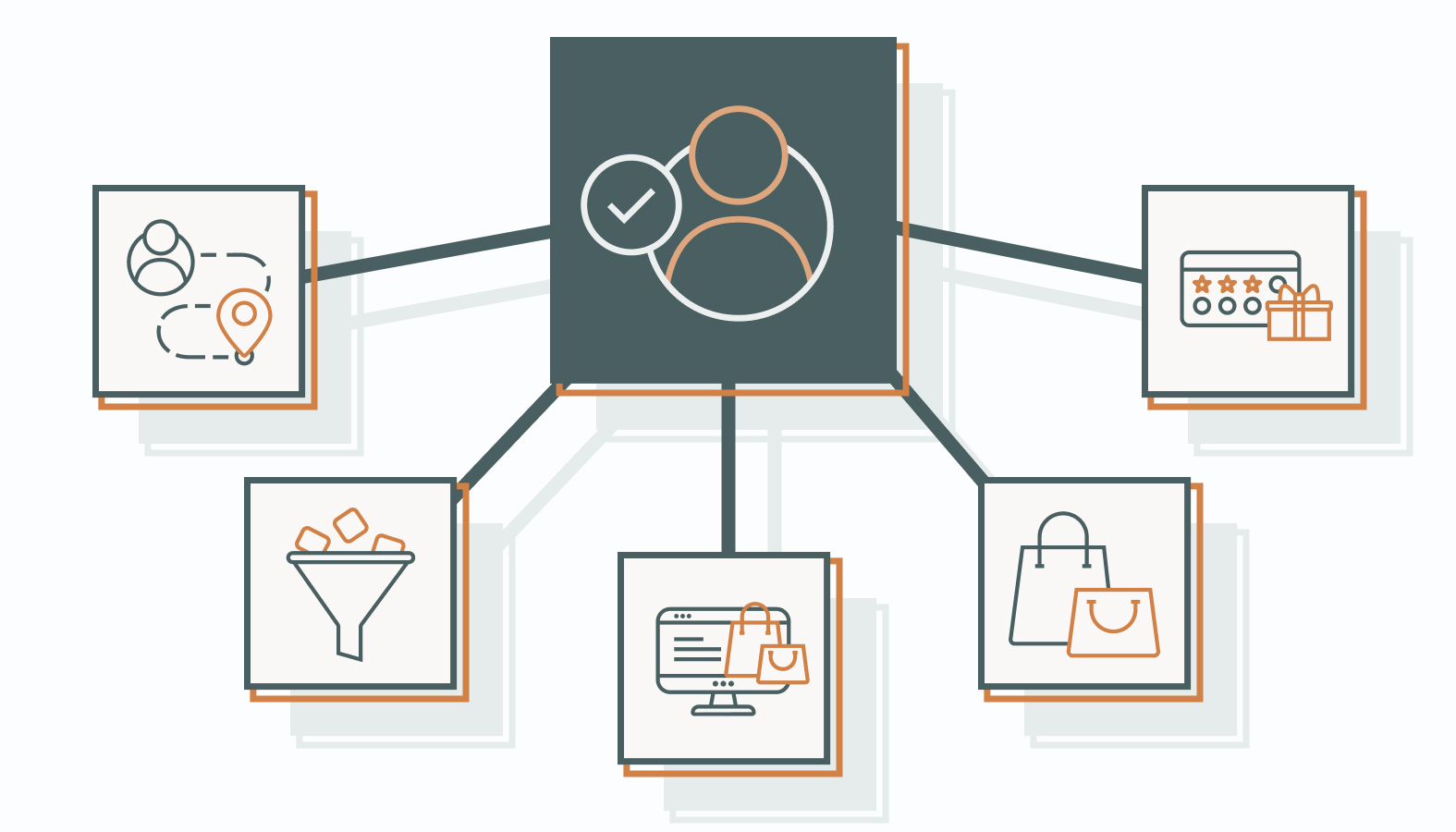
When personalization is applied with structure and intent, it creates measurable advantages for both the business and the customer.
1) Enhancing Customer Journeys
Every customer journey is a story, and personalization ensures it’s a story that makes sense.
- Personalized journeys help users navigate your site or app without feeling lost.
- Suggestions feel connected to prior choices, guiding decisions naturally.
- Examples: Amazon and Netflix keep users engaged by tailoring content based on behavior.
Bottom line: When interactions feel intuitive, customers stick around longer and engage more deeply.
2) Increasing Conversion Success
Conversions aren’t magic – they happen when customers see what matters most to them, at the right time.
- Deliver the right message at the right moment by analyzing user patterns.
- Targeted campaigns drive meaningful responses – one e-commerce brand saw double-digit gains from personalized email flows.
- The principle is simple: when messages match what customers are actually considering, they act.
Bottom line: Timing and relevance are everything; personalization ensures you hit both.
3) Reducing Cart Drop-Offs
Abandoned carts are the silent revenue killers. Personalization helps customers cross the finish line.
- Interruptions during checkout cause abandonment; personalization steps in to smooth the path.
- Effective tactics include timely reminders, helpful nudges, and offers that feel relevant, not pushy
- Combine with a clear checkout process to maximize completion rates.
Bottom line: A thoughtful nudge at the right moment can turn hesitation into a sale.
4) Raising Average Order Value
When done right, personalization doesn’t pressure – it guides customers toward options that make sense.
- Suggest related products, upgrades, or bundles that align with customer behavior.
- Customers increase order size naturally because recommendations feel useful.
- Proven approach: online retailers strategically cross-sell and upsell with personalization.
Bottom line: Smart recommendations lead to more satisfied customers and higher revenue.
5) Building Customer Loyalty
Loyalty is earned when customers feel understood, not marketed to.
- Personalization strengthens long-term relationships by making customers feel recognized.
- Brands can:
- Tailor loyalty programs to individual histories
- Deliver meaningful rewards and experiences
- Outcome: repeat purchases, higher engagement, and enthusiastic advocates.
Bottom line: Recognition and relevance turn occasional buyers into devoted fans.
How to Select the Best Personalization Tools
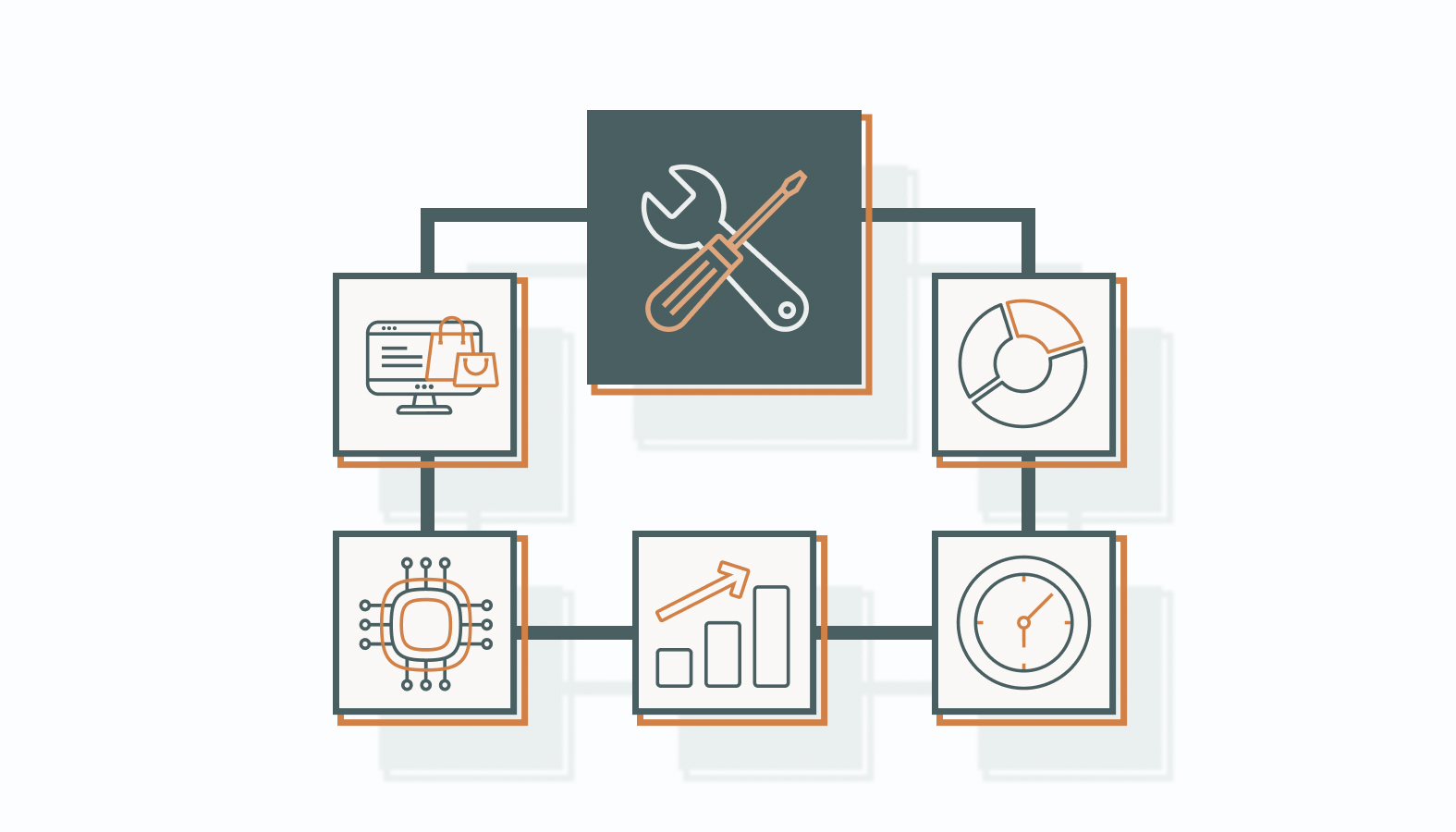
Choosing the right personalization tools is a tech decision that determines whether your customer experience feels intelligent or improvisational. The strongest platforms align with your goals, plug neatly into your existing stack, and give you the firepower to deliver experiences that feel tailored instead of templated. When done well, your tools become less of a system upgrade and more of a competitive advantage.
Effective personalization technology comes with a shared baseline: it turns scattered data into clear signals, transforms insights into action, and keeps every interaction grounded in relevance.
Below are the capabilities that separate actual personalization engines from the pretenders.
Capturing and Segmenting Data
Data collection is where the entire operation begins. You need tools that can gather behavioral, transactional, and preference-based information without turning your tech stack into a cluttered attic.
Sharp segmentation is what brings order to the chaos. Whether you’re using demographic, behavioral, lifecycle, or intent-based clusters, segmentation gives you precision. You’re no longer talking to “everyone.” You’re talking to the right person with the right message.
Real-Time Behavior Optimization
If segmentation is the blueprint, real-time optimization is the autopilot, constantly adjusting based on what users are doing right now.
Smart platforms read live behavior and respond instantly. Browsing patterns shift? Recommendations update. A user hesitates? Messaging adapts. This is the difference between being reactive and feeling eerily intuitive in the best way possible.
Predictive and Rule-Based Personalization
Predictive engines use algorithms and historical patterns to anticipate what a customer will want next. Rule-based systems keep you in full control by applying clear, predefined conditions.
Both are valuable. Predictive models thrive in environments with lots of variable behavior. Rule-based setups shine when consistency matters, like onboarding flows or compliant industries. The magic happens when you blend both approaches to balance creativity with reliability.
Algorithm Testing
Even the smartest model needs tuning. Continuous testing is how you keep your personalization strategy sharp instead of stale.
A/B testing, insight reviews, and performance metrics help you validate what’s working and quickly pivot from what’s not. The goal isn’t perfection. It’s a controlled iteration that steadily increases accuracy and impact.
Integrating with Channels and eCommerce
A brilliant personalization engine falls flat if it lives in isolation. Your tools must integrate seamlessly across every major channel – web, mobile, email, retail, and your eCommerce platform.
Consistent experiences across touchpoints build trust. And trust builds momentum. When your tools talk to each other, customers enjoy a smooth journey that feels connected instead of cobbled together.
Teams that select tools with these capabilities don’t just “do personalization.” They operationalize it. With the right foundation, personalization becomes a system that scales with you, strengthens every interaction, and turns customer understanding into a real business advantage.
Essential Elements of Personalization Technology
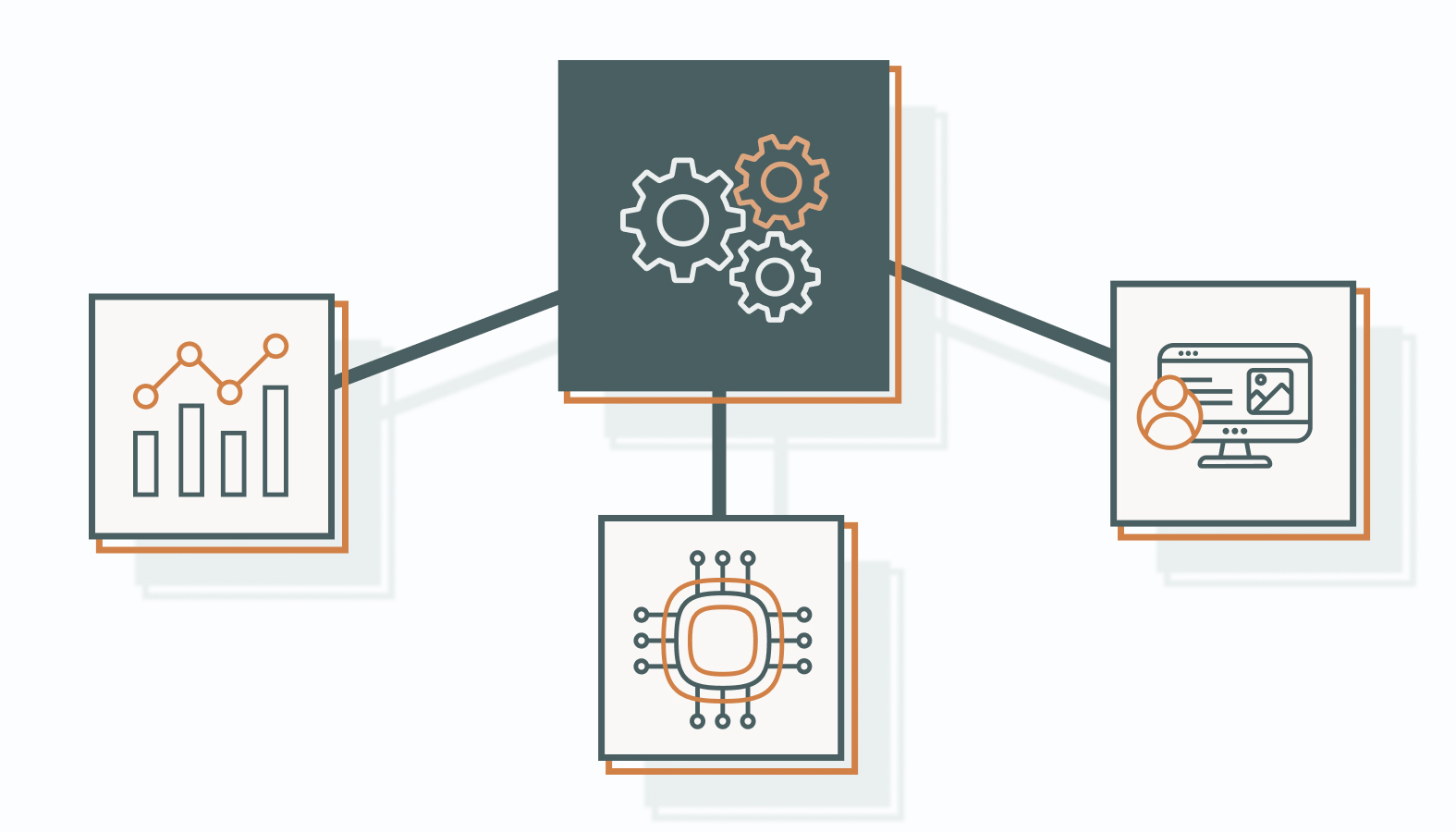
Understanding the core components of personalization technology gives you the leverage to turn a strategy into a system. These are the mechanics that make modern personalization intelligent instead of ornamental.
When each element works in sync, customers experience interactions that feel designed, instead of accidental.
Data Gathering and Analysis
Effective personalization starts with disciplined data intake. Not “collect everything and pray,” but targeted, meaningful capture from signals that actually matter: on-site actions, purchase patterns, channel behavior, and moments of intent.
Once gathered, your analysis layer does the heavy lifting. Strong analytical engines translate raw inputs into useful intelligence, revealing motivations, momentum shifts, and engagement cues. This is where your strategy stops guessing and starts interpreting. Think of it as the difference between having a map and having radar.
Applying Machine Learning
Machine learning moves personalization from static to self-improving. Instead of rules that age like leftovers, ML models learn, iterate, and adapt continuously.
This is where things get interesting. Models spot correlations humans would ignore and surface opportunities you’d never find manually. Recommendation engines evolve with behavior. Pricing adjusts with precision. Content sequences update themselves based on what each person responds to.
In short, ML lets your system do the thinking at scale while your team focuses on steering the ship.
Crafting User Experiences
Even the smartest technology falls flat behind a clunky interface. Personalization still depends on thoughtful user experience design.
Interfaces should react to context, simplify navigation, and give users control where it matters. Customizable elements, intuitive pathways, and layouts that shift with device and intent create experiences that feel personal without shouting “We personalized this!”
The goal is frictionless clarity. When design aligns with intelligence, users feel like the product understands them instinctively.
Businesses that combine these foundational elements build personalization systems that respond, anticipate, adapt, and continuously refine. It’s the foundation every future-ready strategy depends on.
Future Trends in Personalization for 2026
Looking ahead to 2026, personalization is entering a phase where capability alone isn’t enough. The next wave is about orchestration: systems that think together, move faster, and make personalization feel almost invisible in its precision.

Here are the trends reshaping what’s possible.
Unified Personalization Platforms
The days of duct-taped tools pretending to be a “stack” are over. Unified platforms consolidate your data, decisioning, and delivery layers under one roof.
Expect more platforms with built-in intelligence, cleaner workflows, and deeper cross-channel compatibility. These systems coordinate the entire experience, ensuring your personalization doesn’t feel like five different departments acting independently.
The result: alignment, speed, and fewer headaches for your team.
Revealing Anonymous Users
Anonymous users used to be the blind spot. Today, they’re the frontier.
Advancements in behavior modeling, pattern recognition, and consent-friendly identity techniques allow brands to infer intent without requiring a user to log in. Early-journey personalization becomes more accurate, and first-time visitors experience relevance instead of static default content.
For brands, this means more engagement before a user ever hands over their information.
IoT Device Integration
IoT is turning passive personalization into environmental personalization: systems responding to context in real time.
Connected devices feed continuous data loops that inform preferences, routines, and usage patterns. Smart appliances, wearables, vehicles, home hubs: they all contribute signals that allow brands to personalize beyond the screen.
This trend moves personalization from an activity into an ecosystem.
Personalizing Individual Experiences
The endgame of personalization has always been one-to-one engagement at scale. In 2026, that vision becomes achievable.
With dynamic content systems, adaptive journeys, and AI-driven orchestration, brands will move beyond “relevant segments” into experiences built for one specific person in one specific moment.
Customers don’t see personalization as a strategy. They feel it as recognition. The businesses that master this will earn loyalty that others can’t replicate.
How to Implement Effective Personalization Strategies

Executing meaningful personalization isn’t about flipping a switch. It’s a strategic build that requires clarity, coordination, and the right firepower behind the scenes.
Here’s how to implement with intent instead of improvisation.
1) Determine Business Objectives
Personalization only works when it supports the mission, not distracts from it. Clear objectives act as your targeting system.
Start by defining what you want personalized experiences to influence. Engagement? Conversions? Customer lifetime value? Choose goals with metrics you can actually measure and revisit often. Objectives should sharpen your decision-making, not sit in a slide deck collecting dust.
Use a simple alignment framework:
- Identify the specific customer behaviors you want to improve.
- Set measurable targets tied to those behaviors.
- Validate that each personalization initiative pushes the business toward those targets.
- Review quarterly to adjust course as your customer patterns evolve.
This approach gives your strategy direction, momentum, and proof of impact.
2) Assemble the Right Team
A strong personalization engine needs more than software. It needs people who understand how to translate data into experiences customers actually enjoy.
Build a team that brings range:
- Data analysts who can extract signal from noise.
- UX and product designers who can translate intelligence into intuitive experiences.
- Marketing strategists who know how to move users from interest to action.
When hiring or upskilling, prioritize:
- A proven track record with data-driven decision-making.
- Curiosity paired with technical literacy.
- An understanding of the psychological triggers behind user behavior.
Give your team ongoing training in emerging personalization techniques and tools. You’re not just assembling talent. You’re building an engine that improves with every cycle.
3) Select Appropriate Technology
Choosing technology is where the strategy meets the circuit board. The right tools amplify your team. The wrong ones slow them down.
Evaluate platforms with the same rigor you’d apply to a high-stakes technology investment:
- Scalability: Can it grow with your user base and data volume?
- Integration depth: Does it cooperate with your existing systems, or does it insist on being the diva of the stack?
- Usability: Can your team operate it without a certification in interstellar engineering?
Also consider vendor support and roadmap transparency:
- Are updates consistent and meaningful?
- Does the vendor’s long-term vision align with yours?
- Will the platform’s capabilities still matter in two years?
You’re not looking for shiny features. You’re looking for sustained advantage.
4) Plan the Implementation Roadmap
This is where strategy becomes structure. A thoughtful roadmap keeps your initiatives on track and your team aligned.
Build your implementation sequence with intention:
- Define key phases (data readiness, model building, deployment, optimization).
- Sequence tasks so each step supports the next instead of creating dependencies that stall your progress.
- Identify potential bottlenecks early, whether technical, operational, or organizational.
Manage timelines like a pro:
- Set deadlines that are realistic but firm.
- Create checkpoints tied to measurable outputs.
- Review progress frequently to recalibrate before minor issues become full-blown delays.
A strong roadmap doesn’t just guide execution. It keeps momentum high, team effort synchronized, and leadership confident that personalization is scaling the way it should.
Bringing Personalization Into Focus
Personalization has moved from a nice-to-have to a core growth driver. When you apply it with structure and intent, you turn scattered data into clarity, customer journeys into momentum, and every interaction into an advantage your competitors can’t easily copy.
If you’re ready to push your personalization strategy further or want a clearer path for your team, we’re here to help. Schedule a candid conversation with one of our experts and see how a smarter, more coordinated approach can elevate your business in 2026 and beyond.