



Today’s shoppers don’t wait. They zigzag between devices, apps, and physical stores, making split-second decisions at every turn. If your brand isn’t ready to meet them everywhere, you’re already a step behind. Multichannel retailing is a competitive way of orchestrating every touchpoint into a seamless, high-performance retail experience.
But here’s the catch: more channels mean more moving parts. Without a strategic approach, you risk tangled inventory, scattered data, and lost revenue. The key is mastering how every channel connects, amplifies, and elevates the others.
This isn’t a concept; it’s a field-tested blueprint. Keep reading to see how to streamline operations, sharpen your channel strategy, and turn multichannel retail into measurable growth.
The Power Play: What Multichannel Retailing Really Means

Retail isn’t what it used to be. The traditional funnel has been replaced by a web of touchpoints, each one an opportunity to engage, convert, and retain.
Shoppers bounce between digital and physical spaces like electrons in motion, and your job is to meet them at every point of impact without losing energy or direction. That’s the essence of multichannel retailing: building presence, consistency, and control across a sprawling landscape.
Multichannel retailing is a strategic framework. It gives your business the ability to reach customers on their terms, expand visibility, and collect insights that drive smarter decisions. It’s where brand strategy meets operational precision, and when done right, it increases sales and compounds growth.
What Multichannel Retailing Is (and Why It Matters)
In today’s retail environment, your customers aren’t waiting in one place. They’re moving fast across devices and channels. Multichannel retailing meets them wherever they are, giving your business both reach and flexibility.
Key Components of Multichannel Retailing
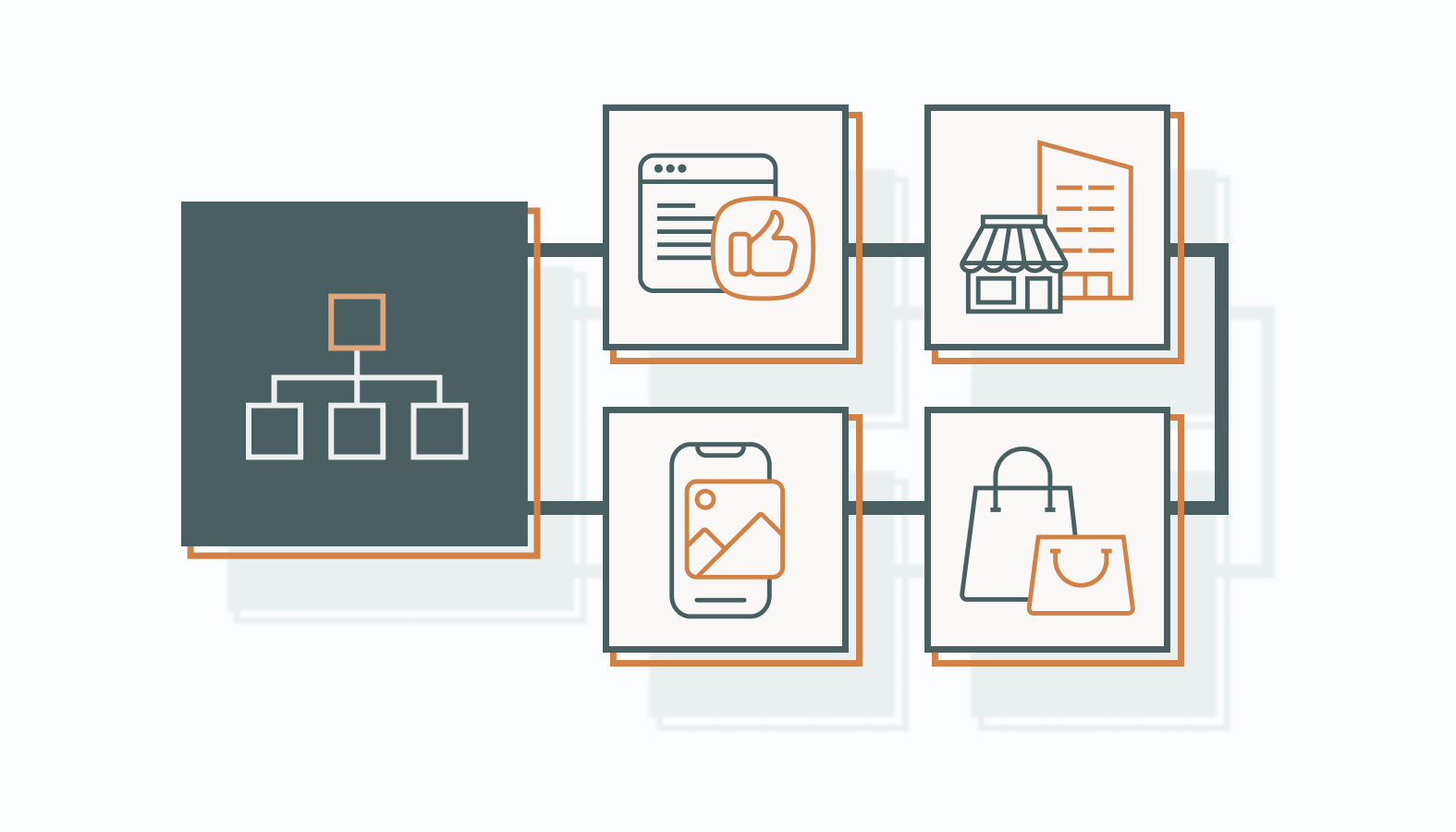
Every channel has a purpose, and knowing which to leverage determines your success:
- Online Stores: Provide convenience, immediate access, and 24/7 shopping potential.
- Physical Locations: Offer tactile experiences, personal interaction, and brand immersion.
- Marketplaces & Apps: Expand your audience quickly with established platforms like Amazon or mobile apps.
- Social Commerce: Builds community, trust, and direct engagement through platforms like Instagram Shops or TikTok.
When each channel is strategically leveraged, you create a network that captures attention, drives sales, and reinforces your brand’s presence.
Why It Matters Today
Customers’ expectations have outpaced traditional retail. They research on mobile, compare on desktop, and finalize purchases wherever it’s convenient.
- Fluid Customer Behavior: Shoppers switch platforms without warning; you must be visible in every key moment.
- Brand Visibility Across Touchpoints: Presence at the right time keeps your brand part of the decision-making process.
- Precision Over Presence: Each channel has distinct strengths (like convenience, experience, or connection), and coordinating them is where real advantage lies.
A precise, coordinated multichannel strategy ensures your brand goes beyond existing. Instead, it performs and grows across every touchpoint.
Multichannel vs. Omnichannel: Know the Difference, Win the Game
Multichannel and omnichannel are related but not interchangeable. Understanding the distinction helps you build a strategy that works, not just looks good on paper.
Multichannel Basics
In a multichannel setup, each platform operates independently.
- Channels can include e-commerce sites, social platforms, marketplaces, and physical stores.
- Success comes from having a strong presence, even if the channels don’t talk to each other.
Multichannel is about breadth and visibility, covering the map before connecting the dots.
Omnichannel Advantage
Omnichannel integrates all channels, creating a cohesive, connected experience.
- Customers feel continuity whether they interact with your brand online, offline, or via mobile.
- Every interaction reinforces the brand, improving loyalty and conversion.
Omnichannel amplifies multichannel efforts by turning isolated channels into a unified, powerful customer journey.
Winning Approach
To excel in multichannel retailing, focus on intention and insight:
- Be Intentional: Invest in channels your audience actually uses.
- Consistency is King: Keep messaging, visuals, and offers aligned across all touchpoints.
- Use Tech Wisely: CRM systems, analytics dashboards, and AI tools help track, optimize, and predict performance across your channels.
A strategic, measured approach transforms scattered efforts into a system that drives proactive growth and positions your brand ahead of the curve.
Sales Channel Mastery: Where to Sell and How to Win
Modern retail isn’t a single stage; it’s a full arena. To perform consistently, you need to know where to play, how to dominate, and which tools to deploy. Each sales channel has unique advantages, and using them strategically can transform reach into measurable growth.
Turn Social Media Into a Sales Engine
Social media has evolved from a casual networking tool into a direct route to revenue. To make it work for your brand, think about how each interaction (likes, comments, shares, and clicks) can drive engagement and, ultimately, conversions.
To maximize results across social platforms:
- Use precision targeting to reach audiences already interested in products like yours.
- Engage actively with your community to deepen loyalty and spark word-of-mouth growth.
- Partner with influencers or brand advocates to expand reach and credibility.
- Embed shoppable content to shorten the path from inspiration to purchase.
When every post, story, and ad contributes to a larger strategy, social media stops being noise and starts being a powerful revenue engine.
Build a Store That Converts Every. Single. Time.
Your e-commerce platform is the central hub of your digital retail ecosystem. A well-designed site does more than look good. It guides customers effortlessly from browsing to buying, while reflecting your brand’s personality and credibility.
Consider these approaches to make your online store perform at its peak:
- Prioritize mobile-first design and intuitive navigation to keep customers engaged at every step.
- Use high-quality images, videos, and descriptive content to bring products to life and reduce hesitation.
- Streamline the checkout process with clear payment options and minimal friction.
- Continuously refine site performance with A/B testing, analytics, and customer behavior insights.
A strong e-commerce presence converts casual visits into measurable sales while reinforcing trust and brand authority.
Win Big on Marketplaces Without Losing Your Edge
Marketplaces like Amazon, eBay, and Google Shopping put your products in front of massive audiences, but standing out requires more than just listing your products.
To excel in this crowded space:
- Optimize product listings with clear titles, engaging visuals, and compelling descriptions.
- Maintain competitive pricing while protecting margins through smart, dynamic adjustments.
- Monitor and manage customer reviews to build credibility and trust.
- Ensure real-time inventory alignment to avoid overselling or missed opportunities.
Strategically leveraging marketplaces allows your brand to reach new customers while maintaining control over its reputation and performance.
Bring the Tech Magic to Brick-and-Mortar
Physical stores continue to matter. They offer experiences digital channels can’t replicate. But adding technology gives in-store interactions an extra edge, converting foot traffic into engagement and loyalty.
Ways to enhance the in-person experience include:
- Implementing interactive displays or augmented reality tools so customers can explore products in dynamic ways.
- Integrating mobile apps or loyalty programs to streamline checkouts and reward engagement.
- Hosting events, workshops, or exclusive launches that attract visitors and create memorable experiences.
- Training staff to deliver consistent, high-quality service while collecting feedback to fine-tune the in-store experience.
With the right mix of technology and human interaction, your stores become memorable destinations that strengthen both sales and brand loyalty.
Advantages of Multichannel Retailing
Success in retail today comes from strategically managing multiple touchpoints that work together to drive growth. Leveraging a multichannel approach allows brands to expand their reach, deepen customer connections, and act on insights with precision.

Multiply Revenue, Minimize Risk
Selling across multiple platforms increases revenue potential and spreads exposure across diverse audiences. Each channel brings its own opportunities, and when coordinated, they strengthen your bottom line while reducing reliance on any single source.
Key ways to harness multiple channels:
- Dynamic Pricing: Adjust channel-specific pricing to align with demand, competitor trends, and customer expectations.
- Targeted Promotions: Create campaigns that resonate with specific audience segments on each platform.
- Bundling & Cross-Selling: Offer complementary products to increase average order values.
- Segmented Reach: Access new demographics without overdependence on one sales channel.
The outcome is a more resilient business model that capitalizes on diverse streams of revenue while keeping risks in check.
Make Every Customer Feel Like a VIP
Personalized engagement drives loyalty and repeat business. Multichannel retailing allows you to interact with customers wherever they are, ensuring every interaction feels thoughtful and relevant.
Ways to elevate customer engagement:
- Smart Automation: Use AI tools and chatbots to respond instantly and collect meaningful insights.
- Tailored Recommendations: Customize product and content suggestions based on preferences and purchase history.
- Omnichannel Communication: Coordinate messaging through email, SMS, apps, and social channels for continuity.
- Interactive Engagement: Encourage reviews, feedback, and participation to build stronger brand relationships.
When every touchpoint is thoughtfully designed, customers experience consistency, relevance, and convenience across all platforms.
Let Data Be Your Superpower
Data collected across channels provides actionable insights that help brands make smarter decisions and respond quickly to market shifts.
Practical ways to leverage data effectively:
- Customer Behavior Analysis: Track browsing, buying patterns, and engagement trends to anticipate needs.
- Channel Performance Insights: Identify which platforms drive conversions and adjust strategies accordingly.
- Predictive Analytics: Use trends and forecasting to optimize inventory, pricing, and marketing campaigns.
- Continuous Iteration: Refine strategies based on insights from sales, engagement, and feedback.
By treating data as a strategic asset, businesses can make proactive decisions, allocate resources effectively, and deliver experiences that resonate.
Real-World Multichannel Retailing Challenges (and How to Outsmart Them)

Scaling a multichannel strategy is as much about anticipating friction as it is about seizing opportunities. Each channel has its own quirks, and ignoring them can turn growth potential into operational headaches.
Here’s how savvy retailers tackle these hurdles while keeping control and momentum.
Tame Inventory Complexity with Smart Automation
Managing stock across multiple channels can feel like juggling flaming torches—one slip, and chaos ensues. Advanced inventory systems provide real-time visibility, allowing you to anticipate shortages, prevent overstocking, and synchronize fulfillment across platforms.
Key actions to bring order to inventory:
- Automated Tracking: Integrate inventory management software with each channel to maintain accurate stock levels.
- IoT & RFID Technology: Gain precise, real-time insights into product location and availability.
- Predictive Demand Analytics: Forecast demand trends to align production and reduce holding costs.
- Cross-Channel Fulfillment Coordination: Ensure orders from online, mobile, and in-store channels are efficiently routed.
When inventory flows smoothly, customer expectations are met, and operational efficiency becomes a competitive advantage.
Budget Strategically to Maximize Impact
Investing in multichannel retail isn’t about spending more—it’s about spending smarter. Retailers who plan budgets with a combination of foresight and flexibility get the most out of every dollar while staying agile.
Practical ways to control costs without limiting growth:
- Prioritize High-Impact Investments: Focus on technology, marketing, or staffing areas that deliver measurable ROI.
- Leverage Cloud-Based Tools: Scalable software solutions reduce upfront costs while enabling quick expansion.
- Optimize Operational Expenses: Identify redundancies, streamline workflows, and reduce waste across channels.
- Allocate Marketing Spend by Performance: Adjust campaigns based on channel-specific conversion metrics and audience engagement.
A thoughtful budget lets you accelerate growth while avoiding costly surprises that can derail multichannel ambitions.
Decode Sales Attribution to Make Informed Decisions
When a customer touches multiple channels before buying, figuring out which interaction drove the sale can feel like reading hieroglyphics. Robust attribution models and analytics tools turn this complexity into a roadmap for smarter investments and strategy.
Steps to master sales attribution:
- Implement Cross-Channel Tracking: Follow the customer journey from discovery to purchase across every touchpoint.
- Use CRM and Analytics Platforms: Aggregate data to see which channels contribute most to revenue and engagement.
- Test and Adjust Models: Continuously refine attribution methods to account for evolving shopping behavior.
- Measure Long-Term Value: Evaluate channel contributions not only for immediate sales but also for repeat business and loyalty.
When you understand how every interaction moves the needle, resource allocation becomes precise, campaigns become more effective, and your multichannel strategy stops guessing and starts performing.
Multichannel Retailing Playbook: Build, Scale, and Win
Thriving in today’s retail arena requires more than showing up. It demands a calculated orchestration of strategy, technology, and human insight.
Here’s how top-tier brands execute multichannel strategies that scale and dominate.
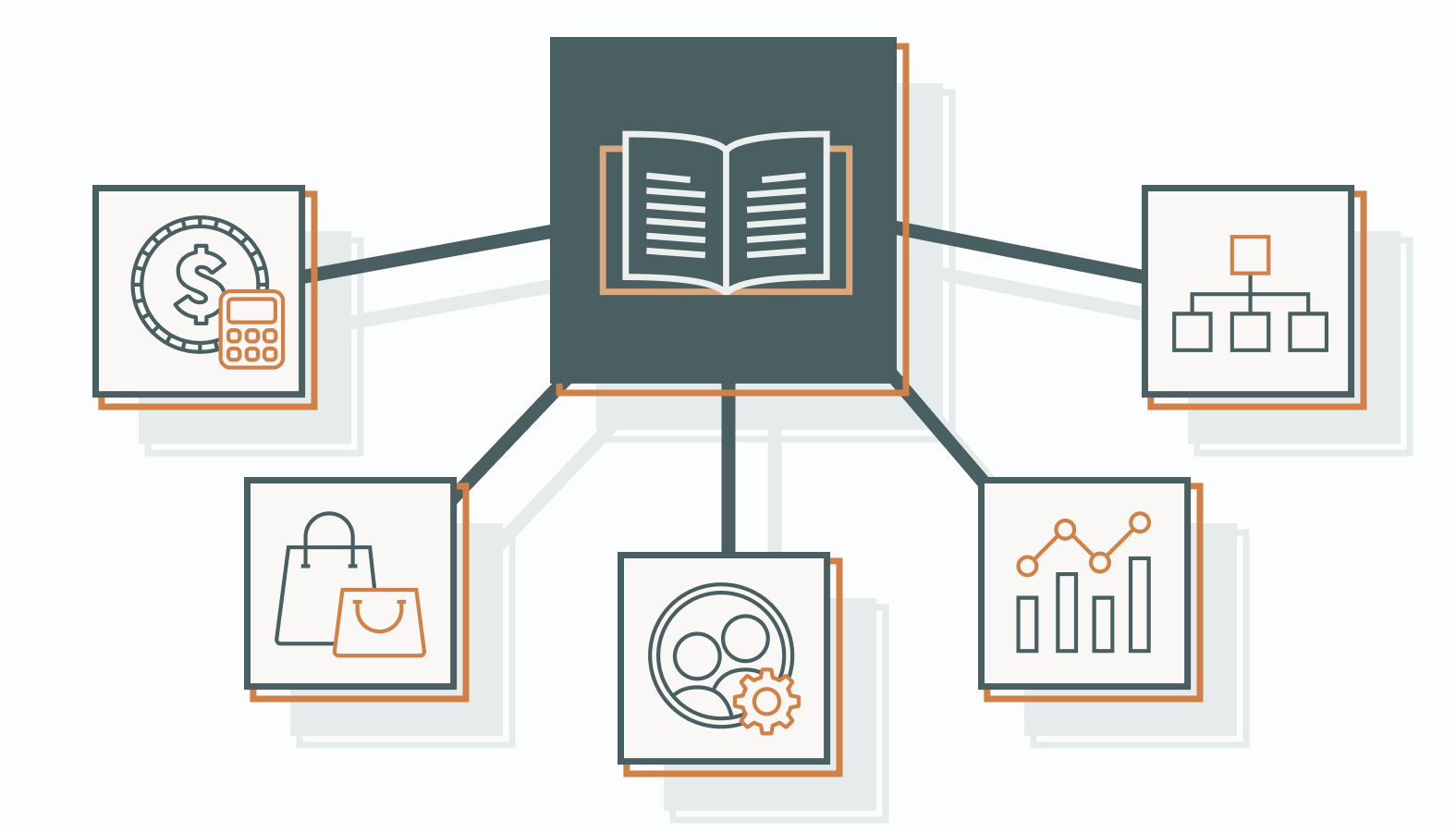
1) Plan Finances Like a Fortune 500
Every winning strategy starts with a financial blueprint. Multichannel operations involve multiple moving parts (like tech investments, marketing campaigns, staffing, and logistics), all competing for your resources. A disciplined financial plan turns complexity into control.
Smart financial playbooks include:
- Forecast Across Channels: Predict technology, staffing, and marketing costs for each platform to anticipate cash flow needs.
- Continuous Performance Monitoring: Track ROI in real time to adjust allocations before minor issues turn into budgetary headaches.
- Investment Prioritization: Identify initiatives that deliver the biggest impact and scale them efficiently.
- Scenario Planning: Prepare for spikes in demand, seasonal shifts, or unexpected supply chain disruptions.
A strategic budget isn’t just about numbers. It’s a growth engine that keeps your strategy nimble, aggressive, and profitable.
2) Run Inventory Like Clockwork
Managing stock across multiple channels is a feat of precision engineering. Inventory isn’t just sitting on a shelf; it’s the lifeblood of your business. Miss a beat, and you risk disappointing customers or losing revenue.
Implementing a robust system goes beyond spreadsheets:
- Real-Time Tracking: Automated updates ensure accurate stock levels across every channel.
- Predictive Analytics: Align supply with demand forecasts to reduce holding costs and lost sales.
- Cross-Channel Coordination: Ensure orders from online, mobile, and in-store channels are fulfilled seamlessly.
When inventory flows like clockwork, customer expectations are consistently met, and your operations gain a competitive edge that rivals anyone in the market.
3) Turn Customer Service Into a Strategic Advantage
Customer service is no longer a support function; it’s a weapon. Every touchpoint, from chatbots to in-store interactions, shapes brand perception and loyalty.
To elevate your service game:
- Standardizing Excellence: Train teams to deliver a consistent experience across channels.
- Proactive Support: AI-powered chatbots anticipate needs and respond instantly.
- Feedback Loops: Collect and act on insights to continuously refine service quality.
- Personalized Engagement: Tailor every interaction to build deeper connections with customers.
By converting customer service into a proactive growth lever, you turn every interaction into an opportunity for loyalty, advocacy, and measurable revenue.
4) Connect the Dots With Integrated Data
Data is the neural network behind every successful multichannel operation. Disconnected systems create blind spots, inefficiencies, and missed opportunities.
Integrated data transforms chaos into clarity:
- Centralized Dashboards: Aggregate information from e-commerce, marketplaces, physical stores, and social platforms.
- Accessible, Accurate Reporting: Ensure teams can act on real-time insights without friction.
- Operational Efficiency: Streamline workflows to eliminate redundancies.
- Predictive Insights: Use trend analysis to optimize inventory, marketing campaigns, and staffing.
When your data is fully integrated, decisions are faster, more precise, and aligned with real-time market dynamics. As such, your brand gains the intelligence to stay several steps ahead.
5) Find and Perfect Your Channel Mix
The right channels aren’t static. Instead, they shift with audience behavior, market trends, and competitive moves. Multichannel mastery comes from constantly testing, analyzing, and refining where you play.
Ways to optimize your channel strategy:
- Continuous Analysis: Track engagement, conversion, and ROI by platform to uncover opportunities.
- Consumer-Centric Alignment: Focus on channels where your audience is already active.
- Flexible Adjustments: Reallocate resources swiftly as trends evolve or new platforms emerge.
- Experimentation with Innovation: Test new tech, content formats, or campaigns to uncover untapped potential.
With a fluid, data-informed channel mix, your brand remains agile, relevant, and in control of the multichannel landscape.
Building a Multichannel Engine That Works Around the Clock
Success in today’s retail arena isn’t just about showing up, but showing up everywhere intelligently. By leveraging online stores, marketplaces, social commerce, and brick-and-mortar locations in a coordinated, strategic way, your business can unlock new revenue streams, deliver unforgettable customer experiences, and stay ahead of the competition.
The path to multichannel mastery involves more than picking platforms. Streamlined inventory, smart budgeting, elevated customer service, and fully integrated data are the gears that keep your retail engine running smoothly. Coupled with constant market analysis and agile channel adjustments, these strategies ensure your business operates smoothly and performs, scales, and dominates.
Ready to make your multichannel strategy unstoppable?
Schedule a candid conversation with one of our experts and discover how your brand can turn every touchpoint into a growth powerhouse.