


Navigating the stormy seas of marketing can be daunting, even for the most experienced captains. With the industry constantly evolving and new trends emerging, it’s easy to lose sight of your course.
And while a skilled crew can help, a seasoned navigator is essential to steer the ship towards success. But what if you don’t have the resources to hire a full-time captain?
That’s where temporary marketing leadership comes in. A skilled interim leader can chart a new course, navigate challenges, and ensure your marketing efforts are always on track.
Whether you’re facing a specific storm or simply looking to optimize your journey, a temporary marketing expert could be the answer. This guide explores the qualities to look for in an interim leader and how they can benefit your business.
What Makes a Successful Marketing Leader?
A marketing leader needs a unique mix of valuable skills. They should be someone who takes charge, gets results, and works well with others. They know how to use data to make smart choices and quickly adapt to change.
The following qualities aren’t just nice to have; they’re essential for building successful marketing campaigns and achieving excellence.
Taking Responsibility
Great marketing leaders take full responsibility. That means taking credit for wins and owning up when things go wrong. When a leader is open about both successes and failures, it builds trust and respect.
Imagine a campaign that flops. A good leader doesn’t point fingers. Instead, they say, “This didn’t work, and it’s on me.” That kind of honesty makes the team feel supported and shows everyone that it’s okay to make mistakes.
When people see their boss being upfront, they’re more likely to be honest, too. This open approach helps the team work together to find solutions. And because no one is busy blaming others, making quick decisions is more effortless.
Ultimately, a leader who shows accountability sets the tone for the whole team. People feel more invested in the project when they know their leader has their back.
Prioritizing Results
Successful marketing leaders are all about results. They set clear goals and measure progress closely. By using Key Performance Indicators (KPIs), they keep their teams focused on achieving specific goals.
A brilliant leader leverages KPIs to help understand what’s working and what’s not. Analyzing these performance metrics allows the marketing team to make better decisions and adjust their plans immediately.
This results-driven mindset helps ensure the team is always moving forward and achieving the company’s goals.
Embracing Team Collaboration
A great marketing leader knows that teamwork is essential. By bringing people together (along with their diverse perspectives into the mix), it creates an environment where everyone feels heard and valued.
Open communication encourages collaboration. An empowering leader shares the spotlight and motivates team members to share ideas, concerns, and feedback without fear of judgment.
Schedule brainstorming sessions, cross-functional meetings, and other opportunities for open dialogue. This ensures everyone respects each other’s ideas, helps break down departmental barriers, and creates a sense of unity. When the team works together well, they can achieve collective success.
A collaborative culture boils down to leadership. Nurturing this mindset improves problem-solving, decision-making, and overall team morale.
Leveraging Data for Decisions
Data is the new oil in marketing. Successful leaders understand this and use it to drive data-backed decisions. By tracking key performance metrics and analyzing customer behavior, they can identify what’s working and what’s not.
A data-driven leader examines website traffic, social media engagement, and sales figures to understand customer preferences. This information fine-tunes marketing campaigns to better connect with their target audience. It’s about using data to guide every decision, from product launches to advertising spend.
Ultimately, a data-focused approach leads to more efficient resource allocation and better results. By basing decisions on facts rather than gut feelings, leaders can reduce risk, maximize marketing budgets, and increase the chances of success.
Embracing Agility
Marketing changes fast. Leaders must be quick thinkers who adapt to new technologies, consumer behaviors, and competitive landscapes. This means being flexible and ready to change course when needed.
Agility isn’t just about reacting to change; it’s about anticipating it. Successful marketing leaders stay informed about what’s happening in their industry and proactively identify opportunities and challenges. This foresight enables them to make strategic adjustments before they’re forced to react.
To embrace agility, the team must follow a culture of experimentation and innovation. Encourage team members to try new approaches, fail fast, and iterate quickly. By adopting a growth mindset and viewing failures as learning opportunities, teams can become more resilient and adaptable.
Rapid decision-making becomes the norm when marketing leaders demonstrate how to gather relevant data, analyze it quickly, and make informed decisions under pressure. It empowers teams to act decisively as well.
The Role of a Chief Marketing Officer (CMO) in Marketing Leadership
The Chief Marketing Officer (CMO) is the big boss of marketing. They set the direction, ensure everything aligns with the company’s goals, and keep the marketing team on track.
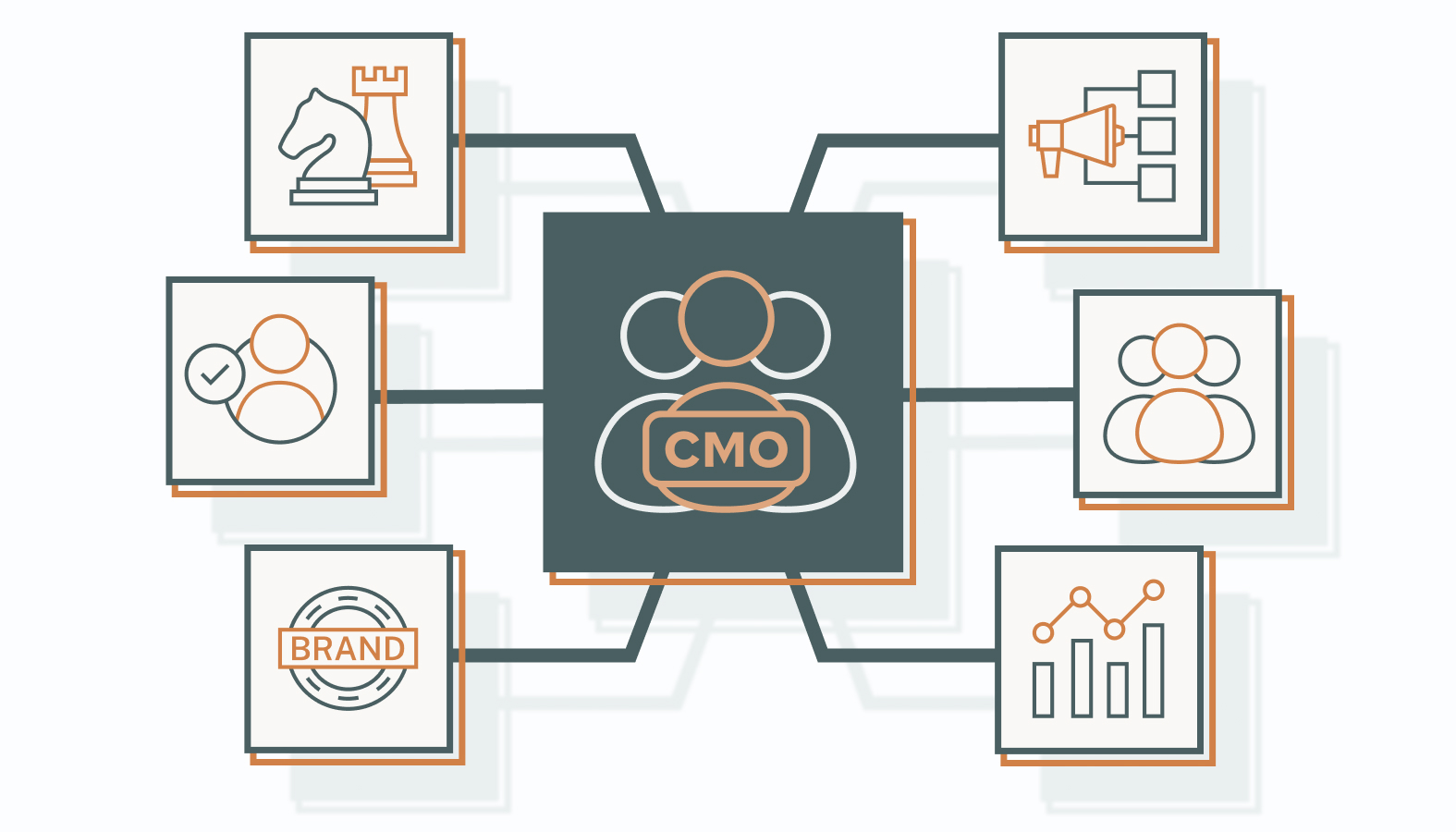
CMOs have several huge responsibilities, such as:
Strategic Vision and Planning
CMOs create a clear plan for the marketing team, starting with comprehensive market research to understand customer needs, preferences, and behaviors. By analyzing market trends, competitive landscapes, and consumer insights, CMOs can identify opportunities and potential challenges.
Once a clear picture of the market emerges, the CMO develops a strategic roadmap outlining the company’s marketing objectives and SMART (specific, measurable, achievable, relevant, and time-bound) goals. CMOs also establish Key Performance Indicators (KPIs) to track progress toward these goals.
For example, a CMO might want to increase sales by 10% next year. By setting specific targets and measuring results, they can make sure the marketing team is on the right track toward the same objectives.
With the CMO’s strategic roadmap and measurable goals, the company has a better chance of a sustainable competitive advantage.
Customer-Centric Marketing
Understanding and serving customers is at the heart of a CMO’s role. CMOs design great customer experiences and optimize the entire customer journey.
To do this, CMOs tailor marketing efforts to meet specific customer needs. For example, using customer data to send personalized emails or offers can make people feel valued and appreciated. When customers are happy, they’re more likely to keep coming back, naturally become brand advocates, and recommend your brand to others.
Putting customers first also helps businesses stay ahead of the competition. By understanding customer preferences and behaviors, CMOs can identify new opportunities and develop innovative products or services.
A customer-centric approach isn’t just about selling products. When CMOs listen and respond to customers’ needs, they build trust, loyalty, and a positive, lasting impression. This leads to increased customer satisfaction, higher retention rates, and, ultimately, more robust business growth.
Brand Management
A CMO is the guardian of a company’s brand. They ensure that the brand is consistent across all platforms, messaging is consistent, and the company’s image is always positive.
A CMO is also responsible for managing public relations and responding to crises that could harm the brand’s reputation. For instance, during a PR crisis, the CMO must react promptly and truthfully, working to resolve the issue and restore customer trust.
Effective brand management helps build trust, attract new customers, and maintain loyalty among existing ones. By shielding the brand’s reputation, CMOs create a valuable asset for the company.
Effective brand management involves understanding the competitive landscape and effectively positioning the brand. CMOs conduct activities to differentiate the brand and highlight its unique value propositions as surefire ways to establish a strong market presence.
Campaign Development and Execution
A CMO is responsible for creating and running marketing campaigns that generate excitement for a company’s products or services. This involves working closely with other teams, like sales and product development, to ensure everyone’s efforts align.
For example, during a new product launch, the CMO coordinates everyone’s work, from social media posts to in-store displays.
Successful campaigns need creativity, data analysis, and rigorous project management. CMOs develop compelling messages, select the right platforms, and measure results to ensure effective campaigns. They must also keep up with changing markets and consumer preferences, creating campaigns that appeal to the target audience.
Team Leadership and Innovation
A CMO is a leader who builds high-performing marketing teams. They find talented people, foster creativity, and encourage teamwork.
To stay ahead, CMOs constantly learn about new marketing trends by attending industry events, engaging in continuous learning, and promoting innovation within the team to keep the company’s marketing efforts competitive.
By investing in their team’s growth and fostering a supportive work environment, CMOs inspire creativity, problem-solving, and high performance through clear goal-setting, feedback, and recognition. Ultimately, a top-notch marketing team drives business success.
Data-Driven Decision Making
Data is essential for modern marketing success.
Successful CMOs are data-driven leaders who use metrics and analytics to optimize strategies, improve performance, and measure campaign impact.
Tools and techniques like Google Analytics, customer relationship management (CRM) systems, and advanced data visualization tools help CMOs gather and analyze data.
For instance, analyzing website traffic patterns can reveal user behavior insights, guide content strategy, and improve customer engagement.
Data-driven insights enable CMOs to fine-tune their campaigns, resulting in more effective and efficient marketing initiatives.
Tackling Common Marketing Leadership Challenges
Marketing leaders face a lot of hurdles. Challenges always pop up that can impede their efforts to drive effective and impactful strategies. To really succeed, you need to figure out how to deal with these problems head-on.
Clarifying Your Vision and Strategy
Having a clear and cohesive plan for your marketing efforts is essential. Without this clarity, it’s easy to get lost and waste time and money with fragmented and ineffective marketing initiatives.
To create and communicate a well-defined marketing strategy:
- Set SMART Goals: Specific, Measurable, Achievable, Relevant, and Time-bound goals help everyone stay focused and understand what you’re trying to accomplish.
- Regularly Review Progress: Once you have your goals, you must track your progress. The market is constantly changing, so your plan needs to change too.
Regularly reviewing your results based on performance data ensures your marketing efforts are still on track with evolving business goals and market conditions.
Conducting Thorough Market Research
Solid market research is essential for data-backed strategy development. Without a deep understanding of your customers and the market, you could make misguided marketing decisions, waste resources, and miss opportunities.
You need to talk to your customers directly to gather the correct information. Surveys and focus groups provide insights into their preferences and behavior.
You should also monitor your competitors’ strategies to identify gaps and opportunities in the market.
Analyzing customer reviews and feedback can reveal areas for improvement and innovation.
Collecting this data gives a clear picture of your target audience and their needs, helping you make better decisions about your marketing strategy and product development.
Improving Team Communication
Poor communication within marketing teams can cause misaligned goals, project delays, and decreased productivity.
Effective communication is crucial to a marketing team’s success. Everyone needs to be on the same page to get things done.
To make sure everyone’s in the loop:
- Conduct Regular Team Meetings: Frequent meetings help catch problems early and keep everyone moving in the same direction.
- Set Clear Communication Protocols: Establishing standardized communication processes helps avoid misunderstandings and ensures information is shared effectively.
- Use Collaborative Tools: Slack, Trello, or Microsoft Teams enhance real-time communication and project management.
You can build a more productive team and get better results through open and honest conversations.
Embracing Change
It’s easy to get stuck in old ways of doing things, which is why resistance to change is one of the biggest roadblocks of marketing leaders. But the best marketers are always looking for new ideas. You must be open to change to stay ahead of the competition.
One way to do this is to give your team opportunities to learn new things. This could mean sending them to conferences or workshops or providing online training. It would help if you encouraged your team to try new things and experiment with different ideas.
When people see that change can be good, they’re more likely to embrace it. So, celebrate successes and share the benefits of new approaches.
Maximizing Budget and Resources
Limited budgets and resources pose significant challenges for marketing leaders. You must spend money wisely and get the biggest bang for your buck.
To make the most of available funding:
- Prioritize High-Impact Initiatives: Don’t waste money and effort on useless activities. Focus on strategies that offer the highest return on investment (ROI).
- Use Cost-Effective Tactics: Leveraging digital marketing, content marketing, and social media can be more budget-friendly than traditional methods.
- Demonstrate ROI: It’s important to show people how your marketing efforts are paying off. Data-driven evidence can help secure additional resources and support from stakeholders.
How Strong Marketing Leadership Helps Businesses Thrive
Results-driven marketing leadership is required for a thriving business. Here’s how:
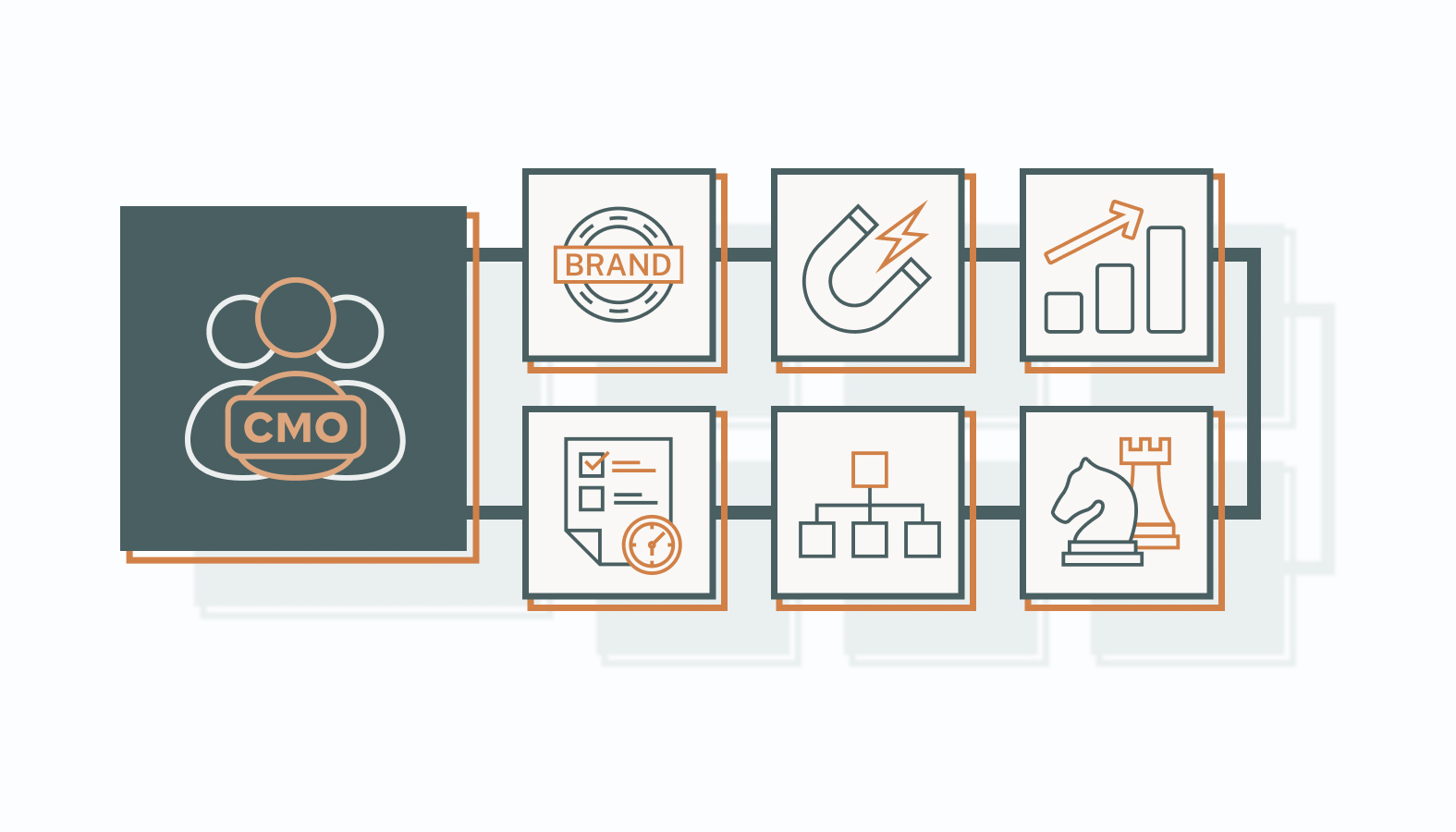
Brands Become More Recognizable
To make a brand stand out, you need a consistent and strategic brand messaging driven by visionary leadership. Good marketing leaders know this and focus on consistently presenting the brand message across all touchpoints to become more memorable and trustworthy in the eyes of consumers.
For instance, Apple’s “Think Different” campaign effectively positioned the brand as innovative and creative. With solid marketing leadership, Apple consistently communicated this message across various platforms, significantly boosting brand visibility and equity.
Customers Engage and Stay Loyal
To keep customers coming back, you need to show them you care. Personalized and targeted marketing campaigns can help increase customer engagement and loyalty. When people feel you know them and understand their needs, they’re likelier to stick around and engage with the brand.
A fantastic example is Starbucks’ personalized rewards program, which uses customer data to offer special deals and rewards. Under the leadership of effective marketers, Starbucks has successfully increased customer retention and engagement, demonstrating the power of personalized marketing strategies.
Sales and Revenue Soar
Strategic marketing initiatives can make a big difference in a company’s profitability. When you know what people want and create marketing that fits their needs, you can substantially improve sales performance and higher revenue.
For example, Nike’s “Just Do It” campaign solidified its brand identity and significantly increased sales. Through well-executed marketing strategies, Nike saw a notable revenue boost, proving the impact of effective marketing leadership.
Get a Clear Vision and Strategy
A clear vision and strategy guide a company’s marketing efforts. Results-oriented leaders develop this strategy and ensure the teams follow it.
When everyone is working towards the same goals, more can be accomplished.
Leaders can effectively allocate resources, prioritize initiatives, and foster a sense of purpose within the team.
Departments Collaborate Better
Marketing leadership breaks down silos and brings different teams to work together. When departments collaborate effectively, they can leverage diverse expertise and resources to achieve better outcomes.
For instance, when sales and marketing teams collaborate, they can create more integrated and impactful campaigns. This can improve the customer experience and drive higher engagement and conversions.
Build a Future-Proof Marketing Strategy
Influential marketing leaders stay ahead of industry trends and continuously innovate to keep their strategies relevant. This forward-thinking approach ensures that the company’s marketing efforts remain competitive and resilient to market changes.
A real-life example is Coca-Cola’s investment in digital marketing and sustainability initiatives. By anticipating market trends and adapting their strategies, Coca-Cola has built a future-proof marketing engine that continues to drive success in a dynamic market environment.
Transform Your Marketing Leadership Today
It’s simple: good marketing means good business.
Marketing leaders who can hold people accountable, focus on results, work well with others, use data wisely, and adapt to change are the ones who get things done. They know their role, face challenges head-on, and guide their teams to win.
Effective marketing leadership builds exceptional brand recognition. It excites people about products, keeps customers happy, and brings in money. It also ensures every company employee is on the same page when building future-proof marketing strategies.
Here’s how to get started:
- Focus on what matters: Set clear goals, track your progress, and adopt a results-driven approach.
- Use the numbers: Leverage data analytics to guide your decisions.
- Work as a team: Share ideas and foster a collaborative environment across departments.
- Stay ahead: Watch what’s happening in your industry and embrace change.
- Put customers first: Prioritize building strong customer relationships to enhance loyalty and engagement.
Take these steps to transform your marketing leadership and watch your business thrive.
Supercharge Your Marketing: Expert Guidance at Your Service
Are you ready to take your marketing to the next level?
Our experienced team is here to provide personalized guidance and tailored solutions. Let’s discuss your specific challenges and explore how we can help you achieve your marketing goals.
Schedule a candid, no-pressure conversation with one of our friendly experts » and discover the transformative power of effective marketing leadership. Together, we’ll turn your vision into reality.