


Many executives trying to increase marketing ROI face the same problem: marketing recommends a plan, leadership approves the budget, and the results still fall short of expectations. Then comes another request for more funding, while confidence in the marketing function erodes. Nobody stops to ask why the same gap keeps repeating. It feels inevitable, but it isn’t.
Increasing spend won’t fix inefficient channels, weak attribution, or broken processes. It simply puts more budget behind the same problems. This guide shows how better attribution, tighter budget allocation, and stronger marketing infrastructure can improve ROI before you increase your marketing spend.
Return on Marketing Investment Formula: What the Numbers Really Tell You
The standard return on marketing investment formula gives you a percentage, but that figure can hide more than it reveals. Knowing the formula isn’t the same as trusting what it produces.
Beyond the Basic Math
According to Monday.com’s guide to marketing ROI, the standard return on marketing investment formula is: ((Revenue − Marketing Cost) ÷ Marketing Cost) × 100. The calculation is simple; the challenge is making sure the revenue and cost inputs are complete, consistently defined, and accurately attributed.
Where Marketing Spend Gets Lost
Standard ROI calculations miss the specific places where budget disappears before anyone questions it:
- Attribution gaps that credit the wrong channel, making the wrong campaigns look successful
- Agency retainers that lack clearly defined scope, deliverables, or performance expectations
- Tech-stack subscriptions still being paid for tools nobody on the team actively uses
- Manual work duplicating what an automation already handles elsewhere
None of these show up cleanly in a basic ROI calculation. They can make reported ROI look stronger than the underlying economics actually are. A leadership team looking only at the top-line ROI percentage may miss these issues because they are buried across multiple tools, vendors, channels, and operating costs.
Each of these inefficiencies can become more expensive the longer it goes unchecked. One unused subscription may look insignificant. Across dozens of tools and multiple years, however, redundant software costs can become a meaningful share of the martech budget.
How to Improve Marketing ROI Without Increasing Spend
The most effective improvements start with finding where existing marketing activity is underperforming. Every dollar recovered from unnecessary spend creates room to reinvest in higher-performing initiatives or improve marketing efficiency without increasing the overall budget.
Cut the Fat with Strategic Marketing Infrastructure Audits
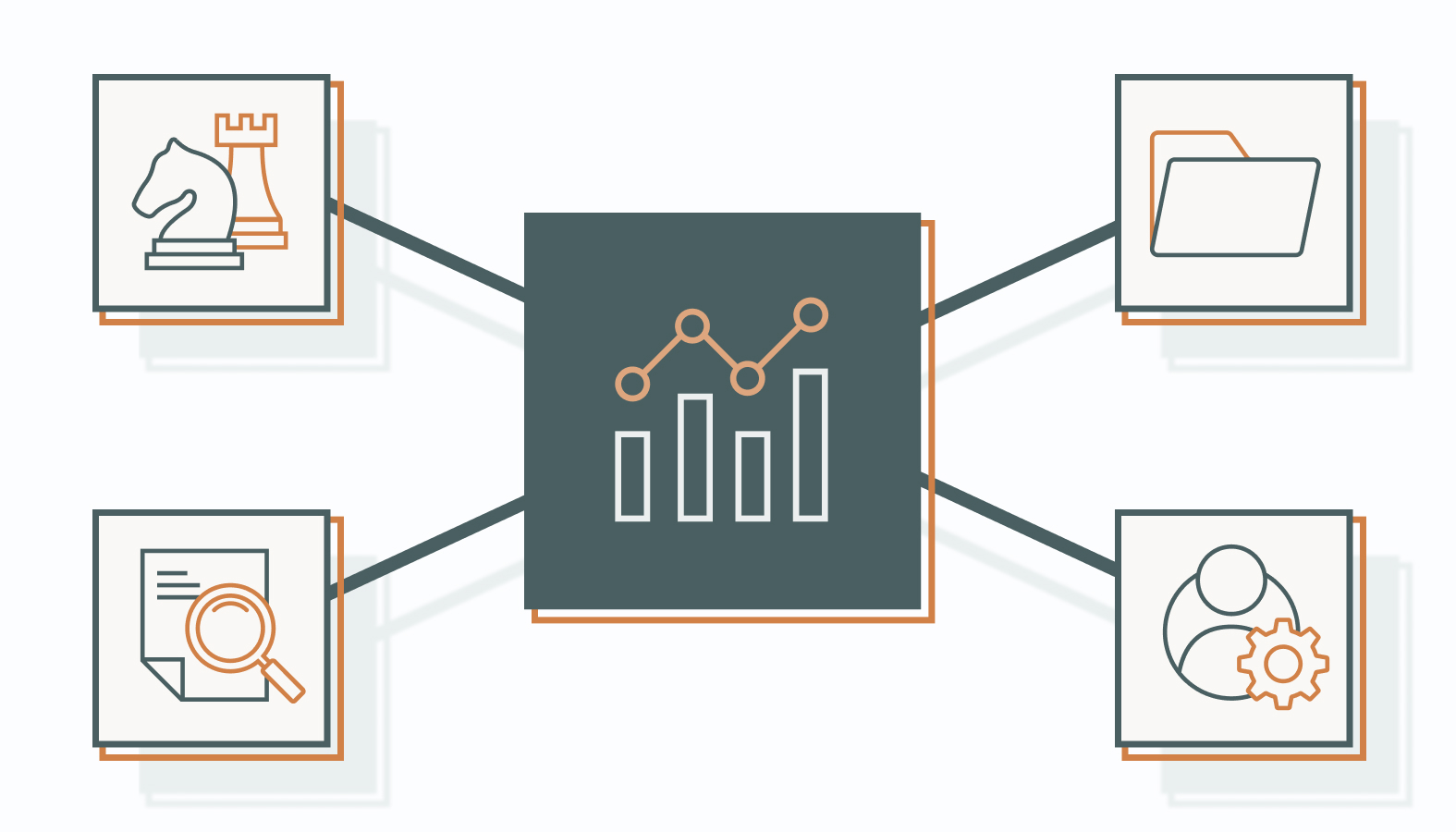
Audit each channel against pipeline contribution, revenue, customer acquisition cost, and conversion performance before deciding whether its current budget is justified. A structured Marketing Due Diligence process can identify where reported performance does not translate into business results by examining attribution, channel economics, conversion paths, CRM data, and marketing operations.
Many teams have an underperforming area they suspect isn’t working, but nobody has checked the data to confirm it. That suspicion goes unexamined for quarters while the budget keeps flowing to it out of habit. An audit turns that suspicion into a decision you can defend.
A real infrastructure audit usually looks at:
- Channel-level ROI, compared against pipeline, revenue, and acquisition costs rather than relying solely on blended averages
- Attribution accuracy, confirming the CRM and ad platforms agree on what converted
- Contract terms on every agency and tool subscription, including auto-renewal dates
- Team capacity against current workload, to spot where manual effort stands in for a process
Shift to a Data-First Optimization Model
Stop treating likes, impressions, and follower counts as proof of marketing performance. ZoomInfo describes vanity metrics as measures that can look impressive but provide limited insight into business outcomes or actionable performance. Shift toward revenue-centric measurement, where the most important metrics tie marketing activity to pipeline, closed revenue, CAC, or customer lifetime value. A data-first analytics model provides the visibility needed to evaluate those outcomes instead of relying on surface-level engagement trends.
This shift can be uncomfortable when the data challenges assumptions about a long-standing channel or campaign. But it creates an opportunity to redirect spend based on evidence rather than familiarity.
A simple way to see the difference:
- Use impressions to understand reach, but pair them with pipeline influence.
- Track follower growth as an audience signal, but measure how those audiences contribute to qualified leads and opportunities.
- Use click-through rate to diagnose campaign engagement, but connect it to conversion rate, customer acquisition cost, and closed revenue.
The channels and activities haven’t changed; the difference is that the metrics now show whether they contributed to business outcomes.
Double Down on Verified, High-Performing Channels
B2B marketing and customer data often reveal that a relatively small number of channels, segments, or accounts drive a disproportionate share of results. The Pareto principle can be a useful framework for identifying that concentration. The University of Maryland Extension notes that the principle can help businesses identify uneven distributions in business performance. Apply that framework to your own data to determine which channels are carrying the most weight.
Spreading the budget evenly feels safer, since it avoids picking a winner. If two of five channels generate 80% of your results, that is a signal to investigate whether the remaining channels deserve their current allocation — not proof that they are wasting budget. Reallocate budget toward proven performers while reserving a controlled portion for testing new opportunities.
Tighten Audience Targeting and Precision Personalization
Reduce spend on audiences that consistently generate clicks but little qualified pipeline or revenue. Build your targeting around the characteristics of your highest-value customers and accounts, then use those patterns to refine acquisition and personalization. More precise targeting doesn’t necessarily require more budget. It requires using customer and conversion data to define who is most likely to become a profitable customer. A smaller, better-fit audience can produce stronger economics when it generates higher conversion rates, customer lifetime value, or pipeline per dollar spent.
Refining that audience usually comes down to a short list of questions to revisit every quarter:
- Which past customers had the highest lifetime value, and what did they have in common before they bought?
- Which segments convert fastest, and which ones just generate activity without closing?
- Are current targeting parameters based on this year’s data, or copied forward from a campaign built two years ago?
Structural and Operational Tactics for ROI Optimization
Operational improvements protect ROI by removing the delays, manual work, and process gaps that erode performance over time. A strategy can be right and still fail to deliver if the infrastructure underneath it is working against it.
Drive Efficiencies via Marketing Automation
Manual bottlenecks slow down everything downstream, from lead routing to follow-up timing. Storyteq reports that marketing automation can reduce time spent on manual processes by up to 80%, although the actual savings vary considerably based on the workflows and processes being automated. Marketing automation & operational efficiency tactics can remove that drag, letting your team scale output without scaling headcount. If a lead must be moved manually between three systems, audit the workflow for delays, duplicate data entry, and missed follow-ups before adding headcount.
Prioritize High-Value, Relevant Content
In HubSpot’s 2026 State of Marketing Report, a survey of more than 1,500 global marketers, 62.7% said brands need more unique, human-centered content to compete with AI-generated content. Instead of producing content simply to maintain publishing volume, allocate resources toward fewer, more useful assets that demonstrate expertise and address real buyer questions. This approach can build buyer trust, organic visibility, and qualified demand more effectively than content created simply to fill a calendar.
Common Pitfalls Leading to Wasted Marketing Spend
Three common decisions can create unnecessary marketing waste: approving plans without validating results, accepting unclear costs, and prioritizing short-term gains over measurement infrastructure.
Relying on Slick Sales Pitches Over Proven Results
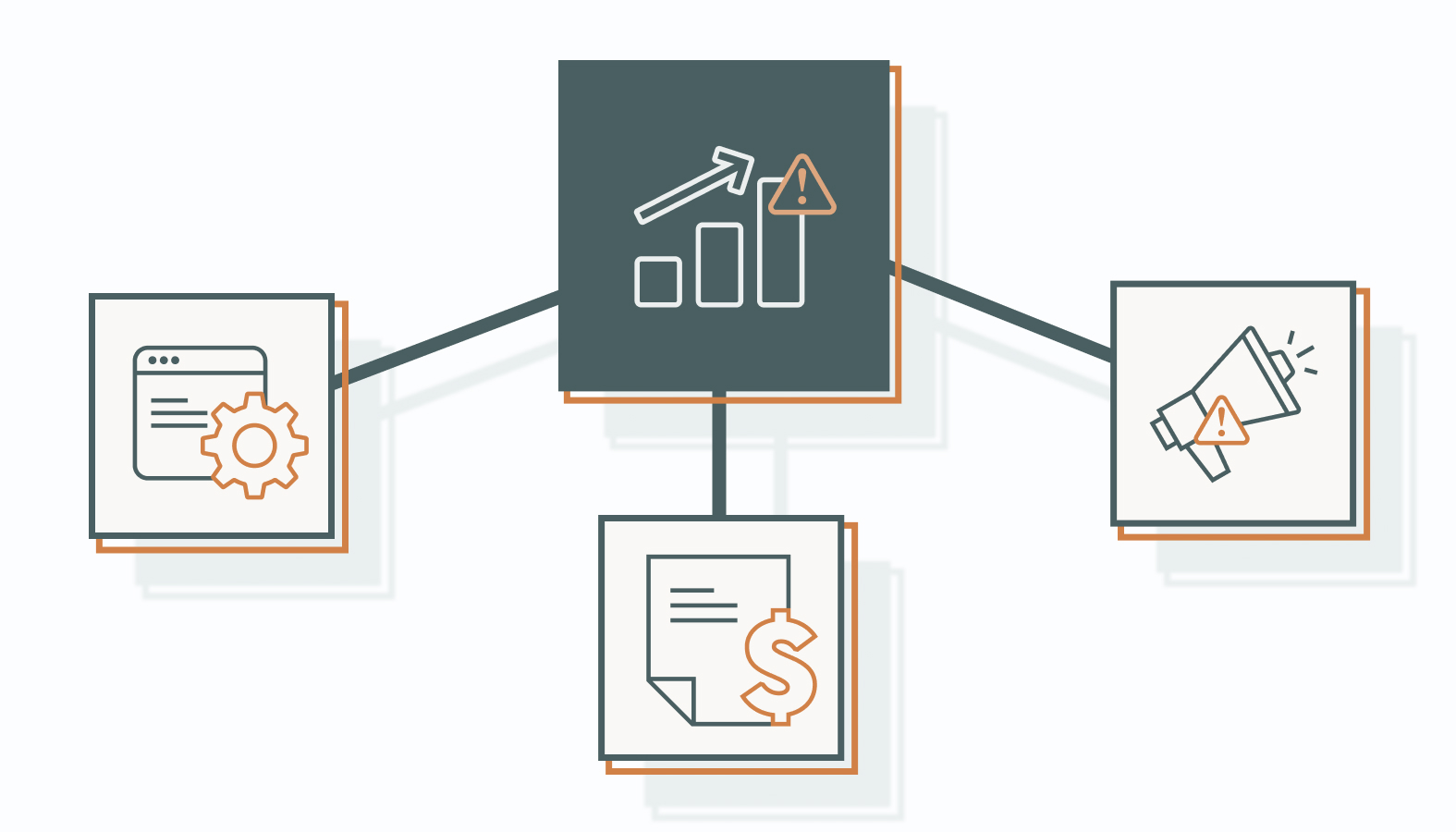
A polished pitch deck isn’t evidence of performance. Ask vendors and internal teams to support performance claims with historical data, attribution methodology, assumptions, and measurable outcomes before approving additional budget. Confidence in a room and results on a spreadsheet are two different things, and the best-looking deck isn’t always the best-performing plan.
Accepting Ambiguous, Non-Transparent Agency Billing
If you can’t connect a retainer to defined deliverables, measurable outcomes, and a clear scope of work, you don’t have enough visibility to evaluate the investment. Ask providers to explain what each component of the engagement covers and how performance will be measured. A confident partner rarely hesitates to show the breakdown.
Prioritizing Short-Term Gains Over Sustainable Marketing Infrastructure
A campaign that spikes this month’s numbers but compromises tracking or attribution may look successful in the short term while making future performance harder to measure. When leadership reviews performance later, those gaps can make it difficult to determine what actually drove the result. Sustainable infrastructure makes performance easier to measure, reproduce, and improve over time.
Frequently Asked Questions (FAQs)
1) How do you calculate marketing ROI?
Subtract your marketing cost from revenue generated, divide by marketing cost, then multiply by 100. The formula is simple. Getting accurate inputs is the harder part, since revenue attribution is rarely as clean as the formula assumes.
2) What are the key metrics for measuring marketing ROI?
Key marketing ROI metrics include customer acquisition cost (CAC), pipeline contribution, conversion rate by channel, closed-won revenue, customer lifetime value (LTV), and LTV:CAC. Impressions and click-through rate can provide useful context, but they should not be mistaken for revenue outcomes. The right metrics depend on your business model, sales cycle, and stage of the funnel.
3) What is a realistic timeline to increase marketing ROI?
Some operational fixes, such as eliminating unused software or correcting obvious tracking issues, can produce measurable improvements within weeks. Channel reallocations and broader strategic changes may take several months to produce reliable revenue data, particularly in B2B environments with longer sales cycles.
4) Which tactics offer the fastest route to marketing ROI optimization?
Cutting unused tech subscriptions and fixing obvious attribution problems can produce some of the fastest improvements because they don’t require a new campaign or long testing cycle. Unused subscriptions can often produce savings in the next billing cycle, while attribution fixes can improve decision-making immediately even if their impact on reported ROI takes longer to validate.
5) Can you execute low-cost tactics for marketing ROI optimization in B2B?
Yes. B2B teams can improve ROI by auditing existing spend, tightening ICP and audience targeting, fixing attribution, and eliminating redundant tools before increasing media or technology spend.
6) Why do standard ROI calculations often fail business leaders?
Standard ROI calculations can mislead when attribution, conversion timing, or marketing costs are incomplete. The formula itself is straightforward; the challenge is making sure the inputs accurately reflect business performance.
Escaping the Vicious Cycle of Wasted Spend
Faster revenue growth doesn’t need a bigger budget. It needs sharper strategic leadership and the discipline to find where your current spend is already wasted. Better marketing ROI starts with knowing what your current budget is actually producing. Once attribution is trustworthy, waste is visible, and channel performance is clear, leadership can make more confident decisions about where to invest next.
If you’re unsure where your marketing budget is going, or which investments are actually driving growth, schedule a candid conversation with one of our experts. Bring your spend breakdown, and we’ll help you identify where to keep investing, what to fix, and where you may be able to reduce waste.