


Small businesses are fighting an uphill battle in today’s competitive marketing landscape. Limited resources and a rapidly changing digital world make it tough to keep up with larger rivals.
Attracting and keeping customers is tough, and building brand recognition is even more challenging. Plus, measuring the success of marketing efforts can be a real headache.
But there’s a solution: a digital marketing agency. They can guide small businesses through this complex world. With expert advice and a custom strategy, agencies can help companies attract new customers, boost revenue, and make their brands stand out.
Assessing Your Digital Marketing Needs
Before you jump into digital marketing, your company must define its goals.
Identifying Your Business Goals
What are your business goals? Every small business is different, so your goals will be, too.
Digital marketing can help improve brand awareness, increase website visits, sell more products, or retain customers.
For example, a local bakery might use digital marketing to attract more customers to its store, and its online store could focus on getting more people to visit its website and buy things.
Knowing your goals will help you create a digital marketing plan that works for your business.
Tailoring Your Strategy
Once you know your goals, you must create a digital marketing plan that helps you reach them. This means choosing the right digital marketing tools and services.
Focusing on social media marketing and SEO (search engine optimization) might be more beneficial for a startup. Meanwhile, a more established business might invest in PPC (pay-per-click) advertising and advanced email marketing campaigns.
Different Stages of Business Growth
Businesses at different stages of growth will have other digital marketing needs.
A new business might prioritize establishing its online presence and building a solid customer base. In contrast, a growing business might focus on scaling its digital marketing efforts to reach a wider audience.
On the other hand, a mature business might consider refining its strategies and optimizing its digital marketing for a better return on investment.
Essential Services for Your Digital Marketing Arsenal
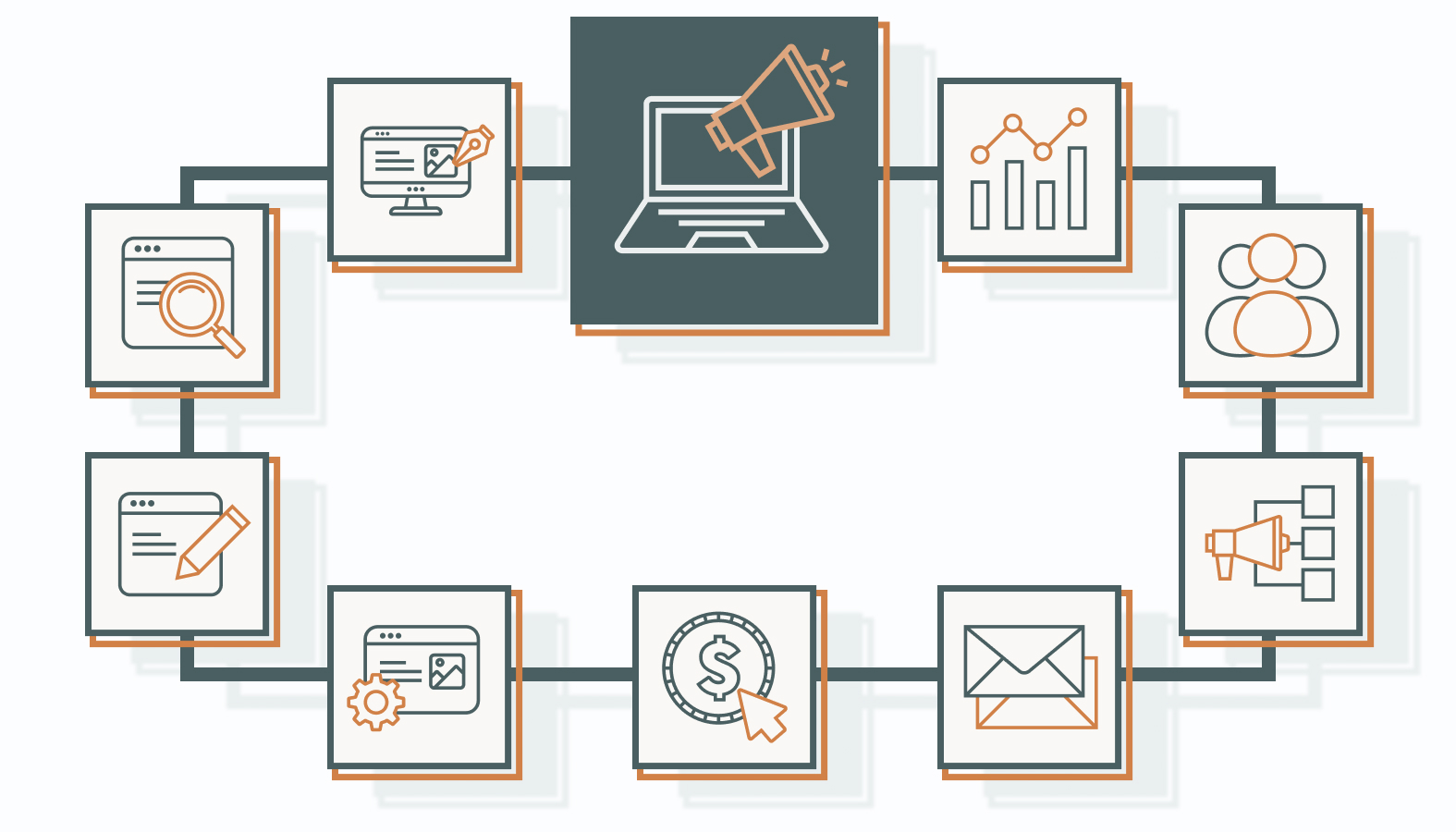
A successful digital marketing strategy needs a mix of tools and services. Here are some essentials, with real-world examples to illustrate their impact.
Website Design and Development
Your website is the front door of your business online. It’s where potential customers learn about your business, explore your products or services, and ultimately decide whether to do business with you.
For example, Joe’s Bikes (a local bike shop) had an old website that wasn’t good for mobile phones. After they fixed the website’s mobile-friendliness, Joe’s Bikes saw a 35% increase in online inquiries about their bikes within three months. This improvement demonstrates the importance of a responsive, fast, and accessible website.
Search Engine Optimization (SEO)
SEO helps more people find your website on search engines like Google. This is important because it makes it easier for people to find your small business when searching for related products or services.
For instance, Healthy Eats, a small organic food store, optimized its website by targeting keywords like “organic food delivery” and “local organic produce.” As a result, they experienced a 50% increase in organic traffic and a 25% increase in sales within six months.
Content Marketing
Content marketing involves consistently creating and sharing useful, engaging content to attract and retain a clearly defined audience.
Tina’s Travel Blog is an excellent example. By regularly publishing high-quality travel guides, tips, and personal stories, Tina attracted a loyal readership and partnered with travel agencies for sponsored posts. Her blog’s success lies in good content that resonates with her audience.
Social Media Marketing (SMM)
Social media platforms offer a powerful way to talk to your target audience and build brand awareness.
Cupcake Haven, a small bakery, used Instagram to showcase its mouth-watering cupcakes. It engaged its followers through comments, stories, and live baking sessions. This helped it grow its followers by 200% in just six months, which led to more people coming to its store and buying cupcakes.
Pay-Per-Click Advertising (PPC)
PPC is an internet marketing model in which advertisers pay a fee each time someone clicks on their ad. It provides immediate traffic and measurable results.
Tech Gizmos, an online electronics store, used Google Ads to target users who were searching for “best wireless headphones.” Their PPC campaign generated immediate traffic and resulted in a 30% increase in sales within the first month.
Email Marketing
Personalized email campaigns can nurture leads and maintain customer relationships effectively.
Sunny Day Spa used email marketing to send personalized offers and updates to its clients. It segmented its emails into groups based on customer preferences and behavior (what they liked and didn’t like), which achieved a 40% open rate and a 20% increase in repeat bookings.
Affiliate Marketing
Affiliate marketing is a tried-and-tested approach in which other people promote your products and earn a commission from the sales they generate.
Eco-Friendly Living, a small retailer of sustainable products, partnered with environmental bloggers and influencers. These partners used affiliate links to send people to the Eco-Friendly Living website, resulting in a 15% increase in sales within three months.
Influencer Marketing
Influencer marketing is like modern-day word-of-mouth. Small businesses can work with influencers to reach more people.
Fashion Forward, a boutique clothing store, collaborated with local fashion influencers to launch their new collection. The influencers’ posts and stories led to a 50% increase in new customers and significantly boosted brand awareness.
Marketing Analytics and Reporting Tools
Effective monitoring and data-driven decisions are essential for refining your digital marketing strategy.
- Google Analytics
This tool provides insights into website traffic and user behavior.
For instance, Fitness First Gym used Google Analytics to identify high-performing content and user drop-off points. This data helped them optimize their site, leading to a 20% increase in user engagement.
- MarketingCloudFX or Similar Platforms
Platforms like MarketingCloudFX offer comprehensive analytics and reporting features, enabling businesses to track campaign performance, ROI, and more.
By leveraging these tools, Green Earth Landscaping analyzed their marketing campaigns and made informed adjustments, which resulted in a 30% improvement in lead generation.
Implementing Core Digital Marketing Services
You need the right tools, techniques, and expertise to succeed with digital marketing. Here are tips for effectively using different digital marketing services for your small business.
Do-It-Yourself vs. Outsourcing
When managing your digital marketing efforts, you can do it yourself and handle it in-house or outsource it to external experts. Both have their pros and cons:
Do-It-Yourself (DIY)
- Pros: Handling marketing in-house can be cheaper, especially if you or your team already know how to do it. You’ll also have complete control over making changes whenever necessary.
- Cons: Digital marketing requires a lot of time and effort, which can distract from other important business activities. You might also lack expertise on the latest tools (or lack access to them) and trends that professionals use.
Outsourcing
- Pros: Agencies bring expertise and experience–people who know what they’re doing and can keep your marketing up-to-date. They can also scale their services up or down depending on your needs, which is helpful as your business grows.
- Cons: Hiring an agency can be more expensive than doing it yourself. You’ll also have less control, which might be a problem if you like to be in charge.
Finding the Right Service Providers
Choosing the right digital marketing agency can make or break your small business. Here are some tips for finding the right one:
- Define Your Needs: Be clear about your marketing goals and what services you need.
- Evaluate Their Experience: Look for agencies with a proven track record in your industry. Check their portfolio and ask for case studies or examples of past successes.
- Check Reviews and References: Look online for reviews and ask for references from previous clients to gain insight into their reliability and performance.
- Assess Communication and Collaboration: Make sure you like how they communicate since the success of any marketing strategy relies on effective collaboration.
- Understand Their Approach: Inquire about their methods, strategies, and tools. A good agency will be transparent about its methods and willing to tailor its approach to fit your business needs.
- Budget Considerations: Get detailed pricing information and ensure it aligns with your budget. Be careful of agencies promising unrealistically quick results at meager costs, as these may not deliver quality work.
Measuring the Impact of Your Digital Marketing Efforts
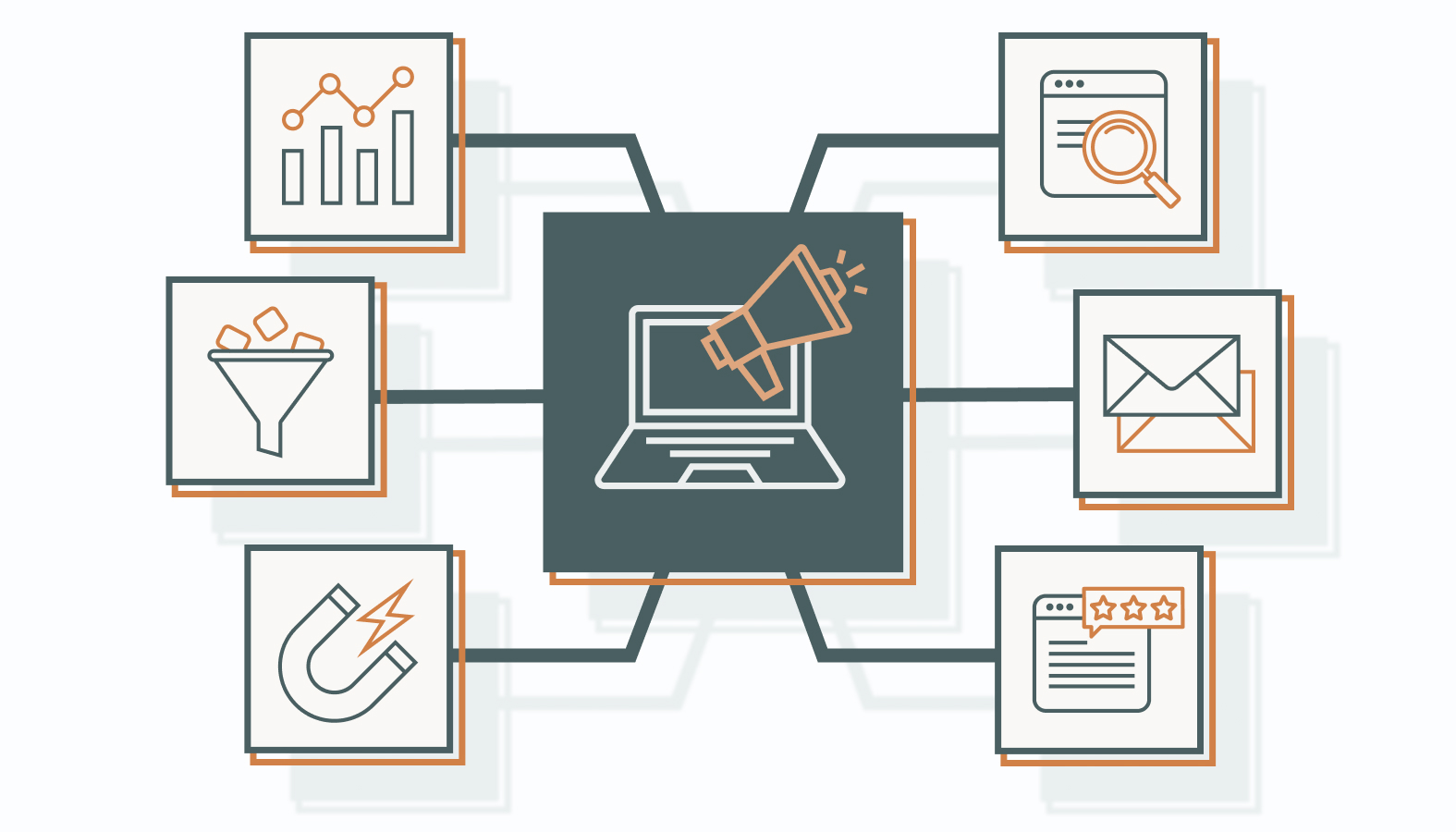
Successful digital marketing requires tracking and measuring key performance indicators (KPIs). This data helps you understand what’s working and make better decisions.
Traffic Metrics
Monitoring the quantity and quality of traffic to your digital platforms is vital to your digital marketing strategy.
Quantity of Traffic:
- Total Visits: How many people visited your website over a specific period?
- Unique Visitors: How many different people visited your website?
Quality of Traffic:
- Bounce Rate: How many people left your website after only looking at one page?
- Pages Per Session: How many pages did people look at on average?
User Behavior
- New vs. Returning Visitors: How many people came back to your website?
- Geographical Distribution: Where do your visitors come from?
- Device Usage: Do people visit your website using mobile phones, computers, or tablets?
Conversion Metrics
Conversion metrics measure conversion rates (how well your marketing gets people to take action) of buying something, filling out a form, or signing up for a newsletter.
You can also track specific goals, such as downloads or registrations, to see how well your marketing works. This helps you understand your marketing effectiveness and identify the cost per conversion (how much you’re spending to acquire each customer).
Content Engagement Metrics
Understanding how users interact with your content is crucial for refining your content strategy.
- Time on Page: Measures how long a visitor stays on a particular page. Longer times suggest that your content is engaging and valuable to your audience.
- Scroll Depth: Indicates how far visitors scroll down a page, helping you understand whether they are consuming your entire content or just skimming the top.
- Social Shares and Comments: High engagement on social media platforms, including shares and comments, indicates your content resonates with your audience and encourages interaction.
SEO Metrics
SEO metrics show how well your efforts are working. These monitor keyword rankings to see how visible you are in search engine results pages (SERPs) and track organic search traffic to see how many people find your website through search engines.
Finally, you can use click-through rates (CTRs) to see how many people click on your website’s link in search results.
Email Marketing Metrics
Key email marketing metrics help evaluate the effectiveness of your email campaigns.
- Open Rate: How many people opened your email?
- Click-Through Rate: How many people clicked on links within your email?
- Conversion Rate: How many people took action after clicking on a link in your email?
A huge part of email marketing is conducting A/B tests. With this method, you’ll send different versions of your emails to segments of your audience, which helps optimize content, design, and sending times for better performance.
Customer Satisfaction and Experience Metrics
To succeed in the long term, you must understand how satisfied your customers are. You can use metrics such as:
-
- Net Promoter Score (measures customer loyalty based on how much they’ll recommend your business to others)
- Customer feedback (collects feedback through surveys, reviews, and other tools)
- Customer retention rate (the percentage of customers who continue to do business with you over a specific period)
Tracking these KPIs and metrics lets you learn how well your digital marketing works and improve your campaigns.
The Path Forward: Growing Your Small Business with Digital Marketing
Digital marketing can help small businesses succeed. Here’s how:
- Know their goals: Identify what they want to achieve.
- Create a plan: Tailor their digital marketing strategy to their goals.
- Use essential services: This includes website design, SEO, content marketing, social media, PPC, email marketing, affiliate marketing, influencer marketing, and analytics.
- Choose the right approach: Decide if they want to do it themselves or hire a service provider.
- Measure results: Track their progress to see what’s working.
Digital marketing is a cost-effective way to reach more people and achieve your goals. But it can be challenging to do it right.
A digital marketing agency can help you create a business plan that works, reach your goals faster, and avoid costly mistakes.
Ready to Grow Your Business Online?
Digital marketing can be a game-changer for small businesses. The right strategy can help you attract new customers, increase sales, and build brand awareness.
Want to learn more? Schedule a candid conversation with one of our experts today. » No pressure – We’ll provide honest advice and discuss the best options for your business.
Let’s work together to achieve your business goals.