


A page that once generated qualified leads every week is slowly losing traffic. The decline is gradual enough to go unnoticed until pipeline numbers begin to fall. This is content decay, and many B2B teams only recognize it after it starts affecting revenue. Leaving it untouched doesn’t just cost rankings. It wastes the budget you already spent producing it and lowers the authority of your whole domain.
This guide walks you through a content update framework built to recover those rankings without rebuilding your whole content library.
Why “Leaving Old Content Alone” Destroys Marketing ROI
Leaving old content alone destroys ROI because search engines and buyers reward freshness. A page that stops getting updated slowly loses both rankings and revenue at the same time.
Understanding Content Decay as a Revenue Leak
A page that ranked in position two last year and now sits at position eight isn’t just less visible. According to Backlinko’s analysis of 4 million Google search results (2023), the #1 organic result gets an average click-through rate of 27.6%, roughly 10 times higher than a page sitting in position ten. It’s converting fewer people who were already looking for what you sell. Each dropped position typically means fewer clicks, and fewer clicks on a page that used to generate qualified leads is a direct, measurable revenue leak.
Teams often monitor rankings without tracking the leads those rankings generate. As a result, they may not notice declining pipeline performance until quarterly reviews. By the time someone connects the drop to a specific page, that page may have been losing traffic for months, which means months of leads that never came in.
Search Engine Realities: How Google Views Freshness and Authority
Google states that its ranking systems evaluate helpful, reliable, people-first content rather than relying on any single ranking factor, making regular content updates important for maintaining relevance. Pages that get updated with current data, unique insights, and clear formatting tend to keep their rankings better than pages published once and never changed again. Updating the publication date alone isn’t enough. Ahrefs’ guidance on content freshness states that Google can detect superficial updates, like a changed publish date with no real content changes, and may ignore them entirely.
It means the actual substance – the statistics, the examples, the structure needs to stay current for search engines to keep treating the page as a reliable answer. A page that hasn’t changed in three years, even one that ranked well when it launched, eventually looks less trustworthy next to a competitor’s page that reflects the current state of the industry.
The Data-First Content Audit: How to Spot What’s Broken
A data-first content audit finds which pages are losing performance and separates that from normal, temporary fluctuation, so you don’t waste time updating pages that don’t need it.
Tracking Traffic Trends via Google Analytics & Search Console
Check twelve months of data before deciding a page is in decline. A drop in July that matches last July’s numbers is a seasonal pattern, not decay. A steady downward drop across several months, especially one that doesn’t recover the following year, is a real signal that content is outdated. Google Search Console makes this easier to confirm by showing exactly how rankings have changed over time.
Evaluating Content Relevance Against E-E-A-T Standards
Once you’ve flagged a page as declining, check it against a simple list:
- Are the statistics still current?
- Are the examples still relevant to how the industry operates now?
- Do any external links lead to dead pages?
Individually, these issues may not hurt rankings. Together, they signal that the page is no longer current. A page mentioning tools that have been discontinued or linking to sites that no longer exist reads as outdated, even if the core message is still up-to-date.
Prioritizing Pages for Maximum Revenue Impact
Not every declining page needs the same attention right away. Prioritize pages that dropped from positions one through three to the bottom of page one. Those pages are already converted well and need the least work to recover that performance. Prioritize pages with proven ranking history before investing in pages that have never performed well. In practice, these pages often recover faster because search engines already understand their topical relevance and historical performance.
How to Update Existing Content to Improve SEO? (Step-by-Step)
If you’re wondering how to update existing content to improve SEO, follow this repeatable framework to refresh outdated pages and improve rankings.
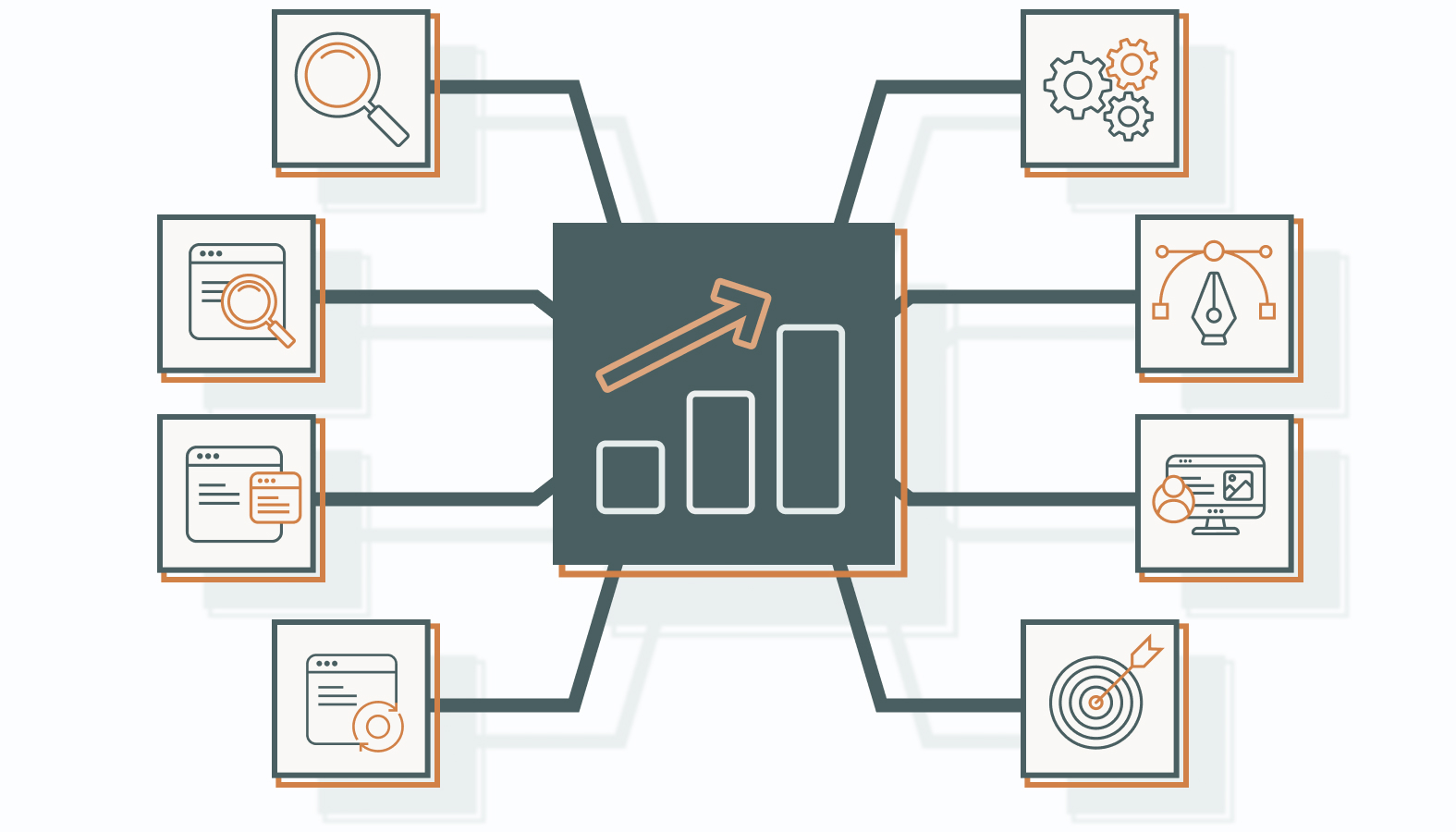
Audit Your Current Content
When learning how to update website content, the first step is identifying pages that have become outdated or are losing search visibility. Google Analytics and Search Console help confirm which pages have lost traffic or rankings over time.
Identify Target Keywords and Search Intent
Check whether the keywords a page originally targeted are still right for that topic and audience. Search behavior shifts, so look for whether the intent behind a keyword has changed since the page was written.
Refresh Headlines and Meta Tags
Rewrite headlines to include the current target keyword while still earning clicks, not just rankings. Update meta descriptions and title tags too, since both affect whether someone clicks the result, regardless of how well the page ranks.
Update and Expand Content for Relevance
Add new statistics, examples, or information that reflect where the topic stands today. Updating a page isn’t just about adding to it. Removing outdated material that lowers overall quality matters just as much as adding anything new.
Optimize Internal and External Links
Add or update internal links pointing to other relevant, high-value pages on the site, so the page contributes to the site’s overall structure. Check external links too, and replace any broken links or those that point to sites that no longer carry authority with current, credible sources.
Enhance Visuals and Multimedia
Update images, infographics, or videos that look dated or contain outdated information. Make sure image ALT text is accurate, and optimize file sizes, since oversized images can slow page speed and reduce the SEO gains from the rest of your improvements.
Improve Readability and User Experience
Break up long paragraphs, add subheadings, and use bullet points where they make information easier to scan. Confirm the page loads fast and displays correctly on mobile, since a page that loads slowly or breaks on a phone loses readers no matter how good the content is.
Address Technical SEO Issues
Check for crawl errors, broken links, or duplicate content, since these can hurt a page no matter how strong the writing is. Update structured data and sitemaps, and confirm the page is properly indexed once changes go live. Even excellent content won’t perform if search engines can’t properly crawl and index it.
How Often Should I Update My Content for SEO?
If you’re wondering how often you should update your content for SEO, the answer depends on how much revenue each page generates. High-impact pages need quarterly attention, while general top-of-funnel content can go longer between reviews.

Moving from Reactive Fixes to Proactive Workflows
Waiting for a page to visibly decline before updating it means you’re always reacting late. High-converting core pages, the ones tied directly to demos, quotes, or sign-ups, should get reviewed every quarter, even if they haven’t dropped yet. General educational or top-of-funnel content can go on a twice-a-year schedule, since each page in that category usually ties to less revenue.
Balancing New Content Production vs. Historic Optimizations
Most teams spend nearly all their content budget on new production, since new content feels more like progress than updates do. An even split between new content and updating existing pages usually gets more total return, since updated pages already have some authority and traffic instead of starting at zero. A brand-new page can take months to rank well even when it’s written well, while an updated page can show results within weeks, since it already has a track record with search engines.
Measuring the Business Impact of Your Content Refurbishment
Measuring the impact of a content update means checking more than ranking changes. It also means connecting it directly to leads, conversions, and pipeline.
Beyond Vanity Metrics: Tracking Lead Velocity and Conversions
A ranking recovery that doesn’t move from completions or pipeline numbers isn’t complete yet. Track keyword position changes alongside the conversion data for that same page, so a jump back into the top three gets tied to whatever happened with leads and revenue in the following weeks. This is what turns a content update from an SEO task into a business result you can show in a revenue meeting.
Iterating Based on Post-Update Performance Data
Watch Search Console for fourteen to thirty days after any update. If rankings don’t move, the headers and on-page structure likely need another pass.
If traffic increases, add internal links from other relevant pages on the site to support that growth. If a page stays flat despite the update, consider merging it into a stronger, related page or redirecting it instead of continuing to update it individually.
Reclaim Your Rankings: Turn Content Decay Into Revenue
Content updates often generate the highest return from a marketing budget you’ve already spent. The pages already exist, the research and writing costs are already paid, and fixing their performance costs far less than building new pages from zero. HubSpot’s account of its historical optimization process states that the team more than doubled monthly lead volume from old posts it optimized, without slowing down its regular publishing schedule. Teams that update content on a regular schedule, instead of treating it as a one-time project, see steadier organic growth.
Tired of marketing strategies that don’t convert? If you want a data-first team managing your SEO and content operations transparently, billing only for the hours actually used, schedule a candid conversation with one of our experts. Bring your underperforming pages, and we’ll identify the content updates most likely to recover rankings and generate qualified leads.